



| Contents |
|---|

Introduction
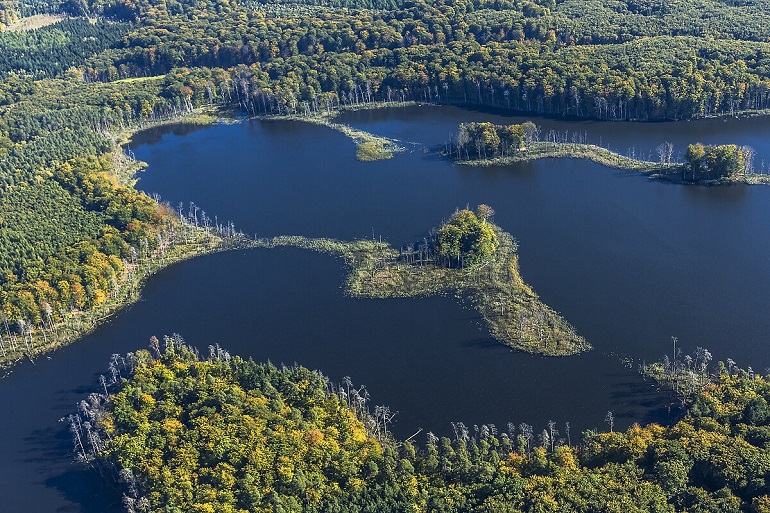
Müritz National Park is the country's largest terrestrial national park, covering an area of 322 square kilometres of forests, marshland and lakes (over 100 of them) in southeast Mecklenburg, between Berlin and Rostock. The landscape is defined by more than 130 lakes, ancient beech forests, and expansive wetlands. A section of the park's beech forests is recognised as a UNESCO World Heritage Site, forming part of the Primeval Beech Forests of the Carpathians and Other Regions of Europe. Lake Müritz, at the centre of the park, is the largest inland lake entirely within Germany (117 km²). The main fauna includes red deer, cranes, white-tailed eagles, ospreys, great bitterns, black storks, redshanks, greenshanks, teals, and reed warblers. The gateway town to the park is Waren.
Geography and Landscape
Setting and Structure
Müritz National Park lies in the lakeland of Mecklenburgische Seenplatte in north-eastern Germany, with its territory split into two non-contiguous sections: the larger Müritz section stretching from the eastern shore of Lake Müritz towards Neustrelitz, and the smaller Serrahn section further east. The park encompasses an expansive lowland shaped by the last Ice Age, with landforms dominated by terminal moraines, outwash plains (sandur), and shallow depressions that hold water across a mosaic of lakes, mires, and wetlands. Forested areas cover the majority of the landscape, interspersed with open waters and peatland basins.
Glacially Shaped Landforms
The park’s terrain reflects powerful glacial processes from the Weichselian glaciation. Terminal moraines form gentle ridges along the northern margins, while broad sandur plains fan out in the Müritz section, creating extremely shallow shorelines and flat expanses where meltwater once flowed. Throughout the park are kettle holes and dead-ice hollows—remnants of stranded ice blocks—which now appear as small lakes, pools, and damp depressions embedded within woodland and meadow. Elongated troughs and channels testify to the movement of ice tongues and meltwater, giving the area its characteristic undulating low relief.
Waterscapes and Lakes
Water defines the park’s identity. Only the eastern shore of Lake Müritz—the largest lake entirely within Germany—falls within the park boundary, but the protected area still includes over a hundred lakes as well as countless ponds, runs, and drainage ditches. Many lakes are shallow and interconnected, often with seasonally fluctuating levels. Reedy fringes, flood-prone shore meadows, and quiet bays create a varied shoreline topography. In the east, lakes are set amid rolling, forested hills; in the west, they sit within flat outwash terrain, linked by channels and natural overflows that respond to rainfall and groundwater dynamics.
The Havel Headwaters and Watershed
A defining geographic feature is the North Sea–Baltic Sea watershed, which runs along the park’s higher northern ground. Here, groundwater emerges in springs, seepage zones, and spring bogs—sometimes entire lake basins function as source areas. From near Ankershagen, the River Havel begins its journey, gathering water from chains of lakes and mires as it winds south-westward beyond the park. This headwater landscape is a patchwork of saturated hollows, peat-forming basins, and slow-flowing channels.
Müritz East Shore: Outwash and Wetlands
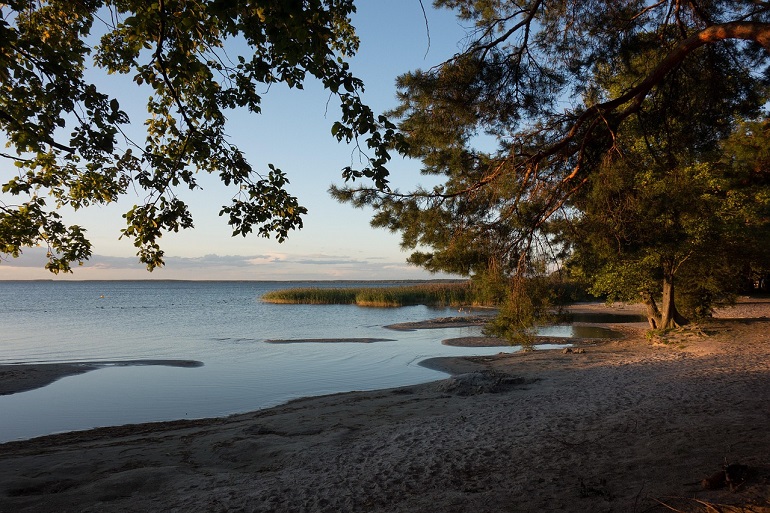
The eastern shore of Lake Müritz is an archetypal meltwater outwash plain. Its shoreline shelves so gently that broad belts of reeds, extensive bogs, and swampy woodland dominate the littoral zone. Seasonal water-level shifts expose flats and inundate shore forests, constantly reshaping the edge conditions between land and water. The flatness enhances big-sky vistas across open water and reedbeds, punctuated by occasional sandy rises and viewing points on glacial knolls.
Serrahn: Hilly Forested Lowlands
The Serrahn section presents a different spatial character: a hilly lowland of glacial sands and loams, pocked with lakes and mires and cloaked largely in mature woodland. Relief here is more accentuated than along Müritz, with subtle ridges and bowls shaping a sequence of enclosed landscapes—quiet lake basins, peat-filled troughs, and sheltered valleys. Elevations remain modest but provide frequent shifts in aspect and enclosure, contrasting with the open feel of the Müritz shore.
Notable High Points and Vantage
Despite the overall low-lying nature, local summits punctuate the area. Käflingsberg, a modest height in the Müritz section, offers one of the clearest panoramic impressions of the park’s structure: flat outwash terrain rolling toward the water, interlaced with lakes, reedbeds, and long woodland edges. Across the park, small morainic rises act as natural lookouts, revealing the interplay between forest massifs, wetland corridors, and open waters.
Landscape Character in Summary
- A lowland shaped decisively by ice-age geology, with moraines, sandur, kettles, and shallow basins.
- A highly aquatic mosaic: extensive lake networks, reed-fringed shores, and peat-forming mires.
- Contrasting sections: the flat, wetland-rich Müritz shore versus Serrahn’s hilly, enclosed, forested lowlands.
- A continental watershed line and the Havel’s spring landscapes as organising hydrological features.
- Long, open views over water balanced by intimate, enclosed hollows among wooded ridges.
This varied glacial landscape, with its water-dominated topography and subtle relief, creates a distinctive sense of place—broad horizons on the Müritz side, and textured, lake-dotted woodland landforms in Serrahn—ideal for appreciating the geomorphology and waterscapes that define Müritz National Park.
Flora and Fauna
Müritz National Park presents an extraordinary tapestry of wildlife and plant life that makes it one of Europe's most biodiverse protected areas. This remarkable landscape, encompassing over 130 lakes, ancient beech forests, and mysterious moors, serves as a vital sanctuary for numerous endangered species whilst offering visitors an unparalleled glimpse into pristine northern European ecosystems.
Exceptional Biodiversity
The park's impressive biological diversity includes 54 mammal species, 214 bird species, 859 beetle species, 673 butterfly species, 61 spider species, 16 reptile and amphibian species, and 26 fish species. The flora is equally remarkable, featuring 910 species of vascular plants, 133 moss species, and 17 charophyte species. Additionally, researchers have documented 593 fungal species and 152 lichen species throughout the park.
Avian Treasures
Large Birds of Prey
Müritz National Park boasts the highest breeding density of white-tailed eagles and ospreys in Central Europe. The magnificent white-tailed eagle (Haliaeetus albicilla) is a star attraction, and visitors might witness these impressive raptors soaring overhead or bringing back their catch to lakeside perches. Ospreys have also established thriving populations here, making the park a premier destination for raptor enthusiasts.
Iconic Cranes
The park is particularly renowned for its common cranes (Grus grus), which gather in spectacular numbers during migration seasons. Lake Rederang becomes a birdwatcher's paradise at the end of October, when thousands of migrating cranes congregate, creating one of nature's most impressive spectacles. These elegant birds also use the park as an important breeding ground.
Diverse Waterbirds
The extensive wetland habitats support an impressive array of waterbirds, including the great bittern, reed warbler, redshank, greenshank, black stork, teal, garganey, and little stint. Other notable species include the kingfisher, red-crested pochard, and various woodpecker species. The park's numerous lakes and marshlands provide ideal nesting and feeding grounds for these water-dependent species.
Forest Wildlife
Mammals
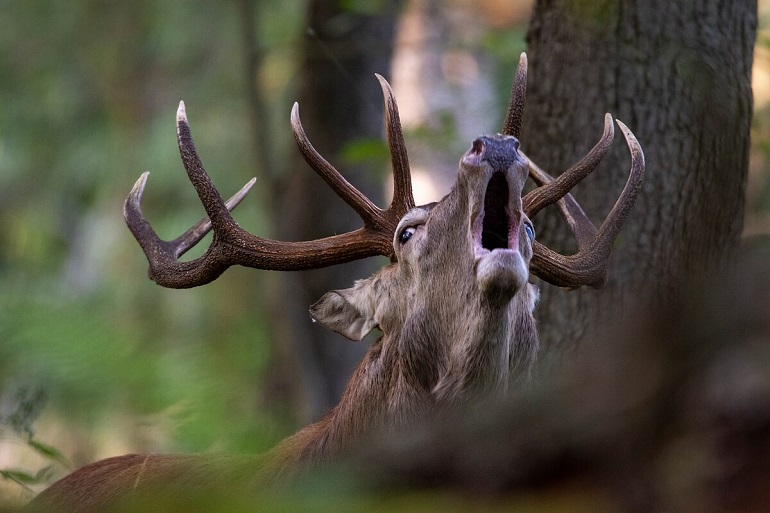
The park's extensive woodlands are home to red deer (Cervus elaphus), which roam freely through the ancient beech forests. Particularly fascinating are the park's wild cattle, descendants of an exceptionally rare Scandinavian species, which park authorities are working diligently to preserve from extinction. Otters thrive in the park's pristine waterways, taking advantage of the abundant fish populations and undisturbed shorelines.
Specialised Forest Species
The ancient beech forests around Serrahn support remarkable biodiversity, including the middle spotted woodpecker, red-breasted flycatcher, and western barbastelle bat. The abundant tree hollows in these old-growth forests provide crucial habitats for numerous bat species, whilst the decaying ancient beech trees offer shelter and sustenance to rare saproxylic beetles such as Eledonoprius armatus.
Botanical Wonders
Ancient Forest Communities
The park's crown jewel is its UNESCO World Heritage beech forests, particularly in the Serrahn section, which provides a glimpse into Germany's primeval beech landscapes. These lowland beech forests on glacial sandy soils represent the predominant natural vegetation of the region, with melic grass beech forest being the most common forest type.
Meadow and Pasture Flora
The park's diverse plant communities include several distinctive species adapted to the sandy, nutrient-poor soils. Small sorrel (Rumex acetosella) creates striking blood-red displays when flowering en masse on particularly sandy areas. The viper's bugloss (Echium vulgare) is a characteristic plant of the Müritz region, particularly conspicuous in early summer on sandy embankments and wastelands, where its flowers attract numerous insects including bees, bumblebees, hoverflies, and butterflies.
Remarkable Flowering Plants
Mealy mullein (Verbascum lychnitis) creates magnificent displays up to 1.5 metres tall, producing hundreds of individual flowers that support diverse insect populations. The park also supports rare orchids such as the marsh helleborine (Epipactis palustris), which thrives in moist meadows supplied by calcareous groundwater.
Juniper Heathlands
One of the park's most distinctive features is its extensive common juniper (Juniperus communis) stands, remnants of historical cattle grazing practices. These sharp-thorned conifers once served as natural "pasture weeds," defending themselves against grazing animals and creating the characteristic heathland landscapes that define much of the park today.
Specialised Wetland Plants
The park's numerous lakes and mires support unique plant communities, including rare sedge species such as great fen-sedge (Cladium mariscus). These wetland habitats contribute significantly to the park's botanical diversity and provide crucial ecosystem services.
Invertebrate Life
The park teems with invertebrate life, including countless species of dragonflies that inhabit the numerous lakes and waterways. The diverse beetle fauna, with 859 recorded species, reflects the park's varied habitats from wetlands to ancient forests. The impressive 673 butterfly species make the park a lepidopterist's paradise, supported by the rich flowering plant communities.
Müritz National Park stands as a testament to successful conservation, where careful management has allowed both common and rare species to flourish in their natural habitats. The park's commitment to preserving these ecosystems ensures that future generations will continue to marvel at this extraordinary corner of northern Germany's natural heritage.
Activities and Attractions
Müritz National Park stands as Germany's largest lakeland wilderness, offering an extraordinary range of outdoor activities across over 320 square kilometres of unspoiled natural beauty. This remarkable protected area consists of two distinct sections - the larger Müritz area surrounding Germany's second-largest lake, and the smaller Serrahn section near Neustrelitz - together providing visitors with an unparalleled wilderness experience. The park encompasses ancient beech forests, pristine lakes, mysterious moors, expansive meadows, and distinctive heath landscapes shaped by Ice Age glaciation, creating a diverse terrain that remains remarkably accessible due to its relatively flat topography.
Comprehensive Hiking Network and Trail System
The park's hiking infrastructure represents one of Germany's most extensive and well-developed trail networks, featuring over 600 kilometres of marked walking paths that wind through virtually every type of landscape the region offers. The comprehensive system includes 47 distinct hiking trails ranging from short 2-kilometre nature strolls to challenging 18.5-kilometre adventures, ensuring options suitable for every fitness level and time constraint.
The trail network has been thoughtfully designed to minimise environmental impact whilst maximising wilderness immersion. Over half of all routes follow unpaved forest paths, natural tracks, and ancient woodland trails, deliberately avoiding busy roads and maintaining the sense of pristine wilderness that defines the park experience. This philosophy extends throughout the park's 450 kilometres of designated hiking paths, creating an interconnected web of routes that allows for infinite combinations and custom itineraries.
The Legendary Müritz Circular Hiking Trail
The park's flagship hiking experience, the Müritz Circular Hiking Trail, represents the longest hiking path through any National Park in Germany, covering an impressive 173.4 kilometres across nine carefully planned stages. This magnificent circuit begins and ends in the charming lakeside town of Waren (Müritz), taking hikers on a comprehensive journey through the park's most spectacular and diverse landscapes over approximately seven days.
The trail's opening stage from Waren to Schwarzenhof immediately establishes the route's ambitious character, covering 18.5 kilometres through varied terrain that showcases meadows, forests, and lakeside environments. Each subsequent stage has been designed with distinct characteristics and highlights, ensuring that no two days feel repetitive despite the extended duration.
- Stage 1: Waren to Schwarzenhof (18.5km) — The longest single stage, featuring the transition from urban lakeside to wilderness
- Stage 2-8: Various intermediate stages exploring deep forests, moorland, smaller lakes, and historic sites
- Stage 9: Federow to Waren via Feisnecksee — The spectacular finale featuring the mysterious Burgwallinsel (castle island) at the lake's centre
The entire circuit maintains a total elevation gain of approximately 900 metres, distributed across gently rolling terrain that avoids punishing climbs whilst providing sufficient variation to maintain interest. The route's design philosophy emphasises immersion in changing landscapes rather than physical challenge, making it accessible to moderately fit hikers whilst still providing a substantial wilderness adventure.
Premium Day Hiking Routes
Teufelsbruch-Warnker See Circuit stands as the park's most celebrated day hike, offering a 13.8-kilometre route that can be completed in approximately 3 hours and 20 minutes. This intermediate-level trail has earned its reputation through its exceptional diversity, leading hikers through pristine moorland, along crystal-clear lake shores, and through cathedral-like beech forests. The route includes a visit to the historic Müritzhof, providing cultural context alongside natural beauty.
The Boek Circular Route provides a more accessible adventure at 10.6 kilometres, requiring roughly 2 hours and 35 minutes of walking time. This popular trail connects the resort village of Boek directly with the national park's wilderness areas, following gentle terrain that makes it suitable for families and less experienced hikers. The route's appeal lies in its perfect balance of accessibility and authentic wilderness experience, with multiple opportunities for wildlife observation and photography.
The Tiefwarensee Circuit offers a particularly engaging shorter option, beginning at Waren's cemetery car park and incorporating the educational Ice Age trail system. This route features multiple highlights including a spectacular observation tower providing panoramic views across the lake, and passage through the atmospheric Wolfsschlucht (Wolf's Gorge), where towering beech trees create a natural cathedral effect. The trail also passes the historic Mühlenberg with its open-air stage, combining natural beauty with cultural elements.
Specialised Adventure and Educational Trails
The park's three purpose-designed adventure trails represent innovative approaches to combining hiking with environmental education and themed experiences:
- Wolf Trail Zwenzow provides fascinating insights into the park's ecosystem through wolf-related interpretation, following the stories of these apex predators whilst exploring their historic and current relationships with the landscape. The trail incorporates both natural history and conservation messaging, making it particularly engaging for visitors interested in wildlife ecology.
- The Forest Discovery Trail Serrahn leads through UNESCO World Heritage ancient beech forests, offering an exceptional opportunity to experience some of Europe's last remaining primeval woodland environments. This trail showcases the park's most ecologically significant areas, where natural processes have remained undisturbed for centuries, creating forest ecosystems of extraordinary complexity and beauty.
- The Trace Trail Kratzeburg uniquely combines natural discovery with historical exploration, incorporating archaeological sites, historical landmarks, and cultural interpretation alongside natural features. This multi-dimensional approach makes it particularly suitable for families and visitors seeking both natural and cultural experiences.
Extensive Short and Medium Distance Options
The park's 24 hiking trails within the main Müritz section offer extraordinary variety for day hikers, ranging from 2 to 14 kilometres in length with numerous opportunities for combination routes. These trails have been strategically positioned to provide access to the park's most spectacular features whilst minimising environmental impact through careful route planning and sustainable visitor management.
Many shorter routes focus on specific ecosystems or landmarks:
- Lake-focused trails that follow shorelines and provide optimal waterfowl observation opportunities
- Forest trails that penetrate deep into ancient woodlands, including some of the park's most pristine beech and pine forests
- Moorland trails that explore the park's unique bog ecosystems and their specialised plant communities
- Cultural trails that incorporate historic sites, traditional settlements, and archaeological features
Long-Distance Hiking Challenges
For serious hikers seeking extended wilderness immersion, the park offers several long-distance options beyond the circular trail. The Naturparkweg Mecklenburg-Vorpommern section running from Waren to Feldberg covers 97.7 kilometres through some of Germany's most pristine wilderness areas, representing one of the country's premier long-distance hiking experiences.
This challenging route leads directly through virgin forest landscapes that have remained largely untouched by human intervention, providing hikers with authentic wilderness experiences increasingly rare in Central Europe. The trail's design emphasises solitude and natural immersion, with some sections offering hours of walking without encountering other visitors or any signs of modern civilisation.
Comprehensive Cycling Network
The park's 12 designated cycling paths provide excellent opportunities for covering greater distances whilst maintaining intimate contact with the landscape. These carefully planned routes total approximately 400 kilometres of dedicated cycling infrastructure, featuring smooth, well-maintained surfaces that accommodate everything from casual family cycling to serious touring adventures.
The cycling network has been designed with environmental sensitivity as a priority, following routes that minimise wildlife disturbance whilst maximising scenic value. 270 kilometres of the cycling routes wind through dense forests, past smaller lakes, and through wildflower meadows, creating an interconnected system that allows cyclists to experience the park's full diversity.
- Complete Lake Müritz Circumnavigation — A challenging full-day ride around Germany's second-largest lake
- Eastern Shore Quiet Paths — Peaceful routes south of Waren offering solitude and diverse landscapes
- Forest Interior Circuits — Deep woodland routes providing immersion in the park's most pristine environments
- Lake-Hopping Routes — Connecting multiple smaller lakes through varied terrain
The trail network's flexible design enables custom itineraries, with numerous connection points allowing cyclists to create routes tailored to their specific interests, time constraints, and fitness levels. Advanced cyclists can tackle multi-day touring routes, whilst families can enjoy shorter circuits that return to comfortable accommodation.
Extensive Water-Based Activity Programme
With more than 130 lakes scattered throughout the park, water activities form a central component of the Müritz experience. The park's aquatic environment ranges from the massive Lake Müritz itself to intimate forest pools, each offering distinct opportunities for water-based recreation and exploration.
Canoeing and kayaking opportunities are extensive, with designated launch points providing access to numerous waterways. The park permits paddling on many lakes, creating environmentally sensitive ways to explore hidden coves, observe wildlife from unique perspectives, and access areas unreachable by land-based activities. The calm waters and interconnected lake systems make this region particularly suitable for multi-day paddle touring, with several established canoe camping areas.
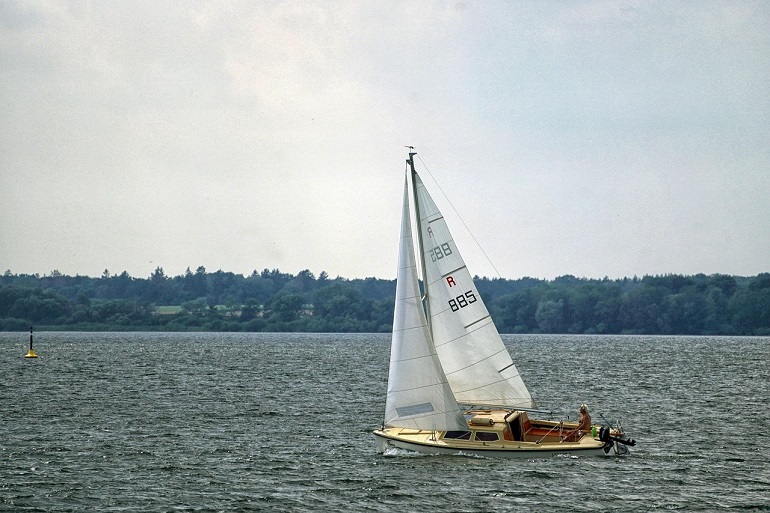
Boat tours on Lake Müritz provide spectacular scenic experiences, with regular scheduled services offering everything from short sightseeing trips to extended wilderness expeditions. These tours provide excellent opportunities for photography, wildlife observation, and gaining broader perspective on the park's landscapes.
The park features two designated water hiking trails that ingeniously combine paddling sections with walking components, creating unique multi-dimensional adventures. These innovative routes allow visitors to experience both aquatic and terrestrial environments whilst following coherent narratives that explore specific themes or ecosystems.
Several lakes offer designated swimming areas with facilities ranging from rustic natural beaches to more developed recreational areas. The picturesque Badestelle Feisnecksee features a distinctive lifeguard tower and sandy cove backed by ancient pine trees, creating an idyllic setting for combining swimming with sunbathing and relaxation.
Advanced Wildlife Observation and Photography Opportunities
The park's diverse ecosystems create exceptional opportunities for wildlife observation and nature photography, with carefully positioned observation infrastructure designed to maximise viewing opportunities whilst minimising disturbance to sensitive species.
Dedicated bird-watching hides strategically located throughout the eastern section provide excellent vantage points for observing endangered and rare species. These professionally designed structures offer comfortable, weather-protected environments for extended observation sessions, with optimal positioning for photography and behavioural study.
Rederangsee and Specker Horst have achieved recognition as premier birdwatching destinations, particularly during migration periods when thousands of waterfowl gather in the protected waters. These areas offer reliable opportunities to observe white-tailed eagles, ospreys, cranes, herons, and numerous duck species, with the highest concentrations typically occurring during spring and autumn migration peaks.
The park's 65% forest coverage creates excellent opportunities for observing forest-dwelling species, whilst the 12% water coverage provides aquatic wildlife viewing. The remaining moorland and meadow areas support specialised species adapted to these unique environments.
Professional Visitor Centres and Educational Infrastructure
The park operates three comprehensive National Park Information Centres at Federow, Schwarzenhof, and Boek, each serving as sophisticated gateways to park exploration. These centres feature extensive interactive exhibitions covering the park's flora and fauna, geological history, conservation efforts, and recreational opportunities.
- Detailed trail mapping and current conditions — Updated daily with weather, trail conditions, and wildlife activity reports
- Guided tour coordination — Professional naturalist-led experiences available almost daily
- Educational programmes — Themed walks, conservation talks, and family-friendly activities
- Equipment hire — Cycling, hiking, and water activity equipment available
The Boek Information Centre additionally features a specialised wildlife park showcasing native species in naturalistic environments, providing excellent opportunities for close wildlife observation and photography in controlled settings.
Advanced Navigation and Transportation Infrastructure
The park's extensive infrastructure includes sophisticated navigation support and environmentally conscious transportation options. The trail network utilises a distinctive colour-coded symbol system, with themed markers like the Yellow Falcon and Yellow Butterfly guiding hikers along specific routes whilst maintaining visual harmony with the natural environment.
The innovative Nationalpark-Ticketbus provides environmentally friendly transportation between major trailheads during peak seasons, running from Waren to Rechlin and connecting with numerous trail starting points. This service enables car-free exploration whilst reducing environmental impact and parking pressure at popular locations.
Public transportation integration connects the park with regional rail networks, with Kratzeburg railway station providing direct access to many hiking trails. The Waren (Müritz) station serves as the primary gateway for visitors arriving by train, with convenient connections to accommodation and trail networks.
Modern digital navigation support includes comprehensive GPS mapping through specialised hiking apps, though many visitors appreciate the traditional approach of following the park's carefully designed trail markers that maintain the wilderness experience whilst providing reliable guidance.
Seasonal Activity Variations and Extended Exploration Options
The park offers distinctly different experiences across seasons, with each period providing unique opportunities and challenges. Spring and autumn migration periods create exceptional wildlife viewing opportunities, whilst summer months provide optimal conditions for water-based activities and extended hiking adventures.
Winter activities include cross-country skiing on designated trails, winter hiking, and specialised wildlife observation opportunities when reduced vegetation provides enhanced viewing of animal behaviour and forest structure.
The park's proximity to additional attractions enables extended exploration programmes, with easy access to historic towns, cultural sites, and complementary natural areas. The region's well-developed tourism infrastructure supports everything from day visits to extended holiday programmes focused on outdoor activities and nature immersion.
Accommodation
Hotels and Traditional Lodging
The area surrounding the National Park provides numerous traditional hotel options, particularly concentrated around the gateway town of Waren (Müritz). These establishments range from cosy family-run properties to more upmarket retreats, many featuring panoramic views of the Müritz lake itself. Most hotels in the region offer modern amenities whilst maintaining the authentic character of Mecklenburg-Vorpommern, with many properties providing bicycle rental services, spa facilities, and terraces overlooking the water.
Superior-category establishments often feature individually furnished rooms with satellite television, complimentary Wi-Fi, and en-suite facilities. Many properties pride themselves on serving locally sourced cuisine and provide excellent starting points for national park exploration, with some offering guided nature walks and cycling tours as part of their services.
Holiday Homes and Self-Catering Properties
The region boasts an extensive selection of holiday homes and apartments, from traditional thatched cottages to contemporary Scandinavian-style properties. These range from intimate retreats for couples to spacious family homes accommodating up to eight guests. Many of these properties are strategically positioned to offer direct lake access or sit within walking distance of National Park trails.
Self-catering accommodation often features fully equipped kitchens, private gardens, and outdoor furniture, making them ideal for longer stays. The holiday home parks around Rechlin and the Müritz shoreline provide particularly well-appointed properties, many with modern amenities including dishwashers, washing machines, and private parking.
Farm Stays and Rural Accommodation
Agricultural tourism has flourished in the Müritz region, with several working farms offering authentic countryside experiences. These properties typically provide comfortable accommodation whilst allowing guests to experience rural life firsthand. Many farm stays include breakfast made from locally produced ingredients and offer activities such as bicycle rental, nature walks, and opportunities to observe farm animals.
The rural accommodation often features converted barns and farmhouses that maintain their historic character whilst offering modern comfort. Some properties include additional amenities such as saunas, outdoor play areas for children, and direct access to hiking and cycling paths.
Camping and Outdoor Accommodation
The National Park area is served by numerous camping facilities, from basic pitches to well-equipped sites with modern sanitary blocks, washing facilities, and on-site shops. Many campsites are positioned directly on lakeshores, offering swimmers and water sports enthusiasts immediate access to the water.
Wild camping within the National Park itself is strictly prohibited, as per German conservation regulations. However, designated camping areas around the park's perimeter provide excellent bases for exploration. Some innovative sites offer unique experiences such as sleeping pods or glamping options for those seeking a compromise between outdoor adventure and comfort.
For a truly immersive experience, some locations offer remote camping opportunities in more secluded settings, though these require advance booking and typically include basic facilities such as composting toilets and fresh water access.
Floating Accommodation
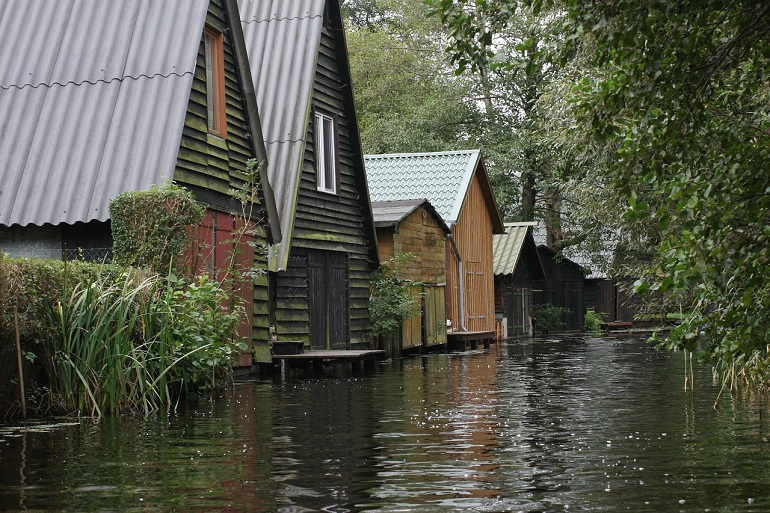
Perhaps the most distinctive accommodation option in the region is the growing selection of houseboat rentals and floating lodges. These range from luxurious fixed houseboats with multiple bedrooms and modern kitchens to smaller, more basic vessels suitable for couples or small families.
Many floating accommodations are moored permanently and feature amenities comparable to land-based holiday homes, including private terraces, heating systems, and entertainment facilities. Some properties offer the unique experience of staying directly on the water whilst maintaining easy access to shore-based activities and services.
The more adventurous can rent mobile houseboats that allow exploration of the interconnected waterways, though these typically require a brief training course for safe operation. These vessels often feature compact but well-designed living spaces with sleeping quarters, cooking facilities, and outdoor seating areas.
Bed and Breakfast Establishments
The region hosts numerous bed and breakfast properties, from converted historic buildings to purpose-built guesthouses. These typically offer a more personal service than larger hotels, with proprietors often serving as informal guides to local attractions and hidden gems.
Many B&Bs feature individually decorated rooms with period furniture and local artwork. The breakfast offerings frequently showcase regional specialities and locally sourced produce, providing an excellent introduction to Mecklenburg cuisine.
Specialised National Park Accommodation
Several accommodation providers in the region have achieved official National Park Partner status, indicating their commitment to sustainable tourism practices and environmental conservation. These establishments often provide specialised services for nature enthusiasts, including guided walks, wildlife watching equipment, and detailed information about park flora and fauna.
Such properties frequently offer packages that include entrance to nature centres, guided tours, and educational programmes about the local ecosystem. They typically maintain high environmental standards and support local suppliers and conservation efforts.
Practical Considerations
Most accommodation in the area is pet-friendly, recognising that many visitors wish to explore the region's extensive walking trails with their dogs. Bicycle storage and rental services are commonly available, reflecting the popularity of cycling as a means of exploring the National Park and surrounding areas.
The proximity to major transport links means that the region remains accessible whilst feeling delightfully remote. Many properties provide detailed information about local transport options, including the regional bus network that connects various parts of the National Park region.
Seasonal variations in availability and pricing are pronounced, with summer months being particularly popular among families and water sports enthusiasts. Spring and autumn visits often provide excellent value whilst offering superb opportunities for wildlife observation and photography.
Gastronomy
Regional Flavours and Ingredients
- Freshwater fish from the Müritz and neighbouring lakes feature prominently, often served simply grilled, smoked, or gently poached to preserve delicate flavours.
- Game from surrounding woodlands, including venison and wild boar, appears seasonally, typically paired with earthy sides and berries or forest mushrooms.
- Potatoes, brassicas, and root vegetables are mainstays, joined in season by asparagus, pumpkin, and orchard fruits.
- Forest-foraged ingredients—chanterelles, blueberries, lingonberries—add a distinctly local character to soups, sauces, and desserts.
- Dairy from regional farms provides rich cheeses and quark used in both savoury dishes and bakes.
Culinary Style
- Expect hearty, comforting plates with clean seasoning rather than elaborate technique.
- Smoking and curing remain common, especially for fish, lending a gently sweet, resinous aroma.
- Baking is a point of pride: fruit cakes, yeast buns, and tarts showcase local harvests, while rye breads and seeded loaves accompany meals.
Seasonal Highlights
- Spring: young greens and local asparagus, lighter fish dishes, and early foraged herbs.
- Summer: lakeside picnics, smoked fish, berry desserts, and fresh salads.
- Autumn: game specialities, mushroom sauces, and apple- or plum-based puddings.
- Winter: slow-cooked stews, braises, and spice-tinged cakes that suit the colder months.
Sustainable and Local
- Menus often emphasise short supply chains, with produce sourced from nearby growers, fishers, and forests.
- Portions tend to be modest and balanced, reflecting a respect for seasonal availability and minimal waste.
Dietary Considerations
- Vegetarians can look for mushroom-based mains, vegetable gratins, dumplings, and cheese-forward dishes.
- Fish-led menus offer ample choice for pescatarians.
- Those avoiding gluten may find naturally gluten-light options in grilled fish, salads, and potato-based sides, though it is worth checking preparation methods.
Eating Settings and Atmosphere
- Cosy, rustic dining rooms predominate, often with wood accents and views across water or woodland.
- Outdoor seating is common in fine weather, inviting long, late-sunlit meals during summer.
- Picnic culture thrives: many visitors pick up regional staples—bread, cheese, smoked fish, fruit—and dine by the lakeshores or along quiet trails.
Coffee, Cakes, and Breaks
- Afternoon coffee and cake is almost a ritual, with generous slices of fruit tarts or crumb cakes rewarding long walks or cycling excursions.
- Light snacks—open sandwiches, soups, and pastries—provide easy refuelling between activities.
Practical Tips
- Embrace the season: specials boards often signal the freshest local catch or a short window for wild mushrooms or berries.
- Book earlier during holiday periods, especially if planning to dine after sunset when days are long and trails are busy.
- Carry water and snacks for longer hikes; while there are frequent opportunities to eat around the park’s gateways, options can be spaced out within the protected area.
Getting There and Around
How to Get to Müritz National Park
Müritz National Park, located in Mecklenburg-Vorpommern, is accessible by several modes of transport, most commonly by rail, bus, and car.
- By Rail: The main gateways to the park are Waren (Müritz) and Neustrelitz, both of which are connected to local and long-distance railway lines. You can reach these towns directly from major cities such as Berlin, Dresden, and Rostock via Intercity (IC) trains, with regular regional service between Berlin and Neustrelitz. Trains also link Neustrelitz with Mirow, passing through smaller stations near the park's edge, such as Groß Quassow and Wesenberg.
- By Bus: Long-distance coaches serve Neustrelitz and Waren (Müritz). Regional bus lines operate throughout the area, and the special Müritz National Park Ticket bus travels daily from 1 April to 1 October across routes inside the park, including some sections closed to private vehicles. This bus also allows for the transport of bicycles and connects to boat tours on the Müritz.
- By Car: The park can be reached from various directions via the A19 and A20 motorways, followed by local federal roads (B 198, B 192, B 96). From Berlin, the journey north follows the B 96 to Neustrelitz. Signposted side roads lead to the park’s entrance areas. Note that cars are not allowed on certain routes inside the protected zone, and parking is only permitted in designated lots.
- From Airports: The closest large airports are Berlin and Hamburg. From either city, you can drive or take rail and bus connections to the national park, with drive times just under three hours from both cities.
Getting Around Müritz National Park
Once inside the national park, visitors have a range of sustainable transport options and scenic routes to explore.
- Cycling: The area boasts over 230 km of marked cycling paths, including nine dedicated cycle routes and several long-distance trails, such as the Berlin-Copenhagen Cycling Route and the Havel Cycling Route. Bicycles can be transported on designated buses and boats, making it easy to plan circular trips. Bike rentals are available via local tourist information offices.
- Hiking: There are 47 marked hiking trails for all abilities, passing through forests, along lakeshores, and through meadows. Certain paths are reserved strictly for hikers and allow visitors to immerse themselves in the unique natural scenery.
- Canoeing and Boat Trips: The large lakes within and around the park make boat and canoe trips a relaxing way to explore. Scheduled boats operate between Waren, Klink, Röbel/Müritz and the Bolter Canal, and bicycles are permitted onboard.
- National Park Bus: The Müritz National Park Ticket buses provide convenient access to key locations throughout the park and can carry bicycles. The service is particularly helpful for reaching remote hiking trailheads and cycling routes, with stops coordinated with the starting points of guided tours.
- Walking: The park encourages slow travel. Popular sights such as Badestelle Feisnecksee and quieter forest trails south of Waren can be reached on foot, with plenty of opportunities for wildlife watching and swimming in summer months.
Tips
- Cars are restricted on many internal routes, so public transport, cycling, walking and boating are encouraged.
- Information on bus and train timetables, cycling/hiking maps, and guided tours can be found at park information centres and local tourist offices.
- Always use designated parking and follow marked paths to protect the delicate natural environment.

Best Time to Visit
Spring (April to June)
Spring emerges as one of the finest periods to explore Müritz National Park. From late April through early June, the landscape undergoes a remarkable transformation as nature awakens from winter dormancy. The forests burst into vibrant green as beech trees unfurl their leaves, creating a canopy that filters sunlight into dappled patterns across woodland paths.
During this season, wildflowers carpet meadows throughout the park, whilst migratory birds return to nest in the protected wetlands. The weather becomes increasingly pleasant as temperatures rise, making it ideal for hiking and cycling along the park's extensive trail network. Birdwatchers will find this period particularly rewarding, as many species are most active during their breeding season.
Summer (June to September)
Summer represents the peak season for water-based activities within the park. From June through September, temperatures typically remain above 20°C, creating perfect conditions for swimming in the numerous lakes. The warmest water temperatures occur in July and August, when even the most temperature-sensitive visitors can enjoy comfortable swims.
This season offers the longest daylight hours, allowing for extended exploration of the park's 47 hiking trails and 12 cycling paths. The dense forests provide welcome shade during warmer days, whilst the lakes offer refreshing respites. Summer also brings the most vibrant wildlife activity, with both flora and fauna at their most active.
Autumn (September to October)
Early autumn, particularly September to early October, rivals spring as an optimal visiting period. The park transforms into a tapestry of golden and amber hues as deciduous trees change colour. This creates spectacular photographic opportunities and a uniquely atmospheric hiking experience.
Autumn weather remains generally mild, making it comfortable for outdoor activities without the peak summer crowds. The changing seasons also trigger different wildlife behaviours, offering nature enthusiasts fresh observation opportunities. The crisp air and clear skies often provide excellent visibility across the park's lakes and forests.
Winter (November to March)
Winter visits offer an entirely different but equally enchanting experience. The park transforms into a peaceful, snow-covered landscape where the bare trees reveal vistas obscured during leafier seasons. Whilst temperatures can be quite cold, properly dressed visitors will find winter hiking through snow-laden forests remarkably serene.
Winter also provides unique wildlife viewing opportunities, as animal tracks become visible in snow and some species are more easily spotted against the stark landscape. However, visitors should note that some facilities operate on reduced schedules during winter months.
Planning Your Visit
The park's dual nature - encompassing both aquatic and terrestrial environments - means that timing can depend greatly on your intended activities. Water enthusiasts should favour the warmer months, whilst those seeking solitude and atmospheric landscapes might prefer shoulder seasons or winter.
Weather conditions can vary considerably, so visitors should always check current forecasts and prepare accordingly. The park's extensive network of information centres operates seasonally, with most facilities open from Easter through October, providing valuable resources for planning daily activities regardless of when you visit.
Conservation and Responsible Tourism
The Müritz National Park stands as one of the most significant conservation areas in northern Germany and an exemplary model of sustainable tourism practices. This pristine landscape, covering more than 300 square kilometres with 70% forested terrain interspersed with hundreds of lakes, rivers, and moors, demonstrates how environmental protection and tourism can coexist harmoniously.
Conservation Philosophy and Management
"Let nature be nature" forms the guiding principle of Müritz National Park's conservation approach. This philosophy emphasises allowing natural processes to unfold with minimal human intervention, particularly in the core zones where nature develops completely undisturbed. The park's management strategy represents a careful balance between conservation priorities and visitor access.
The Müritz National Park Authority, operating as both the Lower Nature Conservation and Lower Forestry Authority, oversees the park's comprehensive management programme. During a crucial transitional period until 2018, forest areas previously dominated by commercial forestry underwent restoration, whilst the water balance of drained lakes and moors was renaturalised. Today, the park maintains only small areas of historically valuable cultural landscapes, with special species protection measures remaining exceptional rather than routine.
Biodiversity Protection
The park serves as a vital refuge for numerous endangered species across diverse habitats including crystal-clear lakes, ancient beech forests, marshlands, and heathlands. The landscape conservation farm Müritzhof, situated within the park's heart, exemplifies this biodiversity richness. Here, visitors can encounter wood lizards, adders, lesser spotted woodpeckers, marsh gentians, lesser orchids, and cotton grass. Remarkably, nine orchid species thrive in the areas surrounding Müritzhof, whilst the farm buildings provide nesting sites for house martins, barn swallows, and various bat species including the greater mouse-eared bat and lesser horseshoe bat.
The park's significance extends beyond national borders, with UNESCO recognising the beech forests in 2011 as World Heritage sites alongside those on Rügen's eastern steep coast. Some trees here are several hundred years old, with certain areas considered primeval forest due to their inaccessible locations and lack of historical forestry use.
Sustainable Tourism Framework
European Charter for Sustainable Tourism
From 2011 to 2016, Müritz National Park held certification under the European Charter for Sustainable Tourism in Protected Areas, a practical methodology for developing sustainable tourism through collaboration between local communities and regional tourism businesses. Although financial constraints prevented recertification in 2018, the park continues implementing the charter's principles through ongoing tourism forums and updated action plans.
The charter process established both a comprehensive tourism strategy for the Müritz National Park region and a detailed action plan for sustainable tourism development. Climate protection has emerged as a particular focus, with the park participating as a partner in the EU-LIFE project ZENAPA.
National Park Partnership Programme
The Müritz National Park Partners initiative creates a network of businesses committed to preserving the region's biological diversity whilst offering high-quality visitor experiences. These partners pledge to apply the national park's conservation vision in their daily operations and share this commitment with guests and customers.
Working alongside the Mecklenburg Lake District tourism association, these partnerships ensure tourism development remains sustainable and supports conservation objectives. The collaboration represents a holistic approach where protected area management, local businesses, and tourism development work in harmony.
Responsible Visitor Practices
Guided Experiences
The park prioritises information and guidance of visitors as a core management activity. Certified nature and landscape guides offer specialised tours covering topics from landscape development since the last ice age to UNESCO World Heritage beech forests in Serrahn. These guides provide insights into food chains, regional history from the Stone Age to present day, and the evolution from tundra to forest formations.
Guided experiences include multi-day canoe safaris along the upper reaches of the Havel River and tours to the Feldberger Seenlandschaft, Tollensetal, and Mecklenburgische Schweiz. Such programmes ensure visitors gain deeper appreciation for the park's ecological significance whilst minimising environmental impact through expert guidance.
Infrastructure and Access
The park's infrastructure reflects its commitment to low-impact tourism. Müritzhof, though inaccessible by car, exemplifies this approach. Visitors must park in designated areas in Waren (Müritz) and complete a seven-to-nine-kilometre walk or cycle journey to reach this conservation farm. This deliberate inconvenience reduces visitor pressure whilst enhancing the wilderness experience.
The National Park Information Centre in Federow serves as the primary starting point for park exploration, operating daily from April to October. This facility provides essential visitor orientation whilst concentrating tourist activities in designated areas.
Regional Integration
Müritz National Park forms part of a broader network of nine responsible vacation regions in Mecklenburg-Vorpommern, each emphasising quality, environmental friendliness, and regionality. The park's partnership model includes "MÜRITZ rundum", an environmentally friendly mobility system allowing comfortable regional exploration without private vehicles.
Local gastronomy supports conservation through partnerships with regional producers, offering visitors traditional specialties directly from local fishermen and seasonal, regional dishes that reduce environmental impact whilst supporting local economies.
The park's location in one of Germany's most sparsely populated areas – the Mecklenburg Lake District – provides additional conservation benefits whilst offering visitors authentic wilderness experiences increasingly rare in Central Europe. This combination of effective conservation management, sustainable tourism practices, and community engagement establishes Müritz National Park as a leading example of how protected areas can successfully balance environmental protection with responsible visitor access.
Visitor Centres and Educational Facilities
Müritz National Park complements its lakes, ancient beech forests and wetlands with a well-developed network of visitor centres and educational touchpoints that help orientate, inspire and inform. Below is a practical overview for a travel guide, highlighting what each facility offers, where it sits in the park experience, and how it supports learning in the field.
Müritzeum, Waren (Müritz)
- Role and focus: The Müritzeum acts as the main visitor and nature discovery centre for the wider Müritz region and the national park, bringing together natural history, regional cultural context and hands-on discovery in one modern complex near Lake Müritz.
- Exhibits and features: Expect an “interactive, science-based” approach covering the Mecklenburg Lake District’s flora, fauna, forests, moors and human history, anchored by Germany’s largest aquarium for native freshwater fish (approx. 100,000 litres across 25 tanks, with 40+ species) plus an adventure garden and playground.
- Why it’s useful: Ideal as an introduction before heading into the park proper—especially for families and travellers who appreciate interpretive context, species identification, and a weather-proof start to the trip.
National Park Information Centre, Federow
- Location and access: Roughly seven kilometres south-east of Waren (Müritz), reachable in season via the National Park Ticket bus from Waren, and fully accessible for visitors with disabilities.
- What to expect: A compact, ranger-run hub with changing exhibitions, a shop, and—its hallmark—live camera feeds from a nearby osprey nest streamed into the building during the season, which is a real highlight for birdwatchers and families alike.
- Programmes: The park service runs a varied guided tour programme from here, making Federow a convenient northern gateway into trails, hides and cycling routes in the surrounding lake-and-forest landscape.
Schwarzenhof Information Point
- Orientation: Functions as a northern entrance area with an information point and an exhibition focused on white-tailed sea eagles, tying into the park’s strong raptor-watching appeal.
- Seasonal notes and practicalities: Typically operates with defined seasonal hours; it links neatly with nearby walking routes past observation towers at Specker See and along drainage channels towards the Binnenmüritz, with onward options to Boek (good for combining wildlife stops with a through-walk).
Boek Entrance Area
- Gateway function: A small village near the eastern Müritz shoreline that serves as a southern/eastern approach to the lake section, used by walkers and cyclists linking towers and viewpoints around the Müritz and adjacent lakes.
- How it fits: Although not a full museum-style centre, Boek’s role as an entrance hub makes it useful for route starts/finishes and for stitching together day hikes via bus stops, towers and shoreline trails.
Serrahn Exhibition: “Im Reich der Buchen” (In the Realm of Beeches), Serrahn
- What it is: A dedicated exhibition in the UNESCO World Heritage “Ancient Beech Forests” sector of the park, explaining how these near-primordial beech ecosystems developed and why they’re protected; it includes practical tips for noticing small-scale natural phenomena on the trail.
- When to visit: Typically open daily from April to October (10:00–17:00), with on-site toilets and an adjacent barn hosting rotating nature photography shows; it dovetails directly with local walking circuits.
- Trails and learning in the field: From Zinow, a roughly 9 km loop via the Forest Experience Path and a moor boardwalk leads into Serrahn, with interpretive stations that trace forest succession from pine plantation to natural beech woodland; there’s also a viewpoint over Großer Serrahnsee and good chances to spot cranes and raptors.
- Accessibility and public transport: A pushchair- and wheelchair-suitable route is signposted from Dianenhof near Carpin (some gradients exceed six percent). Bus line 619 between Neustrelitz and Feldberg serves Zinow, Dianenhof and Carpin, enabling flexible one-way hikes.
Guided Interpretation and Educational Activities
- Ranger- and guide-led tours: The park works with certified nature and landscape guides offering themed walks, canoe trips and wildlife-focused outings—covering topics such as wolves (past and present), wetland birds, forest ecology, glacial landscape history, and seasonal spectacles like crane roosting and deer rutting. Many guides can operate in English and tailor tours for families and school groups, with options for multi-day canoe safaris and introductory nature craft sessions.
- Why join: Expert-led tours transform the experience—helping with species identification, silent-water paddles at dawn/evening, and visits to the UNESCO beech forests that highlight both ecology and cultural landscape history.
Practical Tips for Visitors
- Start in town, then go local: Use the Müritzeum for a comprehensive primer and rainy-day flexibility, then step down into park-side centres such as Federow or Schwarzenhof for day-specific route advice, live wildlife updates (e.g., osprey cams) and current trail conditions.
- Plan seasonally: Many facilities have expanded seasonal hours between spring and autumn, especially in Serrahn and at smaller information points; shoulder-season travellers should check opening times and bus links in advance.
- Build wildlife stops into routes: Observation towers and hides near Federow, Rederangsee and around the Müritz shoreline fit well into cycling or walking loops that begin or end at these information points, ensuring both activity and interpretation on the same day.
- Use public transport to stitch routes: The National Park Ticket bus (seasonal) to Federow and regional bus 619 in the Serrahn area make linear hikes possible without backtracking, while also reducing car use in sensitive habitats.
By combining the interpretive depth of the Müritzeum, the hands-on wildlife focus of Federow and Schwarzenhof, and the forest immersion of the Serrahn exhibition and trails, visitors can build an itinerary that steadily deepens understanding—from big-picture lake ecology to the intimate workings of World Heritage-listed beech woodlands.


