| Contents |
|---|

Introduction
Naumburg (pop. 33,000) is a charming town known primarily for its imposing cathedral. Built in the 12th century, it is a magnificent example of the transition from Romanesque to Gothic styles. It features some of Germany's oldest stained-glass windows and is unique for having two choirs. The cathedral is also famous for its sculptural works created by the Naumburg Master, a medieval sculptor whose identity remains uncertain but whose work is highly regarded for its naturalism and emotional expression. The Naumburg sculptures include life-sized portraits of important donors, known as the founder figures, such as the Patron Saint Elisabeth and Ekkehard and Uta. The cathedral was inscribed as a UNESCO World Heritage site in 2018.
Beyond the cathedral, Naumburg is home to a charming medieval town center with half-timbered houses, narrow cobblestone streets, and squares that evoke the feeling of a medieval town. The Marketplace is a central area of the town, surrounded by historical buildings, including the Old Town Hall, which features a Renaissance-style facade. The town also boasts several other churches, monasteries, and palaces that add to its architectural charm.
The town has a rich cultural life and hosts various festivals and events throughout the year. Classical music concerts, theater performances, and art exhibitions are often held in and around the cathedral.
Naumburg is situated in the Saale-Unstrut wine region, which is one of the northernmost wine-growing regions in Germany. The town and surrounding area are known for producing high-quality white wines, particularly Sachsen Riesling and Silvaner. Visitors can enjoy wine-tasting experiences at local vineyards or enjoy a glass of regional wine in one of the town's historic wine taverns.
The Naumburg Art Museum showcases the town's artistic heritage, including the works of the Naumburg Master and other medieval and Renaissance artists. It also features contemporary art exhibitions.
Philosopher Friedrich Nietzsche spent his childhood and his later years in Naumburg in the home of his mother's family.
Interesting Facts about Naumburg
- Naumburg’s 13th-century Cathedral of St Peter and St Paul is recognised as a UNESCO World Heritage Site for its outstanding Romanesque-to-Gothic artistry and the famed founder statues by the “Naumburg Master.”
- The city grew at the crossroads of the medieval Via Regia and the Regensburg Road, making it an important trading centre in the Middle Ages.
- Naumburg was first recorded in 1012 and became a bishop’s seat in 1028 when the bishopric was transferred from Zeitz.
- The town received its civic rights in the 12th century and later joined the Hanseatic League, reflecting its commercial significance.
- Naumburg’s historic tramway, opened in the 19th century and later electrified, remains one of Germany’s smallest tram systems and a beloved local icon.
- The city lies where the Saale meets the Unstrut, at the heart of the Saale-Unstrut wine region, Germany’s smallest traditional wine-growing area.
- Philosopher Friedrich Nietzsche spent much of his youth in Naumburg, and his former home is preserved as a museum and research centre.
- Organist and composer Johann Sebastian Bach had connections to Naumburg’s St Wenceslas Church, noted for its magnificent Hildebrandt organ.
- Naumburg hosted major trade fairs from the 13th century, but its fortunes waned as Leipzig rose and the Thirty Years’ War disrupted regional commerce.
- The city’s dual character—civic town and cathedral precinct—can still be traced in its layout, with lanes, walls and squares reflecting its ecclesiastical and mercantile past.

History
Naumburg's origins trace back to approximately the year 1000 when the powerful Ekkehardiner margraves of Meissen founded a castle called the "Nuwenburch" (new castle) at the confluence of the Saale and Unstrut rivers. This strategic location, positioned at the crossing of the Via Regia and the Regensburg Road, proved ideal for commerce and administration. The Ekkehardine dynasty, one of the most powerful noble families on the eastern border of the Holy Roman Empire, established this fortified settlement as part of their efforts to consolidate control over the region. The first written record of Naumburg dates from 1012, when it was mentioned as the new castle of the Ekkehardinger.
The town's most significant development occurred in 1028 when Bishop Hildeward transferred the episcopal seat from Zeitz to Naumburg with papal approval from Pope John XIX. This move, unprecedented in imperial history, saw the bishop's seat protected by the margrave's new castle, creating a unique alliance between secular and ecclesiastical power. The margraves granted extensive land endowments for the construction of the first cathedral, which was consecrated before 1044. Town rights were officially granted in 1142, and by this time, Naumburg had developed into a crucial political, economic, and religious centre for the entire border region. The Ekkehardine brothers also established two monasteries - the Benedictine Monastery of St George and the St Moritz Monastery of the Augustinian Canons. When the Ekkehardine dynasty died out in 1046, the bishops became the sole rulers of the town.
Throughout the medieval period, Naumburg flourished as a major trading centre, particularly due to the Naumburg Trade Fairs, first documented in 1278. The city became a member of the Hanseatic League during the 15th century, cementing its commercial importance. However, the rise of Leipzig as a trade fair centre from 1500 and the devastation of the Thirty Years' War significantly impacted Naumburg's economy. During the Reformation, the last Catholic bishop was Julius von Pflug, and in 1561, the city hosted the important Naumburg Diet, which recognised the unaltered Augsburg Confession. The ecclesiastical domain was secularised in the mid-16th century and transferred to the Dukes of Saxony, who administered it through a government endowment. After various territorial changes, including a period under the Saxe-Zeitz line from 1657 to 1718, Naumburg was ceded to Prussia in 1815 following the Congress of Vienna and became part of the Province of Saxony.
Main Attractions
Naumburg Cathedral (Dom St Peter und Paul)
Naumburg Cathedral is a UNESCO World Heritage Site and one of the foremost cultural monuments of the High Middle Ages in Europe. The Romanesque and Gothic structure dates mainly from the 13th century and is renowned for the donor sculptures attributed to the “Naumburg Master”, including the iconic figures of Uta and Ekkehard. The cathedral also preserves the oldest stone sculpture of Saint Elisabeth of Thuringia and features modern stained glass by Neo Rauch alongside altar wings by Lucas Cranach the Elder, creating a striking dialogue between medieval and contemporary art.
Marktplatz (Market Square)
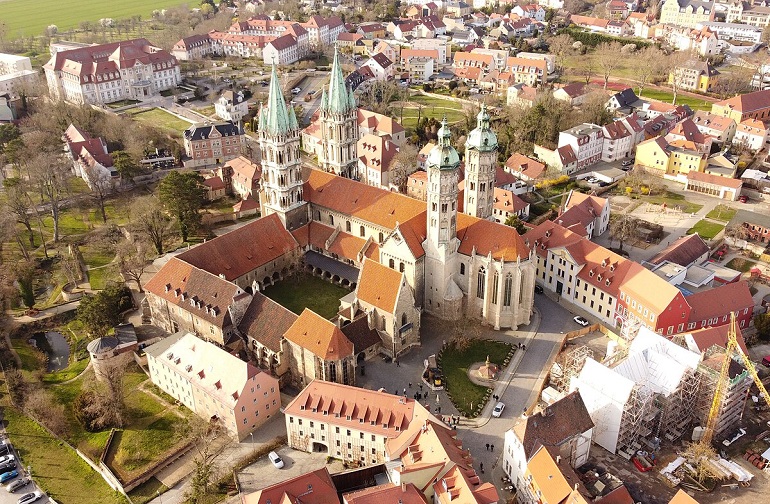
Naumburg’s market square is the vibrant heart of the town, surrounded by early-modern and Renaissance buildings as well as well-preserved half-timbered houses. Cobblestone streets lead to the historic town hall and the Wenzelsturm, whose viewing platform affords panoramic views over the old city. Regular markets and events make the square an ideal place to experience Naumburg’s medieval charm.
Stadtkirche St Wenzel (St Wenceslaus Church)
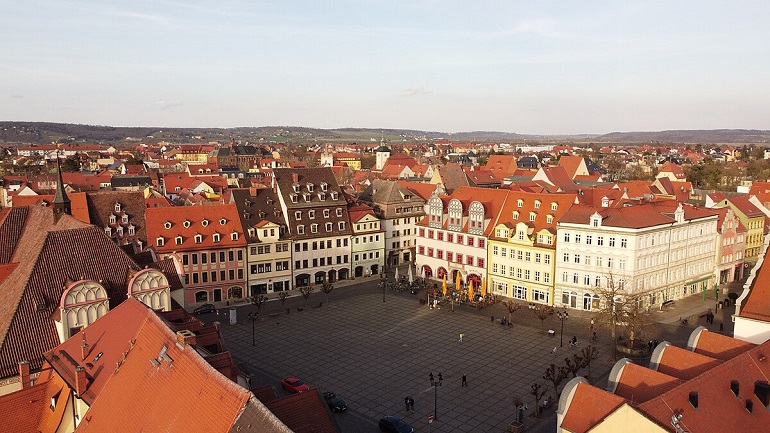
Stadtkirche St Wenzel, the main parish church of Naumburg, is a late-Gothic building dating to 1426. It is noted for its impressive altarpiece, vibrant stained glass and its famous Hildebrandt organ, which Johann Sebastian Bach is believed to have played. Standing on the market square, the church offers insight into the town’s Lutheran heritage and architectural legacy.
Old Town (Altstadt)
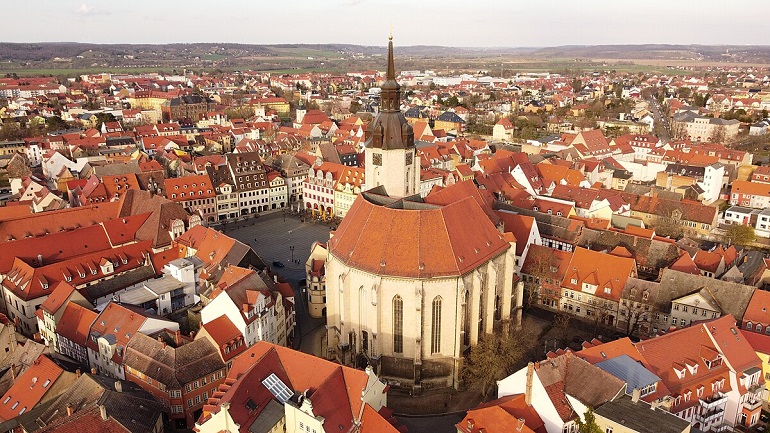
Naumburg’s Old Town is characterised by narrow cobblestone lanes and centuries-old buildings that reflect over a thousand years of urban history. Wandering through the Altstadt reveals well-preserved residences, inviting cafés and independent shops, making it ideal for leisurely exploration and an authentic sense of the town’s enduring heritage.
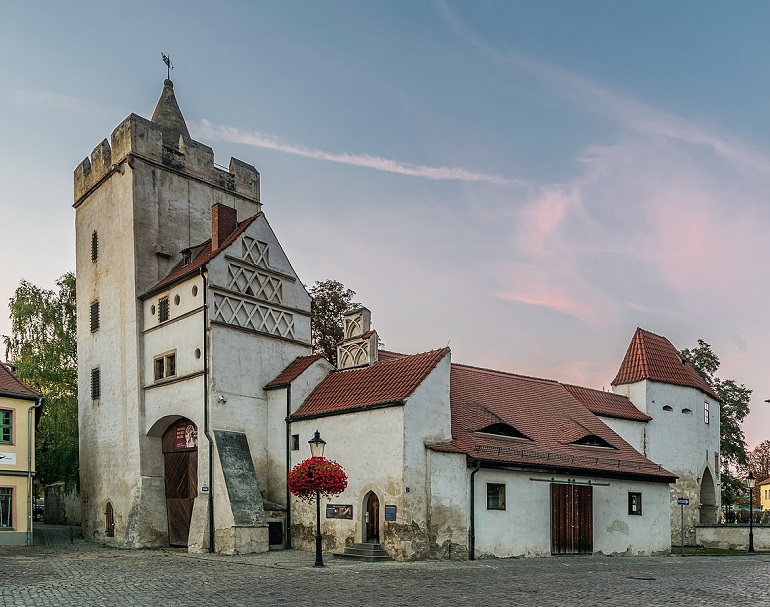
Marientor
Marientor is a surviving gateway from Naumburg’s medieval fortifications. Its imposing stonework reflects centuries of defensive architecture designed to protect the city. Today, the gate stands as a testament to Naumburg’s strategic importance and offers visitors a tangible link to the town’s fortified past.
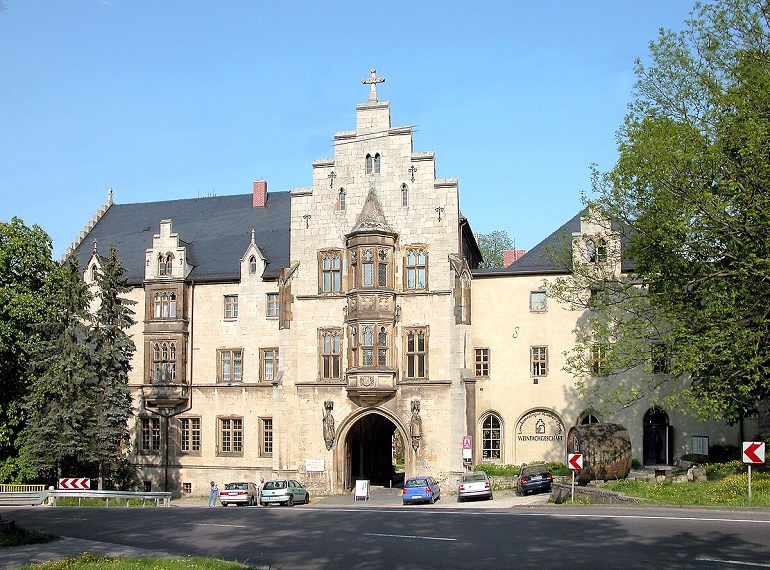
Monastery Schulpforta (St Marien zur Pforte)
Situated just outside Naumburg, this former Cistercian monastery was founded in the 12th century and combines Romanesque and Gothic features. Since the 16th century it has housed the renowned state boarding school Schulpforta. Guided tours—often led by pupils—provide insight into monastic life, architectural history and the site’s ongoing educational role.
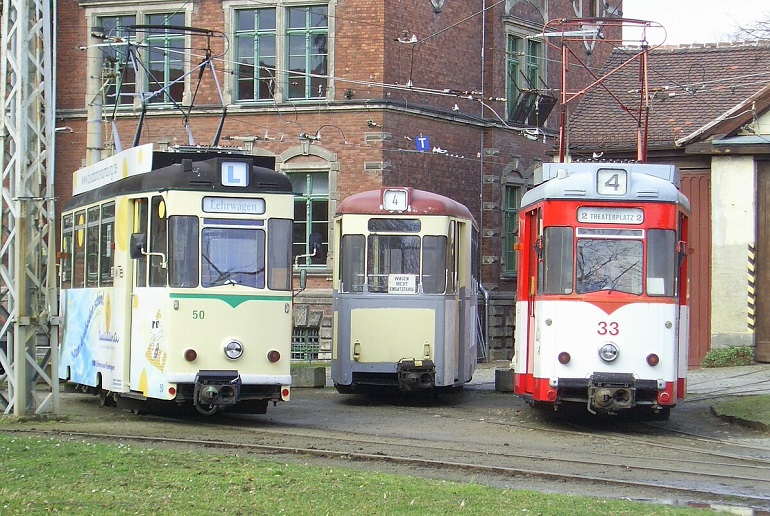
Naumburger Strassenbahn
The Naumburg Tram is one of the smallest city tram networks in Germany, operating since 1892. It offers a nostalgic journey through the town, with original carriages and wooden benches. The short route links several key locations, allowing travellers to appreciate Naumburg’s layout and historical ambience while experiencing a living piece of local transport heritage.
Canoeing on the Unstrut River
The Unstrut River flows through the Saale-Unstrut landscape, offering opportunities for canoeing and kayaking trips ranging from a few hours to several days. Paddlers can observe local wildlife and enjoy the tranquil scenery, adding an outdoor dimension to Naumburg’s cultural attractions.
Top Museums
Stadtmuseum Hohe Lilie
Located in one of the most remarkable bourgeois houses of Naumburg’s charming old town, the Stadtmuseum Hohe Lilie presents a vivid depiction of the town’s urban and cultural history. Exhibitions here cover the development of Naumburg, highlighting its role as a medieval trade centre and its architectural legacy. Artefacts, historic documents, and interactive exhibits bring to life the daily lives of Naumburg’s citizens through the centuries.
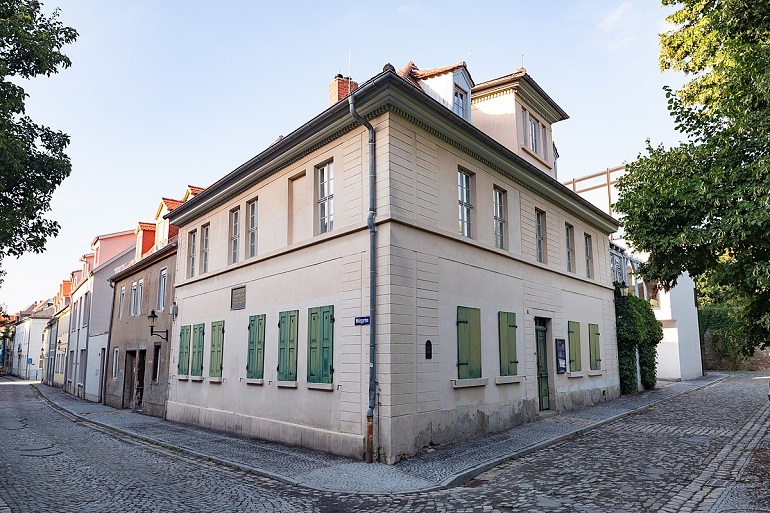
Nietzsche-Haus
This museum is dedicated to the life and work of the renowned philosopher Friedrich Nietzsche. The house was home to Nietzsche and his family from 1858, and today it serves as both a museum and research centre. Visitors will find a permanent exhibition chronicling Nietzsche’s childhood, his philosophical contributions, and his influence on modern thought. The adjacent Nietzsche Documentation Centre is a modern addition, dedicated to scholarly research on Nietzsche’s reception and legacy. The museum frequently attracts international academics and hosts an annual congress focused on various aspects of Nietzsche’s works.
Naumburg Cathedral and Treasure Chamber
While primarily a functioning church and UNESCO World Heritage Site, the Naumburg Cathedral offers a museum-like experience for those interested in mediaeval architecture and religious art. The cathedral is famed for its transition between Romanesque and Gothic styles, with notable sculptures such as the figures of the cathedral founders. In the treasury, visitors can view meticulously crafted manuscripts, liturgical items, and original choir books. Special attention should be given to the stunning blend of artistic styles and the ongoing evolution of the cathedral’s décor, which include modern artworks integrated with its historic setting.
Keramik Museum
The Keramik Museum celebrates the art and craft of ceramics, showcasing local ceramic traditions and contemporary designs. Its collection features various ceramic objects, from everyday ware to more artistic creations, reflecting the enduring importance of craftsmanship in the region. The museum is a haven for those interested in material culture and decorative arts.
Max-Klinger-Haus
Situated in the hamlet of Großjena just outside Naumburg, this dedicated house museum honours Max Klinger, the celebrated painter, sculptor, and graphic artist associated with Symbolism and Art Nouveau. Visitors can explore Klinger's former home, view his works, and gain insight into the artist's connection with the region.
Galerie im Schlösschen
Housed in an elegant small palace, the Galerie im Schlösschen is an art museum that focuses on regional and contemporary art. Regular exhibitions and artist retrospectives celebrate Saxony-Anhalt’s vibrant artistic scene, making it a cultural touchstone for art enthusiasts in the area.
Local Cuisine
Naumburg’s culinary scene blends hearty Central German fare with the finesse of the Saale-Unstrut wine region, where crisp whites pair beautifully with classics such as Saale-Unstrut wines, Thüringer Rostbratwurst, Klöße (potato dumplings), slow-braised local game, and tender lamb showcased on refined menus near the cathedral. Traditional gasthäuser serve comforting seasonal dishes—think cabbage, root vegetables, and beer-marinated pork—alongside regional vintages poured from nearby vineyards. Expect unfussy, generous plates in rustic taverns as well as polished presentations in boutique dining rooms, with specialties like goat’s cheese terrine, venison trios, and chocolate-and-chestnut desserts reflecting a close tie between kitchen and countryside.
Getting There
By train Naumburg (Saale) is well served by regional trains with frequent, direct links from nearby hubs such as Halle (Saale), Leipzig, Erfurt and Jena, with intercity/ICE services calling less often; most long-distance journeys route via a quick change at Halle, Leipzig or Erfurt to reach Naumburg (Saale) Hbf.
By coach or bus Long-distance coaches typically run to nearby Weißenfels, from where regional trains or local buses connect onwards to Naumburg; within Saxony-Anhalt, the PlusBus network offers regular, timed connections that integrate with trains for easy last-mile travel around the region.
By car Naumburg is straightforward to reach by motorway, with convenient access via the A9 and A38 corridors through Saxony-Anhalt, providing fast routes from Berlin, Leipzig/Halle, Erfurt and central Germany before switching to local roads for the short final approach.
| Travel destinations in Saxony-Anhalt | ||||||||||||||
|---|---|---|---|---|---|---|---|---|---|---|---|---|---|---|
|
|
|
|
| ||||||||||
|
|
|
|
| ||||||||||
|
|
|
| |||||||||||