



| Contents |
|---|
Introduction
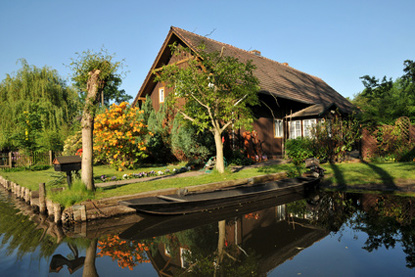
The twin towns of Lübben (pop. 14,000) and Lübbenau (pop. 15,500), 10 km apart, are the touristic heart of the Spree Forest, declared Biosphere Reserve by the UNESCO. The towns are crisscrossed by 400 km of canals, along which visitors are conveyed in traditional boats, which have historically been the primary means of transport for its inhabitants. Today, these waterways are a central feature for visitors, with traditional punt boat tours offering a distinct way to experience the landscape's unique alder forests and hay meadows. The whole lot, with the wooden houses and bridges is extremely picturesque. The region is also a centre for the Sorbian minority, whose culture and traditions remain a visible part of local life, alongside the cultivation of its famous Spreewald gherkins.
Interesting Facts about Lübben and Lübbenau
- First recorded in 1150 as the castle of Lubin, Lübben gained Magdeburg town rights by 1220 due to its position on a key trade route.
- The towns shifted rulers repeatedly—from monastic ownership to Saxe-Wittenberg, then Bohemia, Saxony, and finally Prussia after the Congress of Vienna in 1815.
- During the Second World War, Lübben hosted Oflag POW camps and subcamps linked to the Nazi prison in Luckau and Sachsenhausen, before being taken by Soviet troops on 27 April 1945.
- Set at the narrowest point of the Spree valley, many of Lübben’s sights were destroyed in the war, but its scenic waterways and green setting remain defining features.
- The towns thrive on tourism tied to the Spreewald’s canals, with traditional punt boats (Kähne) offering cruises from its central harbour.
- Lübbenau’s name has Slavic roots, linked to the personal name Lubomir/Ljubomir meaning “the peace-loving,” reflecting its early Slavic founding.
- Granted town rights in 1496, Lübbenau historically had a single fortified section, with the Torhaus (gatehouse) recalling its medieval defences.
- Brown coal (lignite) mining near Lübbenau boomed during the GDR era, swelling the population before pits were flooded post-1996 to create lakes such as the 140-hectare Schönfelder See.
- The Lübbenau castle ensemble evolved from a medieval moated castle into a Renaissance residence, anchoring a park that links the town to the Spreewald village of Lehde.

History
Lübben's Medieval Origins and Bohemian Rule
The historic town of Lübben first emerged around a castle called Lubin, which was documented in an 1150 register of Nienburg Abbey and had received town privileges according to Magdeburg law by 1220. Strategically positioned on a vital trade route connecting Luckau to Gubin and Poznań, Lübben passed through various hands before entering a significant chapter under Bohemian rule. From 1301, the Dobrilugk Abbey monks controlled the town until Duke Rudolph I of Saxe-Wittenberg acquired it in 1329. However, the most defining period began in 1367 when Emperor Charles IV of Luxembourg incorporated Lübben into the Kingdom of Bohemia, making it the administrative seat of the Bohemian Vogt and the provincial diet of Lower Lusatia during the 15th century.
Lübbenau's Slavic Foundations and Castle Development
Lübbenau's origins stretch back even further than its first recorded mention, with archaeological evidence beneath its castle revealing settlements from the 8th or 9th centuries. The town's name itself reflects its Slavic heritage, derived from the personal name Lubomir or Ljubomir, meaning "the peace-loving one" in most Slavic languages. First documented in a sales document in 1315, Lübbenau began as a fishing village situated on an island between river arms, adjacent to a castle. The settlement received town rights in 1496, though it remained essentially a farming and fishing community well into the 16th century. Like Lübben, Lübbenau experienced Bohemian rule from 1364 to 1448, suffered destruction during the Hussite Wars in 1429, and was provisionally rebuilt thereafter. The influential Lynar family of counts took control of the Lübbenau estate from 1621, fundamentally shaping the town's development and converting the medieval moated castle into a Renaissance palace around 1600.
Modern Transformations and War Legacy
Both towns endured significant trials during the tumultuous periods of the 17th to 20th centuries, facing repeated conquests, natural disasters, and wartime destruction. Lübbenau suffered multiple devastations during the Thirty Years' War (1618-1648), whilst major fires ravaged the town in 1675, 1708, and 1745. The 18th century marked a turning point as both communities began promoting and exporting their agricultural products, particularly the famous Spreewald pickles and horseradish. During the Second World War, both towns endured severe hardship—Lübben housed several prisoner-of-war camps and was 85% destroyed when Soviet forces captured it on 27 April 1945. Lübbenau's castle served as a resistance meeting point and field hospital during the conflict. Following German reunification, both communities experienced renewal: Lübben's castle now houses cultural institutions and museums, whilst Lübbenau's Schloss was restored by the Lynar family and transformed into a luxury hotel, symbolising the region's successful transition from its turbulent past to its current status as a premier tourist destination.
Main Attractions
Schlossinsel Lübben (Castle Island)
Schlossinsel Lübben stands as a verdant jewel at the heart of the Spreewald, covering six hectares of lush parkland encircled by the gently flowing Spree River. Once the site of a Slavic ring wall and later a crucial medieval water castle, the island blends centuries of history with modern leisure. Today, visitors are welcomed by an array of accessible walking paths meandering through landscaped gardens, shaded glades, and quiet corners perfect for unwinding. The island is especially popular with families, not only due to its imaginative maze and sound garden but also its centrepiece: an extensive aquatic playground featuring a waterfall, slides, wooden rafts, child-friendly excavators, and playful watercourses. It hosts a calendar of open-air concerts and seasonal festivals, injecting a vibrant cultural pulse into its natural tranquillity.
Schloss Lübben
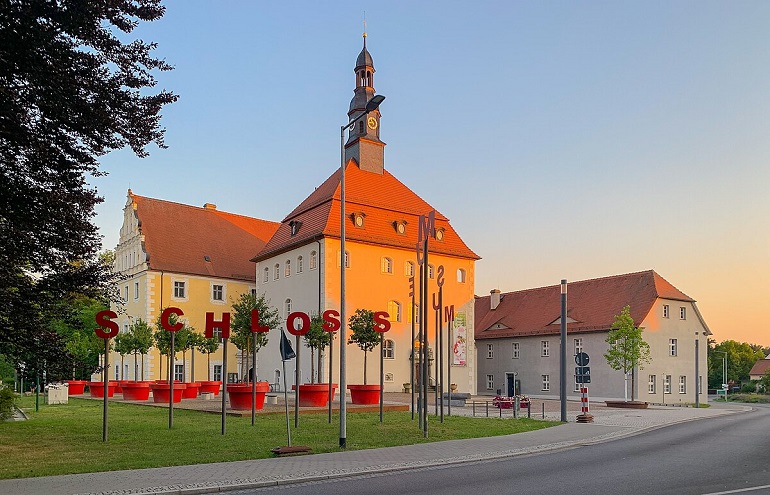
Schloss Lübben stands as a magnificent Renaissance castle that embodies the rich historical legacy of the Spreewald region. Originally built around 1368 on the foundations of a 12th-century Slavic ring wall fortification, the castle evolved from a strategic water fortress into an elegant administrative seat. The oldest surviving element is the imposing medieval tower with walls measuring two and a half metres thick, whilst the main structure received its current Renaissance appearance under Duke Christian I of Saxe-Merseberg between 1679 and 1682. Today, the castle houses the Museum Schloss Lübben, which offers interactive exhibits on regional history, archaeology, and Sorbian-Wendish culture. Highlights include the spectacular Wappensaal (Coat of Arms Hall) adorned with 115 heraldic shields, interactive family experiences, and special exhibitions.
Wasserspielplatz Lübben
The Wasserspielplatz Lübben, located on the castle island, is the Spreewald’s beacon for playful adventure and creative fun. With its sprawling water play installations, this playground encourages children to be bold explorers, sliding down into shallow water, operating miniature wooden rafts, and operating hands-on sluices and locks. The artificial waterfall and “splash bollards” add an extra thrill, especially in summer, while nearby paths provide easy access for buggies and wheelchairs. The inclusive design, coupled with nearby cafés and snack stalls, makes it ideal for all ages and abilities. Even in the colder months, the playground remains open, offering a breath of fresh air and a touch of Spreewald magic for families year-round.
Boat Rides on the Canals
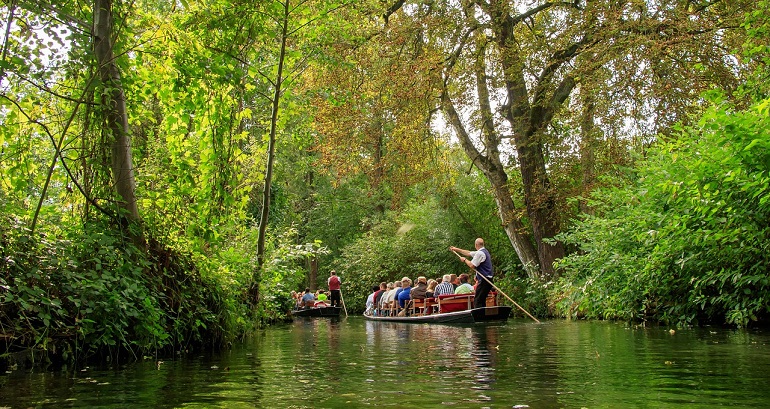
Boat rides through the Spreewald's intricate network of canals offer the quintessential experience of this unique biosphere reserve, providing visitors with an authentic glimpse into a landscape shaped by centuries of tradition. These leisurely journeys aboard traditional punt boats, known as "Kähne," are steered by skilled local boatmen who share fascinating stories about the region's ecology, folklore, and cultural heritage as they navigate the narrow waterways. Tours range from short two-hour excursions perfect for families to full-day adventures that venture deep into the heart of the reserve, stopping at picturesque villages like Lehde with its traditional thatched-roof houses and charming gardens. The canal system, comprising over 200 individual waterways, reveals hidden corners of pristine wilderness, historic mills, and rural settlements that have remained largely unchanged for generations.
Großer Spreewaldhafen Lübbenau (Greater Spree Forest Harbour)
Großer Spreewaldhafen Lübbenau is the beating heart of local tradition, with more than 150 years of punt (Kahnfahrt) heritage. One of the Spreewald’s largest harbours, it is a lively promenade lined by charming beer gardens, inviting eateries, and small shops. Notably, its “Gurkenmeile” – a street of stalls devoted to the Spreewald’s famed pickles – tempts every visitor to sample and take home the regional delicacy. From here, a wealth of boat tours depart daily, ranging from two-hour rambles through precious villages like Lehde to longer adventures lasting all day, each pausing at idyllic spots and offering themed journeys such as torch-lit night cruises, festive winter rides with warming mulled wine, and theatre on board for families. The harbour is a year-round meeting spot, alive with seasonal markets and events, ensuring there is always a sense of celebration alongside the peaceful waterside atmosphere.
Small harbour on Spreeschlößchen Lübbenau
The Small harbour on Spreeschlößchen Lübbenau provides an intimate counterpoint to the bustling main harbour, ideal for travellers seeking a quieter, more personal boating experience. The tour operators here specialise in relaxed, guided trips along the lesser-frequented waterways, revealing secluded idylls, lush forests, and traditional stilted houses. With flexible departure times, free and paid parking, and barrier-free facilities, it appeals to both solo explorers and families. The friendly boatmen are local experts, offering stories about the region and its ecology, while the tranquil setting invites moments of unhurried reflection on the water.

Other attractions in Lübbenau
Schloss Lübbenau
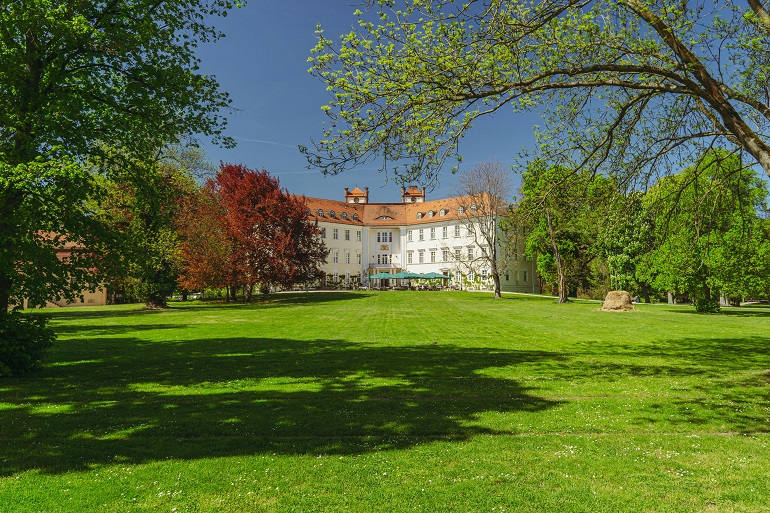
Schloss Lübbenau represents one of the Spreewald's most elegant historical residences, serving as a testament to the region's noble heritage and architectural refinement. Built as a stately manor house, the castle has been carefully preserved to showcase its baroque and neoclassical elements, with ornate gardens and parklands that complement its dignified facade. The castle grounds provide a tranquil setting for leisurely walks, while the building itself often hosts cultural events, concerts, and exhibitions that celebrate local traditions and artistic achievements. Its strategic location near the waterways made it historically significant as a noble seat, and today it continues to serve as a cultural focal point for visitors interested in the aristocratic history of Brandenburg and the unique Sorbian culture of the region. The castle's proximity to the harbour areas makes it an ideal starting point for exploring both the architectural heritage and natural beauty of Lübbenau.
Sagenhafter Brunnen
Sagenhafter Brunnen presents one of Lübbenau’s most enchanting curiosities. This ornate fountain takes inspiration from the haunting fairy tales and legends of the Spreewald, its figures adorned with carved symbols, whimsical creatures, and local folk motifs. Standing at the heart of a small park, it becomes a favourite meeting place for locals and visitors to gather, listen to stories, or simply revel in the playful spirit of the neighborhood. Accessible to all, the fountain is especially loved by children, who dart between its jets during the warmer months, making it both a charming photo stop and a symbol of regional imagination.
Spreewelten Bad Lübbenau
Spreewelten Bad Lübbenau is an extraordinary aquatic complex, uniquely combining a state-of-the-art waterpark with the rare opportunity to swim alongside real Humboldt penguins, separated only by enormous glass walls. Beyond this unforgettable attraction, guests discover interactive giant slides, a wave pool, and both indoor and outdoor thermal channels styled to evoke the Spreewald’s forests and rivers. The extensive sauna village boasts fourteen themed saunas—ranging from the whimsical Gurkensauna, complete with a swing, to the mystical Lutki cave—each telling stories of the region. The facility caters superbly for families, with child-friendly dry playgrounds, bistro dining, and thoughtful details throughout. Spreewelten also offers spa treatments, group discounts, and facilities for guests with disabilities. Tickets can be tailored to your visit, including special family and group rates, and the centre’s atmosphere is lively yet always friendly and welcoming.
Nearby Attractions
Spreewald Biosphere Reserve
Spreewald Biosphere Reserve, enveloping Lübben and Lübbenau, is an internationally recognised UNESCO site celebrated for its rare harmony of nature and traditional rural life. The reserve spans meandering rivers, ancient woodlands, meadows vibrant with wildflowers, and a labyrinthine network of narrow canals, or "fließe", navigable by paddle or kayak. Hikers, cyclists, and nature enthusiasts revel in marked trails, picnic spots under towering willows, and prolific wildlife, including rare birds and dragonflies. The biosphere’s unique cultural landscape is shaped by centuries of human stewardship, visible in the well-tended fields, orchard crops, and picturesque fishing huts scattered through its peaceful expanse. Facilities for families, playgrounds, dog-friendly policy, and picnic tables make the reserve accessible for all, providing countless opportunities for adventure among one of Europe’s most cherished river deltas.

Slavic Castle (Slawenburg Raddusch)
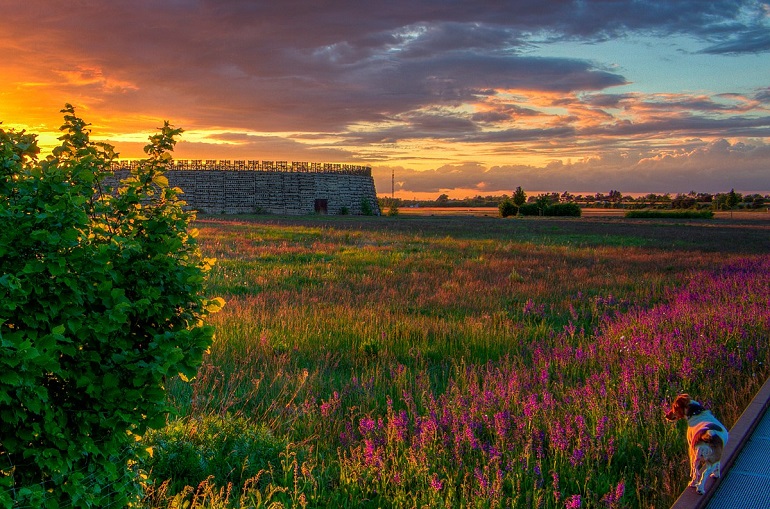
A little beyond the twin towns, this spectacularly reconstructed ninth to tenth-century earthwork fortress transports guests back to the dawn of local civilisation. Permanent exhibitions within the dramatic circular ramparts narrate the history of the early Slavic peoples in the Spreewald, showcase archaeological discoveries, and use interactive elements to engage all ages. The combination of scenic picnic grounds, reconstructed dwellings, and striking views across the countryside enriches the immersive experience.
Riesenmotorrad
Riesenmotorrad is a delightful oddity for those fond of surprising roadside attractions. Located conveniently outside Lübbenau, this enormous motorcycle sculpture captures the imagination of young and old alike. Crafted in tribute to the spirit of travel and exploration, the sculpture is perfect for impromptu photos and a fun break during longer journeys through the region. With free access and a welcoming atmosphere, it stands as a light-hearted monument that embodies the area’s quirky side and penchant for larger-than-life stories.
Top Museums
Museums in Lübben
Urban and Regional Museum in the Castle (Stadt- und Regionalmuseum im Schloss Lübben)
Situated within the historic castle complex, this museum provides a deep dive into the history and culture of Lübben and the Spreewald region. The exhibitions, distributed throughout the stately rooms, juxtapose archaeological finds, folk artefacts, and period furnishings, charting development from early settlement through the Middle Ages to the modern era. Visitors can encounter traditional Spreewald costumes, handcrafted implements, and evocative documentation of town life, major events, and regional trades. The castle’s ambience – blending ancient walls and refined interiors – creates a dignified, immersive setting for reflection on Lübben’s layered heritage.
Wappensaal im Schloss zu Lübben
Integrated within the castle, the “Coats of Arms Hall” is renowned for its decorative heraldic panels and crests tracing local noble families and the area’s wider historical relationships. This grand hall is suitable for both cultural tours and special events.
Paul-Gerhardt-Zentrum
A testament to the town’s spiritual legacy, this small museum is dedicated to Paul Gerhardt (1607–1676), one of Germany’s most significant hymn writers, who lived out his final years in Lübben. Exhibits present biographical artefacts, manuscripts and portraits, exploring Gerhardt’s religious significance and literary output. Visiting the centre is also an opportunity to attend regular musical and commemorative events – such as the Paul-Gerhardt Weeks – and view the special exhibition “Paul Gerhardt – His Hymns Live on in Global Christianity,” which features hymnals and choral traditions from around the world.
Museums in Lübbenau
Freilandmuseum Lehde
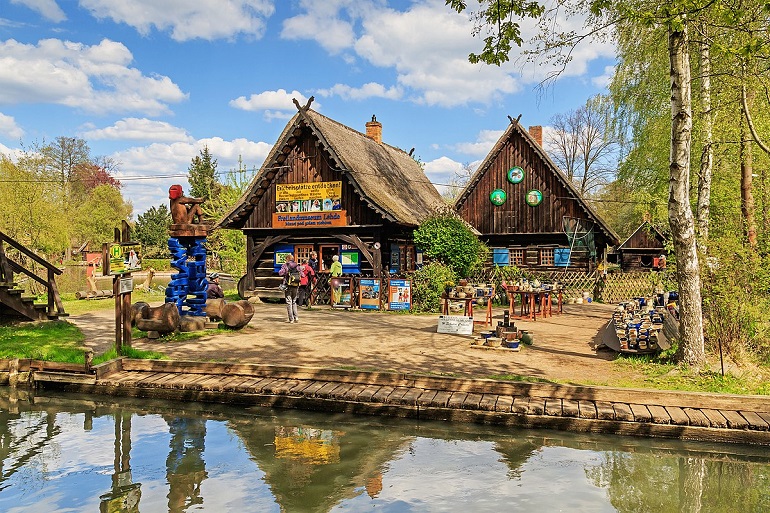
The oldest open-air museum in Brandenburg, Freilandmuseum Lehde welcomes visitors to a living tableau of rural Spreewald life as it was over a century ago. Historical farmsteads, thatched wooden cottages, barns, and gardens, lovingly reconstructed on the water’s edge, document the daily activities of both Sorbian/Wendish and German residents. Throughout, visitors encounter elaborate displays of local costume, home industries, and food culture—especially Spreewald gherkins and spicy horseradish. The museum goes beyond static observation, offering hands-on stations for time-honoured chores and skills: guests can try washing clothes outdoors, walking in traditional wooden footwear, milking mock cows, or playing historic children’s games. Costumed living history guides and regular performances enliven the experience, while two on-site museum shops and a shaded orchard picnic area invite relaxation and exploration at one’s own pace.
Spreewald-Museum Lübbenau
Housed in the striking Torhaus at Topfmarkt, a building with a storied past as a town hall, royal court, prison, and police station, the Spreewald-Museum offers an enthralling look at Spreewald town life over the last century. The “museum shop” exhibition faithfully reconstructs the shopping and working world of circa 1900, with original fixtures from a general store, bakery, butcher, and colonial goods shop. Additional highlights include authentic craft workshops—such as a furrier’s, shoe-maker’s, and linen-weaver’s—along with displays of traditional costumes and hand-printed Spreewald “Blaudruck”. Children and adults alike can immerse themselves in interactive exhibits, including a beautifully presented model railway setup. The museum’s annex is especially notable for its impressive full-size steam locomotive, “99 57 03”, and period passenger carriage from the Spreewaldbahn, which visitors are invited to climb aboard and explore.
Gurkenmuseum & Gherkin Museum (Hotel Starick)
Both museums honour perhaps the Spreewald’s most iconic product—the gherkin. Through quirky themed exhibitions, visitors learn about the evolution of cucumber cultivation, pickling, and distribution in the region, along with the gherkin’s role in popular culture. Antique tools and jars, memorabilia, and displays on culinary tradition provide insight into what makes Spreewald gherkins world-famous. The museum within Hotel Starick offers a broad range of historical items and is set amid the bucolic waterways, providing a unique tipple for a museum visit.
Local Cuisine
Visitors can savour the renowned Spreewald gherkins, a crisp and tangy delicacy preserved in countless varieties of marinades, alongside hearty dishes such as Spreewald potato soup enriched with bacon and herbs. Freshly caught fish from the network of waterways, especially pike-perch and carp, are local favourites, often served smoked or pan-fried. Traditional Sorbian influences shine through in specialties like quark with linseed oil, a simple yet flavoursome treat typically paired with boiled potatoes. To end on a sweet note, guests can enjoy yeast-plaited breads and homemade cakes, perfectly embodying the warm hospitality of the Spreewald.
Getting There
By train Lübben and Lübbenau are well connected by regional trains from Berlin and Dresden, making them easy to reach in just over an hour from either direction. Services are regular, with both towns having their own stations situated close to the centre.
By coach or bus Long-distance coaches offer convenient links from Berlin and other major cities to both Lübben and Lübbenau, while regional buses connect smaller towns in the Spreewald area, making it possible to travel directly into the heart of the region without needing a car.
By car Travelling by car offers the most flexibility, with the A13 motorway providing a straightforward route from Berlin or Dresden. From there, local roads lead directly into Lübben and Lübbenau, where parking is available near the town centres and major attractions.


