



| Contents |
|---|
Introduction
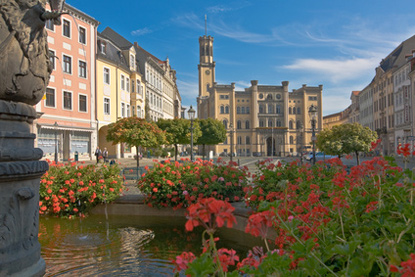
Zittau (pop. 25,000) is a university town located in the extreme south-east of the country where it meets Poland and the Czech Republic, in the region known as the Dreiländereck (Three Country Corner). Founded in the 13th century, Zittau was once a prosperous member of the Lusatian League and later became part of the Six Cities' Alliance, which left the town with a rich architectural heritage including Gothic churches, Renaissance buildings, and baroque facades. Its historic town centre includes the notable Salzhaus (Salt House) and a number of fountains. The town is primarily known for housing two significant Lenten veils (Fastentücher), large-scale decorated cloths dating from 1472 and 1573, which are displayed in separate museum locations. Situated at the base of the Zittau Mountains, the town also provides access to this range for outdoor activities, notably via the narrow-gauge Zittau Railway.
Interesting Facts about Zittau
- Zittau sits at a tri-border point where Germany, Poland, and the Czech Republic meet, nestled by the Zittau Mountains in Upper Lusatia.
- Founded in 1255 under the Bohemian crown, the town became a prosperous trading centre known as “Die Reiche” (“the Rich”) in the medieval Six-City League of Upper Lusatia from 1346.
- The Great Zittau Lenten Veil of 1472 is unique in Germany and one of the largest surviving Lenten veils in Europe, displayed in the Church of the Holy Cross museum in a record-sized showcase.
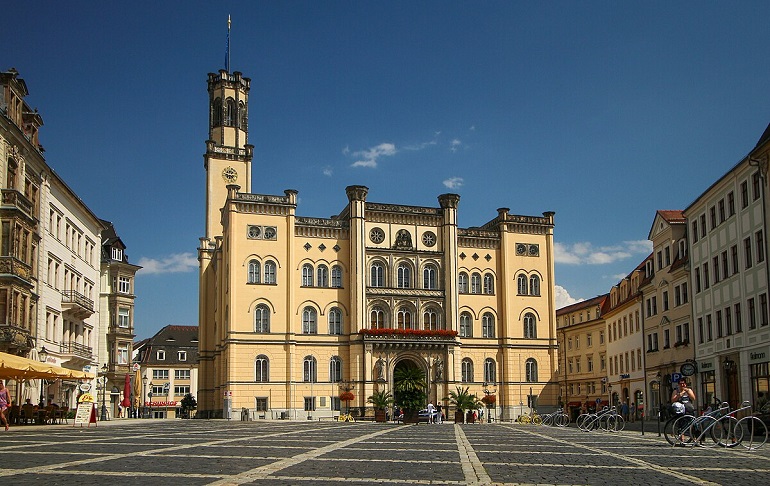
- Zittau’s historic centre features a City Hall designed in Italian palazzo style by Karl Friedrich Schinkel between 1840 and 1845, reflecting 19th-century civic pride.
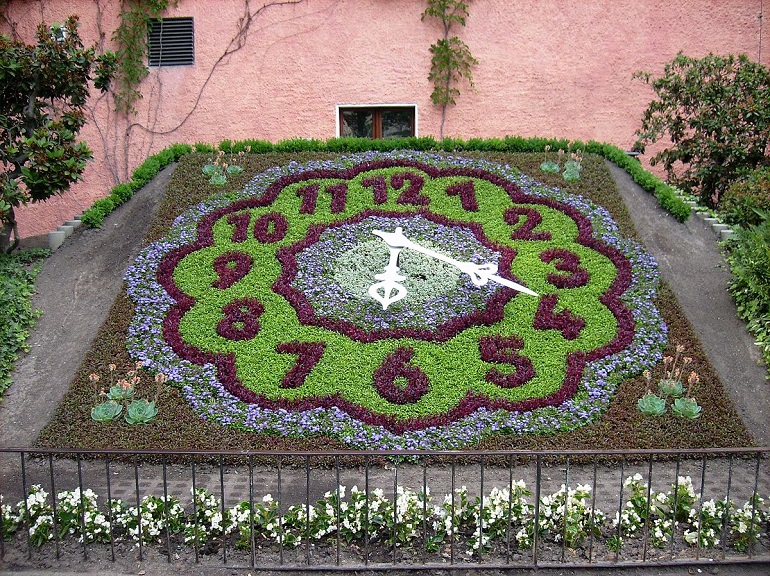
- A celebrated flower clock from 1907, planted with around 4,800 plants that are changed three times a year, offers a living timepiece in the townscape.
- The town lies on the Mandau and Lusatian Neisse rivers and served as an important rail and road junction supporting its textile and engineering industries.
- St John’s Church, originally dating to 1230, was destroyed in 1757 during the Seven Years’ War and rebuilt over the late 18th and early 19th centuries.
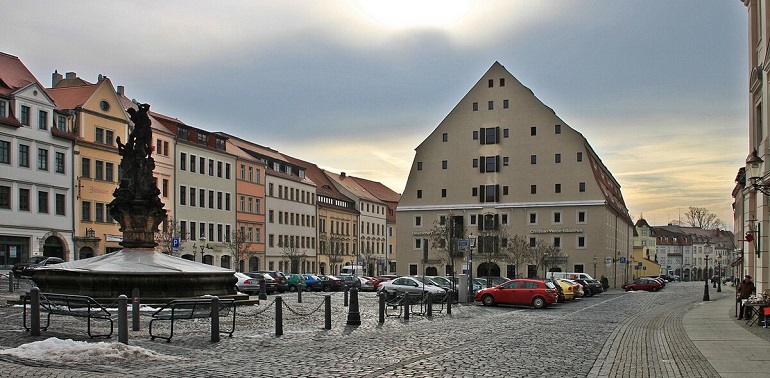
- The Salt House (1511) dominates Neustadt Square, linking Zittau’s Renaissance mercantile past with today’s market and cultural life.
- The town’s museums preserve two famed Lenten altar cloths—the large veil (1472) and the smaller (1573)—which depict biblical scenes across vast textile panels.
- Zittau offers quick access to the Zittau Mountains Nature Park, Germany’s smallest mountain range, making it a gateway for hiking and cycling in scenic borderland landscapes.

History
Medieval Origins and Bohemian Heritage
Zittau's history stretches back nearly nine centuries, beginning as a 12th-century Slavic settlement called Sitowir. The city was first documented under the Latinised name "Sitavia" in 1238, and was granted formal town rights in 1255 by King Ottokar II of Bohemia. From the 11th century onwards, the area belonged to the Czech (Bohemian) Duchy and later Kingdom, establishing deep connections that persist today in the city's coat of arms, which still displays a Czech Lion and a Silesian Piast Eagle. Following a brief period under the Piast-ruled Duchy of Jawor of fragmented Poland from 1319 to 1346, Zittau returned to the Bohemian Crown. During this medieval period, King Ottokar II also constructed defensive walls around the settlement, and the city would eventually become renowned for its prosperity, earning the special title "Die Reiche" ("the Rich") due to its high proportion of well-to-do citizens.
The Six-City League and Economic Prosperity
In 1346, Zittau became a founding member of the prestigious Six-City League of Upper Lusatia, a significant commercial confederation that enhanced its trading power. The city's wealth during this period came primarily from its position as a major trading centre, with beer being one of the most important commodities in the 16th century. Later, during the 18th and 19th centuries, textiles became the cornerstone of Zittau's economy, a tradition common throughout the Upper Lusatia region. Despite its prosperity, Zittau faced considerable challenges, including devastating fires in 1359 and 1422. The city's political allegiances shifted several times: it recognised Hungarian King Matthias Corvinus in 1469, returned to the Bohemian Crown under Polish prince Vladislaus II in 1490, and remained under Bohemian rule until 1635, when it finally passed to the Electorate of Saxony. Following the Counter-Reformation and particularly after the Battle of White Mountain in 1620, Zittau became a refuge for Protestant refugees from Bohemia, welcomed by the Protestant Saxon rulers.
Modern Era and Industrial Development
The Seven Years' War proved catastrophic for Zittau, with near-complete destruction of the city severely impacting its historical architecture, though exceptional buildings and elaborate cemeteries still reflect its former prosperity. During the Napoleonic period in 1813, two Polish military units were established in the city: the 1st Horse Artillery Company of the Jan Henryk Dąbrowski Division and the 2nd Horse Artillery Company of the VIII Corps of Prince Józef Poniatowski. The industrial era saw Zittau develop as a centre for textile manufacturing, machinery production, and eventually automotive manufacturing. The city's darkest period came during World War II, when it housed a Nazi prison and labour camp that provided forced labour for Phänomen Werke Gustav Hiller, a truck and motorcycle manufacturing company. Today, Zittau serves as an administrative and shopping centre in the tri-border region where Germany, Poland, and the Czech Republic meet, whilst maintaining its historical character through carefully preserved medieval churches, Renaissance buildings, and its famous Lenten altar cloths that attract visitors from across Europe.
Main Attractions
Market Square (Markt)
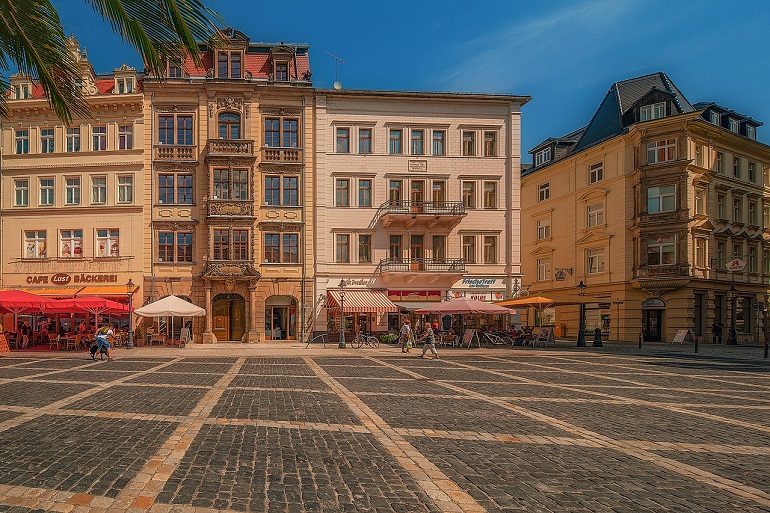
The Market Square in Zittau lies at the heart of the historic old town and is renowned for its lively atmosphere, majestic architecture and vibrant social hub. Surrounded by colourful buildings and crowned by the magnificent Italianate Town Hall, the square delights visitors with regular markets, seasonal festivals and open-air events. Cobblestone paths weave among inviting cafes and bustling stalls, offering ample opportunities to savour local delicacies or hunt for unique souvenirs. From here, the town’s architectural highlights such as the Salt House, Baroque fountains, and St. Johannis Church with its lofty tower can be appreciated, making the Market Square an essential point of departure for exploring Zittau’s rich history and culture.
Town Hall (Rathaus)
Rathaus Zittau stands as a testament to Upper Lusatian prosperity, its façade reminiscent of an Italian palazzo with ornate gables and a striking council chamber. Centrepiece of the Old Market Square, the building's silhouette is punctuated by a clock tower whose chimes have marked the passage of time for centuries, while the square itself remains a vibrant focal point for public gatherings and seasonal markets.
St Johannis Church
St Johannis Church, rising opposite the town hall, captivates with its twin towers and Baroque revival style, a testament to resilience after its predecessor was destroyed in the Seven Years' War. Visitors can ascend one of its towers to survey the tiled rooftops of Zittau and the undulating silhouette of the Zittau Mountains, while the interior's restrained elegance provides a sanctuary for reflection and musical concerts.
Salt House (Salzhaus)
Salzhaus, known as the Salt House, traces its origins to the 16th century when it stored the precious 'white gold' that fuelled regional commerce. Rebuilt in a restrained post-war style atop its original sandstone base, the unadorned plastered walls and rhythmic rows of windows hint at its storied past, while the ground floor vaults now house the traditions of Upper Lusatia in the form of a rustic inn.
Flower Clock (Blumenuhr)
Flower Clock, situated on the town's historical ramparts, celebrates the passing seasons with bursts of colour meticulously arranged in the face of a working timepiece. Combining horticultural artistry with precision engineering, this living landmark draws both locals and visitors eager to admire the intricate floral designs that change with each planting cycle, reflecting Zittau's blend of ingenuity and natural beauty.
Zittau Schmalspurbahn (Narrow-Gauge Steam Railway)
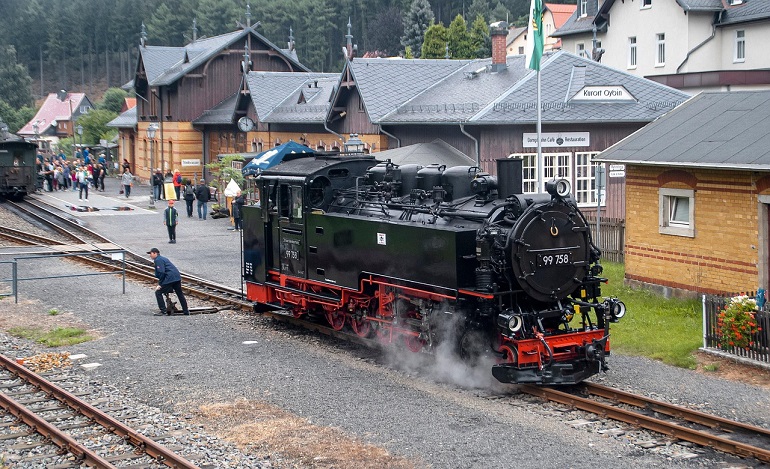
One of Zittau's most beloved attractions is the Zittau Schmalspurbahn, a historic narrow-gauge steam railway that whisks visitors through picturesque countryside and the scenic Zittau Mountains. The puffing steam locomotive is a local icon, offering a nostalgic and engaging way to experience the region's landscapes and villages along scenic routes that culminate at the historic spa town of Oybin. The rhythmic hiss of steam and the whistle's call evoke a bygone era of rail travel, as passengers peer through vintage windows at forests, sandstone crags and the distant silhouette of volcanic hills. Travellers can board at several stations, and the train ride is a special favourite for families and enthusiasts of heritage railways, with routes connecting to mountain resorts like Oybin and Jonsdorf.
Zittau Zoo
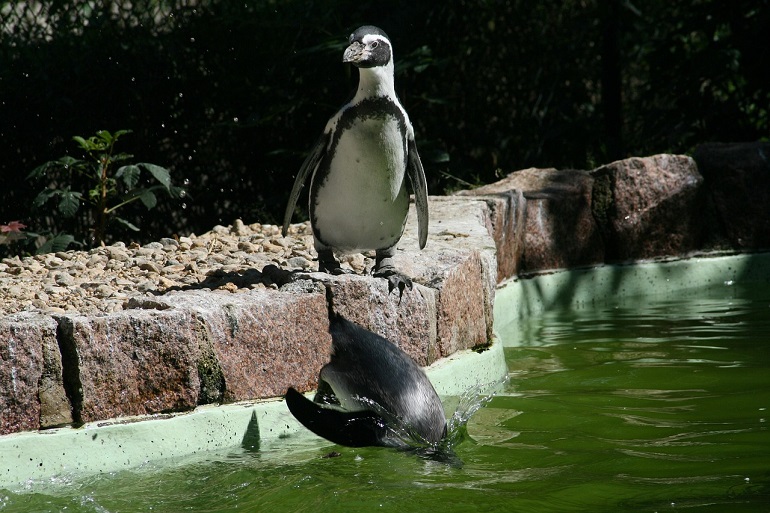
Zittau Zoo in the tri-border area offers an immersive journey into the diverse world of fauna, from the playful antics of ring-tailed lemurs to the majestic presence of lynx, all set against the backdrop of the tri-border landscapes where Germany, Poland and the Czech Republic converge. The zoo's rustic charm is heightened by a dedicated nature centre that hosts educational events such as penguin feedings and llama walks, making it a captivating destination for families and wildlife enthusiasts seeking a memorable day in the heart of Saxony.
Dreiländerpunkt
Dreiländerpunkt marks the unique junction where Germany, Poland and the Czech Republic meet, symbolised by a sculptural installation and informational panels that trace the region's shifting borders and shared heritage. From this vantage point, visitors can contemplate the fluidity of national frontiers and embark on cross-border excursions along scenic trails that weave between three distinct cultures.
Weinau Park
Weinau Park provides a tranquil retreat for visitors in Zittau, sprawling over verdant lawns interspersed with mature trees, floral borders and winding pathways that invite leisurely strolls. The park's amenities, including playgrounds for children, picnic tables for al fresco dining and a tennis court, cater to a variety of recreational pursuits, while its role as a community hub ensures a warm, welcoming atmosphere throughout the year.
Nearby Attractions
Oybin Abbey and Castle Ruins
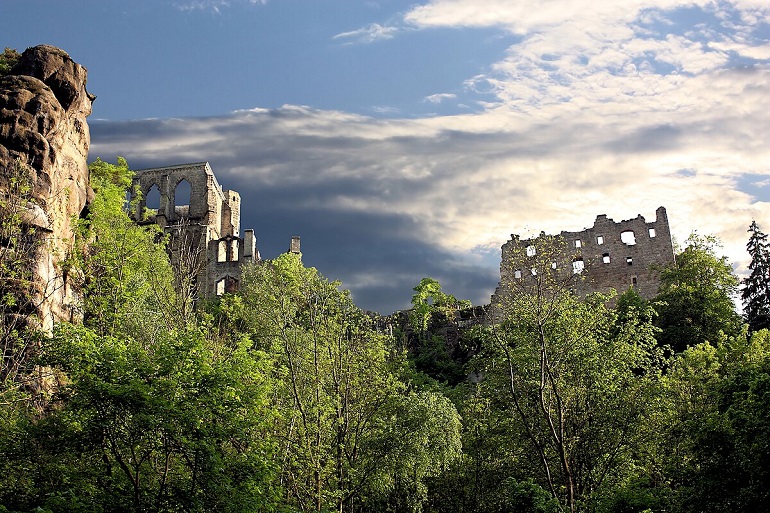
A short scenic ride into the Zittau Mountains brings travellers to Oybin, a mystical resort famed for its dramatic rock formations, castle ruins and ancient monastery. Perched high on a crag, the Oybin Abbey and Castle ruins blend Gothic grandeur with breathtaking mountain scenery. Guided tours reveal fascinating stories about medieval life, and the site’s ambience makes it a must for history buffs, walkers and photographers.
Butterfly House Jonsdorf (Schmetterlingshaus Jonsdorf)
In the immediate region, the Butterfly House in Jonsdorf attracts nature enthusiasts with its tropical environments and hundreds of butterfly species fluttering within a large greenhouse. This modern attraction, set against a backdrop of old quarries and fascinating rock formations, makes for a wonderful family outing and highlights the area’s commitment to biodiversity and education.
Cistercian Abbey of St. Marienthal (Kloster St. Marienthal)
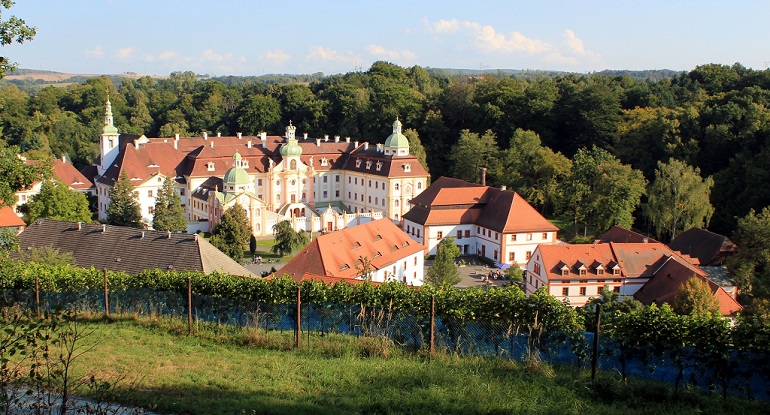
For those seeking immersive local experiences, the Cistercian Abbey of St. Marienthal is an evocative destination nestled in the Neisse Valley close to Zittau. As the oldest continuously inhabited Cistercian convent in Germany, the abbey features a baroque church, tranquil gardens, a working vineyard, and historic mills. Guided tours reveal centuries-old monastic life, and visitors may sample the abbey’s own beer or discover spiritual and cultural riches in this peaceful riverside setting.
Zittau Mountains Nature Park (Naturpark Zittauer Gebirge)
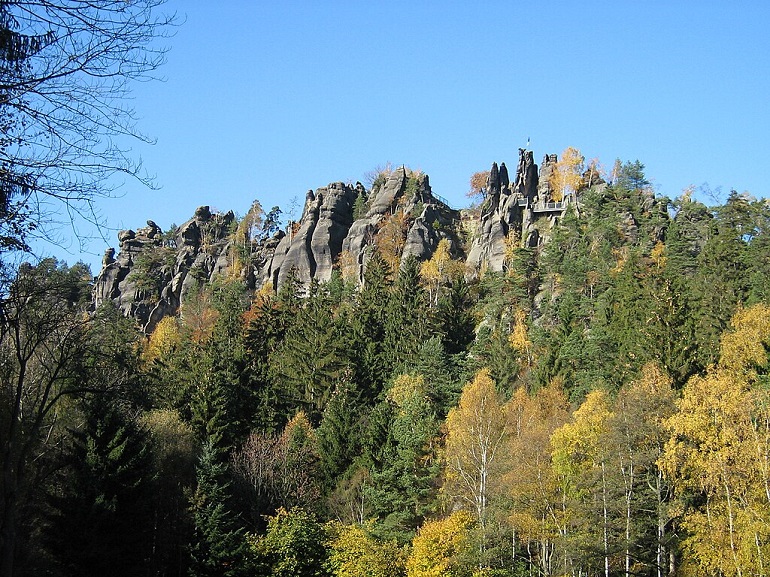
The Zittau Mountains Nature Park stands as one of Germany’s smallest but most spectacular mountain ranges, featuring wild sandstone cliffs, volcanic peaks and lush forested hills crisscrossed by over 400 kilometres of marked hiking and cycling trails. The landscapes are dotted with traditional Upper Lusatian half-timbered houses and charming villages such as Waltersdorf and Jonsdorf, inviting visitors to discover botanical treasures, panoramic viewpoints and regional folklore. For active adventurers or those yearning for tranquillity, the nature park provides an exceptional blend of recreation and scenic beauty.
Top Museums
Museum Church of the Holy Cross
This unique museum is housed in a striking Gothic single-pillar church, a design modelled after Prague’s St. Maria on the Lawn. With its star vault, galleries, and numerous historic graves and epitaphs, the building itself is a monument to bourgeois sepulchral culture. The surrounding cemetery features extraordinary tombs and crypts, some dating back to the 18th century.
The church’s star exhibit is the Great Zittau Lenten Veil from 1472. Measuring 8.2 metres high and 6.8 metres wide, it is the third-largest surviving Lenten veil in the world and the only one of its kind remaining in Germany. The veil is intricately decorated with 90 biblical scenes, beginning with the Creation of the World and ending with the Last Judgement. It is displayed in the world’s largest museum showcase, allowing visitors to appreciate the veil’s original function as an altar covering during the Lenten period.
Cultural History Museum in the Franciscan Monastery
This museum is located in the former Franciscan monastery, the oldest city museum in Saxony. The building’s restored medieval cloister, chapter house, and dormitory provide a fittingly atmospheric backdrop for the collections, which trace the development of Zittau and Upper Lusatia over several centuries.
The museum’s highlights include the Small Zittau Lenten Veil from 1573. It is one of only six surviving “Arma Christi” Lenten veils in the world and the only example in Germany. The veil centres on a vivid depiction of the Crucifixion, framed by thirty symbols of Christ’s suffering. The collections also feature a historic cabinet of curiosities, the municipal armoury, a selection of medieval armament and torture devices, offering an unflinching look at Zittau’s past.
With more than 35,000 items, the museum presents a rich panorama of local history, art, and daily life, with special exhibitions often held in the Baroque Hall (Heffterbau). The diverse artefacts, from Renaissance paintings and sculptures to period furniture and textiles, make this museum a comprehensive introduction to the region’s cultural and social development.
Local Cuisine
Set at the crossroads of Saxon, Bohemian and Silesian traditions, Zittau’s cuisine is a hearty Upper Lusatian mix defined by simple ingredients and seasonal produce. Signature plates include Teichelmauke—mashed potatoes ringed like a “pond” with savoury broth and served with boiled beef and sauerkraut. A regional staple is jacket potatoes with linseed oil and curd cheese (Pellkartoffeln mit Leinöl und Quark), reflecting the area’s long affinity with potatoes and flax. For dumplings, Stupperle made from potatoes and semolina are typical in southern Upper Lusatia. The pondland yields Lusatian fish such as carp and pike, celebrated during the annual Fish Weeks. Those with a sweet tooth gravitate to Pulsnitz gingerbread, while hearty bites like Kamenzer sausages paired with Bautz’ner mustard speak to the region’s robust flavours. In the glass, nearby Eibau’s Schwarzbier anchors a brewing tradition tied historically to Zittau’s beer community.
Getting There
By train Regular regional trains operated by trilex run to Zittau from Dresden (via Bischofswerda, Bautzen and Löbau), from Görlitz, and directly from Liberec in the Czech Republic, with straightforward connections from major German hubs via Dresden or Görlitz; Zittau Bahnhof is close to the town centre and linked by local buses and the heritage narrow-gauge railway for onward travel.
By coach or bus The most convenient option is usually to take a long-distance coach to Dresden, Görlitz or Liberec and continue the last leg by regional train or a ZVON bus; cross-border services also link Liberec and Hrádek nad Nisou with Zittau, and local buses serve both the station and the centre.
By car From Dresden, follow the A4 towards Görlitz and exit for Weißenberg/Löbau, then take the B178 to Zittau; from Görlitz, head south-west on the B99/B178; from the Czech Republic, drive via Liberec on the E442 to Hrádek nad Nisou and continue on the B178n into town; parking is available near the centre and station, Schengen borders are normally open but carry ID, and note that Czech motorways require a vignette.