| Contents |
|---|
Introduction
Wiesbaden (pop. 290,000) is the capital of Hesse and one of the oldest spa towns in Europe, with thermal springs that have been used for bathing since Roman times. It once boasted 27 hot springs, 15 of which are still in operation.
Goethe, Dostoyevsky, Wagner, and Brahms all came to bathe here. Dostoyevsky, who suffered from an acute gambling compulsion, allegedly lost his travelling money in Wiesbaden's Spielbank casino in 1865. Some say it was in Bad Homburg. In 1991, the Russian government offered to settle his debts, but the city of Wiesbaden graciously and symbolically wrote them off.
The historic city centre features elegant 19th-century architecture, including the neoclassical Kurhaus, which houses a famous casino, and the Russian Orthodox Church with its distinctive golden domes, whilst the surrounding Rheingau wine region produces some of Germany's finest Riesling wines. The cityscape is also defined by the Neroberg, a hill overlooking the town that features a church and is accessible by a unique water-powered funicular railway.
Interesting Facts about Wiesbaden
- Wiesbaden is the capital of Hesse and is famous as one of Europe's oldest spa towns, with its name meaning "meadow baths" in German.
- The city boasts 26 natural thermal springs, of which around 15 still flow today, with water temperatures reaching up to 66°C.
- Unlike many German cities, Wiesbaden's pre-war architecture largely survived the Second World War, resulting in many impressive 19th-century buildings that remain standing today.
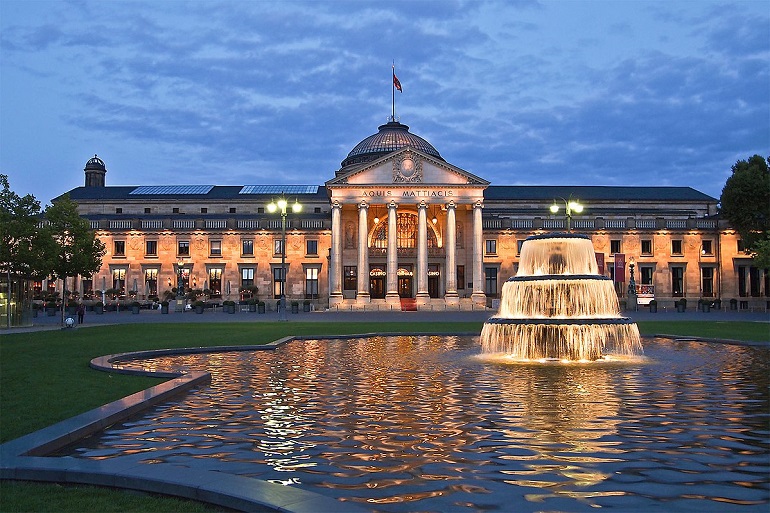
- The Kurhaus is Wiesbaden’s grand spa house, built between 1904 and 1907, which also houses a renowned casino.
- Wiesbaden lies at the heart of the celebrated Rheingau wine region, well known for its Riesling and sparkling Sekt wines.
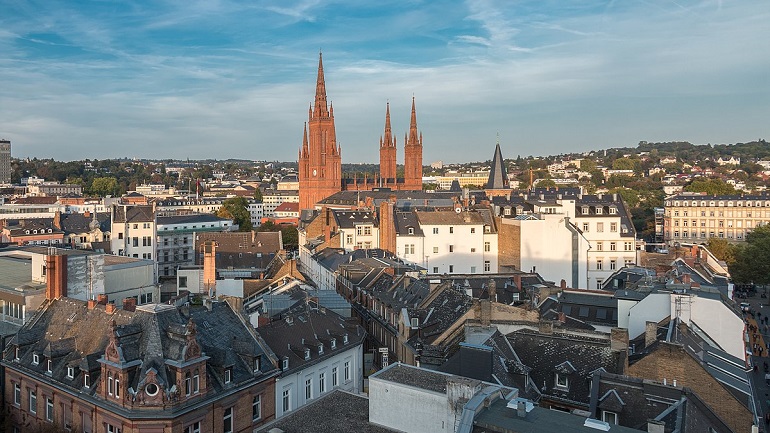
- The Marktkirche, a striking red-brick Protestant church in the city centre, was completed in 1862 and is the tallest building in Wiesbaden at 92 metres.
- The city’s ducal palace, finished in 1841, now serves as the seat of the parliament of Hesse.
- Wiesbaden was a favoured destination of famous figures like Goethe, Brahms, and Dostoevsky during the 18th and 19th centuries, who visited for its spas and casinos.
- A number of boroughs in modern Wiesbaden were part of the city of Mainz until 1945, and their Mainz-based names reflect the two cities' enduring rivalry.
- The Museum Wiesbaden features a significant art nouveau collection and is one of the three state museums in Hesse.
History
Wiesbaden's rich history spans over two millennia, beginning with the Roman settlement of Aquae Mattiacae in 122 CE. The Romans discovered the area's abundant hot springs and established a fortified settlement, recognising the therapeutic properties of the thermal waters that would define the city's character for centuries to come. After the fall of the Roman Empire, the Alamanni and Franks conquered the town at the end of the 4th century. During the Frankish period, the area became a royal estate, with Charlemagne's biographer Einhard first mentioning the settlement as "Wisabada" between 828 and 830. By the 8th century, Wiesbaden had become the site of a Frankish royal palace, cementing its importance as an administrative centre.
The medieval period brought significant political changes as Wiesbaden passed into the hands of the House of Nassau around 1170, when Count Walram I received the area as a fiefdom. In 1232, the town achieved the prestigious status of Reichsstadt (Free Imperial City) of the Holy Roman Empire, though this glory was short-lived. The city suffered destruction in 1242 during conflicts between Emperor Frederick II and the Pope, and was later rebuilt under Nassau control in 1270. The devastating Thirty Years' War (1618-1648) left Wiesbaden virtually deserted, with chronicles recording that barely 40 residents remained by 1648. The oldest surviving building in Wiesbaden, the old city hall, dates from 1609-1610, as earlier structures were lost to fires in 1547 and 1561.

The transformation into a fashionable spa destination began in earnest during the 18th and 19th centuries. In 1771, the Count of Nassau-Usingen granted a concession for gambling, and the famous Wiesbaden Casino opened in 1810. After becoming part of the Duchy of Nassau in 1806 and later being annexed by Prussia in 1866, Wiesbaden experienced its golden age in the late 19th century. The city's status as a premier European spa resort was confirmed when Kaiser Wilhelm II began making annual visits from 1894, attracting European nobility and transforming Wiesbaden into a playground for the upper classes. During the Second World War, the city suffered significant bombing damage but recovered to become the capital of the federal state of Hesse and served as headquarters for the U.S. Army in Europe from 1945 to 1993.
Main Attractions
There are two ducal residences in Wiesbaden: the neoclassical Stadtschloss ('city palace'), now used as the Hessian State Parliament (partially accessible), and the baroque Biebrich Palace (accessible by tours).
Kurhaus
The Kurhaus serves as Wiesbaden's architectural centrepiece and stands as one of Germany's most elegant neoclassical buildings. Built in the early 1900s to replace the original 1810 spa house, the structure no longer functions as a traditional spa but instead houses a prestigious casino, restaurant, and conference facilities. Its magnificent facade combines neoclassical elements with Art Nouveau details, making it a significant example of early 20th-century German architecture. The Kurhaus forms the focal point of the city's cultural quarter and remains one of the most photographed landmarks in Wiesbaden.
Schlossplatz (Castle Square)
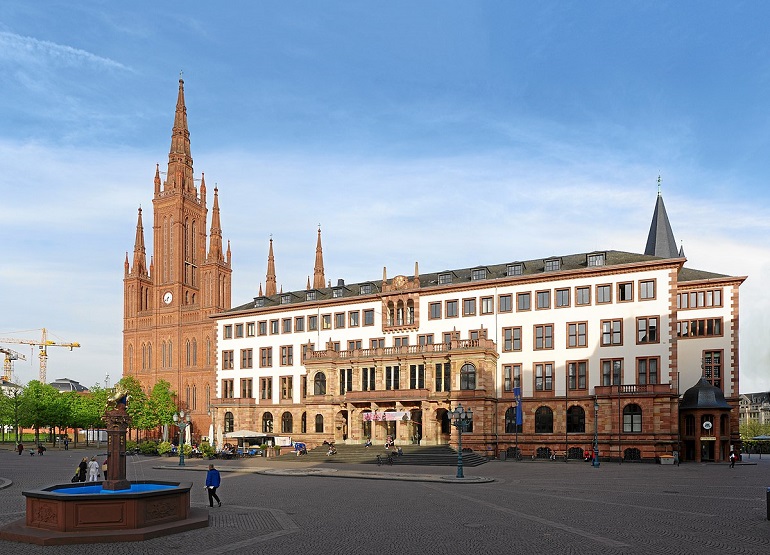
Schlossplatz forms the administrative and historical centre of Wiesbaden, containing several significant buildings that represent different periods of the city's development. The square features the Stadtschloss (City Palace), built in 1841 as the residence of the Dukes of Nassau and now serving as the seat of the Hessian State Parliament. The Old Town Hall, dating from 1610, represents the oldest building in Wiesbaden and currently functions as a civil registration office. The square also contains the impressive New Town Hall, built in Neo-Renaissance style, which serves as one of the area's most architecturally striking buildings.
Marktkirche (Market Church)
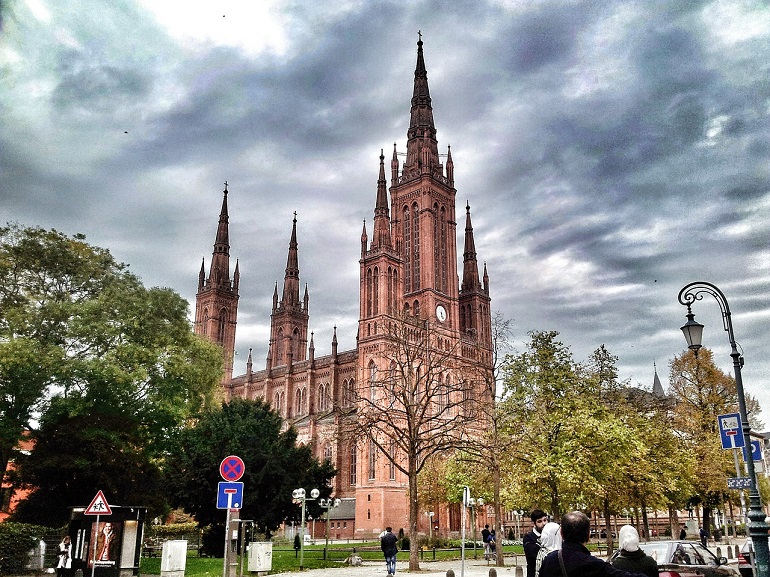
The Marktkirche dominates Wiesbaden's skyline with its five distinctive red brick spires and represents the city's principal Protestant church. Completed in 1862, the Neo-Gothic structure stands as the tallest building in Wiesbaden and was notable as the largest brick building of its era. The church's Gothic Revival architecture provides a dramatic contrast to the prevailing neoclassical style found throughout the rest of the city centre. Located on Schlossplatz, the church forms part of the historic square that serves as the administrative heart of Wiesbaden.
Wilhelmstraße
Wilhelmstraße functions as Wiesbaden's premier shopping boulevard and cultural artery, stretching through the heart of the city centre. Opened in 1810, the street was designed as an impressive boulevard four times wider than the older streets in the city centre. The thoroughfare houses numerous boutiques, galleries, cafes, and theatres, earning it the nickname "Rheingau's Rue" for its blend of luxury shopping and cultural attractions. The street represents one of Germany's most upscale shopping areas and showcases well-preserved examples of 19th-century urban planning.
Biebrich Palace
Biebrich Palace stands as a baroque residential complex situated on the banks of the Rhine River, constructed during the early 18th century. The palace served as a residence for the Dukes of Nassau and represents one of the finest examples of baroque architecture in the region. The surrounding palace park, known as Schlosspark Biebrich, provides public access to extensive gardens and riverside walks. The combination of baroque architecture and landscaped gardens creates one of Wiesbaden's most scenic locations for leisurely afternoon visits.

Hessian State Theatre
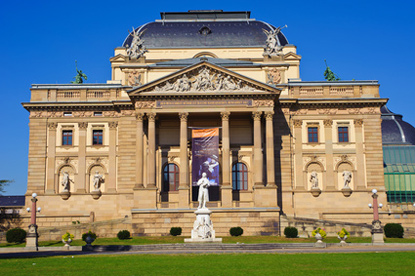
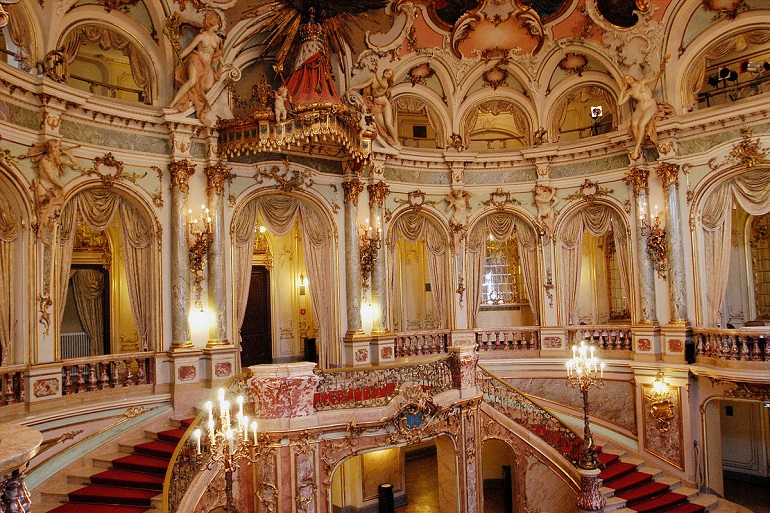
The Hessian State Theatre serves as one of Wiesbaden's primary cultural venues and represents one of the most successful German-speaking theatre companies. The neoclassical building dates back to 1894 and hosts a diverse programme including opera, ballet, concerts, and dramatic performances. The theatre's interior features a particularly notable Rococo lobby added in 1902, which exemplifies the ornate decorative style of the period. The building's prominent position on Warmer Damm makes it a significant architectural landmark in the city centre.
Kochbrunnen
The Kochbrunnen represents Wiesbaden's most famous thermal spring and serves as a focal point for the city's spa heritage. Located in Kochbrunnenplatz (literally "hot spring square"), this prolific spring continues to emit thermal water that has been valued for its therapeutic properties for over 2,000 years. The Romans established their settlement here specifically to take advantage of these natural hot springs. The spring feeds a decorative fountain in the charming square, which also hosts the annual Kranzplatzfest music festival typically held at the end of May.
Warmer Damm
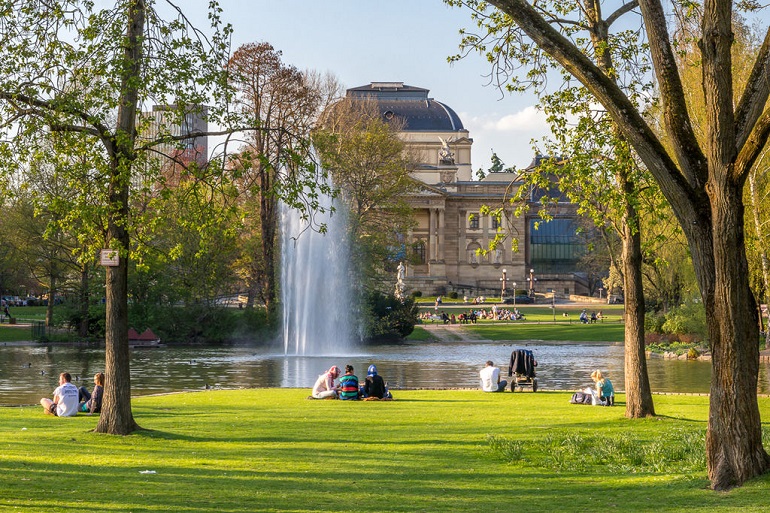
Warmer Damm functions as a historic park situated in front of the Hessian State Theatre, occupying the original site where the city's various streams and hot springs converged. The name translates literally to "warm dam," reflecting its historical significance as a thermal water collection point. The park features a small pond surrounded by extensive lawns and mature trees, creating a green space in the heart of the city. During spring, the meadows become carpeted with daisies, making it one of Wiesbaden's most photogenic seasonal attractions.
Nerobergbahn
The Nerobergbahn is a historic funicular railway that has been transporting visitors to the summit of Neroberg Hill since 1888. This water-ballasted funicular represents one of the few remaining operational systems of its kind in Germany and provides panoramic views of Wiesbaden and the Rhine Valley during its journey. The 440-metre track climbs 83 metres to reach the top of the hill, making it both a practical transport method and a tourist attraction. The railway operates seasonally and offers visitors access to the various attractions situated on Neroberg.
Russian Orthodox Church (St Elizabeth's Church)
The Russian Orthodox Church, officially known as St Elizabeth's Church, stands as one of Wiesbaden's most distinctive religious buildings. Built in the mid-19th century by architect Philipp Hoffmann, who studied Russian church architecture during his travels, the church features a prominent golden dome that serves as a landmark visible from across the city. The church was constructed for the niece of a Russian tsar who died at the age of 19, and its Byzantine-style architecture creates a striking contrast to the predominantly neoclassical buildings elsewhere in Wiesbaden.
Top Museums
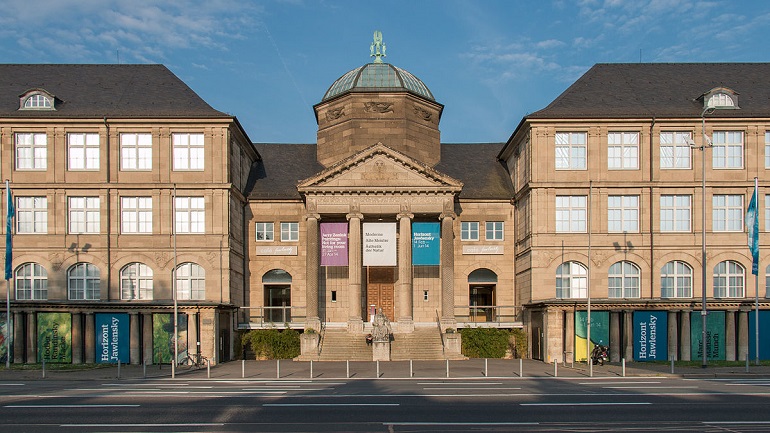
Museum Wiesbaden
Museum Wiesbaden serves as the city's flagship institution, uniting striking collections of art spanning from Old Masters to contemporary works and an extensive natural history section. Renowned for its outstanding holdings in expressionism, including Europe’s most comprehensive Jawlensky collection, and a world-class Art Nouveau exhibition, the museum elegantly blends fine art with natural curiosity, making it ideal for both art connoisseurs and families.
Frauenmuseum Wiesbaden
A pioneering institution in Germany, the Frauenmuseum Wiesbaden shines a spotlight on women’s contributions to culture, history, and society. Through layered exhibitions—ranging from ancient goddess figures to the stories of twentieth-century activists—this museum offers a thoughtful, interdisciplinary look at the lives, struggles, and accomplishments of women in Wiesbaden and beyond, appealing to anyone interested in gender history or social progress.
Museum Reinhard Ernst
One of the newest jewels in Wiesbaden’s cultural crown, the Museum Reinhard Ernst is devoted exclusively to abstract art, showcasing international masterpieces from the post-war period to the present. The museum stands out for its architecturally striking, minimalist building by Fumihiko Maki, and a collection including works by Pollock, Frankenthaler, Richter and more. This is essential for modern and abstract art devotees seeking an international perspective in a superbly curated environment.
Nassauischer Kunstverein Wiesbaden
As Wiesbaden’s dynamic hub for contemporary art, Nassauischer Kunstverein promotes innovative, experimental practices and supports emerging artists. Housed in a charming villa, the Kunstverein is renowned for exhibitions that push boundaries and for nurturing links to the Fluxus movement—making it a must-visit for those eager to experience the pulse of today’s international and regional art trends.
Heimatmuseum Biebrich
Dedicated to the rich story of the Biebrich district, this local history museum captures the area’s transformation from rural village to an industrial hub, with displays on noble families, traditional trades, and regional geology. It is an inviting destination for visitors interested in Wiesbaden’s roots and the everyday lives of its residents across centuries.
Dotzheimer Museum
The Dotzheimer Museum traces the heritage of one of Wiesbaden’s major districts, displaying artefacts and archives that detail community life, industry, and local customs. This volunteer-run museum provides a deeply personal and comprehensive view of Dotzheim’s evolution, appealing to those who appreciate grassroots heritage projects with genuine local flavour.
Heimatmuseum Erbenheim
Heimatmuseum Erbenheim presents a glimpse into the agricultural history and archaeology of the Erbenheim area. It showcases tools, objects, and finds that tell the story of a community rooted in rural traditions, perfect for anyone intrigued by how Wiesbaden’s surrounding villages have changed over time.
Local Cuisine
Food lovers will delight in regional classics such as Schnitzel—crispy breaded meat, typically pork or veal, often enjoyed with Bratkartoffeln (pan-fried potatoes) or a side of hearty potato salad. Another must-try is Handkäse mit Musik, a unique marinated cheese dish served with onions and vinegar. Sweet treats abound too, especially at historic venues like Café Maldaner, renowned for its Viennese pastries and decadent cakes. To complete the culinary experience, sample a glass of Rheingau wine from the surrounding vineyards, which is the perfect accompaniment to any meal in this vibrant spa town.
Shopping
Kirchgasse and its extension Langgasse form Wiesbaden’s roughly 1.5 km pedestrian spine, lined with department stores and high-street chains; the adjacent LuisenForum mall brings additional brands under one roof. Upmarket Wilhelmstraße is home to designer fashion and jewellery boutiques, while nearby Taunusstraße specialises in antiques and art galleries. Independent shops cluster in the bow-shaped Altstadt around the open-air weekly market on Dern’sches Gelände every Wednesday and Saturday morning. For everyday purchases the modern Lili centre next to the Hauptbahnhof combines supermarkets with mid-range retail, complementing Galeria on Kirchgasse and other department stores. Trading hours are typically 10:00–20:00 Monday to Saturday, and most outlets close on Sunday except during occasional “verkaufsoffene Sonntage” tied to city festivals.
Nature in and around Wiesbaden
Wiesbaden offers numerous natural attractions that showcase its position as a spa town nestled within the Taunus mountains. The city’s most prominent natural feature is Neroberg, a 245-metre hill accessible by the historic Nerobergbahn funicular railway that has operated since 1888, providing panoramic views over the city and surrounding countryside. The mountain features forested walking trails, including the Walderlebnispfad Neroberg, and houses Wiesbaden’s only vineyard managed by the Hessian State Wineries. The city’s renowned thermal springs are accessible at several locations, including the Kaiser-Friedrich-Therme and Thermalbad Aukammtal, both offering therapeutic hot spring baths and saunas. The Kochbrunnen fountain in the city centre provides free access to natural spring water. Wiesbaden’s extensive park system includes the English-style Kurpark, established in 1852 with its lake and fountain, the baroque Schlosspark Biebrich with tree-lined trails and pond, and the Apothekergarten medicinal plant garden. Nature reserves such as Rabengrund and Rettbergsaue offer hiking opportunities within the city limits, while the surrounding Taunus region provides access to the Rheinsteig long-distance hiking trail that begins in Wiesbaden-Biebrich and extends 320 kilometres along the Rhine valley to Bonn.
Neroberg
Neroberg serves as Wiesbaden's local mountain and recreational area, featuring extensive parkland and several notable attractions. The hilltop location offers commanding views across the city and surrounding Rhine Valley, making it a popular destination for both tourists and locals. The park contains the Monopteros temple, constructed in 1851 using columns that originally stood in the city centre as oil lamp holders. The area provides walking paths through mature woodland and serves as a peaceful retreat from the urban environment below.
Kurpark
The Kurpark extends over 5 kilometres behind the Kurhaus and represents one of Wiesbaden's most significant green spaces. Dating from Wiesbaden's heyday as a spa town, the park was designed to provide guests with a place to stroll and relax after taking the thermal waters. The park features a central pond where visitors can rent paddle boats, extensive lawns suitable for picnicking, and mature tree-lined pathways. A historic ticket booth near the casino entrance recalls the period when gambling was outlawed in Prussia and the park was fenced and charged an entry fee.
Getting There & Around
By train, Wiesbaden is well-connected across Germany and Europe, with frequent services operated by Deutsche Bahn and other providers. From nearby cities such as Frankfurt and Mainz, direct trains arrive at Wiesbaden Hauptbahnhof in as little as 30 minutes, departing several times each hour and providing a seamless connection for travellers from major hubs, including Frankfurt Airport.
By coach or bus, Wiesbaden is served by long-distance lines such as FlixBus, with connections from cities across Germany and neighbouring countries, as well as regional services integrated into the local RMV travel network. The city’s central bus station is conveniently located, and buses from surrounding towns like Mainz run at regular intervals throughout the day.
By car, Wiesbaden is easily accessible via the A66 autobahn if arriving from Frankfurt, following signs for Wiesbaden City Centre and Wiesbaden Kurhaus. From Frankfurt Airport, travel along the A3 to the Wiesbadener Kreuz, then switch to the A66. Well-maintained roads ensure a straightforward journey whether travelling on the motorway from within Germany or entering from neighbouring countries.
Best Time to Visit
Wiesbaden enjoys a temperate oceanic climate that makes it an appealing destination throughout much of the year, though the optimal time to visit largely depends on your preferences for weather and activities. The city's late spring through early autumn period, from May to September, consistently emerges as the most favourable time for visitors. During these months, temperatures range from a comfortable 15-25°C (59-77°F), with July and August being the warmest. The weather is generally pleasant with moderate rainfall, whilst the extended daylight hours provide ample time for sightseeing and outdoor activities. This period also coincides with the thermal baths and spa facilities operating at their most accessible schedules, making it ideal for experiencing Wiesbaden's renowned wellness culture. However, visitors should be prepared for this being peak tourist season, which means slightly higher accommodation prices and more crowded attractions. For those seeking a balance between agreeable weather and fewer crowds, the shoulder months of May and September offer particularly attractive conditions, with spring bringing blooming parks and autumn providing comfortable temperatures without the peak summer humidity.