



| Contents |
|---|
Introduction
The third-largest city in Saxony, Chemnitz (pop. 245,000) is a place shaped by its industrial heritage, which once earned it the nickname of the "Saxon Manchester". From 1953 to 1990, while part of the German Democratic Republic, the city was known as Karl-Marx-Stadt, a period memorialised by the monumental seven-metre-tall bronze head of Karl Marx that remains in the city centre. The city has transformed from its industrial past as a major textile manufacturing centre into a modern hub for automotive and mechanical engineering industries. The city centre features a blend of reconstructed historical architecture and contemporary buildings. Chemnitz serves as an important cultural centre with several museums, theatres, and the renowned Chemnitz Opera House, whilst also functioning as a university city home to the Chemnitz University of Technology. The surrounding Ore Mountains (Erzgebirge) provide easy access to outdoor recreational activities and traditional Saxon crafts, making Chemnitz a practical base for exploring both urban attractions and the broader Saxon countryside. Chemnitz has been named a European Capital of Culture for 2025, reflecting its ongoing transformation and diverse cultural landscape.
Interesting Facts about Chemnitz
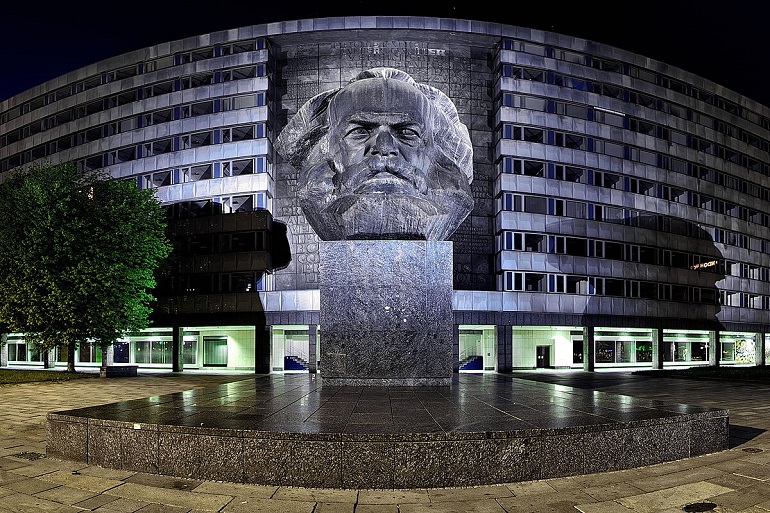
- Once renamed Karl-Marx-Stadt from 1953 to 1990, Chemnitz still features an enormous Karl Marx head sculpture that locals affectionately call the “Nischel.”
- The 7.1-metre Karl Marx Monument weighs about 40 tonnes and stands over 13 metres tall with its plinth, ranking among the world’s largest busts.
- Chartered in 1143, Chemnitz grew from a medieval market on a key salt route into Bohemia to a major industrial centre.
- Nicknamed the “Saxon Manchester,” the city pioneered German textile manufacture and early machine building, including the country’s first spinning mill around 1800.
- The city centre suffered heavy destruction in the Second World War and was rebuilt in the GDR with broad avenues and Plattenbau housing.
- Chemnitz anchors a densely populated corridor between the Ore Mountains and Central Saxon hill country, sitting on the river formed by the Zwönitz and Würschnitz.
- The city’s public transport features the “Chemnitz Model,” linking regional rail lines directly with urban trams for seamless travel.
- Landmarks include twin town halls (late 15th century and 1911), the medieval Red Tower, and the Schlossberg Museum in a former Benedictine monastery.
- As a hub of East German administration, Chemnitz gave its name to the Bezirk Karl-Marx-Stadt, which existed from 1952 until reunification in 1990.
- Today’s economy blends services with advanced manufacturing and automotive engineering, supported by Chemnitz University of Technology’s research base.
- The official tourism data highlight roughly 1,000 cultural events annually and unusually generous urban green space per resident.
- The city’s European Capital of Culture programme, branded “C the Unseen,” aims to reveal overlooked places and makers across its 39 districts.
History
Medieval Origins and Early Development
The city was first mentioned as "locus Kameniz" in 1143 when King Conrad III granted market rights to a Benedictine monastery founded in 1136. The town's name derives from the River Chemnitz, meaning "stony brook", which rises where the rivers Würschnitz and Zwönitz meet at the city's southern edge. Built according to a planned layout and subordinate initially to the Holy Roman Emperor alone, the medieval settlement was likely constructed after the 1180s. In 1307, the town became subordinate to the Margraviate of Meissen, the predecessor of the Saxon state, and by 1356 this became the Electorate of Saxony. A pivotal moment came in 1357 when the margraves granted the town a bleaching monopoly, which granted four residents the right to establish a bleachery whilst forbidding the export of unbleached textiles. This charter transformed Chemnitz into a centre of textile production and trade, with more than one-third of the population working in textile manufacturing by medieval times. The town's growing economic power was evident when it acquired territory from the monastery in 1402 and purchased jurisdiction rights along with customs collection privileges in 1423.
Industrial Revolution and the "Saxon Manchester"
The transformation of Chemnitz into Germany's industrial powerhouse began in earnest during the 19th century, earning it the nickname "the Saxon Manchester". The first spinning mill in Germany was operating in Chemnitz by 1800, marking the beginning of mechanised textile production. From 1800 onwards, the city took the lead in Germany's mechanical industry and production of machine tools, with the first German locomotive manufactured there. Important industrial companies were founded by pioneering entrepreneurs including Richard Hartmann, Louis Schönherr and Johann von Zimmermann. The development was further accelerated by the growth of coal and lignite fields in middle Saxony and the city's connection to the railway network in 1852. By 1913, Chemnitz had reached a population of 320,000, making it larger than Leipzig and Dresden at that time. The city continued its rapid growth and reached its all-time peak population of 360,250 inhabitants in 1930. Throughout this period, Chemnitz became renowned for its innovations in mechanical engineering, with the establishment of the Royal Industrial School in 1836, which eventually evolved into the Technical University Chemnitz.
20th Century Upheavals and Modern Renaissance
The 20th century brought dramatic changes to Chemnitz, beginning with devastating damage during the Second World War when nearly 4,000 people lost their lives and over six square kilometres of the city centre were destroyed in air raids, particularly the destructive bombings of February and 5 March 1945. In 1953, the city was renamed Karl-Marx-Stadt as part of East Germany's communist programme, a name it retained until German reunification in 1990 when it reverted to Chemnitz. During the socialist era, reconstruction efforts were abandoned in favour of extensive new building projects that gave the city centre an entirely new appearance, whilst large housing developments sprang up on the city's edge from the mid-1960s. Karl-Marx-Stadt continued as a centre for machine construction and reached 315,000 residents by the end of the 1980s. Following reunification, the city faced significant challenges but has gradually rebuilt its identity whilst preserving its industrial heritage. Today's Chemnitz, with approximately 240,000 inhabitants, serves as a transportation hub and industrial centre specialising in light and heavy engineering, automotive manufacturing, electronics, and maintains its historical textile industry. The city has been selected as a European Capital of Culture for 2025, highlighting its successful transformation from a war-damaged socialist city into a modern cultural and industrial centre.
Main Attractions
Altes Rathaus (Old Town Hall)
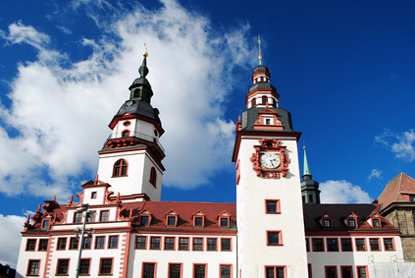
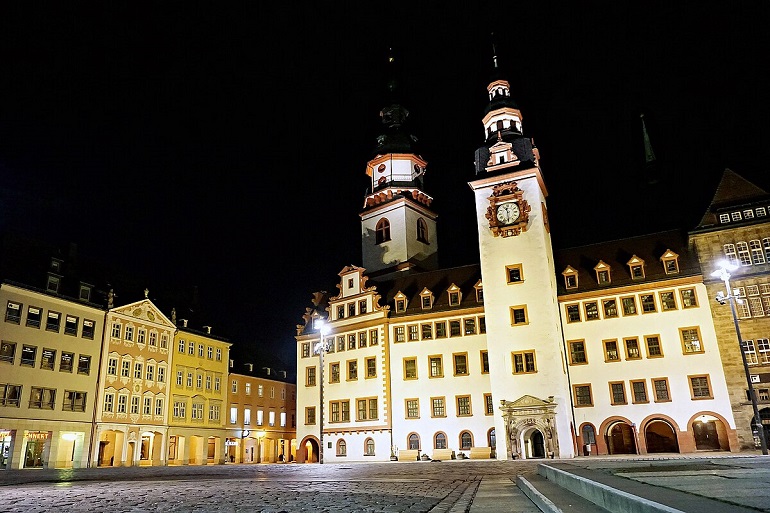
Dominating the central market square, the Altes Rathaus stands as a testament to Chemnitz's rich civic history. Its striking Renaissance façade, crowned by an elegant clock tower, has been a focal point of the city since its original construction in the 15th century. Over the centuries, the building has undergone meticulous restoration to preserve its architectural splendour, making it a key landmark on any tour of Chemnitz. Visitors are encouraged to admire its intricate details from the bustling Markt below, where regular markets and events take place. For those with a head for heights, the tower offers panoramic views across the city, providing a unique perspective of its layout and surrounding landscape. The Altes Rathaus is not merely a historical monument; it remains an active administrative centre, blending its storied past with contemporary civic life.
Neues Rathaus (New Town Hall)
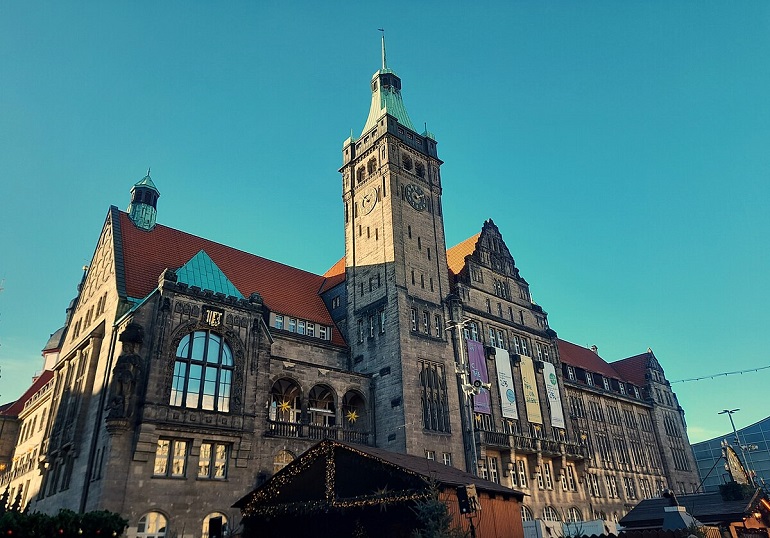
The Neues Rathaus stands beside its historic counterpart as a significant architectural landmark, embodying the progressive spirit of Chemnitz. Completed in the early twentieth century, the New Town Hall showcases elements of both historicism and early modernist design, complementing the adjoining Altes Rathaus. Its imposing tower and refined façade add a distinctive silhouette to the city’s skyline, while the interiors accommodate key administrative offices and council chambers. The Neues Rathaus is much more than a centre of governance—it symbolises the city’s evolution, resilience, and openness to innovation. Its prominent location on the Market Square, alongside the Old Town Hall, creates a striking ensemble and illustrates the dialogue between past and present in Chemnitz’s urban fabric.
Chemnitz Opera House
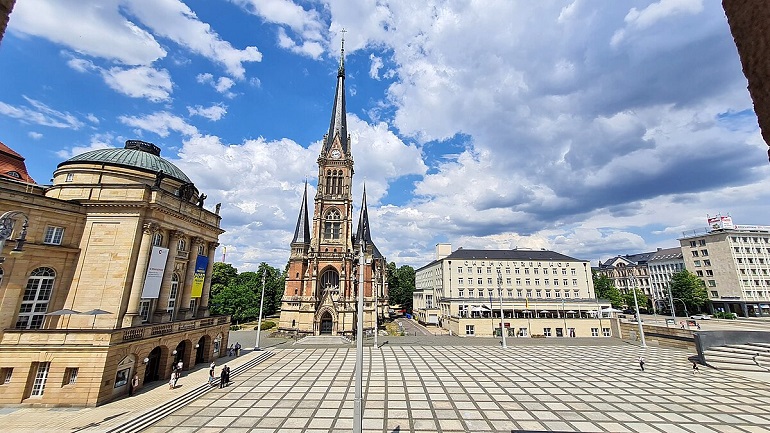
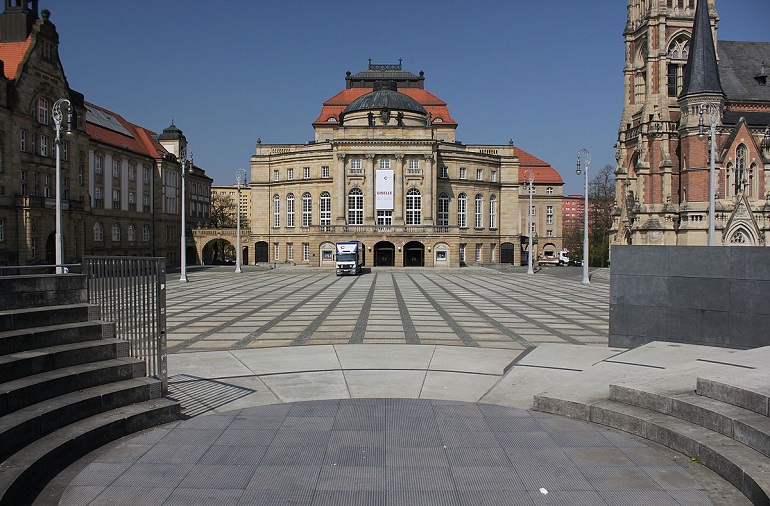
The Chemnitz Opera House is an architectural and cultural highlight of the city, revered for its striking modernist design and its prominent role in Saxony’s performing arts scene. Originally built in 1909 and extensively restored after World War II, its elegant façade blends classic and modern elements, presenting a grand yet welcoming entrance. Inside, the Opera House boasts state-of-the-art acoustics and spacious auditoriums, hosting a diverse programme of opera, ballet, and symphonic concerts throughout the year. Renowned both for artistic excellence and its vibrant atmosphere, the venue is home to the city’s resident opera and ballet companies and draws audiences from across the region. Centrally situated near the City Hall, the Chemnitz Opera House remains a cornerstone of cultural life in the city, reflecting both tradition and innovation in its performances and architecture.
Schloss Chemnitz
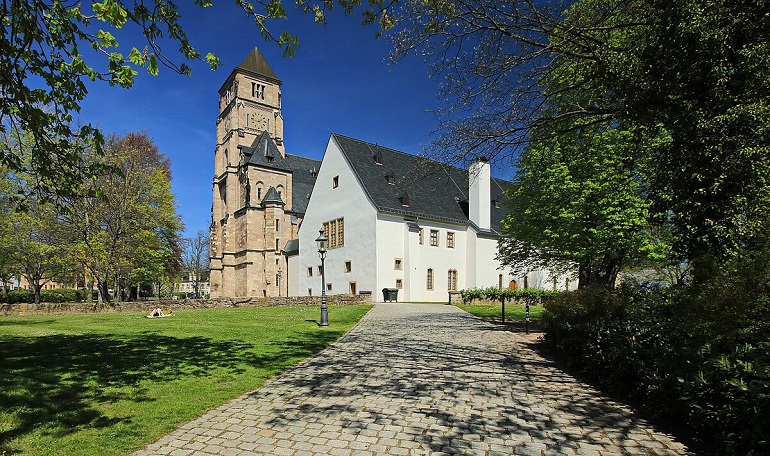
Schloss Chemnitz, perched on the historic Schloßberg hill, forms the heart of the city’s old castle district. Originally constructed as a Benedictine monastery in the twelfth century, it later evolved into a castle complex and today hosts the Schloßbergmuseum, which is renowned for its architectural beauty and its role in presenting local history. The castle church, one of Saxony’s largest Gothic hall churches, is an architectural highlight, featuring impressive vaulting and ornate details. Strolling around Schloss Chemnitz, visitors can admire the blend of Medieval and Gothic elements, enjoy panoramic views over the city, and experience the tranquil atmosphere of one of Chemnitz’s oldest and most evocative sites.
Wasserschloß Klaffenbach
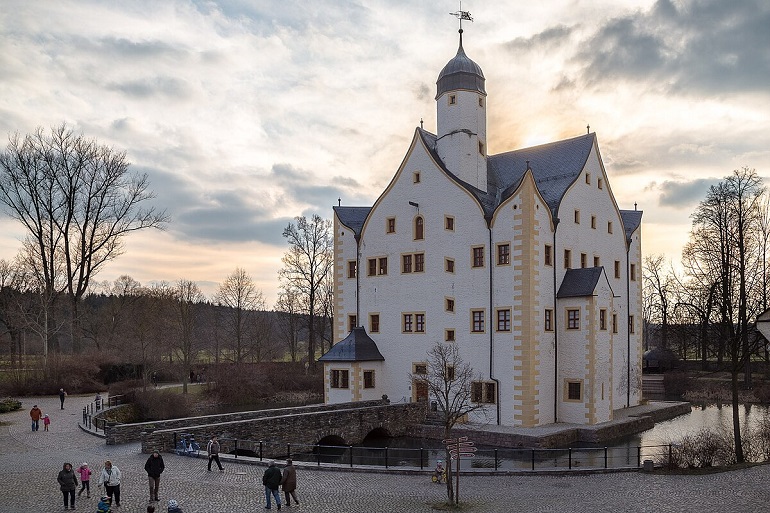
Wasserschloß Klaffenbach, located just south of Chemnitz, is a striking Renaissance moated castle encircled by picturesque parkland and waterways. Dating back to the sixteenth century, its distinctive horseshoe-shaped layout and whitewashed towers evoke fairy-tale charm amid serene natural surroundings. The castle has been sensitively restored and now serves as a vibrant cultural venue, regularly hosting art exhibitions, concerts, workshops, and festive markets. The grounds are perfect for leisurely walks and relaxation, while the on-site restaurant and outdoor café provide opportunities to savour regional cuisine within a historic setting. Wasserschloß Klaffenbach seamlessly combines history, culture, and hospitality, making it an unmissable experience for visitors to Chemnitz.
Karl-Marx-Monument
No visit to Chemnitz is complete without paying homage to the Karl-Marx-Monument, an imposing bronze sculpture that has become the city's most recognisable symbol. Known affectionately by locals as the 'Nischel', a Saxon dialect term for 'head', the monument stands over seven metres tall and weighs approximately 40 tonnes. It was unveiled in 1971 during the era when Chemnitz was known as Karl-Marx-Stadt, and its commanding presence continues to provoke thought and discussion about the city's complex history. Behind the monument, a large stone wall is inscribed with the famous words, "Workers of all countries, unite!", in German, Russian, French, and English. The sheer scale and stark design of the sculpture make it a powerful photographic subject and a poignant reminder of the region's socialist past.
Roter Turm (Red Tower)
The Red Tower, or Roter Turm, is the oldest preserved landmark in Chemnitz, dating back to the late twelfth century. Originally constructed as a fortified keep to protect the early settlement, the tower was later integrated into the city's medieval fortifications, serving crucially as part of the defensive wall. Its distinctive red appearance derives from the colour of the bricks and former roof tiles that were used in its construction. Over the centuries, the Red Tower has fulfilled various roles, including use as a residential space and later a prison. Severely damaged in the Second World War, it was carefully reconstructed in the 1950s. Today, the Red Tower stands adjacent to the modern Galerie Roter Turm shopping centre and houses exhibitions about the city's history, offering visitors a compelling connection to Chemnitz’s medieval origins and its evolving urban identity.
Parkeisenbahn (Park Railway)
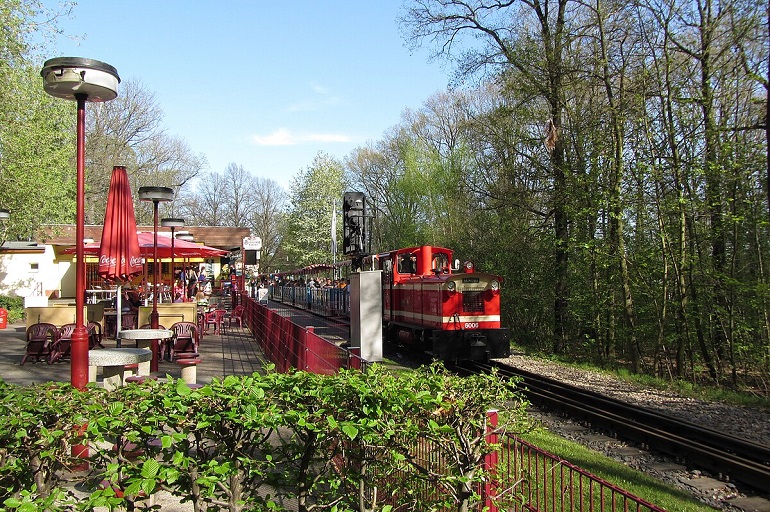
A delightful attraction for all ages, the Parkeisenbahn Chemnitz is a miniature railway that meanders through the scenic Küchwald Park. This charming narrow-gauge railway has been operating for decades and is largely run by young volunteers, adding to its unique and community-focused appeal. Passengers can board the brightly coloured carriages for a gentle journey through woodlands and meadows, offering a relaxing way to experience the park's natural beauty. The railway operates on a seasonal schedule, so it is advisable to check opening times in advance. For many, a ride on the Parkeisenbahn is a nostalgic trip down memory lane, while for younger visitors, it is an exciting adventure and a fun introduction to the world of trains.
Natural Attractions
Castle Pond (Schlossteich)
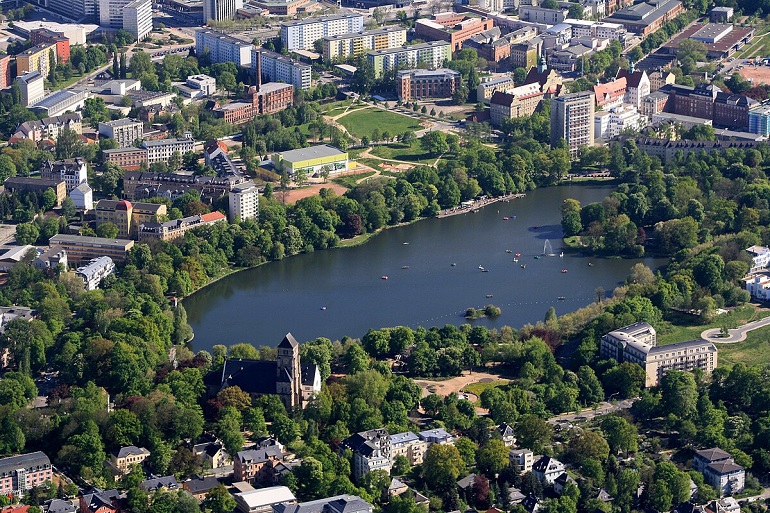
For a peaceful escape into nature, Schlossteich Chemnitz offers an idyllic setting just a short distance from the city centre. This expansive state park is centred around a picturesque lake, where visitors can hire rowing boats or simply enjoy the tranquil waters from the shoreline. The surrounding parkland is meticulously maintained, with lush green lawns perfect for picnics and shaded pathways ideal for leisurely strolls. Families will find plenty to keep children entertained, including well-equipped playgrounds and ample open space for games. The park is also a favourite among local dog owners, with designated areas where pets can roam freely. Its blend of recreational facilities and natural beauty makes Schlossteich a cherished green lung for the city, popular with residents and tourists alike.
Botanical Garden (Botanischer Garten)
Nature enthusiasts will be captivated by the Botanischer Garten Chemnitz, a twelve-hectare oasis showcasing a remarkable diversity of plant life. The gardens are thoughtfully laid out, with distinct sections dedicated to different botanical themes, including an extensive arboretum, a tropical greenhouse, and a tranquil stork pond. Guided tours are available, offering fascinating insights into the various native and exotic species cultivated here. The gardens also serve an important educational role, promoting conservation and botanical knowledge. With numerous benches, picnic spots, and well-maintained walking paths, it is an ideal location for a quiet afternoon of relaxation and discovery. The on-site playgrounds and family-friendly atmosphere ensure it is a welcoming destination for visitors of all ages.
Chemnitz Zoo
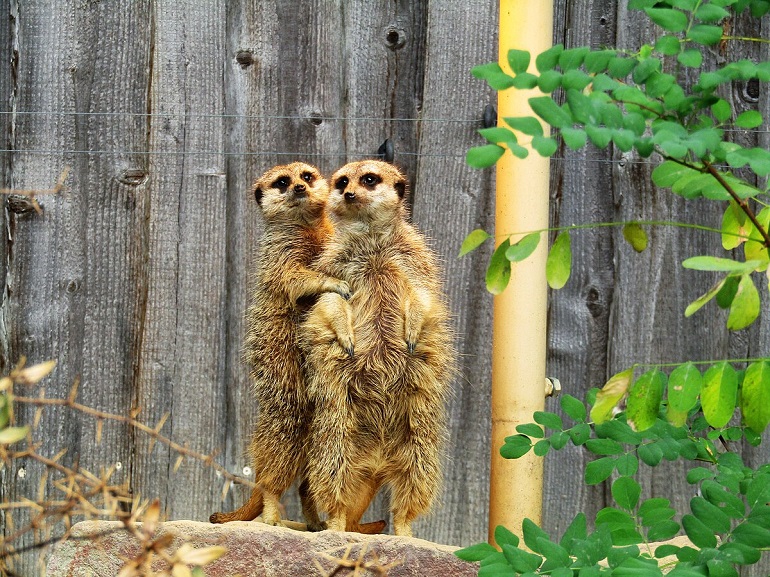
Home to approximately 200 species from around the globe, Chemnitz Zoo offers a fascinating day out for animal lovers. The zoo is particularly noted for its spacious enclosures, which are designed to mimic the natural habitats of its residents, including big cats, camels, kangaroos, and a diverse collection of amphibians in the vivarium. Education is a key focus, with informative displays providing details about the various species and their conservation status. The zoo is exceptionally family-friendly, with discounted admission for children, dedicated play areas, and the option to host birthday parties on-site. The provision of free parking adds to the convenience, making it an accessible and enjoyable attraction for a full day of exploration.
Küchwald Park
As one of Chemnitz's largest and most beloved green spaces, Küchwald Park offers a wide array of attractions and activities. The park's extensive network of trails makes it a popular destination for hiking, jogging, and cycling, while its vast forested areas provide a sense of seclusion and tranquillity. At the heart of the park lies the Küchwaldbühne, an open-air theatre with a capacity of 800, which hosts a variety of cultural events and performances during the summer months. Families are well catered for, with numerous playgrounds, picnic tables, and even facilities for children's birthday parties. Whether you are seeking active recreation or a peaceful retreat, Küchwald Park's blend of nature and culture makes it an essential part of the Chemnitz experience.
Frei-Otto-Park
Named after the visionary German architect, Frei-Otto-Park Chemnitz is a modern and inviting recreational space designed for community enjoyment. The park is particularly popular with families, thanks to its well-equipped playground featuring slides and swings. It is also a dog-friendly space, making it a favourite for local pet owners. Open 24 hours a day, the park offers a convenient and accessible spot for spontaneous outdoor activities, from a quiet morning stroll to an afternoon of play. Its contemporary design and welcoming atmosphere reflect Chemnitz's ongoing commitment to providing high-quality public spaces for its residents and visitors.
Marie-Luise-Pleißner Park
For a more tranquil park experience, Marie-Luise-Pleißner Park offers a peaceful retreat with its gentle landscapes and well-maintained trails. The park is ideal for leisurely walks and hiking, with pathways that wind through serene green surroundings. It is a popular spot for families and dog walkers seeking a calm and relaxing environment away from the hustle and bustle of the city. The presence of a playground ensures that younger visitors are also catered for, making it a versatile and welcoming destination for a quiet day outdoors.
Stadt Park
Stadt Park is another of Chemnitz's premier green spaces, offering a wide range of recreational opportunities. The park features a public tennis court, numerous play areas for children, and extensive lawns that are perfect for picnics and informal games. Its network of hiking trails and dog-friendly amenities make it a popular choice for active visitors. Whether you are looking to engage in sports, enjoy a family outing, or simply relax in a beautiful setting, Stadt Park provides a classic urban park experience with something for everyone.
Park am Schlossplatz
Located near the Schlossteich, Park am Schlossplatz is a charming green space that is particularly popular with families. The park features a playground and plenty of open space for children to run and play. It is also a dog-friendly area, making it a convenient spot for a walk with a pet. Its central location and welcoming atmosphere make it an easy and enjoyable place to spend a few hours, offering a pleasant break during a day of sightseeing in Chemnitz.
Top Museums
Art Collections
Kunstsammlungen Chemnitz
Kunstsammlungen Chemnitz is housed in a magnificent building on the Theatre Square and is one of Germany's most significant municipal art collections. The museum's holdings span from the late medieval period to the present day, featuring a renowned collection of 19th-century German painting, including major works by Caspar David Friedrich and other Romantic artists. A key highlight is the outstanding collection of works by the Expressionist artist Karl Schmidt-Rottluff, who was born nearby. The museum also holds a significant collection of prints and drawings, textiles, and sculptures, including a famous bronze of Balzac by Auguste Rodin. It regularly hosts major temporary exhibitions.
Museum Gunzenhauser
Museum Gunzenhauser is located in a former savings bank building and is dedicated to modern art. It houses the exceptional private collection of Dr. Alfred Gunzenhauser, which includes over 3,000 works by 270 artists. The collection's main focus is on German Expressionism, with the world's largest collection of works by Otto Dix outside of public collections, and an extensive collection of pieces by Alexej von Jawlensky. It also features significant works of New Objectivity and abstract art from the post-war period.
Henry van de Velde Museum
The Henry van de Velde Museum is situated within Villa Esche, a masterpiece of Art Nouveau architecture and design. The villa was the first German commission for the Belgian artist and architect Henry van de Velde, designed in 1902 for the textile manufacturer Herbert Esche and his family. The building and its park form a complete work of art, with the museum showcasing the original dining room and music salon with their authentic furnishings. The upper floor displays a permanent exhibition of van de Velde's multifaceted work.
History and Archaeology
Schloßbergmuseum (Schloßberg Museum)
Set within the walls of a former Benedictine monastery dating back to the 12th century, Schloßbergmuseum chronicles the history of Chemnitz. The beautifully preserved late-Gothic architecture provides a stunning backdrop for collections tracing the city's development from its medieval origins to its industrial peak. Exhibits include sacred sculptures, paintings, textiles, and furniture. A highlight is the Gothic Sculpture in Saxony exhibition, featuring priceless medieval artworks, and a lapidarium displaying architectural fragments from the city's past.
Staatliches Museum für Archäologie Chemnitz (smac)
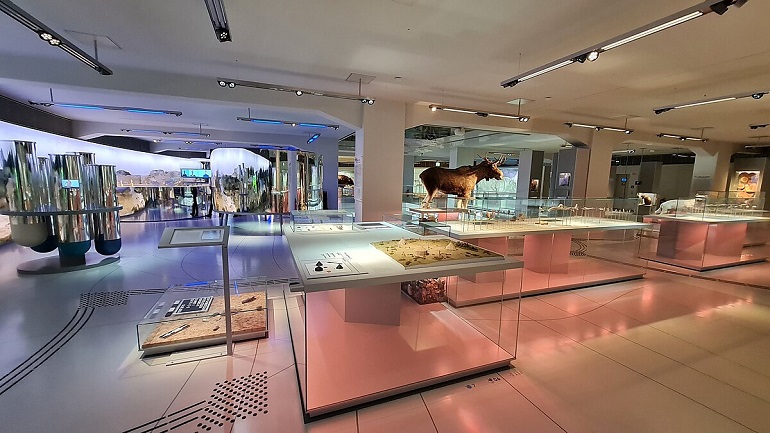
Housed in the iconic former Schocken department store, a modernist landmark, smac presents 300,000 years of human history in Saxony. The permanent exhibition is spread across three floors and uses modern technology to bring the past to life, including a large, floating, three-dimensional landscape model of Saxony that changes with video projections to illustrate different historical periods. Exhibits range from the oldest stone tools found in the region to the 7,000-year-old wooden frame of a Neolithic well. The museum effectively connects archaeology with Saxony's more recent history, culminating in the early industrial era.
Technology and Industry
Industriemuseum (Industrial Museum)
Located in a historic foundry, the Industrial Museum offers a comprehensive look at Saxony's industrial past. The museum's extensive collection includes legendary vehicles and machinery from the region, such as historic textile machines and a fully functional 1896 single-cylinder steam engine. The "Textile Way" exhibition area follows the production process of textiles from fibre to finished product, reflecting Chemnitz's importance in this industry.
Straßenbahnmuseum (Tramway Museum)
This museum preserves the history of Chemnitz's tram network, featuring a collection of historical trams and related artefacts that illustrate the evolution of urban mobility in the city.
Natural History
Museum für Naturkunde (Museum of Natural History)
The centrepiece of this museum is the "Petrified Forest," a spectacular collection of 290-million-year-old fossilised tree trunks unearthed in Chemnitz. These fossils, formed during a volcanic eruption in the Permian period, are among the oldest of their kind and include the largest plant fossil in Europe. The museum also features a historical cabinet, an insectarium with live insects, and various other natural history exhibits.
Special Interest and Games
Deutsches Spielemuseum (German Games Museum)
This unique museum is dedicated to the world of games, holding a vast collection of approximately 35,000 board, card, and parlour games from around the globe, spanning several centuries. In addition to its historical exhibits, the museum features a large games room where visitors can try out thousands of classic and contemporary games, as well as electronic games.
Science and Notable Features
Foucaultsches Pendel Chemnitz
Located in the main university building, this scientific installation demonstrates the rotation of the Earth using a Foucault pendulum, providing a fascinating insight into physics and astronomy.
Local Cuisine
Set between Saxony and the Ore Mountains, Chemnitz serves hearty, down-to-earth fare: potato classics like Buttermilchgetzen and crisp Klitscher; sweet treats such as Quarkkeulchen and the custard-topped Eierschecke; and Sunday staples of Sächsischer Sauerbraten with dumplings and red cabbage. At Christmas, locals still gather for the Erzgebirge’s traditional Neunerlei, while simple pub favourites—think a Fettbemme (bread thickly spread with lard) or tangy Sülze mit Bratkartoffeln—pair well with Chemnitz’s own Braustolz beers, from Pils to Schwarzbier.
Getting There
By train Chemnitz Hauptbahnhof (Hbf) is served by frequent regional express and regional trains; the simplest long-distance approach is to travel to Leipzig or Dresden and change there for a direct regional service to Chemnitz, with additional links from Zwickau, Hof and towns in the Ore Mountains; on arrival, trams and buses leave from the forecourt for easy transfers across the city.
By coach or bus Long-distance coaches call at the Zentraler Omnibusbahnhof (ZOB) next to the main station, connecting Chemnitz with major German cities and some international routes; regional buses link surrounding towns and villages, and the central location makes interchanging with trams and trains straightforward.
By car Chemnitz sits close to the A4 and A72 motorways, with well-signposted exits for the city; from the A4 (east–west) or A72 (south-west) follow signs to Zentrum (city centre), where multi-storey car parks are available, while park-and-ride sites on the approaches offer a convenient alternative at busy times.