



| Contents |
|---|
Introduction
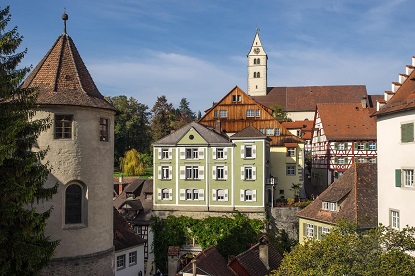
Meersburg (pop. 6,000) is a town situated on the northern shore of Lake Constance (Bodensee in German). he town is renowned for its two contrasting castles: the medieval Burg Meersburg, believed to date from the 7th century and recognised as Germany's oldest inhabited castle, and the baroque Neues Schloss, built between 1712 and 1760 as a former residence of the prince-bishops of Konstanz. The town is divided into an upper town (Oberstadt) and a lower town (Unterstadt), both pedestrianised areas connected by steep streets and stairways, featuring well-preserved medieval architecture including half-timbered houses and cobblestone streets. Meersburg's hillside location is characterised by terraced vineyards that produce local wines, particularly the regional speciality rosé known as "Weissherbst" and pinot noir varieties. The town serves as a gateway to Lake Constance attractions, with regular ferry services connecting to destinations such as Konstanz and the flower island of Mainau, whilst offering panoramic views across the lake towards the German Alps.
Interesting Facts about Meersburg
- Meersburg sits on the northern shore of Lake Constance in Baden-Württemberg and is famed for its preserved medieval old town on a steep hillside.
- The town’s name means “Castle on the Sea,” linking to a tradition that a fortress was founded here by the Merovingian king Dagobert I in the 7th century.
- Meersburg uniquely has an Upper Town and a Lower Town that are pedestrian-only and connected by stairways and the steep Steigstrasse.
- The Old Castle (Burg Meersburg) is often cited as the oldest continuously inhabited castle in Germany and overlooks the lake from a dramatic spur.
- Annette von Droste-Hülshoff, one of Germany’s most celebrated poets, lived in Meersburg and is closely associated with the Old Castle and the Prince’s House.
- The New Castle (Neues Schloss), a Baroque residence of the Prince-Bishops of Constance, crowns the vineyards above the lake and now functions as a museum.
- Meersburg’s medieval fortifications survive in its town gates, with the Obertor marking the upper entrance and framing views across the historic centre.
- Regular ferries make Meersburg a gateway for exploring Lake Constance, with easy links to Konstanz and the flower island of Mainau.
- After secularisation in 1803 the town joined Baden, later pivoting to tourism in the 19th century as ferries and rail expanded access around the lake.
- Debate persists about whether Dagobert’s Tower originates in the 7th or the 12th century, reflecting Meersburg Castle’s layered construction history.

History
Meersburg, a charming medieval town situated on the shores of Lake Constance in Baden-Württemberg, boasts one of Germany's most fascinating historical legacies. The town's name means "Castle on the Sea," a reference to the ancient fortress that dominates its skyline. According to tradition dating from 1548, Meersburg's origins trace back to the year 630 when the Merovingian king Dagobert I constructed a castle here during his work to Christianise the Alamanni in the Lake Constance region. The castle's central tower, known as the Dagobertturm (Dagobert's Tower), forms the heart of what is considered Germany's oldest inhabited castle, though some historians suggest the current structure was built in the early 12th century rather than the 7th century. By 1113, the castle was first mentioned in historical records as "Merdesburch," indicating its importance as a fortified settlement.
The medieval period marked Meersburg's evolution from a fortress to a significant political centre. In 1268, the castle came under the complete ownership of the Bishopric of Constance, beginning centuries of rule by the Prince-Bishops. The commune achieved the prestigious status of a free city in 1299, though it remained nominally under the Bishop of Constance's authority. During the 13th century, Meersburg consisted primarily of the upper town, protected by a town wall built in 1260, with the lower town being gradually developed over subsequent centuries. The castle witnessed numerous dramatic events, including the first recorded use of cannons in Germany during the 1334 siege by Emperor Louis IV's forces, when competing claimants to the bishopric fought for control. Following conflicts with Konstanz, which had become a Free Imperial City and embraced the Reformation, the Prince-Bishops relocated their residence to Meersburg in the 16th century, making the old castle their primary seat until the construction of the New Castle in the 18th century.
The town's transformation into a modern tourist destination began with the dramatic changes of the early 19th century. In 1803, as part of the secularisation during the Napoleonic era, Meersburg was annexed to the Electorate of Baden, ending centuries of episcopal rule. The Grand Duke of Baden sold the old castle to private ownership in 1838, when it was acquired by collector Joseph von Laßberg and his wife Jenny. The castle gained literary significance when Jenny's sister, the renowned German poet Annette von Droste-Hülshoff, moved there in 1841 and spent the final eight years of her life within its ancient walls. Following World War II, Meersburg found itself in the French military occupation zone. The economic downturn caused by the loss of its status as a princely residence was eventually offset by the growth of tourism in the later 19th century, aided by the introduction of ferry services on Lake Constance and improved rail connections to nearby towns. Today, Meersburg welcomes more than a million visitors annually, drawn by its remarkably preserved medieval architecture, pedestrianised upper and lower towns connected by steep stairways, and its unique position as home to both the Old Castle and the baroque New Castle.

Main Attractions
The Meersburg Altstadt
The Meersburg Altstadt forms the beating heart of the town, with its winding, cobbled streets flanked by timber-framed houses and lively squares. The Old Town exudes a quintessentially medieval atmosphere that has remained largely untouched since the Middle Ages, inviting exploration at every turn. Stroll past historic shop fronts, relax at quaint cafés, and discover hidden courtyards tucked between centuries-old buildings. The network of narrow alleyways and steep stone paths creates an enchanting maze where every corner reveals glimpses of Lake Constance or the imposing castle above. The Old Town's authentic character stems from its remarkable preservation - unlike many German medieval centres, Meersburg escaped wartime destruction, leaving visitors with an unfiltered window into centuries past.

Meersburg Castle (Burg Meersburg)
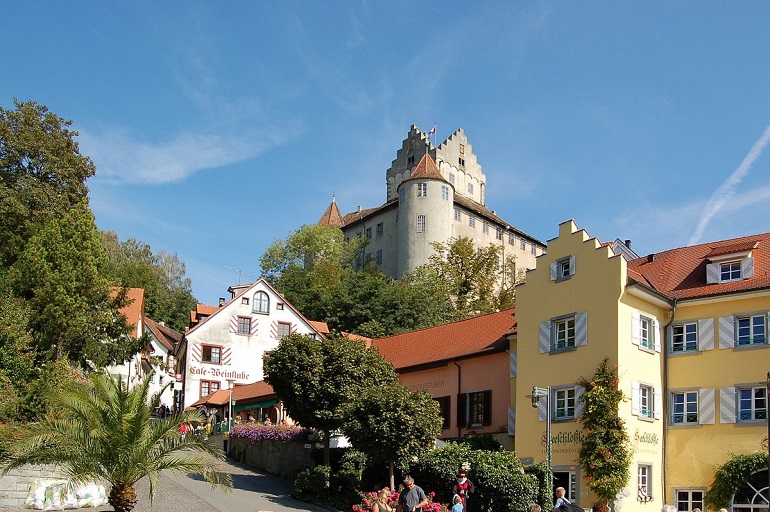
Dominating the skyline, Meersburg Castle (Burg Meersburg) stands as Germany's oldest inhabited castle, with origins believed to stretch back to the 7th century. This formidable stone fortress offers panoramic views over Lake Constance and the surrounding vineyards from its commanding position. The castle's exterior presents a perfect example of medieval defensive architecture, with massive stone walls, defensive ramparts, and an atmospheric inner courtyard that transports visitors back through the centuries. The structure served as the final residence of renowned German poetess Annette von Droste-Hülshoff, whose presence adds literary significance to its historical importance. The castle's authentic drawbridge remains a rare architectural feature that evokes the mystery of ancient times, whilst the well-preserved spiral staircase winds elegantly through the stone structure.
Neues Schloss (New Palace)
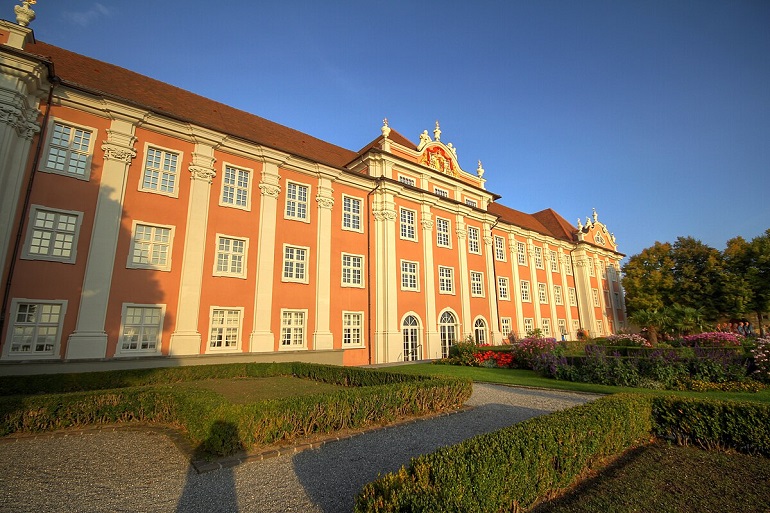
In striking contrast to its medieval neighbour, the Neues Schloss (New Palace) presents an elegant baroque façade in distinctive pink tones that commands attention across the town. Built in the early 18th century as the residence of the Prince-Bishops of Constance, this architectural gem showcases the grandeur and political importance Meersburg once held. The palace's ornate exterior features embellished stonework and classical proportions that exemplify baroque design principles. Even without entering the interior, visitors can appreciate the building's dramatic impact on Meersburg's skyline and explore the palace courtyard, which offers stunning terraced views over Lake Constance. The elegant baroque staircase and state rooms within reflect the sophisticated lifestyle of the religious nobility who once called this palace home.
Marktplatz (Market Square)
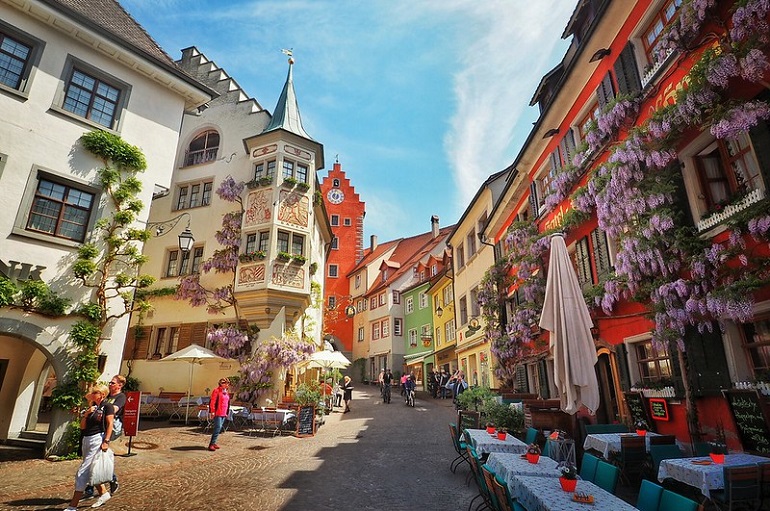
The market square lies at the heart of the Upper Old Town, just beyond the medieval Obertor (Upper Gate). This picturesque cobbled square is lined with inviting cafés, traditional wine taverns, and historic half-timbered buildings, offering a warm and lively atmosphere both day and night. Dominated by the 16th-century Rathaus (town hall) with its characterful Ratskeller beneath, the area is a hub for local life and a gathering point for both residents and visitors. The market square’s authentic architecture and convivial ambience make it the perfect spot to enjoy regional Baden cuisine, a glass of Lake Constance wine, or simply to soak up the town’s medieval heritage as you wander among centuries of stories woven into the very fabric of the surrounding façades.
Unterstadttor (Lower Town Gate)
The Unterstadttor (Lower Town Gate) stands as a magnificent stone sentinel marking one of the principal entrances to the medieval Old Town. This remarkably preserved gateway represents the town's fortified past, when such structures controlled access and provided essential defence for the settlement within. The gate's sturdy stonework and classic arched passage invite visitors to imagine centuries of merchants, townsfolk, and guards passing beneath its protective arch. Today, it serves as both a celebrated photography spot and a practical orientation point for navigating between the town's historical layers.
Magische Säule (Magic Column)
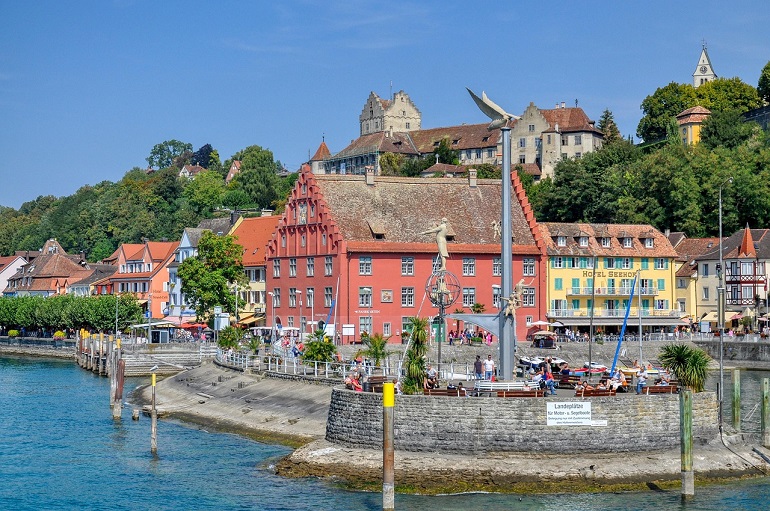
Along the picturesque lakeside promenade, the Magische Säule (Magic Column) by controversial sculptor Peter Lenk provides an imaginative focal point that blends satire, artistry, and local history. This towering sculpture rises dramatically above its waterfront setting, covered with intricate, playful figures that reward close inspection and interpretation. Lenk's characteristic blend of political commentary and artistic expression creates a work that sparks conversation and reflection among visitors. The column's prominent lakeside location makes it an unmissable landmark for those strolling the promenade.
Hafenmole Meersburg
The Hafenmole Meersburg serves as the town's principal harbour pier and represents far more than a simple transportation hub. This substantial stone structure extends into Lake Constance, providing excellent vantage points for photography and lake watching. The pier offers uninterrupted views across the water towards neighbouring towns and the distant Alps, whilst the constant activity of ferries, pleasure boats, and watercraft creates a lively maritime atmosphere. The harbour area connects seamlessly with the lakeside promenade, making it an ideal starting point for waterfront walks or boat excursions around the Bodensee region.
Ferry Terminal
The ferry terminal itself deserves recognition as a gateway to Lake Constance's broader attractions. Its strategic location provides sweeping panoramic views across the water, and the regular ferry services connect Meersburg with destinations throughout the lake region. The terminal's accessibility features and 24-hour transit availability make it a practical and scenic hub for regional exploration.
MeersburgTherme
For those seeking relaxation and wellness, MeersburgTherme offers a comprehensive spa experience directly beside the lake. This modern facility combines thermal baths, saunas, swimming pools, and wellness treatments, many arranged to provide uninterrupted lake views during relaxation. The spa's restaurant and excellent accessibility features make it popular with families and wellness enthusiasts alike. The facility's integration with the lakeside landscape creates a uniquely peaceful environment where visitors can enjoy both aquatic recreation and scenic tranquillity.
Meersburger Lerchenberg Viewpoint
Wine enthusiasts and landscape lovers will find exceptional rewards at the Meersburger Lerchenberg viewpoint, officially recognised as offering the 'Most Beautiful Wine View in Baden'. This elevated position overlooks terraced vineyards that cascade down towards Lake Constance, with the distant Swiss Alps providing a spectacular backdrop. The location perfectly encapsulates the region's viticultural heritage whilst offering opportunities for quiet contemplation, nature photography, and gentle hiking among the vine-covered slopes.
Meersburger Mini-Wasserfall
The Meersburger Mini-Wasserfall represents one of the town's most charming hidden gems, tucked away from the main tourist routes. This small waterfall creates a serene natural oasis where visitors can escape the busier attractions and enjoy a moment of peaceful connection with nature. The location exemplifies Meersburg's ability to surprise visitors with unexpected delights beyond its well-known landmarks.
Castle Mill (Schlossmühle)
Castle Mill (Schlossmühle) provides a fascinating glimpse into Meersburg's industrial and agricultural heritage. This well-preserved historical landmark reflects the practical aspects of daily life in centuries past, showing how the town's residents harnessed water power for essential grain processing. The mill's evocative architecture and hillside location create an atmospheric contrast to the grandeur of the nearby castles, offering visitors insight into the working life that supported Meersburg's historical community.
Vineyard Areas
The extensive vineyard areas surrounding Meersburg deserve exploration in their own right, representing centuries of winemaking tradition in the Lake Constance region. These terraced slopes provide numerous walking opportunities with constantly changing perspectives over the lake and town below. The vineyard paths offer peaceful alternatives to busier tourist areas whilst showcasing the landscape that has shaped Meersburg's economy and character for generations.
Staatsweingut
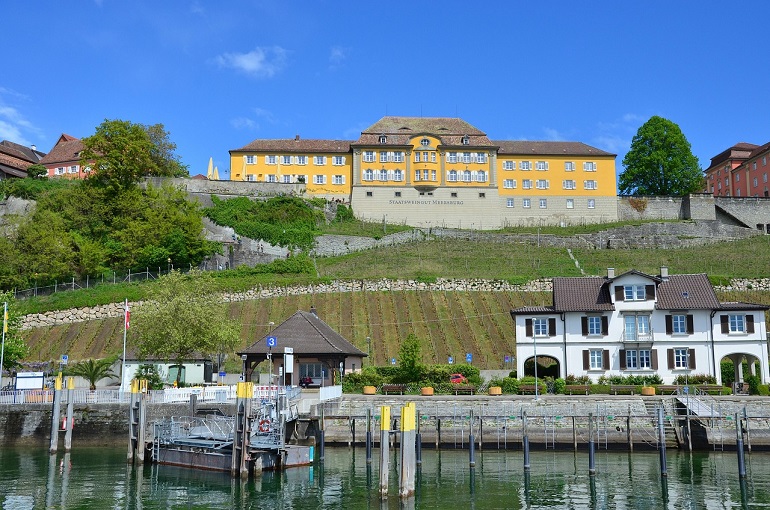
Overlooking the picturesque Lake Constance, the Staatsweingut Meersburg is a historic state-owned winery that offers a quintessential taste of the region's rich viticultural heritage. With a history of winemaking in the area stretching back to the 13th century, the estate invites visitors to sample an array of fine wines, from crisp whites to local Pinot Noir, in a setting celebrated for its stunning views. Guests can partake in guided tours that explore the traditional winemaking process and delve into the impressive 18th-century cellars. Offering a warm welcome, knowledgeable staff, and a cozy wine bar, the Staatsweingut provides a memorable experience for both wine connoisseurs and travellers seeking to immerse themselves in the local culture and landscape.
Lakeside Promenade
The lakeside promenade itself extends far beyond individual attractions, creating a continuous waterfront experience that connects Meersburg's various lakeside features. This well-maintained walkway provides level access for all visitors whilst offering constantly changing views of Lake Constance's moods and colours. The promenade seamlessly links the harbour area, thermal baths, sculpture installations, and restaurant terraces, creating a coherent lakeside experience that can easily occupy several hours of leisurely exploration.
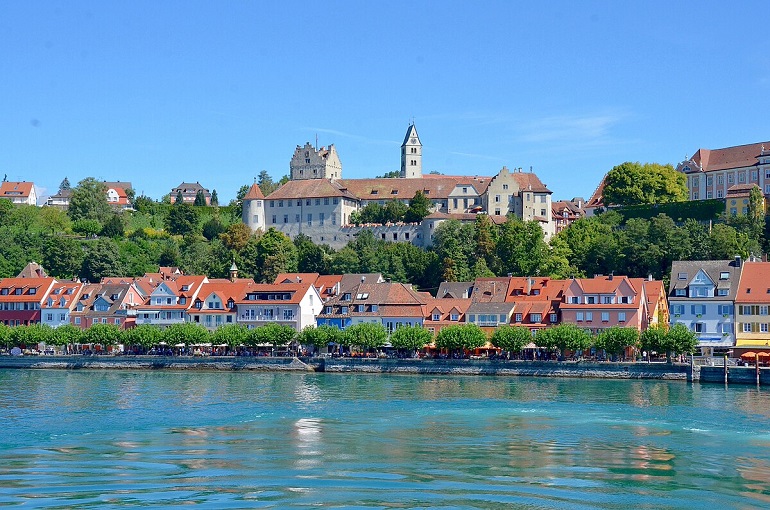
Meersburg's greatest strength lies in how these diverse attractions complement each other, creating layers of historical, cultural, and natural experiences within a remarkably compact area. The town's medieval character provides the foundation, whilst its lakeside setting and wine-growing heritage add distinctive regional flavour. Modern amenities like the thermal baths ensure contemporary comfort, whilst hidden gems like the mini-waterfall reward curious exploration. Whether visitors prioritise historical immersion, scenic beauty, wellness relaxation, or cultural discovery, Meersburg's varied attractions provide multiple pathways to memorable experiences.
Top Museums
Aviation Museums
Zeppelin Museum Meersburg
Housed in a historic building at Schloßplatz 8, the Zeppelin Museum Meersburg represents one of the region's most captivating aviation collections. Founded in 1989 as a private collection by Heinz Urban, this intimate museum complements the larger Zeppelin Museum in Friedrichshafen whilst offering its own unique perspective on airship history.
The museum spans the golden age of Zeppelin travel from 1900 to 1937, featuring an impressive array of original artifacts that bring the airship era to life. Visitors can examine authentic components from the great airships, including detailed scale models of famous vessels such as the LZ 129 Hindenburg. The collection encompasses crew uniforms, original blueprints, historical photographs, and personal letters that provide intimate glimpses into both the technical achievements and human stories behind these engineering marvels.
What sets this museum apart is its focus on the luxurious passenger experience aboard Zeppelins. Exhibits include original tableware, furnishings from passenger cabins, and menus that showcase the opulent dining experiences offered during transatlantic flights. The museum delves deeply into the technical innovations that made these massive structures airworthy, explaining the intricate gas cell systems, engines, and navigation equipment that represented cutting-edge technology of their time.
Interactive displays and multimedia presentations make the complex engineering concepts accessible to visitors of all ages, whilst the museum's location in Meersburg's historic centre adds atmospheric charm to the experience.
Historical Buildings and Castles
Meersburg Castle (Alte Burg)
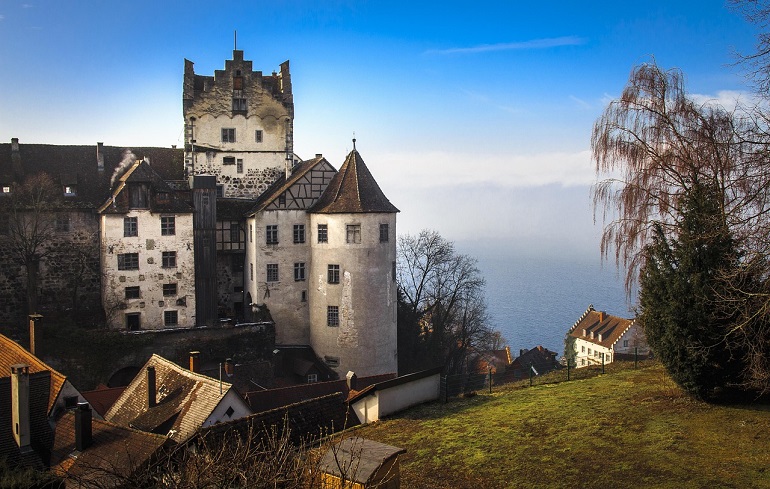
Standing as one of Germany's oldest inhabited castles, with origins tracing back to the 7th century, Meersburg Castle serves as both a historical monument and a comprehensive medieval museum. This imposing fortress offers visitors an authentic journey through nearly 1,400 years of German history, housed within its remarkably well-preserved stone walls.
The castle's 35-room medieval museum showcases an extensive collection of medieval artifacts, weaponry, and armour that illustrate the daily lives of knights, nobles, and servants who once called this fortress home. The grand Knight's Hall stands as a particular highlight, with its towering wooden beams and intricate carvings creating an immersive atmosphere enhanced by displays of medieval weapons and tapestries.
Architectural enthusiasts will appreciate the castle's authentic drawbridge, a rare surviving example that still serves as the main entrance, and the elegant spiral staircase that winds through the stone structure, each step worn smooth by centuries of use. The castle's evolution from Romanesque to Gothic styles is evident throughout, demonstrating how the structure adapted and grew over the centuries whilst maintaining its medieval character.
The museum experience extends beyond mere displays, offering visitors the opportunity to explore chambers where real historical figures once lived and worked. The castle's connection to German literary history adds another layer of cultural significance, as it served as inspiration for countless artists and writers throughout the centuries.
Literary Museums
Annette von Droste-Hülshoff Museum (Fürstenhäusle)
The Fürstenhäusle, or Prince's Little House, represents one of Germany's most significant literary museums, dedicated to the life and works of Annette von Droste-Hülshoff (1797-1848), one of the country's most important 19th-century poets. This intimate museum occupies the very house that the poet purchased with her own earnings—a remarkable achievement for a woman in the 19th century.
The museum provides fascinating insights into the aristocratic lifestyle of the Münsterland nobility during the Classicism and Biedermeier periods. Visitors can explore the poet's personal living spaces, examine her original manuscripts, and view family portraits and personal belongings that illuminate both her literary genius and her daily life. The museum houses a richly stocked family library that reflects the intellectual atmosphere in which Droste-Hülshoff flourished.
What makes this museum particularly special is its focus on the poet's most productive creative period, which occurred during her time in Meersburg from 1841 until her death in 1848. It was here that she wrote some of her most celebrated works, including poems inspired by the Lake Constance landscape. The museum showcases not only her literary talents but also her lesser-known musical abilities—she possessed an excellent singing voice, played piano, and composed songs and dramatic works.
The building itself, with its stunning views of Lake Constance, provides visitors with the same inspiring vistas that once motivated one of Germany's greatest literary figures.
Speciality Museums
Vineum Bodensee
The Vineum Bodensee represents a state-of-the-art wine museum that celebrates the rich viticultural heritage of the Lake Constance region. Built around the remarkable Heiliggeist-Torkel, a wine press dating from 1607, this museum offers visitors a comprehensive journey through the cultural history of wine in the region.
The museum's centrepiece is the historic wine press itself, one of the oldest, largest, and still fully functional wine presses in Europe. This impressive piece of 17th-century engineering could process up to 4,000 kilograms of grapes in a 24-hour period, demonstrating the scale and sophistication of historical wine production. The massive wooden structure, with its intricate system of levers and screws, stands as a testament to the craftsmanship and engineering prowess of earlier centuries.
Spread across 600 square metres, the museum appeals to all the senses through interactive stations that invite visitors to engage with the wine-making process. Exhibits trace the complete journey from grape cultivation through fermentation, aging, and bottling, whilst exploring wine's significance in regional history, culture, and daily life. The museum examines how viticulture shaped the landscape, economy, and social structures of the Lake Constance region across centuries.
A highlight for many visitors is the museum's dedicated tasting room, where guests can sample selected wines from Lake Constance producers representing Germany, Austria, Switzerland, and Liechtenstein. This provides an excellent opportunity to appreciate the diverse terroirs and wine-making traditions that characterise this unique tri-national wine region.
Stadtmuseum Meersburg
The Stadtmuseum (Town Museum) provides visitors with insights into Meersburg's local history and development as a Lake Constance community. Though smaller than some of the town's other cultural institutions, this museum offers valuable context for understanding how Meersburg evolved from a medieval settlement into the charming tourist destination it is today.
The museum's exhibits trace the town's development through various historical periods, showcasing artifacts and documents that illustrate daily life, trade, and social structures throughout the centuries. Visitors can explore how the town's strategic position on Lake Constance influenced its growth and prosperity, and how local traditions and customs developed over generations.
Local Cuisine
Visitors can enjoy dishes featuring freshly caught fish such as Lake Constance whitefish and perch, often served grilled or pan-fried for the purest taste of the lake’s bounty. Another highlight is the beloved Swabian Maultaschen, a traditional pasta filled with minced meat, spinach, onions, and spices, typically served in broth or lightly fried in butter. Käsespätzle, soft egg noodles smothered in local cheese and topped with crispy onions, is a comforting favourite, especially during winter festivals. The region’s fertile land supplies an abundance of apples, pears, and other fruits, which can be sampled in desserts or as part of local cider and brandy production. Complementing every meal is the renowned Bodensee wine, with centuries-old vineyards producing excellent whites and reds that reflect the unique terroir of the area.
Getting There
By train, visitors should note that Meersburg lacks its own railway station, so the most convenient route involves taking a train to Konstanz and then connecting with the hourly bus service (route 700) that runs directly to Meersburg in approximately 38 minutes. Alternatively, you can travel to Friedrichshafen Stadt station and catch a local bus to the town.
By coach, direct services operate from major cities including Zurich (taking around 1 hour 55 minutes), Munich, and Stuttgart, with operators like FlixBus providing regular connections throughout the day.
By car, Meersburg is easily accessible via major motorways, with the journey from Zurich taking approximately 1 hour 22 minutes. For a particularly scenic approach, drivers can take the frequent car ferry from Konstanz Staad, which crosses Lake Constance every 15 minutes and provides a delightful 15-minute journey with stunning lake views. The town offers numerous car parks and garages near the centre and ferry terminal, though free parking can be found along Unteruhldinger Strasse just outside the town centre.