



| Contents |
|---|
Introduction
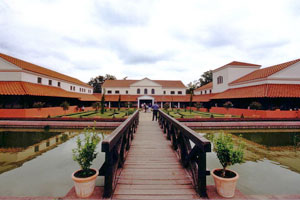
Roman Villa Borg is a reconstructed Roman country estate (villa rustica) near the villages of Borg and Oberleuken in the municipality of Perl, close to the German-Luxembourg–French border. Excavations begun in the late 1980s revealed a substantial 2nd- to 3rd-century complex, and, between 1994 and 2008, its principal buildings were rebuilt on their original foundations to illustrate rural life in Roman Germania. The 7.5-hectare archaeological park now features a gatehouse, palatial manor house, working bath suite, workshops, themed gardens and a tavern serving dishes based on ancient recipes, attracting about 50,000 visitors each year. Continuing excavation and research on the site steadily deepen understanding of the estate’s development and occupation.
Interesting Facts about Roman Villa Borg
- Roman Villa Borg is the only fully reconstructed Roman villa complex in the world, standing on its original ancient foundations.
- The site was discovered at the end of the 19th century by a local schoolteacher, but systematic excavations only began in 1987.
- Reconstruction of the villa aimed for archaeological authenticity using ancient texts and comparable sites, and was completed in 2008 after more than a decade of work.
- The villa features fully operational Roman baths with cold, warm, and hot rooms (frigidarium, tepidarium, caldarium), as well as functioning latrines and dressing rooms.
- It includes a Roman kitchen where bread is baked according to Roman recipes, and a tavern where you can taste meals inspired by ancient Roman cuisine.
- Archaeological finds on the site reveal traces of pre-Roman settlements, including remains from the Iron Age, Beaker culture, and even Neolithic tools.
- Villa Borg's grounds are home to six themed gardens—including herb, fruit, and flower gardens—that supply ingredients for the villa's kitchen.
- The reconstructed manor house displays artefacts discovered during excavations, offering visitors a glimpse into Roman rural life in the Saar-Moselle region.
- With its palatial layout, the villa once covered more than 7.5 hectares, making it one of the largest Roman rural estates north of the Alps.
- Today, Roman Villa Borg is a popular open-air archaeological park, attracting around 50,000 visitors annually.

Description
Step through the imposing gatehouse and you are immediately transported to the heart of a luxurious Roman estate. The reconstructed manor house, with its graceful colonnades and frescoed walls, stands at the centre of a long axial layout. Flanking the central courtyard, the elegant pars urbana unfolds: reception rooms adorned with period-style furnishings, intimate private chambers and a fully equipped Roman kitchen where the sizzle of olive oil and the tang of herbs linger in the air.
Beyond the living quarters lies the remarkable bath complex. Visitors wander through the tepidarium’s gentle warmth into the caldarium’s steamy embrace, before cooling off in the frigidarium’s serene basin. Marble-lined pools, mosaicked floors and maritime-themed frescoes evoke the refined ritual of Roman bathing, while the adjoining dressing room and latrine add to the sense of authenticity.
Encircling the villa, six themed gardens unfold in a harmonious tapestry of colour and fragrance. Stroll through the rose-lined pathways of the inner court garden, breathe in the pungent aromas of the herbarium’s spice and medicinal plants, or admire the geometric symmetry of the kitchen garden, where vegetables and fruits once nourished both family and staff. Boxwood hedges, water basins and classical footpaths recall the meticulous artistry of Roman landscape design.

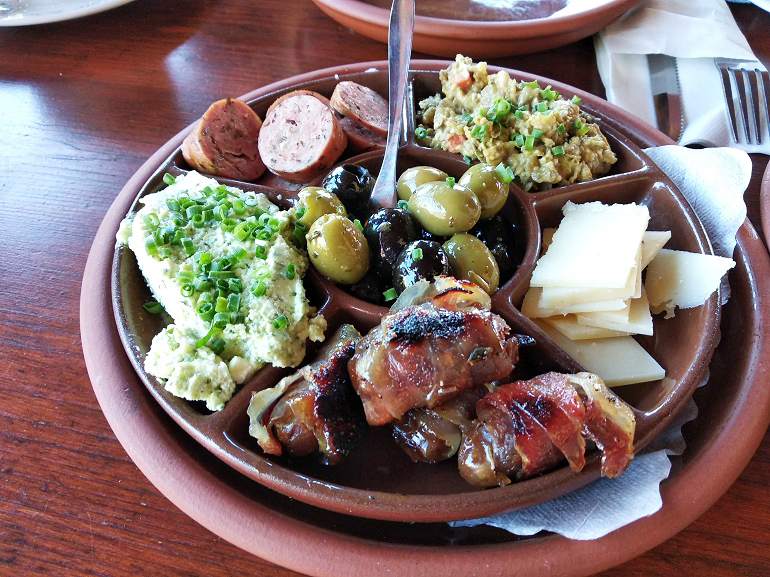
Craftsmen’s huts and service buildings complete the ensemble, offering insights into daily tasks from leather-working to storage of cereals and wine. A charming tavern, modelled in period style, invites you to savour dishes inspired by ancient recipes. Dining al fresco amidst vine-clad pergolas, one might sample Lucanian sausages, shop-made mulsum or patina desserts, each bite a bridge between past and present.
Throughout the estate, interactive displays and carefully chosen replicas of pottery, jewellery and domestic items beckon the curious. Multimedia installations and occasional costumed interpreters enhance the immersive atmosphere, while the still-ongoing excavations at the edge of the park remind visitors that archaeology is a living, unfolding story.
Roman Villa Borg is not merely a static reconstruction but a living tableau of ancient luxury and rural enterprise. Every stone, plant and furnishing has been selected to evoke the splendour of a bygone world, inviting each guest to wander at leisure, to ponder the daily rhythms of its inhabitants, and to revel in the splendour of Roman taste and ingenuity.
Restaurant
The restaurant at Roman Villa Borg offers visitors a unique chance to savour authentic Roman and regional specialities in an atmospheric, reconstructed ancient tavern. Diners can sample dishes prepared according to original Roman recipes, such as Perna et Fabacia Verides (roast ham with fig sauce and thick green beans) and mulsum (Roman spiced wine), often accompanied by freshly baked Roman bread made using traditional methods in the on-site kitchen. The menu draws not only from Rome’s culinary heritage but also from Saarland’s own rustic traditions, featuring locally grown herbs, vegetables, and specialities like hearty stews and sausages. This harmonious blend of ancient Roman flavours and regional Saarland delights makes every meal at Villa Borg a highlight for food lovers and history enthusiasts alike.
Getting There
By train Travelling to Roman Villa Borg by train is convenient if you start from major nearby cities such as Trier or Saarbrücken. From Trier Hauptbahnhof, take a regional train to Nennig or Perl; from there, local buses or taxis serve the short remaining journey to the villa. The route allows flexibility with hourly connections and a scenic ride through the Moselle region.
By bus The villa can also be reached by bus from regional hubs. For example, from Trier, there are services (sometimes with a change in Luxembourg) to Oberleuken or Perl. From these points, local buses such as the line 255 or 403 might connect you directly or drop you within walking distance of the site, particularly at Oberleuken Ortsmitte, which is a short walk away.
By car If driving, the Roman Villa Borg is easily accessible via the A8 motorway from Saarbrücken or Luxembourg, or the A1 from Trier via the B51 through Mettlach. Upon exiting the motorway, follow the local roads (L176 and then L177), which are well signposted to the villa, and ample car parking is available on-site for visitors.
Best Time to Visit
The ideal time to explore Roman Villa Borg is during the spring (April to June) and early autumn (September to October) months. In spring the reconstructed gardens burst into bloom and temperatures are pleasantly mild—perfect for wandering the villa’s courtyards and outdoor exhibits without the summer crowds. Early autumn likewise offers comfortable weather and fewer visitors, allowing for a more tranquil experience, while still enjoying the villa’s full opening hours (10 am–6 pm). Winter months bring reduced opening times (11 am–4 pm, February, March and November) and an often quiet atmosphere, but some facilities may be closed in December and January. By choosing spring or early autumn, you’ll benefit from both the villa’s rich Roman ambience and the best seasonal conditions for a memorable visit.