Introduction
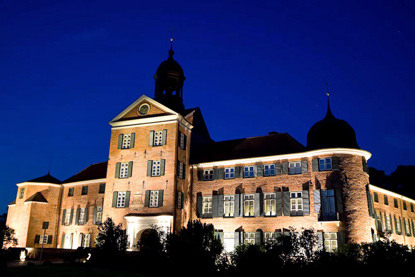
Nestled beside the tranquil waters of the Great Eutin Lake, Eutin Castle is an impressive four-winged residence that radiates elegance and architectural grandeur. With its distinctive red-brick façade, graceful towers, and stately gate tower, the castle forms a picturesque focal point in the heart of Schleswig-Holstein’s scenic lakelands. Eutin originally belonged to the Prince-Bishops of Lübeck, and later became the summer residence of the Dukes and subsequently Grand Dukes of Oldenburg. The four-winged medieval castle was expanded and refurbished luxuriously over the last 300 years. Today the castle serves as a museum showcasing furnished state rooms, a two-storey chapel and courtly collections, all set within an English landscape garden that hosts the annual Eutin Festival. Public access is available Tuesday to Sunday from March to June and September to December, and daily throughout July and August, with opening hours extending from 11:00–17:00 in shoulder seasons to 10:00–18:00 at the height of summer.
Interesting Facts about Eutin Castle
- Eutin Castle is the cultural centre and historic nucleus of the town of Eutin in Schleswig-Holstein, Germany.
- The castle stands on the shores of the picturesque Großer Eutiner See and is surrounded by scenic landscaped gardens.
- Eutin Castle originated from a medieval fortress and was gradually expanded over several centuries into a Baroque palace with four wings and two turrets.
- For a long time, it served as the residence of the Prince-Bishops of Lübeck before becoming the summer residence of the Dukes of Oldenburg.
- The castle houses a museum showcasing the region’s aristocratic heritage, with many historic rooms and artefacts on display.
- Each summer, the castle’s park becomes the open-air stage for the annual Eutin Festival, featuring opera and operetta performances by the lakeside.
- In the late 18th century, the castle’s formal Baroque garden was transformed into an English landscape garden, in line with trends from the Enlightenment period.
- The estate also includes a late Baroque hunting lodge at Lake Uklei, built in 1776 for private gatherings and hunting parties.
- The castle’s impressive interior includes silver thrones in the throne room, a striking two-storey chapel, and elaborate tapestries.
- Eutin Castle is managed by a foundation of the House of Oldenburg and is open to the public, offering visitors a glimpse into centuries of courtly life.

History
Eutin Castle's origins trace back to medieval times, emerging from tensions between the Lübeck bishops and the city's citizens in the 12th century. The Slavic Obotrites tribe had originally settled eastern Holstein in the 7th and 8th centuries, building a fortress on what was then called Pheasant Island in the Großer Eutiner See. By 1260, the bishops from Lübeck had established themselves in Eutin, and the castle originally belonged to these Lübeck prince-bishops. The four-winged palace that visitors see today evolved from this medieval fortress, having been expanded over several centuries into a grand residence. The red brick façade still bears reminiscence to that original stronghold, whilst the interior underwent significant transformation to reflect the elegance expected of a royal court.
The castle's role transformed dramatically when it became the summer residence of the Dukes of Oldenburg. Following the secularisation of the Prince-Bishopric of Lübeck in 1803, Eutin became part of the Duchy of Oldenburg. During the late 18th century, Duke Peter Frederick Louis commissioned significant changes to the castle grounds, transforming the former Baroque garden into an English landscape garden complete with a hermitage designed as a grotto. This period marked Eutin's development as one of the intellectual centres of northern Germany from 1770 onwards. The castle was regularly occupied until the 20th century, with most of the original interior surviving to the present day, including valuable objects, paintings, and an ornate castle chapel.
A notable addition to the castle complex came in 1776 when a small, late Baroque hunting lodge was constructed on the Ukleisee at the behest of Frederick Augustus I of Saxony. This single-storey pavilion was designed to accommodate hunting parties and guests attending special occasions, built at some distance from the main castle. Today, Eutin Castle houses a museum that opened to the public and is owned by a family foundation of the House of Oldenburg, established by Anton-Günther, Duke of Oldenburg. The castle park, with its wide avenues, beautiful trees, and small sun temple, naturally incorporates Lake Eutin as part of the landscape and serves as the venue for the annual Eutin Festival, where major operas and operettas are performed on an open-air stage each summer.
Description
Architectural and Interior Highlights
- Baroque Grandeur: The castle is a stunning example of Baroque stylings, featuring a harmonious blend of elements from the 17th to 19th centuries. The unique four-wing layout encircles a spacious inner courtyard, while majestic turrets rise above the building to create a commanding silhouette against the skyline.
- Elegant Interiors: Inside, visitors are greeted by ornate salons, chambers and halls decked with original period furnishings. The rooms display an array of historic paintings, decorative arts, and fine craftwork, immersing guests in the refined ambience of courtly life. Many spaces retain the authentic character of late Baroque, Régence, and Classicism, with highlights including the lavishly decorated castle chapel and intricately crafted model ships.
- Art and Exhibitions: The castle hosts a museum with a diverse collection of objects—furniture, artworks, and artefacts that offer insights into aristocratic lifestyles. Rotating special exhibitions and original interiors make the castle a living showcase of regional culture.
Gardens and Surroundings
- English Landscape Park: The castle is surrounded by an expansive park, subtly blending with the lakeside and featuring wide tree-lined avenues, manicured lawns, flower beds, and gentle walking paths. The landscape garden, reminiscent of English designs, creates a setting of serene beauty that perfectly complements the castle’s stately appearance.
- Unique Features: Visitors can discover a small sun temple and a hermitage hidden amidst the greenery, as well as peaceful spots for relaxation or lakeside strolls.
- Outdoor Experiences: The grounds are ideal for leisurely walks, picnics, and photography, offering ever-changing views of the castle from across the water and through carefully framed vistas.
Visitor Experience
- Museum and Cultural Centre: Today, Eutin Castle serves as both museum and cultural venue. Regular guided tours bring the stories of the rooms to life, and there is a café offering refreshments with views of the surrounding park.
- Events and Concerts: The castle hosts concerts and cultural programmes throughout the year, including the celebrated Eutin Festival with performances in the open air, enhancing its role as a vibrant centre of local tradition.
Practical Information
- Accessibility: The castle accommodates visitors of all ages and abilities, with accessible routes and family-friendly facilities.
- Gift Shop and Amenities: A well-stocked shop and charming café round out the visitor experience, ensuring a pleasant and memorable day out.
Getting There
By train Travelling to Eutin Castle is convenient by train, with regular services connecting from larger cities such as Lübeck and Kiel. Upon arrival at Eutin station, you can either enjoy a pleasant 10-15 minute walk to the castle or opt to take a local bus (lines 1 or 3) towards Eutin Stadtmitte, alighting at Schlossplatz, which is just a short stroll from the castle’s entrance.
By bus If you are already in the Holstein region or travelling from nearby towns, regional buses run directly to Eutin’s central bus station (ZOB/Bahnhof). From here, it is an easy walk—around 10-15 minutes—through the town centre to reach the castle on Schlossplatz.
By car Eutin Castle is easily accessible by car via the A1 motorway, then taking the exit towards Eutin (A20) and following signs for the B76 into town. Once in Eutin, simply follow the signs to Schlossplatz, where parking is available in the vicinity of the castle.
Best Time to Visit
The ideal season to savour Eutin Castle stretches from late spring through early autumn, when mild temperatures, long daylight hours and vibrant cultural life combine to create a enchanting experience. From May into June, the gardens burst into bloom and the weather is comfortably warm without the peak summer showers, making it perfect for leisurely strolls around the palace grounds. July and August bring the renowned Eutin Festival of opera and musical theatre on the lakeside stage, infusing the Baroque setting with nightly performances beneath the stars. Visiting in September offers a quieter pace and the added delight of autumnal foliage painting the surrounding parkland in golds and russets, while still enjoying daytime temperatures in the high teens. For travellers seeking the castle at its liveliest yet not overrun with crowds, planning a trip between June and early September strikes the perfect balance of sunshine, spectacle and serenity.