



| Contents |
|---|

Introduction
Lower Oder Valley National Park (Unteres Odertal National Park in German), Germany's only floodplain national park, is located in the state of Brandenburg and forms a cross-border protected area with the Lower Oder Valley Landscape Park in Poland. Established in 1995, the park encompasses 10,500 hectares of polder landscape that is flooded each winter and dries out in the summer, creating a unique and dynamic wetland habitat. This environment serves as one of Central Europe's most significant areas for birdlife, offering a sanctuary for species like the white-tailed eagle and black stork, and acting as a crucial resting spot for vast numbers of migratory cranes and geese. The marshes and forests are also home to whooper swans, ruffs, aquatic warblers, corn crakes, golden orioles, as well as otters and beavers. Visitors can explore the landscape through an extensive network of cycling and hiking trails, which feature numerous observation towers providing wide views across the river valley.
Geography and Landscape
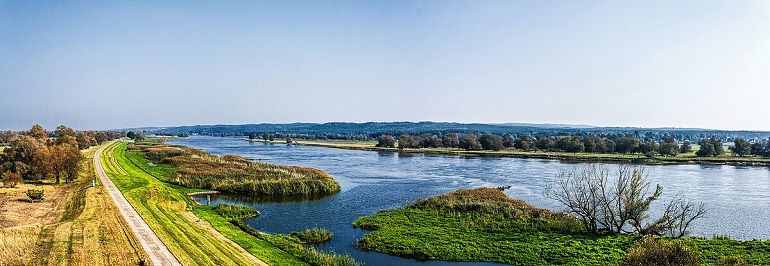
The Lower Oder Valley National Park is defined by a broad, low-lying river landscape where the Oder (Odra) meanders through an expansive floodplain bordered by higher morainic plateaus, creating a striking contrast between wide, open valley floors and steep, wooded slopes. It is Germany’s only national park centred on a river floodplain, with an elongated shape roughly 50–60 kilometres in length and up to five kilometres in width on the German side, extending along the border with Poland.
Setting and extent
Stretching along the western bank of the Oder in Brandenburg, the park forms the core of a larger cross-border protected area shared with Poland, where the landscape continues up the steeper eastern bank in West Pomerania. The German core area spans a little over 10,000 hectares within a wider protected region that includes buffer zones, levees, and riverside meadows shaped by seasonal water management and natural inundation.
River and floodplain
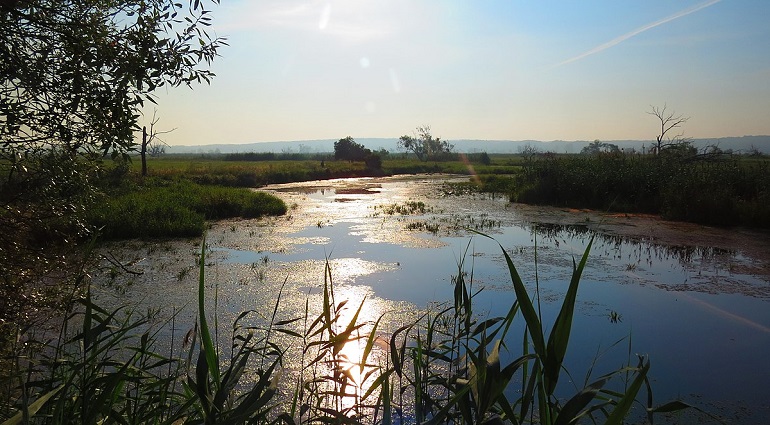
The Oder’s flat gradient in its lower reaches encourages slow-moving water, braided channels, and extensive flood meadows that fill during winter and spring when levees are opened to relieve high water. A system of Dutch-style polders—embanked compartments within the floodplain—gives the river more room during spates, creating a dynamic mosaic of wet grasslands, oxbows, shallow pools, and reed-fringed backwaters across the valley floor.
Landforms and origins
The valley owes its form to the last Ice Age, which left behind broad ground-moraine plateaus, push-moraine ridges, and a gently undulating glacial lowland later captured by the Oder as meltwaters cut new courses northwards. Terrace sands and clayey flood deposits blanket the floor, while peat and lowland mires have accumulated in hollows where groundwater sits high, giving the landscape an unmistakably glacial-and-fluvial character.
Valley edges and relief
Although the valley bottom is notably level, it is framed by pronounced escarpments and hill shoulders that rise to the morainic highs of the Uckermark. These slopes can be surprisingly steep in places, breaking the horizon with dry, open grass-topped knolls above and shadowed gullies below, and offering elevated vantage points over the wide floodplain and the serpentine line of the Oder.
Water features
Beyond the main riverbed, the park is studded with side channels, oxbow lakes, borrow pits, and seasonally flooded hollows that mirror the river’s shifting energy. Inundation leaves behind fine silts on the floodplain, while the slow retreat of waters reveals a patchwork of exposed sands, gravel bars, and shallow pans that alter in extent from year to year.
Human-shaped flood landscape
Centuries of dike building, levee cuts, and controlled flooding have intertwined with the natural processes of erosion and deposition, producing a cultivated floodplain that still feels wild. The polder stitches, sluices, and dike lines are visible on the ground and from viewpoints, reading like subtle seams running across meadows and along the river’s edge.
Cross-border continuity
The landscape does not stop at the midstream border: on the Polish side, the terrain tightens into steeper valley walls and more confined river fringes, giving a complementary perspective on the same glacial valley. Together, the German and Polish sections form a continuous geographic entity, with the river and floodplain as the unifying backbone.
Visitor experience
Travellers encounter long, open vistas across the water meadows, with big skies and a palpable sense of space, especially at high-water times when reflective surfaces expand. Elevated viewpoints along the valley edges, dikes, and levees provide sweeping panoramas of the braided channels, polders, and the gentle curve of the Oder as it threads through the glacial lowland.
Flora and Fauna
The Lower Oder Valley National Park stands as the Germany's only wetland national park, offering an extraordinary glimpse into one of Central Europe's last remaining natural riparian landscapes. This remarkable 60-kilometre stretch along the German-Polish border creates a haven for wildlife that serves as a vital corridor for European biodiversity.
Avian Paradise
The park's reputation as a birding destination is unparalleled, with over 284 species recorded in recent years. The wetlands support 145 breeding species, making it Germany's premier destination for ornithologists and nature enthusiasts alike.
Breeding Species
Among the park's most notable residents are three species of eagle: the magnificent white-tailed eagle, spotted eagle, and osprey. The park also hosts endangered species such as the black stork and the critically important aquatic warbler, which raises its young exclusively in the Lower Oder Valley throughout Germany. The corncrake maintains one of the country's largest breeding populations here, with up to 200 calling males documented.
Specialised wetland species include the Black Tern, White-bearded Tern, and White-winged Tern, alongside the last breeding pairs of Sedge Warbler in Germany. The Eurasian bittern, a master of reed bed camouflage, contributes its distinctive booming call to the park's soundscape.
Migratory Spectacles
The Lower Oder Valley transforms into a natural amphitheatre during migration seasons, with approximately 200,000 water birds passing through during autumn and spring. Spectacular gatherings include up to 35,000 greater white-fronted geese, 30,000 bean geese, 17,000 mallard ducks, 15,000 widgeon ducks, 8,000 common teals, and 9,000 pintails.
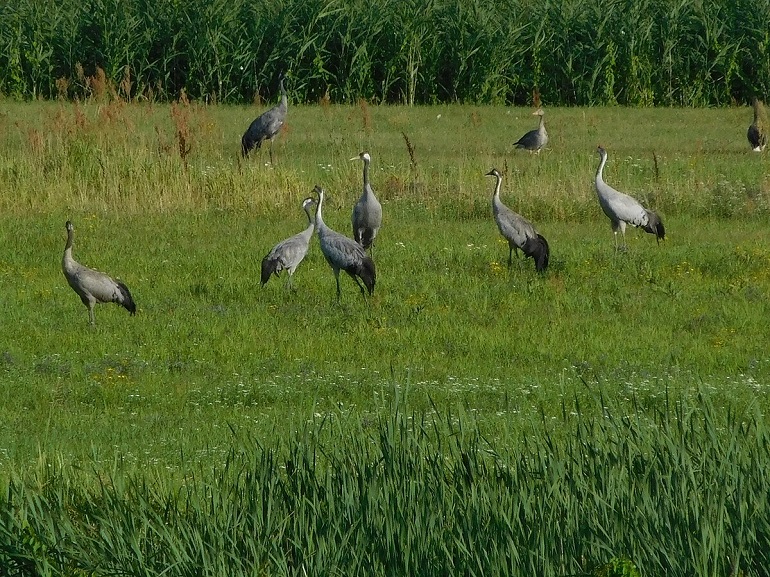
October brings one of nature's most impressive displays when 15,000 cranes converge on the northern Oder valley for several weeks, creating an unforgettable spectacle for visitors.
Mammalian Diversity
The park supports a rich community of 50 mammalian species, with several particularly noteworthy inhabitants. European otters and Eurasian beavers have found sanctuary in the park's pristine waterways, benefiting tremendously from the natural water dynamics and wilderness conditions.
Red deer represent the largest wild mammals in the valley, whilst wild boar inhabit the forested areas and floodplains, playing crucial ecological roles through their soil-aerating foraging activities.
Through conservation partnerships with Zoo Berlin, the park has successfully reintroduced European bison and water buffalo alongside Heck cattle—an aurochs-derived breed—creating a diverse community of large herbivores.
Aquatic and Reptilian Life
The Oder River system supports an impressive 49 fish species, including pike, perch, and catfish. The wetlands provide critical habitat for 11 amphibian species and 6 reptile species, with researchers documenting 17 different amphibian and reptile species throughout the park.
These aquatic environments also teem with invertebrate life, hosting vast arrays of butterflies, grasshoppers, dragonflies, bugs, spiders, and molluscs.
Flora of the Floodplains
Wetland Vegetation
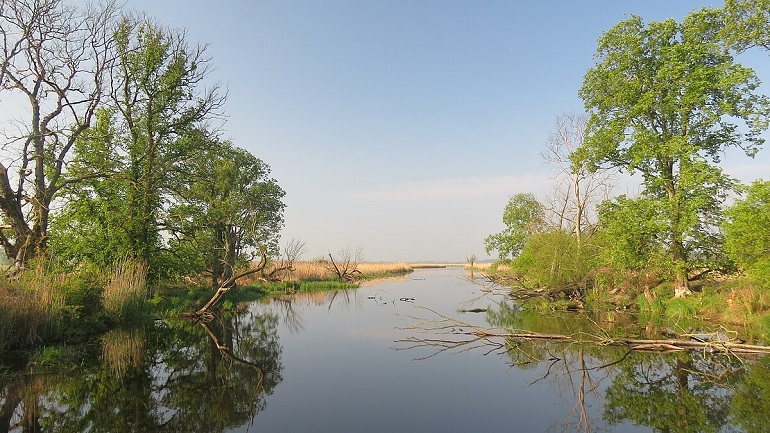
The park's botanical diversity reflects its varied habitats, from silent oxbows covered with water lilies and floating fern to colourful floodplain meadows featuring specialised species such as Cnidium dubium and alanroot. Extensive reed beds provide critical habitat for numerous bird species whilst contributing to the wetland's natural filtration systems.
Forest Communities
Remnants of native floodplain forests persist alongside near-natural mixed deciduous forests on the Oder hillsides. Riparian forests dominate portions of the landscape, complemented by thriving willow and poplar groves that flourish in the consistently moist conditions.
Unique Dry Grasslands
Perhaps most remarkable are the park's colourfully flowering dry grasslands, which represent a special botanical feature. These areas host numerous plant species typically found in steppe zones, including spring pheasant's eye, small pasque flower, and various orchid species, which reach their north-western distribution limit in this region.
The grassland communities also include distinctive species such as silver grass (Corynephorus canescens), broom (Sarothamnus scoparius), hair gorse (Genista pilosa), and forest sedge.
Conservation Success
The Lower Oder Valley National Park exemplifies successful wetland conservation, demonstrating how protective management can restore and maintain critical habitat for countless species. The park's designation as a Special Protection Area ensures continued preservation of this remarkable ecosystem, whilst its international cooperation across the German-Polish border highlights the importance of transboundary conservation efforts.
This extraordinary landscape offers visitors the opportunity to witness Central Europe's natural heritage in action, where ancient migration routes continue to pulse with life and rare species find refuge in carefully protected habitats.

Activities and Attractions
The Lower Oder Valley National Park offers visitors an extraordinary array of activities and attractions amidst its pristine floodplain landscapes. This transnational protected area, shared between Germany and Poland, provides exceptional opportunities for outdoor enthusiasts and nature lovers to explore one of Europe's most biodiverse habitats. The park's 165 square kilometres encompass a remarkable diversity of ecosystems, from ancient alluvial forests to flowering meadows and intricate waterway networks.
Comprehensive Hiking Trail Network
The Lower Oder Valley National Park boasts an intricate network of 14 dedicated hiking and adventure trails that crisscross the protected landscape, providing over 200 kilometres of marked paths. These well-maintained routes offer varying levels of difficulty and duration, ensuring options for every type of hiker whilst maintaining strict environmental protection standards throughout the sensitive wetland environment.
The Wild Forest Trail (Wilder Waldweg)
The Wild Forest Trail represents one of the park's most immersive experiences, offering a seven-kilometre journey through genuine wilderness areas where natural processes proceed completely undisturbed. Starting from the elegant surroundings of Criewen Lenné Park, this trail deliberately leads hikers past fallen trees and into forest wilderness zones that have been left entirely to natural evolution for decades.
The trail's centrepiece is the extraordinary spring experience path, featuring a remarkable 135-metre-long wooden plank pathway that winds through an ash forest ecosystem. This elevated walkway provides intimate, dry-footed access to one of the park's most fascinating biotopes, where visitors can examine natural springs, collect sediment samples using provided sieves, and potentially spot the rare Alpine Planarian Worm - a species of flatworm that has survived here since the last Ice Age, representing a living connection to prehistoric times.
The wilderness zones along this trail showcase nature's remarkable regenerative powers. Fallen deadwood supports approximately 600 species of fungi and over 1,300 beetle species that participate in the complete decomposition process, creating a complex ecosystem where death literally brings new life to the forest. The trail provides multiple interpretive stops where hikers can observe various stages of natural forest succession and understand the critical importance of undisturbed wilderness areas in conservation.
Märkische Overland Trail - A Multi-Day Adventure
The Märkische Overland Trail offers one of Germany's most comprehensive hiking experiences, connecting the Lower Oder Valley National Park with the Schorfheide-Chorin Biosphere Reserve and the Uckermark Lakes National Park across a magnificent 200-kilometre route. This certified "Quality Trail of Hike-able Germany" spans from Feldberg to Mescherin, providing an unparalleled journey through landscapes sculpted by the Ice Age.
The trail is intelligently divided into ten manageable sections, each suitable for day hikes whilst maintaining the option for multi-day expeditions. Section 7 proves particularly spectacular, covering 14.6 kilometres from Angermünde via Crussow to Stolpe. The route's highlight arrives at the panoramic viewpoint from the ramparts surrounding Stolper Tower, where hikers enjoy breathtaking vistas across the southern Oder Valley's floodplain landscape, with multiple river branches creating an intricate waterway network stretching to the horizon.
Section 10 provides a fitting finale to the trail experience, creating a 19.1-kilometre arc around the national park region that concludes in Mescherin, the northernmost gateway to the Lower Oder Valley National Park. From here, adventurous hikers can cross the Mescherin Oder Bridge into the Polish section of the Lower Oder Valley, where an eleven-metre-high observation tower offers impressive views across the Staffelder Polder, where wilderness has developed undisturbed for over two decades.
Weg der Auenblicke (Path of Floodplain Views)
The Weg der Auenblicke represents the park's signature hiking experience, leading visitors directly into the heart of the national park's most characteristic wetland environments. This moderate-difficulty trail covers approximately 10.4 kilometres over roughly 2 hours and 36 minutes, beginning in historic Criewen and winding through the core wetland areas that define the park's unique character.
An extended version of this route covers 12.6 kilometres over 3 hours and 20 minutes, creating a comprehensive loop from Criewen through the national park to Stützkow, then returning along the majestic Oder River. This circular route provides dramatically different perspectives of the floodplain ecosystem, transitioning from intimate forest paths where ancient trees create cathedral-like canopies to expansive riverside vistas where the horizon seems infinite.
The trail features multiple observation points strategically positioned to showcase the park's seasonal transformations. Spring brings spectacular bird activity as thousands of migrating species arrive, summer reveals the full glory of flowering marsh plants along oxbow channels, autumn transforms the landscape with dramatic mists and wildlife preparations, and winter offers serene frost-covered meadows punctuated by the almost silent ice drift on the Oder River.
Challenging Long-Distance Routes
For experienced hikers seeking substantial physical and mental challenges, the park offers demanding routes such as the 28.4-kilometre trail along the old Oder from Lunow to Schwedt. This approximately seven-hour epic journey follows the historic river course, providing exceptional opportunities to witness the park's unique wetland character whilst covering significant distances through constantly changing terrain.
This challenging route showcases the full spectrum of the park's ecosystems, from dense alluvial forests where rare birds nest in ancient trees to open meadow areas where seasonal flooding creates temporary lakes. The trail requires good fitness and proper preparation, but rewards dedicated hikers with unparalleled access to some of the park's most remote and pristine areas.
Additional challenging routes include circular tours ranging from 9.5 to 15 kilometres, each focusing on different aspects of the park's diverse landscapes. These intermediate to advanced trails often combine multiple ecosystem types within single hikes, providing comprehensive introductions to the park's remarkable biodiversity.
Specialised Nature Trails
The meadow path offers a focused exploration of the unique polder grasslands in the national park's floodplain south of Schwedt. This specialised trail reveals the intricate relationships between seasonal flooding, grassland management, and the extraordinary bird communities that depend on these habitats for breeding and migration stops.
Nature discovery walks operate almost every weekend, led by expert Naturwacht rangers who provide professional insights into the park's complex ecology, conservation challenges, and ongoing research projects. These guided experiences reveal details invisible to casual observers, from identifying bird calls to understanding the subtle signs of beaver activity throughout the wetland network.
Extensive Cycling Network
The park's remarkably flat topography and extensive embankment system create ideal conditions for cycling enthusiasts of all abilities. More than 120 kilometres of embankment paths provide completely car-free cycling routes that traverse the entire national park area whilst offering elevated perspectives across the floodplains.
These elevated pathways follow the historic flood control system, providing spectacular panoramic views whilst maintaining appropriate distance from sensitive wildlife areas. The cycling network connects all major attractions within the park and provides access to viewing points that would require hours of hiking to reach on foot.
Bicycle rental services operate from multiple locations, including the National Park Centre in Criewen, with both standard touring bikes and specialised equipment available for different terrain types. The rental services include detailed maps, safety equipment, and guidance on route selection based on fitness levels and interests.
The cycling routes accommodate various expedition lengths, from gentle 2-hour family circuits to full-day adventures covering 40+ kilometres. The embankment paths provide consistent, well-maintained surfaces suitable for all bike types whilst offering numerous rest stops, viewing platforms, and interpretive displays throughout the network.
Comprehensive Water-Based Activities
Professionally guided canoe tours operate between mid-July and mid-November, providing unique aquatic perspectives of the park's intricate waterway system that remains completely inaccessible by land. These expertly led expeditions navigate through the Oder's mysterious oxbow lakes, hidden side channels, and pristine wetland areas where the boundary between water and land constantly shifts with seasonal changes.
The canoe tours reveal the park's fascinating aquatic ecosystem in intimate detail, including areas where industrious beavers have constructed elaborate lodge and dam systems that fundamentally alter local hydrology. Paddlers frequently encounter diverse wildlife, from graceful herons fishing in shallow channels to the distinctive splash patterns of diving ducks disappearing beneath water lily canopies.
Different tour lengths accommodate varying experience levels and time constraints, from gentle 3-hour introductory paddles suitable for families to full-day expeditions that explore the most remote reaches of the waterway network. All tours include comprehensive safety briefings, quality equipment, and expert naturalist guides who enhance understanding of the complex wetland ecosystems.
Educational and Interpretive Facilities
Nationalparkhaus Criewen - The Primary Gateway
The park's flagship visitor centre in Criewen serves as an essential starting point for any visit, featuring a comprehensive 400-square-metre interactive exhibition dedicated to the Lower Oder Valley's remarkable natural and cultural heritage. The facility represents a significant investment in environmental education, combining cutting-edge technology with traditional interpretive methods.
The centre's crown jewel is an impressive 15,000-litre Oder aquarium housing more than 20 native fish species, providing visitors with unique underwater perspectives of the river's diverse aquatic life. This living ecosystem allows observation of natural behaviours impossible to witness in the wild, from the intricate spawning rituals of various species to the complex predator-prey relationships that maintain aquatic biodiversity.
Daily guided tours led by expert Naturwacht rangers provide professional insights unavailable through self-guided exploration. These educational programmes combine scientific knowledge with practical conservation experience, helping visitors understand both the complex wetland systems and the ongoing efforts required to maintain their health for future generations.
The visitor centre operates seasonally adjusted hours, remaining open daily from 9am to 6pm during the peak season (April to October) and Friday through Sunday from 10am to 5pm during quieter winter months (November to March). This scheduling ensures optimal staffing during periods of highest visitor activity whilst maintaining year-round access to essential services.
Natura 2000-Haus - Advanced Learning Centre
This supplementary educational facility significantly expands the park's interpretive offerings with additional specialised exhibitions, multimedia information systems, a dedicated students' laboratory, and an outdoor classroom. These facilities support both casual visitors seeking deeper engagement and educational groups requiring hands-on learning experiences with wetland ecology and conservation science.
The students' laboratory enables detailed examination of water samples, plant specimens, and other natural materials collected during field experiences, creating bridges between theoretical knowledge and practical understanding. The outdoor classroom provides weather-protected space for group discussions, interpretive programmes, and educational activities that connect indoor learning with direct field experience.
Rich Historical and Cultural Heritage
The park encompasses several significant historical sites that provide crucial cultural context within the protected landscape, demonstrating the long relationship between human communities and wetland environments. Medieval Stolpe Castle represents centuries of human adaptation to the challenging floodplain environment, while its elevated position provides spectacular views across the contemporary conservation landscape.
The historical tobacco barns near Friedrichsthal offer tangible connections to the region's agricultural heritage, revealing how past generations developed sustainable relationships with the seasonal flooding cycles that define the Lower Oder Valley. These structures demonstrate traditional building techniques specifically adapted to wetland conditions.
Criewen Castle with its associated Lenné Park provides additional historical context whilst serving as an elegant starting point for various hiking trails. The park's formal gardens, designed by the famous Prussian landscape architect Peter Joseph Lenné, demonstrate sophisticated understanding of local environmental conditions and seasonal changes.
These cultural elements create exceptional opportunities for combined nature and heritage tourism, allowing visitors to understand both the natural processes that shaped the landscape and the human activities that influenced its development across millennia. The integration of cultural sites within the protected area demonstrates the possibility of harmonious relationships between conservation goals and historical preservation.
Seasonal Diversity and Year-Round Appeal
The park's attractions undergo dramatic transformations with seasonal changes, creating distinctly different experiences throughout the year and encouraging multiple visits to fully appreciate the dynamic nature of wetland ecosystems.
Spring awakening (March-May) brings spectacular bird activity as hundreds of thousands of migrating species arrive, creating some of Europe's most impressive ornithological displays. The season features explosive plant growth, dramatic weather patterns, and peak breeding activity across multiple species groups.
Summer abundance (June-August) showcases the full glory of flowering marsh plants and aquatic vegetation along the numerous oxbow channels. This season offers optimal conditions for extended hiking, cycling expeditions, and canoe tours, with long daylight hours and generally stable weather patterns.
Autumn migration (September-November) transforms the landscape with dramatic morning mists that shroud enormous flocks of cranes and geese during their passage through the lowlands. Up to 15,000 cranes take to their roosts in the northern Oder Valley each October, creating one of Europe's most spectacular wildlife gatherings.
Winter tranquillity (December-February) offers serene frost-covered meadows accompanied by the almost silent ice drift on the Oder River. This season provides unique opportunities for contemplative hiking, photography, and understanding the remarkable adaptations that enable wildlife survival in challenging wetland conditions.
Adventure and Challenge Opportunities
Beyond standard hiking and cycling, the park offers numerous adventure-oriented activities for visitors seeking more challenging engagements with the natural environment. Multi-day camping expeditions can be arranged through designated areas, allowing extended immersion in the wetland ecosystem whilst maintaining strict environmental protection standards.
Photography workshops led by professional nature photographers provide intensive training in capturing the park's seasonal changes, wildlife behaviour, and landscape dynamics. These specialised programmes combine technical instruction with detailed ecological knowledge, enabling participants to document their experiences whilst contributing to conservation awareness efforts.
Scientific volunteer programmes offer opportunities for visitors to contribute to ongoing research projects, from bird banding operations to water quality monitoring initiatives. These experiences provide unprecedented access to professional conservation work whilst supporting the scientific understanding essential for effective park management.
The Lower Oder Valley National Park's comprehensive activity offerings ensure that visitors can engage with this unique wetland ecosystem through multiple approaches, from gentle educational walks to challenging multi-day expeditions, from peaceful cycling tours to adventurous canoe explorations through hidden waterways. Each activity type reveals different aspects of this remarkable protected landscape, creating comprehensive opportunities for understanding and appreciating one of Europe's most significant wetland conservation areas whilst supporting the ongoing efforts required to maintain its extraordinary biodiversity for future generations.
Accommodation
Traditional Hotels and Inns
The region features several comfortable hotels that blend traditional charm with modern amenities. Many of these establishments are situated in the nearby town of Schwedt/Oder, providing easy access to the national park whilst offering comprehensive facilities. Family-run properties throughout the area maintain strong connections to local traditions and provide personalised service, often featuring restaurants that serve regional specialities and seasonal produce.
Holiday Apartments and Guesthouses
Self-catering accommodation proves particularly popular for visitors planning extended stays. The area boasts numerous well-equipped holiday apartments ranging from converted barns to purpose-built units, many featuring traditional architectural elements such as exposed timber beams and natural stone walls. These properties typically provide full kitchen facilities, making them ideal for families or groups seeking independence and flexibility during their stay.
Guesthouses and pensions offer another excellent middle-ground option, combining the privacy of self-contained accommodation with the option of breakfast service. Many feature lovely gardens and outdoor spaces, perfect for relaxing after a day exploring the park's diverse landscapes.
Farm Stays and Rural Accommodation
The Uckermark region, often called the "Tuscany of the North," provides exceptional opportunities for authentic farm stay experiences. Historic farmsteads and converted agricultural buildings offer accommodation amidst working farms, allowing visitors to experience traditional rural life whilst supporting local agricultural communities. These properties frequently feature spacious gardens, barbecue facilities, and direct access to cycling and walking routes through the surrounding countryside.
Luxury and Boutique Options
For those seeking elevated comfort, several boutique accommodations have emerged throughout the region. These carefully restored properties combine historical charm with contemporary design, often featuring spa facilities, fine dining, and curated experiences such as guided nature walks or local craft workshops. Many emphasise sustainability and environmental consciousness, perfectly complementing the national park's conservation mission.
Budget-Friendly Accommodation
Budget-conscious travellers will find various options including simple guestrooms, basic holiday apartments, and youth-oriented accommodation. The region's affordability compared to major German cities makes it an attractive destination for extended stays, allowing visitors to fully appreciate the area's natural rhythms and seasonal changes.
Camping and Outdoor Accommodation
For those seeking closer connection with nature, the area offers camping opportunities and unique outdoor accommodation options. Wild camping-style experiences and glamping facilities provide different levels of comfort whilst maintaining proximity to the park's diverse ecosystems. Some locations feature teepees, converted railway carriages, or eco-friendly structures that minimise environmental impact.
National Park Partners
Many accommodation providers have earned official National Park Partner status, indicating their commitment to sustainable practices, environmental education, and regional development. These properties undergo regular assessment and participate in ongoing education programmes, ensuring guests receive authentic, environmentally responsible experiences whilst supporting the park's conservation objectives.
Location and Accessibility
Most accommodation options are strategically positioned within easy reach of the park's main attractions, including the visitor centre in Criewen, key observation points along the River Oder, and major cycling routes such as the Oder-Neisse Cycle Path. The region's excellent transport links, including connections to Berlin and other major cities, make it accessible for both domestic and international visitors.
Gastronomy
Regional Specialities and Local Ingredients
The park's extensive wetlands and fertile floodplains yield an abundance of seasonal ingredients that form the backbone of the local gastronomy. Wild game features prominently on menus throughout the region, with venison, wild boar, and waterfowl reflecting the area's hunting traditions. The Oder River and its tributaries provide excellent freshwater fish, particularly pike, perch, and carp, which are prepared using time-honoured methods passed down through generations.
Seasonal foraging plays a significant role in the local cuisine, with wild mushrooms, berries, and herbs gathered from the park's diverse ecosystems. During autumn, the forests yield chanterelles, porcini, and other prized fungi, whilst spring brings wild asparagus and fresh herbs that add distinctive flavours to regional dishes.
Cross-Border Culinary Influences
The park's position straddling Germany and Poland creates a fascinating fusion of culinary traditions. German influences bring hearty preparations and excellent local brewing traditions, whilst Polish elements contribute robust flavours and distinctive preservation techniques. This cultural exchange has created a unique regional cuisine that cannot be found elsewhere.
Traditional smoking and curing methods are particularly celebrated here, with local producers creating exceptional charcuterie and smoked fish using techniques refined over centuries. The region's agricultural heritage also shines through in its excellent bread-making traditions and seasonal vegetable preparations.
Seasonal Dining Experiences
Spring arrives with fresh river fish preparations and early wild vegetables, creating light, flavourful dishes that celebrate the awakening landscape. Summer brings abundant fresh produce from local farms and gardens, with outdoor dining opportunities that allow visitors to enjoy meals whilst surrounded by the park's stunning natural beauty.
Autumn is perhaps the most exciting season for food enthusiasts, as harvest time brings game seasons, mushroom foraging, and the preparation of traditional preserves and pickles. Winter dining focuses on hearty, warming dishes featuring preserved and stored ingredients, creating comfort food perfect for the colder months.
Sustainable and Farm-to-Table Practices
The pristine environment of the Lower Oder Valley has fostered a strong commitment to sustainable dining practices. Many establishments source ingredients exclusively from within the park boundaries or from certified organic farms in the immediate vicinity. This approach not only ensures exceptional freshness but also supports conservation efforts by providing economic incentives for maintaining traditional, environmentally-friendly farming practices.
Local producers take pride in minimal intervention techniques, allowing the natural flavours of ingredients to shine through. This philosophy extends to wine and beer production, with several small-scale operations creating beverages that reflect the unique terroir of the wetland environment.
Traditional Cooking Methods
The region maintains strong connections to historical cooking techniques that have been adapted for modern dining. Traditional clay pot cooking, slow-roasting methods, and natural fermentation processes create distinctive flavours that cannot be replicated elsewhere. Many preparations involve long, slow cooking times that allow complex flavours to develop, particularly in game and fish dishes.
Preservation techniques such as smoking, drying, and pickling remain central to the local cuisine, not only as necessary historical practices but as methods that create unique flavour profiles celebrated by contemporary diners.
Dining Atmosphere and Setting
The dining experience in the Lower Oder Valley extends far beyond the food itself. Many establishments take full advantage of the park's spectacular natural setting, offering outdoor seating areas with views over the floodplains, river channels, and surrounding forests. The changing seasons provide an ever-evolving backdrop that enhances every meal.
Evening dining can be particularly magical, with the sounds of migrating birds and the gentle flow of the Oder creating a natural soundtrack. The absence of urban light pollution allows for exceptional stargazing opportunities, making dinner a truly immersive natural experience.
Whether seeking hearty traditional fare or innovative interpretations of regional ingredients, the Lower Oder Valley National Park offers a culinary adventure that perfectly complements its extraordinary natural environment, creating memories that extend far beyond the plate.
Getting There and Around
Arriving at the Park
For travellers coming from Berlin, board the RE3 regional train heading towards Schwedt or Stralsund and alight at Angermünde station. From the station forecourt, transfer to the National Park bus route 468, which takes visitors directly to Schwedt/Oder ZOB and stops at “Criewen National Park Centre,” the main visitor hub of the park. The journey from Berlin typically takes around one and a half hours by public transport. If travelling from Szczecin, take the RB66 train to Angermünde, then change to the National Park bus as above, for an approximate journey time of two hours. Driving from Berlin is also straightforward, with the journey taking just over an hour. Travellers should follow the A11 motorway to exit 9-Joachimsthal, then continue via B198 and B2 towards Angermünde and Criewen.
Getting Around the Park
Once in the Lower Oder Valley National Park, visitors can make use of the local bus network, with route 468 serving key locations including Schwedt, Angermünde, and Criewen—the location of the National Park Centre. The centre offers exhibitions, advice for cycling and hiking, and visitor information, forming an ideal starting point for exploring the park. Walking, hiking, and cycling are popular ways to experience the meadows, wetlands, and floodplains. Well-maintained cycle paths and footpaths provide access to the natural floodplain areas and wildlife viewing spots, and cycling tours along the Oder River offer scenic routes into and through the park. Guided walking and cycling tours can be organised at the visitor centre for those interested in deeper exploration.
Cross-Border Exploration
The park straddles the border between Germany and Poland, with the German core area accessible via Schwedt and Criewen in Brandenburg, and the Polish side reached via Gryfino and Police counties. Travellers wishing to see both sides of the protected region can use local transport and cycle paths that connect the two countries through natural reserves and scenic routes along the Oder River.
Best Time to Visit
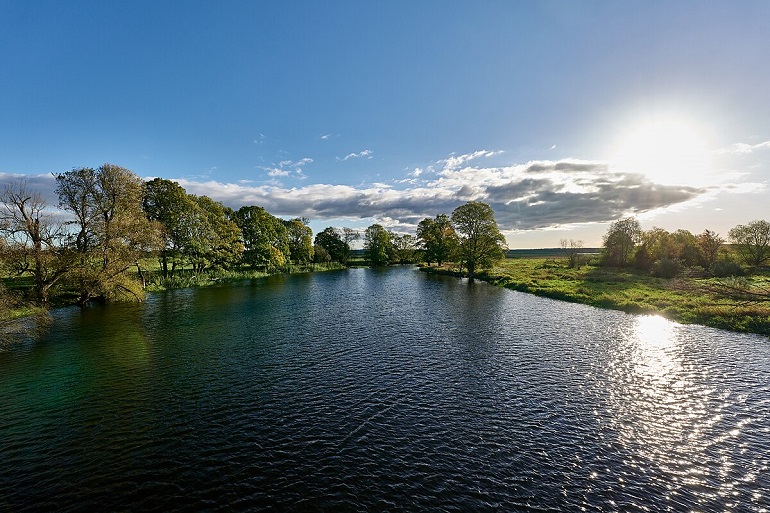
The Lower Oder Valley National Park offers distinct experiences throughout the year, making it a rewarding destination regardless of when you choose to visit. However, understanding the seasonal patterns can help you maximise your wildlife viewing opportunities and outdoor activities.
Spring (March to May)
Spring brings the park to life as migratory birds return from their wintering grounds. This is an excellent time for birdwatching, as you can witness the spectacular migration of thousands of geese, ducks, and other waterfowl. The weather becomes milder, making it pleasant for hiking and cycling along the park's numerous trails. However, do note that the breeding season begins, so certain areas may have restricted access to protect nesting birds.
Summer (June to August)
Summer is the most popular season for visiting the park, offering warm weather ideal for outdoor activities. The landscape is at its most lush, with flowering meadows and fully developed foliage. However, keep in mind that birds are breeding until mid-July, which means canoeing and access to some sensitive areas are restricted during this period. From 15th July onwards, guided canoe tours become available, offering a unique perspective of the wetland ecosystem from the water.
The summer months provide excellent opportunities for cycling and hiking, with long daylight hours allowing for extended exploration. The diverse flora is in full bloom, creating spectacular displays across the dry meadows and wetlands.
Autumn (September to November)
Autumn is arguably one of the most spectacular times to visit the Lower Oder Valley. From September onwards, the park becomes a crucial stopover for migrating birds, including the impressive sight of cranes resting for several weeks during their journey south. The autumn migration period offers unparalleled birdwatching opportunities as thousands of birds pass through the area.
The weather remains generally pleasant for outdoor activities, and the changing colours of the deciduous forests create beautiful scenery. Canoeing continues to be available until mid-November, allowing visitors to experience the park's waterways during this dynamic season.
Winter (December to February)
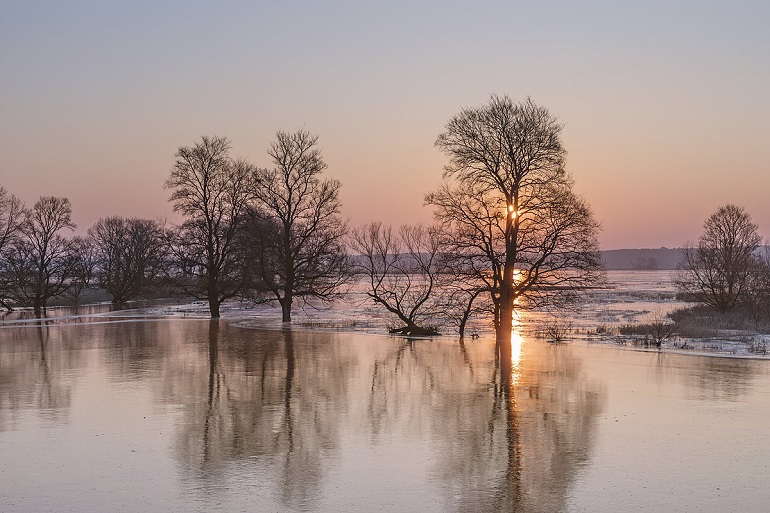
Winter transforms the Lower Oder Valley into a vital resting place for numerous migratory birds. The flooded polders create ideal conditions for wintering waterfowl, including the elegant whooper swans. This season offers unique wildlife viewing opportunities, particularly for those interested in observing winter bird species and understanding the park's role as an international refuge.
While weather conditions can be challenging, winter visits provide a completely different perspective of the park's ecosystem. The stark beauty of the flooded landscapes and the abundance of wintering birds make this season rewarding for dedicated nature enthusiasts.
Planning Your Visit
For the most diverse wildlife experiences, consider visiting during the migration periods in spring and autumn. Autumn, particularly from September through October, offers the added spectacle of crane migration. Summer provides the best weather conditions and longest days, though early summer (before mid-July) limits water-based activities.
Winter visits are ideal for serious birdwatchers seeking to observe species that use the park as their winter refuge. Each season offers its own rewards, so your choice should depend on your particular interests and preferred activities within this remarkable wetland ecosystem.
Conservation and Responsible Tourism
A Unique Conservation Success Story
The Lower Oder Valley National Park stands as a remarkable testament to international conservation cooperation, being Germany's only wetland national park and its first transborder reserve established in partnership with Poland. This extraordinary ecosystem represents 80 years of dedicated nature conservation efforts, with the first protected areas emerging at the beginning of the 20th century.
The park's conservation approach follows a carefully balanced dual-zone protection system. Zone I, encompassing 1,351 hectares, operates as wilderness area where human interference of any kind is prohibited, allowing nature to be nature. The remaining 50 percent of the park's 10,000 hectares maintains extensive agriculture under strict nature conservation requirements, supporting species that depend on cultural landscapes, such as the white stork and meadow breeders.
Protecting Biodiversity Through Natural Processes
As one of Germany's most biodiverse habitats, the park provides sanctuary for over 145 breeding bird species and more than 40 fish species in the Oder river. The conservation strategy particularly focuses on priority species including the aquatic warbler (Acrocephalus paludicola), corncrake (Crex crex), and burnt-tip orchid (Cnidium).
The park's floodplain management represents a delicate balancing act, as alterations to water flow and dike construction have historically threatened the natural flooding cycle. However, successful conservation efforts have restored portions of the floodplain, allowing for seasonal inundation that benefits wildlife through collaboration between German and Polish authorities.
Responsible Tourism Framework
Sustainable Destination Certification
The broader Uckermark region, which encompasses the Lower Oder Valley, has been certified as a Sustainable Destination by TourCert since February 2018. This certification acknowledges the region's commitment to sustainable tourism, with management and reporting systems audited by independent assessors every three years.
The region's sustainability mission centres on enabling guests to enjoy nature-based tourism whilst ensuring lasting natural and cultural experiences that benefit both the area and local communities. More than half of the Uckermark's area consists of nature and landscape conservation areas, making sustainable tourism development particularly vital.
Climate-Conscious Travel Options
The "Holidays for the Climate" network connects accommodations and leisure providers committed to environmental responsibility. Network partners anchor responsible action in their corporate philosophies, obtain 100% green electricity, support environmentally friendly arrival and departure, and collaborate with regional partners.
Visitors can support sustainable practices by:
- Staying in climate-friendly accommodations
- Preferring regional products
- Treating nature with care
- Travelling by train, bicycle, canoe, or on foot
Managing Tourism Impact
Despite the park's appeal for photographers and nature enthusiasts seeking unspoiled beauty and rare wildlife encounters, conservation challenges persist. Some conservationists express concern about tourism development, including canoe tours, action days, and the expansion of cycling and hiking trails within the national park, arguing these activities may compromise the park's conservation brand.
Responsible Visitor Activities
Low-Impact Exploration
The park offers numerous sustainable exploration opportunities that minimise environmental impact. The well-maintained Oder-Neisse Cycle Route provides stunning panoramas of the floodplain, whilst hiking trails weave through forests and marshes, offering wildlife observation opportunities.
Canoeing and boat tours allow visitors to experience the meandering waterways whilst encountering aquatic birds and lush riverbanks from a different perspective. These activities are designed to work within the park's conservation framework rather than against it.
Educational Tourism
The Nationalparkhaus visitor centre in Criewen features interactive exhibitions that help visitors understand the park's ecological significance. Additional educational facilities include the Natura 2000-Haus with multimedia information desks, a students' laboratory, and an open-air school. These facilities promote understanding of conservation principles amongst visitors.
Regional Carbon Offsetting
The Uckermark region has developed an innovative MoorFutures project that allows climate-neutral hosts to offset unavoidable emissions through local peatland restoration. Revenues from these "peat shares" finance moorland rewetting in Brandenburg, supporting both climate protection and regional nature conservation simultaneously. This ensures that carbon offsetting occurs locally rather than "somewhere on the other side of the world".
Balancing Conservation and Access
The Lower Oder Valley National Park exemplifies how responsible tourism can coexist with rigorous conservation. Through international cooperation, sustainable destination certification, and carefully managed visitor access, the park demonstrates that protecting natural processes and biodiversity need not exclude meaningful tourism experiences. Success depends on maintaining the delicate balance between conservation priorities and responsible visitor engagement, ensuring this unique wetland ecosystem remains protected for future generations whilst providing sustainable economic benefits to local communities.
Visitor Centres and Educational Facilities
Visitor centres and educational facilities in the Lower Oder Valley National Park are centred on the National Park House in Criewen and a growing network of ranger-led programmes and learning sites designed for hands-on discovery of this unique floodplain landscape. The main hub is the Criewen National Park Centre, where an interactive exhibition and large Oder aquarium provide an engaging introduction before exploring the park.
National Park Centre, Criewen
The principal visitor hub, known as the National Park House (Nationalparkhaus Criewen), sits on the former Criewen estate and serves as the information point for Germany’s only floodplain national park, offering maps, advice, and orientation for walks and tours. Exhibits are expressly designed for “touch and try,” featuring a 15,000-litre Oder aquarium with more than twenty native fish species, multimedia on wilderness, and interactive elements suitable for all ages.
The permanent exhibition guides visitors through 13 themed areas, from Ice Age landscapes and historic settlement to present-day river dynamics, encouraging active exploration and understanding of the valley’s natural history. Ranger-guided tours can be arranged, adding expert context on current conservation topics and wildlife viewing tips.
Exhibitions and highlights
A centrepiece is the large Oder aquarium showcasing domestic species such as pike, asp, and pikeperch, giving insight into the river’s fish diversity in an immersive way. Landscape models, peat profiles, and historic vignettes bring to life the valley’s evolution and human history along the Oder, complementing field experiences in the surrounding floodplain.
Multimedia installations focus on wilderness themes and seasonal dynamics like high water, while interactive stations such as animal-voice quizzes keep younger visitors engaged during a concise, self-guided circuit. The combination of tactile exhibits and live aquaria makes the centre a compelling stop before setting out on trails beginning at the doorstep.
Education and ranger programmes
Environmental education is integral to the park’s mission, with opportunities spanning school groups, volunteer placements, and guided discovery with Naturwacht rangers. The administration facilitates a Voluntary Ecological Year (FÖJ) and practical placements supporting species monitoring, event organisation, and education across the National Park House and related sites.
Guided walks, cycle tours, ranger “adventure tours,” and nature photography workshops can be booked, enhancing understanding of habitats and species and helping time excursions with migratory bird movements and seasonal highlights. These activities are coordinated via the National Park Centre team and the ranger service.
Practical visitor details
The Criewen centre typically operates daily from spring through autumn, with reduced hours in winter and additional opening during Brandenburg school holidays; admission is free, and groups should book in advance. Several signed hiking routes start directly from the centre, making it an ideal pivot for day walks without a car; the regional bus line 468 links Schwedt/Angermünde to Criewen.
Local and regional tourism portals confirm the centre’s role as the park’s main information point and provide current opening-time variations; always verify seasonal times close to travel dates. As a transboundary river landscape with Polish protected areas to the north and east, the Lower Oder region offers additional nature education opportunities across the border, complementing a visit to Criewen.
Family-friendly learning
Interactive exhibits deliberately encourage inquisitive, hands-on learning, making the centre well suited to families and school groups. Topics span Ice Age fauna and settlement, floodplain ecology, and present-day conservation, paired with real specimens and models that invite closer inspection.
Short, ranger-supported activities help younger visitors connect observations outdoors with what has been learned indoors—such as identifying fish seen in the aquarium or recognising wetland birds along nearby paths. Photography workshops and themed walks add options for teens and older learners seeking skills-based experiences.
Planning tips
Begin at the Criewen National Park Centre to collect trail suggestions, check water levels that may affect paths, and confirm wildlife viewing opportunities for the day. If travelling by rail, head to Schwedt (Oder) and continue with the Nationalpark-Linie 468 bus to Criewen; allow time for the exhibition before tackling one of the routes starting from the centre gates.
Those interested in extended learning or contributing to conservation can enquire about seasonal volunteering and youth placements with the park administration in Criewen. Booking guided ranger activities in advance is recommended during peak periods and bird migration seasons.


