



| Contents |
|---|
Introduction
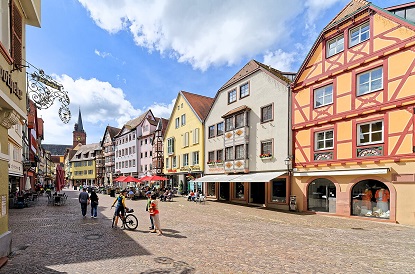
Wertheim am Main (pop. 23,000) is a historic medieval town positioned at the confluence of the Rivers Main and Tauber. The town is characterised by its well-preserved medieval old town (Altstadt), which features a network of narrow streets and numerous half-timbered houses dating from the 16th to 18th centuries, including the notable "Blue House." Overlooking the town from a wooded hillside are the ruins of Wertheim Castle, a stone fortress that dates back to the 12th century. Wertheim is renowned for its glass-making tradition, particularly crystal production, and houses several museums including the Glasmuseum and the Castle Museum. The town also serves as a gateway to the Romantic Road tourist route and offers access to the surrounding Franconian countryside and vineyards. The former Cistercian monastery, Kloster Bronnbach, located nearby, is another significant architectural highlight.
Interesting Facts about Wertheim am Main
- Wertheim am Main sits at the picturesque confluence of the rivers Main and Tauber and is the most northerly town in Baden‑Württemberg.
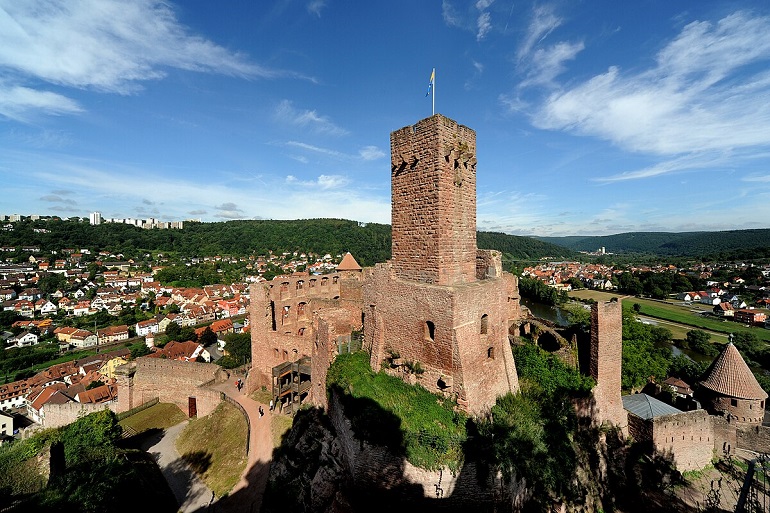
- The town is dominated by the ruined Wertheim Castle, one of the largest stone fortress ruins in southern Germany, perched above the medieval old town.
- Wertheim received its town charter in 1306 under King Albert I, reflecting its medieval importance in regional trade and governance.
- The historic centre is famed for narrow cobbled lanes and half‑timbered houses, including strikingly painted façades from the late 16th century.
- The Glasmuseum Wertheim showcases over three millennia of glass history and highlights the town’s 20th‑century rise as a laboratory glass hub.
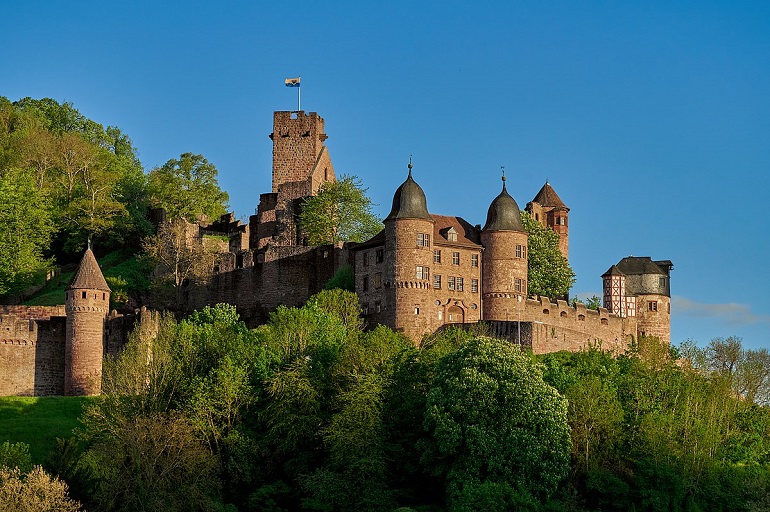
- The castle originated in the late 12th century and suffered major destruction during the Thirty Years’ War, leaving today’s romantic panorama of ramparts and moat.
- Wertheim’s pointed Spitzer Turm and town gates punctuate a riverside skyline rich in medieval defences and church towers.
- The town anchors the Mainviereck corner of the Franconian wine region, with vineyards on red sandstone producing noted Pinot varieties.
- Outdoor lovers prize Wertheim for hiking above the Tauber valley and for river pursuits along the scenic Main corridor.
- Modern visitors pair castle views with shopping at Wertheim Village, a contemporary outlet centre on the edge of town.
History
Early Origins and Medieval Development
Wertheim am Main boasts an impressively ancient heritage, with its origins stretching back to between the 7th and 8th centuries. The first settlement, however, was actually established on the opposite bank - Kreuzwertheim on the right side of the river Main. The town that would become modern Wertheim developed after the noble family of the Reginbodons built a castle on the left bank of the Main, creating a settlement at the foot of this commanding structure. First mentioned in historical records in 779, the settlement was referenced as Suburbium castri Wertheim in 1192 and gained the status of an oppidum by 1200, before being recognised as a civitas in 1244. The impressive Wertheim Castle, constructed during the late 12th century around 1180, served as both the residence of the Counts of Wertheim and the cornerstone of the town's fortifications. In 1306, King Albrecht I granted Wertheim its town charter, cementing its importance as a regional centre.
The Era of Noble Rule and Religious Transformation
The town flourished under the rule of various noble houses, experiencing significant political and religious changes throughout the medieval and early modern periods. Count Eberhard of Wertheim reigned from 1355 to 1373, during which time Emperor Charles IV granted him the right to mint coins in 1363. When the last Count of Wertheim, Michael III, died without a male heir, the county passed to the House of Löwenstein-Wertheim through his marriage to Katharina of Stolberg. In 1574, the county was inherited by Count Ludwig of Löwenstein, establishing a dynasty that would govern until 1806. The house later split into two branches in 1630: the Protestant line of Löwenstein-Wertheim-Virneburg and the Catholic line of Löwenstein-Wertheim-Rochefort. Wertheim played a notable role in the Protestant Reformation, with Count Georg II banning elaborate funeral practices in 1518 and bringing reformer Johann Eberlin von Günzburg to restructure the county's religious, educational, and social systems from 1526 onwards. The Reformation was completed by 1555 under Count Michael III, who had studied with Luther and Melanchthon in Wittenberg.
Destruction, Reconstruction and Modern Development
The town endured significant hardships during the Thirty Years' War (1618-1648), when Swedish troops sacked both the town and castle, with the fortress being heavily bombarded and left in ruins after partial destruction from a gunpowder explosion in 1619. The castle was never again inhabited except by a tower-keeper who maintained his duties into the early 20th century. Following the German mediatisation in 1806, the county was dissolved, with territories west of the Main passing to the Grand Duchy of Baden and those east to the Kingdom of Bavaria. The 19th century brought economic revitalisation through improved infrastructure, including roads and the construction of the Main-Tauber railway line. World War II inflicted severe damage, with over 60% of Wertheim destroyed by Allied bombing raids, though careful post-war reconstruction restored the historic town centre to its original medieval appearance by the 1960s. The town underwent significant administrative changes in the 20th century, being merged with Tauberbischofsheim in 1938, incorporating 15 surrounding communities from 1972 onwards, and achieving Große Kreisstadt status in 1976 after reaching 20,000 residents. Today, Wertheim am Main has a population of approximately 24,000 and serves as a picturesque destination renowned for its well-preserved medieval architecture and strategic location at the confluence of the Main and Tauber rivers.
Main Attractions
Wertheim Castle
Wertheim Castle dominates the town from its commanding hilltop position, serving as Wertheim's most prominent landmark since the 12th century. This impressive medieval fortress complex includes the Gräfliche Burg (Count's Castle), the Burgkapelle (Castle Chapel), defensive Zwinger areas, and substantial outer walls. Visitors can explore the castle ruins, which were partially destroyed during the Thirty Years' War in 1618 and deliberately preserved in their romantic ruined state. The castle grounds offer spectacular panoramic views over the Main River valley and the historic town below, making it an essential stop for photographers and history enthusiasts alike. The on-site restaurant provides an atmospheric setting for refreshments whilst taking in the sweeping vistas.
Spitzer Turm (Pointed Tower)
Spitzer Turm (Pointed Tower) stands as one of Wertheim's most recognisable medieval structures, dating from the 13th century when it served as a crucial lookout tower. The tower's distinctive octagonal design was added during 15th-century renovations, creating its characteristic pointed silhouette that gives the structure its name. Originally functioning as both a watchtower and prison, the tower's entrance was positioned 10 metres above ground level, accessible only by ladder for security purposes. Today, this well-preserved fortification serves as an excellent starting point for exploring the old town and provides visitors with a tangible connection to Wertheim's medieval defensive systems.
Historischer Marktplatz (Historic Marketplace)
Historischer Marktplatz (Historic Marketplace) forms the beating heart of Wertheim's old town, surrounded by remarkably well-preserved half-timbered houses dating from the 16th to 18th centuries. The wide cobblestone square showcases authentic German medieval architecture, with buildings featuring intricate timber framing and traditional designs that transport visitors back in time. Among the notable structures is the famous Zobel House at number 6, recognised as one of Germany's narrowest houses and a testament to medieval urban planning. The marketplace hosts weekly farmers' markets and annual festivals, maintaining its traditional role as the town's commercial and social centre whilst providing an atmospheric setting for photography and leisurely exploration.
St Kilian's Chapel
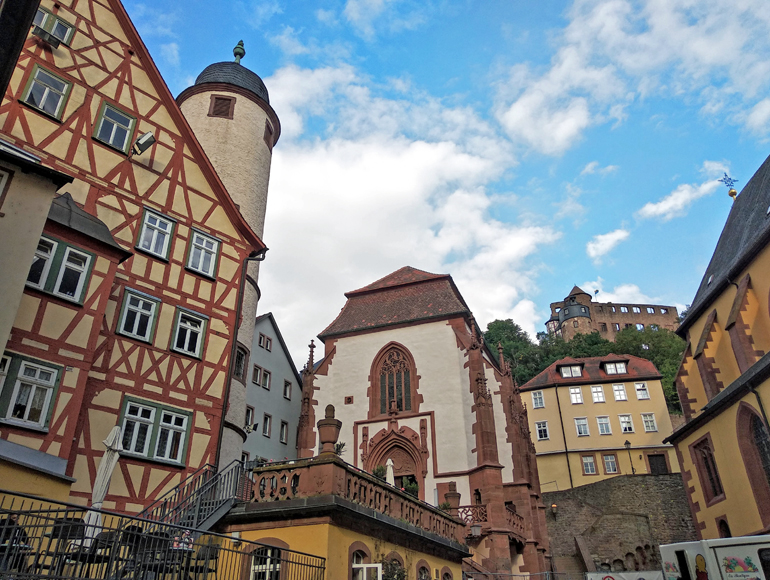
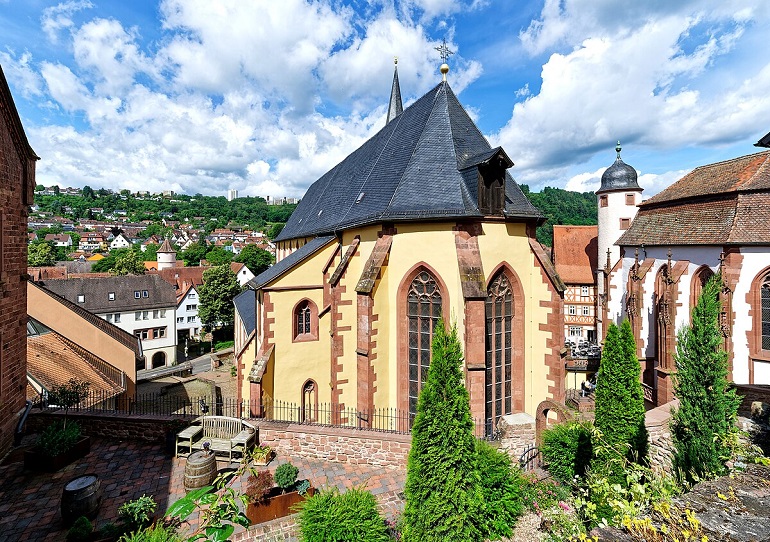
St Kilian's Chapel stands out as one of Germany's most beautiful Gothic chapels, featuring an unusual architectural design that distinguishes it from typical religious buildings. This small but intricately detailed chapel showcases exceptional Gothic craftsmanship, with ornate stonework and distinctive structural elements that reflect the artistic achievements of medieval builders. Located opposite the larger Collegiate Church, St Kilian's Chapel creates an impressive religious complex that speaks to Wertheim's historical importance as a spiritual centre. The chapel's intimate scale and elaborate decoration make it particularly appealing to visitors interested in Gothic architecture and medieval religious art.
Collegiate Church (Stiftskirche)
Collegiate Church (Stiftskirche) presents a striking example of Gothic religious architecture, easily recognisable by its distinctive yellow facade and prominent position within the old town. The church houses the historic tombs of the Counts of Wertheim, connecting visitors directly to the noble families who shaped the region's history. One of the building's most charming features is its unique church clock, which unusually displays only an hour hand, reflecting historical timekeeping traditions. The church's substantial Gothic structure and historical significance make it an essential stop for understanding Wertheim's religious and political heritage.
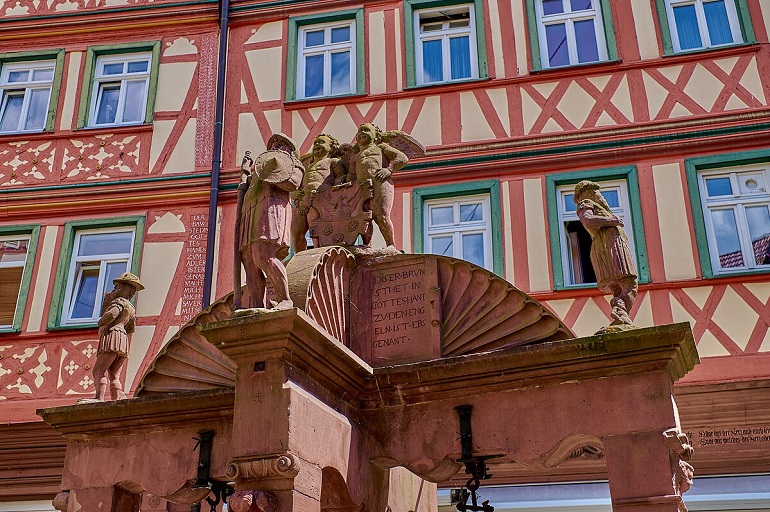
Angel Well (Engelsbrunnen)
Angel Well (Engelsbrunnen) provides a delightful example of Renaissance craftsmanship, created by a master stonemason in 1574. This ornate fountain serves as the centrepiece of a charming triangular courtyard surrounded by beautifully preserved historic buildings that create an intimate medieval atmosphere. The well's intricate stonework demonstrates the high level of artistic skill present in 16th-century Wertheim, whilst the surrounding courtyard offers visitors a peaceful spot to appreciate the town's architectural heritage. The Angel Well area perfectly encapsulates the charm of Wertheim's old town, combining functional historical elements with aesthetic beauty.
Neuplatz
Neuplatz offers visitors a perfect vantage point for appreciating Wertheim's medieval urban planning, with this small square providing excellent views back toward the Spitzer Turm and surrounding historic buildings. The square serves as a peaceful interlude during walking tours, surrounded by well-maintained examples of traditional German architecture that showcase the town's commitment to historical preservation. From Neuplatz, visitors can appreciate how medieval German towns were designed with interconnected squares and streets that created both functional and aesthetic urban environments. The square's intimate scale and authentic medieval atmosphere make it an ideal spot for photography and quiet contemplation.
Maintor
Maintor stands as another significant example of Wertheim's medieval fortification system, serving as an important gateway that controlled access to the town from the river approaches. This substantial stone portal demonstrates the strategic importance of the Main River to Wertheim's historical development and trade connections. The gate's robust construction reflects the town's prosperity during medieval times and its need for sophisticated defensive structures. Visitors can appreciate both the architectural achievement represented by the Maintor and its role in the broader context of German medieval urban development.
Kittstein Gate (Kittsteintor)
Kittstein Gate (Kittsteintor) represents one of Wertheim's most significant medieval entrance portals, serving as a substantial reminder of the town's original fortification system. This impressive stone gateway once formed part of the comprehensive town walls that protected Wertheim during the Middle Ages, demonstrating the sophisticated defensive architecture employed by medieval German towns. The gate's robust construction and architectural details provide visitors with insights into medieval building techniques and the strategic importance of controlling access to the town. Walking through the Kittsteintor offers a genuine sense of entering a historical settlement, as the gateway maintains its original function of marking the boundary between the old town and the surrounding areas.
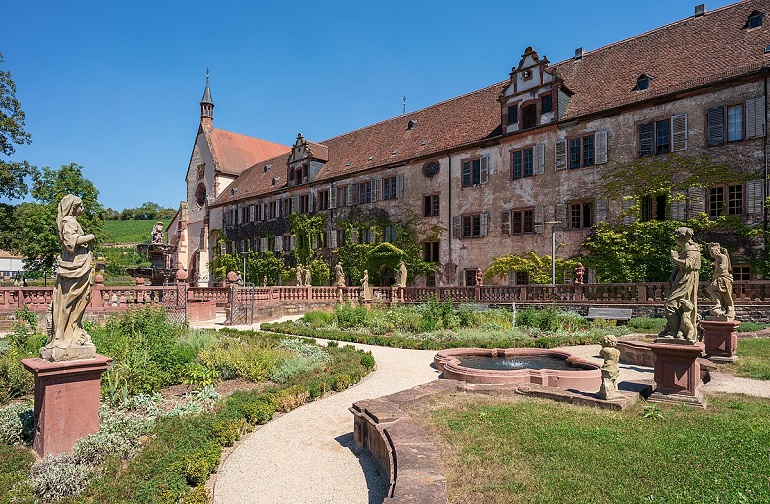
Bronnbach Monastery (Kloster Bronnbach)
Kloster Bronnbach lies just outside Wertheim proper but represents one of the region's most significant historical attractions, founded as a Cistercian monastery in 1147. This exceptionally well-preserved Romanesque complex features the famous Paradies courtyard, surrounded by intricate vaulted arcades that showcase medieval monastic architecture at its finest. The monastery's peaceful cloisters and carefully maintained gardens overlook the scenic Tauber Valley, providing visitors with both architectural splendour and natural beauty. The site includes a museum that explores monastic life and the region's religious history, making it an essential destination for understanding the spiritual and cultural forces that shaped medieval Germany.
Top Museums
Glass and Artistic Heritage
Glasmuseum Wertheim (Glass Museum)
The Glasmuseum Wertheim takes visitors on an enchanting journey through the 3,000-year history of glass. Housed in two historic municipal buildings in the heart of Wertheim's old town, this remarkable museum demonstrates how glass has evolved from a luxury material of antiquity to an indispensable component of modern science, medicine, and industry.
The museum's centrepiece is its innovative concept of the "HEART of glass," symbolised by a crystal-like faceted heart that represents the many facets of glass as a material. Through 21 distinct HEART themes, visitors explore the diverse properties and applications of glass throughout history.
What sets this museum apart is its interactive approach—30 glass play stations invite hands-on exploration, including fascinating exhibits such as the flea microscope, bottle devil, and love barometer. The museum's working glassblower provides live demonstrations from 2:00 PM, allowing visitors to witness the mesmerising transformation of molten glass and even try their hand at blowing glass spheres.
The museum's seasonal highlight is its nationally renowned Christmas exhibition, featuring the "Historical Christmas Tree Decoration Collection" spanning from 1830 to the present day. This enchanting display, complete with period-appropriate Christmas trees, transforms the museum into a winter wonderland from the first Sunday of Advent until 6 January.
Local History and Culture
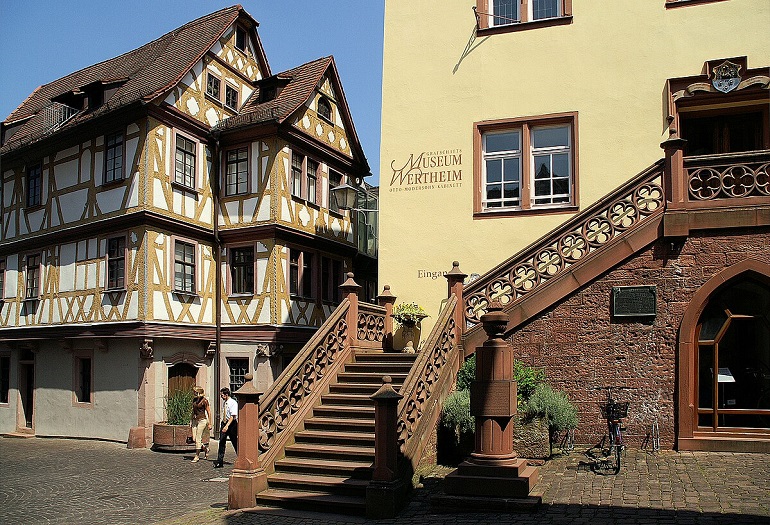
GrafschaftsMuseum (County Museum)
The GrafschaftsMuseum represents 140 years of dedicated collecting by the Historischer Verein Wertheim (Historical Society of Wertheim) and the city itself. This remarkable institution safeguards the cultural heritage of the former County of Wertheim, bridging regional history across today's Bavaria-Baden-Württemberg border.
The museum's philosophy of comprehensive collecting—"from the smallest button to the largest combine harvester"—has resulted in an extraordinary collection of approximately 22,000 objects that tell the story of life in this historic region. These artefacts range from prehistoric finds, including mammoth teeth, to industrial machinery, creating a fascinating tapestry of human civilisation in the area.
Spread across 2,200 square metres within five heritage-protected buildings dating from the 16th century, including a distinctive cobalt-blue house, the museum occupies a former four-sided courtyard that served as Wertheim's town hall until 1981. The building complex includes the unique Haus zu den Vier Gekrönten (House of the Four Crowned), named after the carved figures of the four patron saints of stonemasons—Castorius, Claudius, Nicostratus, and Symphorianus—adorning its exterior façade, a representation that is unique north of the Alps.
The museum presents two to three special exhibitions annually, complemented by lectures, events, and programmes for all ages. Permanent displays encompass diverse themes including local craftsmanship, notable Wertheim personalities with a comprehensive coin cabinet, religious history through its confessional department, and a dedicated Jewish heritage section.
The museum also houses the Modersohn-Saal, featuring rotating displays from the extensive collection of paintings by Otto Modersohn and his third wife Louise Modersohn-Breling, showcasing scenic views of Wertheim, Würzburg, and the broader Franconian region.
Industrial Heritage
Kurtz Ersa Hammermuseum (Hammer Museum)
Located in nearby Hasloch, the Kurtz Ersa Hammermuseum underwent extensive renovation and reopened in 2025 as a cutting-edge digital technology museum whilst preserving its historical foundations. This unique institution represents 235 years of industrial history, tracing the evolution from the original iron hammer of 1779 to today's global Kurtz Ersa Group.
The museum's crown jewel remains the last functioning iron hammer in the Spessart region, a water-powered marvel that continues to demonstrate traditional blacksmithing techniques. The original hammer forge, dating from 1779, features both the large Aufwerferhammer and the smaller Schwanzhammer (tail hammer), so named because its cams press on the tail of the hammer handle to lift it. These magnificent machines once produced 40,000 to 50,000 ploughshares annually.
The museum's innovative 2025 redesign seamlessly blends historical preservation with modern interactive technology. Visitors encounter large digital screens offering virtual museum tours, complemented by films documenting the iron hammer's development, company history, and the contemporary Kurtz Ersa Group. Eyewitness accounts add personal perspectives and historical insights to the technological narrative.
Interactive hands-on stations encourage active participation—visitors can experience traditional technology by playing "Hau den Lukas" (hammer strength game), soldering radio circuits, and experimenting with hydropower regulation. Detailed models demonstrate how historic hammers operated and how water power was harnessed in the Hasel Valley.
The museum's pièce de résistance is the "Iron hammer in action" demonstration, where visitors witness the dramatic spectacle of red-hot iron being worked by the enormous water-powered hammer—a mesmerising interplay of water, fire, and technology. These live forging demonstrations require advance booking and offer an unforgettable glimpse into industrial heritage.
The museum operates daily from 8:00 AM to 8:00 PM, providing free admission to all visitors. This accessibility reflects the museum's commitment to sharing industrial heritage with the broadest possible audience.
Local Cuisine
Visitors can savour Fränkische Bratwurst, a seasoned pork sausage often enjoyed with tangy sauerkraut, and the rich Maultaschen, a type of filled pasta similar to ravioli. Traditional taverns frequently serve Jägerschnitzel—a succulent breaded pork cutlet with mushroom sauce—as well as Schlachtschüssel, a selection of pork cuts such as belly and sausages, typically accompanied by sauerkraut and potatoes. The town’s bakeries are famed for authentic Pretzels (Brezeln), crafted by local artisans whose skills span generations. Wertheim’s rustic beer gardens and cosy inns ensure that every meal is rounded out with freshly baked bread and a glass of local Franconian wine or beer, encapsulating the region’s convivial spirit.
Getting There
By train: Wertheim am Main is well-connected by rail, with regular services from major cities like Frankfurt taking approximately 2 hours 44 minutes, though faster ICE trains can complete the journey in just 1 hour 39 minutes. Most routes require one change, typically at Aschaffenburg, with around 17 trains running daily on this popular route.
By coach: FlixBus operates convenient direct services to Wertheim from Frankfurt's central train station, with the journey taking approximately 1 hour 5 minutes and running twice daily. Alternative coach connections are available via Würzburg for those travelling from other German cities.
By car: Driving to Wertheim am Main is straightforward, with the town easily accessible via the A3 motorway. From Frankfurt, the 88.6-kilometre journey takes approximately 50 minutes by car, making it an excellent option for those preferring the flexibility of self-drive transport.