



| Contents |
|---|
Introduction
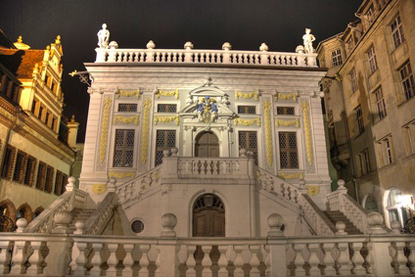
Leipzig (pop. 608,000), the largest city in Saxony, is a vibrant city with a rich history, a thriving arts scene, and a reputation for innovation and resilience. Founded at the crossroads of the Via Regia and Via Imperii trade routes, it has been a centre of commerce since the Middle Ages. Its landmarks include St. Nicholas Church, central to the peaceful demonstrations that led to German reunification, and the Old Town Hall, a masterpiece of Renaissance architecture. Modern Leipzig combines historical charm with vibrant neighbourhoods like Plagwitz and Südvorstadt, known for their art scenes and trendy atmospheres.
Leipzig is synonymous with Bach, who served as the Kapellmeister (music director) from 1723 until his death in 1750. His legacy is celebrated at the Bach Museum and the annual Bach Festival. Another legendary composer, Mendelssohn, lived and worked in Leipzig. His former home is now the Mendelssohn House Museum. The Leipzig Gewandhaus Orchestra is one of the oldest symphony orchestras in the world, dating back to 1743. The world-famous St. Thomas Boys Choir has been performing in Leipzig since 1212, often singing Bach’s compositions.
In addition to being called the City of Music, Leipzig is also nicknamed the City of Books due to its long-standing tradition of publishing and book fairs. The Leipzig Book Fair, held annually, is one of the largest in Europe. Leipzig is affectionately called "Klein Paris" (Little Paris) due to its vibrant cultural scene, a term popularized by Goethe during his time as a student. The city is also known for its coffee culture. Leipzig boasts one of Europe's oldest coffeehouses, Zum Arabischen Coffe Baum (The Arabian Coffee Tree), dating back to 1711. It has hosted famous figures like Bach, Goethe, and Schumann.
Leipzig is also one of Germany’s greenest cities, with over 40 parks and numerous canals. The Leipzig Zoo is one of the oldest and most innovative in the world, known for its modern enclosures and conservation work.
Interesting Facts about Leipzig
- Leipzig is Germany's fastest-growing city and has been dubbed "Hypezig" due to its affordable living costs and vibrant cultural scene.
- The city boasts more bridges than Venice, with 427 compared to Venice's 400.
- Leipzig's Old Town Hall, one of Germany's most beautiful Renaissance town halls, was built in just nine months between 1556 and 1557.
- The Leipzig Hauptbahnhof is Europe's largest railway station by floor area and also serves as a shopping destination.
- Leipzig Zoo, one of the oldest and most modern zoos in Europe, features the world's largest indoor rainforest hall called Gondwanaland.
- The city played a significant role in the fall of communism, with peaceful demonstrations starting from St. Nicholas Church in 1989.
- Leipzig is home to one of Europe's oldest universities, founded in 1409.
- The city hosts the annual Wave-Gotik-Treffen, the world's largest gothic festival.
- Leipzig's Auenwald is Europe's largest inner-city riparian forest.
- The Monument to the Battle of Nations in Leipzig is one of the largest monuments in Europe.
- Leipzig is the birthplace of several famous composers, including Johann Sebastian Bach and Richard Wagner.
- The city's Zum Arabischen Coffee Baum is the oldest surviving coffee house in Europe.
History
Leipzig was first documented in 1015 as a small trading settlement. Situated at the crossroads of two ancient trade routes, Via Regia and Via Imperii, Leipzig was granted city and market privileges in 1165. This strategic location laid the foundation for its transformation into a significant commercial centre, which continues to shape the city's character to this day. The Leipzig Trade Fair, established in the 12th century, further solidified the city's importance in European commerce.
The city's cultural and intellectual prominence grew alongside its economic influence. In 1409, the University of Leipzig was founded, making it the second-oldest university in Germany. Leipzig became a hub for learning and the arts, earning the nickname 'Klein Paris' in the 18th century. The city's rich musical heritage is exemplified by the St. Thomas Choir, founded in 1212, and the renowned Leipzig Gewandhaus Orchestra, established in 1743. Perhaps most famously, Johann Sebastian Bach served as the Thomaskantor at St. Thomas Church, leaving an indelible mark on the city's musical legacy.
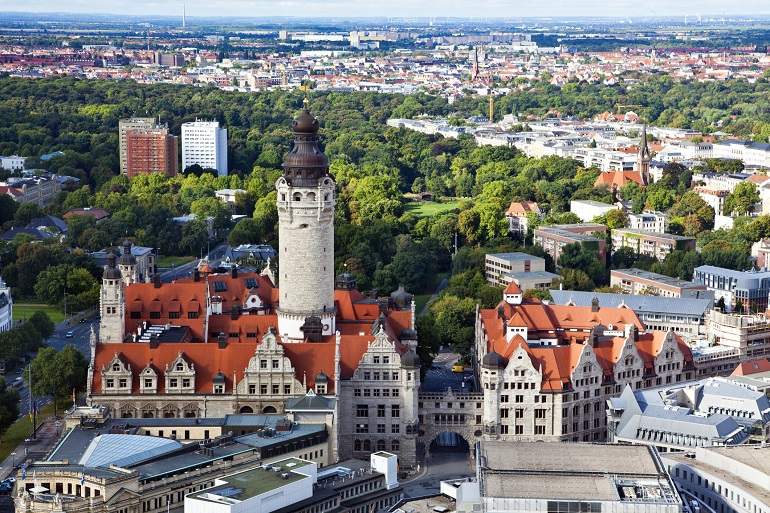
Throughout its history, Leipzig has played a pivotal role in significant historical events. The city witnessed the famous religious debate between Martin Luther and Johann Eck in 1519, and later accepted the Reformation in 1539. Leipzig was also the site of major battles, including the Battle of Nations in 1813. In more recent history, the city gained prominence as the starting point of peaceful demonstrations against the East German regime, which ultimately contributed to the fall of the Berlin Wall in 1989 and German reunification. Today, Leipzig stands as a testament to its rich past, with its well-preserved Renaissance and Baroque architecture, including the impressive Old Town Hall, serving as a visual reminder of its historical significance.
Main Attractions
Historical Landmarks
Old Town Hall (Altes Rathaus)
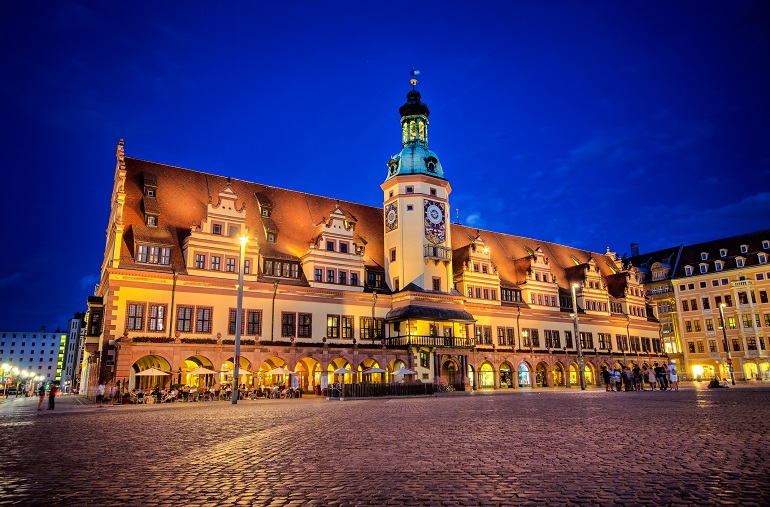
The Old Town Hall (Altes Rathaus) stands as one of Leipzig's most prominent historical landmarks and is considered amongst Germany's most beautiful Renaissance buildings. Constructed in 1556-1557 under the direction of master builder Hieronymus Lotter, this architectural jewel dominates the east side of the Market Square in Leipzig's Mitte district. The impressive two-storey structure stretches over 300 feet in length, featuring a steep roof with connecting wall dormers, staggered gables, and an octagonal stair tower. Its striking façade showcases warm Rochlitz porphyry stone, ornate details, and a stone arcade. Since 1909, the building has served as the Museum of City History (Stadtgeschichtliches Museum), where visitors can explore exhibitions chronicling Leipzig's rich history from medieval times through the Reformation to the peaceful revolution of 1989. The Old Town Hall also boasts a magnificent 53-metre-long ballroom that has hosted royal festivals, weddings, and continues to be used for cultural events and concerts today.
New Town Hall (Neues Rathaus)
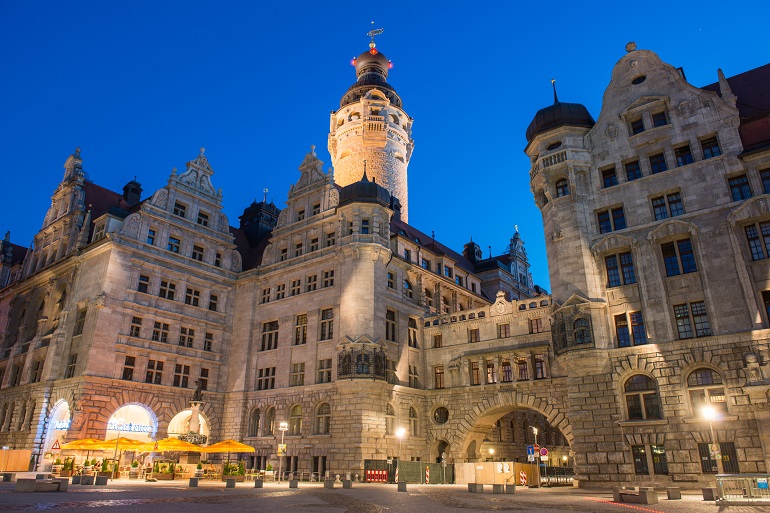
The New Town Hall (Neues Rathaus) in Leipzig is an impressive architectural marvel dominating the city's skyline. Completed in 1905 after the Old Town Hall became too small for the rapidly growing city, this historicist-style building stands on the site of the former Pleissenburg Castle. Its most striking feature is the 114.7-metre tower, the tallest town hall tower in Germany, offering panoramic views of Leipzig to visitors who climb its 250 steps. Designed by city architect Hugo Licht under the motto "Arx nova surgit" (A new fortress arises), the building is constructed from light-grey Franconian limestone and features ornate façades adorned with statues representing Crafts, Justice, Book Art, Science, and Music. The interior is equally magnificent, with artistic designs including elements of Art Nouveau, a richly decorated council chamber, and elegant foyers. Today, the New Town Hall serves as Leipzig's municipal government headquarters and is connected to the Town House annexe by a two-storey bridge.
Monument to the Battle of the Nations
The Monument to the Battle of the Nations, or Völkerschlachtdenkmal, is a striking landmark in Leipzig, Germany, commemorating the pivotal Battle of Leipzig in 1813. This monumental structure, completed in 1913, stands at an impressive 91 metres tall and offers panoramic views of the city from its viewing platform, accessible via over 500 steps. The monument honours the decisive victory of the coalition forces of Russia, Prussia, Austria, and Sweden over Napoleon's army, marking a crucial turning point in European history. Constructed from granite and concrete, it features a crypt with statues of fallen warriors and a Hall of Fame celebrating German virtues. Visitors can explore the monument's interior and the adjacent FORUM 1813 museum, which provides insights into the battle through historical artefacts. The monument is a must-visit for history enthusiasts and those seeking stunning city vistas.
St. Thomas Church
St. Thomas Church (Thomaskirche) in Leipzig is a magnificent late-Gothic hall church with over 800 years of rich history. Originally built in the 12th century and transformed to its current Gothic style between 1482 and 1496, this architectural treasure stands 76 metres long with a 68-metre tower that visitors can tour from April through November. The church is most famously associated with Johann Sebastian Bach, who served as its Thomaskantor from 1723 until his death in 1750, composing the majority of his works here and finding his final resting place within its walls. Home to the internationally renowned St. Thomas Boys' Choir (Thomanerchor) since 1212, the church continues to honour its musical legacy with regular motets on Fridays and Saturdays. Notable historical figures connected to the church include Martin Luther, who preached here in 1539, and Felix Mendelssohn, whose statue stands opposite the church. Following extensive restoration after German reunification, St. Thomas Church remains a vibrant centre of classical music and a must-visit landmark in Leipzig's city centre.
St. Nicholas Church
St. Nicholas Church (Nikolaikirche) in Leipzig is one of the city's most significant historical landmarks, renowned for its elegant neoclassical interior featuring palm-like columns and pastel colour scheme. Dating back to the 12th century, this impressive church underwent several architectural transformations, with its current appearance largely shaped by renovations in the late 18th century. Beyond its architectural splendour, the church holds profound cultural importance as the peaceful starting point of the Monday Demonstrations in 1989, which ultimately contributed to the fall of the Berlin Wall and German reunification. Music enthusiasts will appreciate that Johann Sebastian Bach premiered many of his works here during his tenure as the musical director. Today, visitors can enjoy regular concerts, peaceful reflection in its light-filled nave, or simply marvel at this beautiful monument that stands as both a spiritual sanctuary and a powerful symbol of peaceful revolution.
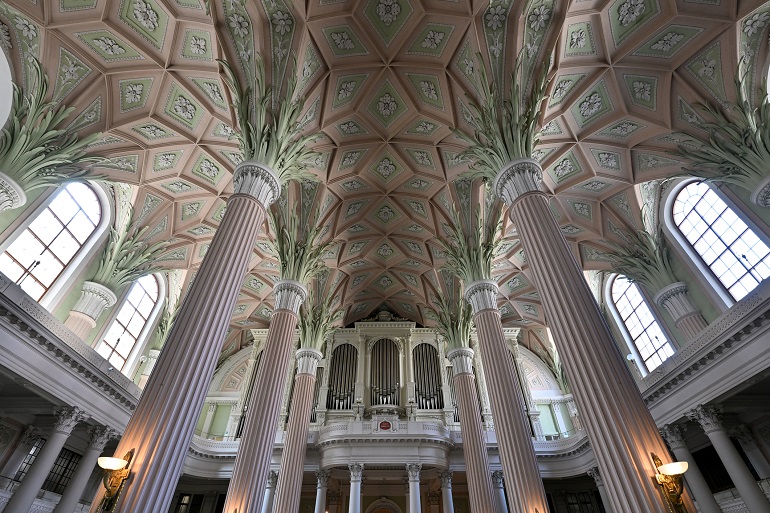
Architectural Highlights
Leipzig Hauptbahnhof
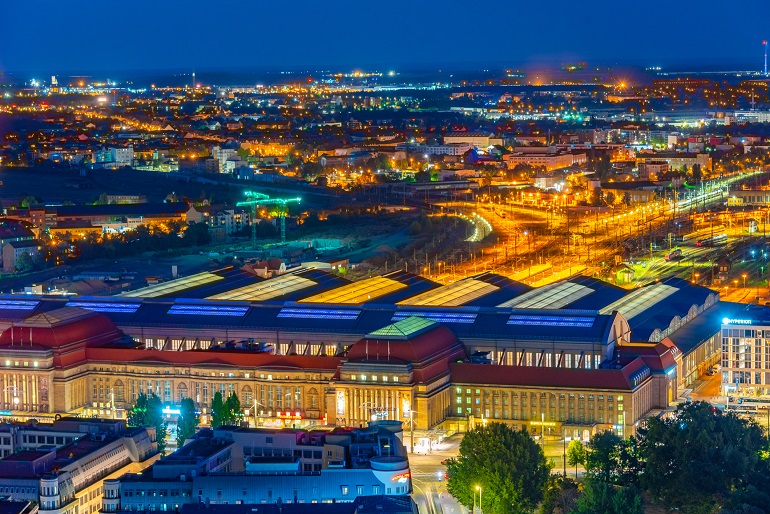
Leipzig Hauptbahnhof stands as Europe's largest railway station measured by floor area, spanning an impressive 83,460 square metres. This magnificent terminus, opened in 1915, features 19 overground platforms housed in six iron train sheds, complemented by two underground platforms added in 2013 with the Leipzig City Tunnel. The station boasts a striking façade stretching 298 metres along the Inner City Ring Road and serves approximately 120,000 passengers daily. Beyond its transport function, Leipzig Hauptbahnhof doubles as a substantial shopping centre known as Promenaden Hauptbahnhof, housing over 140 shops and restaurants across three levels, with many establishments open seven days a week. Following extensive renovations completed in 1997, which included the creation of a shopping mall in the basement levels, the station perfectly blends historical grandeur with modern amenities, making it not merely a transport hub but a destination in itself, conveniently located just a 10-minute walk from Leipzig's city centre.
Bundesverwaltungsgericht
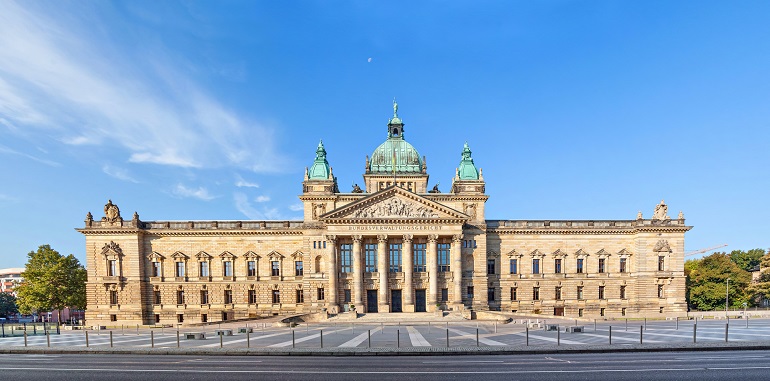
The Bundesverwaltungsgericht (Federal Administrative Court) in Leipzig is Germany's highest court for administrative law cases, housed in a magnificent historical building that once served as the Reich Court of Justice. Constructed between 1888 and 1895 in late historism style with elements of Italian Renaissance and French Baroque architecture, the imposing structure is characterised by a central dome crowned with the figure of Truth. After suffering damage during World War II and serving as the Georgi-Dimitroff-Museum during the GDR era, the building underwent extensive renovation before the court relocated from Berlin to Leipzig in 2002. Visitors can explore the entry hall, main passageway, historic courtrooms and the Reich Court Museum free of charge on weekdays between 8:00 am and 4:00 pm, whilst guided tours offering deeper insights into the court's functions and the building's rich history are available for a fee with advance registration.
Augusteum and Paulinum
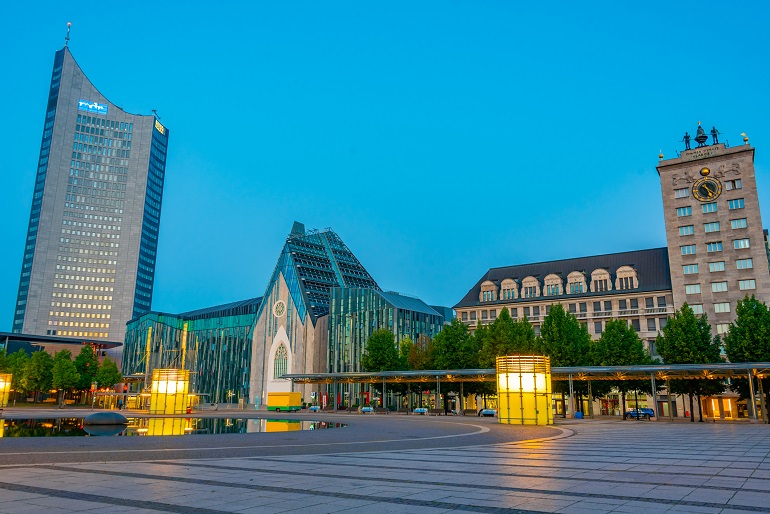
The Augusteum and Paulinum in Leipzig are integral components of the University of Leipzig's modern campus, situated on Augustusplatz. The Augusteum, completed in 2012, is part of a broader redevelopment that includes the Paulinum, which was opened in 2017. The Paulinum, designed by Erick van Egeraat, serves as both an auditorium and university church, blending contemporary architecture with historical references. It commemorates the original Paulinerkirche, which was destroyed in 1968. The building features a striking glass façade and incorporates elements from the past, such as epitaphs salvaged from the old church. The complex offers a unique blend of modern functionality and historical significance, making it a compelling destination for those interested in architecture, history, and culture.
City-Hochhaus
Leipzig's tallest habitable building, offering a 120-metre-high viewing platform with panoramic city views. The building is a prominent landmark and a great spot for photography. Completed in 1972, it was originally intended as a university building but now serves as a mixed-use complex with offices and shops.
Leipzig Trade Fair Centre
Home to the world's largest levitated glass hall. The complex hosts numerous international trade fairs and exhibitions, showcasing the city's importance in global commerce. The innovative architecture of the glass hall is a marvel of modern engineering, providing a unique setting for events.
Other Notable Attractions
Leipzig Zoological Garden
One of Europe's most modern zoos, housing about 850 different animal species and the world's largest zoological facilities for primates. The zoo is known for its innovative enclosures and conservation efforts. Visitors can explore various themed areas, such as the Pongoland for primates and the Gondwanaland tropical rainforest, providing an immersive experience.
Auerbach's Cellar
A famous restaurant in the Mädlerpassage, featured in Goethe's play 'Faust'. The cellar offers a unique dining experience with its historic setting and traditional German cuisine. It's a great place to enjoy local dishes like Leipziger Allerlei and sample some of the region's famous beers.
Leipzig Synagogue Memorial
140 bronze chairs stand where the pews of the synagogue, destroyed by the Nazis in 1938, once were. The memorial serves as a poignant reminder of the city's Jewish heritage and the impact of historical events. It is a powerful tribute to the victims of the Holocaust and a symbol of remembrance.
Gewandhaus
Home to Europe's largest ceiling mural, "The Song of the Earth", visible through the glass front. The Gewandhaus is renowned for its stunning architecture and cultural significance as a concert hall. It hosts a variety of musical performances, from classical concerts to contemporary events, making it a hub of cultural activity.
Leipzig Opera
An impressive building opposite the Gewandhaus. The opera house hosts a variety of performances, including ballets and operas, showcasing the city's vibrant cultural scene. Its grand architecture and excellent acoustics make it a premier venue for performing arts.
Riquet Coffeehouse
A historic coffeehouse notable for its mix of Art Nouveau and Chinese architecture, adorned with two elephant heads. The coffeehouse is a unique spot for coffee lovers and those interested in architectural curiosities. It offers a cozy atmosphere and a chance to experience Leipzig's rich café culture.
Cultural Events and Trails
Visitors can explore many of these attractions by following the Leipzig Music Trail, a route connecting the city's musical heritage sites. The trail highlights the city's significant role in music history, particularly its connection to famous composers like Bach and Mendelssohn. It includes stops at significant locations such as the St. Thomas Church and the Bach Museum, providing insights into the lives and works of these musical legends.
Leipzig also hosts numerous cultural events throughout the year, including the Leipzig Book Fair, one of the largest book fairs in Europe, and the Bach Festival, celebrating the life and works of Johann Sebastian Bach. These events contribute to the city's vibrant cultural atmosphere and attract visitors from around the world. The city's cultural calendar is filled with festivals, concerts, and exhibitions, ensuring there's always something new to discover.
Top Museums
Art Museums
Museum of Fine Arts (Museum der bildenden Künste)
Housed in a striking glass cube in the city centre, this museum is a cornerstone of Leipzig's art scene. Its vast collection spans from the Late Middle Ages to contemporary art, with particular strengths in Dutch Golden Age paintings, German art from the 15th to the 20th centuries, and an impressive array of works by Max Klinger. The museum's architecture is itself a work of art, with natural light flooding the spacious galleries through its glass façade.
Gallery for Contemporary Art (Galerie für Zeitgenössische Kunst)
This dynamic institution is dedicated to showcasing cutting-edge contemporary art. The gallery occupies three buildings, each with its own character: a villa from 1892, a new exhibition hall, and an open-air space. It regularly hosts temporary exhibitions featuring both established and emerging artists, as well as offering a platform for experimental art forms and interdisciplinary projects.
GRASSI Museum of Applied Arts
Part of the GRASSI Museum complex, this institution houses an extensive collection of decorative arts and design. The museum's permanent exhibition, "From Antiquity to the Present", takes visitors on a journey through 2,500 years of artistic craftsmanship, featuring everything from ancient Roman glassware to Art Nouveau furniture and contemporary product design.
Historical Museums
Museum of City History (Stadtgeschichtliches Museum)
Occupying the Renaissance-era Old Town Hall, this museum offers a comprehensive look at Leipzig's rich history. The permanent exhibition "Leipzig Original" covers the city's development from its founding to the early 19th century, while "Leipzig in Modern Times" explores the industrial revolution, the Nazi era, the GDR period, and beyond. The museum also houses a fascinating collection of historical musical instruments.
Zeitgeschichtliches Forum
This modern museum focuses on German history from 1945 to the present day, with a particular emphasis on the period of German division and reunification. Interactive exhibits and multimedia presentations bring to life the experiences of everyday people living under the socialist regime of the GDR, the peaceful revolution of 1989, and the challenges of reunification.
Museum in der Runden Ecke
Housed in the former Leipzig headquarters of the Stasi (East German secret police), this museum offers a chilling glimpse into the surveillance state of the GDR. The exhibition includes original Stasi equipment, such as bugging devices and disguises, as well as documents detailing the extent of the organisation's reach into citizens' private lives.
FORUM 1813
This museum commemorates the Battle of Nations, a crucial conflict in the Napoleonic Wars that took place near Leipzig in 1813. The exhibition uses dioramas, uniforms, weapons, and interactive displays to bring this pivotal moment in European history to life.
Music-related Museums
Bach Museum
Situated next to St. Thomas Church, where Johann Sebastian Bach worked as cantor for 27 years, this museum is a must-visit for music lovers. Interactive exhibits allow visitors to explore Bach's life, family, and musical legacy. The museum's prize possession is a cabinet once owned by Bach himself, which now serves as a centrepiece for displaying original Bach manuscripts.
GRASSI Museum for Musical Instruments
Housing one of the largest collections of musical instruments in Europe, this museum takes visitors on a journey through 5,000 years of musical history. From ancient Egyptian sistrums to modern synthesizers, the collection showcases the evolution of musical technology and the diversity of musical cultures around the world. The museum also features a unique "sound laboratory" where visitors can try out replicas of historical instruments.
Schumann House
This museum is dedicated to the lives and works of the composer Robert Schumann and his wife Clara, a renowned pianist and composer in her own right. The couple lived in this house during the first four years of their marriage, and it now houses exhibits on their lives, their music, and the Romantic period in which they lived.
Science and Nature Museums
Natural History Museum (Naturkundemuseum Leipzig)
This museum offers a fascinating look at the natural world, with exhibits covering geology, zoology, and botany. Highlights include a life-sized model of a diplodocus dinosaur, a collection of minerals and meteorites, and dioramas showcasing the biodiversity of various ecosystems.
German Museum of Books and Writing
Located within the German National Library, this unique museum traces the history of writing, books, and media from ancient cuneiform tablets to modern e-readers. The collection includes rare manuscripts, early printed books, and historical printing presses, offering insights into the evolution of human communication and knowledge preservation.
Leipzig Zoo's Gondwanaland
While primarily a zoo attraction, Gondwanaland offers a museum-like experience with its focus on biodiversity and conservation. This massive indoor tropical habitat houses thousands of plants and animals from Asia, Africa, and South America, allowing visitors to explore different ecosystems and learn about the importance of rainforest preservation.
Unique Museums
Museum of Printing Arts (Museum für Druckkunst)
This hands-on museum celebrates Leipzig's long history as a centre of printing and publishing. Visitors can see working demonstrations of various printing techniques, from traditional letterpress to modern offset printing. The museum's collection includes historic printing presses, typesetting machines, and beautifully crafted typefaces.
Egyptian Museum (Ägyptisches Museum)
Part of Leipzig University, this museum houses an impressive collection of ancient Egyptian artefacts, including mummies, sarcophagi, and everyday objects from pharaonic times. The museum's star attraction is a 2,600-year-old mummy mask made of cartonnage, known for its exquisite craftsmanship and well-preserved state.
Torhaus Dölitz
This unique museum, housed in a 16th-century gatehouse, is home to one of the world's largest collections of tin figures. The collection includes over 100,000 miniature figures, arranged in elaborate dioramas depicting historical battles, everyday scenes from various periods, and fantastical landscapes.
Museum of Saxon Folk Art
Located in the GRASSI Museum complex, this institution showcases the rich traditions of Saxon craftsmanship and folk art. Exhibits include traditional costumes, furniture, ceramics, and textiles, offering insights into the cultural heritage of the region.
Schulmuseum
This charming museum offers a glimpse into the history of education in Germany. Set in a restored 19th-century schoolhouse, it features recreated classrooms from different periods, as well as exhibits on teaching methods, school supplies, and the changing role of education in society.
Sportmuseum
Celebrating Leipzig's rich sporting heritage, this museum covers the history of various sports and physical activities. It includes exhibits on famous Leipzig athletes, the development of sports equipment, and the role of sports in German society throughout different historical periods.
Leipzig's diverse array of museums reflects the city's rich cultural heritage and its ongoing commitment to arts, sciences, and education. From world-class art collections to unique speciality museums, the city offers visitors a wealth of opportunities to explore history, culture, and human achievement. Whether you're interested in art, music, history, science, or niche topics like printing or tin figures, Leipzig's museums provide engaging and informative experiences for visitors of all ages and interests.
Local Cuisine
Leipzig's culinary scene offers a delightful blend of traditional Saxon fare and modern German cuisine. Visitors must try the city's signature dish, Leipziger Allerlei, a hearty vegetable medley often served with crayfish or shrimp in a creamy sauce. For a sweet treat, indulge in Leipziger Lerche, a shortbread pastry tartlet filled with almond paste, strawberry jam, and nuts. Beer enthusiasts should sample the local Gose, a unique top-fermented beer with a slightly sour taste. Other regional specialities include Klöße (potato dumplings), Sauerbraten (pot roast), and Halloren Kugeln, chocolate confections from nearby Halle. For a quick snack, try Bratwurst or Currywurst from one of the city's many street food stalls. Leipzig's outdoor dining culture is particularly vibrant, with numerous cafés and restaurants offering al fresco seating, perfect for savouring the local flavours whilst soaking up the city's atmosphere.
Shopping
Leipzig’s shopping scene is concentrated in its city centre, where visitors can explore a mix of modern malls, historic arcades, and bustling streets. Promenaden Hauptbahnhof, located in the central train station, features over 140 shops and eateries across three levels. Petersstraße, a pedestrian-friendly street, offers a variety of international brands and local stores, while Madler-Passage is known for its luxury boutiques and elegant architecture. Höfe am Brühl, a contemporary shopping mall, combines historic and modern elements with over 130 shops. For unique finds, Karl-Heine-Strasse in the Plagwitz district showcases independent artisans and designers. Additionally, Marktplatz hosts markets and souvenir shops in a historic setting, making it ideal for combining shopping with sightseeing.
Nature in and around Leipzig
Leipzig and its surrounding region offer a variety of natural attractions for visitors to explore. The city is home to the Leipzig Auwald, one of the largest preserved floodplain forests in Central Europe, which provides a habitat for diverse flora and fauna. Just south of Leipzig, the Cospudener See (Lake Cospuden) is a popular recreational area with sandy beaches and water sports facilities. The Neuseenland (New Lakeland) project is transforming former open-cast mines into a network of lakes for tourism and flood protection. Nature enthusiasts can visit the Leipzig Botanical Garden, the oldest botanical garden in Germany, showcasing a wide variety of plant species. For those seeking a more extensive natural experience, the Dübener Heide Nature Park, located about 30 kilometres north of Leipzig, offers hiking trails, cycling routes, and opportunities to observe wildlife in their natural habitats.
Clara-Zetkin-Park
A vast park near the city centre, offering various activities including canoeing, cycling, and open-air events. The park is a popular spot for both locals and tourists, providing a peaceful escape from urban life. It features several lakes, walking paths, and picnic areas, making it ideal for relaxation and recreation.
Palmengarten
A serene part of Clara-Zetkin-Park, ideal for quiet relaxation. The garden features a variety of plants and flowers, creating a tranquil atmosphere. Visitors can stroll through the gardens or sit by the water, enjoying the peaceful surroundings.
Rosental Park
Features beautifully arranged flowerbeds and an observation tower with panoramic views. The park is particularly popular during spring and summer when the flowers are in bloom. The tower offers a great vantage point to see the city's layout and enjoy the scenic beauty of the park.
Johannapark
A well-kept area close to the city centre, perfect for short breaks, featuring a small pond and bridge. The park offers a peaceful setting for picnics or simply enjoying nature. Its proximity to the city centre makes it a convenient spot for a quick escape from urban bustle.
Getting There & Around
Getting to and around Leipzig is a breeze, thanks to its excellent transport links and comprehensive public transit system. The city is well-connected by rail, with Leipzig Hauptbahnhof serving as a major hub for high-speed trains from various German cities. For those arriving by air, Leipzig/Halle Airport is just 20 minutes from the city centre by train. Once in Leipzig, the extensive tram network, comprising 13 lines, is the primary means of public transport, complemented by 61 bus routes. Visitors can purchase a Deutschlandsemesterticket, which provides access to all local public transport, including trams, buses, and S-Bahn trains. Cycling is also a popular option, with many bike lanes throughout the city. For those preferring to explore on foot, Leipzig's compact city centre is largely pedestrianised, making it easy to navigate. Taxis are available for added convenience, especially during late hours when public transport is less frequent.
Best Time to Visit
The best time to visit Leipzig is from mid-May to late September, when the weather is pleasantly mild and ideal for exploring the city. During this period, you can enjoy outdoor activities, stroll through lush parks, and relax at open-air cafés. Spring brings vibrant blooms and hosts the renowned Wave-Gotik-Treffen festival, whilst early autumn offers a quieter atmosphere with stunning foliage. Summer months, particularly June to August, boast the warmest temperatures and longest days, perfect for outdoor events and sightseeing. However, Leipzig's charm persists year-round, with the festive Christmas markets in late November and December offering a magical winter experience. Regardless of when you visit, this culturally rich city promises a delightful blend of historical sites and modern attractions to suit various interests.