



| Contents |
|---|

Introduction
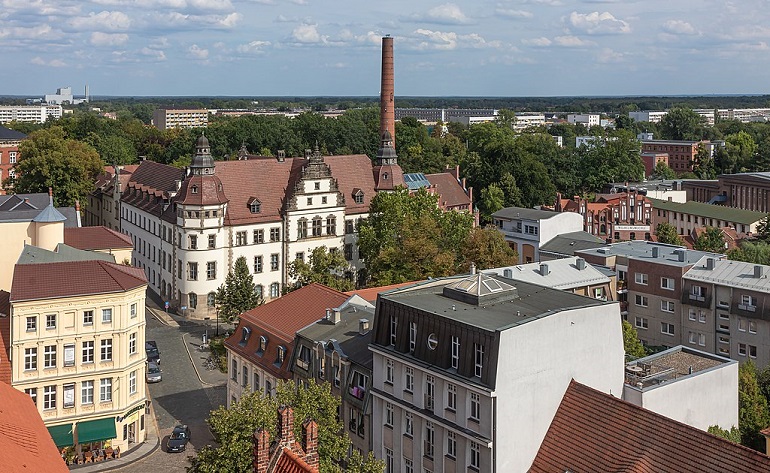
Cottbus (pop. 95,000) is a university town and the cultural and political centre of the Sorbs/Wends in Lower Lusatia, a Slavic minority of East Germany. As a result, the city is officially bilingual, with signage and public life conducted in both German and Lower Sorbian. It is located on the river Spree and is notable for its parks, particularly the expansive Branitz Park, a masterpiece of landscape design created by Prince Hermann von Pückler-Muskau. The city also features a historic old town (Altstadt) with medieval gates and towers, alongside the distinctive Art Nouveau State Theatre (Staatstheater Cottbus). Historically a centre for textile production and lignite mining, Cottbus has since transitioned into a hub for science, technology, and administration.
Interesting Facts about Cottbus
- Cottbus, known in Lower Sorbian as Chóśebuz, is the most populous city in Lusatia with around 100,000 residents, reflecting its bilingual Sorbian–German heritage.
- The city grew from a 10th-century Sorbian castle on a sandy island in the River Spree and was first recorded by name in 1156.
- In the Middle Ages, Cottbus prospered on the “Salt Road” trade route and became famed for its woollen drapery exported across Brandenburg, Bohemia and Saxony.
- Cottbus changed rulers many times—among them Poland, Bohemia, Saxony, Prussia and the German Empire—leaving a layered political and cultural history.
- The old town still shows its medieval defences, including a 1,200-metre city wall and the 31-metre Spremberger (Spremberg) Tower from the 13th century.
- The city hosts Brandenburg University of Technology (BTU) Cottbus–Senftenberg, anchoring its reputation as a university and research centre.
- Branitz Park, designed by the eccentric landscape artist Prince Hermann von Pückler-Muskau from 1846, is considered a masterpiece of 19th-century garden art with international standing.
- Unique earth pyramids—including a lake pyramid that serves as Pückler’s tomb—make Branitz Park one of Germany’s most unusual romantic garden landscapes.
- Branitz Palace, rebuilt and refined in the 19th century, now operates as a museum showcasing Pückler’s world travels and Cottbus painter Carl Blechen’s works.
- Cottbus developed into a railway junction and industrial centre, historically producing textiles, foodstuffs and electrotechnical equipment, and lies in a major brown-coal (lignite) region.
- During World War I, Cottbus housed prisoner-of-war camps holding soldiers of multiple nationalities, with difficult conditions documented from the period.
- The city remains a cultural hub of Lower Lusatia, with visible Sorbian influences in place names, local media history and institutions dating back to the 16th and 19th centuries.
History
Medieval Origins and Early Settlements
Cottbus has its roots firmly planted in the medieval period, when Slavic Sorbs established the settlement in the 10th century by constructing a castle on a sandy island in the River Spree. This fortress, known as a gord, became the largest Slavic castle in Lower Lusatia and served as the nucleus of what would become modern Cottbus. The settlement first appeared in historical records in 1156, marking its official recognition as a significant location. Throughout the medieval period, the town changed hands numerous times - it was captured by the March of Lusatia in 965, passed to Poland under Bolesław I the Brave in 1002, returned to the March of Lusatia in 1032, and eventually became part of the Bohemian Crown Land in 1367. During the 13th century, German settlers arrived and established a harmonious coexistence with the indigenous Sorbs, creating the multicultural foundation that would characterise the city for centuries.
Trade Centre and Territorial Changes
Medieval Cottbus flourished as a crucial commercial hub, renowned throughout the region for its wool production and drapery, which were exported across Brandenburg, Bohemia, and Saxony. The city's strategic position along the important "Salt Road" trade route enhanced its prosperity, as merchants transported salt from Halle to Lusatia and further east to Poland. In 1445, Cottbus was acquired by the Margraviate of Brandenburg from Bohemia, becoming an unusual exclave almost entirely surrounded by Bohemian Lower Lusatia. The city underwent several significant territorial transitions: it became part of Brandenburg-Prussia in 1618, the Kingdom of Prussia in 1701, was temporarily ceded to the Kingdom of Saxony in 1807 following the Treaty of Tilsit, and was returned to Prussia by the Congress of Vienna in 1815 after the Napoleonic Wars. In 1514, Jan Rak established the Universitas Serborum, a Sorbian gymnasium, highlighting the city's commitment to preserving Sorb culture and education.
Modern Era and Cultural Heritage
The 19th and 20th centuries brought dramatic changes to Cottbus as it became part of the German Empire in 1871, with the 1905 Prussian census recording a population of 46,270 inhabitants comprising 97% Germans, 2% Sorbs, and 1% Poles. The city maintained its cultural significance as the centre of Sorbian heritage, evidenced by the publication of the Bramborski Serbski Casnik Sorbian newspaper and the establishment of the first Lower Lusatian department of the Maćica Serbska organisation in 1880. During the 20th century, Cottbus experienced the tumultuous periods of two world wars, Nazi rule, and division as part of East Germany (GDR) from 1949 to 1990. The Jewish community, first recorded in 1448, faced persecution and near-extinction during the Nazi period, though it had grown to around 450 members by 1933. Following German reunification in 1990, Cottbus became part of the Federal Republic of Germany and today serves as a university town and the cultural capital of the Sorbs, preserving its unique Slavic heritage whilst embracing its role as a modern German city.
Main Attractions
Old Market Square (Altmarkt)
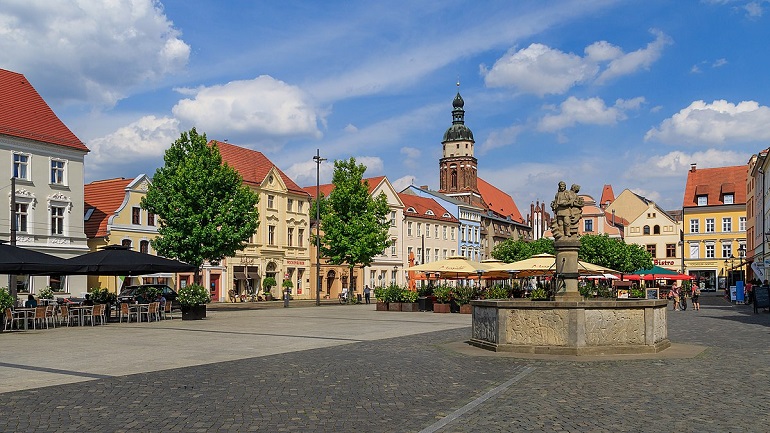
The Old Market Square (Altmarkt) is the heart of historical Cottbus—a lively, cobbled plaza framed by vibrant Saxon-style baroque townhouses and neoclassical façades from the 18th and 19th centuries. Originally laid out in the 13th century as the main trading hub, its timber-framed houses were replaced after a great fire in 1671, resulting in the picturesque bourgeois ambience visible today. The square is dominated by an ornate market fountain, added in 1991, the octagonal basin crowned by sculptures depicting Cottbus’s historical trades. In daily life, Altmarkt is bustling with outdoor cafés, restaurants, and a wide range of shops, creating a delightful atmosphere for people-watching and partaking in the city’s social rhythms. Notable is the Town Hall, a Renaissance gem, and the proximity to charming side streets with boutiques and galleries. Regular markets, seasonal celebrations, and art exhibitions infuse the square with cultural vibrancy, making it a magnetic centre for both locals and visitors eager to experience the city’s storied past and living traditions.
Staatstheater Cottbus
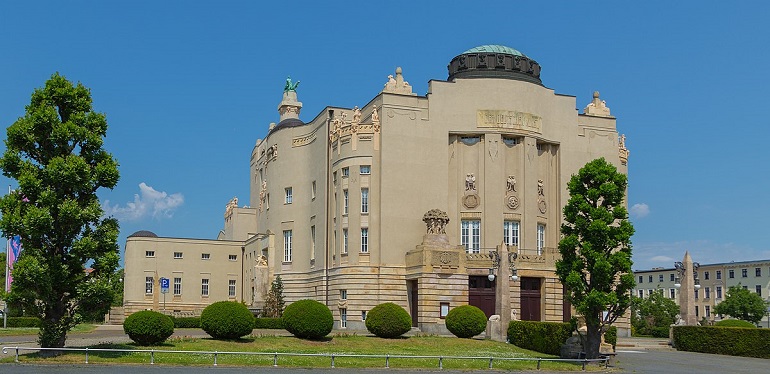
The Staatstheater Cottbus stands as the only state theatre in Brandenburg and is a striking landmark in the city. Completed in 1908, it was designed by Bernhard Sehring in the distinctive Jugendstil (Art Nouveau) style, resulting from a competition and the desire of the town’s citizens to establish a major cultural venue at the height of Cottbus’s textile industry boom. The theatre’s architecture harmoniously blends crafts, painting, and sculpture, featuring elegant neoclassical and jugendstil elements both inside and out. Since its opening—marked by a performance of Lessing’s “Minna von Barnhelm”—the theatre has become renowned for its high-quality repertoire, including opera, drama, ballet, musicals and orchestral concerts. Throughout its history, the Staatstheater has been home to celebrated ensembles and an orchestra, hosting over a hundred thousand spectators annually and serving as a vibrant centre for performing arts, community engagement, and architectural admiration.
University Library
The university library in Cottbus, officially part of Brandenburg University of Technology (BTU), is an architectural and intellectual focal point for both students and visitors. Distinguished by its contemporary rounded structure, the library combines visually striking design with functional excellence, promoting an atmosphere of learning and collaboration. Multiple floors are organised around a central atrium flooded with natural light, creating an inviting and pleasant environment for study. The library offers an extensive collection of books, journals, and digital resources, serving as a hub for research and scholarship across a range of disciplines. Modern amenities, including multimedia workstations, quiet rooms, and flexible seating, support both individual and group study, making the university library a key resource and a symbol of academic life in Cottbus.

Branitz Park and the Landpyramide
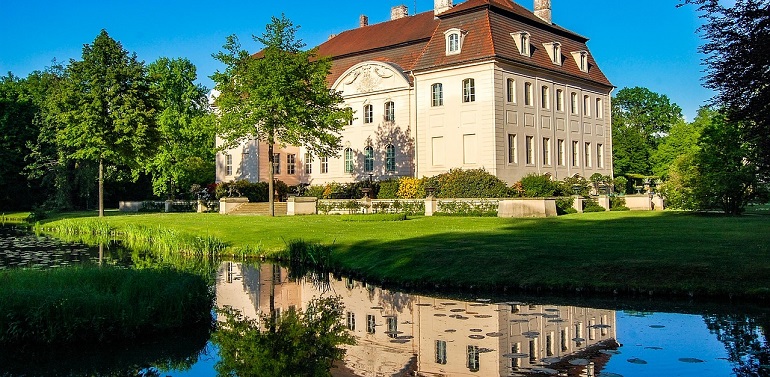
Branitz Park and the Landpyramide are the crowning glories of Cottbus, bearing the unmistakable imprint of Prince Hermann von Pückler-Muskau, a visionary landscape architect of the 19th century. Established from 1846 onwards upon what was once an unremarkable sandy expanse, this English-style landscape park now sprawls over 620 hectares. Meticulously modelled with gently undulating earth formations, diverting lakes, and artistically composed groves, it is hailed as a masterpiece of landscape gardening and a landmark of global significance. The park is layered with increasing intensity from wide meadows to the enchanting centrepiece: Branitz Palace, whose interiors reflect princely tastes from the 1860s. Unique to Branitz are two earthen pyramids inspired by Pückler’s travels in the Orient; the larger, the Tumulus, rises from a lake cloaked in Virginia creeper and serves as the final resting place for Prince Pückler and his wife. Highlights within the inner park include the Historical Nursery and Pineapple House, neo-Gothic Park Smithy, and the elegantly classical Cottbus Gatehouse. Visitors may also find delight in gondola rides on Pyramid Lake and discover a host of scenic garden 'pictures' created through Pückler’s thoughtful planting and path design. The park is open year-round and offers endless opportunities for contemplative strolls and garden exploration.
Parkeisenbahn Cottbus
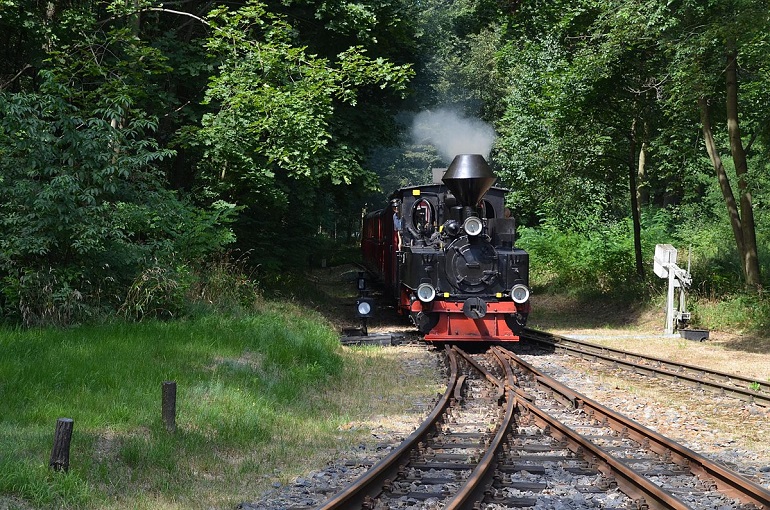
The Parkeisenbahn Cottbus is a miniature steam railway that snakes through Cottbus’s parks and green corridors, capturing the imagination of children and adults alike. Initially built as an educational attraction, the railway now operates vintage steam and diesel locomotives, with multiple stops including near the zoo. Passengers are treated to scenic views of the city’s lush landscapes, and the train frequently becomes the focal point for family outings and festive events. Its vintage charm, inclusive facilities, and engaging atmosphere ensure the Parkeisenbahn remains a beloved attraction, particularly during celebrations and school holidays.
Altes Elektrizitätswerk
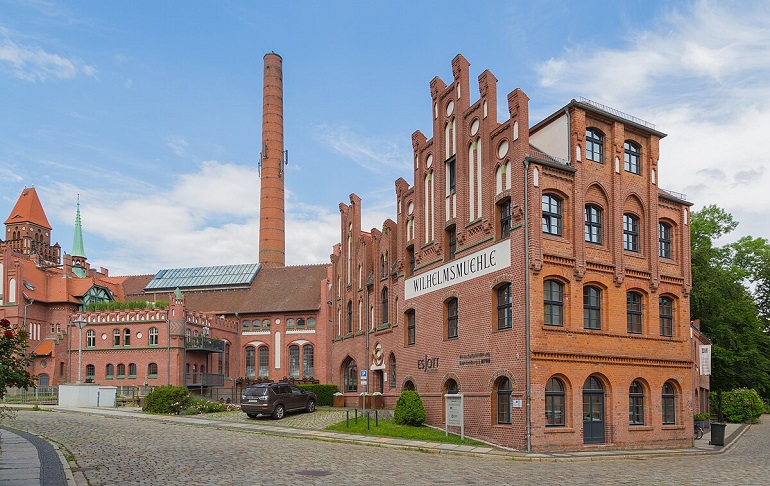
The Altes Elektrizitätswerk, or Old Electricity Works, stands as a robust monument to Cottbus’s industrial heritage. Located by the river, the historic power station is a fine example of industrial architecture, with a characterful brick façade and evocative presence. While no longer in operation, its transformation into a tourist attraction preserves an authentic link to the city’s technological progress. The site is a highlight for those interested in the intersection of engineering, design, and urban history.
Cottbuser Gate House
Cottbuser Gate House is a charming vestige of the city’s former fortifications. Built in the classicist style in the mid-19th century, the Gate House served both practical and decorative purposes, historically housing the gatekeeper and symbolising the interface between Branitz Park and the city. Its picturesque proportions and historical significance make it a point of interest for those touring the area’s architectural landmarks.
Cottbus Zoo
Cottbus Zoo is a spacious and modern zoo housing an impressive array of species, from exotic animals like kangaroos and camels to regional native fauna. Renowned for its commitment to animal welfare and education, the zoo features large, naturalistic enclosures, informative displays, and a wide, interactive playground for children. Visitors can also enjoy the on-site restaurant and picnic facilities. Special activities such as animal feedings, themed educational events, and tailored children’s birthday parties make the zoo especially lively. The entire complex is accessible to wheelchair users, and the zoo embraces visitors of all ages and physical needs, ensuring an inclusive and joyful day out for families and animal enthusiasts.
Spreeauen Park
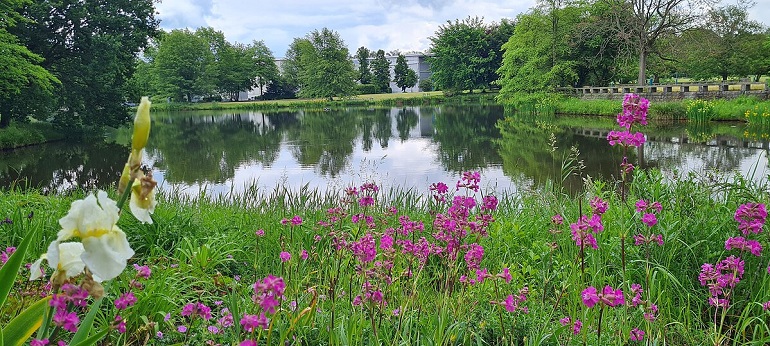
Spreeauen Park is a verdant oasis along the banks of the River Spree, woven with avenues of ancient oak, broad meadows, and tranquil woodland glades. It is particularly cherished by families, as its expansive playground and selection of sports facilities cater to all ages—from toddlers to adults seeking leisure or exercise. Aside from recreational opportunities, the park creates a peaceful setting with music played under trees, inviting moments of meditation or simple repose. The adjacent wildlife enclosures and small zoo are a delight for animal lovers, while features such as a farm garden and even a pharmacy lend this green expanse a distinctive, community-aligned character. The park often hosts open-air concerts and festivals, drawing visitors for large gatherings and picnics. Spreeauen Park is ideal for anyone wishing to enjoy the biodiversity and relaxed pace that distinguish Cottbus’s green spaces.
Lausitz Park
Lausitz Park, Cottbus’s largest shopping mall, offers a modern complement to the city’s historic and natural attractions. With an extensive selection of shops, restaurants, cafés, and convenient amenities such as Wi-Fi and changing stations, it caters both to everyday needs and leisurely browsing. The centre’s large parking and accessibility features make it a popular destination for families, ensuring shopping trips are stress-free and inclusive.
Top Museums
Wendish (Sorb) Museum
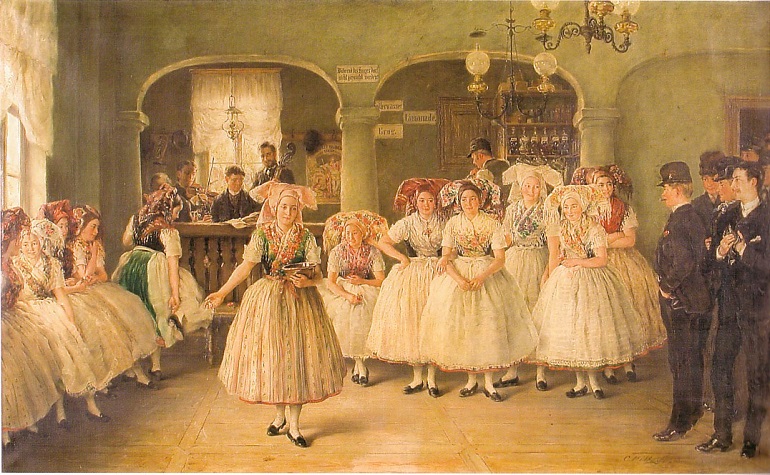
The Wendish (Sorb) Museum is an essential stop for anyone interested in the culture and traditions of the Sorbian minority, who have inhabited the region for centuries. The museum tells the story of the Sorbs through domestic objects, clothing, art, and multimedia exhibitions. Visitors gain insight into the unique linguistic and cultural identity of this community, their customs and festivities—as well as the challenges they have faced over the years. The museum offers an evocative perspective on multiculturalism in Lusatia.
Flugplatzmuseum Cottbus
A paradise for aviation enthusiasts, the Flugplatzmuseum Cottbus chronicles the history of flight in the region. Housed at a former airfield, its exhibits include historic aircraft, aviation equipment, and detailed displays about the evolution of civil and military aviation. Guests can get up close to aeroplanes, helicopters, and learn about the technical advancements that shaped flight. The museum is highly praised for its engaging displays and family-friendly atmosphere, making it suitable for visitors of all ages.
Brandenburg State Museum for Modern Art (BLMK)
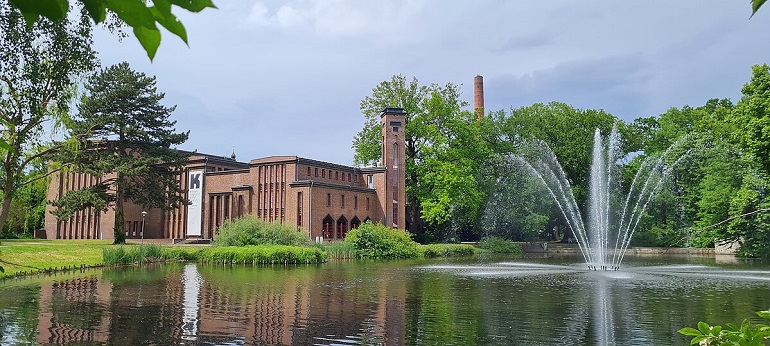
Housed within a remarkable former diesel power plant built in 1928, the Kunstmuseum Dieselkraftwerk, now the Brandenburg State Museum for Modern Art (BLMK), offers a unique fusion of industrial architecture and contemporary art. This institution has become a cultural magnet, drawing enthusiasts of art, architecture, and technology alike. The museum is particularly distinguished for holding the most comprehensive collection of art from the former German Democratic Republic (GDR) in the world, with a collection size of over 42,000 works that include paintings, sculptures, photography, and posters. The building itself, an impressive example of Brick Expressionism, has been thoughtfully repurposed to serve not only as a space for its vast collection but also as a vibrant cultural centre for the city, hosting a variety of events.
Stadtmuseum Cottbus
Set within a historical bank building, the Stadtmuseum offers an absorbing journey through the history of Cottbus itself. Its expertly curated exhibits span everything from medieval artefacts and the city’s development to more recent times. The museum’s interpretation of local events and personalities brings the past vividly to life, serving as a cultural hub for those wishing to understand the city’s heritage. The elegant architecture of the building adds to the charm of the experience.
Human Rights Center Cottbus e.V.
More than a conventional museum, the Human Rights Center is located within a former prison and is devoted to the documentation of political persecution during the GDR era and the fight for human rights. Its exhibitions recount poignant stories of political prisoners, the conditions they endured, and the ongoing struggle for freedom and justice. The centre also hosts cultural events, readings, and performances, maintaining an active role in education and remembrance. The museum is recognised as a safe and welcoming place for all, highlighting themes of tolerance and inclusion.
Brandenburgisches Apothekenmuseum
This fascinating museum, housed in a historical apothecary, celebrates the traditions of pharmacy and herbal medicine. Its displays feature antique equipment, medicinal herbs, and period furnishings, recreating the atmosphere of an old pharmacist’s shop. The museum offers a glimpse into the history of health care and scientific discovery, appealing to those interested in natural remedies and the evolution of pharmacy. The collection is notable for its richness and authenticity, making it a local treasure.
Heimatmuseum Dissen und Freilichtmuseum Stary lud
Situated just outside Cottbus, this regional museum complex is devoted to local rural culture and history. The exhibition includes artefacts from daily and agricultural life, as well as reconstructed historical buildings. It is complemented by the open-air component, featuring traditional architecture, immersive displays, and opportunities to experience aspects of village life as it once was. The museum offers a unique way to explore local identity and customs, especially through its engaging presentation for families and children.
Hütten- und Fischereimuseum (Peitz)
While slightly outside Cottbus, the Hütten- und Fischereimuseum in nearby Peitz covers the local history of ironworks and fisheries. Visitors encounter traditional crafts and see how these once-central industries shaped the area. The museum offers a hands-on approach with live demonstrations and programme activities, ensuring that heritage is brought to life for all ages.
Science Gallery Cottbus
Located in the heart of the city, the Science Gallery Cottbus is dedicated to the wonders of science and technology. The museum offers interactive exhibitions and showcases innovative projects at the intersection of research and society. It aims to inspire curiosity in both young and older visitors, fostering a greater understanding of scientific principles. The institution places strong emphasis on accessibility and inclusion, ensuring everyone can participate in its explorations of technology.
Local Cuisine
The region is best known for Spreewald gherkins, a beloved specialty often enjoyed as a snack, side dish, or even infused into soups and sauces. Hearty fare dominates the local tables, with dishes like Lusatian sour roast (Sauerbraten), often paired with potato dumplings, as well as oven-fresh breads and pastries. For something sweet, the Plinse, a type of fluffy Sorbian pancake, is a must-try and perfectly illustrates the cultural blend of German and Sorbian traditions that shape the city’s culinary identity.
Getting There
By train Cottbus is well connected to the German rail network, with regular regional and intercity trains running from Berlin, Dresden, and other neighbouring cities, making it a convenient option for travellers who prefer a direct and comfortable journey.
By coach or bus Long-distance coaches and regional bus services also serve Cottbus, offering good connections from Berlin, Leipzig, and other towns in Brandenburg and Saxony, with the central bus station located close to the city centre.
By car Travellers can easily reach Cottbus by road, as it is accessible via the A15 motorway from Berlin and Poland, and by smaller regional roads from Dresden and surrounding areas, making driving a flexible option for those exploring the wider region.