Introduction
Stretching from Denmark to the Netherlands, Wadden Sea is Germany's largest national park. It is divided in five administrative sections, including three in Germany: Lower Saxony, Hamburg and Schleswig-Holstein—forming part of the larger Wadden Sea, a UNESCO World Heritage Site recognised as the world’s largest unbroken system of intertidal sand and mudflats. They cover respectively 2,777 km², 137 km² and 4,410 km² of salt marshes, mudflats, beaches, dunes and estuaries. They are ideal for birdwatching, walking and swimming.
The German sections protect extensive tidal flats, channels, salt marshes, beaches and dunes, with Schleswig-Holstein’s park covering about 441,500ha, and Lower Saxony’s about 345,800ha, alongside the smaller Hamburg unit in the Elbe estuary. This highly dynamic landscape is shaped by tidal processes and supports rich biodiversity, serving as a critical hub on the East Atlantic Flyway where millions of migratory birds rest and feed annually. Visitors encounter a predominantly marine national park where habitats flood and emerge with the tides, offering opportunities for birdwatching on salt marsh roosts at high tide and views across expansive mudflats at low tide, all managed under strict conservation frameworks that prioritise undisturbed natural processes.
Geography and Landscape
Overview
The Wadden Sea National Park spans Germany’s North Sea coast and forms part of the vast trilateral Wadden Sea shared with Denmark and the Netherlands. In Germany it is administered in three sections: Schleswig-Holstein in the north, Hamburg around the Elbe estuary, and Lower Saxony to the west. Together they protect one of the world’s largest continuous intertidal systems, a constantly shifting meeting place of land, sea and sky shaped by tides, wind and sediment.
A Dynamic Tidal Landscape
- Twice daily tides flood and expose immense expanses of sand and mudflats, creating broad, level plains that can extend tens of kilometres seaward at low tide. The tidal range increases from north to south along the German coast, and the balance of stronger flood currents and gentler ebb flows promotes steady sediment deposition.
- This interplay of currents, wind and waves carves a maze of tidal channels and gullies. Deeper channels carry strong tidal streams, while shallower creeks wind through the flats, continually altering their course as sandbars migrate and banks accrete or erode.
- The seascape falls into classic coastal zones: permanently submerged waters offshore; the intertidal eulittoral, which alternates between exposure and inundation; and the supralittoral fringe, only covered during storm surges or exceptional high tides.
Barrier Islands, Halligen and Dunes
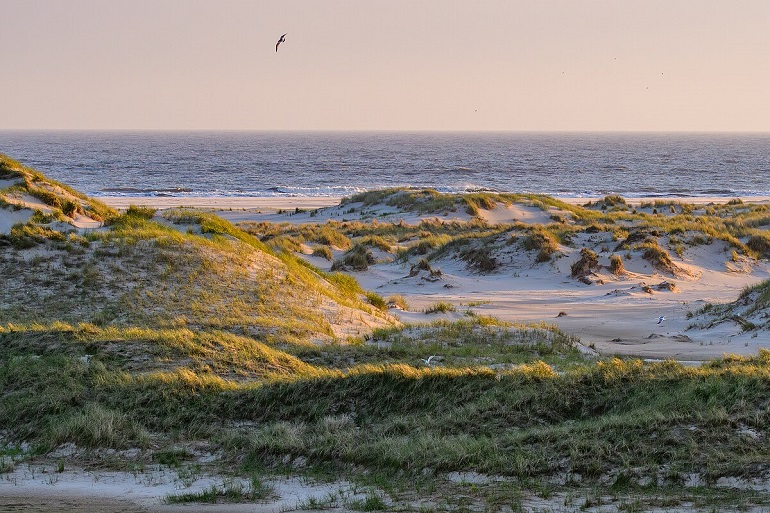
- A chain of barrier islands, sandy spits and offshore bars guards the coast. These islands shoulder the brunt of North Sea storms, sheltering the mudflats and marshes behind them. Their surfaces are shaped by windblown sands into dune ridges and swales, with wide beaches on the seaward side and calmer tidal flats to landward.
- Unique to the North Frisian section are the Halligen—low, undyked islets that sit within the tidal flats. Built-up dwelling mounds stand above storm levels, while the surrounding flats and marsh rims are periodically flooded, underscoring the region’s intimate relationship with the sea.
Salt Marshes and Coastal Plains
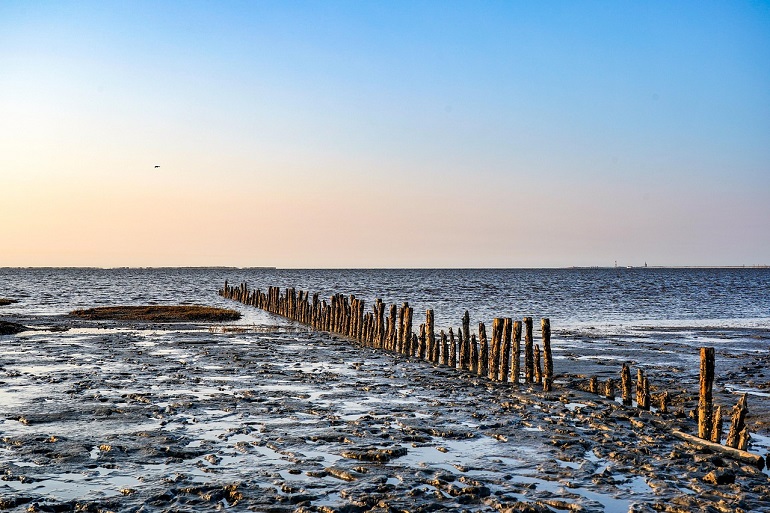
- Salt marshes fringe the mainland shorelines, island lee sides and the margins of the Halligen. These low-lying, grassy plains are formed by fine sediment settling in the shelter of banks and vegetation, rising gradually as silt accumulates. In places they are protected by low breakwaters that temper wave energy, encouraging steady marsh growth.
- Landward, the coastal plain is generally flat and low, punctuated only by modest glacial remnants or dune heights; elevations seldom rise beyond a few dozen metres. Dykes line long stretches of the mainland, marking the edge between managed terrestrial landscapes and the tidal realm.
Estuaries and Salinity
- Major river mouths influence the southern reaches, notably the Elbe near Hamburg and further afield the outflows of the Rhine system, delivering pulses of fresher water that lower salinity relative to the open North Sea. This creates subtle gradients across the tidal basins, from more marine conditions offshore to brackish influences nearer estuaries.
- Despite river inputs, the system is predominantly shaped by marine sediment supplied from the adjacent North Sea. Over millennia since the last Ice Age, rising sea levels and persistent coastal currents have driven the formation of the Wadden’s barrier-island and tidal-flat architecture.
Regional Character
- Schleswig-Holstein: The broadest mudflats along the German coast occur here, with places where the intertidal zone spans up to 40km. The North Frisian islands and the Halligen lend the landscape a distinctive mosaic of tidal flats, narrow channels and marsh rims.
- Hamburg (Neuwerk area): West of the Elbe mouth lies a compact world of sand and mudflats, salt marshes and low islands, with a high proportion of intertidal ground relative to open water. Tidal channels braid the flats, and long, shallow gradients invite classic Wattenmeer vistas.
- Lower Saxony: A long arc of barrier islands, sweeping beaches and dune fields encloses extensive tidal basins. Sandbanks are prominent in the south, and the intertidal plains stretch far offshore at low tide, interspersed with navigable channels that thread towards the mainland.
Seasonal and Climatic Shaping Forces
- An oceanic, wind-prone climate governs the seascape. Strong westerlies, frequent gales and the heat-buffering North Sea keep summers relatively cool and winters mild. Storm surges periodically overtop the supralittoral fringe, redistributing sand and silt, remoulding dunes and marsh edges, and reinforcing the Wadden’s constantly changing profile.
What Travellers See
- At low tide: seemingly boundless mudflats and sand sheets scored by ripples and runnels, with raised sandbanks and sinuous channels stretching to the horizon.
- At high tide: a shallow inland sea dotted with marshy fringes, low islands and dune-backed shores, as channels and creeks fill to turn the flats into a gleaming lagoon-like expanse.
- Along the coast: a layered landscape—dune ridges and beaches facing the North Sea, tranquil leeward flats behind the islands, and on the mainland a narrow band of salt marsh edged by protective dykes and green embankments.
This is a living coastline defined by motion and transition; every tide redraws its contours, offering travellers a geography that is both subtle and spectacular.
Flora and Fauna
The Wadden Sea National Park supports an extraordinary diversity of flora and fauna, making it one of Europe's most biodiverse coastal ecosystems. This vast intertidal landscape encompasses approximately 10,000 species of animals, plants, and microorganisms, with about 2,700 marine species and at least 5,100 semi-terrestrial and terrestrial species.
Birdlife
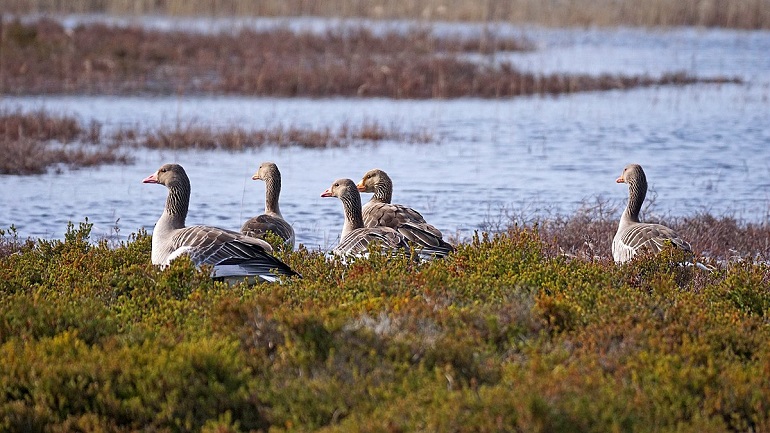
The Wadden Sea serves as a critical stopover for millions of migratory birds travelling along the East Atlantic and African-Eurasian flyways. Between 10-12 million birds pass through annually, with up to 6.1 million present simultaneously during peak migration periods. The mudflats, salt marshes, and shallow waters provide essential feeding grounds for hundreds of thousands of waders, ducks, and geese.
Notable species include gulls, terns, herons, Eurasian spoonbills, and a growing population of white-tailed eagles. The area supports 30 breeding bird species and serves as a crucial moulting and wintering site. Six species of waterfowl feed directly on salt marsh vegetation, whilst another 500 species consume dead plant material.
Marine Life
The Wadden Sea's exceptional productivity ranks amongst the highest globally, particularly evident in its fish, shellfish, and invertebrate populations. The mudflats teem with life, hosting up to 100,000 small animals per cubic metre of sediment. These include lugworms, cockles, and numerous crustacean species that burrow into the sand during low tide for protection.
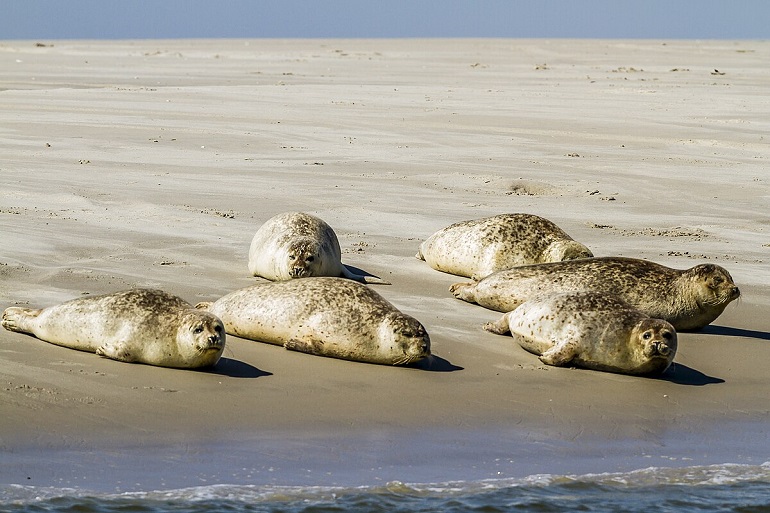
Marine mammals are well-represented, with healthy populations of harbour seals, grey seals, and harbour porpoises. Larger fish species such as rays, Atlantic salmon, and brown trout inhabit various sections, though some historically important species like European sea sturgeon now require reintroduction programmes.
Plant Communities
The salt marshes alone support approximately 2,300 species of flora and fauna, demonstrating biodiversity levels comparable to European temperate forests. Despite harsh conditions, 45 species of vascular plants have adapted to the saline environment, forming the foundation of complex food webs.
Sea-grass meadows provide crucial habitat structure, whilst the transitional zones between saltwater, freshwater, and terrestrial environments create numerous ecological niches. Dense mussel beds and flowering salt marshes extend from the dykes to the islands and Hallig islets, giving way to pristine sandy beaches and dune systems.
Adaptations and Threats
The constantly changing tidal conditions—with high and low tide alternating every six hours—have driven remarkable evolutionary adaptations. Many species are found nowhere else on Earth, having evolved specific strategies to cope with extreme variations in temperature, salinity, and exposure.
However, the ecosystem faces challenges from human activity and environmental change. Historical species such as European oysters have been extirpated, replaced by invasive Pacific oysters, whilst about 90% of species in the southwestern Wadden Sea are considered at risk due to reduced freshwater input from dammed rivers.
The Wadden Sea's UNESCO World Heritage status recognises its global significance as one of the last remaining large-scale intertidal ecosystems where natural processes continue largely undisturbed.
Activities and Attractions
The Wadden Sea National Park offers an extraordinary array of activities and attractions across its vast expanse of salt marshes, mudflats, beaches, dunes, and estuaries. This UNESCO World Heritage site provides visitors with unique opportunities to explore one of Europe's most important wetland ecosystems whilst enjoying recreational pursuits suited to all ages and abilities. With over 7,324 square kilometres of protected area spanning three German states, the park presents countless possibilities for adventure, relaxation, and discovery.
Comprehensive Hiking and Walking Network
The park boasts one of Europe's most extensive and diverse hiking trail systems, offering everything from gentle seaside strolls to challenging multi-day expeditions across varied terrain.
Long-Distance Coastal Routes
The North Sea Coastal Path represents the crown jewel of the park's trail system, stretching over 500 kilometres along the entire German Wadden Sea coastline. This magnificent long-distance trail connects all three German sections of the park—Lower Saxony, Hamburg, and Schleswig-Holstein—offering hikers the chance to experience the full spectrum of coastal landscapes over multiple days or weeks. The path meanders through traditional fishing villages with their distinctive red-brick architecture, past towering historic lighthouses that have guided mariners for centuries, and along pristine beaches where the endless rhythm of North Sea tides creates an ever-changing symphony.
Regional coastal sections within each administrative area offer more manageable portions of this epic route. The Lower Saxony section features dramatic cliff walks and expansive beach stretches, whilst the Hamburg portion provides urban coastal experiences where city meets sea. The Schleswig-Holstein segment offers the most remote and wild coastal walking, with sections where hikers can walk for hours without encountering modern development.
Extraordinary Mudflat Hiking Experiences
The park's mudflat hiking (Wattwanderung) represents one of the most unique walking experiences available anywhere on Earth. These specially guided expeditions allow visitors to traverse the exposed seabed during low tide, walking across terrain that lies beneath several metres of seawater just hours earlier. Professional guides lead groups across carefully mapped routes, navigating by landmarks invisible to untrained eyes and timing movements precisely with tidal schedules.
Advanced mudflat expeditions venture further from shore, reaching offshore sandbanks and remote mudflat formations accessible only during the lowest tides. These challenging walks require good fitness levels and can last six to eight hours, but reward participants with access to pristine environments rarely seen by humans. The sensation of standing on solid ground that will soon be underwater creates an almost mystical connection with the natural world's rhythms.
Family-friendly mudflat walks cater to less adventurous visitors, following shorter routes closer to shore with frequent stops for explanation and exploration. These walks often include demonstrations of mudflat ecology, teaching participants to identify the subtle signs of life in what appears to be barren mud.
Diverse Dune Systems and Sandy Trails
The coastal dune networks provide some of the most scenic walking in the park, with trails winding through towering sand formations that shift subtly with each season. These dynamic landscapes offer moderate hiking challenges whilst providing spectacular panoramic views across the Wadden Sea to offshore islands and sandbanks.
Primary dune walks follow the immediate coastal edge, where pioneering vegetation struggles to establish itself on mobile sand. These trails demonstrate the ongoing battle between land and sea, with dramatic evidence of erosion and accretion visible along the route.
Secondary and tertiary dune systems further inland support more established vegetation communities and offer easier walking on more stable surfaces. These trails often feature circular routes that allow hikers to experience the full transition from active coastal dunes to stabilised inland formations.
Interdune valleys create sheltered walking environments with unique microclimates supporting specialised plant communities. These gentle trails provide respite from coastal winds whilst offering intimate encounters with rare and protected species.
Forest, Heathland, and Inland Trail Networks
The park's inland areas feature extensive heathland walking routes that provide striking contrasts to the coastal environment. These trails traverse landscapes of purple heather, juniper scrubland, and ancient oak woodlands, following pathways used for centuries by local communities.
Historic smugglers' routes add intrigue to forest walks, following ancient pathways once used for illicit trade across international borders. Information panels along these trails recount tales of midnight crossings and hidden caches, bringing history alive through landscape interpretation.
Elevated boardwalk systems protect sensitive bog environments whilst allowing visitors to explore otherwise inaccessible wetland habitats. These specially constructed trails provide wheelchair accessibility to areas of outstanding natural beauty, ensuring the park's wonders remain available to all visitors.
Island-Specific Trail Systems
Each of the Frisian Islands within the park boundaries offers distinct hiking experiences, accessible through regular ferry services from the mainland.
Car-free island trails on certain islands provide unprecedented tranquillity, where the only sounds are wind, waves, and birdsong. These paths often follow traditional routes between villages, lighthouses, and harbours, maintaining their historical character whilst providing modern safety features.
Multi-day island hopping routes combine ferry travel with hiking, allowing adventurous visitors to explore several islands during extended expeditions. Accommodation booking services coordinate lodging across multiple islands, whilst luggage transfer services allow hikers to travel light between destinations.
Extensive Beach and Coastal Activities
The park's 450 kilometres of coastline provide unparalleled opportunities for beach-based recreation and coastal exploration across diverse marine environments.
Swimming and Water Recreation
The park's beaches offer exceptional swimming opportunities in the North Sea, with many areas maintaining Blue Flag certification for water quality, safety, and environmental management. Beach profiles vary dramatically, from wide sandy expanses stretching for kilometres to intimate coves nestled between rocky outcrops.
Lifeguarded swimming areas operate during summer months with full rescue services, first aid facilities, and safety equipment hire. These locations often feature additional amenities including changing facilities, freshwater showers, and equipment rental for beach games and water sports.
Natural swimming spots away from developed areas offer more adventurous experiences for confident swimmers. These locations require greater caution due to strong currents and changing conditions, but provide unparalleled opportunities for wild swimming in pristine environments.
Tidal pool exploration during low tide reveals miniature marine ecosystems trapped in rocky depressions. These natural aquariums provide safe spaces for children to observe marine life whilst adults enjoy the therapeutic benefits of cool saltwater immersion.
Beachcombing and Natural Discovery
The dynamic nature of the Wadden Sea ensures beaches are constantly refreshed with fascinating discoveries for dedicated beachcombers. The twice-daily tidal action deposits new treasures along thousands of kilometres of shoreline, making each walk a potential adventure in natural discovery.
Amber hunting proves particularly rewarding along certain stretches of coast, where ancient tree resin washes ashore in pieces ranging from tiny fragments to substantial chunks containing prehistoric inclusions. Local experts offer guided amber-hunting expeditions, teaching participants to distinguish genuine amber from similar-looking materials.
Fossil discoveries occur regularly, particularly after storms when deep-sea sediments are churned up and deposited on beaches. Common finds include shark teeth, ancient shells, and occasionally more significant specimens that contribute to scientific understanding of the region's geological history.
Sea glass collecting has developed into a popular hobby, with collectors seeking rare colours and unusual shapes created by decades of wave action on discarded glass. The park's beaches produce exceptional specimens due to the area's long maritime history and active tidal processes.
Comprehensive Water-Based Activities
The unique tidal environment creates exceptional conditions for diverse aquatic pursuits, from traditional sailing to modern water sports.
Traditional and Modern Sailing
The protected waters of the Wadden Sea provide ideal sailing conditions for vessels of all sizes, from small dinghies to substantial yachts. The complex geography of channels, sandbanks, and islands creates endlessly varied sailing experiences, challenging navigational skills whilst providing stunning scenery.
Traditional flat-bottomed sailing vessels specifically designed for Wadden Sea conditions offer authentic historical experiences. These boats, known locally as "Plattbodenschiffe," can navigate extremely shallow waters and even settle safely on mudflats during low tide. Charter services provide multi-day expeditions aboard these historic vessels, complete with traditional navigation techniques and maritime storytelling.
Modern sailing centres throughout the park offer comprehensive services including boat rental, sailing instruction, and guided expeditions. These facilities cater to all skill levels, from complete beginners taking their first sailing lessons to experienced sailors seeking local knowledge for independent exploration.
Regatta events throughout the sailing season bring together traditional and modern vessels in competitive and celebratory gatherings. These festivals combine sport with cultural celebration, featuring maritime traditions, local cuisine, and evening entertainment.
Kayaking and Paddling Adventures
Kayaking expeditions through the intricate network of channels and creeks provide intimate access to the park's most secluded areas. Professional guides lead groups through changing waterways that shift with tidal flow, revealing hidden aspects of this complex ecosystem.
Multi-day kayaking tours include overnight camping on remote islands or coastal camping areas, allowing participants to experience the park's full daily rhythm of tidal changes and wildlife activity. These expeditions often incorporate mudflat walking during low tide and swimming during high tide, maximising engagement with the environment.
Specialist kayaking experiences include night paddling under starlit skies, sunrise expeditions timed with dawn choruses, and storm watching from sheltered positions during dramatic weather. These adventures require higher skill levels but offer unforgettable encounters with nature's more dramatic moods.
Stand-Up Paddleboarding and Modern Water Sports
Stand-up paddleboarding has rapidly gained popularity due to the park's ideal conditions of shallow, relatively calm waters and spectacular scenery. SUP provides excellent vantage points for photography whilst offering comprehensive physical exercise.
SUP yoga sessions conducted on floating platforms or stable boards combine physical exercise with meditative connection to the marine environment. Professional instructors adapt traditional yoga practices to the unique challenges and benefits of practising on water.
Windsurfing and kitesurfing take advantage of reliable coastal winds and extensive shallow water areas perfect for learning and practising these dynamic sports. Equipment rental and instruction services cater to all levels, from beginners taking first lessons to experts seeking challenging conditions.
Rich Cultural and Historical Attractions
Beyond natural wonders, the park encompasses significant cultural sites that illuminate centuries of human interaction with this extraordinary environment.
Maritime Heritage and Navigation History
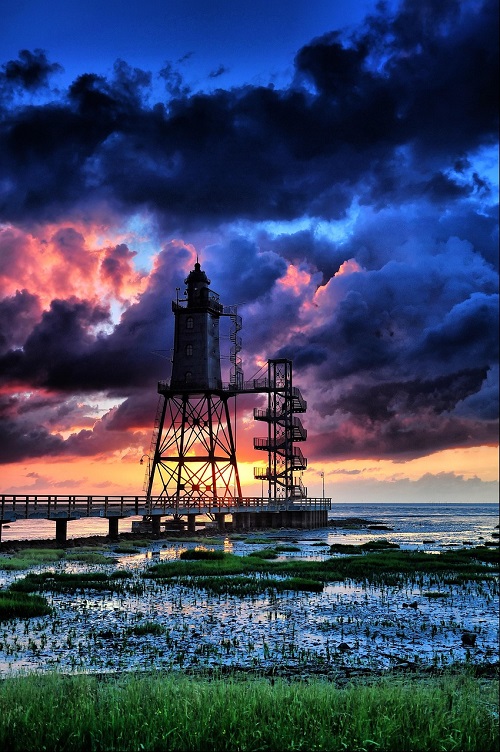
Historic lighthouse networks dot the coastline, many dating to the 18th and 19th centuries when maritime trade made navigation through Wadden Sea channels essential yet treacherous. Several lighthouses offer public climbing access to observation platforms, providing spectacular panoramic views whilst housing museum exhibitions detailing maritime history.
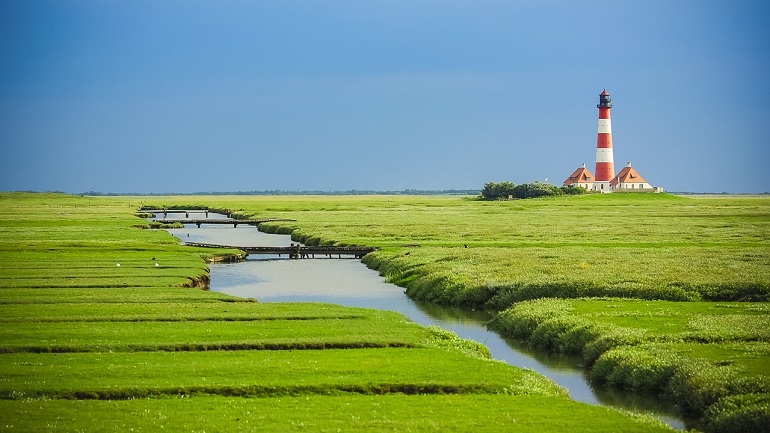
The Westerhever Lighthouse, perhaps the most photographed lighthouse in Germany, stands 41 metres tall and has guided ships since 1908. Visitors can climb 157 steps to the observation deck whilst learning about the evolution of navigation technology from oil lamps to modern GPS systems.
Navigation museums throughout the park explain the complex challenges of sailing in waters where channels shift regularly and sandbanks appear and disappear with tidal action. Interactive exhibits allow visitors to attempt traditional navigation techniques using compass bearings, tidal charts, and landmark recognition.
Traditional Fishing Communities and Maritime Culture
Authentic fishing villages maintain traditional ways of life evolved over centuries alongside Wadden Sea rhythms. These communities demonstrate sustainable relationships with marine environments, where fishing practices, housing design, and cultural traditions reflect careful adaptation to challenging coastal conditions.
Active fishing harbours provide opportunities to observe traditional fishing methods still practised today. Early morning visits coincide with fishing boats returning with catches, whilst evening visits capture boats preparing for dawn departures. Many harbours offer boat trips aboard working fishing vessels, providing insight into contemporary maritime livelihoods.
Maritime craft workshops in traditional communities often welcome visitors to observe boat building, net mending, and other skills essential to coastal life. Master craftsmen share knowledge passed down through generations, demonstrating techniques largely unchanged for centuries.
Historical Salt Production and Industrial Heritage
Salt production heritage sites scattered throughout the park demonstrate the economic importance of salt extraction, an industry that shaped regional development for over 1,000 years. The shallow, easily evaporated waters of salt marshes provided ideal conditions for producing this essential commodity.
Active salt production demonstrations at heritage centres show traditional methods of salt extraction, from channelling seawater into evaporation ponds to collecting crystallised salt from wooden frameworks. Visitors can participate in salt harvesting during summer months, taking home their own hand-harvested sea salt.
Salt museum exhibitions explain the broader economic and cultural significance of salt trade, including its role in food preservation, leather processing, and as currency in pre-monetary societies. Interactive displays demonstrate various salt production techniques and their environmental impacts.
Adventure Activities and Specialised Pursuits
For visitors seeking unique challenges, the park offers activities that exploit its distinctive geography and cultural heritage.
Mudflat Racing and Competitive Events
Annual mudflat racing championships provide opportunities for visitors to participate in or observe this uniquely regional sport. Participants race across exposed mudflats at low tide, navigating slippery surfaces and soft mud whilst competing against tidal schedules as much as other competitors.
Training programmes for mudflat racing welcome newcomers, teaching essential techniques for moving efficiently across unstable surfaces whilst maintaining safety in challenging environments. These programmes often incorporate broader mudflat ecology education alongside athletic training.
Mudflat football tournaments adapt the world's most popular sport to one of its most unusual playing surfaces. Teams must adjust playing strategies to accommodate the soft, uneven terrain whilst timing matches precisely with tidal schedules.
Photography and Nature Documentation
The park's dramatic landscapes and constantly changing conditions create a photographer's paradise with opportunities ranging from intimate macro studies to grand landscape compositions. Professional photography workshops teach technical skills specific to coastal environments, including managing rapid light changes, salt spray protection, and wildlife approach techniques.
Specialist photography tours focus on particular subjects or techniques, such as sunrise/sunset workshops timed with optimal tidal conditions, wildlife photography expeditions targeting specific species, or landscape composition courses emphasising the park's dramatic scale and beauty.
Astronomical photography opportunities in designated dark sky areas allow night photography of celestial phenomena with minimal light pollution. The flat landscape provides excellent horizons for capturing star trails, meteor showers, and aurora displays occasionally visible at this northern latitude.
Geocaching and Modern Treasure Hunting
Extensive geocaching networks throughout the park combine GPS technology with traditional treasure hunting, leading participants to hidden containers whilst teaching about local ecology, history, and geography. Caches range from simple containers suitable for families to complex multi-stage adventures requiring several days to complete.
Educational geocaching trails designed specifically for school groups and families incorporate curriculum-linked learning objectives whilst maintaining the excitement of treasure hunting. These trails often focus on specific themes such as tidal ecology, maritime history, or conservation challenges.
Night caching events add adventurous elements to geocaching by requiring participants to navigate and search in darkness, using special equipment and techniques whilst experiencing the park's nocturnal atmosphere.
Seasonal Activities and Events
The park's activity calendar varies dramatically with seasons, each offering distinct experiences shaped by weather patterns, wildlife cycles, and cultural traditions.
Spring Activities
Wildflower walking tours during spring flowering seasons showcase spectacular displays of salt-tolerant plants adapted to harsh coastal conditions. Expert botanists lead groups through optimal viewing areas whilst explaining plant adaptations and ecological relationships.
Migration observation during spring bird migration provides extraordinary spectacles as millions of birds rest and feed in Wadden Sea habitats. Observation hides and guided tours maximise viewing opportunities whilst education programmes explain migration routes and conservation challenges.
Summer Programmes
Family activity programmes during summer holidays include supervised children's activities, educational workshops, and guided explorations designed specifically for young visitors. These programmes often incorporate hands-on activities such as mudflat exploration, beach art creation, and marine life observation.
Extended daylight hours during summer months allow evening activities such as sunset kayaking, late-night beachcombing, and stargazing sessions. Special events often take advantage of these long days to offer unique experiences unavailable during shorter winter periods.
Autumn Experiences
Storm watching during autumn storm seasons provides dramatic natural spectacles for visitors seeking powerful encounters with nature. Designated safe viewing areas allow observation of impressive wave action and weather phenomena whilst maintaining personal safety.
Harvest festivals in coastal communities celebrate traditional relationships with marine and terrestrial environments. These cultural events often incorporate traditional foods, crafts, and entertainment whilst welcoming visitors to participate in local traditions.
Winter Adventures
Winter birdwatching offers exceptional opportunities to observe species that use Wadden Sea habitats during colder months. Guided tours provide warm clothing recommendations and heated observation facilities whilst accessing optimal viewing locations.
Ice phenomena observation during particularly cold winters allows visitors to witness the rare spectacle of sea ice formation in tidal environments. These unusual conditions create temporary landscapes of extraordinary beauty whilst demonstrating the park's climatic extremes.
Accommodation
Traditional Hotels and Guesthouses
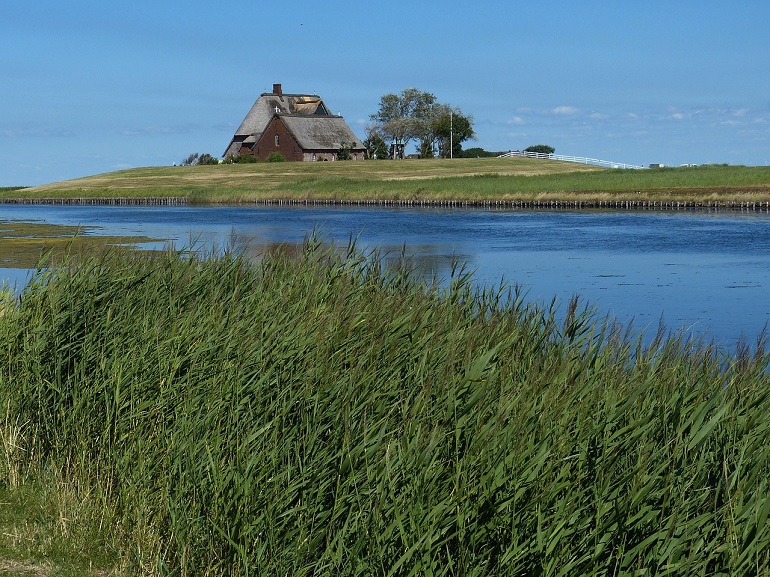
The coastal region surrounding the national park features numerous hotels that capture the authentic North Sea atmosphere. Many establishments embrace the maritime heritage with traditional thatched-roof architecture and local design elements. Properties often serve as National Park Partners, demonstrating their commitment to sustainability and environmental protection whilst offering guests direct access to the Wadden Sea landscape.
Hotels along the coastline typically feature rooms with spectacular views overlooking the mudflats, salt marshes, and open sea. Many properties incorporate regional cuisine into their restaurant offerings, featuring fresh seafood and locally sourced ingredients that reflect the coastal culinary traditions. Wellness facilities are common, with many hotels offering spa services that complement the restorative qualities of the sea air and natural environment.
Bed and Breakfasts
The North Sea coastal region boasts an extensive network of charming bed and breakfasts that provide intimate, personalised accommodation experiences. These smaller establishments often occupy historic buildings or traditional coastal houses, offering guests a genuine taste of local hospitality and culture.
Family-run guesthouses are particularly prevalent throughout the region, where owners frequently share their extensive knowledge of the area's natural history, wildlife, and best viewing locations. Many bed and breakfasts pride themselves on serving hearty breakfasts featuring regional specialities, providing the perfect start for days spent exploring the national park.
Holiday Rentals and Self-Catering
Self-catering accommodation provides excellent flexibility for visitors wanting to establish a temporary base in the region. Holiday homes and apartments range from contemporary coastal properties to converted traditional buildings, many featuring private gardens, terraces, or balconies that take advantage of the expansive landscape views.
These accommodations often come equipped with modern amenities whilst maintaining authentic coastal character. Many properties welcome pets, recognising that visitors often wish to explore the national park's walking routes with their four-legged companions. The self-catering option proves particularly popular with families and groups seeking the freedom to prepare their own meals using fresh local produce from nearby markets.
Unique Island Accommodation
The North Sea islands within and adjacent to the national park boundaries offer distinctive accommodation experiences. Island hotels and guesthouses provide a genuine sense of escape, with many accessible only by ferry or guided mudflat walks during low tide.
Island accommodation often features panoramic sea views and immediate access to pristine beaches and nature reserves. The unique location provides unparalleled opportunities for wildlife observation, particularly during migration seasons when millions of birds use the Wadden Sea as a stopover point.
Camping and Glamping
The region offers numerous camping opportunities for those seeking closer contact with the natural environment. Traditional campsites provide pitches for tents, caravans, and motorhomes, often situated within walking distance of the shoreline and national park visitor centres.
Glamping has emerged as a popular accommodation style, combining outdoor experiences with enhanced comfort levels. Safari tents, eco-lodges, and innovative sleeping structures offer alternatives to traditional camping whilst maintaining the connection to nature that makes the Wadden Sea experience so compelling. These accommodations typically feature proper beds, private facilities, and often include terraces or outdoor cooking areas.
Speciality and Unique Accommodations
The region's accommodation landscape includes various unique options that reflect both local creativity and the area's distinctive environment. Converted lighthouses, historic buildings, and purpose-built eco-friendly structures provide memorable stays that become integral parts of the Wadden Sea experience.
Some accommodations focus specifically on particular interests such as birdwatching, with properties positioned at optimal locations for wildlife observation and equipped with specialist facilities for nature enthusiasts. Others emphasise sustainability and environmental education, incorporating renewable energy systems and offering programmes about the local ecosystem.
Accessibility and Location Considerations
Accommodation throughout the Wadden Sea region varies significantly in terms of accessibility and proximity to different aspects of the national park. Coastal properties provide immediate access to beaches and mudflats, whilst inland locations offer easy access to visitor centres and cycling routes through the countryside.
Many accommodations serve as excellent bases for exploring multiple sections of the national park, with good transport connections between different areas. The region's accommodation providers often assist guests with arranging guided tours, equipment rental, and transportation to various points of interest within the park.
The diverse accommodation options in the Wadden Sea National Park ensure that visitors can find suitable lodging that enhances their appreciation of this remarkable natural environment, whether seeking luxury comfort, authentic local experiences, or adventurous outdoor stays.
Gastronomy
Salt-Kissed Delicacies from Land and Sea
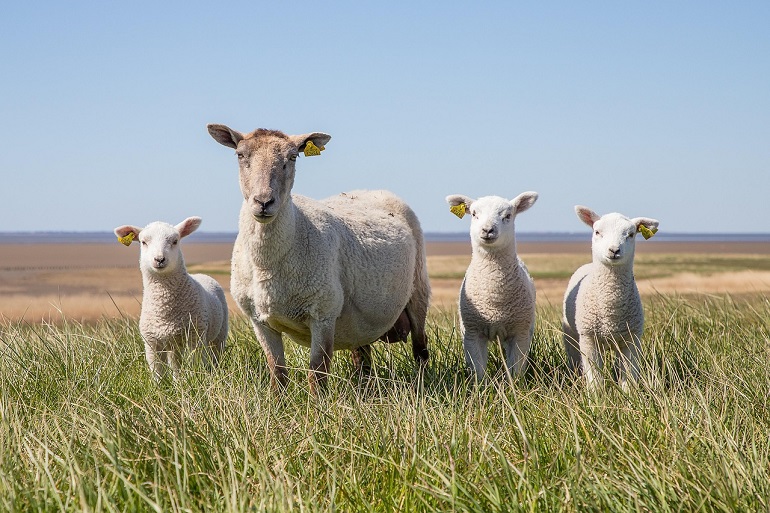
The park's gastronomy is fundamentally shaped by its tidal environment, which produces ingredients with distinctive flavours. Cattle and sheep that graze on salt-rich marsh grasses develop meat with an exceptionally complex yet mild taste profile, as the mineral-rich vegetation imparts subtle briny notes to lamb and beef. The constant exposure to fresh sea air and the natural growing conditions create particularly tender cuts that are prized throughout the region.
The waters themselves yield an abundance of premium seafood. Wadden Sea prawns are particularly celebrated for their delicate texture and refined taste, perfectly complementing local bread and herb-infused spirits. Oysters can be harvested directly from the shallow waters during low tide, offering visitors the chance to sample what many consider the world's finest raw seafood just metres from the coast.
Local Produce and Artisanal Products
Beyond the sea's bounty, the marsh environment supports a thriving agricultural ecosystem. Local potatoes develop unique characteristics from the mineral-rich soil, whilst sea buckthorn berries provide vibrant colour and tart flavours to both sweet and savoury preparations. Wild herbs and edible seaweed such as sea lettuce can be foraged from the salt marshes, adding distinctive coastal flavours to traditional dishes.
The region's artisanal honey benefits from the diverse wildflowers that bloom across the marshlands, creating complex flavour profiles that reflect the changing seasons. Local breweries have also embraced the area's ingredients, producing distinctive ales that incorporate marsh herbs and reflect the coastal terroir.
Culinary Philosophy and Sustainability
Wadden Sea gastronomy emphasises hyper-local sourcing, with many establishments sourcing ingredients from within the national park boundaries. This approach ensures exceptional freshness whilst supporting the park's ecosystem and local producers. The region has developed a certification system that allows products meeting specific local sourcing criteria to display the Wadden Sea National Park logo, guaranteeing authenticity and provenance.
The culinary approach tends toward simple preparation methods that allow the natural flavours of these exceptional ingredients to shine. Seasonal menus reflect the tidal rhythms and agricultural cycles, with spring bringing fresh marsh herbs, summer offering the full variety of seafood, and autumn providing the richest lamb and beef as animals complete their grazing season.
Organic principles are widely embraced throughout the region, with many producers focusing on sustainable harvesting methods that preserve the delicate balance of this UNESCO World Heritage environment. The result is cuisine that not only tastes exceptional but also tells the story of one of Europe's most important natural landscapes.
Getting There and Around
The Wadden Sea National Park stretches along Germany's North Sea coast, encompassing protected areas in both Lower Saxony and Schleswig-Holstein. This UNESCO World Heritage site offers remarkable tidal landscapes, but reaching and exploring it requires some planning due to its coastal geography and tidal nature.
Getting to the Park
By Train and Ferry
Lower Saxony Section:
The most straightforward route to the Lower Saxony portion involves travelling to Norddeich, the primary ferry terminal for the East Frisian Islands. From major cities like Bremen, take the train to Norddeich(Norden) Mole, which takes approximately 2 hours 27 minutes with services running five times daily. From Norddeich, regular ferries connect to islands such as Norderney, which lie within the national park boundaries.
Schleswig-Holstein Section:
For the northern section, Husum serves as the key railway hub. From Hamburg, trains run to Husum, followed by connections to Bad St Peter Sued, providing access to the western coast of Schleswig-Holstein. This journey typically takes around 4 hours 33 minutes by the fastest route.
By Bus
Regional bus services complement the rail network, particularly useful for reaching smaller coastal towns. From Bremen, buses operate to Norddeich(Norden) Mole, taking approximately 6 hours 33 minutes. Whilst slower than trains, buses often provide more direct routes to some coastal access points.
By Car
Driving offers the greatest flexibility for exploring the Wadden Sea region. Major motorways connect to coastal areas, with Hamburg serving as an excellent starting point for the Schleswig-Holstein section - just 1 hour 34 minutes by road to key park areas. From international locations, the journey from Amsterdam takes approximately 6 hours 9 minutes to the Schleswig-Holstein section.
By Air
Bremen Airport provides the closest international access, with onward train connections to Husum taking you to the Schleswig-Holstein section in under 9 hours total travel time. Hamburg Airport offers similar connectivity, with trains from Hamburg-Altona to Husum completing the journey.
Getting Around the Park
Ferry Services
Ferry travel is essential for accessing the barrier islands that form much of the national park. Regular services operate from mainland terminals like Norddeich to islands including Norderney. Ferries accommodate both foot passengers and vehicles, though advance booking is recommended during peak seasons.
Local Transport Challenges
Public transport within the park can be rather inconvenient for comprehensive exploration. Whilst larger towns maintain bus connections, many beaches, marshlands, and smaller islands have limited or no public transport access. Local bus systems tend to skip many of the most scenic and ecologically significant areas within the park boundaries.
Driving Within the Park
A car provides unparalleled access to the diverse landscapes of the Wadden Sea region. The extensive road network allows you to combine driving with walking, cycling, or organised tours. However, be aware that some areas have tidal restrictions - certain causeways and roads become impassable during high tide.
Cycling Opportunities
Cycling paths are abundant throughout the region, making bicycles an excellent way to explore once you've reached your base. The terrain is predominantly flat, though the coastal winds can be surprisingly challenging. Many visitors combine car transport with cycling for day trips to specific areas.
Specialised Transport
Some unique areas require special transport arrangements. For instance, tractor buses operate to tidal islands like Mandø, crossing the seabed at low tide. These services have operated for over 30 years and provide safe passage across areas that would otherwise be inaccessible.
Planning Your Visit
Tidal Considerations
The Wadden Sea's defining characteristic - its dramatic tides - significantly affects transport. Check tide times before travelling, particularly if driving to tidal islands or using specialised services like tractor buses. Some roads and causeways are completely cut off twice daily during high tide.
Seasonal Variations
Ferry and bus services often operate on seasonal schedules, with more frequent connections during summer months. Plan accordingly, especially for island visits, as winter services may be significantly reduced.
Base Towns
Consider establishing your base in well-connected towns like Husum (for Schleswig-Holstein) or Norddeich (for Lower Saxony), which offer good transport links and serve as gateways to the national park's various sections.
The Wadden Sea National Park rewards visitors who plan their transport carefully, offering access to one of Europe's most remarkable coastal ecosystems through a combination of traditional and specialised transport options.
Best Time to Visit
The optimal time to visit Wadden Sea National Park largely depends on your interests, though spring and autumn emerge as the most rewarding seasons for most visitors.
Spring: Nature's Grand Awakening
Spring, particularly from March to mid-April, offers spectacular birdwatching opportunities as millions of migrating birds use the park as a crucial stopover. This period coincides with the famous "Black Sun" phenomenon, where vast flocks of starlings create mesmerising murmurations against the sky during sunset. The cooler temperatures make mudflat walking comfortable, whilst the landscape begins to bloom with coastal vegetation.
Autumn: Peak Wildlife Activity
Autumn, spanning from August through October, represents perhaps the finest time to experience the park's full glory. Bird migration reaches its peak during this period, with another opportunity to witness the Black Sun spectacle. The summer crowds have dispersed, creating a more peaceful atmosphere for exploration. Weather remains generally pleasant for outdoor activities, and seal populations are particularly active on the sandbanks.
Summer: Beach Weather and Active Adventures
Summer months provide ideal conditions for families and beach enthusiasts, offering the warmest weather and longest daylight hours for mudflat walks, seal-watching excursions, and coastal exploration. However, this popularity comes at the cost of significantly larger crowds, particularly from German and Danish visitors. The warmer temperatures also make the extensive walking tours more challenging.
Winter: Solitude and Unique Experiences
Winter transforms the park into a serene, contemplative destination perfect for those seeking solitude. Whilst weather conditions are more challenging, this season offers unique opportunities such as oyster harvesting tours and frost-covered landscapes that showcase the park's raw beauty. Wildlife watching continues year-round, though with different species and behaviours.
Tidal Considerations
Regardless of season, visitors must plan around the dramatic tidal changes that define the Wadden Sea experience. Low tide exposes vast mudflats for exploration, whilst high tide creates entirely different viewing opportunities for seals and seabirds. The twice-daily tidal rhythm affects accessibility to certain areas and determines the timing of guided walks and boat excursions throughout the year.
For first-time visitors seeking the most comprehensive experience, late spring through early autumn provides the ideal balance of wildlife activity, comfortable weather, and accessibility to the park's diverse attractions.

Conservation and Responsible Tourism
A UNESCO World Heritage Marine Ecosystem
The Wadden Sea's designation as a UNESCO World Heritage Site underscores its global significance as an irreplaceable marine ecosystem. This vast expanse of salt marshes, mudflats, beaches, dunes, and estuaries creates one of the world's most important tidal wetland systems. The park's unique tidal dynamics expose and submerge millions of hectares twice daily, creating a constantly changing landscape that supports an extraordinary diversity of life.
The ecosystem serves as a crucial stopover point along the East Atlantic Flyway, welcoming over 10 million migratory birds annually. From the iconic common seal to the grey seal, and from countless species of fish to invertebrates, the Wadden Sea supports biodiversity of international importance that requires careful protection and management.
Conservation Challenges and Initiatives
Climate Change and Sea Level Rise
The Wadden Sea faces mounting pressure from climate change, with rising sea levels and changing weather patterns threatening its delicate balance. Conservation efforts focus on maintaining natural coastal defences whilst allowing ecosystems to adapt organically. This includes managed retreat programmes where feasible and the restoration of natural salt marsh barriers that provide both ecological benefits and coastal protection.
Marine Pollution and Microplastics
As with many marine environments, pollution poses a significant threat to the Wadden Sea's ecosystem. Comprehensive monitoring programmes track everything from agricultural runoff to microplastics, whilst cleanup initiatives engage both local communities and visitors in protective efforts. The park authorities work closely with shipping industries and coastal communities to minimise pollution sources.
Species Protection Programmes
Dedicated conservation programmes protect vulnerable species, including breeding seal colonies and nesting seabirds. During sensitive periods, certain areas become temporarily off-limits to ensure successful reproduction cycles. These scientifically-managed restrictions form part of a broader strategy to maintain healthy wildlife populations whilst enabling sustainable tourism access.
Principles of Responsible Tourism
Seasonal Awareness and Planning
Responsible visitors plan their trips around the natural rhythms of the Wadden Sea. Spring and autumn migrations offer spectacular birdwatching opportunities, whilst summer provides optimal conditions for walking and swimming. However, each season requires different considerations—breeding seasons in spring and early summer demand particular sensitivity to wildlife disturbance.
Understanding tidal patterns proves essential for safe and responsible exploration. The dramatic tidal range creates both opportunities and risks, making local knowledge and proper preparation crucial for any visit.
Leave No Trace Ethics
The fragile nature of salt marsh and mudflat environments means that every footstep matters. Visitors should stick to designated pathways where available and avoid trampling sensitive vegetation. The principle of "take only photographs, leave only footprints" applies particularly strongly in this UNESCO World Heritage environment.
Removing shells, stones, or other natural materials disrupts the ecosystem's delicate balance. Even seemingly insignificant actions, such as building sandcastles or collecting driftwood, can impact the carefully maintained natural processes that keep the Wadden Sea functioning.
Wildlife Respect and Distance
The abundance of wildlife in the Wadden Sea creates magical encounters, but these require respectful observation practices. Maintaining appropriate distances from seals, birds, and other wildlife prevents stress and disturbance that could affect feeding, breeding, or migration patterns. Binoculars and telephoto lenses enable close observation without physical intrusion.
During seal pupping seasons and bird nesting periods, certain areas may have restricted access. These temporary limitations protect vulnerable young animals and ensure the continuation of healthy populations that visitors can enjoy for generations to come.
Sustainable Activities and Experiences
Guided Conservation Tours
Professional guided tours offer the optimal balance between education and minimal environmental impact. Certified guides possess deep knowledge of local ecosystems, seasonal patterns, and conservation efforts, enabling visitors to appreciate the area's significance whilst maintaining responsible practices. These tours often contribute directly to conservation funding through specialised programmes.
Mudflat Walking (Wattwanderung)
The unique experience of mudflat walking represents one of the Wadden Sea's most distinctive activities. When conducted responsibly with proper guidance, these walks provide intimate connection with the ecosystem whilst supporting local conservation education efforts. Proper footwear, safety equipment, and experienced local guides ensure both safety and minimal environmental impact.
Birdwatching and Photography
The Wadden Sea's position along major migration routes creates world-class birdwatching opportunities. Responsible wildlife photography and observation contribute to citizen science efforts whilst providing unforgettable experiences. Many visitors participate in bird counting programmes that support ongoing research and conservation planning.
Supporting Local Conservation Efforts
Visitor Centre Education
The park's various visitor centres provide essential education about conservation challenges and successes. These centres offer interactive exhibits, educational programmes, and current research findings that help visitors understand their role in protecting this remarkable ecosystem. Supporting these facilities through visits and donations directly benefits ongoing conservation work.
Community-Based Tourism
Choosing locally-owned accommodations, restaurants, and tour operators ensures that tourism benefits support conservation-minded communities. Many local businesses actively participate in conservation programmes and employ practices that minimise environmental impact whilst providing authentic cultural experiences.
Volunteer Opportunities
Many conservation organisations offer volunteer programmes that allow visitors to contribute directly to protection efforts. Beach cleanups, wildlife monitoring, and habitat restoration projects provide meaningful ways to give back whilst gaining deeper understanding of the ecosystem's needs and challenges.
The Wadden Sea National Park represents a remarkable success story in balancing conservation with sustainable tourism. Through thoughtful planning, respectful behaviour, and support for local conservation initiatives, visitors can experience this UNESCO World Heritage Site's extraordinary beauty whilst ensuring its protection for future generations. The park's continued health depends on every visitor embracing their role as a conservation partner in this unique and irreplaceable marine ecosystem.
Visitor Centres and Educational Facilities
Schleswig-Holstein Wadden Sea
- Multimar Wattforum, Tönning
The principal visitor centre for Schleswig-Holstein, Multimar Wattforum presents interactive exhibitions on tides, salt marshes, tidal flats and the Wadden Sea’s “Big Five, Small Five and Flying Five,” with aquaria and hands-on displays; it is open daily year-round (except 24 December) and serves as a comprehensive introduction to the World Heritage site.
- Nationalpark-Häuser and guided experiences
The region’s Nationalpark-Haus venues function as hands-on information centres about the Wadden Sea World Heritage, island nature, and park rules, and they also coordinate guided mudflat walks and outings; many exhibits are in German with some audio/screens in English and Dutch, and selected tours can be arranged in English for groups.
Lower Saxony Wadden Sea
- UNESCO Wadden Sea Visitor Centre, Wilhelmshaven
Wilhelmshaven hosts a large, modern World Heritage visitor centre (c.2,000m² exhibition) with interactive stations, aquaria, a whale skeleton, and a storm room, designed to inspire understanding of the Wadden Sea ecosystem and to serve both international and family audiences.
- Nationalpark-Haus Wangerooge
The Wangerooge centre’s “6 out of 190” exhibition uses six migratory birds to tell the story of the islands, bird migration and habitats; it runs a broad programme of indoor/outdoor events for all ages across topics from dunes and salt marshes to night skies, with seasonal opening hours. The centre engages large audiences annually and delivers over a thousand events a year with conservation partners on the island.
- Cuxhaven Wadden Sea Visitor Centre
In Cuxhaven, the visitor centre offers permanent exhibits on the Wadden Sea World Heritage and coastal heaths, aquaria showcasing local marine life, panoramic views, barrier-free access and guided nature tours into mudflats and salt marshes; a beach mobility “Wattmobil” can be borrowed free of charge for tidal-flat access.
Hamburg Wadden Sea (Neuwerk, Scharhörn, Nigehörn)
- National Park House Neuwerk
The island’s central information centre (near the Neuwerk lighthouse) features a 180m² permanent exhibition on island history, Wadden Sea formation, flora/fauna and the sister islands; highlights include a large tidal basin demonstrating ebb and flow, with interactive elements and space for talks, seminars and rotating displays.
- Orientation and on-island information
The National Park provides a free “Welcome to our National Park” brochure with maps and walking suggestions, and information boards are installed at multiple points across Neuwerk; the National Park House hosts an exhibition on the tidal flats with free admission, and many guided activities start here.
Planning a Visit and What to Expect
- Exhibitions and activities
Expect interactive displays, aquaria, tactile exhibits, and multimedia on tides, wildlife, and habitats, with flagship centres at Tönning and Wilhelmshaven offering the most extensive overviews. Many island centres supplement permanent exhibitions with guided mudflat walks, birding and seasonal nature tours; language availability varies, though English support is often possible for groups by request.
- Accessibility and practicalities
Larger centres prioritise accessibility and family-friendly interpretation; Cuxhaven’s facility is barrier-free and supports assisted access onto the flats, while panoramic viewing areas help visitors engage safely with the landscape. Opening times and seasonal schedules differ by location; Multimar is open daily year-round, while island houses operate extended hours in high season and shorter hours in winter.
- World Heritage network
The Wadden Sea World Heritage network encourages stops at multiple centres along the coast to deepen understanding of the site’s ecology and culture; an official map helps locate the nearest visitor centre as part of trip planning.
Highlights for Travellers
- Start at a flagship hub
Begin at Multimar Wattforum (Tönning) or the UNESCO Wadden Sea Visitor Centre (Wilhelmshaven) for a thorough primer on tides, habitats, and wildlife before heading onto islands or guided walks.
- Pair exhibits with a guided mudflat walk
Many Nationalpark-Häuser coordinate guided Wattwanderungen (mudflat walks) that bring exhibition topics to life on the tidal flats; enquire locally for English-language options or private group arrangements.
- Add an island focus
On Wangerooge, explore bird migration, dunes and salt marshes via the centre’s programmes; on Neuwerk, use the National Park House as an orientation hub to learn about the islands and experience the tide model before venturing out on signed walks.
- Family-friendly stops
Cuxhaven’s visitor centre combines aquaria, panoramic windows and accessible trails, making it an easy family stop with strong educational value and easy coastal access.
This network of centres ensures visitors can engage with the Wadden Sea’s dynamic natural processes in an informative, safe and inspiring way, whether based on the mainland or the islands.




