France Guide  |
|---|
|
| | Top French Cities |
|---|
|
|
|
|
Sights and tourist attractions in Paris by arrondissement
| List of attractions by arrondissement |
|---|
|
|
Clickable Tourist Map of Paris
Note that dots, castle icons and national parks are not clickable on the mobile version. Please use the desktop version for optimal navigation. Blank map of Paris by ThePromenader. Tourist locations by Maciamo. CC BY-SA 3.0. |
Note that the attractions below are listed by neighbourhood within each arrondissement. Whenever possible attractions close to each other are listed next to each other (on the same row). 1st arrondissement
|
Louvre Museum |
|---|
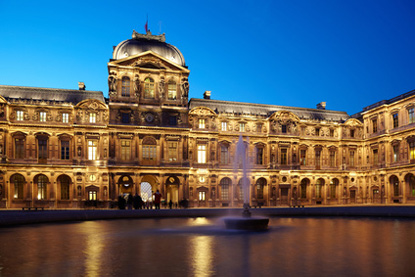
The Louvre is the world's largest art museum in Paris, France, housed in a former royal palace. Home to iconic masterpieces including the Mona Lisa and Venus de Milo, it welcomes millions of visitors annually beneath its famous glass pyramid.
|
| Arc de Triomphe du Carrousel |
|---|
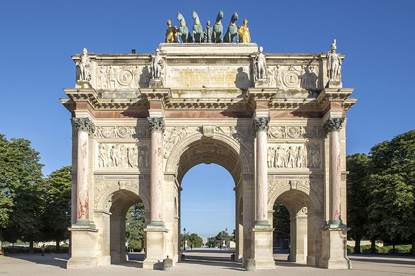
Napoleon's elegant triumphal arch (1806-08) celebrating his military victories, particularly Austerlitz. Modelled on Roman architecture with Corinthian columns, bas-reliefs of campaigns, and topped by Bosio's bronze quadriga. Forms part of Paris's historic axis from Louvre to La Défense.
|
| Tuileries Gardens |
|---|
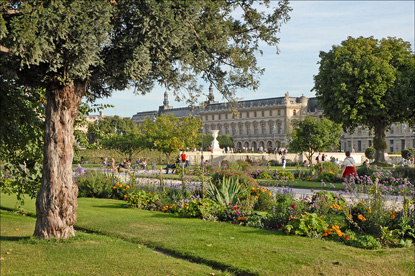
Historic French formal garden between the Louvre and Place de la Concorde, designed by André Le Nôtre. Features tree-lined alleys, ornamental ponds, and sculptures by renowned artists including Rodin and Maillol. Perfect for leisurely strolls in central Paris.
|
| Museum of Decorative Arts |
|---|
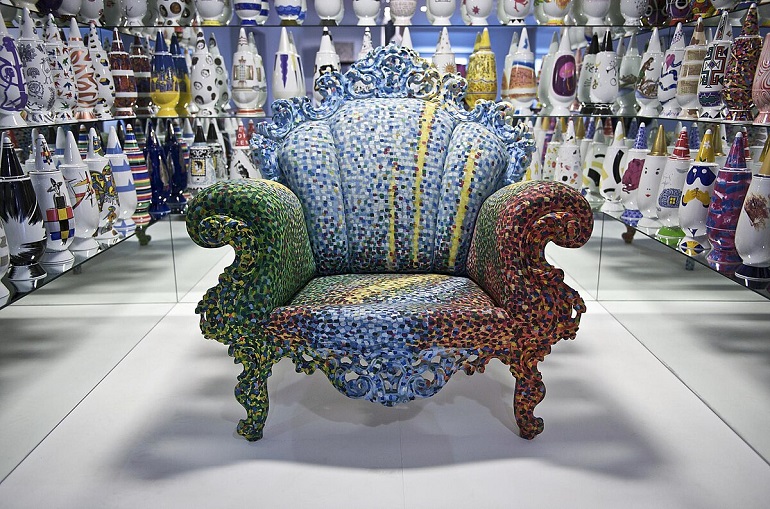
Set in the Louvre’s Pavillon de Marsan on Rue de Rivoli, this major museum traces decorative arts from the Middle Ages to today, with standout furniture, fashion, jewellery, glass and evocative period rooms, including Jeanne Lanvin’s 1920s apartment.
|
|
Palais-Royal |
|---|

The Palais-Royal is a historic French royal palace in Paris's 1st arrondissement, originally built for Cardinal Richelieu (1633-1639). Now housing government offices, it features beautiful public gardens and elegant arcaded galleries opposite the Louvre.
|
|
Place Vendôme |
|---|

Place Vendôme is an octagonal square in Paris's 1st arrondissement, renowned as one of the world's most luxurious. Designed by Jules Hardouin-Mansart in 1699 for Louis XIV, it features classical façades and houses prestigious jewellers like Cartier.
|
| Medici Column |
|---|
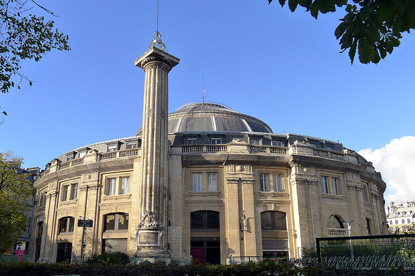
This 16th-century astronomical column, built in 1575 by Jean Bullant for Catherine de' Medici, stands 31 metres high beside the Bourse de Commerce. The sole remnant of the former Hôtel de Soissons, it contains 147 spiral steps leading to a viewing platform.
|
| Pinault Collection |
|---|
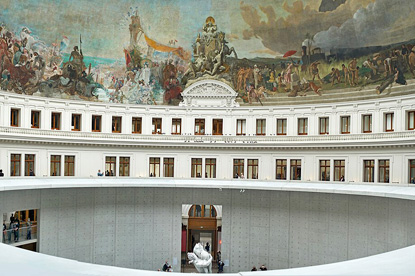
World-class contemporary art museum showcasing François Pinault's 10,000-piece collection in the historic Bourse de Commerce. Tadao Ando's renovation creates a striking blend of 19th-century grandeur and cutting-edge gallery spaces in central Paris.
|
| Forum des Halles |
|---|
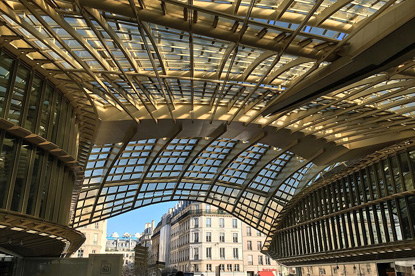
Westfield Forum des Halles is a vast, partly underground shopping and leisure hub in central Paris, crowned by the swooping La Canopée. Above Châtelet–Les Halles, it mixes major brands, cinemas and eateries, with the Jardin Nelson-Mandela beside. Near the Louvre and Pompidou.
|
|
Conciergerie |
|---|
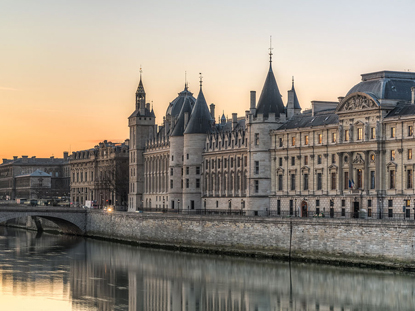
Once a medieval royal palace, this Gothic marvel became a notorious prison during the French Revolution. Discover its grand halls and see where famous prisoners, including Marie Antoinette, were held before being sent to the guillotine.
|
|
Sainte-Chapelle |
|---|
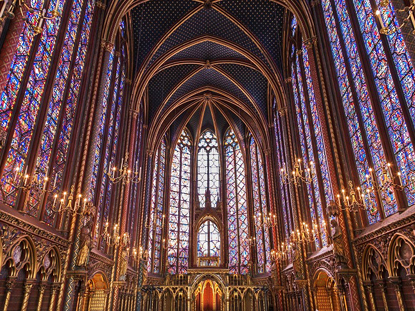
A 13th-century Gothic royal chapel on Île de la Cité, built by Saint Louis to house Christ's Crown of Thorns. Famous for its breathtaking stained glass windows depicting over 1,100 biblical scenes—a masterpiece of Rayonnant Gothic architecture.
|
| Pont Neuf |
|---|
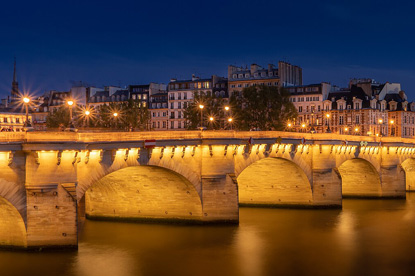
Despite meaning 'New Bridge', Pont Neuf is actually Paris's oldest standing bridge, completed in 1607. This historic stone bridge crosses the Seine via Île de la Cité, offering magnificent riverside views. The first bridge built without houses, it's a UNESCO World Heritage site.
|
| Saint-Eustache Church |
|---|
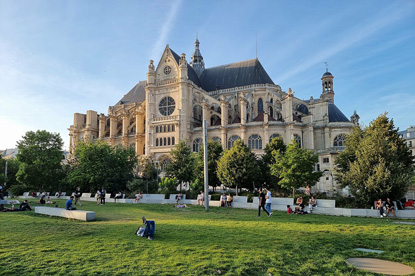
Magnificent Gothic church in Paris's Les Halles district, the city's second largest after Notre-Dame. Built between 1532-1637, it masterfully blends Gothic architecture with Renaissance interior decoration. Renowned for its massive pipe organ and illustrious history.
|
2nd arrondissement
| Bibliothèque nationale de France |
|---|
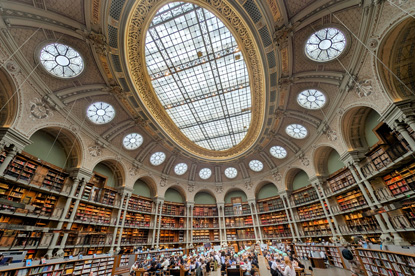
BnF Richelieu, the historic home of France’s national library by the Palais-Royal, unites grand 17th-century architecture with the free Oval reading room, open to all, a new museum of treasures from Antiquity to today, rotating exhibitions, a tranquil garden, bookshop and café.
|
| Place des Victoires |
|---|
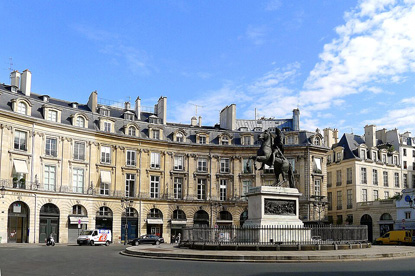
Historic circular royal square celebrating Louis XIV's victories, featuring elegant 17th-century architecture by Hardouin-Mansart. The central equestrian statue overlooks luxury boutiques in harmonious arcaded buildings between the 1st and 2nd arrondissements.
|
| Bourse district |
|---|
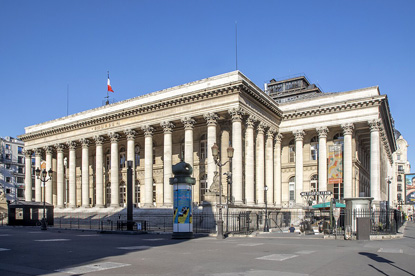
Centred on the elegant Palais Brongniart, the Bourse blends Paris's financial heritage with charm: 19th-century covered passages, Belle-Époque arcades, smart boutiques and bustling cafés, minutes from Opéra and Rue Montorgueil. A compact, central quartier ideal for strolling and shopping.
|
3rd arrondissement
| Carnavalet Museum |
|---|
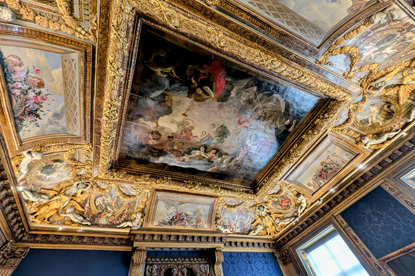
Paris's oldest municipal museum, housed in two magnificent Renaissance mansions in the historic Marais. Tells the capital's story from prehistoric times to today through 600,000+ artefacts across 100 rooms. Free entry to this treasure trove of Parisian heritage.
|
| Musée des Arts et Métiers |
|---|
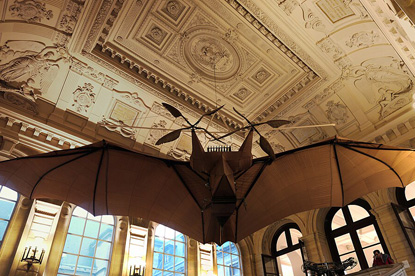
Founded in 1794, the Musée des Arts et Métiers showcases 2,400 inventions across seven themes, from scientific instruments to transport, in a former priory and church, home to Foucault’s Pendulum and pioneering early flying machines.
|
| Museum of Jewish Art and History |
|---|
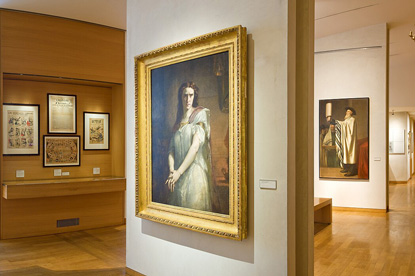
Set in the elegant Hôtel de Saint-Aignan in Paris’s Marais, this museum traces two millennia of Jewish art and history across Europe and North Africa, with evocative ritual objects, modern works and thoughtful exhibitions, plus a lively cultural programme.
|
| Picasso Museum |
|---|
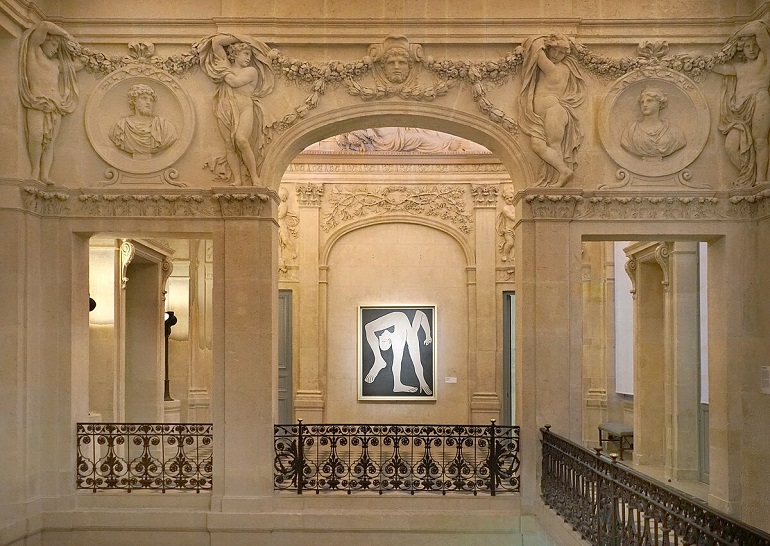
Located in a stunning 17th-century mansion in the Marais district, this museum houses the world's largest Picasso collection. Explore the master's artistic evolution through paintings, sculptures, and sketches spanning his entire remarkable career.
|
4th arrondissement
|
Notre Dame de Paris |
|---|
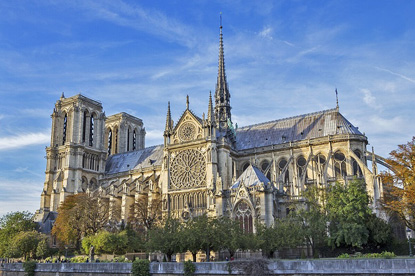
A masterpiece of French Gothic architecture on the Île de la Cité. Famed for its sculpted portals, luminous rose windows, and intricate stone gargoyles, this iconic cathedral is a symbol of Parisian resilience. Restored after the 2019 fire, it reopened in December 2024.
|
| Hôtel de Ville |
|---|

Paris's magnificent town hall, municipal headquarters since 1357. This stunning neo-Renaissance building (1874-82) replaced the original destroyed during the Paris Commune. Features elaborate façades, grand reception rooms, and fascinating revolutionary history.
|
|
Place des Vosges |
|---|

Paris's oldest planned square and an architectural jewel in the Marais district. Admire the elegant, symmetrical red-brick façades and stroll beneath the arcades, home to chic art galleries and cafés.
|
| Centre Pompidou |
|---|
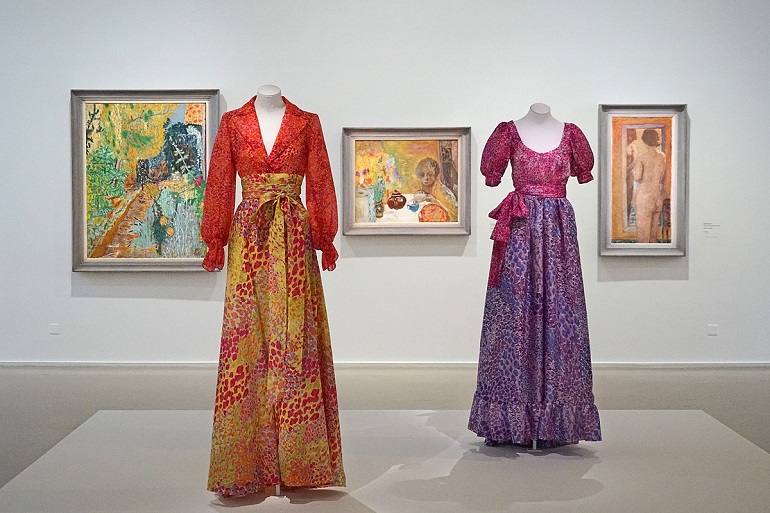
The Centre Pompidou's Musée National d'Art Moderne houses Europe's largest collection of modern and contemporary art. This iconic Parisian landmark features over 100,000 works from 1905 onwards, including masterpieces by Picasso, Matisse, and Kandinsky.
|
| Atelier Brancusi |
|---|
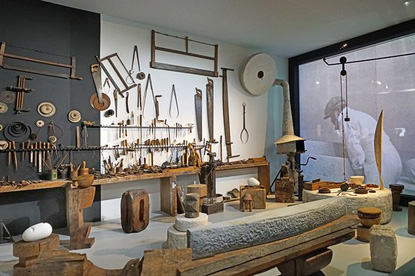
Reconstructed studio of Constantin Brancusi, pioneering modern sculptor, on Centre Pompidou's plaza. This glass-enclosed space preserves 137 sculptures, tools, and photographs exactly as the Romanian artist arranged them, revealing his revolutionary approach to spatial relationships in art.
|
| Shoah Memorial |
|---|
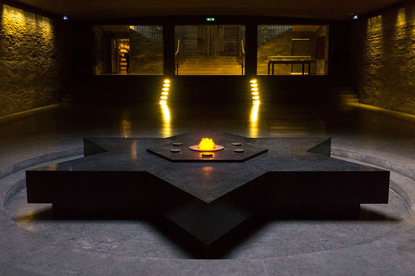
Paris's principal Holocaust memorial and museum in the historic Marais district. Features comprehensive exhibitions on French Jewish history during WWII, a Wall of Names honouring 76,000 deported Jews, and a sacred memorial crypt containing victims' ashes.
|
5th arrondissement
|
Jardin du Luxembourg |
|---|
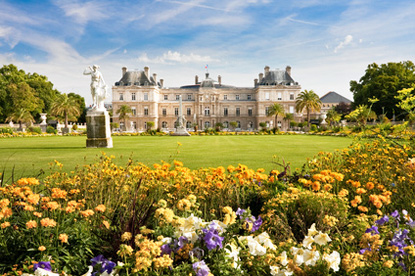
A Parisian oasis created in 1612 for Queen Marie de' Medici. These famous gardens blend French and English styles and feature the Luxembourg Palace, the Medici Fountain, lush flowerbeds, statues, and a large pond where children sail model boats.
|
|
Panthéon |
|---|
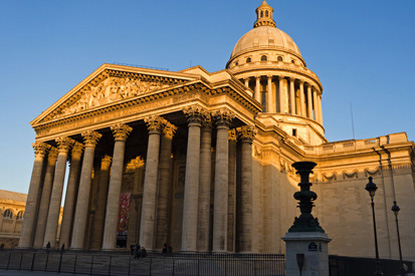
A neoclassical landmark in the Latin Quarter, the Panthéon is the final resting place of France's national heroes. Descend into the crypt to find the tombs of luminaries like Voltaire, Victor Hugo, and Marie Curie beneath its magnificent dome.
|
| Quartier Latin & Sorbonne |
|---|
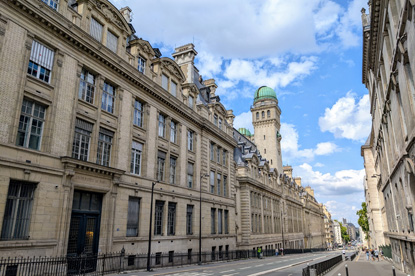
Historic academic heart of Paris, home to the prestigious Sorbonne University. Medieval cobbled streets lined with bookshops, student cafés, and intellectual buzz. Explore centuries-old architecture, vibrant nightlife, and scholarly tradition in this Left Bank cultural quarter.
|
| Arènes de Lutèce |
|---|
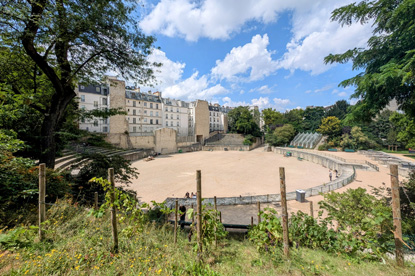
Hidden in the Latin Quarter, the Arènes de Lutèce is a 1st-century Roman amphitheatre-theatre, once hosting gladiators and spectacles for up to 15,000, now a tranquil arena-park where locals play pétanque and linger among evocative remains of ancient Lutetia.
|
|
Jardin des Plantes |
|---|
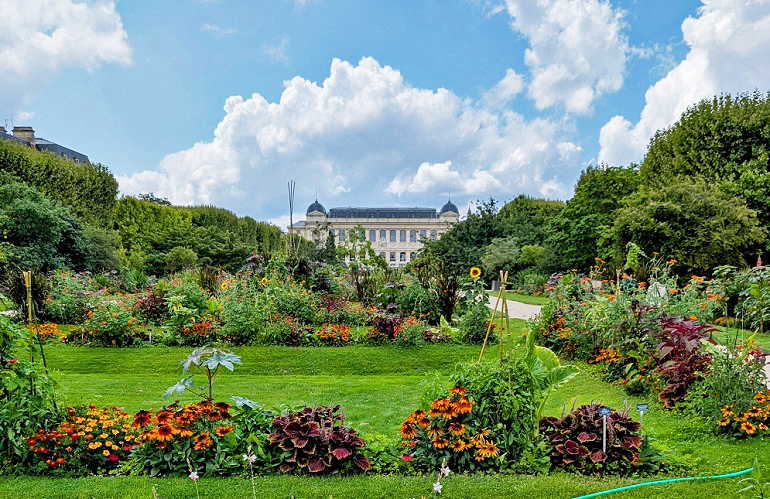
Explore Paris's historic botanical garden, a green oasis in the city's heart. Discover diverse flora in its themed gardens and tropical glasshouses, visit the charming zoo, and explore the National Museum of Natural History's fascinating galleries.
|
| National Museum of Natural History |
|---|
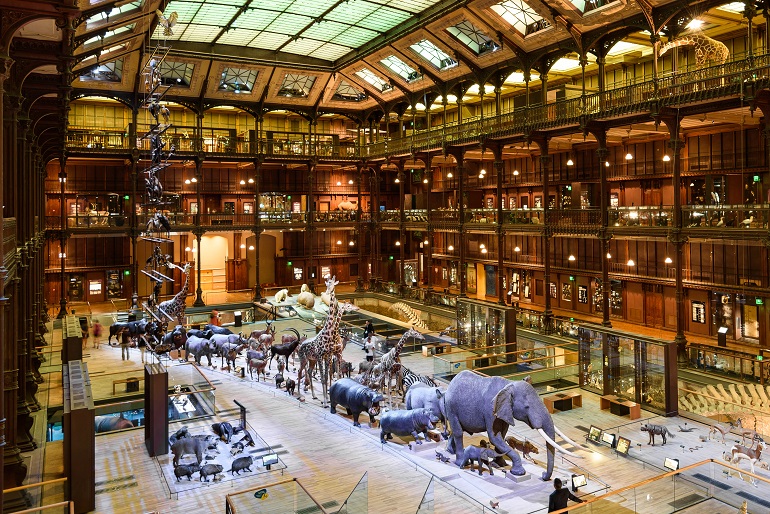
Paris's premier natural history museum set within the Jardin des Plantes, featuring the magnificent Grande Galerie de l'Évolution with 7,000 specimens, dinosaur skeletons, and botanical gardens. A captivating blend of science and nature perfect for families.
|
| National Museum of the Middle Ages |
|---|
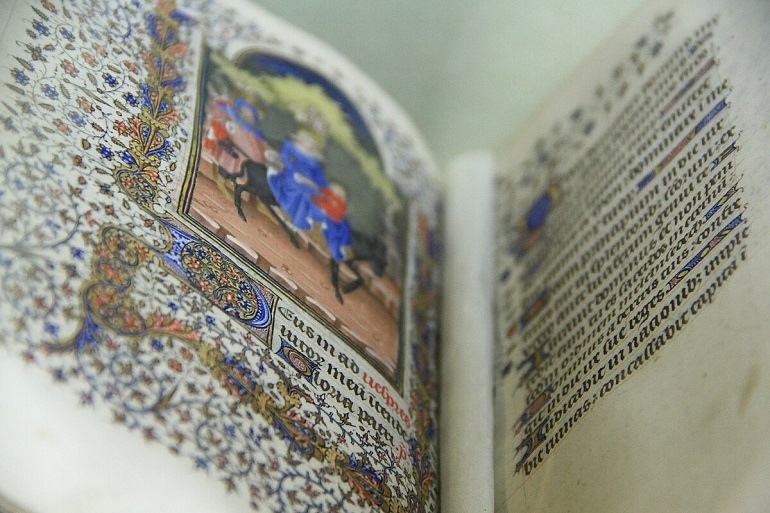
Paris's National Museum of the Middle Ages, uniquely housed in ancient Roman baths and a stunning 15th-century mansion. Home to the world-famous Lady and the Unicorn tapestries and France's most comprehensive medieval art collection spanning over 1,000 years.
|
6th arrondissement
| Paris Mint Museum |
|---|
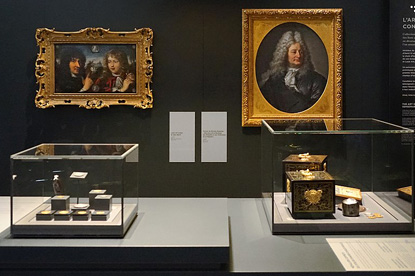
France's oldest institution, housed in an elegant 18th-century neoclassical building on Quai de Conti. This working mint and museum reveals over 1,150 years of coin-making history through interactive exhibits, live craftsman workshops, and immersive sensory experiences.
|
| Church of Saint-Sulpice |
|---|
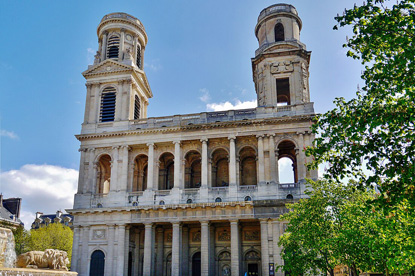
One of Paris's largest churches, Saint-Sulpice showcases magnificent classical 17th-century architecture with distinctive asymmetrical towers. Famous for its world-renowned Cavaillé-Coll organ, stunning Delacroix frescoes, and unique 18th-century gnomon sundial. Featured in 'The Da Vinci Code'.
|
7th arrondissement
|
Eiffel Tower |
|---|

Paris's iconic 330-metre iron lattice tower, built for the 1889 World's Fair on the Champ de Mars. Offers spectacular panoramic views from three observation levels. The world's most recognisable landmark and France's most visited monument, welcoming millions annually.
|
| École militaire |
|---|
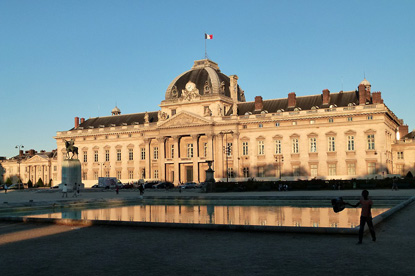
An 18th-century complex by Ange-Jacques Gabriel, the École Militaire was founded by Louis XV to train officers and later schooled Napoleon. Facing the Champ-de-Mars, its grand classical façade still anchors higher military education, with rare visits on European Heritage Days.
|
| Musée du Quai Branly |
|---|
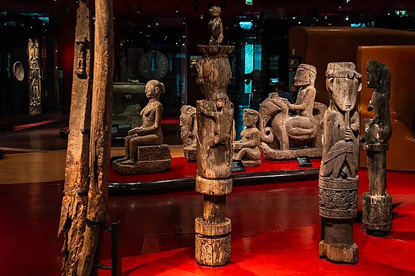
Devoted to the arts and civilisations of Africa, Asia, Oceania, and the Americas, this visually stunning museum near the Eiffel Tower features Jean Nouvel's bold architecture, including a spectacular plant-covered living wall and tranquil gardens.
|
| Assemblée Nationale |
|---|
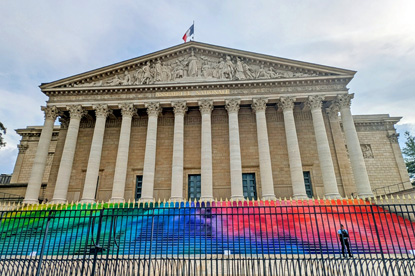
The neoclassical Palais Bourbon (1728) houses France's National Assembly in the 7th arrondissement. Originally built for Louis XIV's daughter, this grand building features a striking colonnade facade facing the Seine, mirroring the Madeleine church across Place de la Concorde.
|
|
Les Invalides |
|---|

Home to Napoleon's tomb beneath its iconic golden dome, Les Invalides is a majestic Parisian landmark. It houses the national army museum, charting France's military history, and was originally founded as a home and hospital for war veterans.
|
| Rodin Museum |
|---|
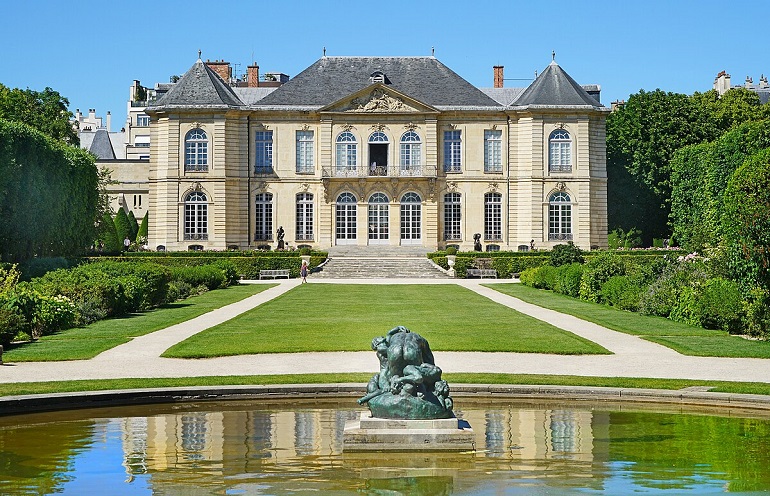
Set in the elegant 18th-century Hôtel Biron, the Musée Rodin showcases Rodin’s masterpieces — The Thinker, The Kiss and The Gates of Hell — amid luminous galleries and a serene sculpture garden, a rare oasis near Les Invalides in the 7th arrondissement.
|
|
Musée d'Orsay |
|---|

Housed in a magnificent Belle Époque railway station on the Left Bank, this world-renowned museum boasts the globe's finest collection of Impressionist and post-Impressionist masterpieces from 1848-1914, featuring works by Monet, Renoir, Van Gogh, Cézanne, and Degas.
|
| Musée de la Légion d'honneur |
|---|
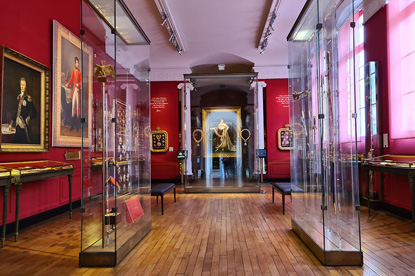
National museum showcasing French and international orders, medals, and decorations from the Middle Ages to today. Housed in the elegant 18th-century Hôtel de Salm near Musée d'Orsay, it features Napoleon's grand collar and honours from over 120 nations. Free admission.
|
| Paris Sewer Museum |
|---|
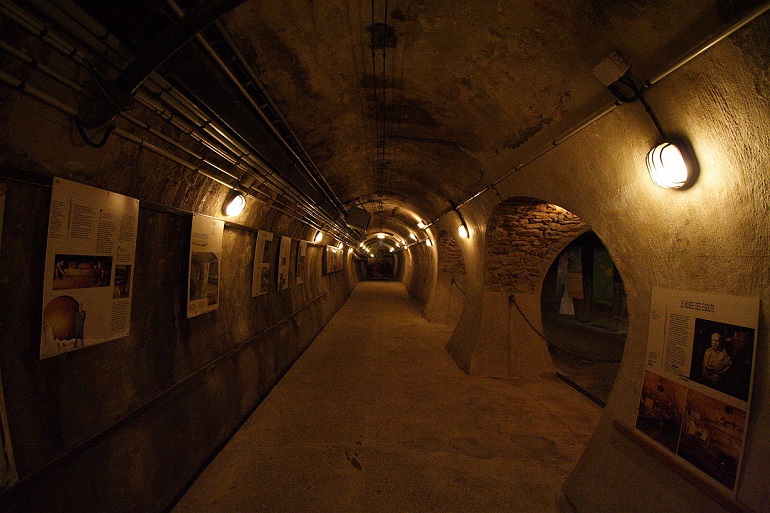
Descend beneath Pont de l’Alma at the Paris Sewer Museum, a surprisingly clean, immersive journey through the 19th‑century network. Explore Belgrand’s engineering, sewer workers’ tools and modern water treatment, moments from the Eiffel Tower, and surprisingly atmospheric.
|
8th arrondissement
|
Place de la Concorde |
|---|

Paris’s largest square, Place de la Concorde links the Champs‑Élysées and the Tuileries, centred on the Luxor Obelisk and two ornate fountains. Grace masks a darker past as the Revolution’s execution ground for Louis XVI and others.
|
| Hôtel de la Marine |
|---|
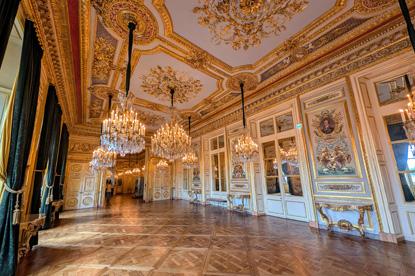
Spectacular 18th-century palace overlooking Place de la Concorde, originally the royal furniture repository, then Navy Ministry headquarters for 226 years. This magnificent museum features restored ceremonial rooms, period apartments and breathtaking views over Paris from its historic loggia.
|
|
Petit & Grand Palais |
|---|
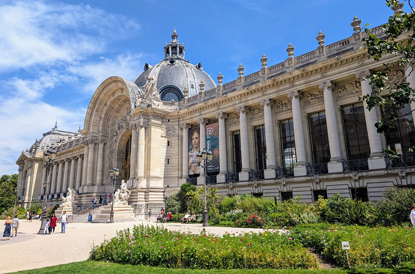
Discover the Grand and Petit Palais. Marvel at the Grand Palais's magnificent glass nave, a venue for prestigious events, and explore the Petit Palais's exquisite fine art collection. Two architectural gems from the 1900 World's Fair.
|
|
Champs-Élysées |
|---|

Stroll Paris's most famous avenue, from the Place de la Concorde to the Arc de Triomphe. Lined with luxury shops, theatres, and pavement cafés, it is the heart of Parisian glamour and home to major national events.
|
| Élysée Palace |
|---|
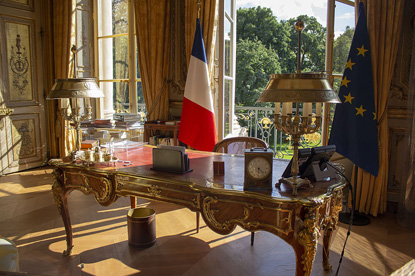
The official residence and workplace of the French President since 1848, this elegant 18th-century palace off the Faubourg Saint-Honoré symbolises the nation's power and prestige. Built in 1722 for the Count of Évreux, it contains 365 rooms and beautiful gardens.
|
|
La Madeleine |
|---|
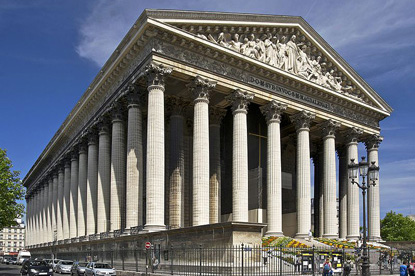
Originally Napoleon's temple to his army, La Madeleine is a striking Neoclassical church resembling a Greco-Roman temple. Its grand design, featuring 52 Corinthian columns and a unique absence of a cross or steeple, makes it an impressive Parisian landmark.
|
|
Parc Monceau |
|---|
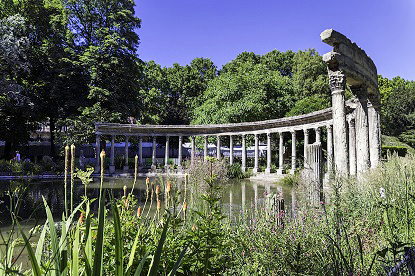
A tranquil, romantic English-style garden in the 8th arrondissement. This peaceful oasis features whimsical architectural follies, including a pyramid and a Roman colonnade, amongst lush greenery and statues of famous artists.
|
| Cernuschi Museum |
|---|
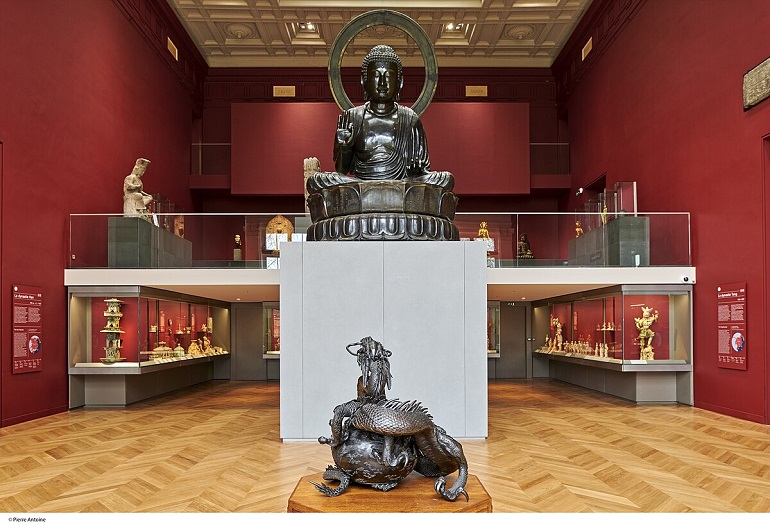
Cernuschi Museum, by Parc Monceau, on Avenue Vélasquez, presents millennia of Asian art in Henri Cernuschi’s 19th-century mansion, from Chinese bronzes to Japanese masterpieces. Permanent collections are free to visit, with paid temporary exhibitions.
|
| Nissim de Camondo Museum |
|---|
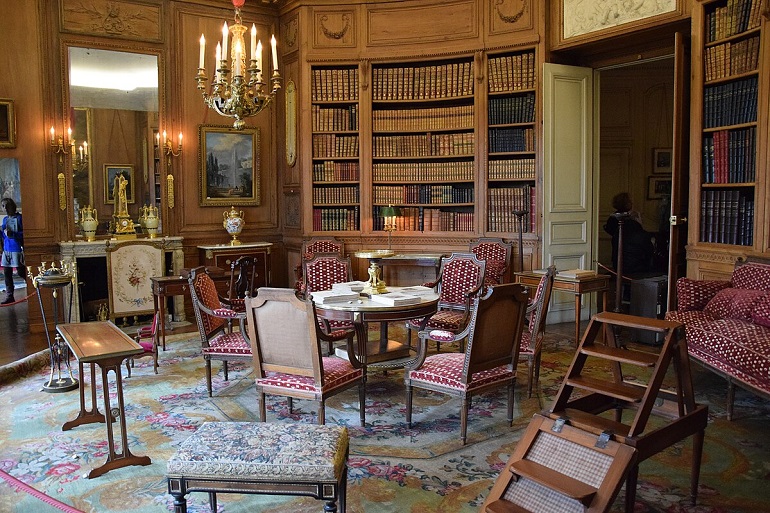
Elegant Belle Époque mansion near Parc Monceau housing a spectacular collection of 18th-century French decorative arts. Discover exquisite furniture by master craftsmen, precious Sèvres porcelain, and treasures once owned by Marie-Antoinette.
|
|
Arc de Triomphe |
|---|

Standing proudly at the top of the Champs-Élysées, this iconic arch honours France's war heroes. Ascend to its viewing terrace for spectacular panoramic views of Paris and visit the Tomb of the Unknown Soldier below.
|
| Jacquemart-André Museum |
|---|
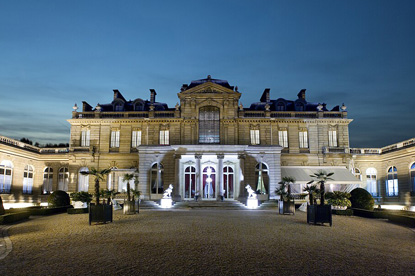
Sumptuous private museum set in an elegant Belle Époque mansion. Houses exceptional art collection including Botticelli, Rembrandt and Fragonard masterpieces displayed in opulent period rooms with stunning winter garden.
|
9th arrondissement
|
Opéra Garnier |
|---|

A masterpiece of 19th-century architecture, the opulent Opéra Garnier is a Parisian icon. Famed for its grand staircase and Chagall ceiling, this lavish theatre is a must-see for its breathtaking splendour and rich history.
|
|
Boulevard Haussmann |
|---|
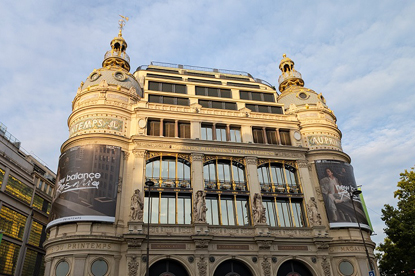
Home to Paris's legendary department stores, Galeries Lafayette and Printemps, Boulevard Haussmann is a shopper's paradise. Admire the stunning architecture and browse the latest fashions and luxury goods on this iconic Parisian boulevard.
|
| Paradox Museum |
|---|
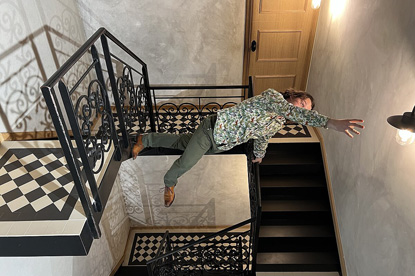
Interactive museum featuring over 90 mind-bending optical illusions and paradoxes across three floors near Opéra. Visitors explore perception-challenging exhibits blending science and entertainment in 1,700m² of immersive installations perfect for families and photography enthusiasts.
|
14th arrondissement
| Montparnasse District |
|---|
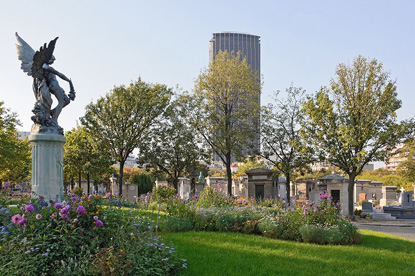
Historic Left Bank district famed for its 1920s bohemian past, when Hemingway and Picasso frequented legendary cafés. Today offers panoramic city views from Montparnasse Tower, the eerie Paris Catacombs, vibrant theatres, and atmospheric brasseries preserving its artistic heritage.
|
| Parc Montsouris |
|---|
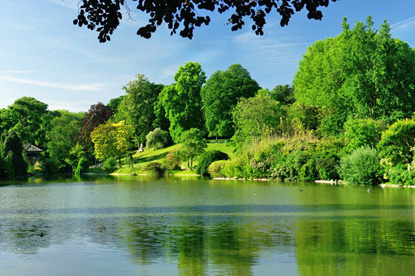
A picturesque 15-hectare English-style park in Paris's 14th arrondissement, featuring a lake, sculptures, and rolling lawns. Created by Napoleon III in 1869, it's popular with students from the nearby Cité Universitaire and hosts summer concerts.
|
| Catacombs of Paris |
|---|
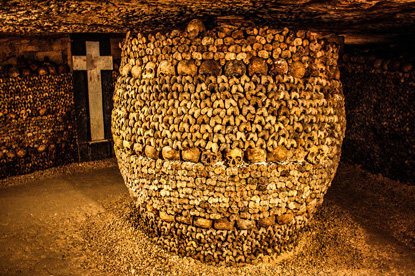
Underground ossuary housing the remains of over six million Parisians, created in the late 18th century within former limestone quarries. Known as the 'Empire of Death', these haunting tunnels offer a unique glimpse into Paris's history and mortality through artfully arranged bones and skulls.
|
15th arrondissement
| Bourdelle Museum |
|---|
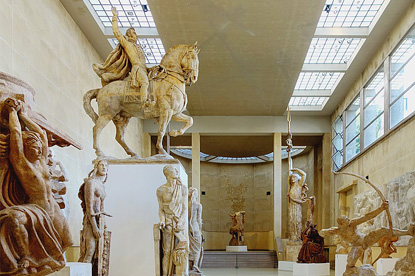
Former studio of sculptor Antoine Bourdelle (1861-1929), showcasing over 500 works including monumental sculptures, plaster casts, and intimate drawings. Features beautiful sculpture gardens and the preserved artist's workshop in Montparnasse. Free admission.
|
16th arrondissement
| Trocadero |
|---|
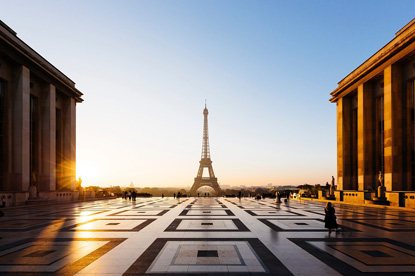
Trocadéro’s grand terraces and fountains frame Paris’s most iconic view of the Eiffel Tower, set between the sweeping wings of the Palais de Chaillot and elegant gardens. A favourite for sunrise photos, strolling, and museum visits, it captures Parisian drama.
|
| National Marine Museum |
|---|
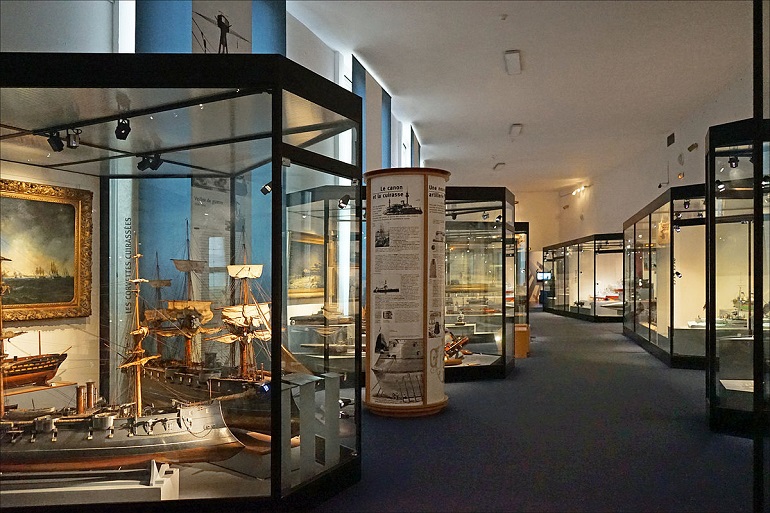
France's national maritime museum at Palais de Chaillot features interactive displays, magnificent ship models, and immersive experiences showcasing centuries of naval heritage. Recently renovated with modern technology exploring maritime past and future challenges.
|
| Museum of Mankind |
|---|
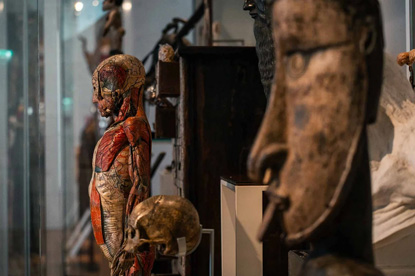
This prestigious anthropology museum at Trocadéro explores human evolution and cultural diversity through 1,800 fascinating artefacts. Interactive exhibitions showcase humanity's unity and variety across five continents, whilst offering splendid views of the Eiffel Tower.
|
| Guimet Museum |
|---|
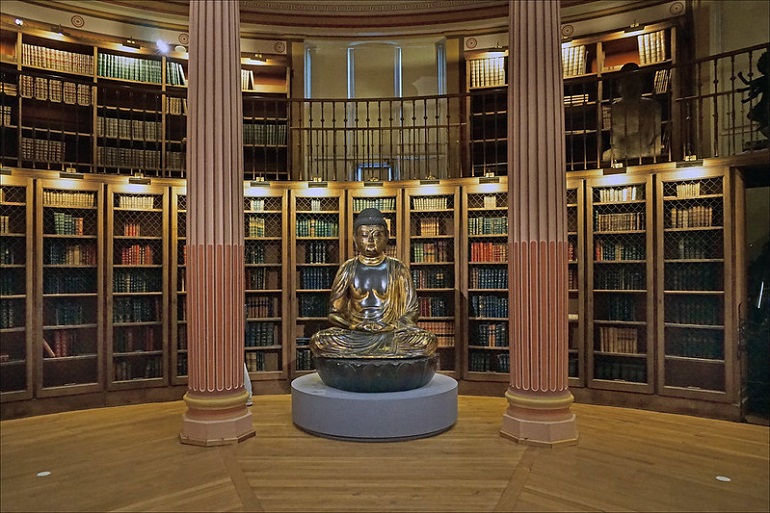
Founded in 1889, the Guimet Museum houses Europe's finest collection of Asian art, spanning 5,000 years from Afghanistan to Japan. Highlights include Buddhist sculptures, Chinese ceramics, and Khmer treasures. Located near Trocadéro with a panoramic rooftop terrace.
|
| Museum of Modern Art |
|---|
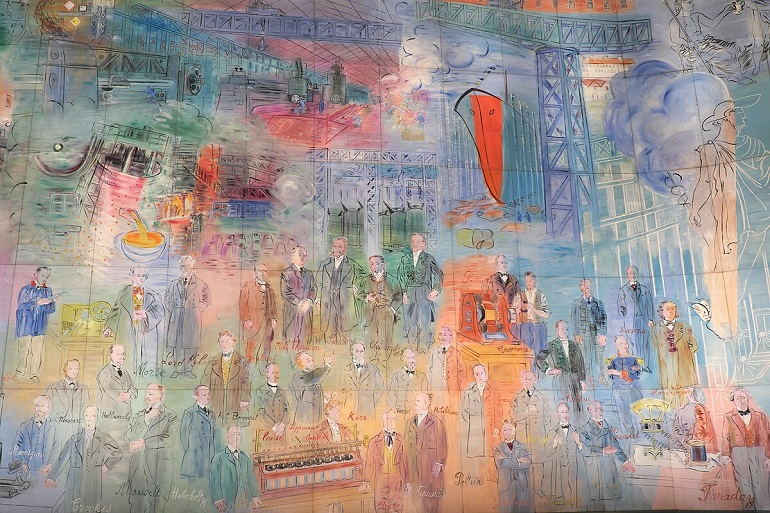
Municipal modern art museum housed in the Art Deco Palais de Tokyo facing the Eiffel Tower. Features 15,000 works from 20th-21st centuries including masterpieces by Picasso, Matisse, and Dufy's monumental 'Electricity Fairy' mural. Free permanent collection.
|
| Paris Fashion Museum |
|---|
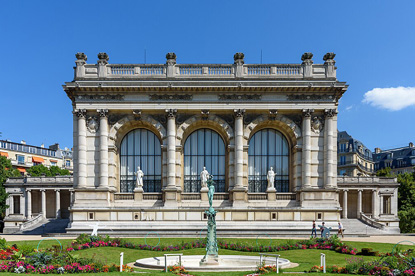
Housed in an elegant Renaissance palace, Paris's premier fashion museum traces the evolution of haute couture from the 18th century to present day. Features rotating exhibitions and permanent collections showcasing legendary designers, historical costumes, and accessories.
|
| Maison de Balzac |
|---|
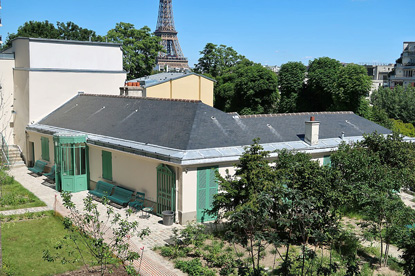
The former home of novelist Honoré de Balzac (1840-47), where he penned La Comédie Humaine whilst hiding from creditors. This charming house-museum in Passy displays manuscripts, personal items, and boasts a peaceful garden with Eiffel Tower views. Free entry.
|
| Marmottan-Monet Museum |
|---|
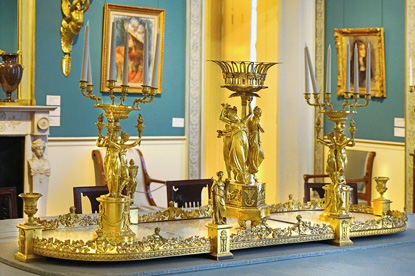
Houses the world's largest collection of Claude Monet's works, including his iconic 'Impression, Sunrise' that named the Impressionist movement. This intimate 16th-arrondissement museum also features masterpieces by Berthe Morisot, Renoir, and Degas in an elegant former hunting lodge.
|
| Bois de Boulogne |
|---|
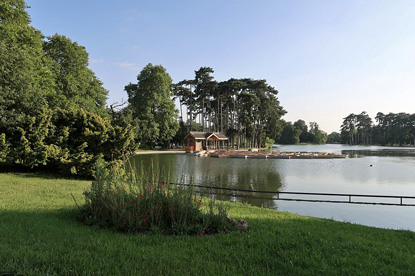
Paris's second-largest park in the west, this 845-hectare green oasis features lakes, gardens, walking trails, and attractions like Roland Garros tennis venue. Once a royal hunting ground, it's now perfect for cycling, boating, and escaping city life.
|
18th arrondissement
|
Sacré-Coeur Basilica |
|---|

Perched atop Montmartre hill, the striking, white-stone Sacré-Cœur Basilica is a masterpiece of Romano-Byzantine architecture. It offers breathtaking panoramic views across Paris and houses one of the world's largest and most spectacular mosaics.
|
| Montmartre |
|---|
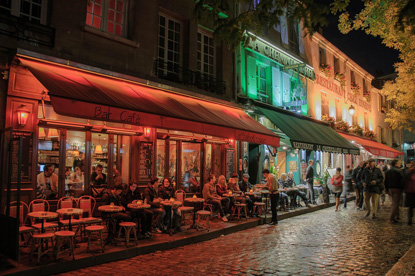
Historic hilltop artist quarter featuring winding cobblestone streets, charming cafés, and lively Place du Tertre where artists paint portraits. Home to legendary Moulin Rouge cabaret and former studios of Picasso and Renoir. Maintains village charm and bohemian spirit.
|
| Moulin Rouge |
|---|
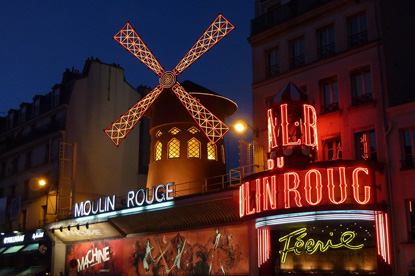
Iconic Montmartre cabaret famed for its red windmill, Belle Époque glamour and high-kicking can-can, the Moulin Rouge stages lavish, often sold-out revues with feathers, sequins and live music. A nightlife landmark, it pairs spectacle with dinner shows near Place Blanche.
|
19th arrondissement
| Parc des Buttes Chaumont |
|---|
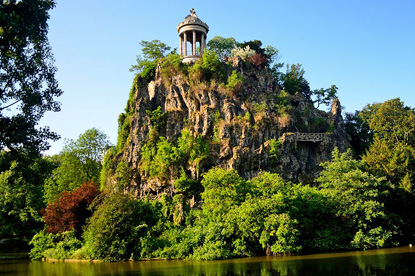
Paris's most dramatic park, built on former gypsum quarries in the 19th arrondissement. Features steep cliffs, an artificial lake, Temple de la Sibylle, and suspension bridge. This 25-hectare English-style garden offers stunning city views and exotic flora.
|
| Cité des Sciences |
|---|
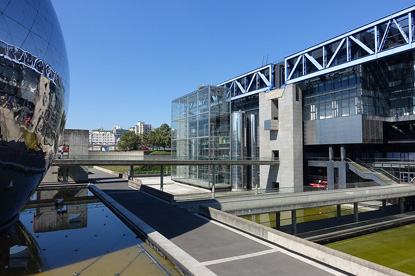
One of Europe's largest science museums, housed in a striking futuristic building in Parc de la Villette. Features interactive exhibits covering technology, space, and biology, plus a planetarium, IMAX cinema, and dedicated children's areas for hands-on discovery.
|
20th arrondissement
| Père-Lachaise Cemetery |
|---|
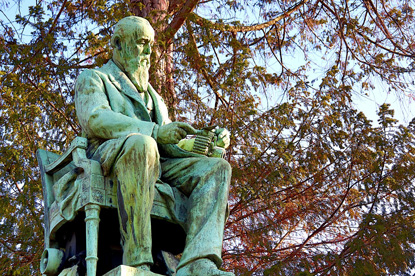
The world's most visited cemetery, Père Lachaise in Paris's 20th arrondissement offers 110 acres of peaceful garden paths amongst elaborate tombs. Founded in 1804, it houses over one million graves including celebrities like Jim Morrison, Oscar Wilde and Édith Piaf.
|
Just outside the arrondissements
|
La Défense |
|---|
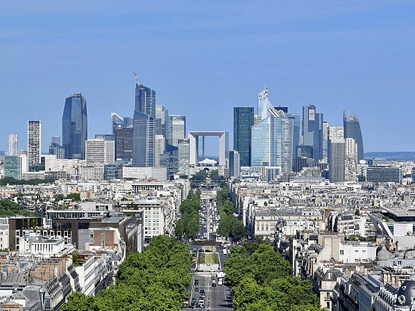
La Défense is Europe's largest business district, located west of Paris. This modern quarter features towering skyscrapers, the iconic Grande Arche, and serves as home to major multinational companies along Paris's historical axis.
|
|
Château de Vincennes |
|---|
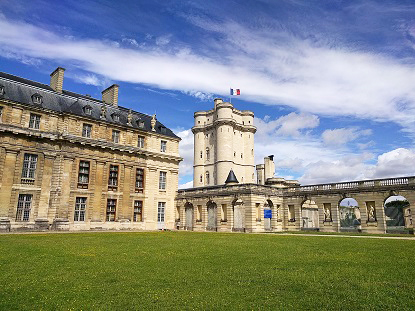
The Château de Vincennes is a superbly preserved medieval fortress on Paris's eastern edge, built in the 14th century. Featuring Europe's tallest keep at 52 metres and a Gothic chapel, it served as a royal residence then state prison.
|
|
Bois de Vincennes, Zoo & Floral Park |
|---|

The Bois de Vincennes, Paris’s largest green space, offers lakes, woodland trails, and historic sites. Within it, the Parc Floral de Paris delights visitors with themed gardens, seasonal flowers, and cultural events in a peaceful, natural setting.
|
In the Greater Paris
|
Château de Versailles |
|---|
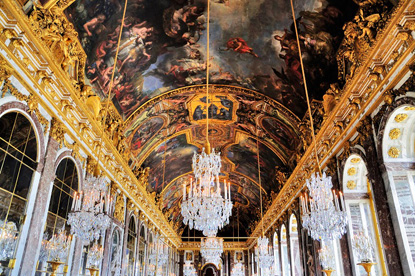
The Palace of Versailles, principal residence of French kings from Louis XIV to Louis XVI, is a UNESCO World Heritage Site 18km west of Paris. This opulent baroque palace, famous for its Hall of Mirrors and gardens, epitomised royal grandeur.
|
|
Château de Saint-Germain-en-Laye |
|---|
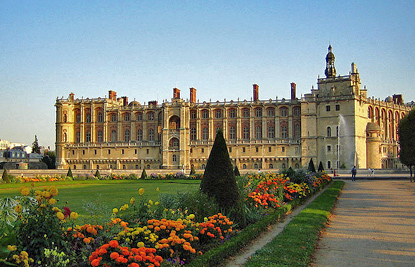
The Château de Saint-Germain-en-Laye is a former royal residence of the kings of France, located west of Paris. First built in the 12th century, it was later rebuilt in the Renaissance style by François I. Today, it houses the National Museum of Archaeology.
|
| Basilica of Saint-Denis |
|---|
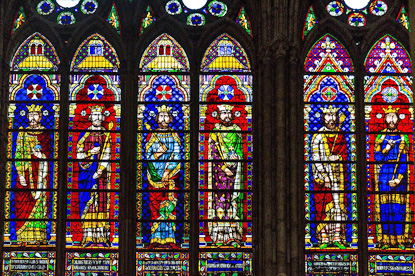
The Basilica of Saint-Denis stands as the birthplace of Gothic architecture and serves as France's royal necropolis. This magnificent 12th-century cathedral houses the tombs of nearly every French monarch from the 10th to 19th centuries, featuring over 70 recumbent statues and ornate monuments. Built on the burial site of Saint Denis, patron saint of France.
|
Other attractions
4th arrondissement
- Maison Européenne de la Photographie
- Église Saint-Louis-en-l'Île
5th arrondissement
6th arrondissement
- Institut de France
- Saint-Germain-des-Prés
7th arrondissement
- Maison de l'UNESCO
- Sèvres-Babylone
|
10th arrondissement
12th arrondissement
- Place & Opera de la Bastille
- Bercy
16th arrondissement
19th & 20th arrondissements
|
|


