


| Contents |
|---|

Introduction
Limoges (pop. 130,000) is the second most populous town in the Nouvelle-Aquitaine region. Founded around 10 BCE as Augustoritum, it evolved into a significant Gallo-Roman centre and later flourished during the Middle Ages. Situated on the western foothills of the Massif Central and crossed by the River Vienne, Limoges is renowned for its porcelain industry, which began in the 18th century following the discovery of kaolin nearby. The city boasts a rich cultural heritage, evident in its Gothic cathedral of Saint-Étienne, the church of Saint-Michel-des-Lions, and various museums showcasing its history and craftsmanship. As a university town and regional administrative centre, Limoges offers visitors a blend of historical charm and modern amenities, making it an intriguing destination for those interested in French history, art, and industry.
Interesting Facts about Limoges
- Limoges was founded around 10 BCE under the name Augustoritum and became an important Gallo-Roman centre with its own Senate and currency.
- The city is renowned for its porcelain industry, which began in the late 18th century after the discovery of kaolin clay near Saint-Yrieix-la-Perche in 1765.
- Limoges is sometimes nicknamed "the red city" or "the Rome of socialism" due to its tradition of left-wing voting and workers' movements from the 19th to early 20th century.
- The city was evangelised by Saint Martial around 250 CE, and his tomb became a significant pilgrimage site on the route to Santiago de Compostela.
- Limoges was home to an important school of medieval music composition known as the St. Martial School, which included the famous 13th-century troubadour Bertran de Born.
- The city's porcelain was so prestigious that King Louis XIV of France purchased a local factory in 1781 to produce wares for his court.
- Limoges porcelain gained international acclaim and became the chief supplier of porcelain services for the office of the President of the United States.
- The city has a network of 12-mile-long tunnels carved out by bishops, priests, and locals throughout its history.
- Limoges was the birthplace of the renowned painter Pierre-Auguste Renoir and home to famous writers Honoré de Balzac and Molière.
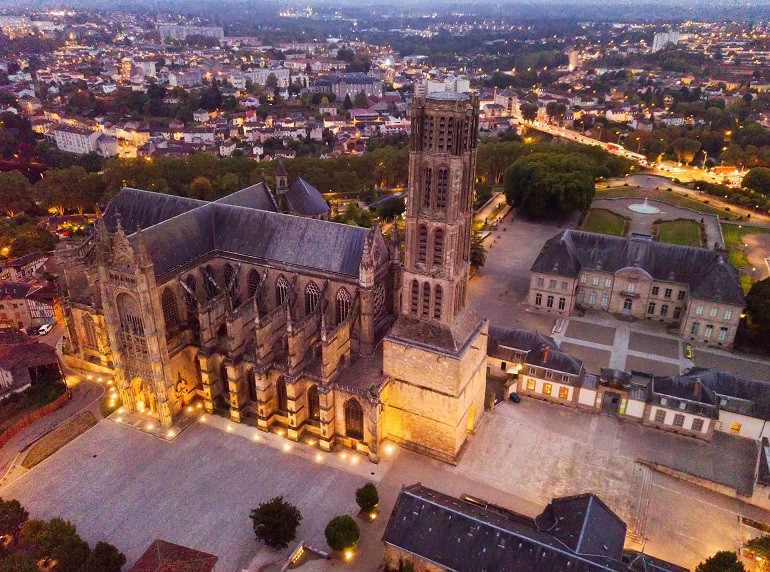
- The city boasts a 13th-century Gothic cathedral, Saint-Étienne, with an elegant, partly octagonal bell tower typical of the region's churches.

History
Limoges, a city with over 2,000 years of history, traces its origins back to Roman times. Founded around 10 BCE as Augustoritum, it flourished as a strategic settlement by the Vienne River. The city's early importance grew during the medieval period, becoming a significant religious centre by the 10th century. Limoges gained renown for its exquisite enamels, drawing pilgrims and scholars to its monasteries and churches.
The city's development was marked by the emergence of two distinct historical hearts: the Ville Haute, centred around the Château des Viscounts, and La Cité, surrounding the Saint-Étienne cathedral. These two settlements, along with a third that formed around the Abbey of Saint Martial, merged in 1792 to create the modern city of Limoges. Throughout its history, Limoges experienced periods of prosperity and hardship, including a devastating attack by Edward the Black Prince in 1370.
Limoges truly came into its own as a centre of art and culture from the 11th century onwards, boasting a remarkable library at the Abbey of Saint Martial. The city became renowned for its school of medieval music composition, known as the St. Martial School. In the 18th century, Limoges began its journey to become the world capital of porcelain production, a legacy that continues to define the city today. Despite facing challenges during the French Revolution, Limoges has persevered, evolving into a dynamic city that blends its rich historical heritage with modern vibrancy.
Main Attractions
Cathédrale St-Étienne
The Cathédrale St-Étienne is a prominent historical landmark in Limoges, showcasing the city's architectural prowess. Built between the 13th and 19th centuries, this Gothic cathedral features intricate stained glass windows and an impressive flying buttress system. Its tall spires dominate the city skyline, while the interior boasts high ceilings, grand arches, and detailed stone carvings. Visitors can explore the cathedral's tranquil atmosphere and admire its stunning architecture. The cathedral is also a significant religious site, hosting various ceremonies and events throughout the year.
Chapel of Saint Aurelien
Located in the historic Quartier de la Boucherie, the Chapel of Saint Aurelien is another significant religious site in Limoges. This chapel is known for its historical importance and architectural beauty, making it a must-visit for those interested in the city's religious heritage. The chapel's surroundings offer a glimpse into Limoges' medieval past, with narrow streets and well-preserved buildings that evoke a sense of history and tradition.
Quartier de la Boucherie
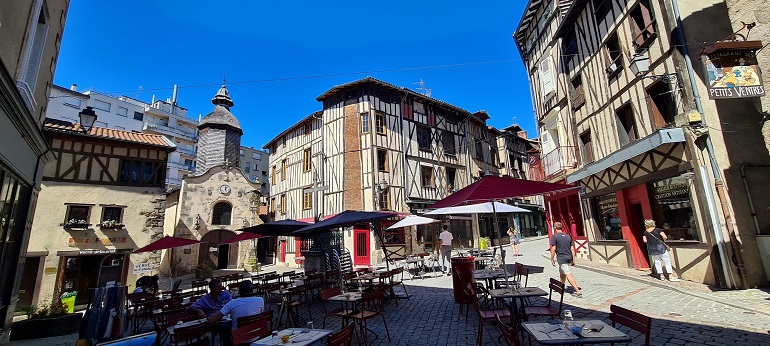
The Quartier de la Boucherie is a historic district in Limoges, famous for its well-preserved medieval architecture. This area is a popular destination for tourists, offering a unique glimpse into the city's past. Visitors can stroll through the narrow streets, admire the old buildings, and explore the local shops and cafes. The district is also home to several historical landmarks, including the Chapel of Saint Aurelien, making it a hub for cultural and historical exploration.
Gare de Limoges Benedictins
The Gare de Limoges Benedictins is an iconic railway station renowned for its architectural beauty. Built in the early 20th century, the station combines elements of Art Nouveau and Art Deco styles, creating a unique and visually striking structure. The station's design reflects the city's rich cultural heritage and its importance as a transportation hub. Visitors can admire the station's grand entrance, intricate details, and the bustling atmosphere that surrounds it.
Pont Saint-Martial
The Pont Saint-Martial is a historic bridge offering scenic views and a glimpse into the city's rich architectural heritage. The bridge spans the Vienne River, providing stunning views of the surrounding landscape. Visitors can walk across the bridge to admire its architecture and enjoy the picturesque views of the river and the city.
Place de la République
Place de la République is a vibrant square in the heart of the city, filled with history and local delights. The square is surrounded by cafes, shops, and historical buildings, making it a popular spot for both locals and tourists. Visitors can enjoy the square's lively atmosphere, explore the local shops, and dine at one of the many cafes and restaurants.
Crypte Saint-Martial
The Crypte Saint-Martial is a captivating medieval crypt showcasing the rich history of Limoges. Located beneath the city, this crypt offers a unique glimpse into the city's past, with ancient stone walls and historical artifacts. Visitors can explore the crypt's mysterious atmosphere and learn about the city's medieval heritage.
Souterrain de la Règle
The Souterrain de la Règle is an underground attraction revealing the region's rich history and heritage. This network of tunnels and passageways provides insight into the city's medieval past, showcasing ancient structures and historical artifacts. Visitors can explore the underground tunnels and learn about the city's fascinating history.
Petit Train
The Petit Train is a delightful tour that showcases the city's history and beauty in comfort. This tourist train takes visitors on a scenic journey through Limoges, highlighting its major landmarks and historical sites. The tour provides an easy and enjoyable way to explore the city, offering insights into its cultural and historical significance.
Cultural Events
Limoges hosts various cultural events throughout the year, including the Street Arts festival (Urbaka) in the summer. This festival features musical entertainment, open-air cinemas, and street performances, showcasing the city's vibrant cultural scene. Visitors can enjoy these events to experience the city's lively atmosphere and community spirit. Additionally, Limoges is known for its porcelain industry, and visitors can explore this aspect of the city's heritage by visiting local workshops and markets.
Top Museums
Musée national Adrien-Dubouché
The Musée national Adrien-Dubouché is a French national museum dedicated to Limoges porcelain and the history of ceramics. It boasts the largest public collection of Limoges porcelain worldwide, alongside works representing key stages in ceramic history from antiquity to the present day. The museum offers a fluid, educational route through contrasting spaces, ensuring a varied and engaging visit. The tour begins with the process of porcelain manufacture, followed by an exploration of ceramic history, culminating in an exhibition of Limoges porcelain. Visitors can appreciate the craftsmanship and artistry that have made Limoges porcelain renowned globally.
Limoges Museum of Fine Arts
Located in the former Bishop's Palace, the Limoges Museum of Fine Arts is a testament to the city's rich artistic heritage. The museum features a diverse collection, including over 600 enamel pieces from the Limousin workshops, spanning from the Middle Ages to the present. It also houses paintings from the Italian Renaissance to 20th-century masters, as well as modern and contemporary sculptures, prints, and drawings. The museum offers themed trails and workshops, making it suitable for all ages. The building itself is a work of art, with its beautiful architecture and tranquil gardens providing a serene backdrop for art appreciation.
Pavillon du Verdurier
Situated in the heart of Limoges, the Pavillon du Verdurier is a historical structure that has served various purposes over the years, reflecting the city's evolution. Originally built as a refrigeration pavilion, it later became a covered market and bus station before being converted into an exhibition hall. The pavilion showcases a diverse collection of exhibits ranging from ancient artifacts to contemporary art, highlighting the region's rich tradition in porcelain, art, and local craftsmanship. It frequently hosts temporary exhibitions, workshops, and community events, making it a vibrant cultural hub in Limoges.
Musée de la Résistance
The Musée de la Résistance is dedicated to illustrating the civic and solidarity values carried by the Resistance during the Second World War. Located in the former convent of the Sisters of Providence, it offers a museographic tour that rigorously retraces historical facts of the Second World War, particularly the Resistance, occupation, and deportation in Haute-Vienne. The museum serves as an educational space, sharing the stories of those who defended the fundamental values of the Republic. It provides a poignant reminder of the region's history and the sacrifices made during this period.
Musée des Évêques
The Musée des Évêques, or the Bishops' Museum, is part of the Limoges Museum of Fine Arts complex. It focuses on the history of the bishops of Limoges and their role in shaping the city's cultural and religious landscape. The museum features artifacts and artworks that highlight the ecclesiastical heritage of Limoges, offering insights into the lives of the bishops and their contributions to the city's development. It is a fascinating place for those interested in ecclesiastical history and the evolution of religious institutions.
Musée de l'Évêché
Located within the same complex as the Limoges Museum of Fine Arts, the Musée de l'Évêché explores the history of the episcopal palace and its significance in Limoges. The museum provides a glimpse into the lives of the bishops who once resided there, showcasing the architectural and artistic elements of the palace. Visitors can explore the beautifully preserved rooms and learn about the historical events that took place within the palace walls.
Musée des Beaux-Arts et de l'Archéologie
While primarily known as the Limoges Museum of Fine Arts, this institution also houses an archaeological collection. The museum's archaeological section features artifacts from prehistoric times to the Middle Ages, offering a comprehensive look at the region's ancient past. It includes exhibits on the early inhabitants of Limousin, their cultures, and the evolution of human settlement in the area. This aspect of the museum provides a deeper understanding of Limoges' historical roots.
Temporary Exhibitions at Various Venues
Limoges frequently hosts temporary exhibitions across various venues, including the Pavillon du Verdurier and other cultural spaces. These exhibitions often focus on contemporary art, local craftsmanship, and historical themes relevant to the region. They provide an opportunity for visitors to experience the latest trends in art and culture, as well as to delve into specific historical or cultural topics in depth. These temporary exhibitions contribute to the city's vibrant cultural scene and are worth exploring during a visit.
Regional Art and Craft Galleries
In addition to its museums, Limoges is home to numerous galleries showcasing regional art and craftsmanship. These galleries highlight the work of local artists and artisans, offering a glimpse into the contemporary creative scene in Limousin. Visitors can discover unique pieces of art, ceramics, and other crafts that reflect the region's rich cultural heritage. These galleries are ideal for those looking to purchase local art or simply appreciate the talent of Limoges' artists.
Local Cuisine
Limoges boasts a rich culinary heritage deeply rooted in its regional produce and traditions. Among its iconic dishes is the pâté de pommes de terre, a savoury pie filled with thinly sliced potatoes, cream, and sometimes meat, encased in golden pastry. Another must-try is the galetou, a rustic buckwheat pancake often paired with savoury fillings like lardons or onions. For dessert, indulge in the famous clafoutis, a baked custard-like treat traditionally made with cherries, or the flognarde, a variation using other fruits. Meat lovers will appreciate dishes featuring Limousin beef, renowned for its tenderness, or the hearty petits ventres, lamb stomachs stuffed with herbs and spices. These culinary delights reflect the warmth and authenticity of Limoges' gastronomic culture.
Shopping
Limoges's city centre features charming medieval streets lined with boutique shops, particularly along Rue Jean-Jaurès and Rue du Consulat. Shoppers can find an array of local specialities, including the world-renowned Limoges porcelain, on Boulevard Louis Blanc, nicknamed Porcelain Boulevard. For those seeking a more modern retail experience, Limoges has several shopping centres, such as Centre Commercial Saint Martial and Family Village, housing numerous national and international brands. The city's central market, Les Halles, is an excellent spot to purchase local produce, artisanal cheeses, and gourmet delicacies. Visitors interested in unique gifts and souvenirs can explore shops like Galerie Le Bocal, which showcases works by local craftspeople and designers.
Nature in and around Limoges
Within the city, visitors can explore several parks, including the Jardin botanique de l'Évêché, a botanical garden with diverse flora, and Parc Victor Thuillat, known for its lush greenery and river. The Parc de l'Aurence provides a tranquil setting for walks and wildlife observation. Just outside Limoges, the Parc Zoo du Reynou combines animal encounters with a scenic landscape. For those willing to venture further, the Lac de Vassivière, one of France's largest artificial lakes, offers water sports and hiking opportunities. The nearby Parc Naturel Régional de Millevaches en Limousin showcases the region's diverse ecosystems, including forests, peat bogs, and rolling hills, with the Mont Bessou standing as the highest point at 977 metres.
Jardin de l'Évêché
The Jardin de l'Évêché is the largest green space in Limoges city centre, covering approximately 5 hectares. This beautiful garden comprises a French garden, a public garden with ponds and tree hedges, and a botanical garden divided into three areas: systematic garden, theme garden, and garden of regional natural environments. The garden offers terraces overlooking the Vienne River, flowerbeds, elegant fountains, and shady walkways in summer. It is a perfect spot for relaxation, picnics, and enjoying nature amidst the city's vibrant atmosphere.
Victor Thuillat Park
Victor Thuillat Park is another lush green space in Limoges, perfect for relaxation and cultural experiences. The park hosts various events and activities throughout the year, making it a popular destination for both locals and tourists. Visitors can enjoy the park's serene atmosphere, explore its walking trails, and participate in cultural events that showcase the city's vibrant community spirit.
Parc de l'Aurence
The Parc de l'Aurence is a tranquil park ideal for family outings, nature walks, and enjoying local wildlife amidst stunning landscapes. The park offers a variety of activities, including walking trails, picnic areas, and playgrounds for children. It is a great place to spend time with family and friends while appreciating the natural beauty of Limoges.
Champ de Juillet
Champ de Juillet is a serene park perfect for relaxation, picnics, and family outings amidst lush greenery. The park provides a peaceful escape from the city's hustle and bustle, offering a tranquil atmosphere and beautiful scenery. Visitors can enjoy leisurely walks, picnics, or simply relax in the park's serene environment.
Getting There & Around
Limoges is well-connected and easy to navigate. The city centre is conveniently accessible from Limoges Airport, located about 11 kilometres away, with taxis offering a quick 15-minute journey for approximately £23 during daytime hours. For a more budget-friendly option, the Line 26 bus runs thrice daily from the airport to the city centre, taking around 15 minutes and costing just £1.40 for a one-hour ticket. Once in Limoges, the compact city centre is easily walkable, but an extensive bus and trolleybus network operated by STCL (Société des Transports en Commun de Limoges Métropole) serves the main districts and surrounding areas. Visitors can take advantage of the Modalis card for seamless travel on public transport, or use the convenient contactless payment system on buses. For those preferring a more eco-friendly option, free electric shuttles circulate the city centre from Wednesday to Saturday, providing an excellent way to explore the main attractions and shopping areas.
Best Time to Visit
The best time to visit Limoges is during the summer months, particularly May through September, when the weather is generally pleasant and sunny. July and August are the warmest months, with average highs reaching around 25°C, making them ideal for outdoor activities such as exploring the city's historic sites and enjoying the scenic Vienne River. These months also offer the most sunshine, with July being the sunniest month. While Limoges experiences rainfall throughout the year, the summer months are relatively drier compared to the rest of the year. For those who prefer milder temperatures, spring and early autumn are also excellent times to visit, offering a delightful blend of blooming gardens and comfortable temperatures.