


| Contents |
|---|
Introduction
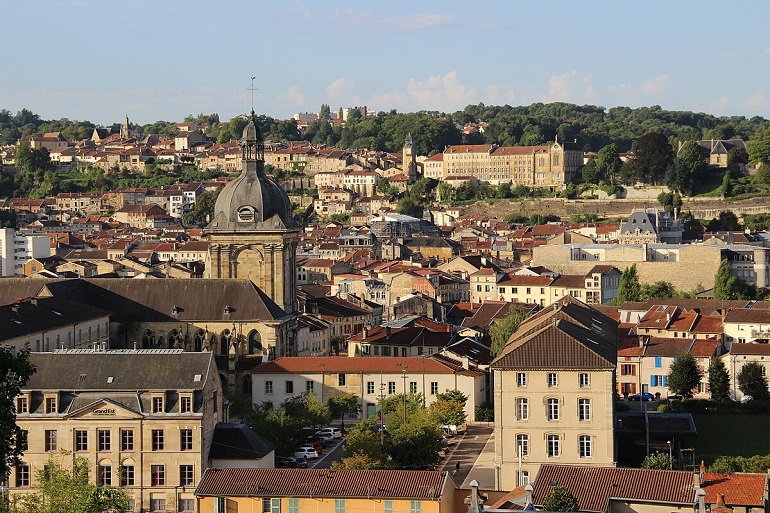
Bar-le-Duc (pop. 15,000), the capital of the Meuse département in northeastern France's Lorraine region, is a historic town divided between an upper section on a hillside and a lower area along the Ornain River. The town originated as a Roman settlement called Caturiges in the 1st century CE, later developing around a fortress built in 951 CE by Duke Frederick of Ardennes. From the 10th century, Bar-le-Duc served as the seat of the county and later duchy of Bar, reaching its cultural and architectural zenith during the Renaissance period under the patronage of rulers like Antoine the Good and Charles III. The upper town contains one of France's finest collections of Renaissance architecture dating from the 15th to 18th centuries, including the remains of the ducal château, whilst the lower town features older 11th-century buildings. Bar-le-Duc is internationally renowned for its traditional jam made from red and white currants with seeds painstakingly removed by hand, a delicacy that has been produced since the 14th century and was once favoured by European nobility. During the First World War, the town played a crucial role in supplying the fortress of Verdun via the road now known as the "Sacred Way"
Interesting Facts about Bar-le-Duc
- Bar-le-Duc is the historic capital of the Meuse département in Grand Est, with an upper Renaissance quarter and a lower town along the River Ornain.
- The town is famed for its exquisite Bar-le-Duc currant preserve—nicknamed “Bar caviar”—made by painstakingly deseeding red or white currants.
- Its Renaissance heyday left a fine ensemble of blond-stone mansions in the Ville Haute, threaded by the Grand-Rue and intimate courtyards.
- The Church of Saint-Étienne houses Ligier Richier’s haunting cadaver tomb of René of Chalon, a masterwork of 16th-century funerary sculpture.
- Bar-le-Duc was once the seat of the County, then Duchy, of Bar, before being incorporated into the Duchy of Lorraine.
- During the First World War, it served as the southern anchor of the Voie Sacrée, the vital supply route to besieged Verdun.
- The town’s medieval clocktower and remnants of the ducal château recall its fortified origins on the ridge above the valley.
- A canal—the Marne–Rhine Canal—runs beside the Ornain, adding leafy towpaths and bridges to the town’s gentle riverside scenery.
- Literary lore holds that its famed jelly was once a courtly delicacy, celebrated for its clarity and whole, translucent berries.
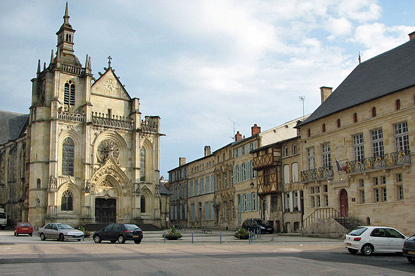
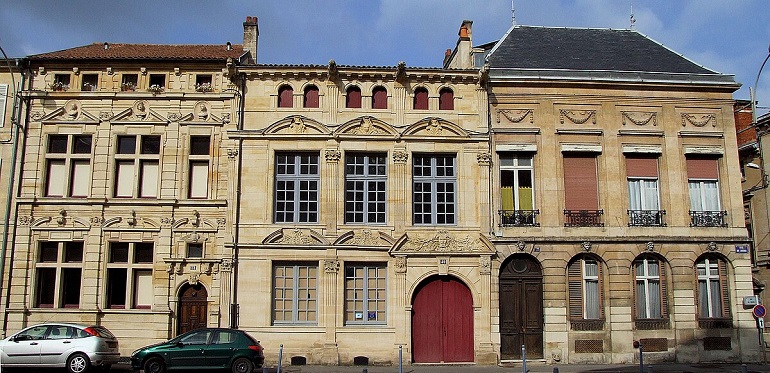
- Place Saint-Pierre gathers some of the town’s most elegant façades, showcasing the refined urban face of the Barrois Renaissance.
- Bar-le-Duc was the birthplace of Raymond Poincaré (1860-1934), who served as President of France (1913-1920) throughout the First World War.
History
Ancient Origins to Medieval Prominence
Bar-le-Duc's origins stretch back to the Roman era, when in the 1st century AD a settlement called Caturiges was established on the right bank of the River Ornain, positioned along a crucial Roman road that followed the valley. The town's name derives from the Gallo-Roman "bar," referring to the natural barrier formed by the river at what is now the Notre Dame Bridge. By the 6th century, the settlement had expanded across to the left bank, creating a fortified town surrounded by protective walls. The turning point in Bar-le-Duc's fortunes came in 951 AD when Duke Frederick of Ardennes constructed a formidable fortress on the rocky spur overlooking the valley, which would become the foundation of the Upper Town and establish Bar-le-Duc as a strategic stronghold. From 1033, Bar-le-Duc served as the seat of the County of Bar, a principality of the Holy Roman Empire, and in 1354 it was elevated to the prestigious Duchy of Bar, making its ruler a Peer of France. The town's strategic position on the frontier between France and the Holy Roman Empire necessitated elaborate fortifications, with no fewer than four levels of defensive walls protecting different districts of the settlement.
Renaissance Golden Age
The 15th and 16th centuries marked Bar-le-Duc's golden age, a period of extraordinary cultural and architectural flowering that began under the patronage of René I of Anjou and his grandson René II. This Renaissance splendour reached its zenith during the long and stable reigns of Duke Antoine the Good (1508-1544) and Duke Charles III (1545-1608), whose combined rule of nearly a century provided the political stability necessary for unprecedented prosperity. The Upper Town became adorned with magnificent Renaissance architecture characterised by rigorous classical structure, featuring entablatures, cornices, friezes, and ornate sculptures inspired by Ancient Rome and Greece. During this period, the town attracted French royalty who held lavish festivities, whilst merchants and artists flocked to the prosperous duchy, creating one of the finest collections of Renaissance buildings in France. The era also saw significant urban development, including the construction of the chessboard-planned Neuveville district in the late 14th century, with its systematically arranged parallel streets such as Rue Oudinot and Rue du Docteur Nève.
Turbulent Transition to Modern France
The 17th century brought considerable hardship to Bar-le-Duc as the Thirty Years' War (1618-1648) subjected the town to military occupations, famines, and epidemics from 1630 onwards. The situation was exacerbated by Duke Charles IV's anti-French policies, which brought him into direct conflict with Cardinal Richelieu's determination to annex the region to France. After centuries of independence, the Duchy of Bar was finally incorporated into the Kingdom of France in 1766, transforming Bar-le-Duc into a county town during the French Revolution. The 19th century witnessed significant industrial expansion, with the town becoming renowned for traditional crafts before embracing mechanisation through breweries and factories specialising in ironwork, mechanical engineering, and textiles. Bar-le-Duc earned particular distinction as the birthplace of several innovations, including developments in diesel engine technology and the velocipede. During the First World War, although the town escaped occupation despite the proximity of the Battle of the Marne, it played a crucial role in supplying the fortress of Verdun in 1916, with the railway known as the "Varinot" and the road subsequently christened the "Sacred Way" serving as vital supply arteries. The military cemetery in the Marbot District and numerous memorials throughout the town serve as permanent reminders of this pivotal period in Bar-le-Duc's history.
Main Attractions
Bar-le-Duc is distinguished by its splendid architectural ensemble blending Renaissance elegance, medieval remnants, and tranquil parkland, making it one of the most atmospheric towns in Lorraine for discovering French heritage.
Place Saint-Pierre and Its Renaissance Mansions
Place Saint-Pierre lies at the heart of the upper town, providing a breathtaking open square surrounded by harmonious Renaissance mansions. Originally a medieval market and fairground, the square gained its present uniformity during the 16th century, when the prosperity of local nobility led to ambitious town planning. Notably, the Hôtel de Florainville dominates the square, built for a family close to the Dukes of Bar and later housing the town court. The facades display Savonnières limestone and intricate decorative motifs inspired by Ancient Rome and Greece, reflecting the era’s rediscovery of classical art. The square’s covered market, with arcaded galleries and a courtyard, has been the commercial centrepiece since the Middle Ages, contributing to the lively historic atmosphere that persists to this day.

Church of Saint-Étienne and Ligier Richier’s Masterpiece
Bordering Place Saint-Pierre, the Church of Saint-Étienne stands as a Flamboyant Gothic landmark with pronounced Renaissance elements, rebuilt after damage in the Hundred Years’ War. Its light-filled interior shelters several artistic treasures, above all Ligier Richier's "Le Transi", a haunting sculpture representing the skeletal remains of René de Chalon, Prince of Orange, which is a moving meditation on mortality and the transitory nature of existence. The church, once reserved for elite civil servants, shifted to a parish role after the French Revolution. Its tall nave, ornate furnishings, and impressive art collection make it a spiritual anchor of the old town.
Rue des Ducs and Grand Aristocratic Residences
The Rue des Ducs-de-Bar, formerly known as the Grande Rue, is the main historic thoroughfare of the upper town, lined with stately Renaissance townhouses and grand gateways built by the city’s nobility from the 16th century onwards. The street showcases refined architectural details such as sculpted shells, colonnettes, and friezes—hallmarks of Renaissance design. The Hôtel de Salm presents a splendid contrast with its later classical style, while the general uniformity of the street’s buildings creates a coherent and prestigious urban landscape. Along this stretch, the vestiges of Bar-le-Duc’s prosperity and its ducal glamour are still very much in evidence.
Fortifications, Clock Tower, and Castle Remnants
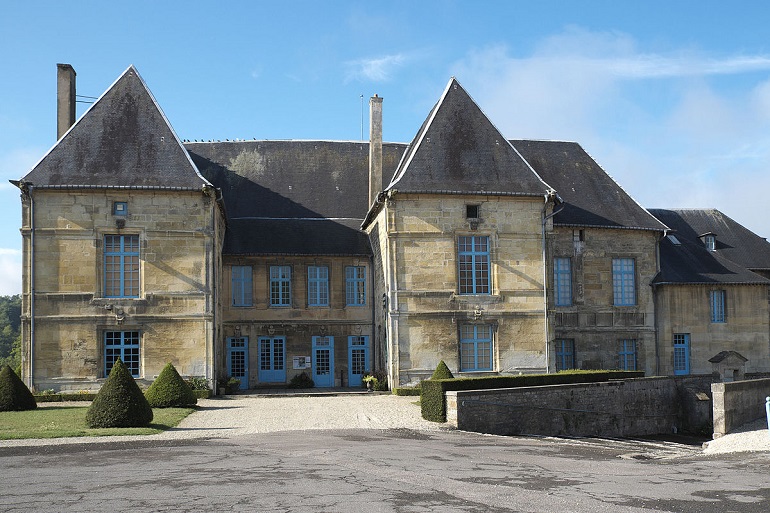
Bar-le-Duc’s status as a border fortress is evident in its surviving defensive structures. The town was encircled by up to four levels of fortification, portions of which are integrated into present-day houses and public spaces. The most prominent reminder is the medieval clock tower, originally installed in 1381 to notify residents of market days, danger, and public events. Though the castle of the Dukes of Bar was significantly destroyed in the 17th century, its imposing site and remnants—set on a rocky promontory over the Ornain Valley—still command dramatic views and echo the territorial struggles of medieval and Renaissance Lorraine.
Gilles de Trèves College: A Renaissance Gem
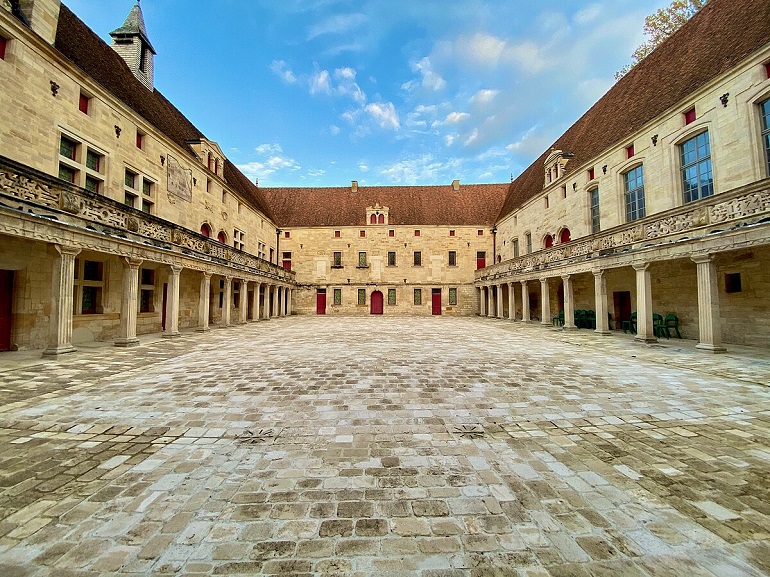
Below the castle esplanade sits the Collège Gilles de Trèves, a Renaissance masterpiece constructed between 1571 and 1574 by the eponymous humanist, who sought to offer quality education to local children. Montaigne himself called it “the most beautiful town house in France.” Its refined balustrades, stone façades and elegant layout represent the intellectual and cultural ambitions of Bar-le-Duc at the apex of its golden era.
Rue du Bourg: Historic Commercial Hub
Rue du Bourg, running through the lower town, was once Bar-le-Duc’s main business district. Today it delights visitors with beautifully decorated facades, including gargoyles and Renaissance ornaments, showcasing the blend of mediaeval tradition with later creative flourishes. The street remains one of the city’s most characterful promenades, offering a window on Bar-le-Duc’s mercantile and civic evolution.
Château de Marbeaumont and Parc de Marbeaumont
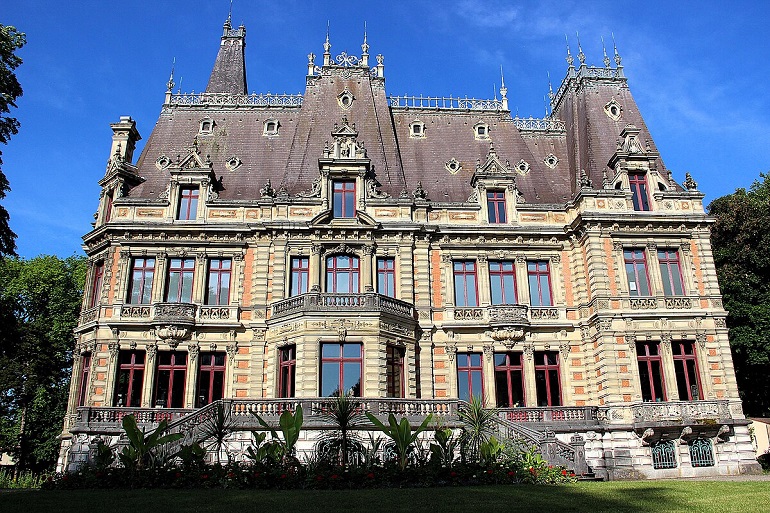
To the northeast, Château de Marbeaumont provides a glimpse into 19th-century aristocratic life. This refined residence is set in a romantic park filled with rare trees, decorative ponds, and walking paths. The landscaped gardens are ideal for leisurely exploration and reflect the city’s long-standing tradition of elegant private and public green spaces.
Canal des Usines and the Bridges of Bar-le-Duc
Cutting through the town, the Canal des Usines is a centuries-old deviation of the River Ornain that once powered local industries. The network of canals, along with seven ornate bridges including the grand Notre-Dame Bridge, shapes the town’s layout and picturesque riverside scenes. These waterways remain a key element of Bar-le-Duc’s charm and industrial history.

Monument aux Michaux and Local Spirit of Invention
At one of the main entrances, the imposing Monument aux Michaux stands in honour of Pierre and Ernest Michaux, proud sons of Bar-le-Duc and inventors of the pedal bicycle. The monument is a striking symbol of local ingenuity and reflects how the city has fostered creativity and practical innovation through the ages.
Saulx Valley Trails and the Countryside
Just outside Bar-le-Duc lies the lush Saulx Valley, traversed by a marked trail which leads visitors to charming countryside châteaux, centuries-old gardens, and bucolic riverside scenery. This area once captivated the region’s gentry and remains a favourite spot for walking, cycling, and immersing oneself in the rural tranquillity that has always balanced Bar-le-Duc’s urban sophistication.
Top Museums
A “Little Louvre” in Lorraine
Musée Barrois
Set in the atmospheric remains of the ducal château in the Ville Haute, the Musée Barrois was conceived in 1841 with an encyclopaedic spirit modelled on the Louvre. Its mission has always been to collect, preserve, and illuminate many forms of human creativity. Today, the museum boasts approximately 25,000 objects across 13 galleries, offering an unexpectedly rich overview for such a modest town.
The Permanent Collections
The Duchy and Renaissance Pioneers:
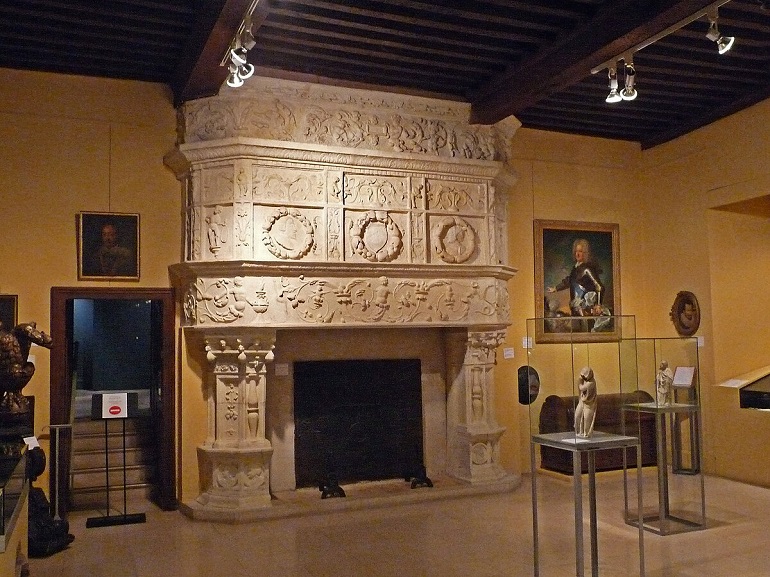
The museum’s journey begins with evocative portraits of Bar and Lorraine’s rulers, including Antoine and Stanislas, alongside Renaissance luminaries such as Gilles de Trèves and Nicolas Psaume. These works trace Bar-le-Duc’s transformation from a ducal seat to a flourishing artistic centre. Architectural fragments—such as the monumental fireplace from the house of Guyot—showcase the city’s embrace of classical motifs and carefully ordered design, hallmarks of the Renaissance era.
Art and Decorative Objects:
Paintings and sculptures span from the Middle Ages to the twentieth century, with Louis-Philippe paintings, German allegories, and French historical portraits all featured. Standout pieces include Ligier Richier’s stirring stone sculptures and Jean Robert Ipoustéguy’s monumental modernist work, “Le Mangeur de gardiens," which dwells on themes of creativity and learning through a visually striking allegory of digestion and imagination.
The decorative arts collection includes elegant faïence from Les Islettes, antique silver cutlery by master goldsmith Léonard-François Paquis, and artefacts showcasing regional craftsmanship. Musical instruments, measuring devices, and ornate chests reveal the tastes and innovations of the region’s former elite.
Arms, Armour, and the Thirty Years’ War:
Lorraine’s turbulent seventeenth century is evoked by arms and armour, as well as stunning prints by Jacques Callot, recounting the drama and devastation of the Thirty Years’ War. The martial displays complement archaeological objects unearthed from ancient Nasium, illustrating life in Gallo-Roman Gaul.
Cabinets of Curiosity and Natural History:
Echoing the Wunderkammern of Renaissance Europe, the museum features a cabinet of curiosities filled with natural wonders and artificial marvels. Fossils, minerals, and taxidermy sit alongside coins, medals, and rare everyday items, inviting visitors to reflect on the breadth of human interest in the natural world. This approach speaks to the educational ideals of the museum’s founders, designed to nurture wonder and understanding.
Global Ethnography:
Tracing the legacy of the Museum of Geography and Ethnography established in 1883, the Musée Barrois has collected rare objects from Africa, Oceania, the Maghreb, and Asia, brought back by adventurous local scholars seeking to enrich the town’s understanding of global cultures. The ethnographic section focuses on daily life, warfare, religion, and ritual, and the centrepiece is a twelfth-century Taíno zemi—a wooden sculpture from the Antilles, one of the very few surviving examples from a vanished civilisation.
Recent Acquisitions and Highlights:
The museum also regularly enriches its collections, adding works such as François Nicolas’s Bar-le-Duc-signed painting, Jean Dries’s “Le Déjeuner en forêt,” and a model of the monument to Marshal Oudinot. Archival photographs provide a valuable visual journey through historic Bar-le-Duc, chronicling streets, squares, and local achievements.
The Museums’ Architectural Context
The château’s ramparts and grand halls frame the collections with an air of grandeur, giving visitors a sense of the city’s ducal past and the unfolding stories of Lorraine. Elements of the original Renaissance buildings—such as carved stonework and classical columns—are woven into the experience, tying the museum’s content to the rich urban tapestry around it.
Contemporary Encounters
Atelier Pier’Art
Within town, Atelier Pier’Art fosters contemporary creativity, showcasing frequently changing exhibitions of painting, sculpture, and mixed media. Local and visiting artists engage directly with the public, and the gallery’s inviting atmosphere makes it a lively point for fresh encounters and artistic exploration.
Cultural Confluence
Espace Saint Louis
Housed on Rue François de Guise, Espace Saint Louis offers rotating exhibitions and community-centred events. Its programme spans photography retrospectives, local history displays, and hands-on workshops, welcoming people of all ages to reflect upon and shape Bar-le-Duc’s diverse cultural landscape.
Modern Innovation
Antipode
Antipode pushes the boundaries of artistic practice, with a schedule encompassing digital art, design, and performance pieces. By supporting emerging artists and new ideas, it serves as an incubator for creative risk, highlighting Bar-le-Duc’s openness to innovation and experimentation.
Local Cuisine
Bar-le-Duc’s culinary reputation is anchored by its jewel-like confiture de groseilles de Bar-le-Duc, painstakingly prepared with redcurrants whose pips are removed by hand using a goose quill; locals spread the translucent preserve on warm brioche or pair it with foie gras. Savoury appetites are satisfied by flaky pâté lorrain, filled with marinated pork and veal, while autumn brings hunts for the fragrant truffe de Lorraine, a black truffle grated into creamy sauces. River Meuse fisheries supply trout and pike for hearty matelotes enlivened with juniper, and regional cheeses such as the mild Carré de l’Est arrive from nearby farms. Everything is washed down with a light Côtes de Meuse gris, a salmon-hued wine whose crisp finish balances the richness of the local fare.
Getting There
By train Bar-le-Duc enjoys direct TGV connections from Paris-Est, whisking travellers to the Meuse basin in just over an hour; regional TER services also link the town with Reims, Nancy and Metz, making rail the smoothest option for most visitors.
By coach Long-distance coaches and regional buses stop at the Gare Routière adjacent to the railway station, with regular routes from Paris, Verdun and Nancy providing an economical alternative while still depositing passengers within easy walking distance of the historic centre.
By car Drivers can follow the A4 autoroute east from Paris before joining the A26/A31 network and exiting onto the D994, or approach from the south via the N4 from Nancy; ample signage guides you through rolling Lorraine countryside straight to Bar-le-Duc’s medieval upper town, where several car parks fringe the pedestrian core.
| Travel destinations in Lorraine | ||||||||||||||
|---|---|---|---|---|---|---|---|---|---|---|---|---|---|---|
|
|
|
|
| ||||||||||
|
|
|
|
| ||||||||||


