


| Contents |
|---|
Introduction
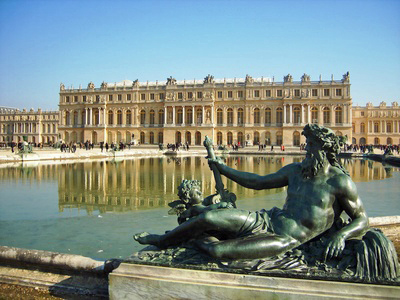
The Palace of Versailles, known in French as Château de Versailles, is a magnificent royal residence located just 20km from Paris. Originally built in 1624 as a small hunting lodge, it was transformed into an extravagant château under King Louis XIV, who moved the court there to diminish the power of the French nobility. Today, the palace contains 2,300 rooms spread over 63,154 square metres, featuring opulent spaces such as the famous Hall of Mirrors with its 357 mirrors. The estate encompasses stunning gardens covering approximately 800 hectares—more than twice the size of New York's Central Park. After serving as the primary residence of French monarchs for over 100 years, the palace's role changed during the French Revolution when Louis XVI was forced to leave for Paris in 1789. In the 19th century, it became the Museum of the History of France. Now a UNESCO World Heritage site, the Palace of Versailles attracts over 10 million visitors annually, making it the second most popular attraction in France after the Eiffel Tower.
Interesting Facts about the Château de Versailles
- The Château de Versailles was originally a modest hunting lodge built by Louis XIII in the 17th century.
- Louis XIV transformed the lodge into an opulent palace, making it the official residence of the French court in 1682.
- The Hall of Mirrors, one of its most famous rooms, contains 357 mirrors and was a symbol of French craftsmanship.
- Venetian artisans were smuggled into France to break Venice's monopoly on mirror-making for the Hall of Mirrors.
- The Treaty of Versailles, which ended World War I, was signed in the Hall of Mirrors in 1919.
- The gardens of Versailles, designed by André Le Nôtre, span over 800 hectares and include fountains, sculptures, and themed groves.
- Over 1,000 kilograms of gold leaf were used to adorn the gates and interiors of Versailles in the 17th century.
- The Grand Canal at Versailles was used as an ice-skating rink during winter for the royal court.
- Louis XIV associated himself with the sun, designing the palace to radiate outward like sun rays.
- Versailles became a museum in the 19th century and is now a UNESCO World Heritage site.
History
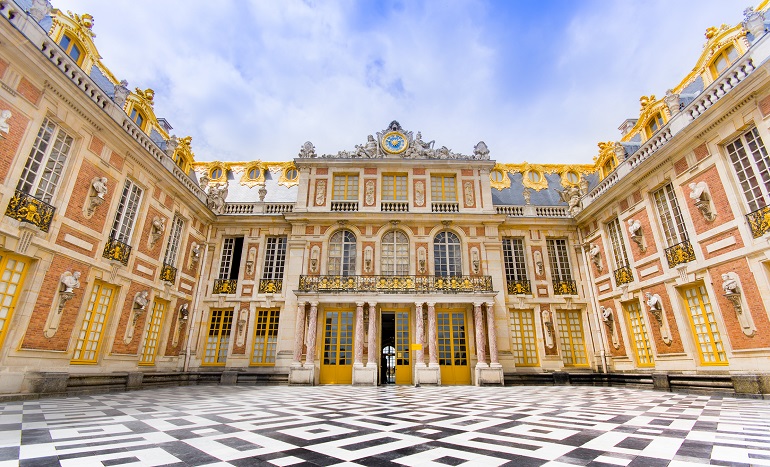
The Palace of Versailles, originally a modest hunting lodge built by Louis XIII in 1623, was transformed into a grand palace by Louis XIV in the late 17th century. This magnificent château, located about 20 kilometres southwest of Paris, became the centre of French political power and a symbol of absolute monarchy. Louis XIV, known as the Sun King, spared no expense in creating his vast complex, which took 50 years and tens of thousands of workers to complete. In 1682, he moved the French court from Paris to Versailles, establishing it as the heart of French political and social life.
Throughout its history, Versailles has witnessed numerous significant events. The palace played a crucial role during the French Revolution when angry mobs stormed it in 1789, forcing the royal family to return to Paris and marking the end of the monarchy's glory. In 1871, it saw the crowning of Wilhelm I as the German Emperor in the Hall of Mirrors, a pivotal moment in European history. The palace also served as the venue for signing the Treaty of Versailles in 1919, which reshaped post-war Europe following World War I.
Today, the Palace of Versailles stands as a testament to French art, history, and power. In 1837, it was transformed into a public museum dedicated to "all the glories of France". The palace and its expansive gardens were designated a UNESCO World Heritage Site in 1979, recognising its importance as a centre of power, art, and science in France during the 17th and 18th centuries. Now, Versailles attracts over 7 million visitors annually, who come to marvel at its exquisite architecture, stunning gardens, and rich historical legacy.
Description
The Palace of Versailles stands as a symbol of France's glory, situated about 18 kilometres west of Paris. This magnificent complex spans an impressive 67,000 square metres and contains over 2,000 rooms, making it one of the most splendid royal residences in the world. The palace's architecture represents a visual history of French design from the 1630s to the 1780s. Its earliest section, the corps de logis, was built with brick, marble, and slate, which was later surrounded by the Enveloppe, an edifice inspired by Renaissance-era Italian villas. The palace features a U-shaped layout, with symmetrical advancing secondary wings terminating with pavilions, creating an expansive Royal Court (Cour Royale).
The palace's façade is a masterpiece of French Baroque architecture, with a harmonious blend of stone, marble, and slate. The central block of the palace, known as the corps de logis, is flanked by two symmetrical wings, each terminating in a pavilion. The façade is adorned with ornate sculptures and gilded details, reflecting the opulence and grandeur of the French monarchy.
The Hall of Mirrors
The most famous room in the palace is undoubtedly the Hall of Mirrors. This long gallery connects the two wings of the château and measures an impressive 73 metres in length, 10 metres in width, and 12 metres in height. The hall is illuminated by 17 windows and adorned with 357 mirrors, which was a remarkable technical achievement at the time. The ceiling features magnificent frescoes celebrating the military victories of Louis XIV.
The Hall of Mirrors is bookended by the Salon of War and the Salon of Peace. The Salon of War celebrates French military victories with marble panels, gilded bronze trophies, and a stucco bas-relief of Louis XIV on horseback. The Salon of Peace is decorated in a similar fashion but with themes of harmony and tranquility. The hall has played host to numerous historical events, including royal receptions, diplomatic meetings, and lavish parties.
The mirrors in the Hall of Mirrors were crafted by Venetian glassmakers, who were renowned for their expertise in producing high-quality glass. The mirrors were arranged in a way that created an optical illusion, making the hall appear even longer than it actually is. This clever design added to the grandeur and majesty of the space.

The Royal Apartments
The Grand Apartment of the King consists of seven rooms in succession, each referencing mythology. These apartments constituted the "public" part of the monarch's life, where he would receive the Court and foreign ambassadors with great pomp. The décor is incredibly rich, with walls lined with marble and adorned with statues, busts, and paintings.
Similarly, the Grand Apartment of the Queen features ceilings dedicated to the same deities as those in the King's apartments, but illustrated with heroines from mythology. The Queen's private chambers (petit appartement de la reine) were reserved for her personal use, originally arranged for Maria Theresa of Spain and later modified for Marie Leszczyńska and Marie Antoinette.
The royal apartments are a testament to the exquisite taste and craftsmanship of the era. Each room is meticulously decorated with intricate details, from the gilded moldings to the exquisite tapestries. The apartments also house an impressive collection of artworks, including paintings by renowned artists such as Charles Le Brun and François Boucher.

The Gardens of Versailles
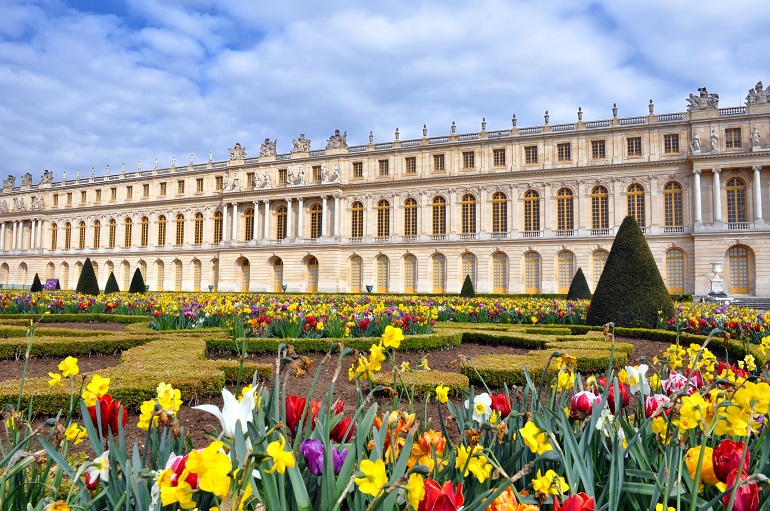
The gardens of Versailles, designed by André Le Nôtre, are as magnificent as the palace itself. Covering approximately 800 hectares, they represent the epitome of the French formal garden style. The gardens are laid out along an infinite perspective axis with geometric precision and perfect symmetry.
From the palace terrace, the ground falls away on every side, adorned with ornamental basins, statues, and bronze groups. The Royal Walk extends westward from the palace—a broad avenue centred on the Green Carpet, flanked by rows of large trees and culminating at the spectacular Fountain of Apollo.
The gardens are a masterpiece of landscape design, with every element carefully planned to create a harmonious and visually stunning environment. The use of water features, such as fountains and canals, adds to the beauty and tranquility of the gardens. Visitors can stroll along the winding paths, taking in the sights and sounds of this breathtaking landscape.

The Grand Canal
Beyond the Fountain of Apollo lies the Grand Canal, a 1,670-metre-long waterway that took 11 years to complete (1668-1679). During Louis XIV's time, Venetian gondolas traversed these waters, and the canal hosted legendary parties. In winter, the frozen surface was used for skating and sledding.
The Grand Canal is a testament to the engineering prowess of the time. Its construction required the excavation of over 1.5 million cubic metres of earth and the creation of a sophisticated system of locks and canals. The canal is lined with beautiful trees and offers stunning views of the surrounding gardens.
Fountains and Waterworks
The gardens contain no less than 400 statues and over 600 fountains, making them the largest open-air sculpture museum in the world. Among the most remarkable water features is the Neptune Fountain, built by Le Nôtre between 1679 and 1681. This crescent-shaped fountain is known for its fine sculptures and the enormous volume of water projected by its 99 jets.
Other notable fountains include the Latona Fountain, which depicts scenes from Ovid's Metamorphoses, and the Dragon Fountain, featuring a spray of water that rises nearly 90 feet into the air. The fountains are a highlight of the gardens, with their intricate designs and mesmerizing displays of water and light.
The fountains are powered by a complex system of pumps and pipes, which were innovative for their time. The system relies on gravity to distribute water throughout the gardens, ensuring that every fountain and water feature operates smoothly and efficiently.
The Groves and Parterres
The gardens feature 14 bosquets (groves)—secluded garden rooms concealed by leafy palisades and discovered only when turning down a walkway. Each grove is unique and served as a setting for royal entertainments. Notable examples include the Ballroom Grove, a landscaped amphitheatre with an artificial waterfall, and the Colonnade Grove with its rounded peristyle.
The parterres, or ornamental gardens, are a hallmark of Versailles. Patterned after embroidery and lace, they feature manicured boxwood hedges bordering low plantings that create verdant ornamentations. The parterre of the Latona Fountain is particularly striking.
The groves and parterres are designed to provide a sense of intimacy and tranquility within the vast expanse of the gardens. Visitors can explore these secluded areas, discovering hidden fountains, statues, and other surprises along the way.
The Orangery and Swiss Lake
To the south of the palace terrace, raised flower beds lead to a pair of staircases that flank the Orangery, a grove planned by Hardouin-Mansart in 1685. It houses more than 1,000 trees, including palm, pomegranate, lemon, and orange varieties, with tropical species moved indoors during winter.
Beyond the Orangery lies the Swiss Lake, an artificial lake of 12 hectares that replaced what was once known as the "Smelly Pond." The lake marks the end of the north-south axis which begins at the Neptune Fountain.
The Orangery is a testament to the ingenuity of the gardeners at Versailles, who managed to cultivate exotic plants in the French climate. The Orangery's design allows for the protection of these sensitive species during the harsh winter months, ensuring their survival and continued beauty.
Trianon Palaces
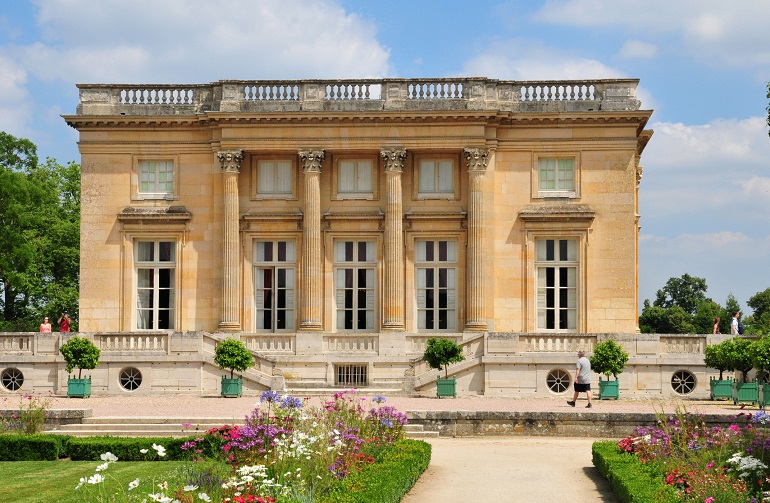
Within the grounds of Versailles lie the Grand and Petit Trianon palaces. The Grand Trianon was built to provide the Sun King with the retreat he desired, while the Petit Trianon is associated with Marie Antoinette, who transformed her retreat with lakes, rivers, and whimsical follies in the English garden style.
The Grand Trianon is a masterpiece of French architecture, with its elegant façade and beautifully landscaped gardens. The palace features a mix of marble, stone, and slate, creating a harmonious blend of textures and colours.
The Petit Trianon, on the other hand, is a charming example of the English garden style, with its winding paths, picturesque lakes, and rustic follies. Marie Antoinette's love for nature and simplicity is evident in the design of this enchanting retreat.
Other Attractions
In addition to the main palace and gardens, Versailles offers a variety of other attractions. The Royal Chapel, located within the palace, is a stunning example of Baroque architecture, with its soaring vaults and exquisite stained glass windows.
The Royal Opera House is another notable feature, with its impressive auditorium and ornate decorations. This venue hosted numerous performances during the reign of Louis XIV, including operas and ballets.
The Museum of the History of France, located within the palace, offers a fascinating glimpse into the country's rich history. The museum features a collection of artworks, artifacts, and documents that tell the story of France from the Middle Ages to the present day.
Exploring the Grounds
Visitors to Versailles can explore the extensive grounds on foot or by bicycle. The gardens offer a variety of walking paths, each leading to a new discovery or surprise. From the majestic fountains to the secluded groves, every aspect of the gardens is designed to delight and inspire.
For those who prefer a more leisurely pace, Versailles offers a variety of transportation options, including electric vehicles and horse-drawn carriages. These allow visitors to enjoy the scenery while conserving energy for the many wonders that await.
Seasonal Events and Displays
Throughout the year, Versailles hosts a range of seasonal events and displays that add to its allure. During the summer months, the gardens come alive with music and dance performances, while the winter season brings festive decorations and ice skating on the frozen Grand Canal.
The palace also hosts temporary exhibitions and installations, showcasing artworks and artifacts from around the world. These events provide a unique opportunity to experience Versailles in a new and exciting way, with each season offering something fresh and captivating.
Getting There
The Palace of Versailles is easily accessible from Paris, with several convenient transport options. The most popular choice is the RER C train, which takes you directly to the Versailles Château - Rive Gauche station, just a 10-minute walk from the palace. Tickets cost approximately €4–€5 each way, and the journey takes around 30 minutes from central Paris. Alternatively, you can take SNCF Line L from Gare Saint-Lazare to Versailles Rive Droite or Line N from Gare Montparnasse to Versailles Chantiers, both about a 15–30 minute journey followed by a short walk. If you prefer to drive, follow the A13 motorway towards Versailles; the trip takes roughly 30 minutes, with parking available near the palace. For bus travellers, route 171 departs from Pont de Sèvres (metro line 9) and stops directly at the palace entrance. Whichever option you choose, plan ahead and enjoy your visit to this iconic landmark!
Best Time to Visit
The best time to visit the Palace of Versailles largely depends on your preferences regarding crowd levels and weather. For a more relaxed experience, consider visiting on weekdays, particularly Wednesday and Thursday, when the palace is less crowded. Spring and autumn are ideal seasons, offering pleasant weather and manageable crowds. During spring, from April to June, the gardens are in bloom, while autumn, from September to October, provides a picturesque backdrop with golden leaves. If you prefer fewer tourists, January and February are the quietest months, though some attractions may be closed. For those who enjoy the vibrant atmosphere, summer months offer numerous events and fountain shows, but be prepared for larger crowds. Arriving early in the morning or after 4 pm can also help avoid peak tourist hours.
| Travel destinations in Île-de-France | ||||||||||||||
|---|---|---|---|---|---|---|---|---|---|---|---|---|---|---|
|
|
|
|
| ||||||||||
|
|
|
| |||||||||||


