


| Contents |
|---|
Introduction
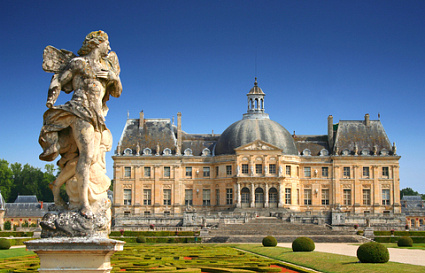
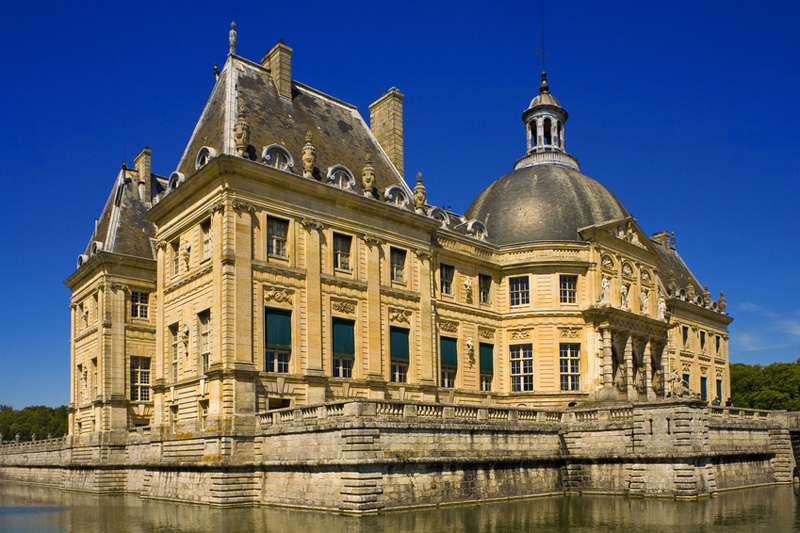
The Château de Vaux-le-Vicomte, located approximately 6 km north-east of Melun in the Seine-et-Marne département of France, is a masterpiece of 17th-century French architecture. Built between 1656 and 1661 by architect Louis Le Vau for Nicolas Fouquet, Louis XIV's Superintendent of Finances, the château represents the perfect harmony between architecture and landscape. This magnificent estate was created by three artistic geniuses: architect Louis Le Vau, painter Charles Le Brun, and landscape designer André Le Nôtre. The château features a compact design in creamy limestone, surrounded by a moat, with a surface area of 2,500 m² comprising about one hundred rooms across three levels. Its gardens, designed by Le Nôtre, are considered a remarkable example of 17th-century landscape art with their ornate fountains, flower beds and aligned perspectives. Today, this privately-owned château welcomes over 300,000 visitors annually and hosts various cultural events throughout the year, including candlelight evening visits, Easter celebrations and Grand Siècle costume days.
Interesting Facts about the Château
- The Château de Vaux-le-Vicomte was built between 1658 and 1661 for Nicolas Fouquet, Superintendent of Finances under Louis XIV.
- It was the first time architect Louis Le Vau, painter Charles Le Brun, and landscaper André Le Nôtre collaborated on a project, creating a harmonious masterpiece.
- The château's gardens, designed by André Le Nôtre, served as a prototype for the gardens of Versailles.
- In 1661, after hosting a lavish fête for Louis XIV, Nicolas Fouquet was arrested on charges of treason, and the château's treasures were seized by the king.
- The estate features innovative architectural elements, including double-thick walls and ground-floor main rooms instead of the traditional first-floor layout.
- Its design combines classical elegance with Baroque splendour, making it a hallmark of French 17th-century architecture.
- The château is illuminated by thousands of candles during special summer evenings, creating a magical atmosphere.
- Today, it remains the largest private estate listed as a Historical Monument in France and is owned by the Vogüé family.
- The gardens include ornate fountains, flower beds, and long perspectives that offer an unforgettable sensory experience.
- Vaux-le-Vicomte attracts over 300,000 visitors annually and has undergone significant restorations to preserve its grandeur.
History
Built between 1658 and 1661, this grand estate was commissioned by Nicolas Fouquet, the ambitious Superintendent of Finances for King Louis XIV. Fouquet brought together three brilliant artists of the time: architect Louis Le Vau, painter Charles Le Brun, and garden designer André Le Nôtre, to create a masterpiece that would later inspire the Palace of Versailles.
However, Fouquet's grand vision for Vaux-le-Vicomte led to his downfall. In August 1661, he hosted a lavish party at the château to entertain King Louis XIV. The opulence of the estate and the extravagance of the celebration aroused the king's jealousy and suspicion. Just three weeks later, Fouquet was arrested on charges of embezzlement and treason, orchestrated by his rival Jean-Baptiste Colbert. The king seized the château's contents and commissioned the same team of artists to create an even grander palace at Versailles.
Following Fouquet's imprisonment, Vaux-le-Vicomte changed hands several times over the centuries. It wasn't until 1875 that the château found a saviour in Alfred Sommier, a French sugar magnate who undertook extensive restoration work to bring the estate back to its former glory. Today, Sommier's descendants, the de Vogüé family, continue to preserve and manage this architectural treasure. Since 1968, the château has been open to the public, offering visitors a chance to experience the grandeur of 17th-century French aristocratic life and admire the harmonious blend of architecture, art, and landscape design that makes Vaux-le-Vicomte a true masterpiece.
Description
Nestled in the picturesque countryside of Maincy, the Château de Vaux-le-Vicomte stands as a testament to the grandeur of French Baroque architecture. This magnificent estate, with its perfectly symmetrical design and opulent interiors, offers visitors a glimpse into the lavish lifestyle of 17th-century French nobility. The château represents the collaborative genius of three of the greatest artists of the Grand Siècle: the architect Louis Le Vau, the painter-decorator Charles Le Brun, and the landscape architect André Le Nôtre, who would later go on to create the gardens of Versailles.
The Château's Exterior
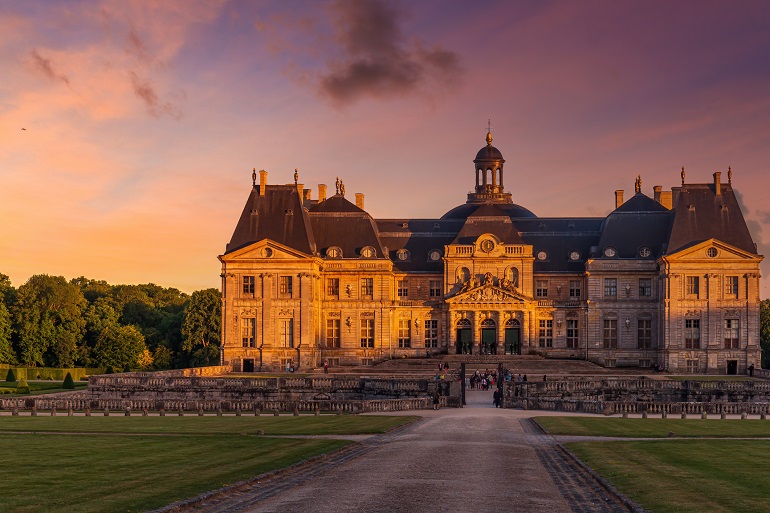
As you approach the château, you'll be struck by its imposing façade. The entrance front features a series of recessed planes, with two-bay outer pavilions boasting tall roofs that overlap two-bay inner pavilions with mansard roofs. This clever architectural arrangement creates a visually striking intermediary between the lower roof of the main block and the taller outer structures.
The château's most distinctive feature is the central oval dome, which dominates the garden-facing side of the building. This innovative element, introduced by architect Louis Le Vau, adds a dramatic silhouette to the structure and houses the grand salon at the heart of the château. The dome represents a significant architectural innovation for its time, breaking away from traditional rectangular layouts and introducing a more fluid, dynamic spatial concept.
The exterior stonework displays exquisite craftsmanship, with delicate carvings and ornamental details that catch the light differently throughout the day. The limestone façade, quarried from nearby sources, gives the château a warm, golden glow in the afternoon sun, creating a striking contrast with the slate-blue rooftops and the verdant gardens that surround it.
The Forecourt and Entry Sequence
Before reaching the main building, visitors pass through an impressive forecourt designed to heighten anticipation and create a sense of ceremony. The approach is carefully orchestrated, with the château gradually revealing itself as you draw closer. Two symmetrical outbuildings frame the forecourt, their elegant proportions and matching architectural details establishing the harmonious design language that characterises the entire estate.
The wrought-iron gates and balustrades display remarkable craftsmanship, with intricate patterns and motifs that reflect the artistic sensibilities of the period. These decorative elements serve both practical and aesthetic purposes, delineating spaces whilst adding visual interest to the architectural composition.
The Interior: A Journey Through Baroque Splendour
Step inside the château to discover a world of luxury and refinement. The interior layout is nearly symmetrical, with the entrance vestibule to the north and the oval salon to the south originally forming an open-air loggia. This design allowed visitors to see through to the central axis of the garden even before entering the building, creating a seamless connection between interior and exterior spaces.
Large windows flood the interior with natural light, enhancing the sense of spaciousness and grandeur. The rooms are divided into two sections: the eastern half, intended for the king's use, and the western half, reserved for the château's owner. This division reflects the social hierarchies and protocols of the period, whilst also creating a balanced architectural composition.
The Grand Salon
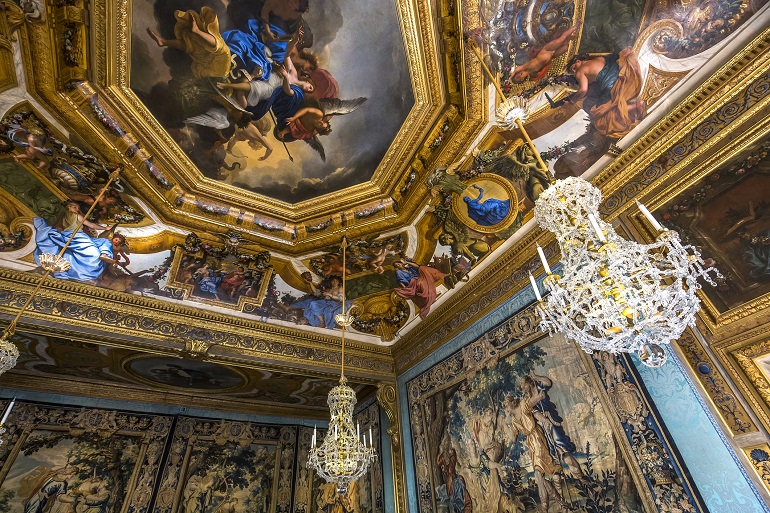
The heart of the château is the magnificent Grand Salon, situated directly beneath the oval dome. This spectacular room rises through two storeys, creating an overwhelming sense of vertical space. The walls are adorned with trompe l'oeil paintings by Charles Le Brun, creating the illusion of sculptural reliefs and architectural elements that extend the physical boundaries of the room.
The ceiling of the Grand Salon features an elaborate fresco depicting allegorical scenes that celebrate the virtues of the ideal ruler. The composition draws the eye upward, with figures appearing to float in a celestial realm. The clever use of perspective and foreshortening creates a convincing illusion of depth, making the dome appear even higher than its actual dimensions.
The King's Apartments
The eastern wing houses the sumptuous King's Apartments, designed to accommodate Louis XIV during potential royal visits. These rooms exemplify the concept of enfilade, with doorways aligned to create impressive sightlines through multiple chambers. This arrangement not only creates a dramatic visual effect but also reflects the ceremonial nature of royal life, where spaces were organised according to increasing degrees of privacy and privilege.
The King's Bedchamber represents the pinnacle of this hierarchical progression, featuring a magnificent canopied bed positioned on a raised platform. The walls are covered in rich textiles and tapestries depicting mythological scenes, while the ceiling features elaborate painted decorations that complement the overall decorative scheme.
The Owner's Apartments
In the western wing, the Owner's Apartments mirror the layout of the King's Apartments but with subtle differences that acknowledge the distinction between royal and noble status. These rooms feature equally lavish decorations, with silk wall coverings, marble fireplaces, and parquet floors arranged in intricate geometric patterns.
The furniture throughout these apartments exemplifies the finest craftsmanship of the period, with gilded wood frames, marquetry details, and upholstery in sumptuous velvets and brocades. Many pieces feature the distinctive curved lines and organic motifs that characterise the Baroque style, creating a sense of movement and dynamism within the interior spaces.
The Private Chambers and Service Areas
Beyond the main reception rooms and apartments, the château contains numerous smaller chambers designed for more intimate gatherings or private use. These include studies, dressing rooms, and boudoirs, each decorated with the same attention to detail as the grander spaces but on a more human scale.
The service areas of the château, though less ornate, demonstrate the same commitment to rational planning and functional design. The kitchens, located in the basement level, feature impressive vaulted ceilings and massive fireplaces capable of preparing elaborate feasts for numerous guests. Storage rooms, servants' quarters, and utility spaces were carefully integrated into the overall plan, ensuring that the practical requirements of daily life could be met without compromising the aesthetic integrity of the main reception areas.
The Gardens: A Masterpiece of Landscape Design
The true magic of Vaux-le-Vicomte unfolds in its spectacular gardens, designed by the renowned landscape architect André Le Nôtre. Spanning 33 hectares, these formal gardens are considered the seminal expression of the jardin à la française style that would later dominate European landscape design for over a century.
What makes these gardens particularly remarkable is their perfect integration with the architecture of the château. Le Nôtre worked closely with Le Vau to ensure that the building and its surroundings would form a cohesive artistic statement, with each element enhancing and complementing the others. The central axis of the garden aligns precisely with the main rooms of the château, creating powerful visual connections between interior and exterior spaces.
The Grand Perspective
The gardens are laid out along a three-kilometre axis, creating a stunning backdrop for the château. As you walk through the grounds, you'll experience Le Nôtre's mastery of optical illusions and forced perspective, which create an impression of infinite space. The terrain was actually modified to achieve these effects, with subtle changes in elevation that are imperceptible when viewed from the château but dramatically alter the perception of distance and scale.
From the château's terrace, the gardens appear to extend endlessly into the horizon, an effect achieved through careful manipulation of proportions and sightlines. The central lawn gradually widens as it recedes from the château, counteracting the natural perspective that would make distant objects appear smaller. This ingenious technique creates the illusion that the garden maintains its width throughout its length, enhancing the sense of grandeur and expansiveness.

Water Features and Parterres
The gardens boast an array of impressive water features, including fountains, cascades, and a grand canal. These elements showcase Le Nôtre's expertise in hydraulics and add a dynamic, sparkling quality to the landscape. The reflective surfaces of the water features multiply the visual impact of the garden, mirroring the sky and surrounding vegetation to create a sense of expanded space.
The Grand Canal, stretching along the central axis of the garden, creates a magnificent reflecting pool that doubles the visual impact of the château when viewed from the far end of the gardens. Smaller water features are strategically placed throughout the landscape, creating focal points and moments of surprise as visitors explore the grounds.
Intricately designed parterres, featuring meticulously maintained topiaries and colourful floral arrangements, create a harmonious dialogue between architecture and nature. The use of brick dust in the parterres adds a distinctive reddish hue to the garden's palette, contrasting beautifully with the verdant lawns and the blue-grey slate of the château's roofs.
The parterres closest to the château are the most elaborate, featuring intricate patterns inspired by embroidery designs and executed with remarkable precision. These ornamental beds are planted with low-growing species that allow the patterns to be appreciated from the elevated vantage points of the château's windows and terraces.
The Grotto and Cascades
One of the most enchanting features of the gardens is the grotto, a semi-subterranean chamber decorated with shells, fossils, and rustic stonework. This artificial cave provides a cool retreat on warm summer days and represents the Baroque fascination with the interplay between art and nature, between the rational and the mysterious.
Water cascades down a series of stone steps near the grotto, creating a pleasant ambient sound that masks noises from beyond the garden walls. The movement of the water adds a kinetic element to the otherwise static landscape, drawing the eye and inviting contemplation.
The Statuary and Decorative Elements
Throughout the gardens, carefully positioned statues and urns provide visual punctuation to the landscape composition. These sculptural elements depict figures from classical mythology, reflecting the period's fascination with ancient Greece and Rome. The statues are not merely decorative but serve as symbolic markers within the garden's narrative, representing virtues, seasons, or elements that would have been readily understood by educated visitors of the period.
Stone balustrades define terraces and walkways, their elegant proportions and rhythmic spacing creating a sense of order and containment. These architectural elements help to articulate the transition between different levels and zones within the garden, guiding visitors through the landscape whilst framing specific views and vistas.
The Seasonal Displays
The gardens of Vaux-le-Vicomte change dramatically with the seasons, offering visitors a different experience throughout the year. In spring, thousands of bulbs create carpets of colour beneath the still-bare trees, while summer brings lush foliage and vibrant flowering plants that fill the parterres with colour and fragrance.
Autumn transforms the landscape with golden and russet tones as the deciduous trees prepare for winter, creating a warm counterpoint to the cool stone of the château. Even in winter, the gardens maintain their structural beauty, with the geometric patterns of the parterres and the strong architectural elements standing out more clearly against the simplified palette of the dormant landscape.
Unique Garden Elements
As you explore the gardens, you'll encounter numerous surprises and hidden charms. Look out for the clever use of trompe l'oeil dimensions and optical illusions that ensure each turn reveals a new and captivating vista. Le Nôtre was a master of creating theatrical effects within his landscapes, understanding that gardens should unfold as a series of experiences rather than revealing themselves all at once.
The garden is divided into three distinct parts: the courtyard and forecourt near the château, the area extending from the château to the small canals, and the section beyond the canals. Each area offers its own unique atmosphere and design elements, creating a journey of discovery for visitors as they move through the landscape.
The Potager and Utility Gardens
Beyond the ornamental gardens lie the more functional areas that once supplied the château with fresh produce. The potager, or kitchen garden, was designed with the same geometric precision as the decorative parterres but planted with vegetables, herbs, and fruit trees. These productive gardens were considered an integral part of the estate's design, demonstrating that utility and beauty could coexist within the same philosophical framework.
Espaliered fruit trees line the walls of these gardens, their branches trained into formal patterns that combine decorative appeal with increased productivity. The orderly rows of vegetables and the symmetrical arrangement of beds reflect the same rational principles that govern the ornamental sections of the garden, creating a cohesive design language throughout the estate.
The Woodland and Hunting Grounds
Beyond the formal gardens, the estate extends into more naturalistic woodland areas that once served as hunting grounds. These spaces were carefully managed to provide habitat for game whilst also offering pleasant walks and rides for the château's residents and guests. Straight allées cut through the woodland, their geometric precision contrasting with the more organic forms of the trees and undergrowth.
These wooded areas represent another aspect of the Baroque garden philosophy, which recognised the need for variety and contrast within the landscape experience. After the intense order and formality of the parterres and water gardens, the woodland offered a more relaxed environment where nature appeared to take precedence, though it was in fact just as carefully controlled as the more obviously designed spaces.
A Symphony of Art and Nature
The Château de Vaux-le-Vicomte and its gardens represent a pinnacle of 17th-century French art and design. The perfect harmony between the built environment and the natural landscape creates a truly awe-inspiring experience for visitors. Whether you're an architecture enthusiast, a garden lover, or simply someone who appreciates beauty, Vaux-le-Vicomte offers an unforgettable journey into the heart of French Baroque splendour.
The estate exemplifies the French classical ideal of imposing order upon nature without entirely subjugating it, creating a dialogue between human ingenuity and natural beauty. This balance between the rational and the sensual, between geometry and organic form, gives Vaux-le-Vicomte its timeless appeal and continues to inspire visitors and designers alike.
As you wander through the rooms of the château and the paths of the garden, you're experiencing not just a historical monument but a comprehensive artistic vision—a total work of art that engages all the senses and speaks to universal human aspirations for beauty, harmony, and transcendence.
Getting There
To reach the Château de Vaux-le-Vicomte, located about 50 km southeast of Paris, visitors have several options. By car, take the A4 or A6 motorway and follow signs to the château, with free parking available on-site. Alternatively, take a train from Paris Gare de Lyon to Melun station, where you can catch a shuttle bus (Chateaubus) directly to the château. The shuttle operates daily during the château's opening season, with advance booking required. For a more luxurious experience, a round-trip shuttle service is available from Paris on certain days, departing from the Terroirs de France bus stop near the Cour Saint Émilion metro station. Taxis and ride-sharing services are also available from Melun station, with fares ranging from 20 to 30 euros. For cycling enthusiasts, the château is now certified as 'Accueil Vélo', offering dedicated bicycle parking facilities.
Best Time to Visit
The best time to visit the Château de Vaux-le-Vicomte is during the spring and summer months, from April to October, when the estate is open daily. This period allows visitors to fully appreciate the beautifully manicured French gardens designed by André Le Nôtre. For a truly enchanting experience, consider visiting on a Saturday evening from May to October, when the château and gardens are illuminated with over 2,000 candles, creating a magical ambiance. Additionally, visiting during the festive season can be delightful, as the château is magnificently decorated. It is advisable to plan your visit early in the day to ensure ample time to explore the castle and its surroundings, as the last entry is typically an hour before closing.
| Travel destinations in Île-de-France | ||||||||||||||
|---|---|---|---|---|---|---|---|---|---|---|---|---|---|---|
|
|
|
|
| ||||||||||
|
|
|
| |||||||||||


