


| Contents |
|---|
Introduction
Toulouse (pop. 510,000; urban 1 million; metro 1.5 million), France's fourth-largest city, is known as "La Ville Rose" (The Pink City) due to its distinctive red-brick architecture containing iron-rich clay from the Garonne River's flood plain. The city combines historical significance with modern innovation, housing one of France's oldest universities established in 1229 and serving as the headquarters the headquarters for Airbus, Europe's largest aeronautical manufacturer. The city features notable landmarks including the UNESCO World Heritage Site Basilica of Saint-Sernin, the Place du Capitole central square, and the historic Canal du Midi waterway. Toulouse's cultural heritage encompasses both its medieval past and contemporary achievements, with a renowned gastronomy featuring specialties like cassoulet and Toulouse sausage, and a historical connection to the pastel (woad) trade that brought significant wealth to the region.
Interesting Facts about Toulouse
- Toulouse is nicknamed "La Ville Rose" (The Pink City) because of its distinctive terracotta brick architecture, which gives the city a pinkish hue.
- The city is home to three UNESCO World Heritage Sites, including the Canal du Midi and the Basilica of Saint-Sernin, the largest remaining Romanesque building in Europe.
- Toulouse was once the capital of the Visigothic Kingdom in the 5th century, and its ancient name was Tolosa.
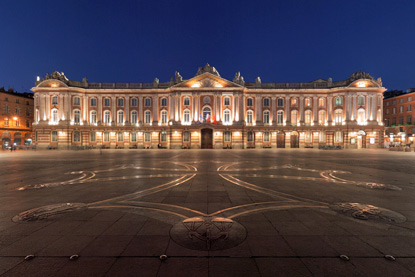
- The vibrant Place du Capitole has served as Toulouse’s town hall for centuries and is the social and architectural heart of the city.
- Airbus, one of the world’s leading aircraft manufacturers, has its headquarters in Toulouse, making the city a major European aerospace hub.
- The University of Toulouse, founded in 1229, is one of Europe’s oldest universities and now counts among France's largest student populations outside Paris.
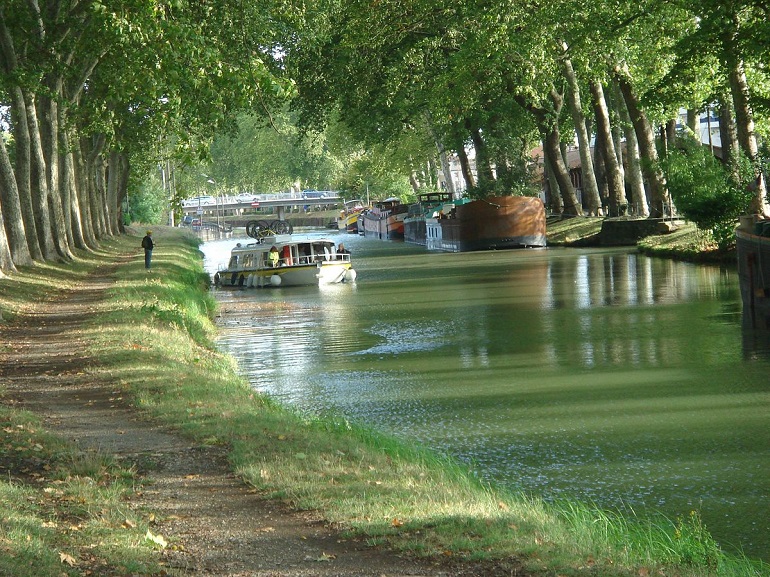
- The Canal du Midi, a 17th-century engineering marvel connecting Toulouse to the Mediterranean Sea, runs through the city and is a UNESCO-listed site.
- Toulouse boasts over 100 bell towers, earning it the nickname "City of 100 Bell Towers" due to its astonishing number of churches.
- The city’s metro stations all contain works of contemporary art, creating a unique blend of transport and culture.
- Toulouse boasts a rich gastronomic heritage, with cassoulet being one of its most famous dishes.
- Toulouse played a key role in history by defeating a Muslim army at the Battle of Toulouse in 721, which many historians believe helped stop the expansion of Islam into Western Europe.

History
Ancient Origins and Roman Foundations
Toulouse's remarkable history stretches back to the 8th century BCE, when archaeological evidence first records human settlement in this strategic location along the Garonne River. The city's advantageous position allowed for easy river crossings and established it as a vital centre for trade between the Pyrenees, the Mediterranean, and the Atlantic. The original inhabitants were the Aquitani, followed by Iberians from the south, both non-Indo-European peoples. However, it was the arrival of the Gallic tribe Volcae Tectosages from Belgium or southern Germany in the 3rd century BCE that truly established the settlement. They named it Tolosa (Τολῶσσα in Greek), and by 200 BCE, Tolosa had become the capital of their territory and one of the wealthiest cities in Gaul, with nearby gold and silver mines contributing to its prosperity. The Romans conquered the city in 107 BCE, transforming it into a major Roman settlement complete with aqueducts, baths, amphitheatre, and impressive brick walls, portions of which remain visible today.
Medieval Grandeur and Independence
Following Roman rule, Toulouse became the capital of the Visigothic kingdom from the 5th to early 6th centuries, encompassing territory from the Loire Valley to the Strait of Gibraltar. Under Visigothic rule, the city remarkably maintained its prosperity during the Migration Period, unlike most western European cities. After the Franks conquered Toulouse in 508, Charlemagne established the County of Toulouse in 778 to guard the Muslim Spanish border. The medieval period marked Toulouse's golden age of cultural achievement, particularly during the 11th and 12th centuries when it flourished as the heart of troubadour culture. The counts of Toulouse maintained these sophisticated poets who wrote in Occitan, then one of Europe's most refined languages. The University of Toulouse was founded in 1229, becoming a prestigious centre of learning with nearly 10,000 students by the mid-16th century. However, this period was also marked by religious conflict, particularly during the Albigensian Crusade against the Cathars starting in 1209, which ultimately led to Toulouse's incorporation into the French kingdom in 1271.
Renaissance Wealth and Modern Development
The 15th and 16th centuries brought unprecedented prosperity to Toulouse through the trade of woad, a plant producing blue dye known as "pastel". This "blue gold" generated enormous wealth that funded the construction of magnificent Renaissance mansions that remain the architectural jewels of the old city today. In 1443, King Charles VII established France's second parlement in Toulouse after Paris, making it the judicial capital of much of southern France. The city's population swelled to approximately 50,000 by 1550, making it France's second or third largest city at the time. However, the French Wars of Religion beginning in 1562 disrupted this golden age, and the introduction of indigo from India eclipsed the woad trade. The 17th century brought new prosperity with Pierre-Paul Riquet's construction of the Canal du Midi (1666-1681), linking Toulouse to the Mediterranean and stimulating trade. Following the French Revolution, Toulouse lost much of its administrative power but evolved into a modern centre of aviation and technology, becoming home to Airbus and numerous tech companies in the 20th century.
Main Attractions
Place du Capitole
Place du Capitole serves as the central square and social hub of Toulouse, surrounded by restaurants, shops and historic arcades. The east side houses the Capitole building, which contains the city's town hall and opera house. The neoclassical façade—distinguished by red brick and limestone columns—dates back to the 18th century. A notable feature in the plaza is the bronze Occitan Cross, whose twelve points represent the zodiac signs, while the arcades display painted ceilings that depict scenes from Toulouse's history. The square measures 12,000 square metres and was named after the ancient Roman capitolium. The Capitole building itself was constructed on the site of the former capitouls' residence, where the city's medieval magistrates once held court. The opera house within the building, known as Théâtre du Capitole, has hosted numerous prestigious performances since its establishment and features an ornate Italian-style interior. The painted arcades, completed in the 20th century, illustrate key moments in Toulouse's past, including scenes of troubadour culture and the city's role in aviation history. Regular markets, festivals, and cultural events take place in the square throughout the year, making it a constant hub of activity. The surrounding cafés and brasseries offer outdoor seating, allowing visitors to observe the daily life of Toulousains whilst enjoying local cuisine.
Basilique Saint-Sernin
The Basilique Saint-Sernin is a prominent Romanesque church and UNESCO World Heritage site in Toulouse, renowned as one of the largest of its kind in Europe. Built between the 11th and 14th centuries, it features a five-storey brick tower and a remarkable collection of religious relics housed in its crypt, more than any other church in France. The basilica's architectural significance is highlighted by its grand nave and the Portail de Miegeville, which showcases detailed Romanesque sculptures. The church was constructed as a pilgrimage stop on the Camino de Santiago, accommodating the thousands of pilgrims who travelled through Toulouse on their way to Santiago de Compostela. The interior spans 115 metres in length and features a unique ambulatory design that allowed pilgrims to visit the relics without disrupting religious services. The tower, standing at 65 metres tall, serves as a beacon visible from across the city and houses a collection of historic bells. The basilica's crypt contains over 260 relics, including those of Saint Saturninus (Saint-Sernin), the first bishop of Toulouse who was martyred in the 3rd century. The building's distinctive pink brick construction, typical of Toulouse architecture, creates a warm appearance that changes throughout the day as light conditions shift.

Pont Neuf
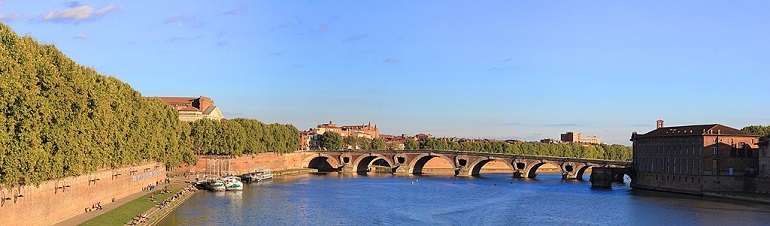
Pont Neuf, the oldest bridge in Toulouse, was constructed between the 16th and 17th centuries and spans the River Garonne. Its seven asymmetrical arches and robust stone structure have withstood several major floods, earning it a reputation for resilience. The bridge is a popular spot for panoramic views over the city and the riverfront, making it a frequent destination for strolls and relaxation among locals and visitors alike. Despite its name meaning "new bridge", it is actually the oldest surviving bridge in the city, as previous medieval bridges were destroyed by floods. The construction took nearly a century to complete due to various engineering challenges and interruptions, including financial difficulties and technical problems with the riverbed foundation. The bridge's unique design incorporates varying arch sizes to accommodate the river's flow patterns and geological conditions. From the bridge, visitors can admire the pink brick buildings lining the riverbanks, the dome of La Grave hospital, and the spires of various churches that punctuate Toulouse's skyline. The structure has undergone several restoration projects to maintain its structural integrity whilst preserving its historical appearance. Evening visits are particularly rewarding, as the bridge and surrounding buildings are illuminated, creating reflections on the water surface below.
Canal du Midi
Canal du Midi is a UNESCO World Heritage site and a marvel of 17th-century engineering, linking Toulouse to the Mediterranean Sea. The canal is lined with towpaths ideal for cycling and walking, and visitors can take boat tours to explore its historic locks and leafy banks. This site offers insight into Toulouse's heritage as an important navigation and trade centre. The canal was conceived and largely financed by Pierre-Paul Riquet, who dedicated his life and fortune to its construction between 1667 and 1681. Stretching 240 kilometres from Toulouse to the Étang de Thau near Sète, it features 328 structures including locks, aqueducts, and bridges that demonstrate remarkable engineering ingenuity. The canal's construction required overcoming significant challenges, including supplying water to the highest point through an innovative system of reservoirs and feeders in the Montagne Noire. Within Toulouse, the canal passes through several locks, including the historic Minimes lock system, where visitors can observe boats navigating the water level changes. The towpaths, originally used by horses pulling barges, now serve as popular routes for recreational activities and offer access to numerous locks, each with its own unique character and surrounding landscape. The canal supported Toulouse's economic development for centuries, facilitating trade in goods such as wheat, wine, and manufactured products between the Atlantic and Mediterranean regions. Restoration efforts maintain the canal's navigability whilst preserving its historical features and ecological significance as a habitat for various aquatic and riparian species.
Jardin Japonais
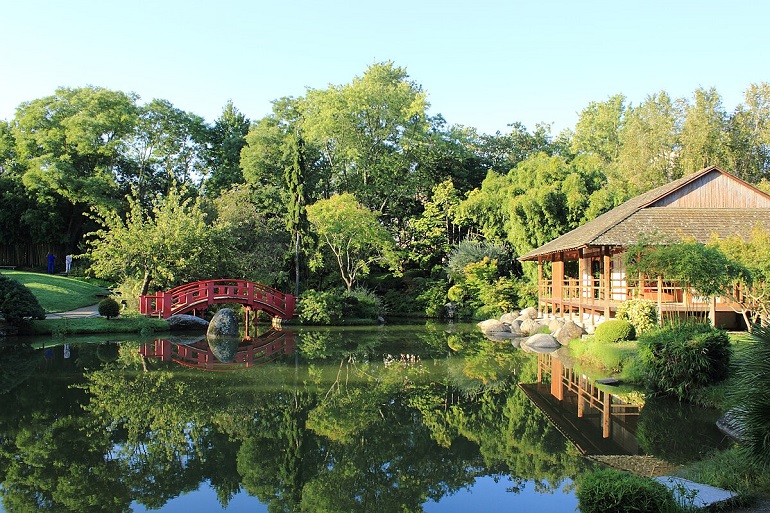
Located within the Compans-Caffarelli park, the Japanese Garden of Toulouse is inspired by traditional Kyoto gardens. Opened in 1981, it features authentic elements such as a tea pavilion, a stone bridge, and a koi pond, creating a space for quiet contemplation. The garden's careful landscaping and symbolic features make it a peaceful destination within the city. The garden was designed with assistance from Japanese landscape architects to ensure authenticity in its layout and symbolic elements. Traditional Japanese gardening principles are evident throughout, including the use of asymmetrical balance, borrowed scenery, and the incorporation of natural materials such as stone, water, and carefully pruned vegetation. The tea pavilion, constructed using traditional Japanese architectural techniques, hosts tea ceremonies and cultural events that introduce visitors to Japanese customs and philosophy. The garden's design encourages slow, contemplative movement along winding paths that reveal different perspectives and hidden corners. Seasonal changes are carefully orchestrated through plant selection, ensuring that the garden offers distinct experiences throughout the year, from cherry blossoms in spring to autumn colour displays. The koi pond serves as both a visual focal point and a symbol of perseverance and strength in Japanese culture. Maintenance follows traditional Japanese methods, including precise pruning techniques and seasonal care routines that preserve the garden's authentic appearance. The space regularly hosts cultural exchanges, educational workshops, and meditation sessions that deepen understanding of Japanese philosophy and aesthetics.
Garonne Riverbanks and Quai de la Daurade
The riverbanks of the Garonne, especially along the Quai de la Daurade, are favoured for leisurely walks and picnics. These promenades offer scenic vistas including the dome of La Grave hospital, a prominent landmark in Toulouse's skyline. The area is known for its lively atmosphere, where residents gather for social events or to admire sunsets over the water, providing a tranquil retreat from urban bustle. The Quai de la Daurade stretches for several kilometres and features well-maintained walkways, benches, and green spaces that invite relaxation. The name "Daurade" derives from the golden decorations that once adorned a Roman temple dedicated to Apollo that stood in this area. During summer months, the riverbanks host various festivals, outdoor concerts, and cultural events that draw crowds from across the city. The promenade connects several neighbourhoods and offers access to boat tours, river taxis, and recreational activities such as canoeing and paddleboarding. Historical plaques along the route provide information about Toulouse's relationship with the river, including its importance for trade, transportation, and urban development. The area also features several floating bars and restaurants moored along the quays, offering dining experiences with river views. Wildlife can often be observed along the banks, including various bird species and fish that inhabit the Garonne ecosystem.
Place Saint-Pierre
Place Saint-Pierre is situated beside the River Garonne and is popular for its lively nightlife and festive atmosphere. In the evening, students and locals frequent the area's bars and cafés, especially during rugby matches and events. The place offers picturesque views towards the dome of La Grave and is integral to the social life of Toulouse. The square developed around the ancient Church of Saint-Pierre-des-Cuisines, which dates back to the 11th century and represents one of Toulouse's oldest religious buildings. The area underwent significant renovation in recent decades, transforming from a neglected riverside district into one of the city's most vibrant social spaces. The square's strategic location provides easy access to both the historic city centre and the riverfront, making it a natural gathering point for residents and visitors. During rugby season, particularly when the Stade Toulousain plays, the square becomes a focal point for supporters who gather to watch matches on outdoor screens and celebrate victories. The numerous bars and restaurants surrounding the square cater to diverse tastes and budgets, from traditional French bistros to international cuisine and trendy cocktail establishments. Street performers and musicians often entertain crowds, especially during weekend evenings and summer months when outdoor seating extends across much of the square. The proximity to the University of Toulouse contributes to the area's youthful energy, with students meeting for drinks, study groups, and social activities throughout the academic year. The square also serves as a starting point for boat trips along the Garonne and provides access to riverside walking and cycling paths that connect to other parts of the city.
Church of the Jacobins (Couvent des Jacobins)
The Church of the Jacobins is a striking example of Southern French Gothic architecture, built in the 13th century as part of a former Dominican convent. It is famed for its slender columns and the unique 'palm tree' vault at its apse, which radiates 22 ribs. The interior also houses the relics of Thomas Aquinas, adding to its religious significance and architectural interest. The Dominican order established this convent in 1229, shortly after receiving papal approval for their presence in Toulouse. The church's design represents a revolutionary approach to Gothic architecture, employing a single nave without side aisles, creating an unobstructed space ideal for preaching to large congregations. The famous palmier vault, created by master architect Dominique de Rieux, is considered one of the finest examples of medieval engineering and artistry. Saint Thomas Aquinas taught at the Dominican studium generale in Toulouse and his remains were brought to the church in 1974, making it a pilgrimage site for Catholic scholars and theologians. The convent complex includes cloisters with double galleries, chapter house, and refectory, all showcasing the sophisticated lifestyle of medieval Dominican friars. The building survived the French Revolution and various threats of demolition, thanks to preservation efforts that recognised its architectural importance. Today, the complex serves as a cultural centre hosting exhibitions, concerts, and educational programmes that highlight its historical significance.
Top Museums
Art Museums
Musée des Augustins
Housed in a magnificent 14th-century Gothic convent, the Musée des Augustins stands as one of France's oldest museums, established during the French Revolution. The building itself is an architectural masterpiece, featuring a remarkable 14th-century cloister that serves as the backdrop for an impressive collection spanning the Middle Ages to the 20th century.
The museum is particularly renowned for its exceptional collection of Romanesque and Gothic sculptures, including masterpieces such as Le chapiteau de la Mort de saint Jean-Baptiste and la Vierge à L'Enfant, Nostre-Dame-de-Grasse. The painting collection showcases works from the 15th to 20th centuries, featuring pieces by renowned artists including Delacroix, Ingres, Courbet, Philippe de Champaigne, and Nicolas Tournier. Please note: the museum is currently closed for extensive renovation and will reopen at the end of 2025 with modernised facilities and improved accessibility.
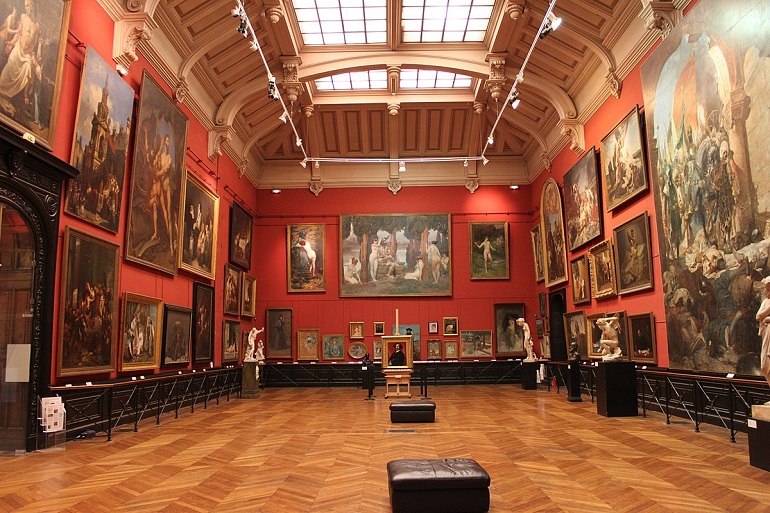
Fondation Bemberg
Located in the beautiful Hôtel d'Assézat, the Fondation Bemberg displays the personal art collection of Georges Bemberg. This diverse collection encompasses 19th and 20th-century French paintings alongside remarkable Venetian works dating back to the 16th century. Visitors can explore ancient books, period furniture, and works by celebrated artists including Pierre Bonnard, Pablo Picasso, Pieter de Hooch, François Clouet, and Eugene Boudin.
Les Abattoirs
Housed in a converted industrial slaughterhouse on the left bank of the Garonne, Les Abattoirs serves as Toulouse's temple to modern and contemporary art. This dynamic cultural centre combines industrial architecture with bright, modular exhibition spaces, creating an ideal setting for painting, sculpture, photography, video installations, and digital art. Beyond its permanent collections highlighting major artistic trends of the 20th and 21st centuries, Les Abattoirs functions as a vibrant cultural hub hosting concerts, screenings, conferences, and artistic performances.
Musée des Arts Précieux Paul-Dupuy
Located in the historic Carmes district, the Musée des Arts Précieux Paul-Dupuy is the city's museum of decorative and graphic arts. Housed in a former 17th-century private mansion, the museum originated from the private collection of art lover Paul Dupuy. After extensive renovations, it reopened in 2022 with a new layout showcasing its eclectic and precious collections. The museum holds a significant collection of graphic arts, particularly rich in works by artists from Toulouse and the Languedoc region, alongside decorative arts from the Middle Ages to 1939. Visitors can explore a world-renowned horology collection in the Cabinet du Temps (Cabinet of Time), pre-cinema and cinema artefacts, religious treasures, ivories, and regional ceramics, offering a glimpse into the artistic and daily life of the region.
Science and Natural History Museums
Muséum de Toulouse (Natural History Museum)
Located within the Jardin des Plantes, the Toulouse Natural History Museum ranks as the second largest natural history museum in France. Covering over 6,000 square metres following extensive renovation in 2008, the museum houses an extraordinary collection of over 2.5 million specimens.
Highlights include the skeleton of a Quetzalcoatlus (one of the largest pterosaurs ever to have existed), a whale skeleton, and a naturalised elephant over three metres high. The museum's extensive collections span the animal kingdom, mineralogy, and fossils that trace Earth's history, offering immersive educational experiences for visitors of all ages through interactive exhibits and temporary exhibitions.
Cité de l'Espace
More than a museum, the Cité de l'Espace is a veritable immersive park dedicated to space exploration. Located on the eastern edge of Toulouse, this space discovery centre reflects the city's pioneering role in aeronautics and space conquest.
The facility features full-scale models of space modules and a replica of the Ariane 5 rocket towering 55 metres high. Interactive exhibits include lunar walk simulators where visitors can experience reduced gravity, planetarium films, flight simulators, and live demonstrations by space experts. The centre showcases the extensive history of the universe, from the Big Bang to the formation of our solar system, making complex scientific concepts accessible and engaging.

Aéroscopia
Situated in Blagnac, Aéroscopia serves as the perfect showcase for Toulouse's status as the cradle of European aeronautics. Rather than displaying simple models behind glass, visitors can get up close to legendary aircraft and explore their interiors, including cockpits and technological developments that have marked aviation history.
The museum offers interactive areas explaining flight principles, aircraft design, and aeronautical challenges, with specially adapted activities for children to help them understand how aircraft fly. The experience provides both educational value and hands-on excitement for aviation enthusiasts and families alike.
History and Archaeology Museums
Musée Saint-Raymond
This archaeological museum occupies a building with a fascinating history, constructed on what was once a necropolis before serving various purposes including a hospital, penitentiary, student housing, and stables throughout the ages. Located just north of the city centre near the magnificent Basilica of Saint-Sernin, the museum houses a wealth of artifacts dating from prehistory and the Bronze Age through various historical periods.
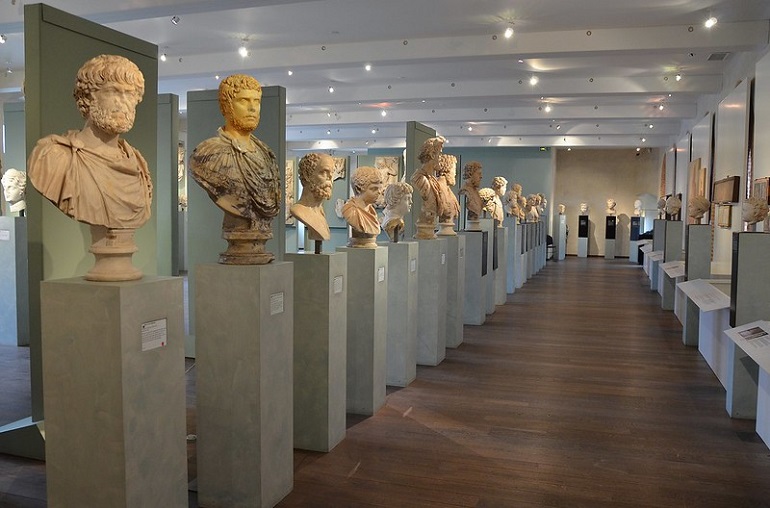
Musée Georges-Labit
Housed in a distinctive Moorish villa, the Georges-Labit Museum showcases artifacts collected during the travels of Georges Labit. The collection focuses primarily on North African and Asian antiquities, including historic Japanese prints and pieces from Ancient Egypt. The building's unique Moorish architecture, complemented by gardens featuring Asian and Mediterranean plant species rather than native French flora, creates an exotic atmosphere that reflects the museum's international collections.
Musée du Vieux-Toulouse
Situated in the magnificent Renaissance-era Hôtel Dumay, just a short walk from the Capitole square, the Musée du Vieux-Toulouse offers a journey into the city's past. Founded in 1907 by the association "Les Toulousains de Toulouse," the museum's collections illustrate the history of the city and its inhabitants from antiquity to the 20th century. The exhibition rooms are arranged like cosy 18th-century parlours, creating a charming and authentic atmosphere. The museum presents a wide range of artefacts including iconographic documents, paintings, porcelain, and costumes, which cover themes such as the city's urban evolution, its historic institutions like the Capitouls, and local customs and traditions.
Unique Experiences
Halle de La Machine
Located in the Montaudran district, La Halle de La Machine blurs the boundaries between art, technology, and performance to create a truly unique experience. Created by François Delarozière's company (also responsible for the famous Machines de l'Île de Nantes), this mechanical theatre brings machines to life through interaction with visitors.
The impressive mechanical bestiary includes the giant Minotaur, a 14-metre-high creature of steel and wood that can carry visitors on its back, the enchanting Carrousel des Bestioles, and various fantastic creatures inspired by wildlife and mythology. Live demonstrations allow visitors to witness machines in motion whilst speaking with the machinists who operate them, creating an extraordinary blend of engineering and artistic imagination.
Local Cuisine
Toulouse's culinary heritage showcases the rich flavours of France's southwest region, with several iconic dishes that define its gastronomic identity. The city's most celebrated dish is cassoulet, a hearty slow-cooked casserole of white beans, duck confit, and the famous Saucisse de Toulouse - a distinctive pork sausage seasoned simply with salt and pepper. The local cuisine also features sophisticated delicacies such as Foie Gras d'oie (goose liver), which is particularly smooth and delicate when produced in Toulouse, typically served pan-seared with gingerbread or fig jelly. For those with a sweet tooth, the city offers unique treats like Fénétra, a traditional Roman-era tart made with apricots and almonds, and distinctive violet-flavoured confectioneries that have become a symbol of Toulouse's culinary creativity. The regional speciality Poulet à la Toulousaine, a roasted chicken stuffed with local sausage, olives, and herbs, perfectly exemplifies the city's mastery of combining simple ingredients into flavourful dishes.
Shopping
Toulouse offers a delightful array of shopping experiences, from bustling traditional markets to elegant boutiques. The city's main shopping thoroughfare, Rue Saint-Rome, features a mix of high-street brands and local shops. For luxury shopping and designer labels, head to Rue de la Pomme, whilst Rue des Arts and Rue Croix-Baragnon showcase sophisticated fashion and luxury brands. The magnificent Victor Hugo Market, the largest covered food market in southwest France, is a must-visit for gourmands seeking local delicacies such as cassoulet, foie gras and regional cheeses. Fashion enthusiasts will appreciate the renowned French brands like The Kooples and Le Comptoir des Cotonniers found along Rue d'Alsace-Lorraine, whilst vintage lovers can explore the second-hand shops along Rue Cujas and Rue Sainte-Ursule. Most shops operate Monday to Saturday from 9:00 to 18:00, though smaller establishments often close for lunch between 12:00 and 14:00.
Victor Hugo Market
The Victor Hugo Market is Toulouse's largest covered market and a focal point for local gastronomy. Established in the 19th century near Place Wilson, it houses dozens of stalls selling regional produce, cheeses, meats and specialities such as cassoulet. Upstairs, several restaurants use market ingredients to prepare typical dishes, making it essential for tasting the culinary scene of the region. The market building, constructed in 1896, represents typical 19th-century market architecture with its iron framework and glass roof that provides natural lighting whilst protecting vendors and customers from weather. The ground floor hosts approximately 70 vendors offering products from throughout the Occitanie region, including Roquefort cheese, Bayonne ham, foie gras, and seasonal fruits and vegetables grown in local farms. The market serves as a showcase for traditional Toulousain specialities, particularly cassoulet, the famous white bean stew that originated in the region and varies in preparation according to family and regional traditions. Upstairs restaurants operate with direct access to the market's fresh ingredients, offering visitors authentic regional cuisine prepared by local chefs who maintain traditional recipes and cooking methods. The market functions six days per week and attracts both local residents conducting daily shopping and tourists seeking to experience authentic French market culture. Special events throughout the year celebrate seasonal products, such as truffle festivals in winter and fruit celebrations in summer.
Nature in and around Toulouse
Toulouse and its surrounding region offer a splendid array of natural attractions for outdoor enthusiasts. Within the city, visitors can explore numerous verdant spaces, including the tranquil Jardin des Plantes, the serene Jardin Japonais, and the picturesque Jardin Raymond VI. Just an hour from the city lies the magnificent Cirque de Gavarnie, a UNESCO World Heritage site featuring Europe's largest waterfall with a 413-metre vertical drop and snow-capped peaks. Nature lovers can venture to the Pyrénées National Park via Cauterets and the Pont d'Espagne, where they'll discover the stunning Marcadau valley with its sparkling waterfalls and Lake Gaube, frequented by local wildlife such as mountain goats and marmots. For wildlife encounters, the Pyrénées Animal Park in Argelès-Gazost, merely 20 minutes from Lourdes, stands as one of southern France's most impressive zoos, offering opportunities to observe bears, wolves, otters and deer in their natural habitat.
Getting To & Around Toulouse
Getting There
By train Toulouse is well connected to major cities by rail, making it an especially comfortable and scenic way to arrive. High-speed TGV and Intercity services serve Toulouse-Matabiau, the main train station, with direct links from Paris, Bordeaux, Marseille, and even Barcelona. Many journeys require no changes, and travelling overnight from Paris is also possible. Arriving by train means you'll step out right beside the Canal du Midi, within easy walking distance of the city's historic centre.
By coach or bus Several coach companies, such as FlixBus, BlaBlaCar Bus, ALSA, and STARSHIPPER SAS, operate regular services to Toulouse from cities across France and Europe. Buses arrive at the Central Bus Station, typically offering onboard amenities like Wi-Fi and comfortable seating. Though the trip may take longer than the train, it is often a convenient option if you depart from cities not directly served by rail, with multiple daily connections from places such as Lille, Limoges, Pau, Paris, Milan and Brussels.
By car Driving to Toulouse is straightforward via France’s motorway network. The A20 from Paris passes through Nouvelle-Aquitaine straight to Toulouse, and the city is also accessible via the A64 from the Pyrenees and A62 from Bordeaux. It typically takes about 10–11 hours from Calais via Paris, though routes through Rouen are more relaxing and scenic. Once in Toulouse, there is plenty of central parking available for visitors.
Getting Around
Toulouse boasts a comprehensive and efficient public transport network operated by Tisséo, making it remarkably easy to navigate the city. The system comprises two metro lines (A and B) that run from early morning until midnight on weekdays and until 3 AM on weekends, connecting major landmarks across the city. The network is complemented by two tram lines, with T1 serving the Aeroscopia museum and MEETT exhibition centre, whilst T2 provides a convenient link to Toulouse-Blagnac Airport. More than 100 bus routes criss-cross the city and surrounding areas, including the efficient Linéo service with its distinctive double 'accordion' buses. For a unique experience, travellers can take the Téléo urban cable car, which offers breathtaking views whilst connecting Oncopole to Paul Sabatier University. A single ticket allows passengers to use any combination of transport modes within a one-hour window, making it both convenient and cost-effective.
Best Time to Visit
The optimal time to visit Toulouse is during late spring (April to May) or early autumn (September to October), when you can enjoy pleasant temperatures and fewer tourist crowds. During these periods, daytime temperatures typically range from 12°C to 20°C, providing ideal conditions for exploring the Pink City's charming streets and historic sites. These shoulder seasons offer the perfect balance of comfortable weather for outdoor activities, whilst avoiding both the stifling summer heat of July and August, when temperatures can soar to 30°C, and the rainier winter months. Spring brings blooming gardens and cultural festivals, whilst autumn treats visitors to harvest celebrations and wine-tasting opportunities in the nearby Cotes de Fronton region. Moreover, these periods typically offer more reasonable accommodation rates compared to the peak summer season, making them particularly attractive for budget-conscious travellers.