


| Contents |
|---|
Introduction
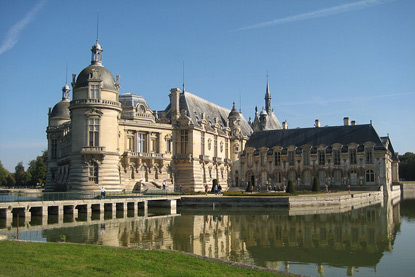
The Château de Chantilly, located approximately 50 kilometres north of Paris, is one of the most sumptuous châteaux in France. Home to many princely and ducal families, Chantilly is a set of several edifices of eclectic style The site comprises two main buildings: the 16th-century Petit Château and the 19th-century Grand Château, both surrounded by a vast 115-hectare park featuring gardens designed by André Le Nôtre and others, and include an Anglo-Chinese section. Originally a medieval fortress, the château evolved into a princely residence, most notably under Henri d’Orléans, Duke of Aumale, who turned it into a museum housing the prestigious Condé Museum, one of the finest art galleries in the country, featuring 20,000 exhibits, among which works by Botticelli, Raphael, Memling, Van Dyck, Poussin, Watteau and Ingres, as well as a historical library comprising 200 illuminated manuscripts. Visitors can explore its richly decorated interiors, the Great Stables hosting the Living Museum of the Horse, and enjoy equestrian shows and scenic gardens.
Interesting Facts about the Château
- The Château de Chantilly houses the second largest collection of antique paintings in France, after the Louvre Museum.
- The estate's connection with the Montmorency family began in 1484, marking the start of its rich history.
- Molière's play 'Les Précieuses ridicules' received its first performance at the château in 1659.
- The original mansion was destroyed during the French Revolution and later rebuilt between 1875 and 1882.
- The château's art gallery, the Musée Condé, has preserved its 19th-century display as per the Duke of Aumale's will.
- The Château de Chantilly library houses over 44,000 old books, including 700 incunabula and 1,500 manuscripts.
- The famous manuscript 'Très Riches Heures of the Duc de Berry' is part of the château's impressive collection.
- The Duke of Aumale's private suites, decorated in 1845-1848, provide a unique glimpse into the personal life of 19th-century royalty.
- The château's Great Stables, built between 1719 and 1740, now house the Living Museum of the Horse.
- In 1671, the château's maître d'hôtel, François Vatel, reportedly committed suicide when he feared the fish would be served late during King Louis XIV's visit.
History
Originally a medieval fortress controlling the road from Paris to Senlis, the château was first owned by the Bouteiller family in the 11th century. In 1386, it was acquired by Pierre d'Orgemont, who rebuilt the castle. The estate then passed to the Montmorency family in 1484, marking the beginning of a significant period of development and expansion.
Under the Montmorency family, particularly Anne de Montmorency, the château underwent extensive renovations. The Petit Château, a remarkable example of French Renaissance architecture, was constructed around 1560. In the 17th century, the estate passed to the Bourbon-Condé family, who further enhanced its grandeur. Louis II de Bourbon-Condé, known as the Grand Condé, commissioned André Le Nôtre to design the magnificent formal gardens, rivalling those of Versailles.
The château's current appearance owes much to Henri d'Orléans, Duke of Aumale, who inherited the estate in 1830. Following its destruction during the French Revolution, the Duke undertook a complete reconstruction between 1875 and 1882. He filled the château with his extensive art collection, creating what is now the Musée Condé. In 1897, the Duke bequeathed the entire estate to the Institut de France, ensuring its preservation as a cultural treasure. Today, the Château de Chantilly stands as a testament to French architectural and artistic heritage, offering visitors a glimpse into centuries of noble history.
Description
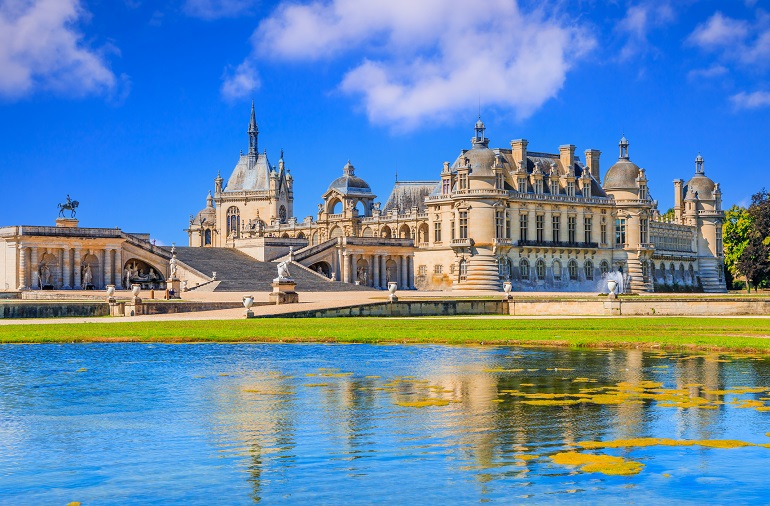
The Château de Chantilly stands as a resplendent testament to French architectural grandeur and artistic splendour. This historic château comprises two distinct buildings: the Petit Château, an elegant Renaissance structure dating back to 1560, and the Grand Château, meticulously reconstructed in the 1870s following its complete destruction during the tumultuous years of the French Revolution. The estate's silhouette, reflected in the still waters of its surrounding moat, creates a tableau of such perfect harmony that it has inspired artists and poets for centuries.
The Grand Château
The Grand Château, rebuilt by Henri d'Orléans, Duke of Aumale, represents a magnificent example of 19th-century historicism. Its imposing façade, with its intricate stonework, tall windows, and elegant proportions, immediately transports visitors to an era of aristocratic refinement. The château's exterior features a harmonious blend of Renaissance and classical elements, with its distinctive pointed roofs and ornate chimneys creating a striking silhouette against the sky. The cream-coloured stone used in its construction seems to change hue throughout the day, from a warm golden tone in the morning light to a soft, ethereal glow at sunset.
The Petit Château
The Petit Château, despite its name, is far from modest. This Renaissance gem survived the French Revolution and serves as a remarkable example of 16th-century French architecture. Its façade features delicate stonework, including intricate carvings and medallions that tell stories of the château's illustrious past. The building's proportions are perfectly balanced, creating an impression of elegance and restraint that contrasts with the more imposing Grand Château. The two structures are connected seamlessly, allowing visitors to appreciate the evolution of French architectural styles across three centuries.
The Musée Condé: A Treasure Trove of Art
The château houses the renowned Musée Condé, boasting one of France's most prestigious painting collections. This extraordinary museum, bequeathed intact to the Institut de France by the Duke of Aumale, remains exactly as he arranged it—a rare example of a 19th-century princely collection preserved in its original setting. Art enthusiasts will be captivated by the exquisite French paintings and book illuminations from the 15th and 16th centuries, displayed in rooms that complement their historical significance.
The museum's highlights include masterpieces by Raphael, such as 'La Madone de Lorette', 'Les Trois Grâces', and 'La Madone de la maison d'Orléans'. These works, displayed in the Santuario, create an intimate viewing experience that allows visitors to appreciate the artist's genius in detail. The collection also features important works by Botticelli, Fra Angelico, Poussin, and Ingres, each piece carefully selected to reflect the Duke's discerning taste.
The Galerie de Peinture
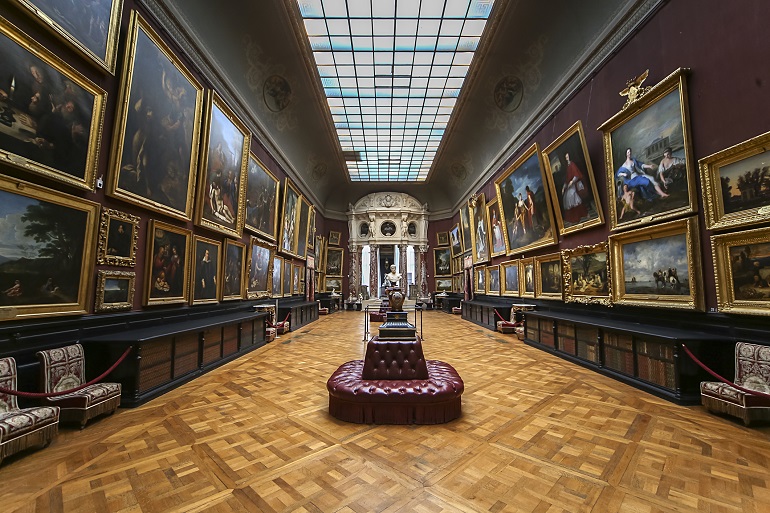
The Galerie de Peinture, modelled after the Grande Galerie of the Louvre, houses an impressive collection of historical paintings. The gallery's design, with its rich red walls, ornate gilded frames, and carefully positioned skylights, creates the perfect setting for viewing these masterpieces. The paintings are arranged chronologically and by school, allowing visitors to trace the development of European painting from the Renaissance to the 19th century. Particularly noteworthy are the French portraits, which offer fascinating insights into the changing fashions and social customs of the aristocracy over the centuries.
The Grand Apartments
Visitors can explore the opulent Grand Apartments, which showcase the lavish lifestyle of the Bourbon-Condé princes. These rooms feature an impressive array of art objects, furniture, and paintings by master artists, offering a glimpse into 18th-century aristocratic life. The Grand Salon, with its soaring ceiling adorned with allegorical paintings, serves as the centrepiece of these apartments. Its walls, covered in damask silk, provide a sumptuous backdrop for the gilded furniture and crystal chandeliers that fill the space.
The Dining Room, designed for elaborate formal dinners, features a magnificent table that can seat dozens of guests. The room's walls are adorned with hunting scenes, reflecting the château's long association with the aristocratic pursuit. The adjacent Small Dining Room offers a more intimate setting, with delicate chinoiserie decorations and views of the gardens.
The Private Apartments
For a more intimate experience, guided tours of the Private Apartments of the Duke and Duchess of Aumale provide insight into the personal lives of the château's former residents. These well-preserved rooms offer a unique perspective on 19th-century princely living. The Duke's study, lined with books and personal mementos, reveals his scholarly interests and political connections. The Duchess's boudoir, with its pastel colours and delicate furnishings, offers a contrast to the more masculine spaces in the château.
The bedchambers, with their canopied beds and antique furniture, have been preserved exactly as they were when the Duke and Duchess resided at Chantilly. Personal items, including clothing, jewellery, and toiletries, add a touching human element to these grand spaces. Family photographs and portraits provide glimpses into the lives of the aristocrats who once called Chantilly home.
The Cabinet des Livres
Book lovers will be enthralled by the Cabinet des Livres, home to one of France's richest libraries. This treasure trove of literary works includes rare manuscripts collected by the château's various owners, particularly the Duke of Aumale, a renowned bibliophile of his time. The room itself is a masterpiece of 19th-century design, with its two-tiered bookcases, ornate ceiling, and comfortable reading areas.
The library houses approximately 19,000 volumes, including 1,500 manuscripts and 17,500 printed books. Among its most precious treasures are the Très Riches Heures du Duc de Berry, considered one of the greatest examples of medieval illuminated manuscripts, and the Livre d'Heures d'Étienne Chevalier, illustrated by Jean Fouquet. These works are displayed in special cases that protect them from light damage while allowing visitors to appreciate their exquisite artistry.

The Chapel
The château's chapel, though relatively small, is a jewel of neo-Gothic architecture. Its stained glass windows cast colourful patterns across the stone floor, creating an atmosphere of reverent tranquility. The altar, carved from white marble, features intricate religious scenes that demonstrate the skill of 19th-century craftsmen. The chapel's acoustics are exceptional, making it a perfect venue for the intimate classical concerts that are occasionally held within its walls.
The Theatre
Hidden within the château is a charming private theatre, built to entertain the Duke's distinguished guests. This intimate space, with its red velvet seats and gilded decorations, could accommodate approximately 200 spectators. The stage, complete with original 19th-century machinery, could produce impressive special effects for the period. Today, the theatre hosts occasional performances, allowing visitors to experience entertainment as the château's original residents would have.
The Formal French Gardens
The crowning jewel of the château's exterior is André Le Nôtre's French-style garden, considered the landscape architect's favourite creation and one of his most significant works alongside Versailles. This formal garden features expansive water mirrors, intricate parterres, a Grand Canal, and an impressive collection of statues and fountains. The geometric layout and symmetrical design symbolise the triumph of culture over nature, a hallmark of French garden design during the reign of Louis XIV.
The Grand Parterre, covering 23 hectares, is the largest water garden in Europe. Its vast reflecting pools create mesmerising mirror images of the château and sky, doubling the visual impact of this already impressive landscape. The carefully manicured lawns and precisely trimmed hedges demonstrate the French garden's emphasis on order and control, with nature shaped to reflect human ideals of perfection.
The Water Features
Water plays a crucial role in the gardens of Chantilly, with numerous fountains, cascades, and canals creating a symphony of movement and sound. The Grand Canal, stretching 2.5 kilometres, offers a magnificent perspective of the château and serves as the central axis of the garden design. Smaller water features, including the Fountain of the Gerbe, with its impressive 12-metre jet, provide focal points throughout the landscape.
The Cascades, a series of stepped waterfalls, create a dramatic visual effect as water tumbles down multiple levels before flowing into the tranquil canal below. These water features not only add beauty to the gardens but also demonstrate the technical prowess of Le Nôtre, who designed complex hydraulic systems to ensure consistent water flow and pressure.

The English Garden
In contrast to the formal French garden, the English Garden, designed in the early 19th century, embraces a more natural and romantic aesthetic. This area is adorned with charming features such as the Temple of Venus, the Island of Love, and Swan Lake, creating an idyllic setting for a leisurely stroll. Winding paths lead visitors through groves of ancient trees, across rustic bridges, and alongside meandering streams, offering constantly changing vistas that surprise and delight.
The English Garden's design philosophy celebrates the beauty of untamed nature, with seemingly random plantings and natural-looking water features. However, this apparent spontaneity is carefully planned to create specific emotional responses as visitors move through the landscape. Secluded benches placed at strategic points invite contemplation of particularly beautiful views, while dense plantings create intimate spaces that contrast with the open lawns.
The Anglo-Chinese Garden
The Anglo-Chinese Garden, dating from the late 18th century, houses the picturesque Hamlet. This collection of rustic cottages served as inspiration for Marie Antoinette's famous Hamlet at Versailles. Visitors can wander through this whimsical area, complete with small canals and a miniature maze. The cottages, with their thatched roofs and flower-filled gardens, create a fairy-tale atmosphere that contrasts with the grandeur of the château.
The garden's design reflects the 18th-century European fascination with Chinese landscape principles, incorporating elements such as ornamental bridges, exotic pavilions, and carefully placed rocks. These features are integrated into a naturalistic setting that encourages exploration and discovery. The garden's plantings include species imported from Asia, adding to its exotic character and providing seasonal interest throughout the year.
The Petit Parc
For those seeking a touch of history, the Petit Parc offers a glimpse into early 18th-century garden design. Here, one can find Sylvie's House and its tranquil pond, as well as an oversized goose game. This area of the garden retains elements of the earliest landscape designs at Chantilly, providing a fascinating contrast to the later additions. Ancient trees, some dating back several centuries, create a sense of timelessness and continuity.
The Petit Parc also includes several small pavilions and follies, each with its own architectural character and purpose. These structures, scattered throughout the landscape, provide destinations for walks and shelter from inclement weather. Many are adorned with decorative elements that reflect the artistic tastes of different periods, from classical statuary to rococo ornamentation.
The Great Stables (Les Grandes Écuries)
No visit to the Château de Chantilly would be complete without exploring the magnificent Great Stables. This architectural marvel, built between 1719 and 1735 by architect Jean Aubert for Louis-Henri, Duke of Bourbon, Prince of Condé, now houses the Living Museum of the Horse. The stables showcase the estate's long-standing connection to equestrian culture and offer visitors a chance to learn about the history and art of horsemanship.
The building itself is a masterpiece of 18th-century architecture, with its imposing dome reaching 28 metres in height. The façade, stretching 186 metres, features elegant arcades and classical decorative elements that reflect the importance of horses in aristocratic life. The central pavilion, crowned by a clock tower, creates a symmetrical composition of remarkable harmony and balance.
The Living Museum of the Horse
Inside the Great Stables, the Living Museum of the Horse presents a fascinating collection of equestrian equipment, artwork, and interactive displays. Visitors can admire historic carriages, elaborate saddles, and ceremonial harnesses that demonstrate the craftsmanship dedicated to equestrian pursuits throughout the centuries. Paintings and sculptures depicting horses provide artistic context for the practical items on display.
The museum also houses living exhibits, with several breeds of horses maintained in the historic stalls. These magnificent animals, cared for by skilled grooms, allow visitors to appreciate the different characteristics of various breeds and understand their historical uses. Regular demonstrations in the magnificent domed arena showcase traditional riding techniques and the natural abilities of these noble creatures.
The Domed Arena
The centrepiece of the Great Stables is the spectacular domed arena, where equestrian demonstrations are held regularly. This circular space, with its soaring ceiling and perfect acoustics, provides an impressive setting for displays of horsemanship. The arena's design allows spectators to view the performances from multiple angles, appreciating both the technical skill of the riders and the beauty of the horses in motion.
The arena hosts various types of equestrian presentations, from classical dressage to more theatrical performances that combine music, lighting, and costume to create memorable spectacles. These shows continue the tradition of equestrian entertainment that has been associated with Chantilly for centuries, allowing modern visitors to experience an important aspect of French cultural heritage.
The Jeu de Paume Court
Adjacent to the château is a rare surviving example of a jeu de paume court, the precursor to modern tennis. This indoor court, with its distinctive architecture and specialised features, offers insight into the leisure activities of the French aristocracy. The high ceiling, angled walls, and galleries for spectators create a unique space that has been carefully preserved to maintain its historical authenticity.
The Seasonal Beauty of Chantilly
The Château de Chantilly and its gardens offer different experiences throughout the year. In spring, the parterres burst into colour with thousands of tulips, daffodils, and other bulbs creating patterns that complement the geometric design of the formal gardens. Summer brings lush greenery and the perfect opportunity to enjoy the water features at their most active. Autumn transforms the English Garden into a tapestry of gold, russet, and bronze as the ancient trees prepare for winter. Even in winter, the formal structure of the French Garden creates a striking landscape, especially when outlined by frost or a dusting of snow.
The Château de Chantilly, with its stunning architecture, world-class art collection, and diverse gardens, offers visitors a truly immersive experience in French culture and history. Whether admiring the château's opulent interiors or wandering through its enchanting grounds, guests are sure to be captivated by the beauty and grandeur of this remarkable estate. Each visit reveals new details and perspectives, making Chantilly a destination that rewards repeated exploration and contemplation.
Getting There
The Château de Chantilly is conveniently located about 40 km north of Paris and can be reached by car, train, or bus. By car, take the A3 or A1 motorways and exit at "Chantilly," with parking available near the château for €5. Alternatively, from Gare du Nord in Paris, you can take the TER train (approximately 25 minutes) or the RER D line (around 45 minutes) to Chantilly-Gouvieux station. From there, a free shuttle service (DUC) or bus number 15 will bring you to the château, or you can opt for a scenic 20-minute walk. For those arriving from Charles de Gaulle Airport, it’s just a 20-minute drive. Public transport is an efficient and eco-friendly option for visiting this historic gem.
Best Time to Visit
The best time to visit Château de Chantilly is between May and September, when the weather is pleasant and ideal for exploring the beautiful grounds. During this period, the moderate temperatures make it perfect for spending time outdoors, allowing visitors to fully appreciate the stunning gardens and surroundings. For a more relaxed visit, it is advisable to plan your trip on a weekday between 10 am and 2 pm, as this avoids the crowds that typically gather on weekends. On weekends, arriving early or visiting in the late afternoon is recommended to avoid the peak rush. The château is open from Wednesday to Monday, providing ample opportunities to plan your visit around your schedule.
| Travel destinations in Picardy | ||||||||||||||
|---|---|---|---|---|---|---|---|---|---|---|---|---|---|---|
|
|
|
|
| ||||||||||
|
|
|
|
| ||||||||||


