


| Contents |
|---|
Introduction
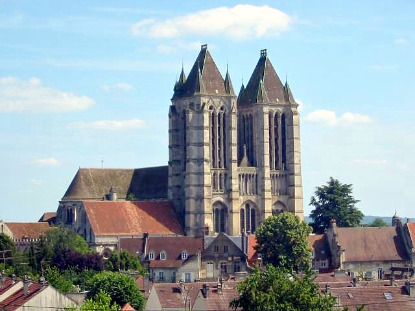
Noyon (pop. 14,500) is a small town on the Oise River and the Canal du Nord. It was a major ecclesiastical centre during the Middle Ages and played a pivotal role in French royal history. Originally founded by the Gallo-Romans as Noviomagus, the town witnessed the coronations of two significant rulers: Charlemagne as King of the Franks in 768 CE and Hugh Capet, founder of the Capetian dynasty, in 987 CE. The town is renowned as the birthplace of Protestant reformer John Calvin in 1509 and houses the Cathedral of Notre-Dame, one of France's earliest examples of Gothic architecture constructed between 1145 and 1235. Noyon features one of France's oldest town halls with its distinctive Renaissance façade, and despite suffering considerable damage during both world wars, the town has been carefully restored whilst maintaining its medieval character. Today, Noyon holds the designation of "Town of Art and History" and offers visitors a well-preserved glimpse into France's ecclesiastical and royal heritage through its cathedral, museums, and historic architecture.
Interesting Facts about Noyon
- Noyon’s majestic Notre-Dame Cathedral is among the earliest Gothic churches in France, begun around 1145 and largely completed by 1235.
- Charlemagne was crowned here as co-King of the Franks in 768, cementing Noyon’s place in early medieval royal history.
- Hugh Capet, founder of the Capetian dynasty, was also crowned at Noyon in 987, marking a pivotal shift in French monarchy.
- The town is the birthplace of John Calvin (1509), whose rebuilt childhood home now houses an engaging museum on the Reformation.
- Noyon was an important medieval bishopric, elevated to an ecclesiastical duchy and long a major ecclesiastical centre.
- The Treaty of Noyon (1516) helped end a phase of the Italian Wars, reshaping claims over Naples and Milan between France and the Habsburgs.
- Much of Noyon was burned during the 1557 campaigns in Picardy, a reminder of its strategic location in Franco-Habsburg conflicts.
- Noyon endured heavy damage and occupation in both World Wars, after which its cathedral and civic buildings were carefully restored.
- The town received a communal charter in 1108, signalling early urban liberties and self-governance in medieval France.
- Noyon’s bishop’s library is a notable example of half-timbered architecture, reflecting the town’s rich ecclesiastical heritage.
History
Originally a stronghold of the Veromandui, a Celtic tribe of Belgic Gaul, Noyon later developed as the Roman civitas of Noviomagus Veromanduorum (literally "new plain of the Veromandui"). Like many cities in northern France, Noviomagus had ramparts from the 3rd century to protect it from Germanic attacks.

In 531, Saint Medardus moved the seat of the diocese of Vermandois to Noyon. In 768, Charlemagne and his brother Carloman are crowned Kings of the Franks in Noyon.
In 987, Hugh Capet is elected King of France in Senlis, then crowned in Noyon on 3rd July by the archbishop of Reims, Adalberon. Hugh Capet is considered the first true King of France, as opposed to King of the Frankish kingdom of West Francia.
Noyon then becomes a Count-Bishopric part of the Royal Domain ("Île de France"). In 1363, Noyon becomes a fief of the Dukes of Burgundy, until 1544 when Emperor Charles V of Habsburg restitutes it to France with the Duchy of Burgundy through the Treaty of Crépy-en-Noyonnois.
Main Attractions
Noyon Cathedral (Cathédrale Notre-Dame de Noyon)
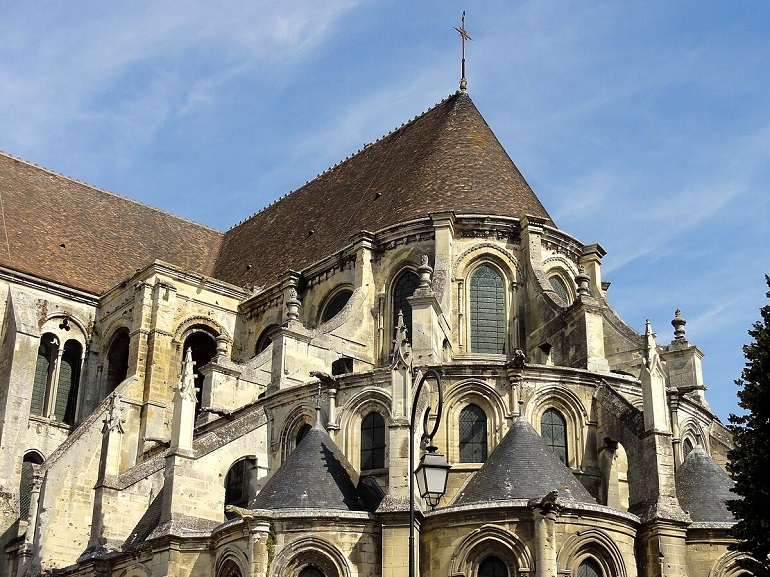
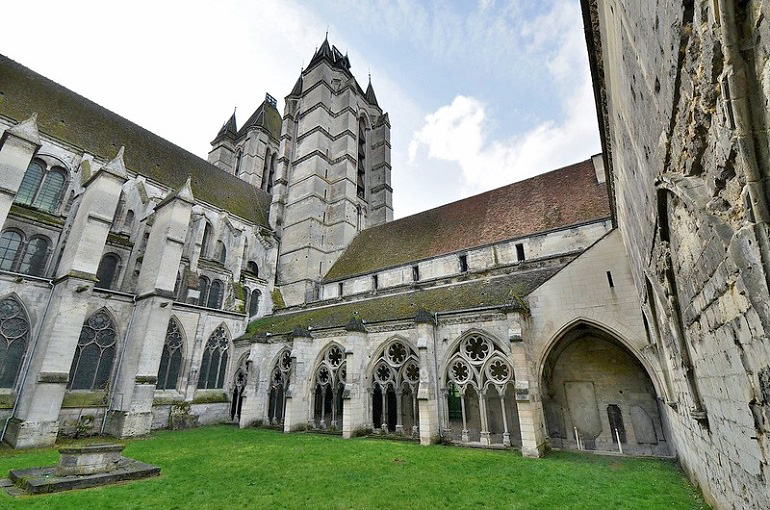
Noyon Cathedral is the dominant historical and architectural landmark of the town. Built in 1140, it is considered to be the second Gothic-style church after the Abbey Church of St Denis in Paris, and very first cathedral erected in this architectural style (worldwide, not just in France). The transition between Romanesque and Gothic is soft in regard to the complexity of the sculptures, but evident through the high vaulting or the flying buttresses. Built on the site of an earlier church destroyed by fire in 1131, its construction started in the mid-12th century and continued through to the 13th century, achieving a striking Latin-cross layout with a nave vault soaring to 23 metres and a total length of over 100 metres. Visitors are greeted by a west front with a fourteenth-century porch and two unfinished towers, while inside, the cathedral impresses with its four-storey elevation, rich side chapels from the 14th to 16th centuries, a peaceful cloister and chapter house, and unique acoustic features reflecting medieval ingenuity. Charlemagne and Hugh Capet were both crowned here, underscoring the cathedral’s profound place in French history.
Bibliothèque du Chapitre (Cathedral Chapter Library)
The “Bibliothèque du Chapitre” is a rare, early 16th-century timber-framed library built in 1506–1507 by the cathedral canons to safeguard their manuscripts and printed works beside Notre-Dame de Noyon. Raised on wooden pillars with mullioned windows and later 17th-century alterations, it once held lectern-style reading desks before being refitted with wall-to-wall shelving as collections expanded. Long considered one of the oldest purpose-built library buildings in France to retain its original function, it was damaged in 1918 and subsequently restored, and is now protected as a historic monument with strictly controlled access due to its fragility. Its holdings historically spanned liturgy, theology, controversy, classics, and early prints, reflecting the scholarly life of Noyon’s chapter and its enduring intellectual heritage.

Episcopal Palace Gardens and Cloisters
The Episcopal Palace Gardens, known for their lovely borders and tranquil atmosphere, offer a refreshing escape just behind the cathedral, with excellent views of the southern façade and restful benches shaded by mature trees. Part of the old cloister complex dating from 1230 still remains; the chapter house is particularly notable for its carved statuary and medieval ambience, inviting both contemplation and quiet discovery. In spring and summer, the gardens are especially attractive, bursting with colour from seasonal flowers and providing space for leisurely walks steeped in centuries-old calm.
Place de l’Hôtel de Ville
At the centre of Noyon stands the picturesque Place de l’Hôtel de Ville (town hall), an essential gathering spot distinguished by the flamboyant late Gothic Town Hall dating to the end of the fifteenth century. Its facade is adorned with sculptural niches featuring symbolic figures and animals, and its striking mullioned windows and decorative elements are a visual treat for admirers of medieval architecture. The square buzzes with local activity, hosting regular markets and public events, making it ideal for relaxing at outdoor cafés and experiencing the rhythms of local life in a charming historic setting.

Historic Town Centre
Exploring the historic town centre of Noyon is a captivating experience, with highlights ranging from vestiges of medieval ramparts and half-timbered houses to cobbled lanes marked by plaques recounting key historical events. The birthplace of John Calvin, Noyon’s intellectual heritage is everywhere apparent, with engaging narratives of ecclesiastical and royal history at every turn. The architecture and atmosphere invite slow discovery, perfect for visitors interested in unraveling layers of French historical identity.
Canal de la Sambre à l’Oise
Just outside the medieval centre, the Canal de la Sambre à l’Oise winds its way through gentle countryside, offering scenic towpaths ideal for walking, cycling, and picnicking in the scenic surrounds of Noyon. The leafy path along the canal promises glimpses of wildlife and striking views back toward the spires of the cathedral, while local cycling routes make it a favourite spot for active visitors seeking pastoral beauty and peace. The canal also serves as a gateway to further exploration of the region’s forests and traditional villages.
Noyon War Memorial
Located in the cathedral forecourt, the Noyon War Memorial is a distinctive shell-shaped monument that commemorates those who fell during both World Wars. Its graceful and solemn design invites reflection, and its position between the cathedral and the town square provides a poignant perspective on Noyon’s layered history. The memorial is a central site for annual ceremonies and personal remembrance, moving in its simplicity and evocative of the resilience of the local community.
Weekly Market
Noyon’s weekly Saturday morning market transforms the historic square into a bustling tableau of local culture, with traders displaying fresh produce, flowers, cheeses, and baked goods. The atmosphere is lively and welcoming, the aromas and colours a feast for the senses, and it remains the best place for visitors to immerse themselves in everyday life while sampling regional specialities. Markets are not only about commerce—they embody the communal spirit and traditions that make Noyon unique.
Outdoor Activities Near Noyon
Beyond the urban core, the surrounding countryside beckons with picturesque walking and cycling routes linking Noyon to lush fields, quiet forests, and peaceful waterways. From a gentle stroll along the canal to a full-day ramble through farmlands, nature lovers and active travellers will find ample opportunity for exploration and relaxation in an idyllic rural landscape that perfectly complements the town’s rich historical
Top Museums
Musée du Noyonnais
Housed in the former episcopal palace at the heart of the cathedral quarter, the Musée du Noyonnais is an indispensable address for lovers of art, archaeology, and local history.
The Setting
The museum’s home is itself a monument—a building whose layers reflect Noyon’s storied past, including the ruins of a Renaissance façade and a restored mediaeval tower, rising beside the Gothic Notre-Dame Cathedral. Overlooking peaceful cloisters and gardens, its location is perfectly suited to a journey through the region’s past.

Archaeological Collections
Stepping into the ground floor, visitors encounter substantial archaeological collections unearthed from Noyon and the greater Noyonnais. These immersive displays bring to life Noviomagus—Roman Noyon—through coins, everyday objects, ceramics, metallic work, and funerary steles, tracing how inhabitants lived and died over two millennia. The crypt, accessible during guided tours, reveals vestiges from the earliest centuries of the city, offering a palpable link with antiquity.
The Cathedral’s Treasures
No collection in Noyon could be complete without reference to the celebrated Notre-Dame Cathedral. Two major rooms in the museum are devoted to lapidary treasures—sculpted stones, architectural fragments, and rare furnishings that tell the story of Gothic innovation and religious life. Among the highlights are medieval and Renaissance chests, intricately carved and rich in history, alongside the extraordinary eleventh-century chess set in sculpted stag antler—testament to the artistry and play of the medieval court.
Fine Art and Sculpture
Ascending to the first floor, visitors find a rare assemblage of fine art, notably works by the orientalist painter Joseph-Félix Bouchor, who left a substantial legacy to the city—a bequest lauded for its diversity and artistic value. Several evocative pieces by the Pinchon brothers represent both grand public commissions and the more private side of sculptural art in the region. In addition, historic engravings, drawings, and photographs document turning points in Noyon’s story, particularly the destruction and rebirth witnessed after the First World War, when the city was all but obliterated and rebuilt with a striking respect for its past.
Permanent and Special Exhibitions
The Musée du Noyonnais continually reimagines its display of 2,000 years of civilisation, with themed spaces dedicated to antiquity, the Middle Ages, the modern era, and contemporary periods. Photographs and paintings commissioned from 1917 onwards poignantly capture the city’s trials and renewal after the Great War. The museum also hosts temporary exhibitions and heritage events, and visitors are sometimes granted access to the atmospheric cellars beneath the old palace, adding to the sense of discovery.
Visitor Experience
The museum is noted for its accessible, well-conceived museography: clear explanatory panels, a calm and reflective atmosphere, and friendly, knowledgeable staff. The building includes a library and a shop, enhancing the experience for scholars and enthusiasts alike.
Musée Jean Calvin
Complementing Noyon's artistic and civic heritage, the Musée Jean Calvin is devoted to one of the most significant thinkers of the Reformation.
Permanent Displays
In intimate, period-furnished rooms, the museum tells the story of Calvin’s personal journey from Noyon to Geneva and his formative role in the Protestant Reformation. The extensive collection includes rare original printings of Calvin’s works, facsimiles of the Bible from his time, and archival documents relating to the infamous “Placards” scandal of 1534, which sparked a wave of persecution against French Protestants.
Paintings, prints, medals, and seals illuminate both Calvin’s contested legacy and the broader struggle for freedom of belief in France and Europe. One highlight is the pulpit from the “Désert,” a moving artefact from the era of clandestine Protestant worship.
Research and Ambience
More than a typical museum, the Musée Jean Calvin serves also as a centre for research and study, with a specialist library open by request. Its atmospheric setting and quietly powerful exhibits provide a meditative counterpoint to the grandeur of the neighbouring cathedral.
Local Cuisine
From the fertile farmland of northern Picardy, Noyon’s dining scene is rooted in rustic flavours, with cosy bistro menus celebrating the region’s butter-rich cuisine. You will frequently find the ultra-light brioche-like gâteau battu served warm at breakfast, while lunch often sees plates of golden flamiche aux poireaux, a delicate leek tart encased in flaky pastry. Evening tables feature indulgent ficelle picarde, paper-thin crêpes rolled around smoky ham, mushrooms and crème fraîche, gratinated beneath bubbling cheese. Sweet-toothed visitors should not miss locally crafted Noyon pralines, whose fragrant hazelnut filling has been perfected by generations of chocolatiers, or a glass of gently sparkling ratafia de Picardie, a fortified apple wine that offers a mellow, honeyed finish to the meal. Paired with a dry farmhouse cidre picard, these specialities give a comforting snapshot of Noyon’s quietly confident culinary identity.
Getting There
By train Noyon sits on the TER Hauts-de-France rail line, allowing travellers to reach the town from Paris - Gare du Nord in roughly an hour via frequent direct services, while regional trains link it with Amiens, Saint-Quentin and Compiègne, making rail the swiftest and most comfortable option for most visitors.
By coach or bus Long-distance coaches connect Noyon with major northern French cities such as Paris, Lille and Amiens, though services are less frequent than the trains; alternatively, regional buses run from nearby hubs like Compiègne and Chauny, providing a practical choice for those seeking budget-friendly flexibility.
By car Drivers can reach Noyon via the A1 motorway from Paris, leaving at the Ressons-sur-Matz exit to join the D935, or approach from Amiens and Saint-Quentin along the N32 and D934, with ample parking available on the fringes of the historic centre.
| Travel destinations in Picardy | ||||||||||||||
|---|---|---|---|---|---|---|---|---|---|---|---|---|---|---|
|
|
|
|
| ||||||||||
|
|
|
|
| ||||||||||


