


| Contents |
|---|
Introduction
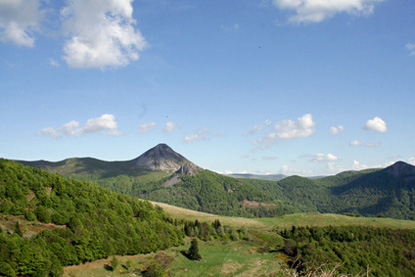
Blessed with some of France's most stunning scenery, this regional park is the number one attraction of Auvergne. The southern part, in Cantal, comprises the largest stratovolcanoes in Europe, culminating at the Plomb du Cantal (1,855 m).
The most ravishing summits are Puy Griou and Puy Mary rising from the Cirque du Falgoux. The wildly beautiful Gorges de la Rhue mark the limit with the Département du Puy-de-Dôme.
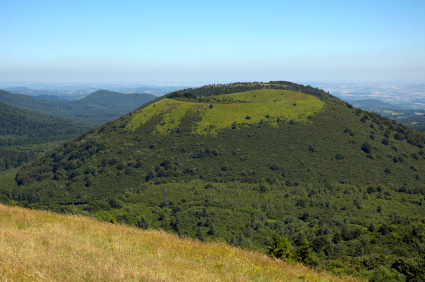
At the northern extremity is dominated by the Chaîne des Puys, a north-south oriented chain of cinder cones, lava domes, and maars. Puy de Sancy (1,885 m) is the highest peak in the Massif Central, but the more picturesque ones are the nicely circular Puy de Dôme, Puy de Côme or Puy Pariou featuring on the Volvic water bottles.
The Volcanoes of Auvergne Regional Nature Park, established in 1977, is the largest regional natural park in mainland France, covering 395,000 hectares across the Puy-de-Dôme and Cantal departments. This vast territory encompasses five distinct natural regions: four volcanic massifs (Monts Dômes with the Puy de Dôme at 1,465m, Monts Dore featuring the Puy de Sancy at 1,886m, Cézallier with the Signal du Luguet at 1,551m, and Monts du Cantal with the Plomb du Cantal at 1,855m) and one granite plateau (Artense). The park's remarkable biodiversity is evident in its diverse flora and fauna, including otters, mouflons, marmots, and rare bird species such as kites and rock thrushes. Formed over 12 million years of volcanic activity, the park features stunning landscapes ranging from deep valleys to high mountain peaks, with numerous lakes, peat bogs and four National Nature Reserves.

Geography and Landscape
The Volcanoes of Auvergne Regional Nature Park is a vast and striking area located in the Massif Central of France. Spanning 395,000 hectares, it is the largest regional nature park in mainland France and features a unique combination of volcanic massifs and granite plateaus. The park is divided into five distinct regions: the Chaîne des Puys, Monts Dore, Cézallier, Monts Cantal, and the Artense plateau. Each region boasts its own geological characteristics, offering visitors a diverse range of landscapes to explore.
The Chaîne des Puys
The Chaîne des Puys is a UNESCO World Heritage Site and consists of 80 volcanic cones, craters, and domes spread over 32 kilometres. This area is characterised by its dramatic peaks and slopes, showcasing the remnants of ancient eruptions. The Puy de Dôme, the highest volcano in this chain at 1,465 metres, offers panoramic views over the park and beyond. Visitors can hike to its summit or take an electric cog train for a more leisurely ascent.
Monts Dore
The Monts Dore region is home to Puy de Sancy, the tallest volcano in metropolitan France at 1,885 metres. Known for its alpine crest, steep slopes, and jagged ridges, this area contrasts sharply with other volcanic regions in the park. The Monts Dore also feature crystal-clear lakes and lush forests, making it ideal for hiking and outdoor activities.
Cézallier Plateau
The Cézallier region is defined by its peaceful rolling hills and wide-open spaces. This area lies between the Monts Dore and Monts Cantal and offers a tranquil escape with its moorlands and grassy plains. Signal du Luguet, at 1,551 metres above sea level, is one of its prominent peaks.
Monts Cantal
Monts Cantal is dominated by remnants of one of Europe’s largest ancient stratovolcanoes. The Plomb du Cantal peak rises to 1,855 metres, providing breathtaking views over the surrounding valleys. Puy Mary, another iconic site in this region at 1,787 metres high, is classified as a “Grand Site de France” due to its remarkable pyramid-like shape.
Artense Plateau
The Artense plateau differs from the volcanic massifs as it is composed of granite formations. This region features peat bogs, meadows, wetlands, and charming villages bordered by dry stone walls. It offers a gentler landscape compared to the dramatic peaks found elsewhere in the park.
Lakes and Geological Features
The park also includes numerous lakes such as Lake Guéry—the highest lake in Auvergne—and volcanic features like Puy du Pariou with its accessible crater floor. Unique formations such as twin volcanoes Puys de la Vache and Lassolas showcase Mars-like red earth slopes that are perfect for exploration.
The Volcanoes of Auvergne Regional Nature Park provides an unparalleled opportunity to experience Europe’s largest volcanic complex through its diverse terrains—from jagged peaks to serene plateaus—making it an unforgettable destination for travellers seeking natural beauty and geological wonders.
Flora and Fauna
The Volcanoes of Auvergne Regional Nature Park, the largest of its kind in mainland France, is a haven for biodiversity and a must-visit for nature enthusiasts. Spanning 395,000 hectares across the Puy-de-Dôme and Cantal departments, the park is home to a stunning array of plant and animal species, thriving amidst its unique volcanic landscapes.
Flora
The park's flora is a vibrant mix of Alpine and Pyrenean species, particularly flourishing in the high-altitude pastures of the Massif du Sancy. From March to October, visitors can witness a spectacular succession of blooms that transform the landscape daily. Key highlights include:
- Alpine Soldanella, Sulphur Anemone, and Alps Forget-Me-Not at higher altitudes.
- Meadows adorned with poppies, lilies, geraniums, and the delicate February Daphne.
- Wetlands like the Jolan and La Gazelle peat bogs in Cézallier, which host rare plants such as the insectivorous Round-Leaved Sundew.
These diverse habitats make the park a botanical treasure trove, ideal for leisurely walks or more adventurous hikes.
Fauna
The park's fauna is equally impressive, offering opportunities to spot rare and iconic species:
- Mammals: Keep an eye out for chamois, mouflons, groundhogs (marmots), and deer. Otters thrive in the park’s pristine waterways.
- Birdlife: Bird watchers can enjoy sightings of majestic raptors like golden eagles, red kites, falcons, and buzzards. The park also shelters rare species such as the elusive rock thrush.
- Insects: Dragonflies and butterflies add colour to the landscape during warmer months.
Conservation Efforts
The park operates under a sustainable protection charter, ensuring that tourism harmonises with conservation. Visitors are encouraged to respect fragile ecosystems, such as peat bogs and wetlands, which are vital for biodiversity.
Exploration Tips
For those keen on exploring this natural paradise:
- Visit during spring or summer for peak floral displays.
- Bring binoculars for birdwatching or to spot animals on the slopes.
- Respect marked trails to preserve sensitive habitats.
Whether you're hiking through wildflower meadows or watching golden eagles soar above volcanic peaks, the Volcanoes of Auvergne Regional Nature Park offers an unforgettable journey into nature's wonders.
Activities and Attractions
The Auvergne Volcanoes Regional Nature Park, the largest regional natural park in metropolitan France, offers a wealth of activities and attractions for visitors. This vast territory, spanning 395,000 hectares across the Puy-de-Dôme and Cantal departments, is a paradise for nature enthusiasts and adventure seekers alike.
Hiking in the Auvergne Volcanoes Regional Nature Park
The Auvergne Volcanoes Regional Nature Park offers an extensive network of hiking trails, catering to all skill levels and interests. This vast volcanic landscape, with its diverse terrain and stunning vistas, makes it a hiker's paradise. Here are some of the most notable trails:
1. Puy de Dôme Hike
- Distance: Approximately 5 km
- Duration: 2 to 3 hours
- Difficulty: Moderate
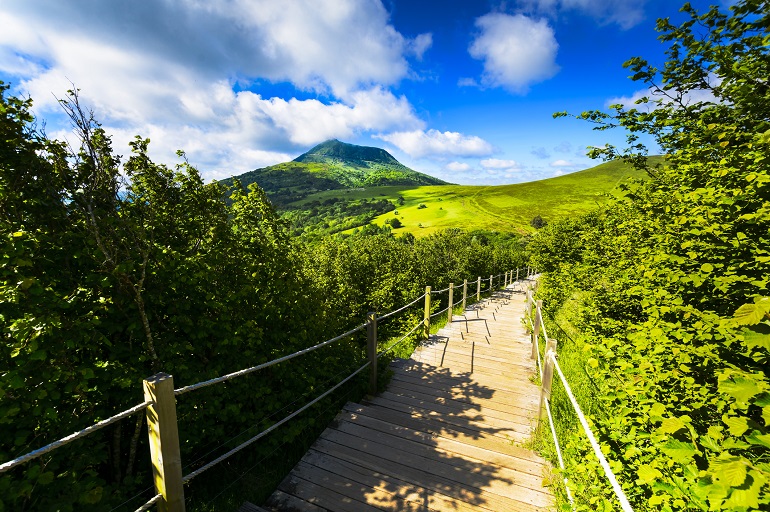
- Description: This iconic hike takes you to the summit of Puy de Dôme, offering panoramic views of the Chaîne des Puys. The Sentier des Muletiers is a popular route starting from Col de Ceyssat.
2. Puy de Sancy via the Val de Courre
- Distance: Approximately 7 km
- Duration: 3 to 4 hours
- Difficulty: Moderate to Challenging
- Description: The highest peak in mainland France outside the Alps, Puy de Sancy offers breathtaking views of the Mont-Dore valley. The rugged ridges and glacial landscapes make this a must-do hike.
3. Lac Pavin Loop Trail
- Distance: Approximately 6 km
- Duration: 2 hours
- Difficulty: Easy
- Description: This picturesque trail circles Lac Pavin, a stunning crater lake surrounded by dense forest. Ideal for families and beginners.
4. Vallée de Chaudefour Ridge Trail
- Distance: Approximately 15 km
- Duration: 5 to 6 hours
- Difficulty: Challenging
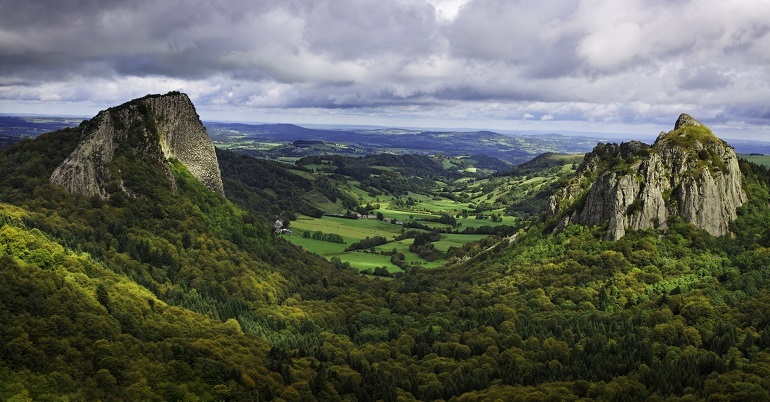
- Description: This hike explores the Chaudefour Valley, known for its dramatic volcanic formations like Dent de la Rancune and Crête du Coq. The trail offers sweeping views of the Sancy Massif.
5. Lassolas and La Vache Puys Trail
- Distance: Approximately 8 km
- Duration: 3 hours
- Difficulty: Moderate
- Description: A loop trail that takes you over two neighbouring volcanoes with unique red and black volcanic soils. A great way to experience the park's geological diversity.
6. Puy Mary Summit Trail
- Distance: Approximately 4 km
- Duration: 1.5 to 2 hours
- Difficulty: Easy to Moderate
- Description: A short but rewarding hike to one of the most scenic viewpoints in the Cantal mountains. On clear days, you can see as far as Mont Blanc.
Bivouac and Regulations
Bivouacking is permitted in certain areas of the park under specific conditions: tents may only be set up from sunset to sunrise and must be located on the edge of forests or meadows, avoiding slopes or summits. Fires are prohibited, and all waste must be carried out to preserve the natural environment.
Tips for Hiking in the Park
- Seasonal Considerations: Trails are best explored between May and October; some routes may be closed during winter due to snow.
- Packing Essentials: Bring water, sturdy footwear, warm clothing, and waterproof gear.
- Sustainability: Stay on marked trails to protect fragile ecosystems and avoid picking plants or disturbing wildlife.
- Cultural Stops: Combine hikes with visits to attractions like Vulcania or Château de Murol for a complete experience.
Hiking for All Levels
The park provides trails suitable for all abilities:
- Easy Trails: Suitable for families or beginners, these trails often loop around lakes like Lac Aydat or Lac Pavin, providing scenic views without excessive physical demands.
- Medium Trails: Trails like the Puy de Dôme or Puy de Sancy offer a moderate challenge with rewarding views from the summits.
- Hard Trails: For experienced hikers, trails such as the Vallée de Chaudefour or the GR30 Tour des Lacs d'Auvergne provide challenging routes with stunning vistas.
Guided Hikes
Visitors can also opt for guided hikes with local mountain guides, which offer insights into the region's geology, flora, and fauna. These guided tours are particularly useful for spotting wildlife like marmots and chamois in the Massif du Sancy.
Facilities and Amenities
- Maison du Parc at Montlosier Castle: Offers information, exhibitions, and themed hikes about the park.
- Picnic Areas: Available throughout the park, including near lakes and scenic viewpoints.
- Public Restrooms: Accessible at key locations such as the Maison du Parc and near popular trails.
The Park’s Other Activities
Skiing and Winter Sports
The Puy de Sancy area boasts two ski resorts, making it an ideal destination for winter sports enthusiasts during colder months.
Lakes and Water Activities
The park's numerous lakes provide opportunities for various water-based activities. Popular spots include Lake Guéry (the highest lake in Auvergne), Lake Pavin, Lake Aydat, and Lake Chambon.
Cultural and Historical Sites
- Murol Castle: A well-preserved medieval fortress offering insights into life during that period.
- Basilicas at Orcival and Saint-Nectaire: Stunning examples of Romanesque architecture.
- Authentic Villages: Explore traditional rural communities that have preserved their culture over centuries.
Parks and Unique Attractions
- Vulcania Park: A European volcanology park near Puy de Lemptegy with interactive exhibits about volcanoes worldwide.
- Petrifying Fountains of Saint-Nectaire: Mineral-rich springs used to create unique petrified art objects.
- The Chaîne des Puys-Limagne Fault UNESCO Site: A geological marvel recognised as a World Heritage Site.
Aerial Adventures
- Tandem paragliding near Clermont-Ferrand for stunning aerial views of volcanic landscapes.
- E-bike tours or quad biking on scenic routes like those around the Chaîne des Puys.
- Diverse mountain biking trails with rentals available in Clermont-Ferrand.
Breathtaking Scenic Viewpoints
- The summit of Puy de Dôme: Exceptional views over the Chaîne des Puys. - The peak of Puy de Sancy: Panoramic vistas across ridges and valleys.The Auvergne Volcanoes Regional Nature Park offers an unparalleled blend of natural wonders, outdoor activities, cultural experiences, and educational opportunities. Whether you're seeking adventure or tranquillity amidst breathtaking scenery, this remarkable destination promises an unforgettable experience for travellers of all interests!
Accommodation
The Volcanoes of Auvergne Regional Nature Park offers a diverse range of accommodation options for visitors seeking to explore this stunning natural area in the heart of France. From cosy chalets to comfortable hotels and charming campsites, there's something to suit every traveller's preferences and budget.
Types of Accommodation
Hotels
The park boasts a variety of hotels, ranging from 3-star to 5-star establishments. Many of these are located in picturesque settings, offering breathtaking views of the volcanic landscape. Some hotels feature amenities such as saunas, fitness rooms, and on-site restaurants serving local cuisine.
Campsites
For those who prefer a closer connection to nature, numerous campsites are available throughout the park. These range from basic pitches for tents and caravans to more luxurious options with mobile homes and unusual rentals like chalets. Many campsites offer facilities such as swimming pools, playgrounds, and organised activities for children.
Gîtes and Holiday Rentals
Self-catering accommodation is widely available in the form of gîtes and holiday rentals. These often provide a more authentic local experience and are ideal for families or groups seeking a home-away-from-home atmosphere.
Location and Amenities
Accommodation can be found in various locations throughout the park, including:
- Near popular attractions like Vulcania theme park
- In the heart of charming villages
- Close to lakes and rivers, perfect for water activities
- At the foot of hiking trails and ski slopes
Many accommodations offer amenities tailored to outdoor enthusiasts, such as:
- Secure storage for bicycles and sports equipment
- Drying rooms for wet gear
- Information on local hiking trails and activities
Booking and Seasonality
It's advisable to book accommodation well in advance, especially during peak seasons:
- Summer (July-August): The busiest period for tourism
- Winter (December-February): Popular for skiing and winter sports
- Spring and Autumn: Ideal for hiking and enjoying the changing landscapes
Prices may vary significantly between peak and off-peak seasons, with some accommodations offering special deals during quieter periods.
Accessibility
Many accommodations in the park have made efforts to improve accessibility for guests with reduced mobility. However, due to the mountainous terrain, it's recommended to check with the accommodation provider directly regarding specific accessibility requirements.
By offering a wide range of accommodation options, the Volcanoes of Auvergne Regional Nature Park ensures that visitors can find the perfect base from which to explore its unique volcanic landscapes, engage in outdoor activities, and immerse themselves in the natural beauty of the Auvergne region.
Gastronomy
The Auvergne Volcanoes Regional Natural Park offers a delightful culinary journey that reflects the rich heritage and natural bounty of this volcanic region. The gastronomy of Auvergne is characterised by hearty, rustic dishes that have been perfected over generations, making use of the area's abundant local produce.
Cheese
Auvergne is a veritable paradise for cheese lovers, producing over a quarter of France's labelled cheeses. The region's most renowned cheeses include:
- Saint-Nectaire: A semi-soft cheese with a natural grey or orange crust, boasting a rich history dating back to the 17th century.
- Cantal: A firm cheese with a strong flavour, often used in local dishes.
- Bleu d'Auvergne: A bold blue cheese with a creamy texture.
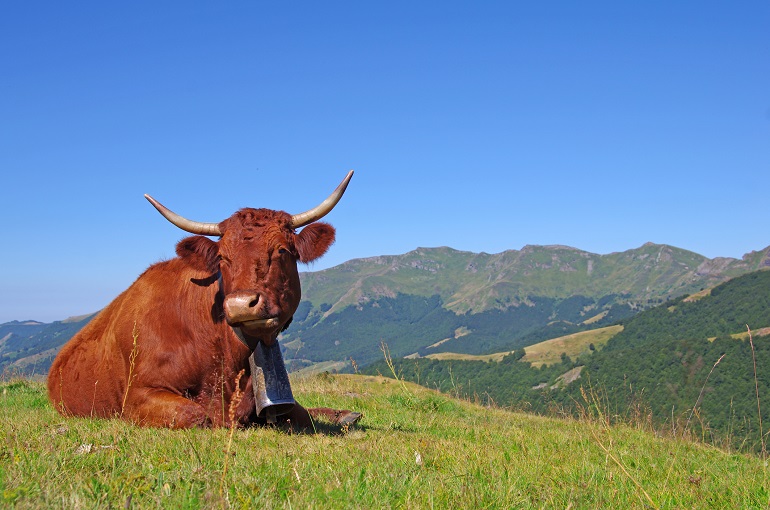
- Salers: A hard cheese made from the milk of the distinctive Salers cattle.
Traditional Dishes
The cuisine of Auvergne combines simple, wholesome ingredients to create flavourful and satisfying meals:
- Truffade: A beloved regional dish made with potatoes and fresh tomme cheese.
- Potée Auvergnate: A hearty stew featuring pork, vegetables, and the quintessential green cabbage.
- Aligot: A comforting blend of mashed potatoes and cheese, often served with sausages.
Charcuterie
The dry mountain air of Auvergne is perfect for curing meats, resulting in an impressive array of charcuterie:
- Dry sausages: Both traditional and flavoured varieties, including those made with blueberries.
- Jambon d'Auvergne: A delicate, hazelnut-flavoured ham.
- Pâté: Handmade with local ingredients and traditional recipes.
Desserts and Sweets
The region's sweet treats showcase the bounty of local fruits and honey:
- Pompe aux pommes: A delicious puff pastry apple cake.
- Wild fruit desserts: Pies, jams, and jellies made from blueberries, raspberries, and blackberries.
- Honey products: A variety of honeys, including mountain, flower, and chestnut, as well as nougat and gingerbread.
Beverages
The volcanic landscape contributes to unique drink offerings:
- Mineral waters: Famous brands like Mont-Dore and Saint-Diéry, known for their purity and mineral content.
- Gentian-based liqueurs: Alcoholic beverages made from this local plant, known for its medicinal properties.
Visitors to the Auvergne Volcanoes Regional Natural Park can savour these gastronomic delights while enjoying the breathtaking volcanic landscapes. The region's cuisine perfectly complements its natural beauty, offering a true taste of Auvergne's culinary heritage.
Getting There and Around
The Volcanoes of Auvergne Regional Nature Park, located in central France, is the largest volcanic complex in Europe. With its breathtaking landscapes, rich history, and unique geological features, it is a must-visit destination for nature lovers and adventurers. Here's how to get there and explore this stunning region.
Getting There
- By Car: The easiest way to access the park is by car. From Clermont-Ferrand, follow the D203 road towards Aydat, which leads to the Château de Montlosier, the park's main entrance. The drive takes roughly 30 minutes, and free parking is available near the entrance.
- By Public Transport: Start at Clermont-Ferrand's main train station and take a train towards Aydat (approximately 40 minutes). From Aydat station, you can either walk for about 30 minutes to the Château de Montlosier or take a local bus if available. Be sure to check train and bus schedules in advance.
- By Walking: If you're already in Aydat, you can enjoy a scenic 30-minute walk along the D203 road to reach the park's entrance. Comfortable shoes are recommended as some paths may be uneven.
Getting Around
The park spans over 120 kilometres and includes five distinct natural regions with volcanic massifs such as Monts Dômes and Monts Dore. There are several ways to explore its diverse landscapes:
Hiking
- The park offers numerous hiking trails suitable for all levels of fitness. One of the highlights is the GR® 441 trail, a 114-kilometre loop that takes approximately six days to complete. This route reveals over 80 volcanoes in the Chaîne des Puys, including volcanic lakes like Lac de Servières.
- For shorter hikes, consider climbing Puy de Dôme (1465m). You can ascend via the Chemin des Muletiers trail (1-hour hike) or take the Panoramique des Dômes cogwheel train for a more leisurely experience.
Cycling
Cycling enthusiasts can explore various paths through rolling hills and volcanic landscapes. Bikes can be rented locally, and some trails are specifically designed for cycling.
Guided Tours
For those who prefer a structured experience, guided tours are available, offering insights into the park’s geology, history, and cultural heritage. These tours often include visits to UNESCO-listed sites like the Chaîne des Puys and local villages such as Orcival.
Vulcania Theme Park
Start your journey at Vulcania, an educational theme park near Clermont-Ferrand. It provides interactive exhibitions about volcanoes, Earth sciences, and natural phenomena—perfect for families or those wanting to learn more before exploring.
Tips for Visitors
- Wear sturdy hiking shoes as trails can be rugged.
- Start early in the day to avoid crowds and enjoy cooler temperatures.
- Bring a camera to capture stunning views of craters, volcanic peaks, and lush valleys.
- Pack a picnic—there are plenty of scenic spots ideal for relaxing amidst nature.
- Visit local visitor centres like Maison du Parc for maps, hiking guides, and information on temporary exhibitions.
The Volcanoes of Auvergne Regional Nature Park offers a unique blend of natural beauty and cultural heritage. Whether you're hiking its trails, marvelling at its volcanic formations, or exploring its charming villages, this destination promises an unforgettable adventure.
Best Time to Visit
The best time to visit the Volcanoes of Auvergne Regional Nature Park is during the spring and summer months, typically from late March to early October. This period offers the most favourable conditions for exploring the park's stunning volcanic landscapes and engaging in outdoor activities.
Spring (Late March to June)
Spring is an excellent time to visit the park, as the weather becomes milder and the landscapes burst into bloom. The temperatures are comfortable for hiking, and you'll encounter fewer crowds compared to the peak summer season. This is an ideal time for nature enthusiasts, as the park's diverse flora begins to flourish, creating a vibrant tapestry of colours across the volcanic terrain.
Summer (July to August)
The summer months are the most popular for visiting the Volcanoes of Auvergne Regional Nature Park. The weather is generally warm and sunny, perfect for outdoor activities such as hiking, cycling, and picnicking. You'll enjoy long daylight hours, allowing for extended exploration of the park's numerous trails and viewpoints. However, be prepared for larger crowds during this peak season, especially at popular sites like the Puy de Dôme and Puy de Sancy.
Early Autumn (September to Early October)
Early autumn can be a delightful time to visit the park. The weather remains relatively mild, and the changing colours of the foliage create a spectacular backdrop for your adventures. This period offers a balance between pleasant temperatures and smaller crowds, making it an excellent choice for those seeking a more tranquil experience.
Considerations
Regardless of when you choose to visit, it's important to note that weather conditions can be changeable in the mountainous regions of the park. Always check the forecast before setting out on hikes or other outdoor activities, and come prepared with appropriate clothing and gear.
For the best experience, consider visiting on weekdays if possible, as weekends tend to be busier, especially during the summer months. Additionally, some attractions and facilities within the park may have reduced hours or be closed outside of the main tourist season, so it's advisable to check opening times in advance.
Remember, the Volcanoes of Auvergne Regional Nature Park is a year-round destination, each season offering its own unique charm. However, for the most comfortable and rewarding visit, the period from late spring to early autumn is generally considered the best time to explore this magnificent natural wonder.
Conservation and Responsible Tourism
The Volcanoes of Auvergne Regional Nature Park, the largest regional natural park in mainland France, is a treasure trove of biodiversity, geological wonders, and cultural heritage. Spanning 395,000 hectares across the Puy-de-Dôme and Cantal departments, it features four volcanic massifs (Chaîne des Puys, Monts Dore, Cézallier, and Monts du Cantal) and a granite plateau (Artense). The park is a model of sustainable tourism and conservation, offering visitors a chance to experience its unique landscapes responsibly.
Conservation Efforts
- Preservation of Biodiversity
The park is home to rare animal species such as otters, chamois, mouflons, and rock thrushes, as well as diverse plant life including alpine soldanella and martagon lilies. Conservation measures aim to protect these species through habitat management and sustainable land use practices. For instance, grazing and strategic tree felling help maintain open volcanic landscapes while preventing forest encroachment. - Geological Protection
The Chaîne des Puys-Limagne Fault tectonic arena, a UNESCO World Heritage Site, is safeguarded through strict regulations that limit urbanisation and quarrying. Efforts include clearing vegetation to reveal geological features and creating hiking trails to promote eco-friendly exploration. - Sustainable Development
Local communities play a vital role in the park's conservation strategy. Initiatives such as the "Valeur Parc" label reward eco-responsible practices among farmers, craftsmen, and accommodation providers. This ensures that economic activities align with environmental goals while preserving traditional skills.
Responsible Tourism Activities
- Hiking and Exploration
With marked trails like GR and PR routes, visitors can explore volcanic craters, valleys, and lakes while respecting the environment. Highlights include the Puy de Dôme for panoramic views and the Chaudefour Valley Nature Reserve for its dramatic landscapes. - Educational Experiences
The Maison du Parc in Montlosier offers interactive exhibitions on the park's natural and cultural heritage. Vulcania Park provides a family-friendly way to learn about volcanism through scientific activities and simulations of eruptions. - Eco-Friendly Practices
Tourists are encouraged to minimise their impact by following guidelines such as staying on marked paths, avoiding littering, and respecting wildlife habitats. Local eco-labelled accommodations further support sustainable tourism.
Practical Information
- Access: The park is open year-round with free entry.
- Visitor Centre: Maison du Parc in Montlosier provides maps, guides, and local products.
- Currency: All services accept euros (€).
By balancing conservation with responsible tourism, the Volcanoes of Auvergne Regional Nature Park ensures that its remarkable landscapes can be enjoyed by future generations while supporting local communities today.
Visitor Centres and Educational Facilities
The Volcanoes of Auvergne Regional Nature Park, located in central France, is the largest regional nature park in mainland France. It spans 395,000 hectares across the Puy-de-Dôme and Cantal departments and features stunning volcanic landscapes, rich biodiversity, and a wealth of educational opportunities. Below are some key visitor centres and educational facilities that make this park a must-visit destination for travellers.
Maison du Parc (Park House)
- Location: Montlosier, near the Chaîne des Puys and Sancy Massif.
- Features: The Maison du Parc serves as the main visitor centre for the park. It offers:
- A permanent interactive exhibition showcasing the park's natural and cultural heritage.
- Temporary exhibitions.
- A shop selling ecological products, hiking guides, and local goods.
- A conference room with a capacity of 100 seats.
- Discovery trails focusing on human history and volcanic activity in the region.
- Admission: Free.
- Opening Period: Typically open from April to September.
Vulcania Park
- Location: Near Clermont-Ferrand, just 20 minutes from the city.
- Description: Vulcania is a unique amusement and educational park dedicated to volcanoes, Earth sciences, and space exploration. It blends entertainment with scientific discovery, making it ideal for families.
- Key Attractions:
- Immersive experiences like "Réveil des Géants" (volcanic eruptions simulation) and "Abyss Explorer" (underwater exploration).
- A state-of-the-art planetarium showcasing films about space and Earth sciences.
- Interactive workshops such as "In the Shoes of a Volcanologist" and "Funny Experiences."
- Special activities for children, including themed areas like Dragon Forest and Volcanic Tales shows.
- New in 2025: An immersive space called "Land of Volcanoes," offering a deeper dive into volcanic phenomena.
- Sustainability Focus: Vulcania emphasises environmental preservation and promotes local gastronomy and crafts through its Auvergne shop.
Educational Programmes
The park actively promotes learning through:
- Outdoor Workshops: These include guided hikes, ecological activities, and hands-on learning experiences about volcanology.
- School Programmes: Special events are organised for schools, encouraging students to explore the geological wonders of the region.
Additional Highlights
- Visitors can explore other attractions like the Volvic Water Source information centre to learn about volcanic rock filtration processes or take guided hikes across volcanic craters.
- The park also features five National Nature Reserves, including Chaudefour Valley Reserve and Chastreix-Sancy Reserve, which are ideal for nature enthusiasts interested in flora and fauna.
Practical Information
- The park is easily accessible by car from Clermont-Ferrand or nearby towns.
- Admission fees vary depending on the facility; Maison du Parc is free, while Vulcania has ticketed entry.
Whether you're seeking an immersive scientific adventure or a tranquil exploration of volcanic landscapes, the Volcanoes of Auvergne Regional Nature Park offers something for everyone.