


| Contents |
|---|
Introduction
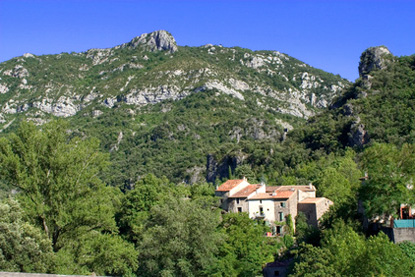
The Cévennes National Park, established in 1970, spans 937 square kilometres, it primarily extends across the departments of Lozère and Gard, with portions in Ardèche and Aveyron. Taking up the south-eastern part of the Massif Central, it is the only French national park situated in middle mountain. Interspersed by deep valleys, its main peaks are Mount Lozère (1,699 m) and Mont Aigoual (1,567 m). The park features diverse landscapes including granite massifs, limestone plateaux, deep gorges, and dense forests of oak, chestnut, pine and beech. Mount Lozère forms its highest point at 1,699 metres. Recognised for its ecological significance, the park has been designated as a UNESCO World Biosphere Reserve and a UNESCO World Heritage Site since 2011. It boasts remarkable biodiversity with 40 percent of all French native plant species and wildlife including deer, mouflon, otters, golden eagles, and reintroduced vultures. The region is characterised by a climate of contrasts—Mediterranean in the lower areas, becoming mountainous towards the summits—and is known for its spectacular scenery, traditional architecture, and network of hiking trails, including the famous Stevenson Trail.
Some of the most popular places for sightseeing include the Causse Méjean plateau, the Chaos de Nîmes-le-Vieux (a blockfield), the Cham des Bondons (site of 154 megaliths), and the Aven Armand limetsone cave. The Cévennes also produce the world-famous Roquefort blue cheese.
Geography and Landscape
The Cévennes National Park is nestled in the southern reaches of France's mountainous heartland, the Massif Central. This remarkable park spans across four departments—primarily Lozère and Gard, with portions extending into Ardèche and Aveyron—making it unique among French national parks for its administrative breadth.
Topography and Elevation
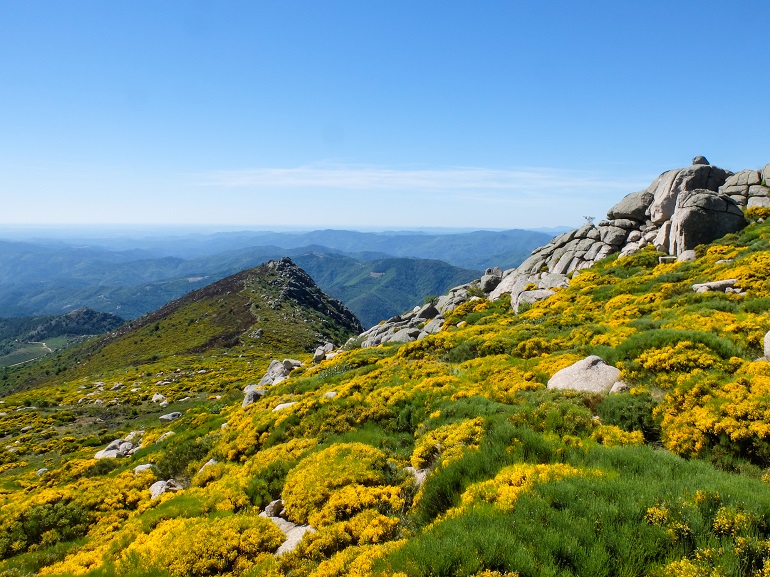
The park presents a dramatic range of elevations, from as low as 117 metres at Anduze to an impressive 1,699 metres at the summit of Finiels on Mont Lozère, the park's highest peak. This granite highland forms part of the park's distinctive character, alongside other notable mountains:
- Mont Aigoual (1,567 metres)
- Pic Cassini (1,680 metres)
- Rocher de l'Aigle (1,659 metres)
- Signal du Bougès (1,421 metres)
Distinct Geographical Regions
The Cévennes National Park comprises four main geographical entities, each offering unique landscapes:
Mont Lozère
The highest area in the park, Mont Lozère features a granite bar formation that creates a striking silhouette against the sky. Its summit offers panoramic views across the region and serves as an important watershed between the Atlantic and Mediterranean drainage systems.
The Causse Méjean
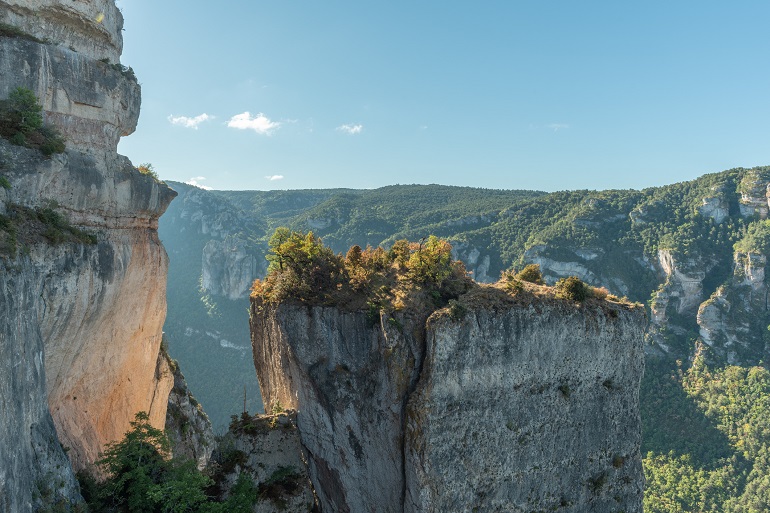
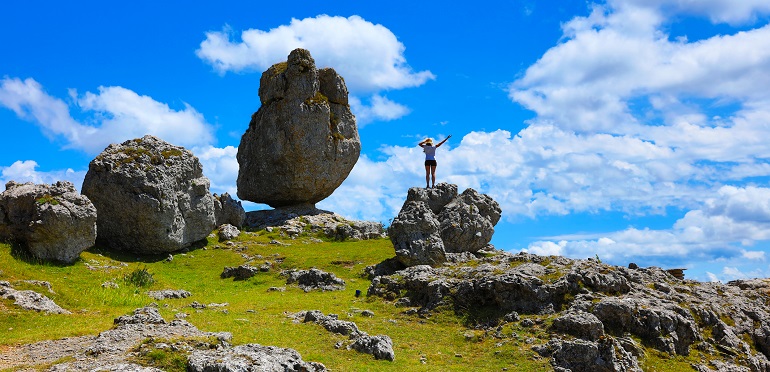
This vast limestone plateau is one of the park's most distinctive features. The plateau is dramatically cut through by the spectacular gorges of the Tarn and Jonte rivers, creating steep cliff faces and dramatic viewpoints. These karst landscapes form an important part of the park's geological interest.
Mont Aigoual Massif
This mountain range includes several significant peaks and the plateau of l'Espérou (1,415 metres). At the summit of Mont Aigoual stands an observatory, and the area marks an important line of water division between different drainage basins.
The Cévennes Valleys
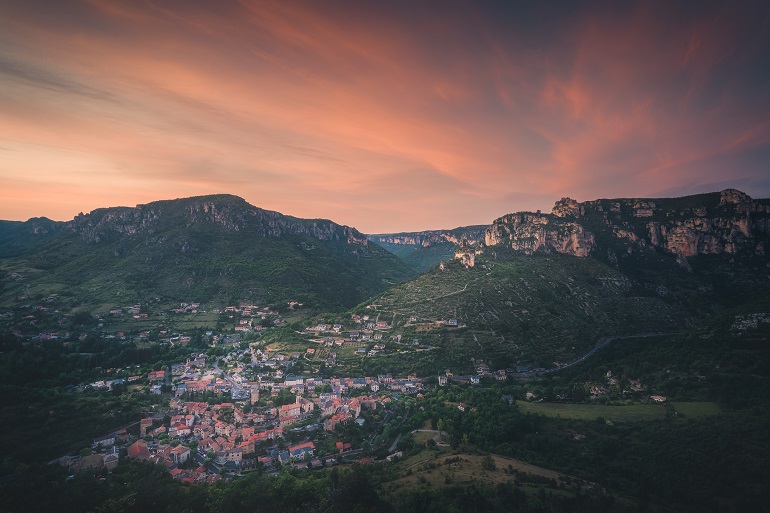
The southern slopes of the park feature deep, narrow valleys locally known as 'valats'. These valleys, carved by torrential waters from the Cévennes, gradually widen as they approach the Languedoc plain, showing increasing Mediterranean influences.
Geological Features
The Cévennes National Park showcases a fascinating geological history. The top layer consists of Mesozoic rocks between 65 and 250 million years old, with sedimentary limestones dominating the highland plateaus. The park's foundation includes granites and schists that were uplifted during the Variscan orogeny.
The landscape today represents a complex of:
- Carboniferous-aged valleys
- Rugged granite summits
- Extensive limestone plateaus
- Deep gorges carved by rivers
Water Features
Rivers play a crucial role in shaping the Cévennes landscape. The park forms part of the Atlantic-Mediterranean watershed, with numerous rivers originating in its highlands:
- The Tarn and Jonte, which have carved spectacular gorges
- The Hérault, Gard, Cèze, and Ardèche on the Mediterranean slope
- The Loire and Allier flowing towards the Atlantic
These waterways have not only sculpted the landscape but also influenced human settlement patterns throughout history.
Cultural Landscape
The physical geography of the Cévennes has profoundly shaped human activity in the region. The transition zone between mountain and lowland plains has created a diverse landscape of small massifs at medium altitude, intersected by deep valleys sheltering picturesque villages.
Traditional architecture—including stone dwellings, bridges, bell towers, and mills—harmonises with the natural environment, creating a cultural landscape so significant that in 2011, the park became part of "The Causses and the Cévennes, Mediterranean agro-pastoral Cultural Landscape" UNESCO World Heritage Site.

Flora and Fauna
The Cévennes National Park boasts an extraordinary diversity of wildlife and plant species, making it one of France's most biodiverse regions.
Fauna
The park is home to an impressive variety of wildlife with approximately 70 species of mammals, 195 species of birds, 16 species of amphibians, 15 species of reptiles, 23 species of fish and more than 2,000 different species of invertebrates. This represents about two-thirds of all French mammal species.
Birds
The Cévennes is particularly renowned for its birds of prey. A successful vulture reintroduction programme has brought back the Griffon Vulture, Eurasian Black Vulture and Egyptian Vulture to the region. Golden Eagle, Buzzard, Red Kite, Eurasian Goshawk and Peregrine Falcon are resident year-round, while summer visitors include Hen Harrier, Montagu's Harrier, Western Honey Buzzard, Short-toed Eagle and Black Kite.
The Mejean Causse, an area of open grassland in the centre of the Cévennes, is home to breeding species such as Little Bustard, Stone-curlew and Red-legged Partridge, along with Greater Short-toed Lark, Tawny Pipit and Ortolan Bunting. In forested areas, you might spot Western Capercaillie, Black Grouse, Black Woodpecker and Lesser Spotted Woodpecker.
Mammals
The park's diverse habitats support a wide range of mammals. While exploring the trails and dry grasslands, you might encounter hares, foxes, wild boars, deer, or perhaps a herd of mouflons. The woodlands and cliff edges shelter small carnivores, dormice, squirrels, while beavers can be found along riverbanks.
Flora
The plant diversity in the Cévennes National Park is equally impressive, with more than 2,300 species of flowering plants recorded, including around twenty endemic species. This represents approximately 40% of all French flora concentrated in just 0.5% of the country's territory.
Plant Diversity
The remarkable plant diversity reflects:
- A wide variety of rock types (schist, granite, sandstone, dolomite, limestone, marl)
- Contrasting climatic influences (Mediterranean, Atlantic and continental)
- A large altitude range (300m to 1,700m)
- Different human activities, particularly agricultural practices
Vegetation Zones
The park's vegetation is organised in altitude-based "zones" with distinct climate conditions:
- Subalpine Zone (above 1,500m on north-facing slopes): Characterised by dwarf juniper, heather, bilberry thickets and nard grass meadows.
- Montane Zone: Divided into three sub-zones featuring high-altitude beech forests, beech-fir forests, and mixed forests of beech with other deciduous trees like pubescent oak and sessile oak.
Notable Plants
The park is famous for its wild orchids, including Small Spider Orchid, Elder-flowered Orchids, Military Orchid, Lady Orchid, and the rare Lady's Slipper-orchid. In spring, roadside banks burst with cowslips, primroses, stinking hellebore and deep blue lungwort.
The forests, which cover more than half the park, feature evergreen oaks, chestnuts, common and durmast oaks, beeches, Scots pines, and birches. In the lower Cévennes, you'll find chestnut trees, while the Mont Lozère plateau showcases yellow narcissus, purple foxglove, various orchid species, yellow gentian, wild pansy, primrose, and grape hyacinth.
Many of these plants are protected species, so picking is prohibited. Visitors are advised to stay on hiking trails to avoid trampling this precious flora.
The Cévennes is also a paradise for butterfly enthusiasts, with around 80 species recorded in the area, and for fungi hunters in autumn, with an immense variety of mushroom species.
Activities and Attractions
The Cévennes National Park, one of France's wildest and least populated regions, offers a paradise for adventure lovers and nature enthusiasts. With its picturesque villages, dusty trails, rivers and rock faces, this UNESCO heritage site provides countless opportunities for outdoor activities amidst spectacular landscapes.
Hiking Trails
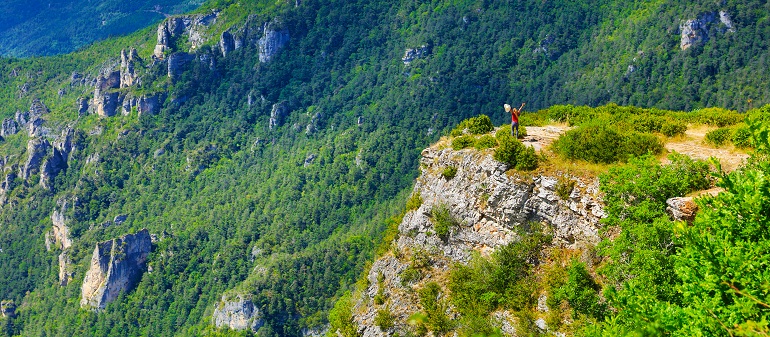
The Cévennes National Park boasts an impressive network of over 5,000 kilometres of walking paths, with approximately 300 one-day hikes available. This vast area of around 3,000 square kilometres features wild, winding trails that take you through picturesque hamlets, past old churches, craggy limestone outcrops and vast rolling countryside.
Long-Distance Routes
The GR67, known as the 'Tour of the Cévennes', stretches 130 kilometres and can be completed in six to seven days depending on your pace. Perhaps the most famous route is the Stevenson Trail (GR70 or RLS trail), which follows the path taken by Robert Louis Stevenson as documented in his book 'Travels with a Donkey'. This iconic trek begins near Le Puy-en-Velay in the Auvergne and winds towards the more mountainous eastern Cévennes.
Day Hikes
For those seeking shorter adventures, several notable day hikes include:
- Circuit de Valaurie - An 8 km forest walk starting from Corbes car park, taking approximately 2 hours and 45 minutes to complete. With a 200m elevation gain, it offers magnificent views of the Saint-Jean-du-Gard valley.
- Sea of Rocks Circuit - A 5 km walk starting from the old bridge in Sauve village, lasting about 1 hour and 30 minutes with a 100m elevation gain. This route passes cultural and historical buildings and is particularly pleasant in the early evening.
- Capelin and Dolmen Circuit - A challenging 14 km circular hike starting from the banks of the Gardon in Anduze, taking approximately 5 hours with a 500m elevation gain. The panoramic views of the Cévennes mountains, village, river and valley make the effort worthwhile.
- GR61 – Anduze-Col de l'Asclier - A demanding 33 km hike passing through the Gard department and the Cévennes d'Anduze National Park, offering stunning views of mountains, forests and riverside landscapes. This complete 9-hour walk has a challenging 1,130m elevation gain.
Mountain Summits
Mont Lozère and Mont Aigoual provide spectacular views of the Mediterranean plains and are popular hiking destinations.
Pic Cassini offers a relatively easier walk with an elevation change under 400m. The most popular route is the yellow-marked trail from Le Mas de la Barque, a 9.3 km loop taking around 3 hours.
Rocher de l'Aigle (Eagle Rock) provides the best vistas of the Borgne Valley with panoramic views of Mont Aigoual to the north and Mont Ventoux to the east. The recommended yellow-marked trail from Col de l'Asclier is a 4.2 km loop taking approximately 2 hours and 45 minutes.
Water Activities
The crystal-clear rivers of the Cévennes provide excellent opportunities for various water sports:
- Canoeing and Kayaking - Experience the park from a different perspective by paddling along its pristine waterways. The Camboux base offers canoeing, stand-up paddleboarding, and pedal boats.
- Canyoning - Several spectacular canyons offer thrilling adventures, including the Gorges du Tapoul with its natural water slides and jumps. The Gorges de la Dourbie and Bramabiau canyon are also popular spots for canyoning enthusiasts. These experiences can range from 2-hour excursions to full-day adventures.
Rock Climbing
The Cévennes' mix of pocketed limestone escarpments and granite pinnacles provides numerous climbing opportunities for all skill levels:
- Gorges du Chassezac - Features over 100 granite routes ranging from grades 3a to 8a, many with overhanging sections.
- Gorges de la Jonte - A climbing mecca with a mix of single-pitch and multi-pitch routes. With more than 300 routes from 4c to 8c, it's an excellent place to challenge yourself. La Jonte hosts the annual Natural Games climbing event and gained fame during the 2009 Petzl Rock Trip.
Other Adventure Activities
- Via Ferrata - Several secured climbing routes allow visitors to safely navigate otherwise difficult rock faces.
- Paragliding - Take to the skies for breathtaking aerial views of the diverse landscape.
- Mountain Biking - Explore the extensive trail network on two wheels.
- Caving - Discover the underground wonders of the region by visiting some of France's most beautiful caves, such as the Trabuc and La Cocalière caves.
Cultural Attractions
- Historic Villages - Explore charming settlements like Anduze, known for its bamboo grove and steam train, or the picturesque Uzès with its art galleries and craft shops.
- Pont-de-Montvert - Located close to the source of the Tarn river, this well-preserved village has a fascinating history as the starting point of the Camisard War in 1702.
The Cévennes National Park truly offers something for everyone, from gentle family walks to challenging multi-day treks, adrenaline-pumping water sports to peaceful cultural explorations. Its diverse landscapes and rich heritage make it an ideal destination for an active holiday in unspoilt rural France.
Accommodation
The Cévennes National Park offers a diverse range of accommodation options to suit every traveller's preferences and budget. From charming hotels and cosy inns to rustic gîtes and scenic campsites, visitors can find the perfect place to rest after a day of exploring this stunning natural area.
Types of Accommodation
Hotels and Inns
For those seeking comfort and convenience, the park and its surrounding areas boast a variety of hotels and inns. These establishments often provide a personal touch and quality service, with many offering on-site restaurants serving local specialities. Some hotels are situated in historic buildings, adding a touch of charm to your stay.
Gîtes and Self-Catering Accommodations
Gîtes, or holiday cottages, are popular among visitors who prefer a home-away-from-home experience. These self-catering accommodations range from renovated farmhouses to modern apartments, often providing fully equipped kitchens and living spaces. Many gîtes are located in picturesque settings, offering stunning views of the Cévennes landscape.
Chambres d'Hôtes (Bed and Breakfasts)
For a more intimate and personalised experience, chambres d'hôtes are an excellent choice. These family-run establishments offer comfortable rooms in private homes, often including a hearty breakfast featuring local produce.
Campsites
The Cévennes National Park is a paradise for camping enthusiasts. Numerous campsites are scattered throughout the region, ranging from basic pitches to well-equipped sites with modern amenities. Many campsites are situated along rivers or in forested areas, allowing visitors to immerse themselves in nature.
Unusual Accommodations
For a truly unique experience, the Cévennes offers a selection of unusual accommodations. These may include treehouses, yurts, gypsy caravans, or even tent camps bordering scenic rivers. Such options provide an unforgettable stay amidst the park's natural beauty.
Locations
Accommodation can be found throughout the Cévennes National Park and its surrounding areas. Popular bases for exploring the park include towns such as Florac, Saint-Jean-du-Gard, and Millau, which offer easy access to the park's attractions while providing a range of amenities.
Booking Tips
When planning your stay in the Cévennes, it's advisable to book in advance, especially during peak summer months and holiday periods. Many accommodations in the park participate in eco-friendly initiatives, so look out for establishments with environmental certifications if sustainability is important to you.
Gastronomy
The Cévennes National Park offers a delightful culinary journey through southern France, where traditional recipes and locally sourced ingredients create a distinctive gastronomic experience. This UNESCO World Heritage site boasts a rich food culture deeply rooted in its mountainous terrain and agricultural heritage.
Iconic Local Products
Pélardon Cheese
One of the oldest goat cheeses in Europe, Pélardon stands as the crown jewel of Cévennes dairy products. This small, round cheese earned AOC (Appellation d'Origine Contrôlée) status in 2000 and follows strict production specifications. Whether enjoyed young and mild or mature with a more pronounced flavour, Pélardon embodies the essence of the region's pastoral traditions.
Chestnuts
The chestnut holds a revered place in Cévenol cuisine. Often called the "bread tree," chestnuts are transformed into flour, jams, desserts, and feature prominently in savoury dishes. The versatility of this humble nut reflects the resourcefulness of mountain communities who have relied on it for centuries.
Sweet Onions of the Cévennes
These distinctive onions are prized for their mild, sweet flavour and versatility. They can be enjoyed caramelised, raw in salads, or as a flavourful base for traditional dishes, adding a subtle sweetness that complements many regional recipes.
Traditional Dishes
The hearty cuisine of the Cévennes reflects its rural character and seasonal rhythms. Signature dishes include:
- Pork à la Cévenole: A comforting dish featuring locally raised pork slowly cooked with sweet onions, herbs, and sometimes apple slices for a touch of sweetness.
- Carbonnade de Veau: This veal stew showcases the region's excellent meat, simmered to tender perfection with local vegetables and herbs.
- Ragoût of Pork with Chestnuts: An autumn favourite that brilliantly marries tender pork with the earthy sweetness of chestnuts, embodying the forest-to-table ethos of Cévenol cooking.
- Chestnut Soups: Hearty and nourishing, these soups demonstrate the creative ways locals incorporate their beloved chestnuts into everyday cooking.
Other Regional Delights
The region's culinary repertoire extends to delicious olive products, including the distinctive Anduze olives and tapenade—a flavourful paste made from olives, capers, anchovies and herbs, typically served with toasted bread as an appetiser.
Wild mushrooms, particularly ceps and chanterelles, feature prominently in autumn dishes, foraged from the park's abundant forests. The region also produces excellent honey, reflecting the diverse flora of the Cévennes landscapes.
Local Wines
The Piémont Cévenol produces characterful wines that perfectly complement the local cuisine. The IGP Cévennes designation covers wines that express the unique terroir of the region, offering visitors a chance to discover lesser-known but excellent French wines.
Dining Experience
Throughout the park, dining is an authentic experience that connects visitors to the land and its traditions. Meals often follow the rhythm of the seasons, with hearty stews in winter giving way to lighter fare in summer. The emphasis remains consistently on fresh, locally sourced ingredients prepared with time-honoured techniques.
For travellers seeking an authentic taste of French rural cuisine, the Cévennes National Park offers a genuine culinary adventure far from the more famous gastronomic regions, yet equally rewarding in its rustic charm and honest flavours.
Getting There and Around
Getting to the Park
By Train
High-speed rail lines connect major cities to the towns near the park:
- TGV services run from Paris to Nîmes (3 hours)
- From Nîmes, take a TER regional train to Alès (40 minutes)
- Other nearby train stations include Mende, Villefort, Marvejols and Génolhac
Once you arrive at these stations, you'll need to arrange onward transport to the park itself.
By Car
Driving remains the most recommended way to access the Cévennes National Park. Major routes include:
- From Montpellier: Via St Jean du Gard and then direction Le Pompidou by the D9, or via Alès then direction Mende by the N106, or via the A75 (exit 39.1)
- From Paris/Clermont-Ferrand: Via the A75 motorway (exit 39.1)
- From Millau: Via the A75 (exit 39.1), through the Gorges du Tarn via Sainte-Énimie, or through the Gorges de la Jonte via Meyrueis
- From Lyon or Toulouse: Via the N88
The journey from Montpellier Airport to the park is approximately 130 kilometres (81 miles) and takes around 2 hours by car.
By Plane
The nearest airports are:
- Nîmes-Alès-Camargues-Cévennes (45 minutes from the park)
- Montpellier-Fréjorgues (60 minutes from the park)
From these airports, you'll need to hire a car or arrange transport to reach the park.
Getting Around the Park
Public Transport
Public transport within the Cévennes is limited but developing:
- There is one daily bus service between Mende and Florac
- Seasonal bus services may operate, particularly in summer months
- Bus routes connect some towns like Alès to Florac (route 251) and Pont de Montvert
- The bus journey from Alès to the park takes approximately 3 hours
For the most up-to-date information on bus services, check with local tourist offices or use the SNCF Connect app, as timetables change seasonally.
By Car
Having your own vehicle is highly recommended for exploring the Cévennes:
- Car rental is available at train stations including Alès, Nîmes and Montpellier
- A car provides freedom to discover the park's varied landscapes and activities
- The drive into the park offers beautiful scenery with many impressive viewpoints
Alternative Transport Options
- Taxi services are available but can be expensive (approximately €140-180 from Alès to the park)
- Covoiturage (carpooling) is promoted as an economical and ecological alternative
- Some hiking routes are accessible by public transport, though options are limited
For hikers, the park offers thousands of miles of trails, including the famous GR70 (Robert Louis Stevenson Trail) and the 130-kilometre GR67 "Tour of the Cévennes".
Best Time to Visit
The Cévennes National Park offers diverse landscapes and activities throughout the year. However, certain months provide optimal conditions for exploring this magnificent UNESCO heritage site.
Seasonal Highlights
Spring (May to June)
Late spring is arguably one of the best times to visit the Cévennes. During May and June, the climate is beautiful with temperatures ranging from 15-25°C during the day and 5-15°C at night. The landscape comes alive with over 1,700 species of flowering plants, including Lady's Slipper orchids, lilies and wild daffodils, creating a spectacular backdrop for hiking. This period offers stable weather conditions and fewer tourists, allowing for a more peaceful experience.
Summer (July to August)
July and August bring perfect weather conditions with maximum temperatures reaching around 76°F (24°C). These months are ideal for those seeking to enjoy water-based activities, particularly lazy canoe rides down the rivers. Summer is also excellent for paragliders looking for evening thermals. However, be aware that the heat in the valleys can be intense for hiking, biking and climbing.
Autumn (September to October)
Early autumn, particularly September to early October, offers pleasant temperatures ranging from 15-20°C during daytime and 5-10°C at night. The autumn colours begin to emerge, creating stunning scenery for hiking and photography. September is considered one of the most popular months for serious adventurers due to its slightly cooler temperatures. In September and October, evening wildlife enthusiasts can pack a torch and venture to Mont Aigoual at dusk to listen for the "phantoms of the forest".
Winter (November to April)
Winter months from November through April experience very unfavourable weather conditions with temperatures dropping significantly. February is typically the coldest month of the year. These months are generally not recommended for a visit unless you're interested in winter activities like snowshoeing.
Best Months by Activity
- Hiking and General Exploration: May, June, September
- Water Sports (Canoeing/Kayaking): Early spring and late autumn for high water levels; July and August for relaxed paddling
- Climbing and Mountain Biking: May, September (avoiding summer heat)
- Paragliding: Summer months, especially for evening thermals
- Wildlife and Flora Observation: Late spring for wildflowers; autumn for wildlife
For the most balanced experience combining good weather, natural beauty and manageable visitor numbers, the slightly cooler months of May and September are widely considered the optimal times to visit the Cévennes National Park.
Conservation and Responsible Tourism
The Cévennes National Park is a stunning natural sanctuary that showcases the harmonious coexistence of human activity and biodiversity. This unique park, the only French national park with a year-round population in its core area, spans approximately 3,000 square kilometres, comprising a 1,000 square kilometre protected core and a 2,000 square kilometre buffer zone.
Rich Biodiversity
The park boasts an impressive array of flora and fauna, with over 11,000 plant species and 2,410 animal species calling it home. Visitors may encounter rare and protected plants such as the Venus hoof, adonis, and Balearic cyclamen. The park's diverse landscapes, including granitic highlands, majestic forests, limestone plateaus, and deep valleys, provide habitats for various animals, including deer, roe deer, mouflons, and beavers. Birds of prey, such as griffon vultures, monk vultures, and bearded vultures, have been successfully reintroduced to the area.
Cultural Heritage
Beyond its natural wonders, the Cévennes National Park is rich in cultural heritage. With more than 150 protected sites and monuments, visitors can explore a fascinating tapestry of human history, from ancient dolmens and menhirs to medieval castles and Romanesque churches. The park's traditional architecture, including charming farmhouses and tiny hamlets nestled in the vegetation, adds to its allure.
Sustainable Tourism Initiatives
The park authorities and local communities are committed to promoting sustainable tourism that respects the delicate balance between human activity and nature conservation. Visitors are encouraged to embrace eco-friendly practices and support local initiatives:
- Esprit Parc National: This brand promotes accommodations, activities, and local products that align with the park's values of sustainability and conservation.
- European Charter for Sustainable Tourism: The park adheres to this charter, implementing measures to improve sustainable tourism practices.
- UNESCO Biosphere Reserve: Since 1985, the Cévennes has been recognised as a biosphere reserve, emphasising the importance of sustainable development and biodiversity conservation.
Responsible Visitor Practices
To ensure the park's preservation for future generations, visitors are urged to follow these guidelines:
- Stick to marked trails and respect wildlife habitats
- Practice proper waste management and leave no trace
- Support local businesses and purchase regional products
- Use eco-friendly transportation options when possible
- Conserve water and energy during your stay
Activities for Responsible Tourists
The park offers numerous opportunities for visitors to engage with nature responsibly:
- Hiking: Explore over 5,000 km of marked trails
- Wildlife observation: Join guided tours to spot local fauna
- Stargazing: Experience the park's pristine night skies
- Cultural experiences: Participate in local events and workshops
- Agritourism: Visit farms and learn about traditional practices
By choosing responsible tourism in the Cévennes National Park, visitors not only enjoy a remarkable natural environment but also contribute to its conservation. This approach ensures that the park's unique blend of biodiversity, cultural heritage, and sustainable human activity continues to thrive for generations to come.
Visitor Centres and Educational Facilities
Visitor Centres
The Cévennes National Park offers several visitor centres to help tourists and locals learn about the park's rich natural and cultural heritage.
The main visitor centre, known as the Maison du Parc, is located in Florac Castle in Lozère. This centre provides comprehensive information and documents about the Cévennes area, as well as hosting a permanent exhibition called "Passengers of the landscape", which showcases the natural environments of the park.
Another important visitor centre is the Maison de l'Aigoual, situated at Col de la Serreyrède in Val d'Aigoual. This facility houses both the tourism office for Mont Aigoual Causses Cévennes and a National Park information centre. It offers changing exhibitions, video projections, and a shop, and is open year-round.
Educational Facilities and Programmes
The Cévennes National Park places a strong emphasis on environmental education, particularly for young people. The park's Educational Service works closely with local schools to provide:
- "Learning with the Park" Programme: This initiative offers primary school teachers support in engaging their pupils in a year-long educational journey focused on the local environment and heritage.
- Partnerships with Secondary Schools: The park has established conventions with most local secondary schools, providing a framework for multi-year collaborations on environmental and sustainable development education.
- Educational Walks: The park offers 22 educational walks with accompanying booklets and guides available at information centres.
- Summer Activities: During the summer months, the park's "Festival Nature" programme presents a wide range of indoor and outdoor cultural activities throughout the region.
Resources for Educators
The Educational Service of the park provides various resources to support teachers, including:
- Assistance in developing specific projects and comprehensive educational materials
- Educational tools created by the service
- Visits from park rangers and technicians who share their expertise on environmental issues
- Access to documentary resources and educational tools
Continuing Education
The park organises annual training courses for its privileged partners, covering topics such as marketing, ecotourism product development, renewable energies, Cévennes history, local fauna and flora, and geology.
By offering these visitor centres and educational programmes, the Cévennes National Park aims to raise awareness about its unique environment and promote sustainable tourism practices amongst visitors and local communities alike.