


| Contents |
|---|
Introduction
La Rochelle (pop. 77,000; urban 140,000), a historic port city founded in the 12th century. Its rich maritime heritage is evident in its well-preserved old town and iconic harbour towers. La Rochelle is renowned for its four ports, including one of Europe's largest marinas, and its commitment to sustainable living. La Rochelle enjoys a mild climate with ample sunshine, making it an attractive destination year-round. Visitors can explore its arcaded streets, half-timbered houses, and numerous cultural attractions, while also taking advantage of nearby beaches and extensive cycling paths. The city serves as an excellent base for exploring the surrounding region, including the picturesque Île de Ré, connected to the mainland by a 2.9-kilometre bridge.
Interesting Facts about La Rochelle
- La Rochelle was founded in the 12th century by William of Aquitaine and became prosperous through its trade in wine and salt.
- The city played a significant role as a defender of Protestants in the 16th century, leading to the Great Siege of 1627-1628.
- La Rochelle's commercial port, La Pallice, created in 1890, is now the 6th largest port in France.
- The city has a 'little sister' in the USA called New Rochelle, founded by Huguenots fleeing persecution.
- La Rochelle was the last city in France to be liberated at the end of World War II, after a siege lasting from September 1944 to May 1945.
- The city's motto is 'La Rochelle - belle et rebelle' (La Rochelle - beautiful and rebellious).
- La Rochelle's marina boasts 4,800 moorings, ranking among the largest in the world.
- The Phare du Bout du Monde (End-of-the-World Lighthouse) in La Rochelle is an exact replica of a lighthouse in Argentina.
- The city was an important departure point for emigrants to the New World, including the original founders of Montreal.
- La Rochelle has over 100 miles of cycle paths, making it an excellent destination for cycling enthusiasts.
History
Founded in the 12th century by William of Aquitaine, the city quickly rose to prominence as a bustling port, prospering through its trade in wine and salt via maritime routes. Its strategic location on the Atlantic coast, protected by the islands of Ré and Oléron, contributed to its rapid growth and importance as a commercial hub.
In the 16th century, La Rochelle became a stronghold for Protestants, which led to significant conflicts with the Catholic monarchy. The city's rebellious spirit culminated in the famous Siege of La Rochelle in 1627-1628, led by Cardinal Richelieu on behalf of King Louis XIII. This 14-month siege was a devastating event in the city's history, resulting in a dramatic population decline from 28,000 to just 5,000 inhabitants. Despite this setback, La Rochelle managed to recover and regain its prosperity through international trade, including the controversial triangular slave trade and colonial exploitation of the West Indies.
Throughout its history, La Rochelle has demonstrated remarkable resilience and adaptability. The city experienced periods of decline, such as during the French Revolution and Napoleonic Wars, but always managed to reinvent itself. In more recent times, La Rochelle has embraced sustainable development, becoming an attractive tourist destination known for its well-preserved architectural heritage, bustling marina, and commitment to renewable energies and sustainable mobility. Today, visitors can explore the city's rich past through its historic monuments, including the iconic towers guarding the old port, while enjoying its modern amenities and vibrant atmosphere.
Main Attractions
The Old Port (Vieux Port)
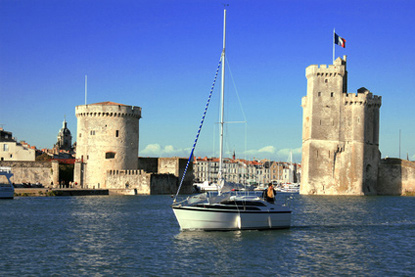
The Old Port is the heart of La Rochelle, flanked by medieval towers and lined with bustling quays. The area is particularly lively during summer, with street performers and a variety of waterfront restaurants and cafes. Visitors can enjoy strolling along the quays, watching the boats, and relaxing at one of the many outdoor seating areas. Quai du Carénage, Quai Duperré, and Cours des Dames are especially popular spots, offering a blend of history and modern charm. The Old Port is also a great place to start exploring the city's historic centre, with its well-preserved architecture and charming streets.
The Towers of La Rochelle
Three iconic towers guard the entrance to the Old Port, serving as remnants of the city's medieval fortifications. The Tour Saint-Nicolas is the largest of the three, offering panoramic views of the city and ocean. Built in the 14th century, it is a testament to La Rochelle's strategic importance during the Middle Ages. The Tour de la Chaîne was originally linked to Tour Saint-Nicolas by a chain to control port access, ensuring that only authorized vessels could enter. The Tour de la Lanterne is the oldest lighthouse on the Atlantic coast, dating back to the 12th and 15th centuries. It later served as a prison, featuring over 600 examples of prisoner graffiti, which are now a significant historical attraction. Visitors can climb the towers for excellent views and explore their history, gaining insight into La Rochelle's past.
The Old Town
La Rochelle's historic centre features well-preserved architecture and charming streets. The area is filled with arcades, which are characteristic covered walkways that line many streets, offering shelter for shoppers and diners. These arcades are a unique feature of the city's architecture and provide a pleasant environment for exploring. Rue de l'Escale is a notable street to explore in the old town, with its mix of old and new shops and cafes. The old town is also home to several historic buildings, including the Saint-Louis Cathedral, which is a prominent landmark in the city centre.
Saint-Louis Cathedral
Saint-Louis Cathedral is a 17th-century cathedral located in the heart of La Rochelle's historic centre. It is a significant architectural landmark and a place of worship. The cathedral's design reflects the city's rich history and cultural influences, making it a worthwhile visit for those interested in architecture and history. Visitors can attend services or simply admire the building's exterior and interior beauty.
Charruyer Park
Charruyer Park is a green space in the heart of the city, ideal for a leisurely stroll or picnic. It provides a peaceful escape from the bustling streets of La Rochelle and offers a chance to relax amidst nature. The park is well-maintained and features walking paths, benches, and plenty of greenery, making it a popular spot for both locals and tourists.
Beaches
La Rochelle boasts several beaches for sunbathing and swimming. The most popular ones are located near the city centre and offer a range of amenities, including restaurants, cafes, and water sports facilities. These beaches are perfect for families and those looking to enjoy the Atlantic coast's beautiful scenery. The beaches are well-maintained and provide a safe environment for swimming and other activities.
Port des Minimes
The Port des Minimes is one of the largest marinas for pleasure boats in Europe. It is a bustling area with a variety of shops, restaurants, and cafes catering to sailors and visitors alike. The port is also a great place to observe the city's maritime culture and admire the numerous boats docked there. Visitors can enjoy a meal at one of the many waterfront restaurants or take a stroll along the marina.
Porte de la Grosse-Horloge
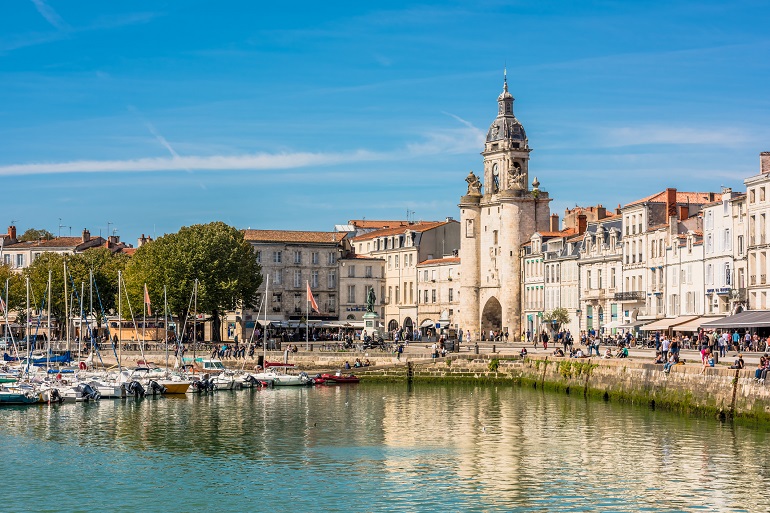
The Porte de la Grosse-Horloge is a Gothic clock tower that serves as a gateway to the old city. It features a 12th-century base and an 18th-century top, reflecting the city's architectural evolution over time. The clock tower is a significant landmark and offers a glimpse into La Rochelle's rich history. Visitors can admire its architecture and explore the surrounding area, which is filled with historic buildings and charming streets.
Other Notable Sites
In addition to the main attractions, La Rochelle has several other notable sites worth visiting. Place de La Solette is an intimate square in the Saint-Nicolas district, popular for dining and offering a cozy atmosphere. The Covered Market is a 19th-century structure surrounded by cafes and restaurants, providing a lively spot for shopping and dining. Quai des Artisans is a shopping area featuring locally made products, where visitors can find unique souvenirs and gifts.
Nearby Attractions
La Rochelle is surrounded by several nearby attractions that are easily accessible by car or public transport. Fort Boyard is a sea fort located between the Île-d'Aix and Île d'Oléron, commissioned by Napoleon Bonaparte. It is famous for its unique architecture and historical significance. The Réserve Naturelle Marais d'Yves is a nature reserve located about 15km south of La Rochelle, offering birdwatching opportunities and a chance to explore the region's natural beauty. Visitors can explore these attractions on foot, by boat, or using the city's ferry service across the Old Port.
Seasonal Events and Activities
La Rochelle hosts various seasonal events throughout the year. During summer months festivals & outdoor concerts thrive while winter markets bring holiday charm quieter periods offer less crowded exploration!
Top Museums
Maritime Museums
Musée Maritime de La Rochelle
The Maritime Museum offers a fascinating journey through La Rochelle's maritime history. Visitors can explore three historic ships: the France 1, a weather frigate; the Angoumois, a genuine trawler; and the Saint-Gilles, a harbour tug. The museum also features permanent exhibitions such as "La Rochelle, born from the sea," which showcases the city's origins and maritime adventures. Additionally, the former Encan hall houses temporary exhibitions and part of the Petite Plaisance collection, featuring a variety of restored boats. The museum's interactive displays and immersive experiences make it an engaging destination for both adults and children.
Historical Museums
Museum of the Nouveau Monde
Located in an 18th-century mansion, the New World Museum explores the historical connections between France and the Americas. The museum's collections include paintings, engravings, sculptures, and old maps, offering insights into the conquest of the West and the Amerindian world. It also features interactive activities for children, making it a great destination for families. The museum provides a unique perspective on colonial history and the cultural exchanges that shaped the modern world.
Natural History Museums
Muséum d'Histoire Naturelle de La Rochelle
Established in 1775, the Natural History Museum is a treasure trove of natural and cultural heritage. It houses an extensive collection of fossils, minerals, and taxidermy animals, as well as ethnographic artifacts from around the world. The museum has undergone renovations to preserve its historical charm while addressing modern scientific and cultural issues such as biodiversity and environmental protection. Visitors can explore exhibits on local wildlife, marine life, and even dinosaurs, making it a must-visit for anyone interested in natural history.
Specialty Museums
Musée du Flacon à Parfum
This unique museum showcases an impressive collection of over 1,000 perfume bottles from various periods and styles. It offers a captivating look at the evolution of perfume packaging and design. The museum provides insights into the artistry and craftsmanship involved in creating these exquisite bottles, which are often works of art in their own right. Visitors can appreciate the intricate details and historical significance of each piece.
Museum of Fine Arts
While specific details about the Museum of Fine Arts in La Rochelle are limited, it typically features a collection of artworks that reflect the city's cultural and artistic heritage. Such museums often include paintings, sculptures, and other works by local and regional artists, offering a glimpse into the city's artistic past and present.
Atelier Olivier Rocheau
This is more of a workshop or studio rather than a traditional museum, but it can offer insights into local craftsmanship and artistry. Visitors may have the opportunity to observe artisans at work or even participate in workshops, providing a hands-on experience with traditional crafts.
Local Cuisine
La Rochelle's culinary scene is a delightful blend of land and sea, showcasing the region's rich gastronomic heritage. Visitors can savour a variety of local specialties, including cagouilles, which are snails prepared in a Charentais style, often with a garlic and parsley butter. Seafood lovers will relish the mouclade, a creamy mussel dish unique to the area, and the abundance of fresh oysters from nearby Île de Ré. The farci charentais, a savoury stuffing made with herbs and vegetables, is a must-try for those seeking authentic flavours. For a sweet treat, indulge in the galette charentaise, a buttery biscuit that pairs perfectly with the region's famous Cognac or Pineau des Charentes. Don't miss the opportunity to sample Chabichou du Poitou, a tangy goat's cheese, or the jonchée, a delicate fresh cheese flavoured with laurel. With its proximity to both the Atlantic and the Marais Poitevin, La Rochelle offers a culinary journey that captures the essence of Charente-Maritime.
Shopping
Shopping in La Rochelle combines history, culture, and variety. The Old Town features charming streets lined with boutiques offering local crafts, fashion, and souvenirs. The arcades, dating back to the Middle Ages, house shops sheltered from the elements, blending modern retail with historical architecture. Rue du Palais and Rue des Merciers are popular for high-street brands and independent stores. For fresh produce and regional specialities, the Marché des Halles in the city centre is a must-visit, particularly on Wednesdays and Saturdays when it expands into nearby streets. Additionally, the Saint-Nicolas quarter provides a bohemian atmosphere with second-hand shops and art galleries, making it ideal for unique finds.
Nature in and around La Rochelle
La Rochelle and its surrounding areas offer a variety of natural attractions for visitors to explore. The city boasts several beautiful beaches, including Plage des Minimes, which is perfect for sunbathing and water activities. Nature enthusiasts can enjoy a stroll through Parc Charruyer, a peaceful green space stretching from the old town to the seafront, featuring walking paths and a small animal park. Just a short distance from La Rochelle, the Île de Ré is accessible by bridge and known for its sandy beaches, charming villages, and scenic cycling routes. The nearby Marais Poitevin, often called the "Green Venice," offers a unique landscape of wetlands and canals that can be explored by boat or on foot. For those interested in marine life, the La Rochelle Aquarium houses over 12,000 marine animals from 600 different species, providing an immersive experience of the world's oceans.
Getting There & Around
La Rochelle is easily accessible and offers a variety of transport options to explore the city and its surroundings. The city is well-connected by train, with TGV, Intercité, and TER services linking it to major cities like Paris, Bordeaux, and Nantes. For air travel, La Rochelle – Île de Ré Airport provides connections to destinations such as London and Brussels. Once in the city, the Yélo network offers buses, ferries, and bicycles for convenient and eco-friendly travel. Bike rentals are available at over 50 stations, while electric ferries provide scenic routes across the Old Port. For a unique experience, hop on the river streetcars connecting the old and new ports. Taxis and car-sharing services are also widely available, and for regional travel, inter-city buses connect La Rochelle to nearby areas like Île de Ré. Whether you prefer cycling along picturesque paths or using public transport, getting around La Rochelle is both practical and enjoyable.
Best Time to Visit
The best time to visit La Rochelle is from May to October, when the weather is generally pleasant and sunny. During these months, visitors can enjoy mild temperatures, ranging from 18°C to 24°C, making it ideal for exploring the city's historic landmarks and enjoying outdoor activities such as sailing and cycling. July and August are the peak tourist months, offering warm weather and long hours of sunshine, but they also come with larger crowds and higher accommodation prices. For those seeking a more relaxed atmosphere, spring (April to May) and autumn (September to November) are excellent alternatives, offering fewer crowds and comfortable temperatures. These periods are perfect for experiencing La Rochelle's beauty without the summer rush, allowing for a more tranquil exploration of the city's medieval towers and picturesque streets.