


Introduction
Located on the eastern edge of Paris, the Bois de Vincennes is the capital's largest public park, spanning 995 hectares and comprising nearly 10% of the city's total area. Created by Emperor Napoleon III between 1855 and 1866, this vast green space encompasses an English landscape garden with four lakes, extensive walking and cycling trails, and several significant attractions including the historic Château de Vincennes, a medieval royal fortress that serves as the park's eastern anchor.
Within its boundaries, visitors will find the Parc zoologique de Paris, a modern zoological facility housing diverse wildlife across specially designed habitats, and the Parc Floral de Paris, a 35-hectare botanical garden recognised since 1998 for its collection of over 1,500 species of iris plants, tropical vegetation, butterfly sanctuaries, and themed horticultural displays. The park also features sports facilities including a hippodrome, velodrome, and the campus of France's national institute of sports and physical education, making it a comprehensive recreational destination that serves both as a natural retreat and cultural venue hosting various festivals and events throughout the year.
Interesting Facts about Bois de Vincennes, Parc zoologique de Paris & Parc Floral de Paris
- The Bois de Vincennes is Paris’s largest public park at roughly 995 hectares, created from a former royal hunting ground and annexed to the city in 1929.
- Four artificial lakes, including Lac Daumesnil and Lac des Minimes, are linked by an engineered stream fed from the elevated Lac de Gravelle.
- The park hosted many events of the 1900 Summer Olympics, including cycling at a 40,000-seat velodrome and even an England–France cricket match.
- The 1907 Colonial Exposition installed themed villages and displays near today’s Jardin d’Agronomie Tropicale, drawing around two million visitors.
- Mata Hari was executed by firing squad at the fortress of Vincennes in 1917, a notorious episode tied to the park’s history.
- Today it offers boating, pony rides, cycling paths and a teaching farm, plus access to the medieval Château de Vincennes on its edge.
- Opened in 1934 in the Bois de Vincennes, the Parc zoologique de Paris pioneered bar-less enclosures using moats and artificial rock to show animals in apparent freedom.
- It grew from a temporary zoo created for the 1931 Colonial Exhibition and was modelled on Carl Hagenbeck’s modern zoo concepts.
- Created in 1969 within the Bois de Vincennes, the Parc Floral de Paris is a 31-hectare botanical park featuring themed gardens for irises, dahlias, rhododendrons and bonsai.

History
The History of Bois de Vincennes
The Bois de Vincennes stands as a testament to centuries of French royal heritage and urban development, tracing its origins to the ancient forest that surrounded Roman Lutetia, where it was originally known as Vilcena. King Louis VII established a hunting lodge around 1150 at the site where the present château now stands, beginning the area's transformation from wild forest into a royal preserve. The Château de Vincennes itself was constructed under Philip VI in 1336, creating a magnificent medieval fortress that served French royalty for centuries.
Following the French Revolution, Napoleon Bonaparte dramatically altered the landscape's purpose, converting large portions of the woodland into military training grounds in 1794. The most significant transformation came under Napoleon III and Baron Haussmann in 1854, when they embarked on an ambitious project to create a public park for the working-class populations of eastern Paris. Under the expert guidance of engineer Jean-Charles Adolphe Alphand, who had already designed the Bois de Boulogne, the park was redesigned with artificial lakes, exotic plantings, and winding pathways characteristic of the English garden style. Construction began in earnest in 1860, creating the recreational space that would serve as a counterpart to the more aristocratic Bois de Boulogne.
The History of Parc Zoologique de Paris
The Parc zoologique de Paris emerged from the tremendous success of a temporary zoo created for the 1931 Colonial Exhibition in the Bois de Vincennes. This temporary installation proved so popular with Parisians that the Muséum national d'Histoire naturelle and the City of Paris collaborated to establish a permanent zoological garden on the same 15-hectare triangular site bordered by Avenue Daumesnil, Avenue de Saint-Maurice, and the Lake Daumesnil ring road. Architect Charles Letrosne led the revolutionary design project, drawing direct inspiration from Carl Hagenbeck's Hamburg Zoo of 1907, which had pioneered the concept of cageless animal displays. The zoo's most distinctive feature, the Great Rock, rising 65 metres into the sky, became not only the institution's symbol but also a landmark for the entire Bois de Vincennes area.
President Albert Lebrun officially inaugurated the zoo on 2nd June 1934, and it opened to the public the following day to unprecedented success. In its first year alone, the facility welcomed an astounding 5 million visitors who came to observe 1,800 animals, including 1,200 birds and 600 mammals, many displayed in revolutionary barrier-free enclosures that used ditches instead of bars to separate animals from visitors. The zoo showcased numerous rare and endangered species, including okapis, koupreys, giant pandas, and critically endangered greater bamboo lemurs.
The History of Parc Floral de Paris
The Parc Floral de Paris represents the most recent addition to the Bois de Vincennes' collection of attractions, born from the success of international horticultural exhibitions in the late 20th century. The 31-hectare site had served various purposes throughout history, initially forming part of the royal hunting domain that King Philippe-Auguste had enclosed with walls in the 12th century. After the French Revolution, Napoleon Bonaparte converted this area into military training grounds, and between 1840 and 1843, the land was largely deforested to create a vast 166-hectare field where infantry practised manoeuvres. The area remained under military control well into the post-Second World War period, housing the Pyramide and Cartoucherie military establishments.
Following Paris's successful hosting of international flower shows called the Floralies in 1959 and 1964, the municipal government decided to create a permanent exhibition space for botanical displays. In 1969, Paris city architect Daniel Collin was appointed to lead this ambitious project, working with specialist architects including Caroline Stefulesco-Mollie for the valley of flowers, Jacques Sgard for the sculpture garden, Alain Provost for the water garden, and Lucienne Talihade-Collin for the children's playground. The designers carefully preserved historic elements of the site, including military buildings of Second Empire industrial style, a small pinewood forest, and an oak grove that symbolically connected to the legendary image of King Louis IX dispensing justice beneath an oak tree. The park officially opened in 1969 to provide a new venue for the third International Flower Show, creating a space that today houses approximately 3,000 plant varieties arranged around artificial lakes and modern
Description
Bois de Vincennes
Stretching across 995 hectares on the eastern edge of Paris, the Bois de Vincennes stands as the city's largest public park, often referred to as the capital's "right lung". This expansive urban oasis encompasses roughly three times the size of New York's Central Park, offering visitors a remarkable escape from the metropolitan bustle whilst remaining easily accessible via public transport.
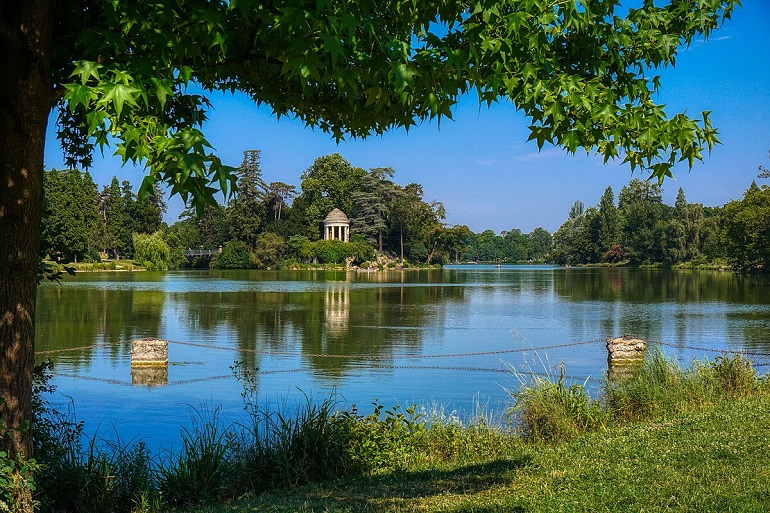
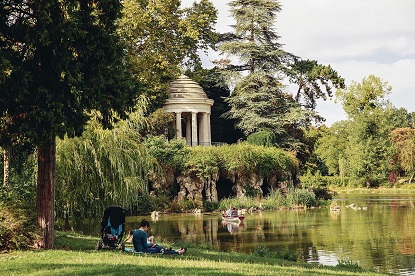
The woodland presents a diverse landscape split between dense forest areas and open meadows dotted with tranquil lakes. Four picturesque lakes form the heart of the park's romantic character - three artificial and one natural - each designed with islands, cascades, suspension bridges, and charming follies that reflect 19th-century romantic ideals. The largest, Lac Daumesnil, spans 12 hectares and features the elegant Temple of Love perched on the Île de Reuilly, accessible via a picturesque bridge that leads visitors through lush vegetation and past a striking artificial stalactite cave. This lake offers boat rental facilities at 12-13€ per hour, providing peaceful cruises amongst the abundant wildlife and flowering plants that surround the water.
The Lac des Minimes encompasses three charming islands, one housing a delightful restaurant chalet where visitors can dine overlooking the water. These interconnected lakes create a network of waterways that attract diverse birdlife, making the area particularly popular with naturalists and photographers. Lac de Saint-Mandé provides additional tranquil waters, whilst the natural lake offers a more wild, untamed environment that contrasts beautifully with the manicured landscapes elsewhere.
The park caters brilliantly to outdoor enthusiasts with extensive networks of walking and cycling paths winding through varied terrain spanning over 35 kilometres. The well-maintained trails accommodate everything from gentle family strolls to serious cycling expeditions, with bike rental facilities available throughout the park. The diverse topography includes rolling meadows perfect for picnicking, dense woodland areas ideal for nature observation, and open spaces designed for recreational activities. Families particularly benefit from designated playgrounds scattered across the grounds, pony rides available during weekends and holidays, and the charming Ferme de Paris, where children can learn about traditional farming practices through interactive demonstrations with farm animals.
Beyond recreation, the Bois de Vincennes houses several significant attractions within its boundaries. The imposing Château de Vincennes dominates the northern edge - France's largest surviving medieval royal fortress, complete with a 52-metre-high keep, the tallest in Europe, surrounded by formidable walls and nine defensive towers. The castle's Gothic Sainte-Chapelle represents exceptional Flamboyant architecture, though construction spanned nearly two centuries from 1379 to 1552. Visitors can explore the courtyard free of charge, whilst paid tours reveal the royal apartments, chapel interiors, and defensive mechanisms that protected French monarchs for centuries.
The park also encompasses specialised facilities including the Hippodrome Paris-Vincennes racecourse, one of France's premier harness racing venues, where visitors can experience the excitement of trotting races throughout the racing season. The Théâtre de Verdure hosts outdoor performances during warmer months, whilst the Buddhist Centre near Lac Daumesnil offers peaceful contemplation spaces, though it remains closed to visitors except during special Buddhist holidays.
Multiple cafés and restaurants scattered throughout provide refreshment, ranging from casual lakeside kiosks to the elegant Ladurée Pavillon Gravelle offering upscale dining experiences. The Maison du Bois et du Parc offers educational exhibits about environmental conservation and the woodland's unique ecosystem, featuring interactive displays about local wildlife and sustainable park management practices.
Adventure activities throughout the park include mini-golf courses, fishing opportunities in designated lake areas (permits required), and cycling circuits designed for various skill levels. The park's extensive trail network accommodates joggers, with popular morning routes taking advantage of the peaceful early hours when wildlife is most active. Picnic areas with tables and benches are strategically positioned near lakes and in meadow clearings, whilst open lawn areas provide space for informal games and relaxation.
Parc Zoologique de Paris
The Parc Zoologique de Paris represents a revolutionary approach to zoological design, having undergone complete transformation between 2011 and 2014 to emerge as one of Europe's most advanced urban animal parks. Covering 14.5 hectares within the Bois de Vincennes, this state-of-the-art facility houses over 3,000 animals representing 255 species across five distinctive biozones that abandon traditional categorisation in favour of authentic geographical ecosystems.
The zoo's innovative biozone concept creates immersive experiences through five distinct regions, each meticulously designed to replicate authentic habitats. Patagonia features windswept landscapes where guanacos, sea lions, and Humboldt penguins roam across specially designed terrain that mimics the South American pampas, complete with rocky outcrops and wind-resistant vegetation. The expansive outdoor pools allow visitors to observe sea lions diving and playing both above and below water level through underwater viewing areas.
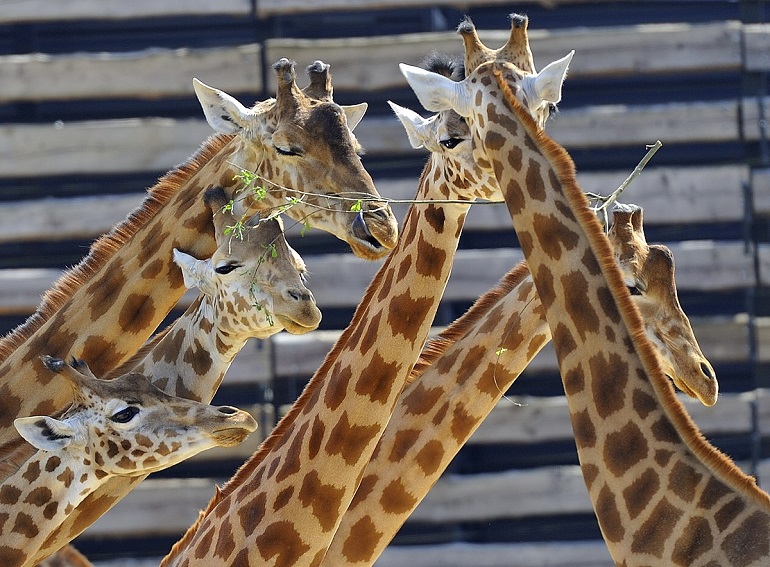
The Sahel-Sudan savannah recreates African grasslands where giraffes, antelopes, and guinea baboons roam beneath the iconic Grand Rock. This preserved 65-metre-high artificial formation, dating from the original 1930s zoo, serves as both landmark and habitat whilst housing one of Europe's largest giraffe herds in spacious enclosures that allow natural behaviours. The elevated viewing platforms positioned around the savannah provide spectacular vantage points for observing animal interactions across the sprawling landscape.
Europe showcases wolves, lynx, and wolverines in familiar temperate settings featuring dense forests, rocky outcrops, and seasonal vegetation that changes throughout the year. The wolf enclosure spans several hectares, allowing pack behaviour observation through strategically positioned viewing areas that offer intimate encounters without barriers. Brown bears inhabit separate woodland areas with streams, caves, and climbing structures that encourage natural foraging behaviours.
Guyana presents lush tropical environments where jaguars, giant anteaters, and Antillean manatees inhabit carefully controlled ecosystems. The jaguar territory includes dense vegetation, rocky ledges, and water features that allow these powerful cats to demonstrate their swimming abilities. The manatee habitat within the Great Greenhouse provides year-round tropical conditions with extensive aquatic areas where visitors can observe these gentle giants through panoramic windows.
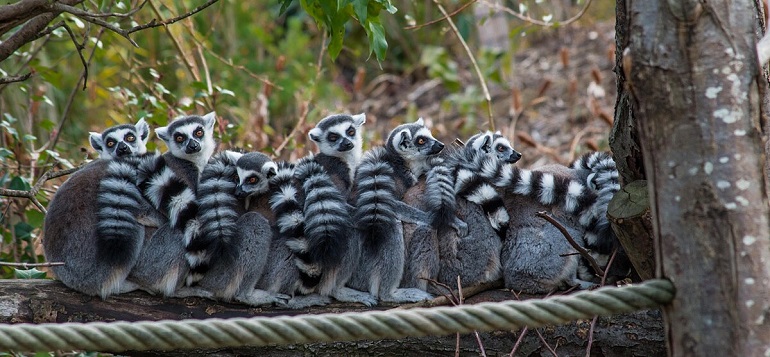
Madagascar presents the island's unique fossas, various lemur species, and endemic reptiles in landscapes that replicate the island's diverse ecosystems. Multiple lemur species inhabit different areas designed to showcase their varied behaviours, from the acrobatic sifakas to the ring-tailed lemurs' social dynamics. The fossa enclosure recreates Madagascan forests with interconnected trees and elevated walkways that allow observation of these rare predators' arboreal hunting techniques.
The Great Greenhouse spans 4,000 square metres, providing tropical conditions for South American and Madagascan species through carefully controlled climate systems. Inside, towering vegetation creates a rainforest canopy complete with waterfalls, suspended bridges, and multi-level viewing platforms that offer different perspectives of the tropical ecosystem. Poison-dart frogs, exotic birds, and numerous lemur species inhabit naturalistic settings with free-flight aviaries allowing birds to soar overhead whilst visitors walk through their territory.
Architecture throughout the zoo seamlessly integrates with animal habitats whilst concealing essential facilities behind weathered larchwood screens that hide technical buildings and create hidden passageways for keepers. Elevated walkways and carefully positioned viewing areas offer intimate animal encounters through innovative design that eliminates traditional barriers whilst ensuring safety. The sophisticated ventilation and climate control systems maintain optimal conditions for species from different climatic zones without visible mechanical intrusions.
The zoo prioritises conservation through participation in international breeding programmes for endangered species, including the critically threatened greater bamboo lemur, white rhinoceros, Przewalski's horse, and snow leopard. Educational initiatives throughout encourage visitors to understand ecosystem relationships through interactive displays, keeper talks, and conservation workshops that highlight ongoing research projects and wildlife protection efforts globally.
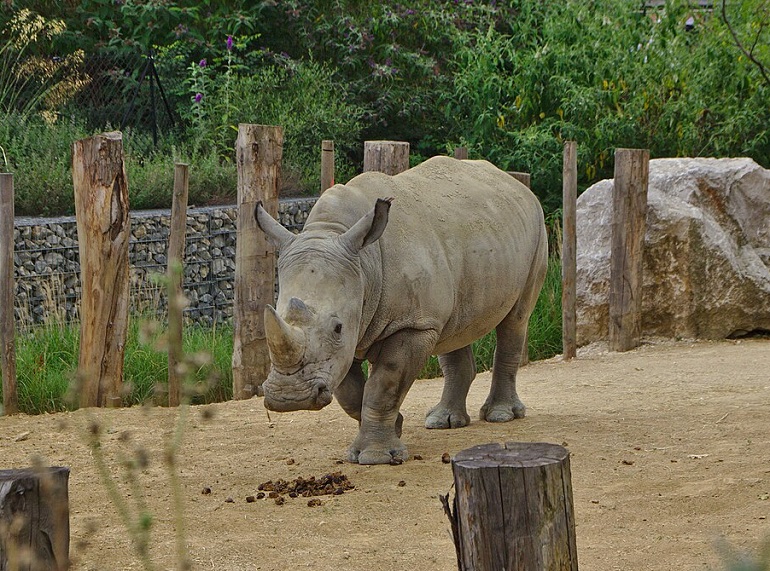
Dining and facilities include Le Zarafa restaurant with panoramic savannah views and the Monument Café offering lighter refreshments. The zoo's shop specialises in ethical wildlife products and educational materials, whilst accessibility features ensure all visitors can enjoy the full experience through ramped pathways, audio guides, and adapted viewing areas.
Parc Floral de Paris
Nestled within the Bois de Vincennes near the Château de Vincennes, the Parc Floral de Paris enchants visitors as the capital's premier botanical garden and one of France's most spectacular horticultural displays. This 35-hectare paradise, officially recognised as a botanical garden since 1998, showcases over 7,500 plant varieties across themed landscapes that celebrate both global biodiversity and regional French flora.
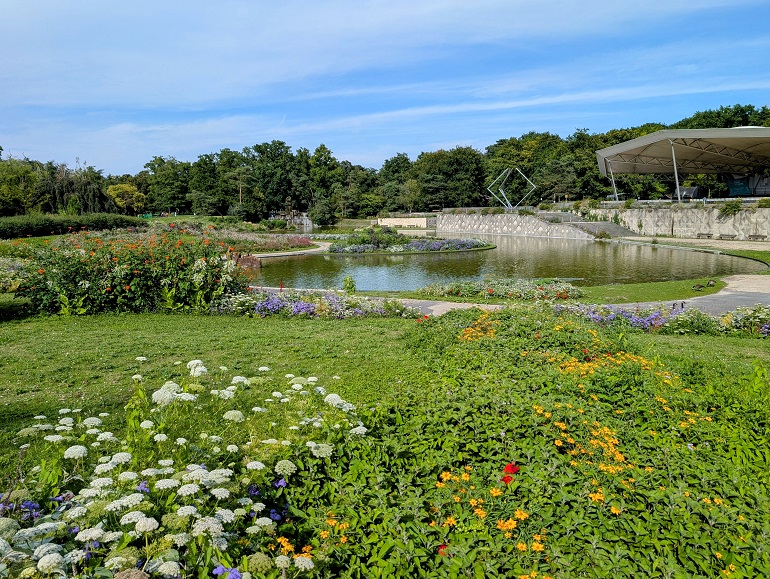
The park's design draws inspiration from Japanese aesthetics, evident in its graceful curved pavilions, serene water features, and harmonious integration of architecture with nature. The main entrance pavilion, constructed from weathered wood and glass, creates a striking first impression whilst housing administrative facilities and exhibition spaces. Multiple themed gardens create distinct experiences throughout the seasons: the Valley of Flowers surrounds a large ornamental pond with vibrant seasonal displays that transition from spring bulbs through summer perennials to autumn chrysanthemums.

The Four Seasons Garden ensures year-round colour through over 1,200 carefully selected perennials arranged in flowing borders that demonstrate companion planting principles. Spring brings spectacular displays of flowering trees, bulbs, and early perennials, whilst summer showcases extensive rose gardens, herbaceous borders, and Mediterranean plantings. Autumn transforms the garden with fiery foliage displays, late-flowering asters, and ornamental grasses, whilst winter reveals the park's structural beauty through evergreen plantings and architectural elements.
Specialised collections demonstrate extraordinary diversity across multiple botanical themes. The national iris collection features over 1,500 varieties creating spectacular spring displays in rivers of purple, yellow, and white blooms that cover several hectares during May and early June. These collections include both historic varieties and cutting-edge hybrid developments, with detailed labelling providing educational information about breeding techniques and cultivation requirements.
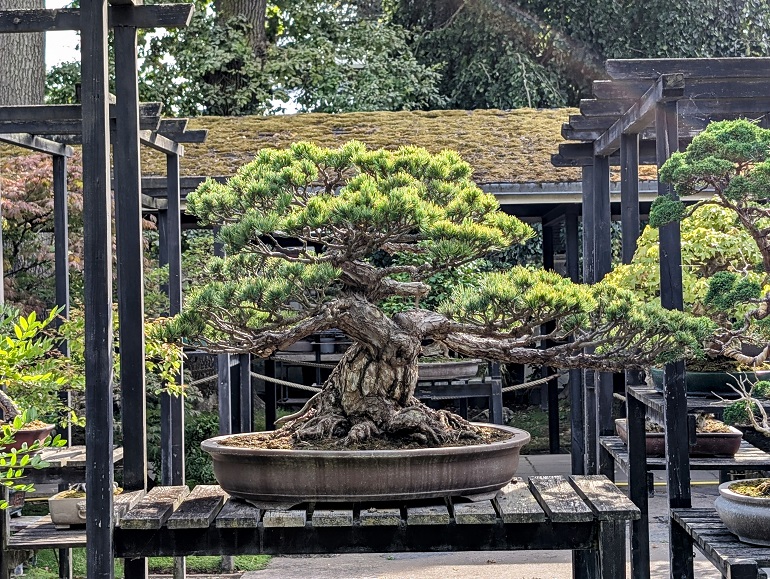
The bonsai collection ranks among Europe's finest, featuring over 60 meticulously maintained specimens displayed both in outdoor settings and within a dedicated glass-roofed pavilion. The collection spans centuries of bonsai artistry, from ancient specimens over 200 years old to contemporary creations by master practitioners. Flowing water courses within the bonsai pavilion create tranquil soundscapes whilst providing humidity control for the delicate specimens. Regular demonstrations and workshops throughout the year offer visitors opportunities to learn traditional bonsai techniques from expert practitioners.
The dahlia garden achieves particular international acclaim, hosting annual competitions that attract growers from across Europe whilst displaying three centuries of breeding development alongside wild botanical species. The collection includes over 650 varieties ranging from pompom dahlias the size of golf balls to dinner-plate varieties exceeding 25 centimetres in diameter. Peak blooming occurs from August through October, creating one of Paris's most spectacular autumn displays.
Botanical enthusiasts discover remarkable variety across multiple specialised areas. Tropical pavilions house extensive orchid collections, exotic bromeliads, and plants from France's overseas territories, maintained in climate-controlled environments that recreate rainforest conditions. The alpine garden recreates high-altitude environments with mountain plants from the Pyrenees, Alps, and other European mountain ranges thriving amongst carefully arranged rocks and specialised soil mixtures.
Medicinal plant gardens showcase traditional remedies used throughout French history, with detailed information about preparation methods and historical applications. South African collections highlight pelargoniums and unique Cape flora adapted to Mediterranean climates, whilst the Australian section features eucalyptus varieties and other Southern Hemisphere species that thrive in Parisian conditions.
The remarkable Jurassic plant pavilion presents living fossils - ferns, cycads, and conifers descended from species existing 200 million years ago. These ancient plant families demonstrate evolution in action, with detailed exhibits explaining their prehistoric origins and survival strategies. The climate-controlled environment maintains optimal growing conditions whilst educational displays explain paleobotany and plant evolution.
Beyond botanical displays, the park excels as a cultural venue, hosting renowned festivals including the Paris Jazz Festival from June through August and Classique au Vert classical concerts within flower-filled amphitheatres that provide stunning backdrops for outdoor performances. These events attract international performers whilst maintaining intimate atmospheres perfect for appreciating both music and horticultural artistry.
Adventure facilities cater to all ages with tree-climbing courses featuring multiple difficulty levels, zip lines that soar over flower gardens, and mini-golf featuring miniature Parisian monuments including scaled versions of the Eiffel Tower, Arc de Triomphe, and Notre-Dame Cathedral. Go-kart tracks wind through landscaped areas whilst extensive picnic areas with tables, benches, and barbecue facilities make the park ideal for family gatherings.
The butterfly sanctuary operates during warmer months, housing native European species in tropical greenhouse conditions where visitors can observe complete life cycles from caterpillars through pupation to adult butterflies. Educational programmes explain pollination ecology and conservation efforts protecting endangered butterfly species across France.
Educational facilities include the Maison de la Nature offering workshops on gardening techniques, plant identification, and environmental conservation. Seasonal exhibitions feature photography, botanical art, and horticultural innovations, whilst guided tours led by expert botanists reveal hidden corners and specialized collections not immediately obvious to casual visitors. The park's library and research facilities support serious botanical study whilst remaining accessible to interested amateurs seeking horticultural knowledge.