


| Contents |
|---|
Introduction
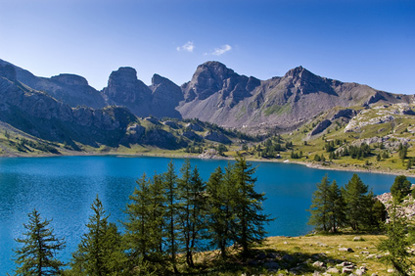
Nestled between the Alps and the Mediterranean Sea, Mercantour National Park is one of France's eleven national parks, established in 1979. Covering an area of 1,801 km², this remarkable protected space encompasses six distinct valleys: Verdon, Var-Cians, Ubaye, Tinée, Vésubie and Roya-Bévéra, each with its own unique character. The park's exceptional location creates a fascinating mix of climatic influences, resulting in diverse landscapes and extraordinary biodiversity with over 2,000 plant species and nearly 9,000 animal species. Visitors can explore 600 km of marked footpaths, discover the famous Vallée des Merveilles with its 40,000 prehistoric rock engravings, marvel at natural wonders like Lake Allos (Europe's largest natural high-altitude lake), and observe iconic wildlife including Alpine ibex, marmots, golden eagles and grey wolves. The park's proximity to the sea—with its highest peaks just 39 km from the Mediterranean—contributes to its warm, sunny climate with relatively mild winters, making it accessible for various mountain activities throughout the year.
Geography and Landscape
Location and Overview
Mercantour National Park is nestled in the southeastern corner of France, bordering Italy. Established in 1979, this magnificent protected area spans approximately 685 square kilometres across the Alpes-de-Haute-Provence and Alpes-Maritimes departments in the Provence-Alpes-Côte d'Azur region. The park represents the southernmost extension of the Alpine chain, with its highest peaks located a mere 50 kilometres from the Mediterranean Sea as the crow flies.
Valleys and Waterways
The park's territory encompasses seven distinct valleys, each with its own unique character:
- Roya and Bévéra
- Vésubie
- Tinée
- Haut Var and Cians
- Verdon
- Ubaye
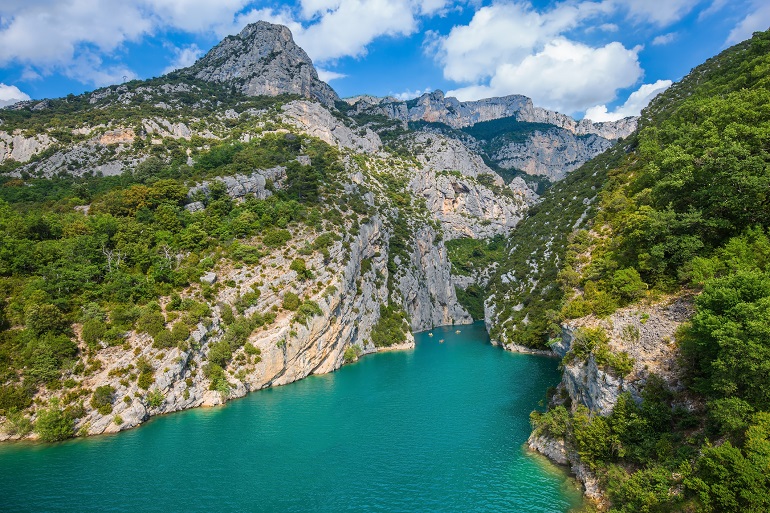
These valleys feature deep, narrow gorges with steep slopes, characteristic of the Maritime Alps. The Daluis Gorge and Cians Gorge are particularly noteworthy, forming red-rock canyons that are unique in Europe. These striking formations were carved by the Var and Cians rivers through 260-million-year-old sandstone, which gets its distinctive red colouration from oxidised iron.
Mountains and Peaks
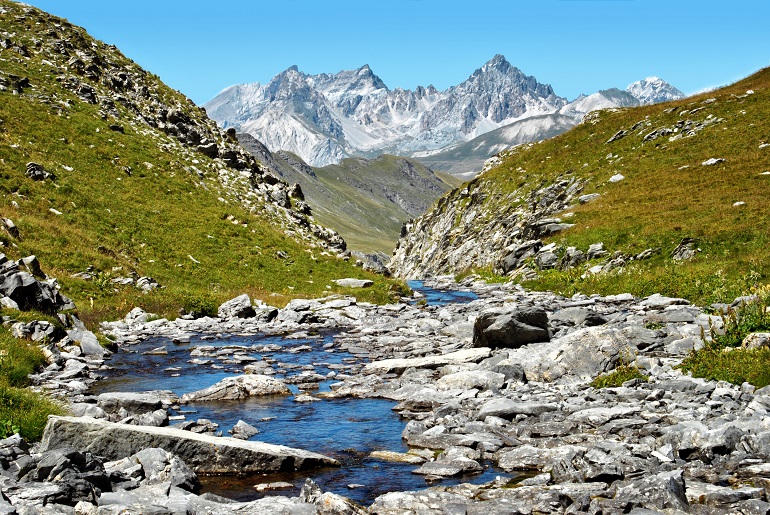
The park is dominated by the peaks of the Maritime Alps, with several impressive summits:
- Cime du Gélas: The third highest summit in the Maritime Alps at 3,143 metres
- Rocca Blancia: The highest point in the park at 3,193 metres
- Mont Pelat: The most prominent mountain at 3,050 metres
- Mont Bégo: Reaching 2,872 metres, this mountain is famous for its archaeological significance
The heart of the Argentero-Mercantour massif consists primarily of crystalline rock, with gneisses and granite forming the upper valleys, whilst sedimentary rock surrounds the borders of the massif, creating the ridges of the lower valleys.
Lakes and Glacial Features
Mercantour National Park is home to numerous pristine alpine lakes, including:
- Lac d'Allos: Europe's largest natural high-altitude lake at 2,226 metres, covering 54 hectares with a depth of 48 metres
- Lakes of Vens
- Lakes of Morgon
- Lakes of the Valley of Marvels
- Lake of the Lauzanier
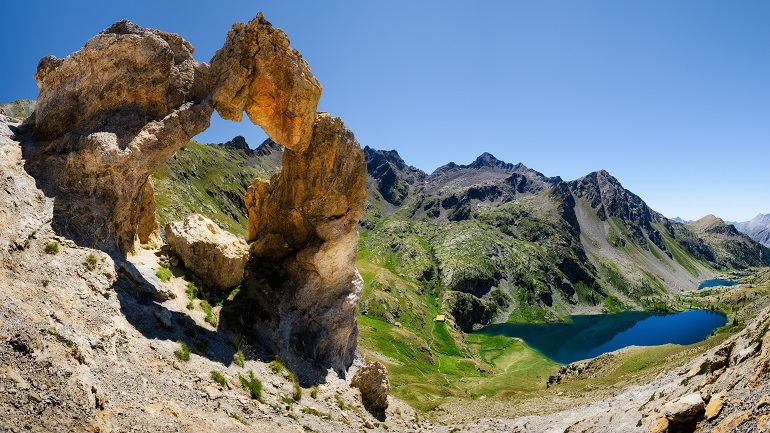
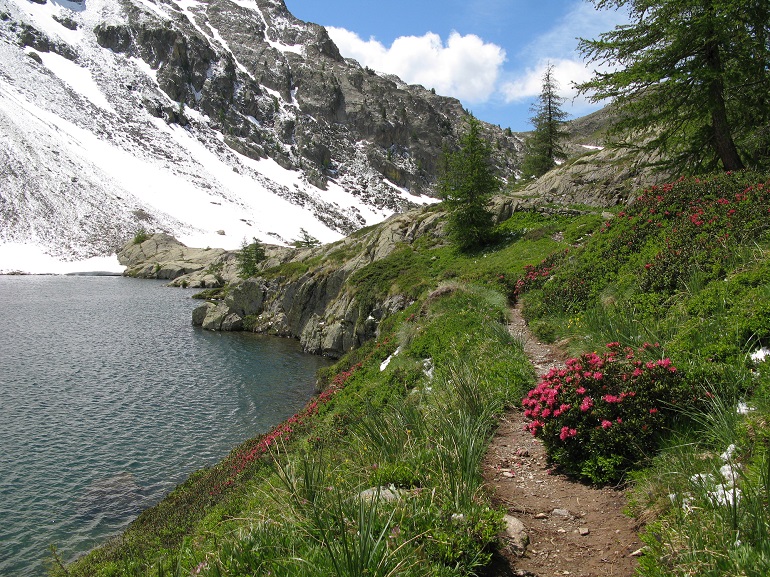
These lakes are often of glacial origin, with many formed when powerful glaciers melted, leaving behind sparkling bodies of water. The lac d'Allos, for instance, is held back by a barrier of hard rock that slow-flowing glaciers were unable to erode.
Climate and Geographical Significance
The Mercantour region benefits from a complex mix of climatic influences, creating a unique environment where Mediterranean and Alpine zones converge. The Maritime Alps experience a sunny, warm climate during summer due to Mediterranean influences, whilst maintaining their Alpine character.
This geographical positioning at the junction of different climatic zones contributes significantly to the park's remarkable landscape diversity. The area experiences approximately 300 days of sunshine annually, particularly in the Ubaye Valley, which belongs to the "dry" Alps or Alpes de lumière.
Cultural Landscapes
Beyond its natural features, the park territory includes more than 150 rural sites and 28 villages in its peripheral zone. Many of these are perched villages that showcase rich architectural heritage. The Valley of Marvels (Vallée des Merveilles) stands out as a cultural landscape of exceptional significance, featuring approximately 37,000 prehistoric petroglyphs dating back to the Bronze Age.
The landscape of Mercantour National Park offers visitors a permanent sense of wonder, with new breathtaking spectacles around every bend in the path. From mineral and chaotic terrain at the feet of imposing peaks to the red-hued gorges and pristine alpine lakes, the park presents a stunning mosaic of landscapes that captivates all who venture into its bounds.
Flora and Fauna
Diverse Wildlife
The Mercantour National Park is home to an astonishing 8744 different species, making it one of Europe's richest biodiversity hotspots. This remarkable diversity stems from the park's unique position where Mediterranean climate meets alpine environment.
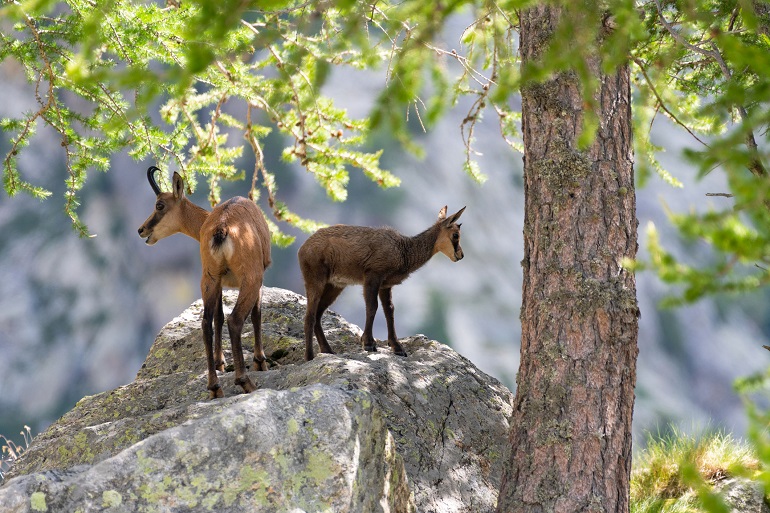
Visitors can easily spot chamois, with several thousand inhabiting the park. The whistling of marmots often accompanies hikers along the trails. With a bit of luck, you might observe ibex and mouflons, particularly during the cooler parts of summer days.
The forests shelter red deer and roe deer, while wild boars roam the lower altitudes. More elusive residents include ermines and hares. The park is also home to about 50 Italian wolves, which migrated to the area in the early 1990s.
Birdlife
Birdwatchers will be delighted by the more than 150 bird species that can be observed in the park. Majestic golden eagles circle the skies, with approximately fifty couples documented throughout the area. Other impressive birds of prey include griffon vultures, short-toed snake eagles, and the gradually reintroduced bearded vulture.
The park's varied habitats support black grouse (also known as blackcock), snow partridge, nutcracker, red-billed chough, yellow-billed chough, common raven, citril finch, white-winged snowfinch, rock bunting, black redstart, northern wheatear and ring ouzel.
Rich Flora
The Mercantour boasts an exceptionally rich plant life with over 2,000 species, representing more than 50% of all plant species found in France. This remarkable diversity results from the park's varied climatic influences and altitudinal range from 100m to over 3,000m.
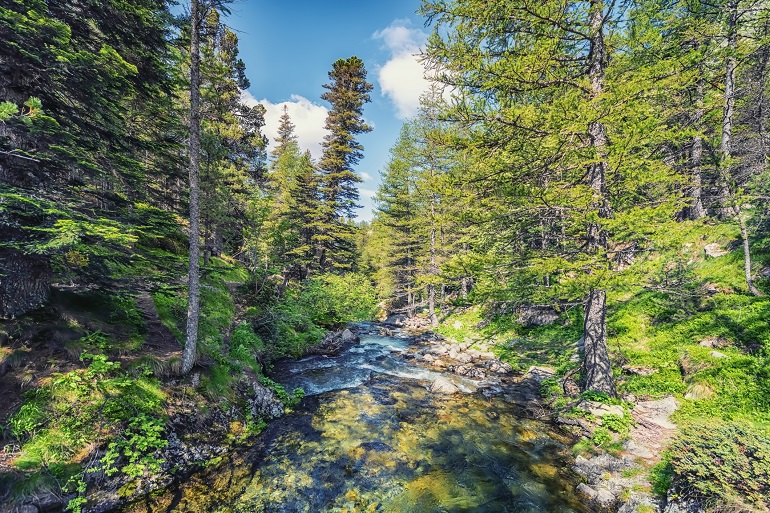
The park's forests feature a fascinating progression of species with altitude. Hardwoods like pubescent oak dominate lower elevations (600-1,100m), while Scots pine and holm oak thrive on sunnier rocky outcrops. At the mountain level (1,100-1,700m), resinous trees prevail, with Scots pine on south-facing slopes and firs on north-facing sides. The European larch, considered one of the park's true symbols and nicknamed the "tree of light", dominates the subalpine level (1,700-2,000m).
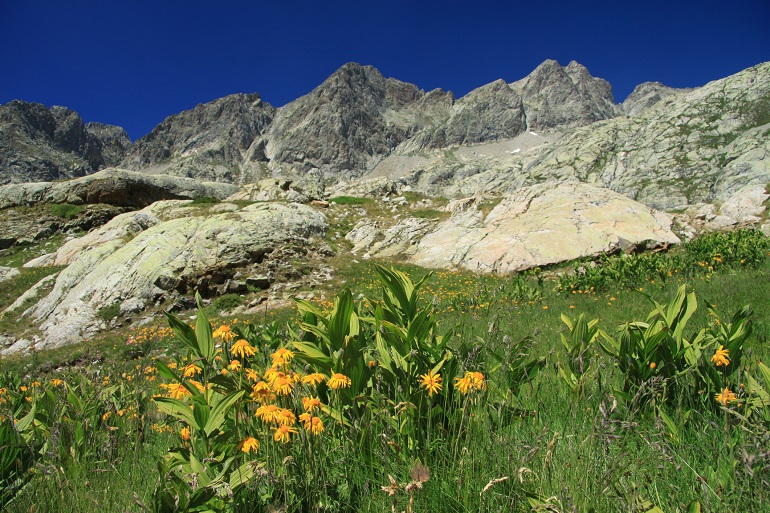
Among the flowering plants, 220 species are considered very rare, including the well-known edelweiss and martagon lily. Particularly special are the 40 endemic species that occur nowhere else on Earth, such as the multi-blossomed Saxifraga florulenta. Other notable flowers include saxifrage, houseleek, moss campion and gentian, which create a multi-coloured palette in spring.
Conservation Efforts
Thanks to conservation actions by the Mercantour National Park and the neighbouring Parco delle Alpi Marittime in Italy, several species that were once on the verge of extinction, such as the emblematic ibex, now roam the mountains in significant numbers. The park also hosts Europe's first large-scale All Taxa Biodiversity Inventory and Monitoring programme, aimed at identifying all living species within its boundaries.
Activities and Attractions
The Mercantour National Park offers a cornucopia of outdoor activities and attractions for visitors seeking adventure, natural beauty, and cultural enrichment. Established in 1979, this magnificent park boasts over 1,700 kilometres of hiking trails and 1,123 named mountains, making it a paradise for outdoor enthusiasts and nature lovers alike.
Hiking Trails
The Mercantour National Park is renowned for its extensive network of hiking trails that cater to all levels of experience. With no less than 550 kilometres of paths reflecting the historical work of former soldiers, farmers, and foresters, these trails guide visitors to the most beautiful sites amidst unique and fragile natural surroundings.
Popular Day Hikes
- Fontanalba Hike: Perhaps the most famous trail in the Mercantour, this route takes you to the heart of the "Valley of Wonders" past tranquil mountain lakes in the shadow of Mount Bego. The highlight is the incredible array of prehistoric engravings—over 37,000 petroglyphs—left by people who lived in the valley thousands of years ago. This moderate 12-kilometre hike offers a perfect blend of natural beauty and historical intrigue.
- Lac d'Allos Hike: An easy walk through spectacular scenery leading to Lac d'Allos, one of the largest high mountain lakes in Europe. This versatile route can be extended to Mont Pelat for panoramic views over the Mercantour and Provence. The basic circuit around the lake is about 5 kilometres, while the extended version to Mont Pelat adds another 7 kilometres of more challenging terrain.
- The Authion Hike: Perfect for history lovers, this trail takes you through a key strategic defence point in the Alps, featuring remains of 19th and 20th century fortifications while offering magnificent views over the Valley of Wonders. The circular route is approximately 10 kilometres long and offers a fascinating glimpse into the region's military past.
- Lac de Sagnes Hike: This popular route traverses atmospheric forests before emerging onto an open grassy plain with unique geological formations rising above the lake, making it an ideal spot for a picnic. The 8-kilometre round trip is relatively easy and suitable for families.
- Valley and Lake of Lauzanier: An easy half-day walk starting from Larche, this trail showcases one of the most beautiful glacial, U-shaped valleys in the park. The 7-kilometre round trip takes you through flower-filled meadows to a pristine mountain lake.
Challenging Hikes
- Le Mont Mounier: Offering some of the most spectacular scenery in the Southern Alps, this steep path rewards hikers with remarkable views. On clear days, you can see all the way to the Mediterranean Sea and the Northern Alps. The full circuit is about 16 kilometres and requires a good level of fitness.
- Sommets des Garrets: This challenging trek features dramatic limestone rocks, beautiful larch forests, and grassy meadows. The route is long (about 20 kilometres) and climbs steadily, requiring plenty of stamina but offering incomparable views of the Western Alps.
- Cime du Gélas: A demanding hike to the Mercantour's highest peak at 3,143 metres altitude, where hikers are just 50 kilometres from the sea as the crow flies. This 14-kilometre round trip involves significant elevation gain and requires experience in high mountain environments.
Multi-Day Treks
- La Grande Traversée du Mercantour: This epic 17-stage hike begins in Entraunes on the western end of the park and continues to the coastal town of Menton. It can be broken into two smaller sections: a 9-stage hike from Entraunes to Isola 2000 and an 8-stage hike from Isola 2000 to Menton. The entire route covers approximately 200 kilometres and offers a comprehensive exploration of the park's diverse landscapes.
- Meije to Mediterranean: This impressive 200-kilometre trek starts at Le Chazelet-La Grave in the Ecrins National Park and heads south through the Cerces, Queyras, and Mercantour Parks, ending at the Promenade des Anglais in Nice. This challenging route typically takes about two weeks to complete and offers an unparalleled journey through some of France's most stunning mountain scenery.
Other Outdoor Activities
Beyond hiking, the Mercantour National Park offers a variety of other outdoor pursuits:
Mountain Biking
The park features numerous trails through deep forested valleys, providing excellent opportunities for mountain biking enthusiasts. Mountain resorts like Auron, Isola 2000, Valberg, Roubion, and Pra Loup are well-equipped to support active holidays. Some popular routes include:
- The Cime de la Bonette circuit: A challenging 26-kilometre route with breathtaking views.
- The Valberg-Beuil loop: A more moderate 20-kilometre trail suitable for intermediate riders.
- The Gorges de Daluis route: A scenic ride through dramatic red rock canyons.
Water Sports
The park's raging whitewater torrents create perfect conditions for adrenaline-pumping activities like whitewater rafting, offering a thrilling way to experience the park's dramatic landscapes. The Var and Verdon rivers are particularly popular for these activities. Other water-based activities include:
- Canyoning in the Riolan and Cramassouri gorges
- Kayaking on the calmer sections of the Var river
- Wild swimming in mountain lakes like Lac d'Allos and Lac de Vens
Winter Sports
During winter months, the Mercantour transforms into a playground for ski touring, allowing visitors to explore remote high-altitude terrain while enjoying the snow-covered landscapes. Some popular ski touring routes include:
- The Mercantour Traverse: A challenging multi-day route crossing the park from west to east
- The Cime du Gélas ascent: A classic ski mountaineering objective
- The Col de Salèse circuit: A more accessible day tour suitable for intermediate skiers
In addition to ski touring, the park's surrounding areas offer excellent opportunities for downhill skiing, cross-country skiing, and snowshoeing.
Historical Attractions
Vallée des Merveilles
This valley contains over 3,000-year-old rock carvings that can be discovered after a 10-kilometre hike. These prehistoric engravings offer a fascinating glimpse into the region's ancient past and are considered one of the park's most significant cultural attractions. The engravings depict various subjects including:
- Weapons and tools
- Geometric shapes
- Animal figures
- Anthropomorphic figures
Guided tours are available to help visitors interpret these mysterious artworks and understand their historical context.
Military Heritage
Throughout the park, visitors can explore remnants of military history, including Second World War bunkers built by the Italians and various fortifications that highlight the strategic importance of this border region throughout history. Key sites include:
- The Authion fortifications: A complex of 19th and 20th-century defensive structures
- The Maginot Line bunkers: Part of France's pre-WWII defensive system
- The Camp des Fourches: A high-altitude military camp with panoramic views
Traditional Villages
The central uninhabited zone of the Mercantour is surrounded by approximately 28 Provençal villages that showcase architectural treasures, including churches decorated by primitive Niçois painters and charming rustic cottages. Some notable villages include:
- Saint-Martin-Vésubie: Known as the "Little Switzerland of Nice" for its alpine charm
- Tende: Home to a fascinating museum of regional traditions
- Saorge: A dramatically perched village with a rich religious heritage
These villages offer visitors a chance to experience local culture, sample regional products, and learn about traditional mountain lifestyles.
Accessibility and Visitor Centres
The Mercantour National Park is committed to making its natural wonders accessible to all visitors. Several trails and viewpoints have been adapted for people with reduced mobility, and the park's visitor centres provide valuable information and resources for planning your visit. Key visitor centres include:
- The Maison du Parc in Tende: Offering interactive exhibits on the park's geology and biodiversity
- The Vacherie du Boreon: A working farm where visitors can learn about traditional agriculture
- The Wolf Centre in Saint-Martin-Vésubie: An educational facility focused on wolf conservation
Sustainable Tourism
The Mercantour National Park is at the forefront of sustainable tourism initiatives. Visitors are encouraged to:
- Use public transportation or carpool to access the park
- Stay on marked trails to protect fragile ecosystems
- Carry out all waste and practice Leave No Trace principles
- Support local businesses and eco-friendly accommodations
By following these guidelines, visitors can help preserve the park's natural beauty for future generations.
Accommodation
The Mercantour National Park offers a diverse range of accommodation options to suit various preferences and budgets. Visitors can find comfortable lodgings that blend with the park's stunning natural surroundings, providing an ideal base for exploring the region's breathtaking landscapes and engaging in outdoor activities.
Types of Accommodation
Hotels and Inns
Throughout the park and its surrounding villages, travellers can find charming hotels and inns. These establishments often feature cosy rooms, many with panoramic views of the mountains or valleys. Some hotels offer additional amenities such as restaurants serving local cuisine, terraces for relaxation, and even spa facilities for those seeking extra comfort.
Mountain Refuges
For a more rustic and immersive experience, the park boasts several mountain refuges. These basic but comfortable lodgings are perfect for hikers and outdoor enthusiasts who wish to stay closer to nature. Refuges typically provide dormitory-style accommodation and offer hearty meals to fuel adventures in the park.
Gîtes and Cottages
Self-catering options are available in the form of gîtes and cottages. These accommodations offer a home-away-from-home experience, allowing visitors to enjoy more privacy and flexibility during their stay. Many gîtes are converted farmhouses or traditional alpine dwellings, providing an authentic taste of local architecture and lifestyle.
Bed and Breakfasts
For a personal touch, numerous bed and breakfasts can be found in the villages dotting the park's periphery. These intimate lodgings often provide a warm welcome and insider knowledge from local hosts, enhancing the overall experience of visiting the Mercantour.
Location and Views
Many accommodations in the Mercantour National Park boast spectacular views of the surrounding landscape. Whether perched on hillsides or nestled in valleys, these lodgings offer guests the opportunity to wake up to breathtaking vistas of snow-capped peaks, lush forests, or picturesque alpine meadows.
Amenities and Services
While amenities vary depending on the type and standard of accommodation, many establishments in the park cater to outdoor enthusiasts. Common offerings include secure storage for sports equipment, drying rooms for wet gear, and information on local trails and activities. Some accommodations may also provide packed lunches or picnic supplies for day trips into the park.
Booking and Availability
It's advisable to book accommodation in advance, especially during peak seasons such as summer and winter holidays. Many lodgings in the park are small, family-run businesses with limited capacity, so early reservation is recommended to secure the desired dates and location.
Sustainable Tourism
In keeping with the park's conservation ethos, many accommodations in the Mercantour emphasise eco-friendly practices. Visitors may find establishments that use renewable energy, implement water-saving measures, or source food locally to reduce their environmental impact.
Gastronomy
Local Specialities
The park's valleys have developed specific agricultural productions, resulting in a variety of culinary specialities. Visitors can savour an array of local cheeses, including pressed raw milk tommes that come in different flavours such as génépi-infused or with grey or blonde rinds. Two particularly notable cheeses are the tome de la Brigue from the Roya valley and the tomme de la Vésubie.
Charcuterie is another highlight of the region. Pork is commonly transformed into various products, with hams in the Ubaye and Saint-Martin-d'Entraunes areas being salted and flavoured with local herbs like juniper, bay leaf, and thyme. A unique speciality is the 'fumeton', a salted, smoked, and dried lamb leg from the Ubaye valley.
Seasonal and Fresh Ingredients
The cuisine of the Mercantour valleys is characterised by the use of locally grown produce, supplemented with a few ingredients sourced from outside the region. Restaurants in the area pride themselves on serving dishes prepared with fresh, seasonal ingredients, often sourced from their own kitchen gardens or local producers.
Mediterranean Influence
Despite its Alpine location, the Mercantour's proximity to the French Riviera brings a Mediterranean flair to its cuisine. Visitors can enjoy specialities of Nice and Mediterranean cuisine such as pissaladière (a type of onion tart), stuffed vegetables, and courgette flower fritters.
Traditional Mountain Fare
The park's mountain heritage is reflected in hearty, warming dishes perfect for hikers and skiers. Homemade ravioli filled with local meats and wild spinach is a particular favourite, embodying the region's culinary traditions.
Drinks and Desserts
Local beers and wines, often produced using natural methods, complement the food offerings. For those with a sweet tooth, traditional desserts featuring local fruits and nuts are a must-try.
Dining Experience
Whether enjoying a meal on a sunny terrace with panoramic mountain views or in a cosy stone-built inn, dining in the Mercantour National Park is an experience that engages all the senses. The combination of stunning natural surroundings and flavourful, authentic cuisine makes for truly memorable meals.
Getting There and Around
The Mercantour National Park, located less than two hours from the French Riviera, offers spectacular mountain landscapes that are accessible through various transportation options.
From Nice to Mercantour
Nice serves as the primary gateway to the Mercantour National Park. Visitors have several options to reach the park:
By Car
Driving is the most flexible option, taking approximately 1 hour 52 minutes from Nice to the park entrance. The 85.6 km journey offers breathtaking views along winding mountain roads, with numerous scenic spots perfect for photo opportunities. While driving provides convenience, be prepared for a hair-raising mountain road experience that is nonetheless rewarding for the views.
By Public Transport
Several public transport options connect Nice to the Mercantour valleys:
- Train and Bus Combination: Take the line 49 train from Nice Gare to Colomars-La Manda, then connect to a bus to Pont de Paule. This journey takes approximately 2 hours 26 minutes in total.
- Regular Bus Services: Lignes d'Azur operates regular daily bus services from Nice, Monaco, and Menton to each valley of the Mercantour in the Alpes-Maritimes region. For information, contact Lignes d'Azur at 08 1006 1006.
- Seasonal Buses: During summer, special Rando Bus services cater specifically to hikers, providing access to the Vésubie, Gordolasque, Tinée, and Cians valleys from Nice.
- Train to Tende: A 90-minute train journey from Nice takes you to Tende, providing access to the Valley of Marvels. The train ride itself is an adventure through dramatic mountain scenery and pretty villages.
Getting Around Within the Park
Once in the Mercantour National Park, visitors can utilise:
Intra-Valley Shuttles
Shuttle services operate within the valleys of both the Alpes-de-Haute-Provence (04) and Alpes-Maritimes (06) departments. It's advisable to enquire about routes and timetables upon arrival at local tourist information points.
Public Transport Network
The mobility network in Mercantour comprises trains, buses, and tourist shuttles, allowing travellers to reduce their dependence on cars. In each valley, a regular bus line connects urban centres to the main villages, with service frequency typically increased during summer months.
Planning Your Journey
The Mercantour National Park has created an e-brochure listing all public transport options to encourage visitors to use sustainable transport methods. Before setting out, check:
- Road accessibility and snow conditions
- Weather forecasts for mountain areas
- Location of park information points and tourist offices
- Public transport timetables and fares
Best Time to Visit
Summer (June to September)
Summer is the prime time for hiking and outdoor adventures in Mercantour. From late June through September, the high mountain trails are free from snow, making this the ideal period for serious hikers. The park transforms into a playground for adventure sports enthusiasts, offering activities such as:
- Hiking the 1700 km of trails, including the famous Vallée des Merveilles
- Mountain biking through forested valleys
- Rock climbing at Valdeblore La Colmiane (May-October)
- Whitewater rafting in the raging torrents
Spring (April to May)
The lower altitudes of Mercantour burst with wildflowers in April and May, creating spectacular landscapes for nature lovers and photographers. Spring offers milder temperatures and fewer crowds, though some high-altitude areas may still be snow-covered.
Autumn
Autumn brings a magnificent display of colours as the sumac and larch trees turn through a "glorious gamut" of hues. This season offers comfortable temperatures for hiking, though visitors should be prepared for variable weather conditions.
Winter
Winter transforms Mercantour into a snow-covered wonderland, ideal for winter sports enthusiasts. The park features ski resorts such as Pra Loup 1500 and Pra Loup 1600. Activities include:
- Skiing at various resorts including Auron, Isola 2000, and Valberg
- Ski touring in remote high-altitude terrain
Practical Considerations
When planning your visit, consider these practical tips:
- For high-altitude hiking, the window from late June to September is best to avoid deep snow
- Be cautious of lightning storms when hiking in summer
- Start early, wear good walking shoes and layers as it can be cold at higher elevations
- Take plenty of food and water, and a torch if hiking late in the day
- If visiting in winter, check resort opening times and snow conditions
The park is accessible year-round, though some areas may have limited access during winter when snow closes certain passes. Most visitors travel to the park from Nice, with the journey taking just over an hour by car, about 90 minutes by train, or 2.5 hours by bus.
Conservation and Responsible Tourism
Conservation Efforts
The Mercantour National Park, established in 1979, is a beacon for conservation and responsible tourism in the French Alps. Covering nearly 2,500 km² of protected territory, this remarkable natural area is home to an exceptional biodiversity, including nearly 9,000 animal species.
Conservation Efforts
The park has implemented numerous targeted conservation projects over the past three decades. These include:
- Reintroduction and reinforcement programmes for emblematic species such as the Alpine ibex and the bearded vulture
- Protection of rare flora, with over 2,000 plant species, including 40 endemic to the park
- Preservation of ecological continuity through the implementation of green and blue corridors
Responsible Tourism Initiatives
Mercantour National Park promotes sustainable tourism through various means:
- The European Charter for Sustainable Tourism, which helps plan and organise tourism activities with local partners
- The 'Esprit Parc national' ecolabel, which certifies accommodations, services, and products that respect the park's values
- The Mercantour Ecotourism Association, which brings together local businesses committed to the seven principles of ecotourism
Visitor Guidelines
To ensure the preservation of this exceptional territory, visitors are encouraged to:
- Respect park regulations, such as not picking flowers or camping in restricted areas
- Use soft mobility options like electric buses, trams, and bicycles
- Support local producers and craftsmen
- Choose eco-certified accommodations and restaurants
By visiting the Mercantour National Park responsibly, tourists can contribute to the protection of this unique alpine ecosystem whilst enjoying its breathtaking landscapes and rich biodiversity.
Visitor Centres and Educational Facilities
The Mercantour National Park offers several visitor centres and educational facilities, known as "Maisons du Parc" or Park Houses, which serve as welcoming hubs for tourists and nature enthusiasts. These centres are strategically located throughout the park and provide a wealth of information and resources for visitors.
Visitor Centres
The Park Houses are open during the summer months and school holidays throughout the year. They offer a range of services and amenities:
- Information points for visitors
- Outdoor animation activities for discovering natural and cultural heritage
- Audiovisual projections
- Exhibitions on local flora, fauna, and ecosystems
- Sale of park-related products and souvenirs (brochures, magazines, T-shirts, books, DVDs, and posters)
Notably, the Maison du Parc in the Tinée Valley, located in Saint-Étienne-de-Tinée, is fully accessible and offers a wide array of services and activities. Similarly, the Ubaye Valley centre in Barcelonnette provides an exhibition space, a shop, screenings, and activities related to the park's natural and cultural heritage.
Education Facilities and Activities
The Mercantour National Park places a strong emphasis on education and offers various programmes for schools and the general public:
- Educational activities for schools at all levels, focusing on flora and fauna observation
- Guided hikes and wildlife spotting excursions
- Sensory discovery walks to engage visitors with the park's environment
- Specialised programmes such as stargazing events in the Alpes Azur Mercantour International Dark Sky Reserve
Information Points and "Gateways"
In addition to the main visitor centres, the park features:
- 19 Info Points situated in popular tourist areas, including Allos lake, the roads of Cayolle and Bonette, and the Valley of Wonders
- "Gateways" with didactic panels at key entry points to the park's core area and hiking routes, providing information in both French and Italian
These facilities collectively aim to educate visitors about the park's rich biodiversity, cultural heritage, and the importance of conservation efforts in the Mercantour region.