


| Contents |
|---|
Introduction
The Calanques National Park, established on 18 April 2012, is a French national park located on the Mediterranean coast in the Bouches-du-Rhône. It extends over 520 km², with 85 km² of land and 435 km² of marine area, stretching between Marseille, Cassis and La Ciotat. This unique park is the first periurban national park in Europe that encompasses both terrestrial and marine environments. The park features spectacular limestone formations known as calanques—steep, narrow valleys that extend inland from the sea—with some of the most notable being Calanque de Sormiou, Calanque de Morgiou, Calanque de Port-Miou, Calanque de Sugiton and Calanque d'en Vau. The park's biodiversity is remarkable, hosting 140 protected terrestrial animal and plant species and 60 marine heritage species. With its turquoise waters, dramatic white cliffs and rich underwater ecosystems including Posidonia meadows, the park attracts between 2 and 3 million visitors annually who come to hike, dive, climb or simply enjoy the spectacular Mediterranean landscapes.

Geography and Landscape
Overview
Calanques National Park stretches for 20 kilometres along France's sun-drenched Mediterranean coastline, extending from Marseille to La Ciotat, via Cassis. Established on 18 April 2012, it is France's tenth national park and Europe's only peri-urban national park that encompasses both land and sea. The park covers approximately 520 square kilometres, with a remarkable 93 percent of its territory being oceanic—comprising 8,500 hectares of terrestrial area and 43,500 hectares of marine area.
What makes this park truly exceptional is its immediate proximity to Marseille, France's second-largest city, creating a striking juxtaposition of wild natural spaces against an urban backdrop.
Geological Formation
The limestone rocks that form the Calanques originated as sediment approximately 80 million years ago during the Mesozoic, Jurassic and Cretaceous periods. These rocks formed when organic and mineral sediments, including fragments of skeletons and shells of marine micro-organisms, were deposited at the bottom of a tropical sea and compressed over millions of years.
Around 60 million years ago, during the Tertiary era, the African and European tectonic plates collided and overlapped, raising these rocks to the surface. This collision formed the Pyrenean-Provençal chain, which includes the Pyrenees, Corsica and Sardinia. Over subsequent millions of years, erosion sculpted the landscape, while variations in sea level and glaciation created the park's steep Calanques.
Landscape Features
The Calanques
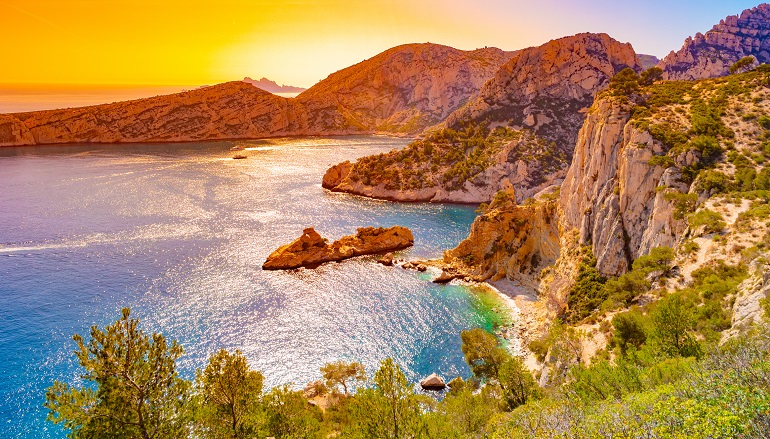
The park's most distinctive features are the calanques themselves—dramatic steep-walled sea inlets dotted along the coastline. These ancient valleys were submerged by the Mediterranean Sea 10,000 years ago, creating dazzling white limestone cliffs that offer a striking contrast with the azure blue waters below. The largest of these inlets is Calanque de Sormiou, with other notable examples including Calanque de Morgiou, Calanque de Port-Miou, and Calanque de Sugiton.
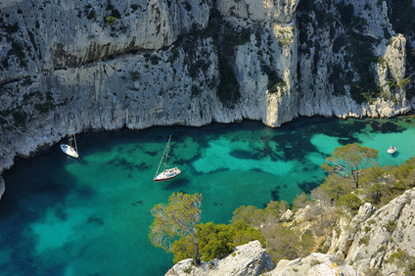
The most photographed and emblematic of all is Calanque d'En-vau, nicknamed "La Perle des Calanques." This spectacular inlet features pure lines and white-grey cliffs plunging into purple and turquoise waters. It develops into a 2.5 km long valley that becomes increasingly steep as it approaches the sea, eventually forming a veritable canyon between two steep walls.
Mountain Massifs
The park consists of three main mountain massifs:
- The Calanques Massif - The central feature of the park, featuring a series of dramatic sea inlets along its coastline. The highest peak in this massif is Mont Puget, reaching 563 metres.
- The Saint-Cyr Massif - Located to the north of the park, this is the highest massif and contains the park's highest mountain, Mont Carpiagne, at 646 metres. Another notable peak is Mont Saint-Cyr at 610 metres.
- The Cap Canaille Massif - Located at the park's eastern edge, culminating in the Montagne de la Canaille at 380 metres. This massif is famous for having some of the highest sea cliffs in Europe.
Underwater Landscape
Perhaps the most intriguing areas of Calanques National Park lie beneath the sea. The park is home to two underwater canyons, Cassidaigne and Planier, which reach depths of over 1,500 metres. The underwater landscape features a variety of caves and canyons that are renowned for their biodiversity.
Several islands and archipelagos are also located within the park, including the Frioul Archipelago, the Riou Archipelago, and L'île Verte.
Karst Topography
The limestone bedrock of the Calanques has created a distinctive karst topography throughout the park. This has resulted in numerous caves, sinkholes, and underground rivers. Notable examples include the underground river of Port-Miou and the Saint-Michel d'Eau Douce cave.
During warm periods, the dissolving action of water runoff and infiltration sculpted this landscape, forming these karst features. This process continues today, albeit at a slower rate due to the region's arid climate.
Current Landscape
Today's landscape in Calanques National Park is extremely arid, resulting from both natural climate change and human activity over millennia. Between 30,000 and 19,000 BCE, Southern France had a cold oceanic climate with glaciers reaching as far inland as Sisteron. As the climate warmed and the glaciers retreated, human activity increased in the region.
Overexploitation of the land for farming, grazing, and wood harvesting over thousands of years resulted in the loss of natural environments and soil erosion. The soil never fully recovered, leading to the rocky, skeletal landscape visible today. What was once thick soil composed of earth and humus is now largely absent on the surface, except for a few patches on the rock where pines have held it back.
This combination of geological processes and human influence has created the distinctive, rugged beauty that makes the Calanques National Park one of Provence's most remarkable natural wonders.

Flora and Fauna
Calanques National Park is a haven for biodiversity. Its unique limestone cliffs, rugged terrain, and marine ecosystems support a remarkable variety of flora and fauna, making it a must-visit destination for nature enthusiasts.
Flora
The park boasts an impressive array of plant life, with over 900 species recorded, 38 of which are protected and 43 considered remarkable. The vegetation is specially adapted to the arid climate, salt spray, and minimal soil found in the area.
- Typical Mediterranean Plants: The Aleppo pine dominates the landscape, thriving in the dry limestone environment. Other common species include juniper, rosemary, thyme, sage, and myrtle.
- Endemic Species: Unique plants such as the Provence Sandwort (Arenaria provincialis) and Marseille Tragacanth can only be found in this region.
- Maquis Shrubland: Dense evergreen shrubs like Montpellier cistus and Kermes oak are typical of the Mediterranean maquis ecosystem.
- Marine Vegetation: The underwater meadows of Posidonia oceanica (Neptune Grass) play a vital ecological role by providing oxygen, preventing coastal erosion, and serving as a habitat for marine life.
Fauna
The park’s fauna is equally diverse, with around 100 terrestrial animal species and 60 marine species. It is home to many nationally protected species.
Birds
- Over 80 bird species inhabit the park. Notable examples include:
- Bonelli’s Eagle: One of France’s rarest birds of prey.
- Peregrine Falcon: Known for its incredible speed during hunting dives.
- Eurasian Eagle Owl: A large nocturnal bird with tufted ears.
- Seabirds: Yellow-legged gulls, Cory’s shearwaters, and European shags are commonly seen along the coast.
Mammals
- Bats dominate the mammalian population with 13 species present, including the European free-tailed bat with its impressive wingspan.
- Other mammals include wild boars, foxes, deer, and genets.
Reptiles and Amphibians
- Reptiles such as the ocellated lizard (Europe’s largest lizard) and European leaf-toed gecko thrive in the rocky terrain.
- Amphibians like the Mediterranean tree frog add to the park’s biodiversity.
Marine Life
- The turquoise waters host an underwater garden teeming with life. Species such as octopuses, sea anemones, groupers, and loggerhead sea turtles can be found here.
- Posidonia oceanica meadows provide shelter for endangered species like pipefish and noble pen shells.
Conservation Challenges
Despite its rich biodiversity, Calanques National Park faces threats from invasive alien plants such as agave and Barbary fig that outcompete native species. Conservation efforts aim to protect fragile ecosystems like limestone cliff vegetation and coastal garrigues.
Activities and Attractions
Whether you're an avid adventurer or simply looking to immerse yourself in breathtaking scenery, the park offers a wide range of activities to suit all interests and fitness levels. From hiking along rugged trails to exploring the coastline by kayak, there’s no shortage of ways to experience the beauty of this unique landscape.
Hiking: Exploring the Trails of Calanques National Park
Hiking is undoubtedly one of the best ways to experience the raw beauty of Calanques National Park. The park boasts an extensive network of trails that weave through its rocky terrain, offering stunning views of the Mediterranean Sea and access to secluded coves. Each trail has its own character, ranging from gentle walks suitable for families to challenging routes that test even seasoned hikers. Here are some of the most notable hiking options:
Calanque d'En-Vau Trail
The hike to Calanque d'En-Vau is one of the most iconic experiences in the park. Starting from Port Miou near Cassis, this 6 km loop trail takes you through a mix of forested paths and rocky descents before arriving at one of the most picturesque calanques in the region. En-Vau is famed for its towering limestone cliffs that plunge into vibrant blue waters, creating a dramatic backdrop for hikers. The final descent into the calanque can be steep and challenging, but it’s well worth it for the reward: a secluded pebble beach perfect for swimming or relaxing.
Calanque de Sugiton Hike
For those seeking a moderately challenging hike with stunning views, the trail to Calanque de Sugiton is an excellent choice. Starting from Luminy University near Marseille, this 5.5 km round-trip hike offers a mix of shaded forest paths and open sections with panoramic views of the coastline. The descent into Sugiton reveals a small but beautiful calanque with clear waters ideal for a refreshing dip. Along the way, you’ll encounter several viewpoints that are perfect for photography.
Devenson Cliffs Hike
The Devenson Cliffs hike is a true adventure for experienced hikers seeking solitude and jaw-dropping scenery. This challenging route takes you along narrow cliffside paths with sheer drops into the sea below. The trail begins near Cassis or Luminy and traverses rugged terrain, offering unparalleled views of both the Mediterranean and the dramatic limestone formations that define the park. This hike requires good physical fitness and sure-footedness but rewards with some of the most awe-inspiring vistas in southern France.
Les Baumettes to Les Goudes Coastal Trail
This point-to-point coastal trail is ideal for those who want to explore multiple calanques in one day. Starting near Les Baumettes in Marseille, the path winds its way along the Mediterranean coast, passing through iconic spots like Sormiou, one of the largest calanques in the park. The trail continues towards Les Goudes, offering diverse landscapes ranging from rocky cliffs to tranquil beaches. This route is more demanding due to its length but provides an immersive experience of the park’s natural beauty.
Mont Puget Trail
For those who enjoy panoramic views from high vantage points, the hike to Mont Puget, the highest peak in Calanques National Park at 563 metres above sea level, is a must-do. This 10 km round-trip hike starts from Col de Sormiou and involves steep ascents through rugged terrain. The summit offers sweeping views over Marseille, Cassis, and even as far as Mont Sainte-Victoire on clear days. It’s a rewarding challenge for experienced hikers looking for an unforgettable adventure.
Water Activities: Exploring by Sea
While hiking offers incredible views from above, exploring Calanques National Park from the water provides an entirely different perspective. The coastline is dotted with hidden coves and crystal-clear waters that are best accessed by boat or other watercraft.
Boat Tours
One of the most popular ways to explore the calanques is by boat. Tours depart regularly from Marseille and Cassis, taking visitors along the coastline to admire iconic spots like Port-Miou, Morgiou, and En-Vau from the water. Many tours include stops for swimming or snorkelling in pristine locations inaccessible by foot. For those seeking a more private experience, small group or private boat charters are also available.
Kayaking and Stand-Up Paddleboarding
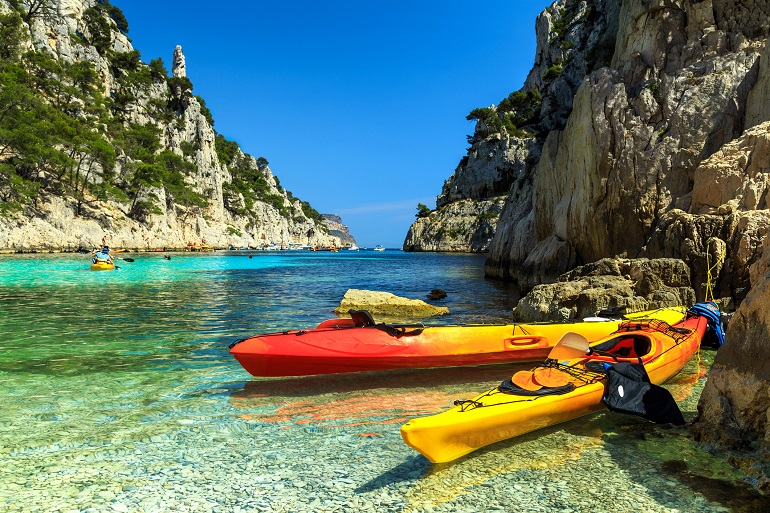
For a more active way to explore, kayaking or stand-up paddleboarding allows you to navigate narrow inlets and reach secluded beaches that larger boats cannot access. These activities provide an intimate connection with nature as you paddle through calm waters surrounded by towering cliffs.
Snorkelling and Swimming
The park’s protected marine environment makes it an excellent destination for snorkelling enthusiasts. Seagrass meadows teeming with marine life lie just beneath the surface, offering opportunities to spot fish species and other underwater wonders. Many calanques, such as Port-Pin and Sugiton, feature shallow waters perfect for snorkelling or simply enjoying a refreshing swim.
Rock Climbing: Scaling Limestone Cliffs
For thrill-seekers, Calanques National Park is renowned as one of Europe’s premier rock climbing destinations. The limestone cliffs offer routes for climbers of all levels, from beginners to experts. Popular climbing spots include En-Vau and Sormiou, where climbers can tackle challenging ascents while enjoying breathtaking views of the sea below. However, due to safety concerns and environmental preservation efforts, climbing should only be undertaken by experienced individuals or under the guidance of professional instructors.
Beaches: Relaxing Amidst Natural Beauty
While much of Calanques National Park is rugged and wild, it also offers tranquil spots where visitors can unwind by the sea:
- Port-Pin Beach: A small sandy cove surrounded by pine trees.
- Sormiou Beach: One of the largest calanques with calm waters ideal for families.
- En-Vau Beach: A pebble beach framed by dramatic cliffs – perfect for those seeking solitude.
Photography Opportunities
The dramatic landscapes of Calanques National Park make it a dream destination for photographers. From sunrise over Mont Puget to sunset reflections on turquoise waters at En-Vau, every corner offers picture-perfect moments.
Accommodation
The Calanques National Park offers a range of accommodation options for visitors seeking to immerse themselves in its stunning natural beauty. From rustic youth hostels to charming bed and breakfasts, there's something to suit every traveller's taste and budget.
Types of Accommodation
Youth Hostels
For budget-conscious travellers and outdoor enthusiasts, youth hostels provide a basic yet comfortable option. These hostels are often situated in isolated locations within the park, offering an authentic wilderness experience. Facilities typically include dormitory-style rooms, shared kitchens, and common areas for socialising with fellow adventurers.
Bed and Breakfasts
Those seeking a more intimate and comfortable stay can opt for bed and breakfasts. These accommodations are often found at the gateway to the Calanques, providing easy access to hiking trails and beaches. Many B&Bs boast stunning views of the Mediterranean Sea or the park's rugged landscape, and some feature charming Art Deco designs or traditional Provençal architecture.
Hotels
While limited in number within the park itself, hotels can be found in nearby towns such as Cassis and La Ciotat. These range from modest two-star establishments to luxurious five-star resorts, catering to various preferences and budgets.
Amenities and Features
Many accommodations in and around the Calanques National Park offer amenities tailored to outdoor enthusiasts:
- Secure parking for those arriving by car
- Luggage storage facilities
- Information on local hiking trails and activities
- Eco-friendly practices such as solar panels and rainwater collection
Booking and Availability
It's important to note that accommodation options within the park itself are limited, and demand can be high, especially during the peak season from June to September. Advance booking is strongly recommended, particularly for stays during the summer months.
Seasonal Considerations
The Calanques National Park experiences high fire risk during the summer, which can lead to access restrictions. When planning your stay, it's advisable to check the park's official mobile app or website for up-to-date information on accessibility and any potential closures.

Gastronomy
Local Specialities
The cuisine in and around the Calanques is heavily influenced by its coastal location and the traditions of the Provence region. Fresh seafood from the Mediterranean takes centre stage in many dishes, complemented by aromatic herbs, olive oil, and locally-grown vegetables that thrive in the sunny climate.
Some must-try local specialities include:
- Bouillabaisse: This iconic Provençal fish stew is a true representation of the region's seafood bounty.
- Soupe de poisson: A flavourful fish soup often served with rouille, a spicy mayonnaise-like sauce.
- Panisses: A local delicacy made from chickpea flour, typically served as crispy fritters.
- Pissaladière: A savoury tart topped with caramelised onions, olives, and anchovies.
- Aïoli: A garlicky mayonnaise served with vegetables and seafood.
Fresh Seafood
The proximity to the Mediterranean ensures an abundance of fresh seafood. Visitors can savour a variety of fish such as sea bass, sea bream, red mullet, and sardines. Shellfish lovers will delight in the offerings of mussels, oysters, and sea urchins, often served simply to highlight their natural flavours.
Provençal Influences
The culinary landscape also showcases the broader Provençal cuisine. Expect to find dishes featuring:
- Ratatouille: A vegetable stew that embodies the flavours of Provence.
- Tapenade: An olive spread often enjoyed as an appetiser.
- Daube: A hearty beef stew cooked in wine and herbs.
- Herbes de Provence: A blend of dried herbs that adds a distinctive flavour to many dishes.
Pizza and Italian Influences
Given the proximity to Italy, wood-fired pizzas have become a popular offering in the area, often featuring local ingredients and a Provençal twist.
Wines and Beverages
The region boasts excellent local wines, particularly crisp rosés that pair perfectly with seafood dishes. For a true taste of Marseille, try the anise-flavoured pastis as an apéritif.
Dining Experience
While there are no restaurants within the national park itself, the surrounding areas offer a range of dining options. From charming seaside cafes to cosy bistros, visitors can enjoy their meals with stunning views of the calanques.
Getting There and Around
Getting to the Calanques
From Marseille
The most convenient and eco-friendly way to access the Calanques from Marseille is by public transport.
By Bus:
- Take Metro Line 2 to Rond-Point du Prado station, then:
- Bus 19 to Madrague de Montredon, followed by Bus 20 to Les Goudes
- Bus 22 to Les Baumettes for Calanque de Morgiou
- Bus 23 to La Cayolle for Calanque de Sormiou
- From Castellane station:
- Bus B1 to Luminy for Calanque de Sugiton
By Sea Shuttle:
In summer, RTM operates sea shuttles from the Vieux-Port (Old Port) to Pointe Rouge and Les Goudes.
From Cassis
By Bus:
Take the M01 line from the railway station to the town centre, which is a 30-minute walk from the park entrance near Port-Miou calanque.
By Car:
Use the free Gorguettes park-and-ride and take a shuttle to the park entrance.
Exploring the Calanques
Hiking
The Calanques offer numerous hiking trails of varying difficulty. Popular routes include:
- Calanque de Port-Miou to Calanque d'En-Vau (about 2 hours one way)
- Sugiton viewpoint (Belvédère de Sugiton) and beach (3-4 hours round trip)
Always wear proper hiking boots, bring plenty of water, and protect yourself from the sun.
Boat Tours
Several companies offer boat trips from Marseille's Old Port or Pointe Rouge, providing a different perspective of the Calanques.
Cycling
Cycling is possible to most park entrances, with some routes featuring dedicated bike paths.
Important Considerations
- Car Access: Driving is not recommended due to limited parking and frequent road closures, especially in summer.
- Seasonal Restrictions: Some areas may be closed during high fire risk periods. Check the "My Calanques" app for current alerts.
- Environmental Protection: The Calanques National Park is a protected area. Respect the environment and follow all park regulations.
- Preparation: Always check weather conditions, bring appropriate gear, and inform others of your plans before setting out on hikes.

Best Time to Visit
Spring (April to June)
- Weather: Spring is an ideal time to visit the Calanques, with mild temperatures ranging from 15°C to 22°C (59°F to 72°F), making it perfect for hiking and exploring the trails.
- Crowds: The park is less crowded compared to the peak summer months, allowing for a more peaceful experience.
- Scenery: The landscape is vibrant with wildflowers in bloom, adding a splash of colour to the scenery.
Early Autumn (September to October)
- Weather: The temperatures remain pleasant, with the Mediterranean waters still warm enough for swimming and water sports.
- Crowds: The summer crowds have dissipated, providing a tranquil atmosphere for visitors.
- Activities: The milder temperatures make outdoor activities such as rock climbing and kayaking more comfortable.
Summer (June to August)
- Weather: Summers can be very hot, with temperatures often reaching highs of over 30°C (86°F).
- Crowds: The park is at its busiest during this period, which can detract from the experience.
- Access Restrictions: Due to high fire risks, access to certain areas may be restricted, and car traffic is often closed.
Winter (October to May)
- Weather: Winters are cooler and quieter, but strong winds and cold weather can make hiking challenging.
- Access: While the park remains open, some facilities and guided tours may be limited during the off-peak season.
In summary, spring and early autumn are the best times to visit Calanques National Park for optimal weather conditions and fewer crowds. If you prefer warmer waters and are prepared for crowds, June and September can also be good options. Always check for access restrictions and weather updates before planning your trip.

Conservation and Responsible Tourism
The Calanques National Park is an exceptional area, known for its breathtaking landscapes and rich biodiversity, but facing significant challenges due to its popularity and proximity to urban areas. To preserve this unique environment, the park authorities have implemented various conservation measures and encourage responsible tourism practices.
Conservation Efforts
The Calanques National Park employs strict regulations and management strategies to protect its delicate ecosystems:
- Environmental Policing: The park utilises both administrative and judicial policing tools to prevent and punish violations that could harm the environment. This includes combating pollution, protecting natural spaces, and preserving the coastline and marine environments.
- Habitat Restoration: Efforts are underway to restore and manage coastal habitats listed in the EU Habitats Directive. This includes recreating hiking paths to alleviate tourist pressure and reinforcing populations of endangered plant species.
- Visitor Management: The park has developed a comprehensive visitor strategy to organise sustainable tourism, balancing environmental protection with social and economic considerations.
Responsible Tourism Guidelines
Visitors to the Calanques National Park are encouraged to follow these guidelines to minimise their impact:
- Leave No Trace: Bring back all waste and sort it properly, as there are no rubbish bins in the park.
- Respect the Soundscape: Avoid playing music or making loud noises to preserve the natural ambiance and protect wildlife.
- Stay on Marked Trails: This helps prevent erosion and protects fragile habitats.
- Prepare Adequately: Bring sturdy footwear, sun protection, and at least 1.5 litres of water per person for a half-day walk.
- Be Fire Aware: Check for potential park closures during high fire risk periods, typically from 1 June to 30 September.
- Choose Eco-friendly Transport: Consider using hybrid-electric boats for sea excursions to reduce environmental impact.
By adhering to these guidelines, visitors can help protect the park's natural beauty and ensure its preservation for future generations.
Sustainable Tourism Initiatives
The park is implementing several initiatives to promote sustainable tourism:
- Visitor Flow Management: Efforts are being made to keep motorised vehicles away from sensitive areas and encourage visitors to explore the park on foot.
- Education and Awareness: The park aims to deepen its understanding of visitors' expectations and influence their behaviour during peak periods.
- Eco-friendly Services: Some tour operators, like Eco-Calanque, use hybrid-electric boats and adopt environmentally friendly practices.
By balancing conservation efforts with responsible tourism practices, the Calanques National Park strives to protect its unique ecosystems while allowing visitors to experience its natural wonders. As a visitor, your cooperation in following these guidelines is crucial in preserving this remarkable natural heritage.

Visitor Centres and Educational Facilities
Visitor Centres
The park's first dedicated visitor centre is set to open soon in La Ciotat, housed in an emblematic 18th-century country house once owned by legendary actor Michel Simon. This centre will feature:
- A museum area
- Guided tours
- Discovery itineraries
- School workshops
- Activities and film screenings
- A space dedicated to Michel Simon's memory
The restoration of this historic site is currently underway, with plans to refit interior spaces and redevelop the surrounding hiking trails.
Additional visitor centres are being planned for the Marseille side of the National Park to welcome visitors from that entrance.
Educational Facilities and Programmes
Éducalanques Network
The Calanques National Park has established the Éducalanques network, which brings together environmental education organisations and institutional partners to create educational projects. This network offers:
- Multi-sensory outings and participatory sites exploring the park's agricultural past
- Interactive frescoes for exploring biotopes, local flora, and fauna
- Tools for discovering industrial heritage
- Participatory science programmes for coastal biodiversity
- Thematic walks led by mountain guides
School Partnerships
The park offers several educational programmes for schools:
- "À l'école des Calanques" programme: Provides free educational support for primary school classes, including classroom interventions and field trips.
- Marine and Terrestrial Educational Areas: Seven schools participate in these programmes, which involve students in managing and studying specific areas within the park.
KEDGE Business School Campus
For higher education, the KEDGE Business School Luminy campus is located within the Calanques National Park. This modern, eco-friendly facility spans 21,000 m² and offers:
- 57 classrooms
- 6 lecture theatres, including a unique outdoor theatre
- 2 hubs and 22 "brain bubbles" for collaborative work
- Spaces for 22 student associations
These visitor centres and educational facilities provide excellent opportunities to learn about and engage with the Calanques National Park's rich biodiversity, cultural heritage, and environmental challenges.