|
|
|
Sights and tourist attractions in London
|
Clickable Tourist Map of Central London
Note that dots, castle icons and national parks are not clickable on the mobile version. Please use the desktop version for optimal navigation. Central London tube map overlayed on districts map by Peter Fitzgerald, OpenStreetMap, DavidCane, and Ed g2s. Colours modified, neighbourhood divided and named, and small parks and tourist locations added by Maciamo (Eupedia.com). CC BY-SA 4.0. Main neighbourhoods in Central London
| The City |
|---|
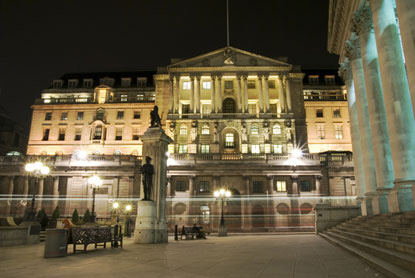
The City (Square Mile) – London's historic and financial heart, founded by Romans as Londinium in 47 CE. This 1.12-square-mile district houses iconic landmarks including St Paul's Cathedral, the Tower of London, the Bank of England, and ancient Roman Wall remains, blending medieval heritage with modern skyscrapers.
|
| Westminster |
|---|
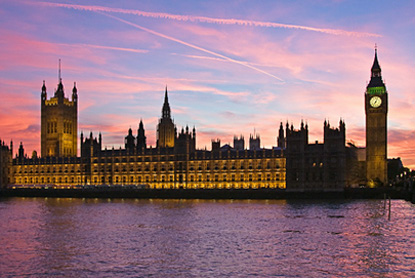
Westminster is London's historic political and royal heart, home to the Palace of Westminster with its iconic Big Ben, Westminster Abbey where monarchs are crowned, and Buckingham Palace. This Thames-side district contains more historic landmarks per square metre than almost anywhere in Britain.
|
| Soho |
|---|
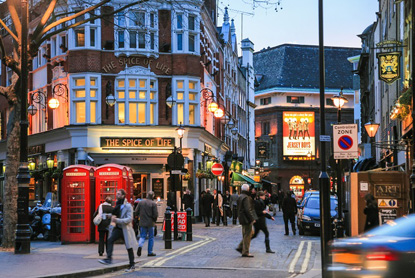
London's iconic entertainment quarter in the West End, Soho buzzes with diverse restaurants, lively bars, West End theatres, and historic music venues. This bohemian square mile hosts the capital's LGBTQ+ village, trendy Carnaby Street shopping, and Chinatown's vibrant dining scene.
|
| Mayfair |
|---|

Mayfair is one of London's most exclusive neighbourhoods, famed for its Georgian architecture, world-class shopping on Bond Street, Michelin-starred dining, and elegant garden squares. This prestigious West End district exudes timeless sophistication and luxury.
|
| Belgravia |
|---|

One of London's most exclusive neighbourhoods, Belgravia features elegant Regency architecture, pristine white stucco townhouses, and tranquil garden squares. Located near Buckingham Palace, this sophisticated district offers luxury boutiques, world-class dining, and charming mews streets.
|
| Notting Hill |
|---|

A vibrant West London district famed for its pastel-coloured Victorian houses, world-renowned Portobello Road Market, and Europe's largest street festival—Notting Hill Carnival. This cosmopolitan neighbourhood offers charming mews streets, boutique shops, and a thriving cultural scene.
|
| Bloomsbury |
|---|

Bloomsbury, London's intellectual and literary heart, is home to the British Museum, University College London, and elegant Georgian garden squares. This historic West End district retains its Bloomsbury Group heritage, offering world-class museums, bookshops, and village charm in central London.
|
| South Bank |
|---|

South Bank is a vibrant cultural quarter along the Thames, home to the Royal Festival Hall, National Theatre, and London Eye. This pedestrianised riverside stretch offers world-class arts venues, lively street performers, cafés, and stunning views across the river to Westminster.
|
| Southark |
|---|
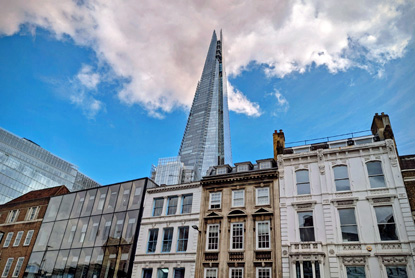
Southwark sits on the south bank of the Thames, opposite the City of London. This historic district is home to iconic attractions including The Shard, Tate Modern, Shakespeare's Globe, and Borough Market, blending medieval heritage with modern riverside culture.
|
Major Streets & Squares
|
Trafalgar Square |
|---|
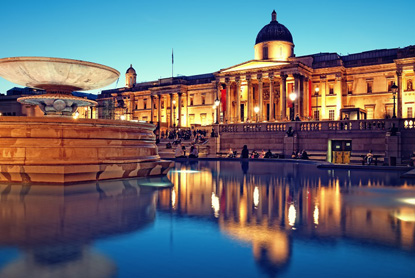
London's most iconic public square in Westminster, commemorating the 1805 Battle of Trafalgar. Dominated by Nelson's Column and Landseer's bronze lions, it's flanked by the National Gallery and St Martin-in-the-Fields, with vibrant fountains and the Fourth Plinth's contemporary art. A hub for celebrations, demonstrations, and events, including Norway's annual Christmas tree.
|
|
Piccadilly |
|---|

Piccadilly is a lively and historic thoroughfare at the heart of London's West End, known for its grand architecture, iconic landmarks like Piccadilly Circus, luxury hotels, and distinguished shops. It serves as a bustling gateway to theatres, galleries, and vibrant city life.
|
| Regent Street |
|---|

Elegant West End shopping street designed by John Nash in 1819 and named after Prince Regent George IV. Runs from Piccadilly Circus through Oxford Circus, featuring world-renowned flagship stores like Liberty and Hamleys amid stunning Grade II listed architecture.
|
| Oxford Street |
|---|

Europe's busiest shopping street, running 1.5 miles from Marble Arch to Tottenham Court Road through the West End. Home to over 300 shops including iconic department stores like Selfridges and John Lewis, attracting millions of visitors annually with unrivalled high-street and flagship retail.
|
| The Strand |
|---|

Historic thoroughfare connecting the City and Westminster since medieval times. Once lined with grand riverside mansions, now home to iconic landmarks including Somerset House and the Savoy, plus historic shops like Twinings. A commercial and cultural heart of London for centuries.
|
| Whitehall |
|---|
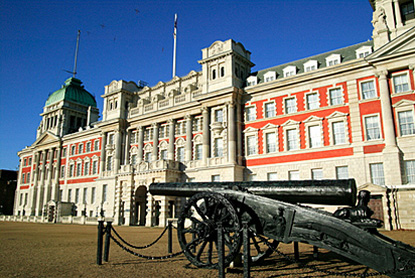
The historic thoroughfare stretching from Trafalgar Square to Parliament, serving as Britain's governmental heart for centuries. Home to key ministries, Banqueting House, Horse Guards Parade, and Downing Street, where prime ministers have resided since 1732. The name derives from the former royal palace destroyed by fire in 1698.
|
Main Landmarks
The City
|
Tower of London |
|---|

Historic fortress on the Thames housing the Crown Jewels, guarded by iconic Beefeaters and resident ravens. This UNESCO World Heritage Site offers 1,000 years of royal history, from palace to prison, with fascinating tales of executions and intrigue.
|
|
Tower Bridge |
|---|

London's iconic Victorian bascule bridge spanning the Thames, featuring twin Gothic towers and glass walkways offering spectacular river views. Built in 1894, this architectural marvel still raises its roadway for passing vessels whilst housing fascinating exhibitions about its engineering heritage.
|
| Guildhall |
|---|

Built in 1411, Guildhall is the City's only surviving medieval secular building and remains its ceremonial heart. The magnificent Great Hall hosted famous state trials, including Lady Jane Grey's, and survived both the Great Fire of London and the Blitz.
|
Southwark & South Bank
| The Shard |
|---|
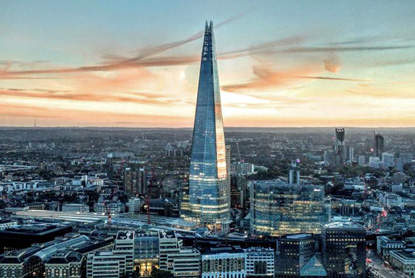
Western Europe's tallest building at 310 metres, the Shard is a striking glass-clad pyramid designed by Renzo Piano. This 95-storey landmark beside London Bridge offers panoramic views from its 72nd-floor observation deck, whilst housing offices, restaurants, the Shangri-La Hotel and luxury flats.
|
| The Globe Theatre |
|---|

Iconic open-air reconstruction of Shakespeare's legendary 1599 playhouse on Bankside. This faithful 360° wooden amphitheatre presents the Bard's classics and Renaissance drama as Elizabethan audiences experienced them, with standing groundlings and galleries open to the elements.
|
| The London Eye |
|---|

The London Eye is a giant observation wheel on the South Bank offering breathtaking panoramic views across the capital from enclosed glass capsules rotating 135 metres above the Thames. One of London's most recognisable landmarks and popular attractions since its opening in 2000.
|
Westminster
| Houses of Parliament |
|---|

The iconic Gothic Revival palace housing the UK Parliament alongside the Thames. Its instantly recognisable façade and famous Clock Tower dominate Westminster's skyline. Visitors can tour both chambers, witness debates, and explore over 1,000 years of British parliamentary history.
|
| Big Ben |
|---|

Big Ben, the iconic clock tower of the Palace of Westminster, stands as London's most recognisable landmark. Officially named Elizabeth Tower, its Gothic Revival architecture and famous hourly chimes have marked time over the capital since 1859.
|
| Little Ben |
|---|

A charming miniature replica of Big Ben outside Victoria Station. This ornate cast-iron clock tower, erected in 1892, serves as a popular meeting point and photo opportunity. Though modest in size compared to its famous namesake, Little Ben remains an endearing Victorian landmark.
|
Other Areas
| Covent Garden |
|---|

A vibrant West End district centred around a historic covered market. Famous for luxury shopping, world-class dining, street performers, and the Royal Opera House. The iconic Piazza, colourful Neal's Yard and Seven Dials offer independent boutiques and lively entertainment.
|
| Millennium Bridge |
|---|

An elegant steel suspension footbridge linking St Paul's Cathedral with Tate Modern across the Thames. Opened in 2000, it was London's first new pedestrian bridge in over a century and provides stunning, unobstructed views of the cathedral and riverside.
|
| Royal Albert Hall |
|---|

Iconic Victorian concert hall opened by Queen Victoria in 1871 in memory of Prince Albert. The magnificent domed venue hosts over 390 events annually, including classical concerts, rock and pop performances, ballet, opera, and the famous BBC Proms every summer since 1941.
|
Royal Palaces
|
Buckingham Palace |
|---|

Buckingham Palace, the monarch's official London residence in Westminster, is a working royal palace famed for its grand State Rooms (open in summer) and the Changing of the Guard, a timeless spectacle drawing crowds to its gilded gates and the Victoria Memorial.
|
| Kensington Palace |
|---|
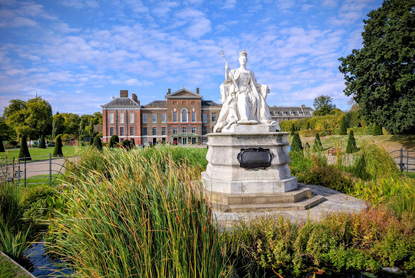
Historic royal residence in Kensington Gardens, birthplace of Queen Victoria and home to young royals for over 300 years. Explore opulent State Apartments featuring works by William Kent, walk the King's and Queen's galleries, and discover intimate stories of monarchs from William and Mary to Diana, Princess of Wales.
|
| Hampton Court Palace |
|---|

Magnificent Tudor palace transformed by Henry VIII, later enhanced with Baroque splendour by William III. Features the Great Hall, famous maze, beautiful gardens, and opulent state apartments. The king brought all six wives to this Thames-side residence.
|
Stately Homes
| Apsley House |
|---|
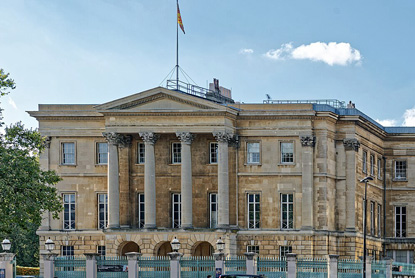
The Duke of Wellington's former London residence at Hyde Park Corner, known as 'Number One, London'. This neoclassical townhouse showcases dazzling interiors, the Wellington Collection of fine art, and the magnificent Waterloo Gallery celebrating Britain's victory.
|
| Spencer House |
|---|

Amongst London's finest surviving Georgian townhouses, built 1756-66 for the 1st Earl Spencer. This magnificent mansion overlooking Green Park pioneered neoclassical architecture in London, with lavish state rooms featuring authentic Greek details and sumptuous period interiors.
|
| Osterley House & Park |
|---|

A magnificent Georgian country estate in West London featuring Robert Adam's neoclassical interiors and extensive parkland. One of the capital's last surviving country estates, this National Trust property offers formal gardens, lakes, and 18th-century grandeur.
|
| Chiswick House |
|---|
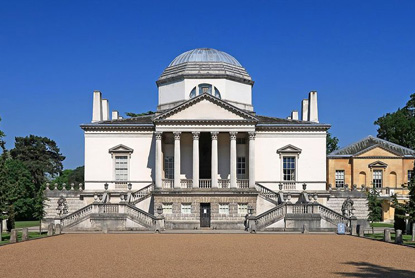
Chiswick House is a pioneering 18th-century Neo-Palladian villa in west London, set amid gardens that inspired the English Landscape Movement. Built by the 3rd Earl of Burlington, it blends Italian elegance and British innovation in architecture and design.
|
| Ham House |
|---|
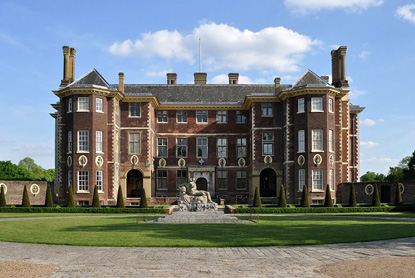
Ham House is a lavish 17th-century mansion by the Thames in Richmond, famed for its opulent Stuart interiors and formal gardens. Richly preserved, it reflects the grandeur and intrigue of Restoration-era court life, offering an atmospheric historical retreat
|
| Kenwood House |
|---|

Kenwood House is an elegant neoclassical villa on Hampstead Heath, renowned for its stunning Adam interiors and the Iveagh Bequest art collection featuring works by Rembrandt and Vermeer. Surrounded by tranquil parkland, it's a peaceful London cultural gem.
|
| Gunnersbury Park Museum |
|---|

Gunnersbury Park Museum, housed in a Georgian mansion amid 72 hectares of parkland, showcases the rich heritage of Ealing and Hounslow through diverse collections, including local history, fashion, and industry, with over 50,000 fascinating objects on display.
|
| Strawberry Hill House |
|---|
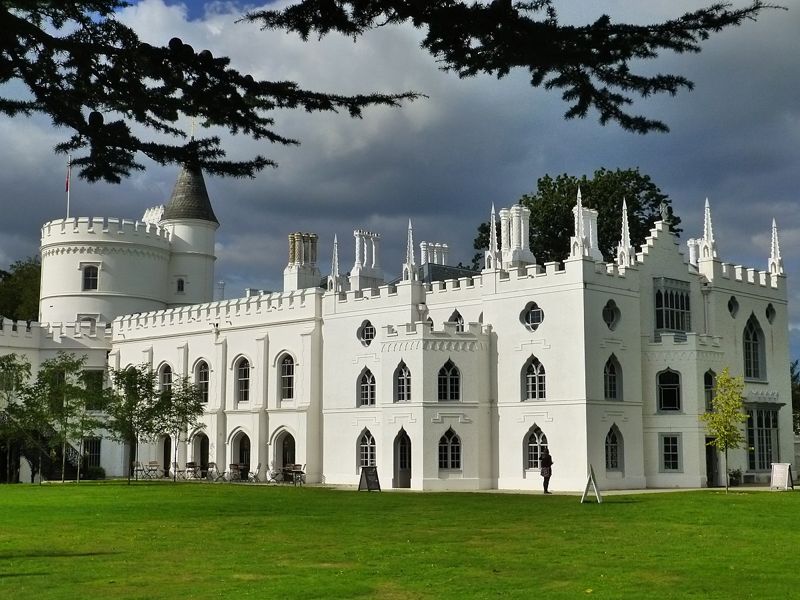
Strawberry Hill House in Twickenham is a dazzling Gothic Revival villa created by Horace Walpole in the 18th century. Renowned for its whimsical turrets and dramatic interiors, it pioneered Gothic taste and remains a magical highlight for lovers of architecture and history.
|
| Syon House |
|---|

Syon House, nestled in Syon Park, is the opulent London home of the Duke of Northumberland. Boasting Robert Adam’s celebrated classical interiors and a rich 600-year history, it features landscaped gardens and a magnificent domed conservatory.
|
Religious Buildings
|
St Paul's Cathedral |
|---|

Sir Christopher Wren's stunning baroque masterpiece, crowned by one of London's most iconic domes. This working cathedral has hosted royal weddings and state funerals, offering breathtaking views from its galleries and famous whispering gallery acoustics.
|
|
Westminster Abbey |
|---|

Gothic architectural masterpiece and coronation church since 1066, Westminster Abbey houses royal tombs, the shrine of St Edward the Confessor, and memorials to Britain's greatest poets, scientists, and statesmen. This UNESCO World Heritage Site embodies over 1,000 years of history.
|
|
Westminster Cathedral |
|---|
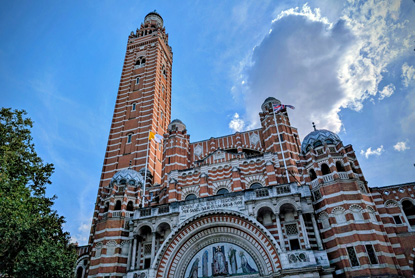
Britain's principal Roman Catholic church, built 1895–1903 in striking neo-Byzantine style. The dramatic red brick and Portland stone exterior houses a vast interior adorned with glittering mosaics and marble. Climb the campanile tower for panoramic city views.
|
| Southwark Cathedral |
|---|
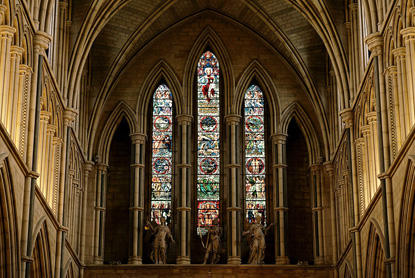
Ancient Gothic cathedral near London Bridge, dating from 606 CE. Originally the Augustinian priory of St Mary Overie, it showcases a splendid 13th-century retrochoir, stunning stained glass, and Shakespeare heritage—the playwright's brother Edmund lies buried within.
|
| Shri Swaminarayan Mandir |
|---|

Britain's first authentic Hindu temple, opened in 1995 in Neasden. Hand-carved from Italian marble and Bulgarian limestone by 1,500 sculptors, it features intricate stonework, seven pinnacles and ornate domes, built entirely without steel using traditional methods.
|
| Shri Sanatan Mandir |
|---|

An ornate Hindu temple in Wembley featuring intricate hand-carved Indian limestone. Completed in 2010 after 14 years of construction, it houses 41 deities across elaborately decorated shrines. The striking architecture with domed spires reaches 66 feet high.
|
Parks & Gardens
|
St James's Park |
|---|
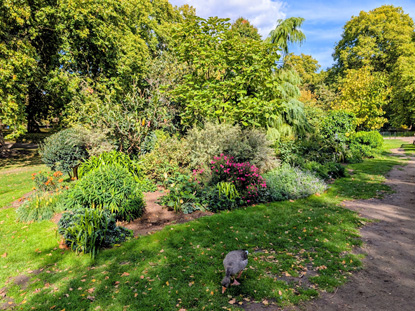
London's oldest Royal Park, St James's Park offers 57 acres of serene beauty bordered by Buckingham Palace, The Mall, and Horse Guards Parade. Enjoy spectacular lake views, famous resident pelicans since 1664, and vibrant flowerbeds in the heart of ceremonial London.
|
| Hyde Park |
|---|
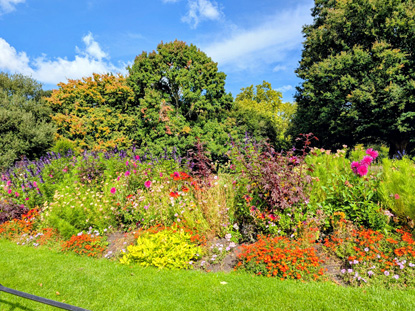
London's largest Royal Park, Hyde Park spans 350 acres of historic green space in Westminster, featuring the Serpentine lake, Speakers' Corner, and memorials including the Diana Fountain. Established by Henry VIII in 1536, it hosts events, concerts, and Winter Wonderland.
|
| Kensington Gardens |
|---|

One of London's eight Royal Parks, this 265-acre royal garden adjoining Kensington Palace features the Serpentine's Long Water, Peter Pan statue, Albert Memorial, Italian Gardens, and the Diana Memorial Playground amidst tree-lined avenues and flower walks.
|
| Green Park |
|---|
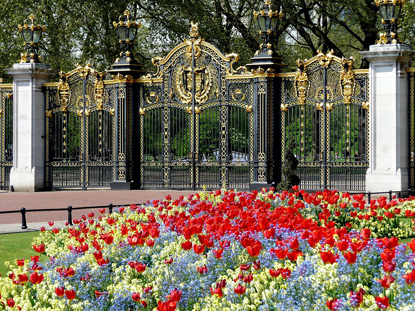
One of London's eight Royal Parks, Green Park is a tranquil 40-acre space nestled between Hyde Park and St James's Park near Buckingham Palace. Distinguished by its simplicity—no formal flowerbeds, lakes, or buildings—the park features mature trees, grassland, and three war memorials.
|
| Regent's Park |
|---|

One of London's eight Royal Parks, Regent's Park spans 410 acres in north-west London with elegant Nash-designed terraces, Queen Mary's Gardens featuring 12,000 roses, an ornamental lake, London Zoo, and sports facilities, all framed by the Regent's Canal.
|
| Holland Park |
|---|
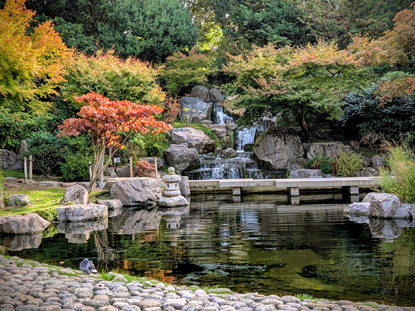
A tranquil 54-acre Kensington oasis combining semi-wild woodland, formal gardens, and the romantic ruins of war-damaged Holland House. Features include the serene Kyoto Japanese Garden with koi carp, resident peacocks, an orangery, and summer opera performances.
|
| Royal Botanic Gardens |
|---|

The Royal Botanic Gardens in Kew are a UNESCO World Heritage Site in south-west London spanning 132 hectares with over 50,000 living plants. Housing the world's most diverse botanical collections, the gardens feature iconic Victorian glasshouses, 14,000 trees, and historic landmarks including the Great Pagoda.
|
| Battersea Park |
|---|

Battersea Park is a 200-acre Victorian riverside park offering a tranquil retreat with tree-lined avenues, ornamental gardens, and sweeping Thames views. The centrepiece Buddhist Peace Pagoda, built in 1985, provides a striking focal point with its golden statues and serene atmosphere. The park features a boating lake, children's zoo, and sports facilities.
|
| Richmond Park |
|---|
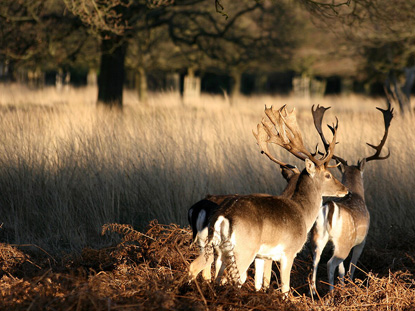
London's largest Royal Park, spanning 2,500 acres of ancient woodland, rolling grassland, and reed-fringed ponds. Home to over 600 red and fallow deer roaming freely since 1637, this National Nature Reserve offers walking trails, the Isabella Plantation's azaleas, and views to St Paul's from King Henry's Mound.
|
Department Stores
| Selfridges |
|---|

Magnificent Oxford Street landmark opened in 1909, revolutionising British retail by transforming shopping into entertainment. The grand Daniel Burnham-designed building is Britain's second-largest shop, renowned for innovative window displays, luxury fashion, beauty, and exceptional service.
|
| Harrods |
|---|

Europe's largest and most famous luxury department store, established in 1849 in Knightsbridge. With over 330 departments across seven floors, Harrods is renowned for its ornate green-and-gold façade, spectacular Food Halls, and comprehensive range of designer goods.
|
| Liberty |
|---|
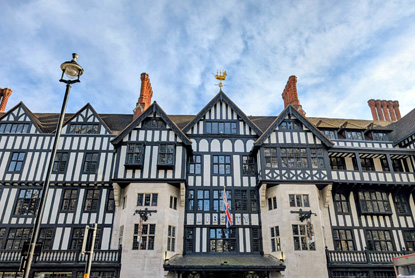
Iconic luxury department store housed in a magnificent mock-Tudor building built from reclaimed ship timbers. Founded in 1875, Liberty is world-renowned for its bold floral Liberty prints, designer collaborations, and curated collections of fashion, homewares and beauty from prestigious brands.
|
Top Museums & Art Galleries
| British Museum |
|---|
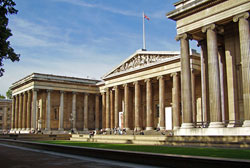
The British Museum houses extraordinary treasures spanning human civilisation. From Egyptian mummies to the Rosetta Stone, this Bloomsbury landmark offers free access to world-class galleries showcasing art and artefacts from every continent across 6,000 years of history.
|
| Victoria & Albert Museum |
|---|

The world's largest museum of applied and decorative arts, housing extraordinary collections of fashion, sculpture, ceramics, photography, and design spanning 5,000 years. Located in South Kensington, the V&A showcases treasures from ancient to contemporary.
|
| Wallace Collection |
|---|

A nationally renowned free museum housed in a historic Manchester Square townhouse, showcasing exceptional 18th-century French paintings, furniture, Sèvres porcelain, Old Master works, and one of Britain's finest armouries, bequeathed to the nation in 1897.
|
| National Gallery |
|---|

Located on Trafalgar Square, the National Gallery houses over 2,300 Western European paintings spanning the 13th to 19th centuries. The collection includes masterpieces by Van Gogh, Leonardo da Vinci, Turner and Rembrandt, with free admission offered daily.
|
| National Portrait Gallery |
|---|
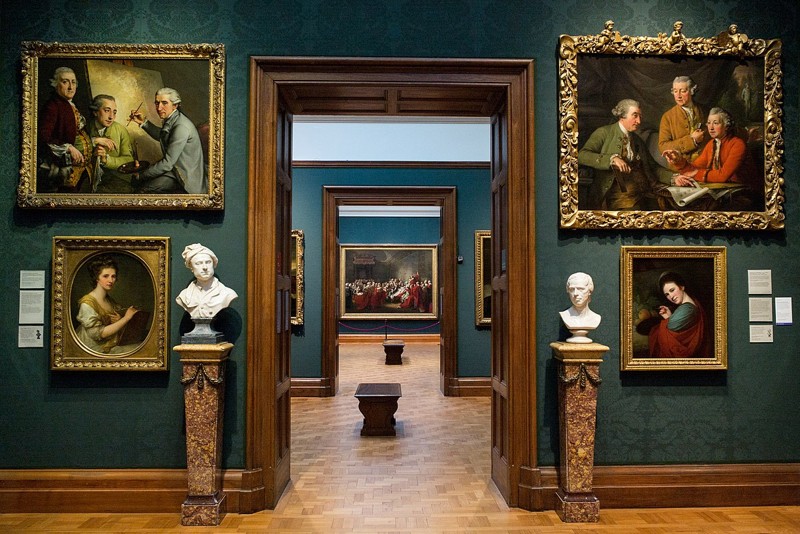
Britain's story told through portraits of historically significant figures from the Tudor era to today. Founded in 1856, this world-renowned gallery houses over 215,000 portraits in all media, off Trafalgar Square. Entry is free.
|
| Tate Britain Museum |
|---|
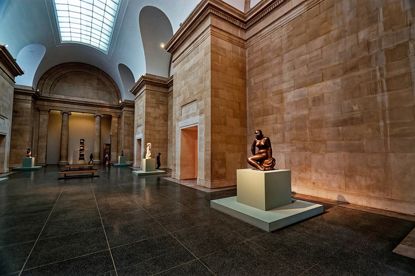
Britain's premier national gallery of British art, displaying five centuries of work from Tudor times to the present day. Located in a neoclassical building on Millbank, it houses the world's largest J.M.W. Turner collection and hosts the annual Turner Prize. Free admission.
|
| Natural History Museum |
|---|
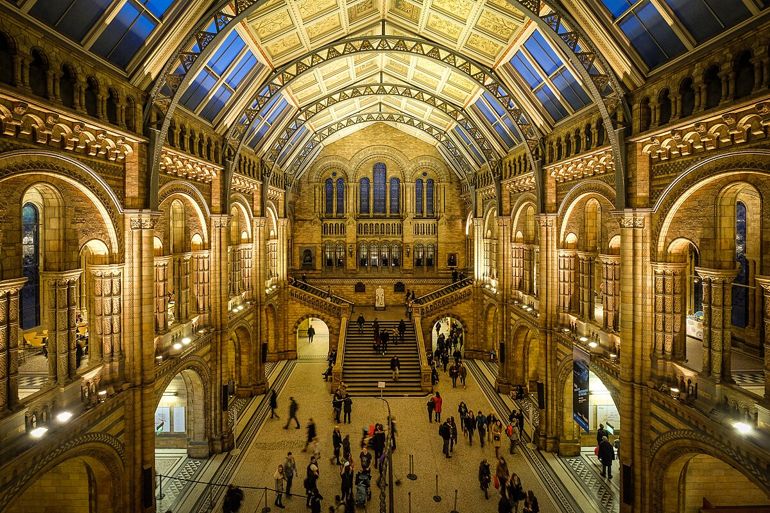
World-renowned museum housing spectacular collections of natural history specimens, from dinosaur skeletons to rare gems. The magnificent Victorian building features the iconic blue whale, Darwin Centre, and interactive galleries exploring life sciences and Earth's evolution.
|
| Science Museum |
|---|
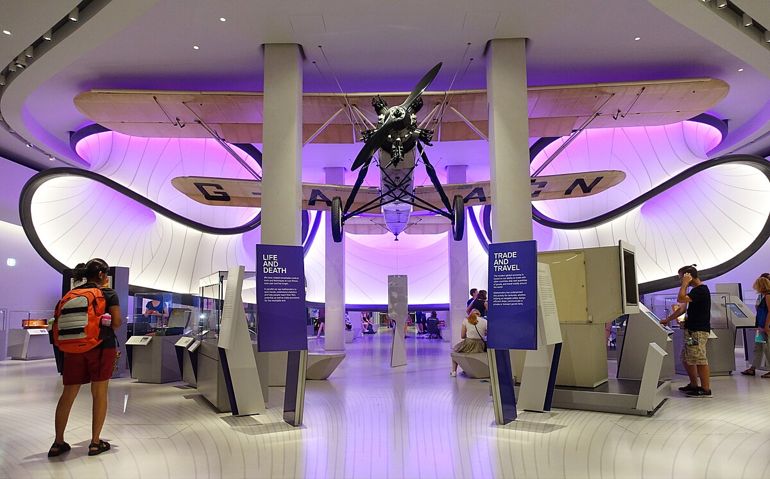
South Kensington's celebrated science museum showcases centuries of innovation through award-winning exhibitions and iconic objects, from Puffing Billy steam locomotive to the Apollo 10 command module. Free interactive galleries explore space, medicine, mathematics and industrial heritage.
|
| Imperial War Museum |
|---|
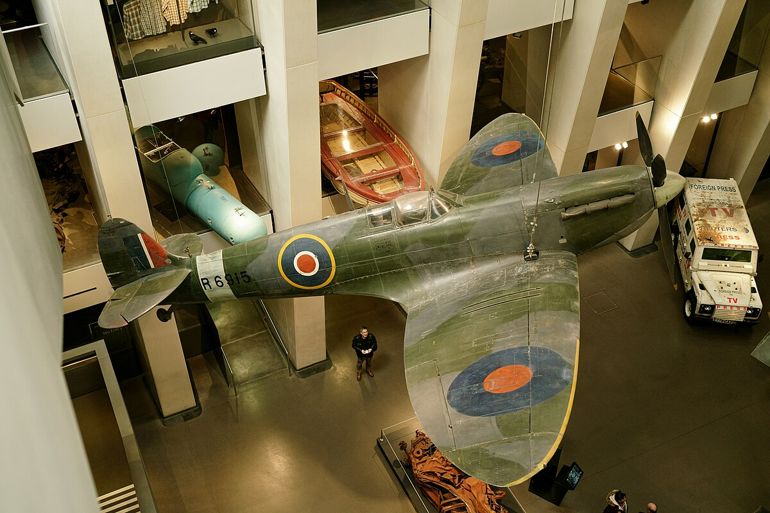
Britain's premier war museum housed in a Georgian former hospital in Southwark. Explores conflicts from 1914 to the present through dramatic displays of military hardware, aircraft, and tanks, alongside moving personal testimonies. Free galleries cover WWI, WWII, and the Holocaust.
|
|


