


 Ireland Guide
 Scotland Guide
 Wales Guide
| Contents |
|---|

Introduction
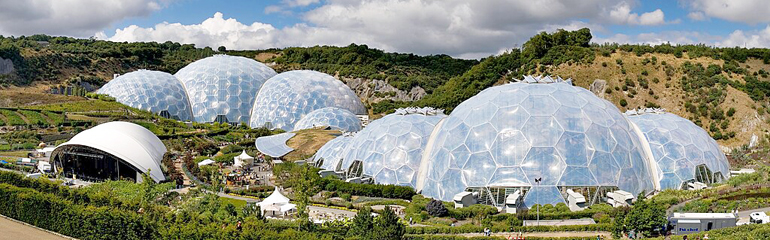
The Eden Project is a visitor attraction in Cornwall, England, set within a reclaimed 15-hectare china clay pit near St Blazey. It opened to the public in March 2001 and comprises two vast biomes—an indoor rainforest covering 1.56 ha, the largest in the world, and a 0.65 ha Mediterranean biome—constructed from geodesic steel frames clad in ETFE panels. Beyond these climate-controlled domes, the site features 20 acres of outdoor gardens showcasing over 3,000 plant species native to temperate regions, alongside educational galleries, art installations and facilities for visitors. Designed by Grimshaw Architects and operated as an educational charity and social enterprise, the Eden Project explores the relationship between plants, people and resources through exhibitions, workshops and themed events.
Activities and Attractions
The Iconic Biomes
Rainforest Biome
The Rainforest Biome is the Eden Project’s signature attraction and the largest indoor rainforest in the world. As you enter, you are enveloped by steamy air and lush plant life. Journey through distinct zones representing Southeast Asia, West Africa, and South America, each teeming with exotic trees, vibrant flowers, and sensory-heavy pathways.
- Canopy Walkway: Ascend into the treetops on the elevated walkway for panoramic views. Mist spritzers mimic clouds, butterflies flit between foliage, and informative stations detail jungle ecology.
- The Waterfall: Marvel at a man-made waterfall, showcasing the importance of rainforests in the water cycle and providing photo opportunities.
- Rainforest Platform: From this lookout, take in the expanse of the biome below, appreciate the scale of the rainforest, and spot banana and cocoa trees, giant bamboo, and palms.
Mediterranean Biome
Eden's Mediterranean Biome features balmy temperatures, sun-dappled terraces, and the aromas of citrus, olives, and herbs.
- Mediterranean Landscapes: Stroll through landscapes inspired by Southern Europe, California, South Africa, and Western Australia. Discover groves of cork oak and vines, beds of lavender, and dramatic displays of succulents.
- Seasonal Events: The biome often hosts food and wine tastings, music performances, and Mediterranean-themed festivities, immersing visitors in the region’s vibrant culture.
- Art and Sculpture: Spot sculptures that interpret myths and legends from across the Mediterranean basin, adding layers of culture and folklore to the garden displays.
Outdoor Gardens and Natural Spaces
Step outside and explore 30 acres of gardens:
- Contemporary Borders: Carefully curated beds burst with colour, from wildflowers in the summer to autumn grasses and late annuals.
- Useful Plants Collection: Discover plants that have shaped human history, from tea and rubber to hops and sunflowers.
- Pollinator Paths: Follow trails that highlight the importance of bees and butterflies, dotted with insect hotels and wildflower meadows.
- Outdoor Art Installations: Wander amongst striking sculptures and land art, each reflecting themes of ecology and sustainability.
- Global Gardens: See how people around the world use plants for food, medicine, shelter, and cultural traditions.
Nature’s Playground
Perfect for families, Nature’s Playground is a creatively designed adventure zone built from natural materials.
- The Nest: A huge woodland climbing frame with slides, scramble nets, and tunnels.
- Sand and Water Play: Younger children can splash or build, engaging with elemental play.
- Sensory Trails: Features such as stepping logs, musical installations, and storytelling spaces connect children to the environment.
Educational Exhibitions and Learning Experiences
The Core Building and Invisible Worlds
The Core, Eden’s unique education centre, hosts the Invisible Worlds exhibition, focusing on the hidden forces that underpin life on Earth.
- Infinity Blue: An immense ceramic sculpture emits scented rings of mist, celebrating cyanobacteria and their role in supporting life.
- The Seed: A granite sculpture carved with over a thousand spirals, representing mathematical patterns found in nature.
- Interactive Exhibits: Engage with installations about microorganisms, planetary cycles, and the interconnectedness of ecosystems.
- Workshops and Talks: Regular talks, creative workshops, and live demonstrations encourage visitors of all ages to engage in hands-on science and art.
Adventure Activities at Hangloose Adventure Centre
Within Eden’s outdoor grounds, Hangloose Adventure Centre offers adrenaline-packed experiences:
- SkyWire: Fly England’s fastest zip wire at dramatic heights above the biomes, reaching up to 60mph.
- Gravity Giant Swing: Experience a thrilling, free-falling sensation on the giant swing, suitable for teens and adults.
- Aerial Trekking: Tackle obstacle courses and rope bridges high above the ground.
- Freefall Jump: Jump from a platform onto a soft landing, enjoying the exhilaration of weightlessness.
- Climbing and Base Jumping: Challenge yourself with climbing walls and simulated freefall.
Art, Culture, and Entertainment
Contemporary Art
Sculptures, installations, and commissioned artworks are woven throughout Eden, designed to provoke thought about ecological themes.
- Natural Sculptures: Works such as the Bee, Core’s stone Seed, and willow creatures blend art with nature, sparking conversations about conservation.
- Temporary Installations: Eden often partners with leading artists to display imaginative works inspired by the site’s themes.
The Eden Sessions
One of the UK’s most unique concert venues, the Eden Project hosts annual summer gigs featuring top bands and solo artists.
- World-famous acts have graced the stage, with biomes lit up as a magical backdrop.
- Concerts are an immersive experience, regularly attracting music fans from across the country.
Seasonal Events and Festivals
Eden’s events calendar is filled with creative programming for all ages:
- Winter Festivities: Ice skating, Christmas markets, light displays, and festive performances transform Eden into a winter wonderland.
- School Holidays: Special workshops, themed trails, and interactive exhibits keep families entertained and curious.
- Harvest and Easter: Food festivals, plant fairs, and storytelling mark the growing seasons, offering tastes and traditions from around the world.
Guided Tours and Premium Experiences
- Daily Tours: Free tours led by expert guides offer stories about plant life, ecosystems, and the Eden Project’s environmental mission.
- Behind-the-Scenes Experiences: Bookable premium tours go deeper into the site’s horticultural work, the global importance of featured plants, and Eden’s conservation projects.
- Specialist Talks: From beekeeping to rainforests, a rolling schedule of specialist talks gives unique angles on the collections.
Family-Friendly Activities
- Early Years Experiences: Eden’s under-fives programme includes sensory play, storytelling, singalongs, and baby yoga.
- Hands-On Exhibits: Children can smell spices, touch rubber, press olives, and follow interactive trails that explain where everyday ingredients come from.
- Educational Programmes: Themed sessions during school holidays focus on sustainability, recycling, the food chain, and protecting the planet.
- Creative Workshops: Activities like bug hotel building, seed planting, and nature crafts make learning about the environment fun and memorable for all abilities.
Food, Shops, and Facilities
- Cafés and Restaurants: Eat in the Mediterranean Biome, rainforest-themed cafés, or stylish undercover pavilions, all serving fresh, locally sourced meals with vegan and gluten-free options available.
- Plant and Gift Shops: Find eco-friendly gifts, plants to grow at home, and sustainable products inspired by Eden’s ethos.
- Accessibility: The Eden Project is fully accessible, with free wheelchair and scooter hire, plenty of seating, and accessible toilets throughout.
- Picnic Spaces and Play Areas: Families benefit from plentiful picnic tables and well-designed rest spaces with scenic views across the former quarry and its transformed gardens.
Sustainability and Conservation Initiatives
- Green Building: The biomes use cutting-edge sustainable architecture and design throughout, from energy-efficient glass to biomimetic shapes.
- Conservation Projects: Learn about Eden’s plant conservation, global partnerships, and how its work reaches beyond Cornwall to support habitat protection worldwide.
- Community Projects: Eden runs outreach and training initiatives for schools, local communities, and social enterprises, making sustainability accessible for all.
Special Experiences and Tips
- Photography: Early mornings and evenings offer stunning light for photography, especially in the outdoor gardens.
- Accessibility for All: Eden provides detailed sensory guides, ear defenders, and Changing Places facilities for those with additional needs.
- Eco Credentials: The entire site utilises rainwater harvesting, solar power, extensive recycling, and organic principles wherever possible.
Getting There
By train, the most convenient route is to travel to St Austell station on the main line from London Paddington, from where regular buses (services 28 and 31) run directly to Eden Project, taking approximately 20-30 minutes. Alternatively, you can alight at Luxulyan station, which offers a more scenic 2.5-mile walk or cycle along the Saints' Way to the attraction.
By coach, National Express operates direct services to the area, with coaches running from major cities including London Victoria Coach Station, taking you to nearby stops from which connecting buses complete the journey. Various tour operators also offer organised coach trips directly to Eden Project from locations across the UK.
By car, Eden Project is situated just outside St Austell in Cornwall (postcode PL24 2SG) and is well signposted from major routes including the A30 from Exeter and the A391/A390 from Plymouth. The attraction is easily accessible via the A3082 towards Par, with clear directional signage throughout the final approach to ensure a straightforward journey.
Best Time to Visit
The ideal time to visit the Eden Project in Cornwall is during the spring and summer months, from April to September. During this period, the outdoor gardens are in full bloom, showcasing a vibrant display of colours and scents. The weather is generally milder and sunnier, making it perfect for exploring the extensive grounds and enjoying the various outdoor exhibits and play areas at their best. While summer offers the warmest weather, it also attracts the largest crowds, particularly during the school holidays. For a more tranquil experience with pleasant weather, consider visiting on a weekday during the shoulder seasons of late spring (May and June) or early autumn (September). This allows you to comfortably explore the magnificent Biomes and outdoor landscapes without the peak season rush.