


 Ireland Guide
 Scotland Guide
 Wales Guide
| Contents |
|---|
Introduction
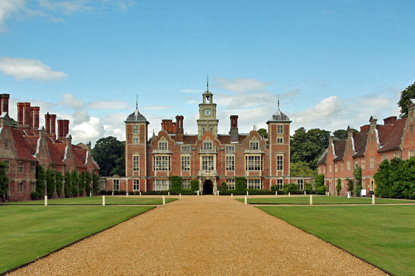
Blickling Hall is a magnificent Jacobean stately home situated in 5,000 acres of parkland near the village of Blickling in Norfolk. Built in 1616 on the ruins of a Tudor building, this historic manor house is now under the care of the National Trust. The estate has a fascinating connection to the Boleyn family, with Anne Boleyn believed to have been born here, although there is no definitive proof of this claim. Inside, visitors can explore the house's remarkable library, which contains one of England's most historically significant collections of manuscripts and books, with an estimated 13,000 to 14,000 volumes. The formal gardens, developed over three centuries of inspired planting, feature a Victorian parterre garden remodelled in the 1930s, a Doric Temple, an orangery, a wilderness garden with radial walks, and a Secret Garden. Beyond the formal gardens, the historic parkland offers well-signposted walks and cycle trails where visitors can discover lost buildings, stunning views and abundant wildlife.
Interesting Facts about Blickling Hall
- Blickling Hall is a magnificent Jacobean mansion located in Norfolk, England.
- The current house was built between 1616 and 1624 for Sir Henry Hobart, Lord Chief Justice of the Common Pleas.
- Blickling Estate was once owned by Sir John Fastolf, who is believed to have inspired Shakespeare's character Falstaff.
- Anne Boleyn, the second wife of Henry VIII, is thought to have been born at the original Blickling Hall.
- The estate boasts over 4,500 acres of rolling parkland, making it a popular destination for visitors.
- Blickling's library contains one of the most significant collections of manuscripts and books in England, with up to 14,000 volumes.
- The Long Gallery at Blickling was transformed into a library in 1745 and is now the largest and most important of all National Trust libraries.
- King Charles II was entertained at Blickling Hall during his visit in 1671.
- The house is said to be haunted by the ghost of Anne Boleyn, who allegedly appears on the anniversary of her execution.
- Blickling Hall became the first great house to be transferred to the National Trust under the Country House Scheme in 1940.

History
Originally part of the estate of Harold Godwinson, later King Harold II, it transitioned to church ownership following the Norman Conquest. By the 15th century, Sir John Fastolf, a knight of the Hundred Years' War and inspiration for Shakespeare's Falstaff, owned the estate and constructed a moated manor house. The Boleyn family acquired Blickling in 1499, and it is widely believed that Anne Boleyn, Henry VIII's ill-fated second wife, was born here during their tenure. Although no trace of the original Boleyn property remains, its legacy endures through historical accounts and local lore.
The current Blickling Hall was commissioned in 1616 by Sir Henry Hobart, Lord Chief Justice of the Common Pleas. Designed by Robert Lyminge, also known for Hatfield House, this grand Jacobean mansion was built atop the ruins of the former medieval structure. Sir Henry’s vision incorporated elements of the old house into the new design, but he passed away before its completion in 1625. Over subsequent centuries, the estate changed hands through inheritance and marriage, eventually coming under the ownership of William Kerr, 8th Marquess of Lothian. In 1940, Philip Kerr bequeathed Blickling to the National Trust, ensuring its preservation for future generations.
Today, Blickling Hall is a cherished heritage site managed by the National Trust. Visitors can explore its stunning architecture and interiors, including original Chinese wallpaper and a grand Jacobean staircase. The surrounding 4,500-acre estate offers picturesque gardens and parkland perfect for leisurely walks. Blickling is also steeped in ghostly tales; it is said that Anne Boleyn’s spectre appears on the anniversary of her execution. With its captivating history and serene beauty, Blickling Hall remains one of Norfolk’s most treasured attractions.
Description
Blickling Hall stands as one of England's most magnificent Jacobean houses, captivating visitors with its architectural splendour and picturesque surroundings. As you approach the estate, you'll be greeted by an impressive sight: a broad gravel drive flanked by manicured yew hedges, leading to the grand red-brick façade adorned with a striking white clock tower. The hall's distinctive silhouette, with its multiple chimneys and gables, creates an unforgettable first impression against the Norfolk sky.
The Exterior
The hall's exterior is a testament to Jacobean craftsmanship, featuring ornate Dutch gables, numerous turrets, and leaded-light windows. The South façade, completed in 1620, proudly displays the Hobart family crest and showcases the symmetrical design that was fashionable during this period. As you circle the building, you'll notice the East façade's pure Jacobean style, while the West façade showcases a blend of Tudor and later architectural influences.
The distinctive red brick, sourced locally, has weathered beautifully over the centuries, giving the hall a warm, inviting appearance. Particularly striking are the decorative chimney stacks, each uniquely crafted and standing as testament to the skilled artisans who built this magnificent country house. The forecourt, with its ornamental gates and balustrades, frames the hall perfectly and provides an elegant entrance to this architectural gem.
Interior Highlights
Inside the hall, prepare to be dazzled by elaborate fireplaces, intricate plaster ceilings, and grand rooms that speak to centuries of history. The Long Gallery, stretching the entire length of the house, features an ornate plasterwork ceiling with pendants and intricate mouldings. This impressive space, traditionally used for exercise during inclement weather, now displays portraits of the families who have called Blickling home.
The impressive dining room, with its expansive table and dedicated serving room, offers a glimpse into the opulent lifestyle of past residents. The room's wood panelling and grand fireplace create an atmosphere of refined elegance. The State Bedroom, with its magnificent four-poster bed and hand-painted Chinese wallpaper, exemplifies the luxury afforded to important guests.
The library at Blickling is particularly noteworthy, housing one of the most significant country house book collections in Britain. The room itself, with its floor-to-ceiling bookcases and comfortable reading areas, invites visitors to linger and admire both the architecture and the literary treasures within.

The Gardens
Blickling's gardens are a horticultural delight, covering 55 acres of formal and informal landscapes. The Parterre garden, remodelled in the 1930s, is a highlight with its four large herbaceous beds surrounded by roses and catmint, centred around an 18th-century stone fountain. The geometric precision of this garden offers a pleasing contrast to the more naturalistic areas of the estate.
Nearby, you'll find the charming White and Black borders, perfect for a leisurely stroll. The White Garden, inspired by the famous garden at Sissinghurst, features silver-leaved plants, white roses, and delicate white flowers that create a moonlit effect even in broad daylight. The Black Garden, its counterpart, showcases plants with dark foliage and deep purple blooms, creating a dramatic and unusual visual display.
The Wilderness and Temple Walk
Venture into the Wilderness garden, where radial grassed avenues lined with turkey oak, lime, and beech trees create a serene atmosphere. This area, designed to evoke the romantic notion of controlled wilderness, offers dappled shade and unexpected vistas. The Secret Garden, nestled within, offers a tranquil retreat with its summerhouse and scented plants, including lavender, rosemary, and heritage roses that fill the air with delightful fragrance.
For a touch of classical elegance, follow the Temple Walk, adorned with vibrant azaleas, leading to the impressive Doric-style Temple. This architectural folly provides a focal point at the end of a long, straight path and offers a perfect spot for contemplation. The walk itself is bordered by rhododendrons and specimen trees that create a tunnel-like effect, drawing the eye towards the Temple.
Seasonal Splendours
Blickling's gardens offer year-round interest, each season bringing its own distinctive charm. In spring, golden daffodils carpet the pathways and the grass bank near the Temple, while delicate snowdrops emerge in the woodland areas. The ancient wisteria that climbs the walls of the hall itself puts on a spectacular display of pendulous purple blooms.
May brings a riot of colour with blooming azaleas and rhododendrons in shades of pink, purple, and white. Summer sees the herbaceous borders in full glory, with delphiniums, lupins, and peonies creating a painter's palette of colour. The Double Borders, stretching over 100 metres, are particularly impressive during this season.
Autumn paints the landscape in rich hues as the ancient trees don their seasonal finery. The Japanese maples are especially striking, with their leaves turning brilliant shades of crimson and gold. Winter reveals the elegant structure of the formal gardens, with clipped yews and box hedges providing architectural interest when deciduous plants are dormant.
The Orangery and Dell
Don't miss the 18th-century Orangery, home to a collection of citrus trees. This elegant structure, with its tall windows designed to maximise light, provides shelter for tender plants during colder months. The interior, with its terracotta floor tiles and classical proportions, offers a peaceful retreat on rainy days.
Adjacent to this elegant structure, you'll find a steep-sided dell abundant with woodland plants, including hellebores and foxgloves. This shady, secluded area provides a microclimate for moisture-loving plants and ferns. A small stream trickles through, adding the soothing sound of water to this enchanted spot.
The Great Wood and Lake
For those seeking a longer walk, the Great Wood offers stunning displays of bluebells in spring, creating a carpet of vibrant blue beneath ancient oak and beech trees. Carefully managed to preserve its biodiversity, this woodland is home to numerous species of birds, including woodpeckers and tawny owls.
The estate's lake, created in the 18th century, provides a serene backdrop for wildlife spotting and peaceful contemplation. The reflections of the hall and surrounding trees on the still water create picture-perfect views, particularly in the golden light of early morning or late afternoon. Waterbirds, including graceful swans and various duck species, can be observed from the lakeside path that circumnavigates this tranquil body of water.
Unique Features
Blickling Hall boasts several distinctive elements that set it apart from other country houses. The rare 1890s sewerage system cleverly utilises a stream running through the cellars, demonstrating Victorian ingenuity in addressing practical concerns while maintaining the aesthetic appeal of the estate.
The hall also features an innovative approach to visitor experience, with images on locked doors providing tantalising glimpses of otherwise inaccessible rooms. This thoughtful touch allows visitors to appreciate spaces that would otherwise remain hidden from view.
The Peter the Great Room contains a remarkable painted ceiling depicting the four continents known in the 17th century, represented as allegorical figures. This artistic masterpiece provides insight into the worldview of the period and showcases the exceptional craftsmanship employed throughout the house.
The Walled Garden
A short walk from the main hall leads to the impressive walled garden, a productive space that once supplied the household with fresh fruit and vegetables. Recently restored to its former glory, this garden combines ornamental elements with practical cultivation. Espaliered fruit trees line the sun-warmed brick walls, while geometric beds contain heritage vegetables and cutting flowers.
The glasshouses within the walled garden showcase more tender plants, including exotic fruits and out-of-season crops that would have been considered luxuries when first built. The garden's layout, with its central path and symmetrical beds, demonstrates the perfect marriage of beauty and functionality that characterises the best kitchen gardens.
The Mausoleum
For those exploring the wider estate, the pyramid mausoleum provides an intriguing destination. This unusual structure, built in the Egyptian revival style, stands in quiet dignity within a small woodland clearing. Its distinctive shape creates a striking silhouette against the trees and serves as a reminder of the changing fashions in funerary architecture throughout British history.
Getting There
To reach Blickling Hall, a stunning Jacobean mansion in Norfolk, follow these directions. By car, the hall is easily accessible from the A140, near the village of Blickling, north of Aylsham. The postcode for your satnav is NR11 6NF. If you prefer public transport, the nearest railway station is Norwich, from where you can take a taxi or bus towards Aylsham and then a local taxi to Blickling. Alternatively, you can use the bus services that connect Norwich to Aylsham and then walk or take a taxi for the final stretch. Once you arrive, you can enjoy the beautiful gardens, historic parkland, and the impressive mansion itself, all managed by the National Trust.
Best Time to Visit
The best time to visit Blickling Hall is during the spring and summer months when the gardens and meadows are in full bloom. This period offers vibrant displays of spring bulbs, azaleas, and rhododendrons, followed by the lush herbaceous borders and flower parterre in the summer. The estate's parkland and woodland walks are also particularly enjoyable during these seasons, with the added bonus of spotting wildlife. For those interested in events, Blickling Hall hosts a variety of activities throughout the year, including ghost walks, Tudor performances, and seasonal celebrations like Halloween and Bonfire Night. If you prefer quieter visits, consider avoiding peak summer weekends and instead opt for weekdays or early mornings to make the most of your visit.