


 Ireland Guide
 Scotland Guide
 Wales Guide
| Contents |
|---|

Introduction
Bath (pop. 95,000), is a spa town renowned for its rich history and stunning Georgian architecture. Founded by the Romans around 70 CE, the city is famous for its natural hot springs and well-preserved Roman Baths. Bath's elegant streets are lined with honey-coloured limestone buildings, including iconic structures like the Royal Crescent and the Circus. The city boasts a wealth of cultural attractions, from the historic Bath Abbey to museums celebrating Jane Austen, who lived and set two of her novels here. With its blend of ancient and modern spa facilities, picturesque parks, and vibrant culinary scene, Bath offers visitors a unique glimpse into England's past whilst providing contemporary comforts and experiences.
Interesting Facts about Bath
- Bath is a UNESCO World Heritage Site, renowned for its Roman Baths and Georgian architecture, including iconic landmarks such as the Royal Crescent and Pulteney Bridge.
- The city was founded by the Romans in the 1st century CE, who utilised its natural hot springs as a thermal spa.
- Bath is famous for being the residence of Jane Austen, one of the most celebrated female writers in history.
- The discovery of Uranus was made by William Herschel in Bath in 1781, and his home is now the Herschel Museum of Astronomy.
- Bath has its own local currency, known as the "Oliver," which is used as a discount voucher.
- The city has been a filming location for numerous notable productions, including "Inspector Morse" and "Les Misérables."
- Pulteney Bridge is one of only four bridges in the world with shops spanning both sides.
- A significant hoard of over 17,500 Roman coins, known as the Beau Street Hoard, was discovered in Bath in 2007.
- Bath Abbey, a stunning example of Perpendicular Gothic architecture, was founded in the 7th century and rebuilt several times over the centuries.
History
The site of Bath was already settled by Celtic tribes several thousands years ago. According to the legend, Bladud, of the mythical lineage of the Kings of the Britons and himself father of King Lear, built the city of Kaerbadum (present-day Bath) some 2800 years ago. Balud was a leper and he had many hotspring baths built in the city, which supposedly cured his illness.
The first written records of Bath date from Roman times. The Celts already had a shrine dedicated to local goddess Sulis (identified with Minerva/Athena, Greco-Roman goddess of crafts and wisdom), and the Romans founded the temple-town of Aquae Sulis ("Waters of Sulis") in the first century CE.
King Ceawlin of Wessex took control of the region around 577 CE and the Saxons renamed the hotsprings Baðum ("at the baths"), although the town itself laid in ruins at the time.
A monastery was founded in 645. Bath became a royal possession and King Alfred the Great redesign its street pattern in the late 9th century, leaving its south-eastern quadrant as the abbey precinct. Edgard, first king of all England, was crowned at Bath Abbey in 973.
King William Rufus, second son of William the Conqueror, made John of Tours bishop of Wells and abbot of Bath in 1088. The bishopric of Somerset was moved almost immediately to Bath, and the town's first cathedral was built. Baths were built around the three springs, but the town was mostly a wool-trading centre and did not become a popular spa town until the late 17th century.
Architects John Wood, father and son, remodelled the whole city and gave it a palatial air, with a rational street plan and a homogenous classical facades built of creamy gold limestone from the nearby mines of Combe Down.
Post Master and Mayor of Bath Ralph Allen (1694-1764) commissioned John Wood to build his Prior Park estate in 1742. From then on, Bath had become a fashionable town with the elite, and quickly aquired its own theatre and assembly rooms.
Richard 'Beau' Nash (1674-1761) was appointed Master of Ceremonies of Bath in 1705. He played an important role in the revitalisation of Bath as a spa town, presided over social life and imposed strict regulations in regard to the upper-classes' garments and behaviour.
Jane Austen spent a few years of her life in Bath, where she wrote Persuasion and Northanger Abbey. However, Bath's popularity with the aristocracy declined sharply in the early 19th century for the profit of the new sea resorts.
Main Attractions
Roman Baths
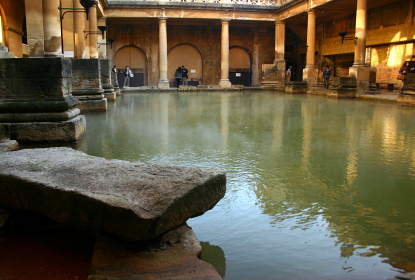
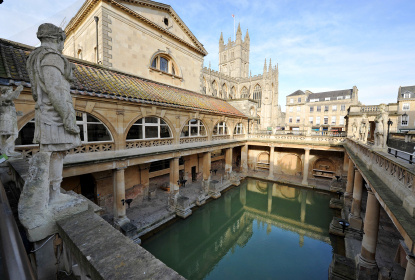
The Roman Baths, established nearly 2000 years ago, were rediscovered in the 18th century and are one of the city's most visited attractions. These ancient baths showcase impressive Roman engineering and were used for public bathing for over 300 years. The waters are now considered unsafe to bath owning to its passing through the lead-pipe built by the Romans and still functioning nowadays. The site features four main areas:
- The Sacred Spring: This is the source of the hot water that supplied the baths. It is a natural spring that produces over 250,000 litres of water daily.
- The Roman Temple: Dedicated to the goddess Sulis Minerva, this temple was a place of worship and sacrifice.
- The Roman Bath House: This area includes the remains of the hypocaust heating system and the caldarium (hot bath).
- The Great Bath: Once covered but now open to the sky, it was a place for bathing and socialising. While visitors can tour the baths, bathing is no longer permitted.
The Roman Baths also offer an audio guide that provides detailed insights into the history and significance of the site. Visitors can explore the remains of the ancient Roman city, including the Temple of Sulis Minerva and the Roman Forum.
The Royal Crescent
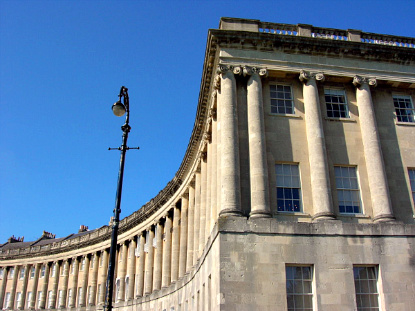
Built between 1767 and 1775 and designed by John Wood the Younger, the Royal Crescent is an iconic example of Georgian architecture. This sweeping crescent of 30 Grade I Listed terrace houses spans 500 feet and overlooks Royal Victoria Park. Notable features include:
- 114 Ionic columns on the first floor: These columns add to the architectural grandeur of the crescent.
- An entablature in Palladian style: This architectural element reflects the influence of Italian Renaissance architecture.
- A ha-ha designed to keep grazing animals out of the formal gardens: A ha-ha is a type of sunken fence that prevents animals from entering the gardens while maintaining an uninterrupted view.
Today, the Royal Crescent houses private residences, a five-star hotel, and a museum. Visitors can explore the Royal Crescent Hotel for its luxurious amenities and historical significance.
Bath Abbey
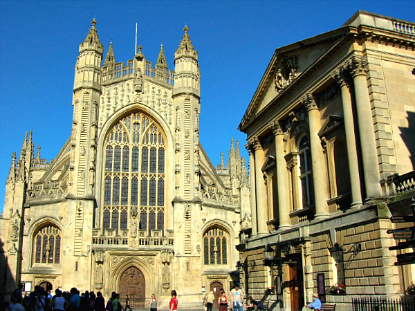
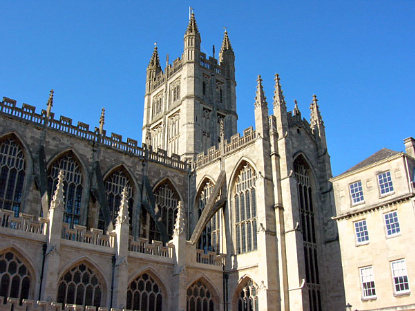
This former monastery is one of Bath's most magnificent monuments. Visitors can tour the abbey and climb its tower for spectacular views of the city. The abbey's architecture is a blend of Romanesque and Gothic styles, with intricate stone carvings and stunning stained-glass windows.
Founded in 675, Bath Abbey saw the coronation of the first king of all England. It became the seat of the diocese of Somerset in 1088 and St Peter's church was raised into a cathedral. This latter was not completed before 1156.
However, the bishop moved to Wells, and Bath cathedral fell into disrepair. In 1499, Oliver King, Bishop of Wells and Bath, shocked at the poor condition of the church, ordered it to be rebuilt, smaller than the first cathedral but in a lighter, more elegant style, with angels climbing stone ladders, first up then down, head first. When Henry VIII dissolved the monasteries, Bath Abbey became a possession of the Crown and was stripped of lead, iron and glass and left to rot. The citizens of Bath undertook to restore it between 1572 and 1617.
The Abbey has no less than 640 wall monuments, a number only surpassed by Westminster Abbey. Several great names are interred in the abbey, including the demographer Thomas Malthus, Sir Isaace Pitman and Richard 'Beau' Nash.
Thermae Bath Spa
Britain's only natural thermal spa, Thermae Bath Spa offers a modern bathing experience using the same hot springs as the ancient Romans. The spa features rooftop pools with views over the city, providing a unique opportunity to relax while enjoying the historic surroundings.
Thermae Bath Spa also offers a range of spa treatments and wellness programs. Visitors can enjoy massages, facials, and other therapies in a serene environment. The spa's Minerva Bath is a large indoor pool with a glass roof, allowing natural light to illuminate the space.
Pulteney Bridge
Designed in 1773 by Robert Adam, Pulteney Bridge is one of the only four bridges in the world with shops across the full span on both sides (like Florence's Ponte Vecchio or Venice's Ponte di Rialto). It was named after Frances Pulteney who commissioned Adam for the construction. The bridge was altered 1792, damaged by floods in 1799 and 1800, but was rebuilt in its original form just after. The windows were later enlarged by shopkeepers, and the pavilion at the western end was demolished in 1903.
Bath Skyline Walk
This circular National Trust trail provides spectacular views of Bath's historic cityscape. The walk takes you through woodland and meadows surrounding the city, offering a chance to explore the natural beauty of the area. The trail is approximately six miles long and includes several hills, so it is advisable to wear comfortable walking shoes.
The Bath Skyline Walk passes through several notable sites, including Prior Park Landscape Garden and the Bathwick Fields. It offers a unique perspective on the city and its surroundings, making it a must-do activity for nature lovers and those interested in exploring beyond the city centre.
The Circus
Another masterpiece of Georgian architecture, The Circus is a circular arrangement of Palladian townhouses designed by John Wood the Elder. The Circus takes its name from Latin, and was part of the 18th century neo-classical (Roman) reconstruction project. Its design was inspired by the Colosseum in Rome. The Circus is a testament to Bath's rich architectural heritage and is considered one of the finest examples of Georgian urban planning.
The Circus is surrounded by beautiful gardens and offers a peaceful retreat from the bustling city centre. Visitors can admire the intricate details of the buildings and enjoy the tranquil atmosphere of the area.
Guildhall
Built in 1779 by Thomas Baldwin, the Guildhall acts as a venue for conferences and meetings. Some of the rooms are sometimes open to the public (admission free). Check to see which can be visited when you are there. The most impressive are the neo-classical Banqueting Room and Aix-en-Provence Room. Smaller rooms include the Brunswick, Kaposvar and Alkmaar Rooms.
Prior Park Landscape Garden
This 18th-century landscaped garden offers beautiful views over Bath. It features a Palladian bridge, one of only four of its kind in the world. The garden was designed by Capability Brown and includes a grotto, a serpentine lake, and a variety of flora.
Prior Park Landscape Garden is a popular spot for picnics and offers a serene escape from the city. Visitors can explore the garden's many paths and enjoy the picturesque scenery.
Royal Victoria Park
Located near the Royal Crescent, Royal Victoria Park is a large public park that offers a variety of activities for visitors. The park includes a botanical garden, a children's play area, and several walking trails. It is a popular spot for both locals and tourists looking to enjoy the outdoors.
Royal Victoria Park hosts several events throughout the year, including concerts and festivals. It provides a peaceful oasis in the heart of the city and is a great place to relax or engage in outdoor activities.
Kennet and Avon Canal
The Kennet and Avon Canal runs through the outskirts of Bath and offers scenic boat trips and walking routes. The canal is a popular spot for nature lovers and those interested in exploring the countryside surrounding Bath.
Visitors can take a boat tour along the canal to enjoy the picturesque views of the surrounding countryside. The canal also offers opportunities for cycling and walking, providing a unique perspective on the area.
Top Museums
Ancient History
Roman Baths Museum
The Roman Baths are one of Bath's most iconic attractions, offering a glimpse into the city's Roman past. The site includes a Victorian re-creation of the original Roman bathing pools and a museum that spans 2,000 years of history. Visitors can explore the temple of Sulis Minerva, see models of the temple and bath complex, and learn about life in Roman Bath through interactive exhibits and real-life re-enactors. The museum also features a collection of Roman artefacts, including coins, mosaics, and sculptures.
Religious History
Bath Abbey Discovery Centre
Located beneath Bath Abbey, this centre provides insight into the city's medieval and monastic past. It features artefacts discovered in the Abbey and interactive exhibits that explore life in the medieval monastery. The Discovery Centre is family-friendly, with videos and costumes for dressing up as a monk. Visitors can learn about the history of the Abbey, its architecture, and the role it played in the city's spiritual life.
Industrial History
Museum of Bath at Work
This museum showcases the everyday lives of working people in Bath, focusing on industries and trades from Victorian times onwards. Exhibits include a reconstructed soft drinks factory, an engineering workshop, and displays on local businesses. The museum also features a vintage car and an original Bath chair. It offers a unique perspective on how Bath's economy and society evolved over time.
City Heritage
Bath World Heritage Centre
Situated near the Roman Baths and Bath Abbey, this centre offers a free overview of Bath's heritage sites. It includes information boards, interactive displays, and a downloadable app to help visitors navigate the city's historical landmarks. The centre provides a comprehensive introduction to Bath's rich history and architectural significance.
Architecture
Museum of Bath Architecture
Housed in a Gothic-style chapel, this museum explores how Bath transformed from a medieval town to a fashionable Georgian spa city. The collection includes scale models, architectural drawings, and tools used by 18th-century craftsmen. A highlight is a 1:500 scale model of Bath, providing a bird's-eye view of the city's development. Visitors can learn about the key figures and styles that shaped Bath's architectural landscape.
Art Galleries
Victoria Art Gallery
As Bath's public art museum, the Victoria Art Gallery houses a diverse collection of paintings, sculpture, and decorative arts. It is located in one of the city's finest buildings and offers a rich cultural experience. The gallery features works by local artists as well as pieces from around the world, showcasing a variety of artistic styles and periods.
The Holburne Museum
This Grade I listed building is home to fine and decorative arts, built around the collection of Sir William Holburne. It serves as the city's first public art gallery and offers a unique perspective on art and culture. The museum features a range of exhibits, including paintings, sculptures, and ceramics, with a focus on the 18th and 19th centuries.
Literary Museums
The Jane Austen Centre
Dedicated to the life and works of Jane Austen, this centre explores how Bath influenced her writing. It provides insights into the novelist's life and the settings that inspired her famous novels. Visitors can learn about Austen's experiences in Bath and how they shaped her literary career.
Mary Shelley's House of Frankenstein
This museum delves into the life of Mary Shelley, author of Frankenstein, and offers a fascinating look at the story behind the iconic monster. It explores the literary and historical context of the novel, as well as its enduring impact on popular culture.
Science and Technology
Herschel Museum of Astronomy
Located in the former home of William Herschel and his sister Caroline, this museum tells the story of the astronomers who discovered Uranus. It highlights their contributions to science and music. Visitors can see the very house where Herschel made his groundbreaking discovery and learn about the family's remarkable achievements in astronomy.
Fashion and Design
Fashion Museum
Located in the Assembly Rooms, the Fashion Museum showcases a collection of historical clothing and accessories from the 18th century to the present day. It offers a fascinating look at how fashion has evolved over time, with exhibits featuring everything from Georgian gowns to modern designer pieces. The museum also hosts temporary exhibitions on various fashion-related themes.
International Culture
American Museum in Britain
Situated just outside Bath, this museum explores American history and culture through a collection of artefacts and exhibits. It features a range of items, including furniture, textiles, and decorative arts, that reflect the diverse heritage of America. The museum is set in a beautiful estate with gardens and offers a unique perspective on American history.
Historic Houses
No. 1 Royal Crescent
This Georgian house museum offers a glimpse into the lives of Bath's 18th-century residents. It is decorated and furnished as it would have been during that period, providing a realistic portrayal of Georgian domestic life. Visitors can explore the house and learn about the social and cultural norms of the time.
Beckford's Tower
Built by William Beckford in the early 19th century, this tower offers stunning views of the city and surrounding countryside. It houses a collection of Beckford's personal items and provides insight into his life and literary career. The tower is a testament to Beckford's eclectic tastes and architectural ambitions.
Asian Art
The Museum of East Asian Art
Located in a beautiful Georgian house, this museum features a collection of art and artefacts from East Asia, including China, Japan, and Korea. It offers a unique cultural experience, with exhibits showcasing ceramics, sculptures, and other decorative arts from these regions. The museum provides a fascinating look at the artistic traditions of East Asia.
Local Cuisine
Visitors to Bath must try the iconic Bath bun, a sweet roll topped with crushed sugar, and its cousin, the Sally Lunn bun, a large brioche-style treat served both sweet and savoury. For cheese enthusiasts, Bath soft cheese offers a Brie-like texture with a unique mushroom-like taste. The city's savoury offerings include Bath chaps, a delicacy made from pork cheeks and tongue, perfect for adventurous eaters. Those with a penchant for biscuits should sample Bath Oliver biscuits, plain crackers that pair wonderfully with cheese. To wash it all down, indulge in some locally produced Bath gin or savour the region's famous Somerset cider. These local delicacies can be found in Bath's charming tearooms, historic pubs, and fine-dining establishments, offering visitors a true taste of this picturesque city's gastronomic heritage.
Shopping
Bath has a mix of independent boutiques and high-street brands set against its Georgian backdrop. The city centre features SouthGate, a modern open-air shopping mall, alongside traditional shopping streets like Milsom Street and Stall Street. For unique finds, visitors can explore the Walcot Artisan Quarter, known for its vintage clothing and antiques. The historic Guildhall Market, dating back to 1863, houses various stalls selling local produce and crafts. Bath also boasts several markets, including the Bath Farmers' Market at Green Park Station every Saturday. The Corridor, one of Britain's earliest shopping arcades, provides a glimpse into Victorian retail history. During the festive season, the popular Bath Christmas Market transforms the city centre with wooden chalets offering handmade gifts and seasonal treats.
Nature in and around Bath
Within the city, Royal Victoria Park provides a vast green space with botanical gardens and a duck pond, while Prior Park Landscape Garden features one of only four Palladian bridges in the world. Just outside Bath, Browne's Folly nature reserve boasts flower-rich grasslands and ancient woodland, offering stunning views over the River Avon. The nearby Chew Valley Lake and Folly Farm nature reserve make for an excellent day out, with diverse habitats and wildlife. Further afield, the Mendip Hills and Cheddar Gorge offer dramatic landscapes and walking opportunities. For tree enthusiasts, Westonbirt, the National Arboretum, showcases one of the world's finest collections of temperate trees and shrubs. These natural attractions provide ample opportunities for outdoor activities, wildlife spotting, and enjoying the picturesque English countryside.
Getting There & Around
By train, frequent services operated by Great Western Railway run from London Paddington to Bath Spa station, taking just over an hour with up to 72 departures daily. Bath Spa railway station is located in the heart of the city centre, making onward travel simple.
By coach, National Express operates regular services from London Victoria Coach Station to Bath Spa Bus Station, with the journey taking approximately 2 hours 50 minutes and up to 10 departures daily on the 403 service. The bus station is conveniently situated on Dorchester Street, just a one-minute walk from the railway station.
By car, Bath is approximately a 2 to 2.5-hour drive from London, covering around 110 miles with easy access via the M4 and M5 motorways. However, visitors should be aware that Bath's narrow streets can make driving challenging once in the city, though several car parks are available for those choosing to drive.
Best Time to Visit
The best time to visit Bath is during the shoulder seasons of late spring (May to early June) and early autumn (September to early October). During these periods, you can enjoy pleasant weather with temperatures ranging from 15°C to 20°C, fewer crowds, and more reasonable accommodation rates. The city's parks and gardens are in full bloom in spring, whilst autumn brings a stunning array of colours to the surrounding landscape. These months offer a perfect balance between comfortable weather and the opportunity to explore Bath's iconic attractions, such as the Roman Baths and Bath Abbey, without the summer tourist throngs. Additionally, you'll have the chance to experience some of Bath's cultural events and festivals during these times, making for a rich and rewarding visit to this historic city.