England Guide  |
|---|
|
| | English Regions |
|---|
|
| | Top English Cities |
|---|
|
| | Top National Parks |
|---|
|
| | Europe Guide |
|---|
|
| | Travel Tools |
|---|
|
| | UK & Ireland Guide |
|---|
|
|
|
|
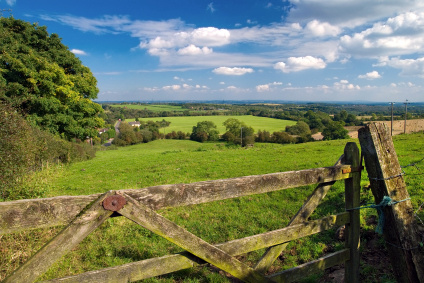 Shropshire farmland. Shropshire farmland.
Introduction to the West Midlands
The West Midlands offers a compelling blend of historical significance and diverse attractions that make it a remarkable destination for visitors. As Britain's second largest city, Birmingham sits at the heart of the region, having evolved from an industrial powerhouse to a vibrant cultural hotspot with more miles of canals than Venice.
Historical Significance
The West Midlands played a pivotal role in Britain's industrial heritage as the epicentre of the UK's industrial revolution. This legacy is preserved at sites such as:
- Ironbridge Gorge, a UNESCO World Heritage Site featuring the world's first iron bridge and birthplace of the Industrial Revolution
- The Black Country Living Museum, covering 26 acres of former industrial land that tells the story of the world's first industrial landscape
- J.W. Evans Silver Factory in Birmingham's Jewellery Quarter, one of the finest surviving industrial factories
The region boasts impressive medieval heritage, including Warwick Castle, built in 1068 by William the Conqueror and later reconstructed in 1260. Other notable historical sites include Kenilworth Castle, England's largest castle ruin where Queen Elizabeth I was lavishly entertained by Robert Dudley in 1575, and Stokesay Castle, the finest preserved fortified medieval manor house in England.
Tourist Attractions
The West Midlands offers a wealth of experiences for visitors:
- Shakespeare's birthplace in Stratford-upon-Avon, where you can explore the Bard's life and enjoy performances by the Royal Shakespeare Company
- Cadbury World, home to one of the world's largest chocolate manufacturers, offering factory tours and the story behind the famous confectionery
- Impressive religious sites including Coventry's two cathedrals, one a ruined shell from World War II bombing raids
- Family attractions such as West Midland Safari Park, Drayton Manor Theme Park, and the National Sealife Centre
- The Birmingham Back to Backs, some of the last remaining back-to-back houses in the country, now a National Trust museum
The region's cultural diversity is reflected in its vibrant food scene, particularly Birmingham's famous Balti Triangle, alongside trendy areas like Digbeth offering street food and cocktails. With its rich industrial heritage, impressive historical sites, and diverse modern attractions, the West Midlands provides visitors with a fascinating glimpse into England's past while offering contemporary experiences for all ages.
Attractions
Clickable Tourist Map of the West Midlands
Note that dots, castle icons and national parks are not clickable on the mobile version. Please use the desktop version for optimal navigation.
|
Herefordshire
| Croft Castle |
|---|
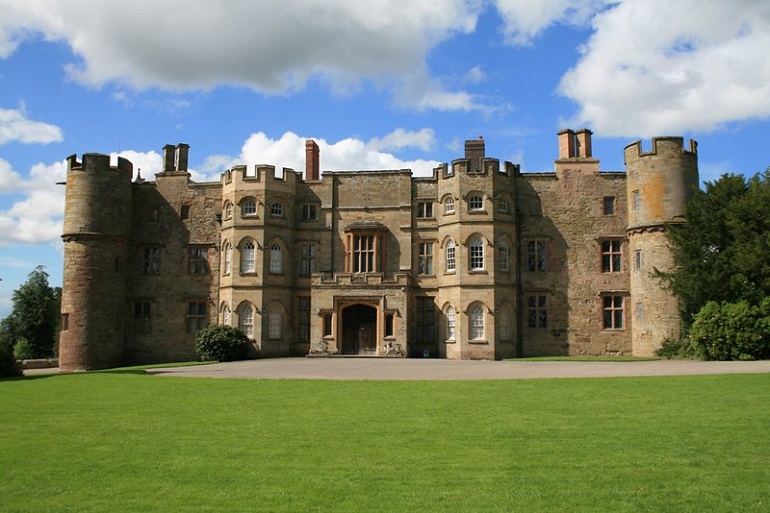
 Croft Castle combines centuries of lived-in heritage with a uniquely varied estate: inside, the atmospheric rooms—among them an 18th-century Saloon complete with playable grand piano and fine Georgian Gothick plasterwork—display rare family portraits and objects such as a John Constable portrait of Elizabeth Croft; outside, over 1,500 acres of park and woodland reveal an Iron Age hillfort, ancient veteran trees like the 1,000-year-old Quarry Oak and a half-mile Spanish chestnut avenue, all linked by waymarked walks that trace both natural beauty and political intrigue. |
Other attractions
 Wilton Castle (ruins)
| Hereford |
|---|

Hereford offers visitors a remarkable medieval cathedral that houses the world-famous Mappa Mundi, a 13th-century map that provides fascinating insights into medieval understanding of the world. The cathedral also contains the largest surviving chained library, featuring over 1,500 books and manuscripts dating back centuries. Beyond the cathedral, the city's Tudor and Georgian architecture creates an appealing streetscape, whilst the Old House, a striking black-and-white timber-framed building from 1621, serves as a museum showcasing 17th-century life. The surrounding countryside, with its traditional cider orchards and hop yards, reflects Herefordshire's agricultural heritage, and visitors can explore local cider-making traditions that have shaped the region's identity for generations. |
| Hay-on-Wye |
|---|

 Hay-on-Wye has earned its reputation as the world's largest second-hand book town, with over 30 independent bookshops housed within medieval buildings and converted cinemas that create a unique literary landscape. The town's Norman castle ruins provide a dramatic backdrop whilst its narrow streets reveal centuries of Welsh border history, from its strategic medieval origins to its modern reinvention as a bibliophile's paradise. The annual Hay Festival of Literature & Arts transforms this market town into an international cultural hub, attracting renowned authors, politicians, and thinkers who contribute to its status as the "Woodstock of the mind." Beyond books, visitors can explore the town's antique shops, traditional pubs, and artisan cafés, all set against the scenic backdrop of the Brecon Beacons National Park, making it a distinctive blend of intellectual culture and natural beauty. |
Shropshire
| Shrewsbury |
|---|

Shrewsbury preserves an exceptional collection of over 660 listed buildings, including magnificent Tudor timber-framed houses dating from the 15th and 16th centuries, alongside its original medieval street layout complete with narrow passages called "shuts." As the birthplace of Charles Darwin, Shrewsbury holds particular significance in scientific history, whilst its medieval castle and Norman abbey reflect its strategic importance on the Welsh border. The town's prosperity during the wool trade era left a legacy of architectural treasures, and visitors can explore everything from the site of the bloody 1403 Battle of Shrewsbury—immortalised by Shakespeare—to Britain's award-winning Market Hall, which has been voted the nation's favourite market. The River Severn's dramatic loop around the town centre creates a unique setting accessed by nine historic bridges, making Shrewsbury both a living museum of English history and a vibrant modern market town with exceptional independent shopping and dining. |
|
Stokesay Castle |
|---|

Stokesay Castle is a late-13th-century fortified manor house. Its original timber-framed great hall undisturbed for over 700 years and crowned by a cruck-beam roof and staircase sawn from whole tree trunks. Visitors can ascend the narrow medieval staircases to explore both towers – the north with its surviving tiled floor and traces of wall painting, the lobed-octagon south tower reached via a defensible first-floor entrance – and step inside the richly panelled solar, where a Jacobean overmantel still bears faint traces of its original red, green and gold paint. Exceptionally intact and thoughtfully conserved, Stokesay’s balance of domestic elegance and discreet defence, set within a dry moat and complemented by a 17th-century timber gatehouse, makes it an unusually complete survival of merchant-sponsored medieval architecture. |
| Much Wenlock |
|---|

Much Wenlock's medieval streets showcase exceptional Tudor timber-framed buildings alongside Georgian and Victorian architecture, whilst the dramatic ruins of Wenlock Priory provide a haunting glimpse into monastic life. Dr William Penny Brookes established the Wenlock Olympian Games here in 1850, directly influencing Baron Pierre de Coubertin's revival of the Olympics - a legacy honoured when London 2012's mascot was named Wenlock. Beyond its Olympic heritage, visitors can explore the ancient Guildhall, discover holy wells and medieval stocks, and enjoy walks along the magnificent Wenlock Edge limestone escarpment, all within a charming market town that retains the intimate feel of a village where traditional shops still offer personal service. |
Other attractions
Ironbridge Gorge Museums ※
Wroxeter Roman City
Staffordshire
| Peak District National Park |
|---|

 The Peak District National Park offers visitors a remarkable blend of dramatic landscapes and rich industrial heritage that shaped modern Britain. As the country's first national park, it showcases diverse terrain from rolling moorlands and limestone dales to rugged gritstone edges, providing excellent walking routes and outdoor pursuits for all abilities. The area's fascinating history comes alive through preserved textile mills, former lead mining sites, and traditional stone villages that demonstrate centuries of human habitation. Historic market towns like Bakewell and Buxton offer glimpses into Georgian elegance, whilst the park's literary connections include settings that inspired Jane Austen's Pride and Prejudice. The combination of accessible countryside, well-maintained footpaths, charming pubs, and distinctive dry stone walls creates an authentic English experience that appeals to both history enthusiasts and outdoor adventurers. |
| Stoke-on-Trent |
|---|
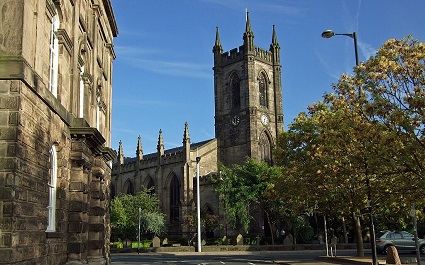
Stoke-on-Trent offers a unique blend of industrial heritage and contemporary attractions that make it a compelling destination. Renowned as the World Capital of Ceramics, the city celebrates its pottery-making legacy through institutions like the V&A Wedgwood Collection and The Potteries Museum. Visitors can explore Anglo-Saxon artifacts, Spitfire engineering history, or try hands-on pottery workshops at the Gladstone Museum. Beyond its industrial roots, the Trentham Estate provides scenic gardens, woodland adventures, and the UK’s only Monkey Forest, where Barbary macaques roam freely. Families can enjoy thrill rides at nearby Alton Towers, while closer amenities include lakeside walks and independent shops. Combining cultural depth, family-friendly activities, and proximity to natural landscapes and theme parks, the city appeals to history enthusiasts, creative visitors, and those seeking varied days out. |
Other attractions
Alton Towers (theme park)
Warwickshire
| Ragley Hall & Gardens |
|---|

 Ragley Hall, Park & Gardens combines a striking Palladian mansion—one of Robert Hooke’s few surviving works—with exuberant Baroque interiors by James Gibbs and later refinements by James Wyatt, all set within sweeping Capability Brown parkland. Adjoining this are Robert Marnock’s late-Victorian formal terraces and a vibrant rose and prairie garden, while the wider estate offers a scenic lake, woodland walks, a 3D maze and adventure play areas. A historic carriage collection in the restored stable block and fine early-19th-century structures add further depth to a visit that seamlessly blends architectural splendour, horticultural variety and leisure attractions without overstating its appeal. |
| Warwick |
|---|

 Warwick offers visitors the chance to explore one of Britain's finest medieval castles, complete with its imposing towers, great hall, and beautifully preserved state rooms that showcase centuries of aristocratic life. The town's historic centre features timber-framed buildings and independent shops along winding streets that have remained largely unchanged since medieval times. Beyond the castle walls, visitors can discover the collegiate Church of St Mary with its remarkable Beauchamp Chapel, explore the Victorian Warwick School grounds, or take peaceful walks along the River Avon. The town serves as an excellent base for exploring the surrounding Warwickshire countryside, including nearby Stratford-upon-Avon and the Cotswolds, whilst offering a more intimate and less crowded alternative to larger tourist destinations. |
| Birmingham |
|---|

Birmingham’s appeal lies in its fusion of industrious heritage and cultural variety: visitors can wander alongside Britain’s most extensive canal network, explore the atmospheric Back-to-Back houses for a glimpse of 19th-century working-class life, and admire the gleaming workshops of the Jewellery Quarter, where centuries of craftsmanship still thrive. Grand civic buildings such as Town Hall and the Council House showcase Victorian ambition, while Aston Hall and Blakesley Hall offer Tudor and Jacobean splendour. World-class collections await at the Museum & Art Gallery, and leafy escapes like Birmingham Botanical Gardens provide tranquil contrast to the bustling city. From immersive experiences at Cadbury World to outstanding acoustics in Symphony Hall, the city unfolds a rich tapestry of history, art and innovation. |
| Charlecote Park |
|---|

Charlecote Park is a remarkable Tudor mansion dating from 1558, complete with original furnishings and an impressive collection of family portraits spanning centuries. The estate's connection to William Shakespeare adds particular intrigue, as local legend suggests the young playwright was caught poaching deer here, an experience that may have influenced his later works. The Victorian kitchen provides fascinating insights into 19th-century domestic life, whilst the parkland itself showcases a herd of fallow deer that has roamed these grounds for over 700 years. The formal gardens, redesigned in the 1850s, feature rare plants and stunning seasonal displays, making it equally appealing to history enthusiasts and garden lovers seeking a glimpse into England's aristocratic heritage. |
| Coughton Court |
|---|

Coughton Court showcases England's turbulent religious history through the extraordinary story of the Throckmorton family, who have called this Tudor mansion home for over 600 years. The house played a pivotal role in some of the most dramatic events in English history, including connections to the Gunpowder Plot of 1605 and the Throckmorton Plot of 1583, with hidden priest holes that once sheltered Catholic clergy during periods of persecution. Beyond its compelling historical narrative, the property features an impressive Tudor gatehouse built from stones salvaged from dissolved monasteries, exceptional collections of family portraits and Catholic treasures, and award-winning gardens including a restored walled garden that provides year-round colour and interest. |
| Kenilworth Castle |
|---|

Kenilworth Castle's dramatic ruins tell the story of royal romance between Elizabeth I and Robert Dudley, whose lavish 19-day entertainment of the queen in 1575 transformed the medieval fortress into a Renaissance palace, complete with luxurious apartments and the magnificent Great Hall built by John of Gaunt. Visitors can explore the massive defensive walls that withstood the longest siege in English medieval history, climb Leicester's Building for panoramic countryside views, and experience interactive exhibitions in the Tudor stables that bring the castle's 900-year story to life through hands-on displays and original artefacts, including trebuchet balls from the famous 1266 siege. |
| Stratford-upon-Avon |
|---|

Stratford-upon-Avon offers is mostly renowned as the birthplace and childhood home of William Shakespeare, providing an intimate connection to England's greatest playwright. The town features remarkably well-preserved Tudor architecture, including Shakespeare's Birthplace on Henley Street, Anne Hathaway's Cottage, and other properties associated with the Bard's family. The Royal Shakespeare Company's theatres present world-class performances of his works throughout the year, whilst the historic market town itself retains its medieval character with timber-framed buildings, traditional pubs, and scenic riverside walks along the Avon. Beyond its Shakespearean connections, visitors can enjoy boat trips, browse independent shops, and experience authentic English heritage in a compact, walkable setting that has been welcoming literary pilgrims for centuries. |
| Rugby |
|---|

Rugby draws visitors as the birthplace of rugby football, where the sport was famously invented at Rugby School in 1823 when William Webb Ellis picked up a ball and ran with it during a football match. The historic market town offers a compelling mix of sporting heritage and cultural attractions, including the Webb Ellis Rugby Football Museum, which houses memorabilia tracing the game's development, and guided tours of Rugby School itself where visitors can see the exact spot where the sport originated. Beyond its sporting legacy, the town features well-preserved Victorian and Georgian architecture, the 13th-century St Andrew's Church with its striking 182-foot spire, and the Rugby Art Gallery and Museum showcasing local archaeology and art collections. The pedestrianised town centre hosts a traditional Friday and Saturday market, whilst nearby attractions like Draycote Water reservoir and Swift Valley Nature Reserve provide scenic walking opportunities for those seeking a blend of history, culture, and countryside. |
| Upton House & Gardens |
|---|

Upton House & Gardens displays a unique combination of outstanding art and garden design that reflects the wealth and taste of the 1930s. The 17th-century house, extensively remodelled for the 2nd Viscount Bearsted of Shell Oil fame, contains one of Britain's finest private art collections featuring works by Old Masters including Bosch, El Greco, and Holbein, displayed within striking Art Deco interiors. The real surprise lies in the dramatic terraced gardens designed by pioneering female landscape architect Kitty Lloyd Jones, which tumble down hidden valleys to reveal herbaceous borders, a mirror pool, and the National Collection of Asters, all created from former marshland during the 1930s. This remarkable transformation of both house and grounds represents a fascinating snapshot of inter-war luxury and artistic patronage, making it particularly significant as a complete example of 20th-century country house living at its most refined. |
| Packwood House & Gardens |
|---|
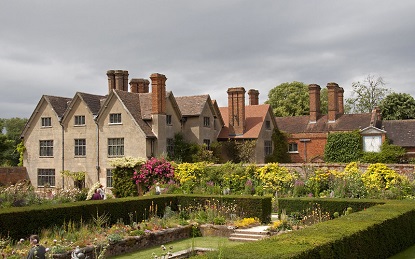
Packwood House & Gardens offers visitors a unique blend of Tudor architecture and exceptional horticulture in the heart of Warwickshire. The 16th-century house, thoughtfully restored in the early 20th century, contains fine collections of period textiles and furniture, whilst the Grade II listed gardens showcase one of Britain's most impressive topiary collections with famous sculpted yew trees dating back to 1650. The property features vibrant herbaceous borders in a distinctive 'mingled style', a productive walled kitchen garden, and 150 acres of parkland with wildflower meadows containing five species of native orchids. Families can enjoy woodland walks with play areas, lakeside strolls, and seasonal events, whilst the on-site café serves food made with produce grown in the estate's own kitchen garden. |
Worcestershire
| Witley Court & Gardens |
|---|

Witley Court are spectacular ruins of what was once one of Victorian England's grandest country houses, destroyed by fire in 1937 but preserved as a romantic ruin by English Heritage. The site combines fascinating social history—having hosted lavish parties attended by the Prince of Wales and fashionable society—with outstanding landscaped gardens featuring the restored Perseus and Andromeda fountain, one of Europe's most impressive water features that fires dramatically throughout the day. Beyond the mansion's evocative shell, visitors can wander through meticulously restored parterre gardens, explore woodland walks around a tranquil lake, and visit the attached baroque church with its stunning Italianate interior, making it a compelling destination that uniquely blends architectural drama with horticultural beauty and offers insight into the opulent lifestyle of Britain's industrial aristocracy. |
| Worcester |
|---|
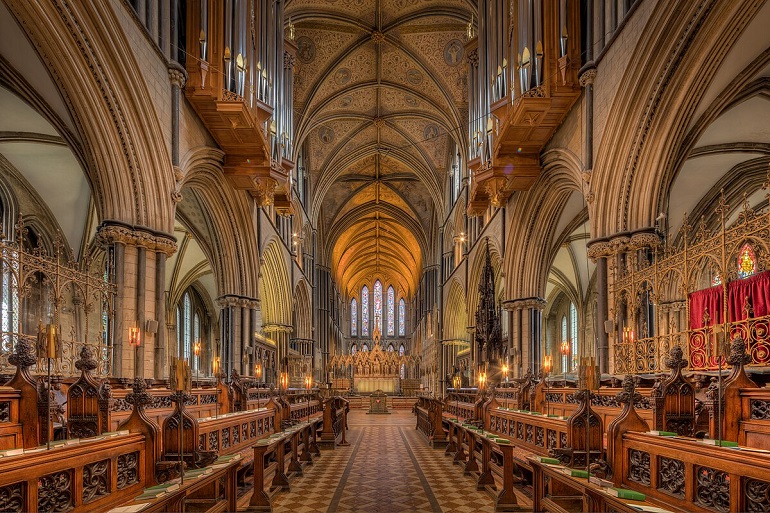
Worcester's appeal lies in its magnificent 14th-century cathedral, which houses the tomb of King John and offers panoramic views from its tower across the River Severn. The city played a pivotal role in the English Civil War, serving as the site of both the first and final battles, with The Commandery functioning as the Royalist headquarters and now operating as an interactive museum that brings this turbulent period to life. Visitors can explore the world's largest collection of Royal Worcester porcelain at the Museum of Royal Worcester, housed on the original factory site, whilst the Tudor House Museum and elegant Georgian Guildhall showcase different architectural periods. The medieval streets contain over 1,000 listed buildings, creating one of England's most concentrated historic cores, complemented by riverside walks along Britain's longest river and the opportunity to discover the industrial heritage through canal-side paths and distillery tours. |
|


 Ireland Guide
 Scotland Guide
 Wales Guide


 The Peak District National Park offers visitors a remarkable blend of dramatic landscapes and rich industrial heritage that shaped modern Britain. As the country's first national park, it showcases diverse terrain from rolling moorlands and limestone dales to rugged gritstone edges, providing excellent walking routes and outdoor pursuits for all abilities. The area's fascinating history comes alive through preserved textile mills, former lead mining sites, and traditional stone villages that demonstrate centuries of human habitation. Historic market towns like Bakewell and Buxton offer glimpses into Georgian elegance, whilst the park's literary connections include settings that inspired Jane Austen's Pride and Prejudice. The combination of accessible countryside, well-maintained footpaths, charming pubs, and distinctive dry stone walls creates an authentic English experience that appeals to both history enthusiasts and outdoor adventurers.


 : Local interest
 : Moderately interesting
 : Outstanding place
 : Must-see in the country
 : Top cities in Europe