


 Ireland Guide
 Scotland Guide
 Wales Guide
| Contents |
|---|

Introduction
Stoke-on-Trent (pop. 260,000), commonly shortened to Stoke, spans six historic towns—Hanley, Stoke-upon-Trent, Burslem, Tunstall, Longton and Fenton—whose gradual merger created today’s linear city across the Trent Valley in Staffordshire. Internationally recognised as the “Potteries”, it developed around coal and clay, giving rise to globally known ceramics brands such as Wedgwood, Spode and Royal Doulton. Modern visitors find a compact city with direct rail links to London and Manchester, the M6 motorway a few kilometres west, and scenic moorland of the Peak District National Park less than 20 minutes away. Key attractions include working pottery factories with visitor centres, the Potteries Museum & Art Gallery housing an Anglo-Saxon gold hoard, and the industrial heritage canal network. Football supporters can catch a match at Stoke City’s bet365 Stadium, while shoppers head to Hanley’s pedestrianised commercial core. A growing cultural quarter offers theatres, independent cafés and street art, providing a balanced base for exploring both urban heritage and nearby countryside.
Interesting Facts about Stoke-on-Trent
- Stoke-on-Trent is the UK's only polycentric city, formed by the federation of six towns - Tunstall, Burslem, Hanley, Stoke-upon-Trent, Fenton, and Longton - in 1910.
- The city is known as "The Potteries" and has been the world capital of ceramics since the 17th century, with over 4,000 pottery companies operating in the area at its peak.
- Stoke City FC, founded in 1863, is the second-oldest professional football club in England and the world.
- The city is home to the UK's only monkey forest, where over 140 Barbary macaques roam freely through 60 acres of Staffordshire woodland.
- A man named Thomas Holland fell into a disused pit shaft on St. John Street in Hanley and was never seen again, with his body never recovered.
- The Staffordshire Hoard, discovered near Mow Cop in 2009, contains over 4,000 pieces of 7th-century Anglo-Saxon gold and silver warfare artefacts.
- Stoke-on-Trent's coal mining industry broke world records, with the Wolstanton colliery having the deepest mine shafts in Europe at 3,197 feet.
- The city's signature dish is the oatcake - savoury pancakes traditionally filled with bacon, cheese, or sausage.
- Stoke-on-Trent was once home to an estimated 4,000 bottle kilns during the pottery industry's heyday, though only 46 remain today.
- The city's motto is "Vis Unita Fortior," which means "United Strength is Stronger" in Latin.
- Westminster Palace's flooring was created in Stoke-on-Trent, showcasing the city's contribution to British architecture.
- The 1842 General Strike and Pottery Riots began in Stoke-on-Trent, representing the biggest single exercise of working-class strength in 19th-century Britain.
- Stoke-on-Trent is the smallest city in the UK to have achieved city status.
- The name "Stoke" comes from an old English word meaning "meeting place" on the River Trent.
- Captain Edward John Smith of the Titanic was born in Stoke-on-Trent, and his grandson Simon Melville was an RAF war hero who died during the Second World War.
History
Ancient Origins and Early Settlement
Stoke-on-Trent's history stretches back to ancient times, with its origins rooted in Roman settlement patterns and early Christian worship. The city's name derives from the Old English word "stoc," meaning "holy place," reflecting its significance as a religious centre. The area was strategically positioned where the Roman road Ryknield Street crossed the confluence of the River Trent and Fowlea Brook, running from Littlechester near Derby to Chesterton north of Newcastle-under-Lyme. Evidence suggests that the first Christian church was built on the site around 670 CE by missionaries from Lindisfarne, later rebuilt in stone in 805 CE, establishing what is now known as Stoke Minster. Throughout the medieval period, the settlement consisted primarily of the church and rectory, with the nearby hamlet of Penkhull serving as the main population centre. The church is first mentioned in the Domesday Book of 1086, indicating its importance to the surrounding area. Archaeological evidence, including a 10th-century Anglo-Saxon cross shaft discovered in the churchyard, demonstrates the site's continuous religious significance over more than 1,300 years.
The Rise of the Pottery Industry and Federation
The transformation of Stoke-on-Trent into the world's pottery capital began in the mid-17th century, when the area's abundant natural resources of clay, coal, and nearby deposits of lead and salt made it ideally suited for ceramic production. By 1740, the region had already become the centre of pottery production for England, and by 1800, it was the most important ceramics centre in the world. The industry flourished through the revolutionary innovations of master potters such as Josiah Wedgwood, who was born in Burslem in 1730, and Josiah Spode, who perfected transfer printing techniques and developed bone china around 1790. These six towns—Burslem, Fenton, Hanley, Longton, Stoke-upon-Trent, and Tunstall—became collectively known as "The Potteries," with iconic bottle ovens dominating the skyline and hundreds of potworks employing thousands of skilled artisans. The culmination of this industrial growth led to the historic federation of the six towns on 31st March 1910, creating the single county borough of Stoke-on-Trent. This unique merger was the only occasion in English local government history when several towns amalgamated to form one county borough. The new city was granted city status in 1925 by King George V, who recognised its importance as the centre of the pottery industry.
Industrial Decline and Modern Transformation
The 20th century brought both triumph and challenge to Stoke-on-Trent's industrial heritage. At its peak in the 1940s, the pottery industry employed approximately 79,000 people, with half of the city's workforce engaged in ceramic production. However, the latter half of the century saw dramatic decline as the city became an early victim of Britain's deindustrialisation process, which began in the 1980s. The pottery industry contracted severely, falling from 200 operating factories in the 1970s to around 30 today, whilst employment in ceramics dropped from 70,000 jobs in the 1950s to just 6,000 in recent years. Major pottery brands like Royal Doulton and Wedgwood shifted much of their production overseas, and traditional companies like Spode closed their historical operations. The decline extended beyond pottery, with the steelworks closing in the 1980s and the last coal mines and the Michelin tyre factory shutting down in the 1990s. However, the city has shown remarkable resilience, with innovative pottery makers such as Emma Bridgewater, Burleighware, and Portmeirion leading a renaissance in the local ceramics industry. In 2024, Stoke-on-Trent was granted World Craft City status, recognising its global influence and contributions to pottery as a craft, cementing its position as the World Capital of Ceramics.
Main Attractions
Trentham Estate
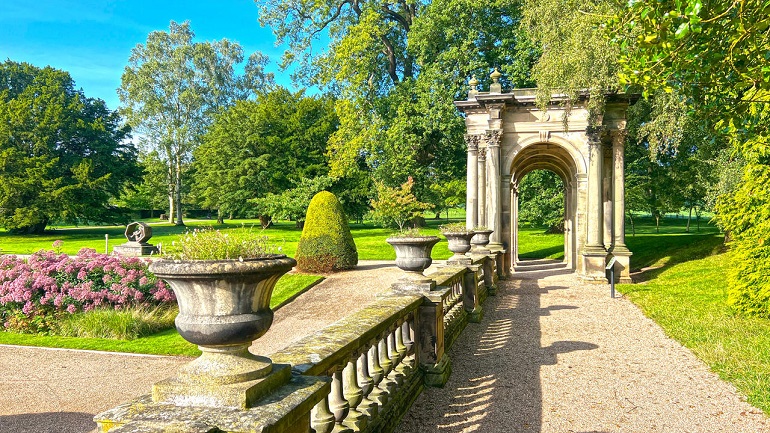
Trentham Estate encompasses a diverse collection of attractions that blend natural beauty, horticultural excellence, and family entertainment within a single spectacular setting. The award-winning Trentham Gardens showcase landscape design at its finest, featuring Italianate formal gardens that complement the natural beauty of the large lake and surrounding woodland. These meticulously maintained gardens demonstrate seasonal variety throughout the year, from spring bulb displays to autumn colour spectacles that attract photographers and nature enthusiasts alike. The estate's walking trails meander through diverse habitats, offering opportunities to observe local wildlife whilst enjoying peaceful countryside views. The restoration of these historical gardens represents a significant conservation achievement, bringing Victorian grandeur back to life through careful research and expert horticultural knowledge. The estate's commitment to environmental sustainability is evident in its wildlife management practices and educational programmes that promote conservation awareness. The integration of leisure facilities with natural landscapes creates a unique destination that appeals to diverse interests, from serious gardeners to families seeking outdoor recreation.
Trentham Monkey Forest
The Trentham Monkey Forest presents a unique wildlife experience that transports visitors to a naturalistic habitat where Barbary macaques live freely within ancient woodland. This innovative attraction demonstrates modern approaches to animal welfare and conservation, providing these endangered primates with an environment that closely resembles their natural North African habitat. The carefully designed pathway system allows visitors to observe the monkeys' natural behaviours without disturbing their social structures or daily routines. The forest setting creates an immersive experience that educates visitors about primate behaviour, social hierarchies, and the challenges facing these animals in the wild. Conservation efforts at the facility contribute to global breeding programmes aimed at preserving this vulnerable species for future generations. The attraction's educational mission extends beyond entertainment, fostering understanding of wildlife conservation and the complex relationships between humans and animals. The seasonal changes in the forest environment provide different viewing opportunities throughout the year, as the monkeys adapt their behaviour to weather conditions and food availability.
Biddulph Grange Garden
Biddulph Grange Garden represents one of the most ambitious and imaginative garden designs in Victorian Britain, created as a series of themed landscapes that transport visitors around the world without leaving Staffordshire. This National Trust property showcases the Victorian fascination with exotic plants and foreign cultures, featuring meticulously recreated environments that reflect different global regions. The Chinese garden, considered one of the finest examples outside of China, demonstrates sophisticated understanding of Eastern design principles and plant selection. Each themed area tells a story about plant collecting, cultural exchange, and the Victorian passion for botanical discovery that expanded British gardens beyond their traditional boundaries. The garden's innovative design incorporates dramatic topographical changes, hidden passages, and surprise vistas that create a sense of adventure and discovery. Seasonal plantings ensure year-round interest, whilst the diverse microclimates support an extraordinary range of plant species from around the world. The restoration work undertaken by the National Trust has revealed the garden's original complexity and artistic vision, making it a masterpiece of landscape design that continues to inspire contemporary gardeners and designers.
Hanley Park
Hanley Park exemplifies Victorian park design principles, combining formal landscaping with recreational facilities to create a democratic space that serves all members of the community. The park's design reflects the Victorian belief in the moral and physical benefits of public green spaces, incorporating elements that promote both contemplation and active recreation. The landscaped gardens showcase horticultural expertise through seasonal bedding displays, mature tree specimens, and carefully planned colour schemes that provide visual interest throughout the year. The lake serves as a focal point for the park's design whilst supporting waterfowl and providing opportunities for peaceful reflection. The park's role in community life extends beyond recreation, hosting cultural events, festivals, and educational programmes that strengthen social connections within the local area. The preservation of original Victorian features alongside modern amenities demonstrates successful adaptation of historical landscapes to contemporary needs. The park's contribution to urban biodiversity and air quality improvement highlights the ongoing importance of green spaces in city planning and public health.
Waterworld
Waterworld creates a tropical paradise within the heart of Staffordshire, offering an immersive aquatic experience that transports visitors to exotic destinations regardless of British weather conditions. The facility's design incorporates authentic tropical theming, from lush vegetation to carefully controlled climate conditions that maintain the illusion of a far-off resort. The variety of water attractions caters to different ages and adventure levels, from gentle play areas for young children to adrenaline-pumping slides for thrill-seekers. The wave pool recreates ocean conditions in a controlled environment, whilst the lazy river provides relaxation opportunities for those seeking gentler aquatic experiences. The facility's commitment to safety and accessibility ensures that families can enjoy the attractions together, with specially trained staff and comprehensive safety systems throughout the venue. The tropical theming extends beyond visual elements to include authentic sounds, scents, and atmospheric effects that create a fully immersive experience. The venue's popularity as a year-round destination demonstrates the appeal of controlled environments that offer consistent quality and comfort regardless of external conditions.
Middleport Pottery
Middleport Pottery embodies the authentic spirit of Stoke-on-Trent's ceramic heritage, functioning as both a working pottery and a visitor attraction that celebrates traditional manufacturing methods. This Grade II listed Victorian pottery continues to produce the distinctive Burleigh earthenware using techniques virtually unchanged since the 19th century. The guided tours reveal the intricate processes involved in creating the company's signature blue and white transferware, from the initial clay preparation through to the final firing stages. Visitors can observe skilled decorators applying intricate patterns by hand, a painstaking process that requires years of training and exceptional attention to detail. The historic steam engine, lovingly maintained and occasionally demonstrated, serves as a reminder of the industrial power that once drove the pottery industry. The canal-side location emphasises the importance of waterways in transporting both raw materials and finished goods, connecting Stoke-on-Trent to markets across Britain and beyond. The pottery's commitment to preserving traditional methods whilst adapting to contemporary market demands illustrates the ongoing evolution of ceramic manufacturing in the region.
Ford Green Hall
Ford Green Hall presents a rare example of 17th-century domestic architecture, offering visitors the opportunity to experience life in a prosperous farming household during a period of significant social and economic change. The timber-framed construction demonstrates traditional building techniques that were common in the region before the industrial revolution transformed the landscape. The hall's restoration has revealed architectural details and decorative elements that provide insight into the aesthetic preferences and social aspirations of its original inhabitants. The furnished rooms recreate domestic life across different periods, showing how living conditions and household arrangements evolved over time. The hall's collection of local history artifacts places the building within its broader regional context, exploring connections between rural and urban communities during the transition to industrialisation. The educational programmes offered at the hall bring history to life through interactive demonstrations and hands-on activities that engage visitors with the practical aspects of historical daily life. The hall's garden areas have been restored to reflect historical planting schemes and cultivation practices, providing additional insight into self-sufficient rural lifestyles.
Foxfield Railway
Foxfield Railway preserves an authentic steam railway experience that celebrates the golden age of rail transport whilst showcasing the scenic beauty of the Staffordshire countryside. The heritage railway operates vintage steam locomotives and restored carriages that provide visitors with the sights, sounds, and sensations of historical rail travel. The railway's route passes through diverse landscapes, from industrial heritage sites to rolling countryside, offering passengers changing vistas and photographic opportunities throughout the journey. The volunteer-operated railway demonstrates the dedication of railway enthusiasts who maintain the locomotives, rolling stock, and infrastructure necessary for safe operation. The railway's collection includes locomotives from different periods of steam railway history, each with its own operational characteristics and historical significance. Special events and themed journeys throughout the year provide unique experiences that attract railway enthusiasts and families alike. The railway's educational programmes explore the role of railways in industrial development, rural transportation, and the social changes that accompanied the expansion of the railway network across Britain.

Westport Lake
Westport Lake serves as a tranquil oasis within the urban landscape of Stoke-on-Trent, providing essential habitat for wildlife whilst offering recreational opportunities for local residents and visitors. This local nature reserve demonstrates the successful transformation of industrial land into valuable green space, creating a sustainable environment that supports diverse bird populations and aquatic life. The lake's strategic location along migration routes makes it particularly important for waterfowl, with seasonal variations in bird populations providing year-round interest for birdwatchers and nature photographers. The surrounding landscape incorporates meadows, woodlands, and wetland areas that support a complex ecosystem of plants and animals adapted to the region's climate and soil conditions. Educational programmes at the visitor centre promote environmental awareness and encourage community participation in conservation efforts. The walking paths and observation points are designed to minimise disturbance to wildlife whilst maximising opportunities for nature observation and peaceful recreation. The lake's role in flood management and water quality improvement demonstrates the multiple benefits of urban green spaces in addressing environmental challenges.
Chatterley Whitfield Colliery
Chatterley Whitfield Colliery preserves the most complete remains of a deep mine colliery in England, offering profound insights into the coal mining industry that shaped the social and economic landscape of Staffordshire for over two centuries. The site's preservation represents a significant achievement in industrial archaeology, maintaining not only the physical structures but also the stories and experiences of the miners who worked in these challenging conditions. The colliery's technological innovations, including winding gear, ventilation systems, and safety equipment, demonstrate the engineering expertise required to extract coal from deep underground seams. The social history of the colliery encompasses the lives of mining families, the development of mining communities, and the cultural traditions that emerged from this dangerous but essential industry. The site's educational value extends beyond local history to encompass broader themes of industrial development, labour relations, and the environmental impact of coal extraction. The preservation efforts have created a unique resource for understanding the human cost of industrial progress and the communities that sustained Britain's industrial revolution.
Top Museums
Gladstone Pottery Museum
The Gladstone Pottery Museum stands as a remarkable testament to Stoke-on-Trent's industrial heritage, housed within the last complete Victorian pottery factory in Britain. This living museum offers visitors an authentic glimpse into the working conditions and processes that defined the Potteries for centuries. The site preserves original bottle kilns, workshop spaces, and machinery that once produced everyday ceramics for households across the empire. Daily demonstrations by skilled craftspeople showcase traditional techniques such as throwing, decorating, and firing, allowing visitors to witness the artistry and precision required in pottery production. The museum's extensive collection chronicles the evolution of ceramic manufacturing from its humble beginnings to the sophisticated industrial processes that made Stoke-on-Trent the world's pottery capital. Interactive exhibits engage visitors of all ages, whilst the atmospheric Victorian setting provides an immersive experience that brings the city's industrial past to life. The preservation of authentic workspaces, complete with original tools and equipment, offers invaluable insight into the social and economic conditions that shaped the region's identity.
World of Wedgwood
The World of Wedgwood represents the pinnacle of ceramic artistry and innovation, celebrating the legacy of Josiah Wedgwood and his revolutionary impact on pottery design and manufacturing. This comprehensive visitor experience showcases the brand's journey from its 18th-century origins to its contemporary status as a luxury ceramics manufacturer. The museum houses an extraordinary collection of historical pieces, including rare jasperware, iconic blue and white designs, and experimental works that demonstrate Wedgwood's commitment to artistic excellence and technical innovation. Factory tours provide fascinating insights into modern ceramic production, revealing how traditional craftsmanship has evolved whilst maintaining the quality standards established centuries ago. The hands-on pottery studios allow visitors to experience the tactile pleasure of working with clay, guided by expert instructors who share techniques passed down through generations. The venue's design galleries explore the intersection of art and industry, featuring collaborations with renowned artists and designers who have contributed to Wedgwood's enduring reputation. Educational programmes delve into the scientific aspects of ceramic production, from the chemistry of glazes to the physics of firing temperatures, making this attraction both entertaining and enlightening.
The Potteries Museum & Art Gallery
The Potteries Museum & Art Gallery stands as the definitive repository of Stoke-on-Trent's cultural heritage, housing collections that span millennia of human creativity and natural history. The museum's ceramic collection represents the world's finest assembly of Staffordshire pottery, documenting the technical innovations and artistic achievements that established the region's international reputation. The Staffordshire Hoard, the largest collection of Anglo-Saxon gold ever discovered, provides extraordinary insight into early medieval craftsmanship and the region's ancient history. The museum's fine art collection includes works by prominent artists with connections to the Potteries, alongside pieces that reflect broader artistic movements and cultural developments. Natural history displays explore the geological foundations that made ceramic production possible, whilst archaeological collections trace human settlement in the area from prehistoric times to the present day. The Supermarine Spitfire exhibit commemorates the region's contribution to aviation history and wartime manufacturing efforts. Educational programmes and temporary exhibitions ensure that the museum remains a dynamic institution that engages with contemporary issues whilst preserving historical legacy.
Local Cuisine
Stoke-on-Trent’s local cuisine is steeped in tradition and heartiness, perfectly reflecting the city’s industrial heritage. Not to be missed are the iconic Staffordshire oatcakes, thin, pancake-like creations made with oatmeal and yeast, enjoyed with savoury fillings such as cheese, bacon, or mushrooms, or even sweet toppings for a comforting treat. Another beloved dish is Staffordshire lobby, a warming stew of bacon, beef, and root vegetables, which was once a staple for local pottery workers. For something distinctly regional, sample the cheese and ale pie, packed with creamy local cheese and robust ale, or try a hearty slice of fidget pie, blending bacon, apples, and onions in a flaky pastry. These specialities offer a true taste of Stoke-on-Trent and a window into the area’s culinary soul.
Getting There & Around
Stoke-on-Trent is easily accessible by various modes of transport, making it a convenient destination for visitors. The city is well-connected by rail, with direct train services from London Euston (approximately 1 hour 20 minutes, from £25), Manchester (45 minutes, from £15), and Birmingham (1 hour, from £12) arriving at Stoke-on-Trent railway station in the city centre. By car, Stoke-on-Trent sits conveniently on the M6 motorway (Junction 15 or 16), approximately 160 miles north of London and 45 miles south of Manchester, with ample parking available in the city centre from £2 per hour. The nearest airport is Manchester Airport, about 45 miles away, with regular bus services (National Express from £8) and train connections via Manchester Piccadilly. Local bus services operate throughout the city and surrounding areas, with day passes available from £4.50, whilst taxis from the train station to most city centre locations typically cost between £5-£10.