


 Ireland Guide
 Scotland Guide
 Wales Guide
| Contents |
|---|

Introduction to London
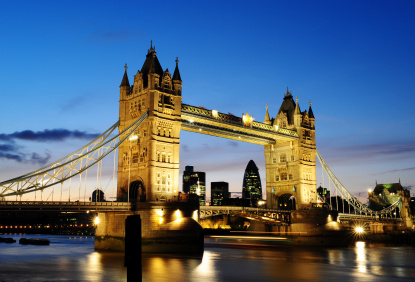
London, the capital of the United Kingdom, stands as a vibrant, multicultural metropolis offering visitors an extraordinary blend of experiences. The metropolis offers an extensive array of attractions, from iconic landmarks like Big Ben, Buckingham Palace, Westminster Abbey and the Tower of London to some of the world's finest shopping districts along Oxford Street and Regent Street. The city features an efficient public transport network, including the world's oldest underground system, making it easy to explore its diverse neighbourhoods such as Covent Garden, Shoreditch and Soho. Visitors can enjoy numerous world-class museums like the British Museum and the Natural History Museum, many of which are free to visit. With over 300 languages spoken and a blend of green spaces like Hyde Park alongside bustling markets and museums, London caters to both first-time visitors and frequent travellers. Its culinary scene ranges from traditional pubs to Michelin-starred restaurants, while cultural hubs like the West End theatres, Tate Modern, and Borough Market offer diverse experiences.
The historical City of London has a small population of approximately 7,800 inhabitants. In contrast, Greater London has a much larger population, estimated to be around 8.9 million people. The broader metropolitan area of London is home to about 9.8 million people. The 2021 census showed that only 36.8% of Londoners were of White British desent. Overall 53.8% are Caucasians, 14.5% South Asians (Indian, Bangladeshi or Pakistani), 7.9% Black Africans, 3.9% Black Caribbeans, 5.7% Mixed, 1.7% Chinese, 1.6% Arabs, and 4.7% other ethnicities.
Learn about London
| Fun Facts about London |
|---|

Interesting, amusing or surprising tidbits about the British capital and its role and influence in the world over the centuries.
|
| History of London |
|---|
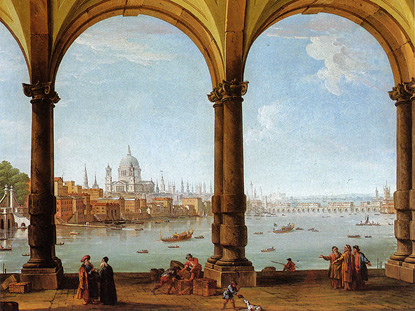
Browse the striking events that have made London what it is today, from its Roman founding to the Norman conquest, and from the Great Fire of 1666 to becoming the capital of a vast global empire.
|
Attractions in London
| Attractions by Category |
|---|
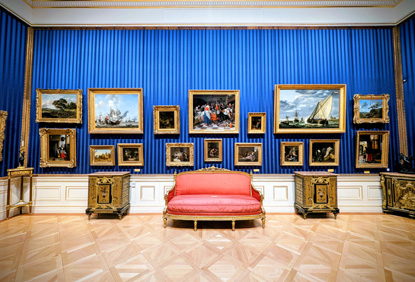
Top Museums in London
| Museums by Category |
|---|
Local Cuisine in London
London's culinary landscape brilliantly merges traditional British fare with influences from around the globe, reflecting the city's rich multicultural heritage and its evolution from a working-class dock city to a sophisticated global metropolis. The local cuisine offers hearty, comforting dishes alongside innovative international options that have become integral parts of the London dining experience.
Historical Context and Culinary Evolution
London's food culture has undergone remarkable transformations over the centuries. During the early days, simple, local, and hearty fare dominated the table, with roast meats and thick stews providing sustenance for survival. The Thames provided abundant eels, which became the foundation for eel pies—one of London's earliest famous foods that gained popularity amongst the working class due to their substantial, reasonably priced, and portable nature.
The Age of Exploration in the 16th and 17th centuries revolutionised London's cuisine as British explorers brought exotic ingredients like cocoa, sugar, and spices from around the world. These products transformed the food scene, particularly for the wealthy, whilst street food culture began to flourish with oyster carts providing affordable and wholesome meals to the expanding urban population.
The Industrial Revolution of the 19th century marked another pivotal moment as London became a major industrial powerhouse. The rise of the working class created demand for quick and inexpensive meals, leading to the popularity of fish and chips—a dish combining British and Jewish culinary traditions that soon became a national favourite.
Traditional British Specialities
The Icons of British Cuisine
Fish and chips remains London's most iconic dish, with its origins deeply rooted in 19th-century immigrant communities. Iberian Jewish immigrants introduced the method of coating fish in flour and water before frying in oil, whilst Eastern European Jewish immigrant Joseph Malin opened the first fish and chip shop. This combination of fried fish with thick-cut chips, often served with mushy peas and tartare sauce, became incredibly popular amongst the working class and has since been termed one of Britain's national dishes.
The Full English breakfast, affectionately known as a "fry-up," provides a substantial start to the day with bacon, eggs, sausages, baked beans, mushrooms, grilled tomatoes, and black pudding—a rich blood sausage that's an acquired taste. Traditional "greasy spoon" cafés maintain the authentic atmosphere with their no-frills approach and hearty portions.
Working-Class Heritage
Pie and mash originated in London's docks as traditional working-class fare, consisting of minced meat pie served with mashed potatoes and liquor—a distinctive green parsley sauce. This dish often comes with jellied eels, though the latter has become more of a specialist taste. Traditional pie and mash shops maintain their Victorian décor with white tile walls, mirrors, and marble floors to preserve the authentic experience. These establishments are described as "bits of living history" and represent a distinctly London invention.
Bangers and mash features quality sausages served with creamy mashed potatoes and rich onion gravy. The term "bangers" dates back to World War I when meat shortages meant sausages contained more water and fillers, causing them to pop and explode whilst cooking due to steam pressure. Modern variations allow diners to choose from different sausage types—Cumberland, pork, chicken, Lincolnshire, or vegetarian—and various mash styles, from cheesy mustard with mature cheddar to herby buttermilk or sweet potato mash. Mother Mash, with locations in Soho and Covent Garden, exemplifies the modern approach to this classic dish with their fashionable dining spaces featuring white subway tiles and authentic marbled tables.
The Sunday Institution
The Sunday roast represents a cornerstone of British dining culture and remains a beloved tradition amongst Londoners. This substantial meal typically features roasted beef, lamb, pork, or chicken served with Yorkshire pudding, roast vegetables, and gravy. The Sunday roast is treated as an opportunity for families to gather around the dining table, often expanding into a three-course affair with soup or terrine as a starter and traditional British pudding for dessert.
Yorkshire pudding deserves special mention as a fluffy, crispy, and tender accompaniment that originated centuries ago in northern England. This savoury batter, traditionally cooked with roast dripping, rises into cup shapes that serve as wonderful vehicles for gravy. Originally served as a starter with gravy to bulk up the meal cheaply and compensate for smaller meat portions, Yorkshire pudding was traditionally paired only with beef, though modern restaurants now serve it with every roast.
The meal comes with an array of side dishes including roast and mashed potatoes, roast parsnips, carrots, leeks, Brussels sprouts, peas, and green beans. Traditional condiments add extra flavours: English mustard or horseradish sauce for beef, bread sauce for chicken, redcurrant or mint sauce for lamb, and apple sauce for pork.
Hearty Pub Classics
Steak and kidney pie remains a popular pub dish featuring diced beef and kidney (usually beef, but sometimes lamb or pork) with brown gravy, fried onions, black pepper, and Worcestershire sauce, all encased in flaky pastry. The dish evolved from earlier British stewed meat traditions, with the addition of kidneys not occurring until the mid-19th century. Not to be confused with the pie version, steak and kidney pudding is a dome-shaped delight encased in suet pastry that's been slowly steamed.
Lancashire hotpot, whilst not exclusively Londonese, represents the broader British tradition of slow-cooked stews. This dish from north-west England consists of mutton or lamb stew topped with sliced potatoes and baked in a heavy pot, developed as a popular choice for the growing working class as it could be left to cook slowly whilst the family worked.
Quirky Traditional Dishes
Several London specialities bear amusing names that reflect the city's culinary humour and working-class origins. Toad in the hole combines sausages baked in Yorkshire pudding batter—completely amphibian-free despite its whimsical name. Bubble and squeak consists of fried leftover vegetables, typically potatoes mixed with cabbage or Brussels sprouts, named for the sizzling sounds it makes whilst cooking.
The Ploughman's lunch provides a hearty pub staple comprising bread and butter, cheese, pickled onions, ham, hard-boiled eggs, salad, apple, and pickle—all served as a satisfying cold platter that epitomises British simplicity.
Anglo-Indian Cuisine Revolution
Chicken tikka masala has earned recognition as Britain's national dish, despite its Indian origins. This creamy, spiced curry exemplifies how London's large South Asian population has enriched the city's culinary landscape through post-war immigration. The dish features marinated chicken in a rich tomato-based sauce with yoghurt and aromatic spices including garam masala and cumin. Brick Lane established itself as the epicentre for authentic Indian and Pakistani cuisine, earning the nickname "Curry Capital" of London.
The post-World War II era permanently transformed London's gastronomic scene as immigrants from Bangladesh, Pakistan, India, the Caribbean, and other regions contributed their culinary traditions. Indian dishes such as samosas, tandoori chicken, and biryani gained widespread popularity, whilst Caribbean jerk stands, Italian trattorias, and Chinese takeaways flourished simultaneously.
Afternoon Tea Tradition
Afternoon tea represents one of Britain's most civilised culinary traditions, dating back to the 1840s. This elegant ritual includes finger sandwiches, cakes, savoury snacks, and scones served with jam and clotted cream, all accompanied by fine teas. Victorian tea culture flourished during the 19th century, with afternoon tea evolving into a significant social custom complete with accompanying cakes, scones, and sandwiches.
London's luxury hotels like The Ritz and Fortnum & Mason offer the most opulent experiences, whilst more accessible options ensure this tradition remains available across all budgets. Most Britons are more likely to enjoy a simple cream tea (just scones and tea), but the full afternoon tea experience remains a treat worth indulging in for visitors.
Modern Fusion and Innovation
The 1980s and 1990s witnessed the rise of fusion cuisine as chefs began experimenting with flavours from various cultures. London transformed into a culinary creative playground, with dishes like chicken tikka masala becoming distinctively British-Indian. Gastropubs gained popularity during this period, serving sophisticated takes on classic British cuisine using premium ingredients to reinvent dishes like sticky toffee pudding and steak and ale pie.
Street Food and Market Culture
London's street food scene provides exceptional value, with vendors and markets offering delicious, freshly prepared dishes for under ten pounds. These markets originally evolved to cater for immigrant communities seeking authentic ingredients to maintain their culinary traditions, but have become accessible to all and now thrive as popular tourist destinations.
Borough Market stands as a must-visit destination for food lovers, operating for over 1,000 years as a historic district filled with culinary delights. This market offers fresh produce, artisanal goods, and street foods from around the world, creating an overwhelming array of options that satisfy every craving. Popular offerings include fresh smoothies made with quality ingredients, authentic paella cooked before your eyes, Kappacasein's famous toasted cheese sandwich featuring a mixture of cheese between sourdough bread slices with onions and leeks, and Bread Ahead's selection of gourmet donuts in numerous flavours.
The market operates Tuesday to Friday 10:00am to 5:00pm, Saturday 9:00am to 5:00pm, and Sunday 10:00am to 4:00pm, remaining closed on Mondays. The popularity of Borough Market has attracted attention from food personalities like Phil Rosenthal from "Somebody Feed Phil," who visited to sample the renowned toasted cheese sandwich.
Contemporary Pub Culture
Traditional pubs continue to serve as guardians of British culinary heritage whilst adapting to modern tastes. The Anchor Pub, one of London's oldest establishments dating to 1615, exemplifies this balance. Located at 34 Park Street with Thames River views, it maintains traditional pub décor with warm atmospherics across two floors, complete with bars and dining areas. The pub operates Sunday to Wednesday 11:00am to 11:00pm, Thursday and Friday 11:00am to 11:30pm, and Saturday 10:00am to 11:30pm, welcoming both locals and tourists whilst remaining pet-friendly.
Cultural Diversity and Global Influences
London's reputation as a gastronomical adventure destination stems from its embrace of cultural diversity over the past two decades. The city's status as a global hub for trade and commerce, particularly during the height of the British Empire, established foundations for a culinary culture that embraces change and diversity. Historical imports of sugars, spices, teas, and coffees found their way into London kitchens, creating openness to international flavours that continues today.
The city now caters to every price point, from street vendors to high-end restaurants, with each wave of immigration bringing culinary skills and knowledge that have led to creativity, open-mindedness, and fusion of different cooking styles. This multicultural makeup has resulted in a unique blending of flavours, techniques, and ingredients from different cultures, creating one of the world's most fascinating food capitals.
London's food scene represents centuries of culinary evolution, from simple working-class recipes that gradually reached aristocratic tables to the diverse international influences brought by successive waves of immigration. This unique blend creates a dining experience that's both authentically British and refreshingly cosmopolitan, establishing London as a truly exceptional destination for food enthusiasts seeking both traditional comfort and innovative gastronomy.
Shopping in London
London stands as one of the world's premier shopping destinations, offering an unparalleled mix of historic boutiques, flagship department stores, and cutting-edge fashion districts that cater to every budget and style. From the bustling high street chains to exclusive designer labels, the capital provides an extraordinary retail experience across its diverse neighbourhoods.
Major Shopping Districts
Oxford Street remains the undisputed heart of London shopping, stretching nearly one and a half miles with over 300 shops including major department stores like Selfridges and John Lewis & Partners. The street accommodates everything from budget-friendly Primark to premium brands like Zara, making it essential for any shopping itinerary. For a more refined experience, slip into St Christopher's Place, a hidden alleyway featuring boutiques such as Malini and Mulberry.
Bond Street and Mayfair represent London's most exclusive shopping areas, where luxury fashion houses showcase their finest collections. Here you'll find flagship stores for Tiffany & Co, Burberry's iconic check patterns, Louis Vuitton's monogrammed pieces, and Christian Louboutin's signature red-soled heels. The area attracts celebrities and discerning shoppers seeking the very best in designer fashion.
Regent Street offers classic elegance with its distinctive curved architecture housing both British heritage brands and international names. The street perfectly balances tradition with contemporary retail, making it a favourite amongst both locals and visitors.
Historic Shopping Experiences
London's Victorian shopping arcades provide a uniquely atmospheric retail experience. Burlington Arcade, one of the world's first shopping arcades, alongside the glamorous Piccadilly Arcade and eclectic Princes Arcade, offer boutique shopping in stunning historical settings. These covered walkways feature ornate fixtures and beautiful shopfronts that transport shoppers back in time.
Jermyn Street in St James's specialises in traditional British menswear, with establishments like Harvie & Hudson for shirts, Hawes & Curtis for blazers, and Church's for handcrafted shoes. Many of these shops hold royal warrants, representing centuries of British tailoring excellence.
Diverse Neighbourhoods
Covent Garden combines market stalls with independent boutiques in a charming historical setting. The area offers a delightful blend of street performers, artisan crafts, and unique finds that capture London's creative spirit.
Notting Hill has earned its reputation as the 'it-girl' of London shopping, featuring stylish boutiques like Reformation, American Vintage, and Goldsmith Vintage alongside the famous Portobello Road Market. The area attracts fashion-forward shoppers seeking vintage treasures and contemporary designs.
Camden Town provides an alternative shopping experience with its eclectic market stalls and unique finds that reflect London's edgy fashion scene. The area specialises in alternative styles, vintage clothing, and one-of-a-kind pieces.
Marylebone caters to luxury shoppers with designer stores and the renowned Selfridges Food Hall. The Conran Shop displays its wares in a particularly beautiful space, whilst Brora offers iconic cashmere jumpers that epitomise British style.
Practical Shopping Tips
Visit shopping areas during weekday mornings to avoid the weekend crowds that can make popular streets like Oxford Street particularly hectic. Many markets operate best at weekends, so plan accordingly if you wish to explore London's famous market scene.
The city's excellent transport links make district-hopping straightforward, with major shopping areas well-connected by Underground stations. Oxford Circus, Bond Street, and Piccadilly Circus serve as central hubs for accessing multiple shopping districts.
During the festive season, particularly around Christmas, Oxford Street becomes especially enchanting with thousands of twinkling lights and imaginative window displays that showcase British retail creativity at its finest.
Nature in and around London
London might be renowned for its historical landmarks and urban sophistication, but the capital and its surrounding areas offer an abundance of natural attractions that provide peaceful escapes from city life. From ancient woodlands to royal gardens, wetlands to rolling hills, London's natural heritage is both diverse and easily accessible.
Central London's Green Oases
The Royal Parks
Hyde Park and Kensington Gardens form one of London's most beloved green corridors. This expansive area offers everything from the serpentine lake where you can swim or hire boats, to the Italian Gardens and the Peter Pan statue. The Diana Memorial Fountain provides a tranquil spot for reflection, whilst Speakers' Corner at Marble Arch maintains its tradition as a place of public discourse.
St James's Park creates a stunning nature walk from Trafalgar Square, passing Duck Island Cottage where you can spot pelicans gliding across the lake. The park connects seamlessly to Green Park, known for its plane tree-lined Broad Walk and the peaceful Canada Memorial.
Regent's Park houses one of London's most spectacular viewpoints at Primrose Hill. This 60-metre hill offers panoramic views of the London skyline, creating a striking contrast between the green parkland and the city's iconic landmarks stretching from the London Eye to Canary Wharf.
North London's Wild Spaces
Hampstead Heath
Hampstead Heath spans 790 acres of ancient woodland and meadows, feeling remarkably wild despite its urban location. Parliament Hill, standing at 322 feet, provides one of the highest viewpoints in London for skyline photography. The Heath is famous for its swimming ponds and serves as home to London's largest hedgehog population, along with species such as toads and stag beetles.
The northwestern section features the Hampstead Pergola and Hill Garden, an Edwardian architectural gem surrounded by lush greenery that offers a more formal contrast to the Heath's wild character.
Epping Forest
Straddling the border between Greater London and Essex, Epping Forest covers an impressive 6,000 acres of ancient woodland. This UNESCO-recognised site contains more than 55,000 ancient trees—more than any other single location in the United Kingdom. The forest offers numerous walking paths through varied landscapes of woodland, grassland, and around lakes and ponds.
Within the forest stands Queen Elizabeth's Hunting Lodge, originally commissioned by Henry VIII in 1543 and later renovated for Queen Elizabeth I. Today it operates as a Tudor-era museum.
Southwest London's Natural Jewels
Richmond Park and Isabella Plantation
Richmond Park claims the distinction of being England's most visited National Nature Reserve. The park's Isabella Plantation creates a particularly enchanting 40-acre woodland garden with winding paths, streams, and hidden benches offering respite from city life. The park's various ponds—including Pen Pond and Leg of Mutton Pond—attract diverse wildlife throughout the year.
King Henry's Mound within Richmond Park provides spectacular panoramic views across London, whilst Pembroke Lodge offers dining with a view for those wanting to extend their visit.
Kew Gardens
The Royal Botanic Gardens at Kew represents one of London's most significant natural attractions and a UNESCO World Heritage site. These gardens showcase plants from around the world within historic glasshouses, including the iconic Palm House where visitors can experience rainforest environments. The Princess of Wales Conservatory allows exploration of ten different climatic zones in a single visit.
East London's Wetland Wonders
Walthamstow Wetlands
Walthamstow Wetlands provides an urban oasis for both wildlife and visitors, offering excellent birdwatching opportunities across its varied aquatic habitats.
London Wetland Centre
Located just ten minutes from Hammersmith, the WWT London Wetland Centre encompasses 105 acres of lakes, ponds, and gardens. Since opening in 2000, over 200 bird species have been recorded on site. The centre features six wildlife hides, regular otter feeding sessions, and accessible facilities including level-access paths and hides.
Unique Natural Experiences
Camley Street Natural Park
This hidden gem near King's Cross demonstrates how nature can thrive in unexpected urban locations, offering a tranquil retreat within walking distance of major transport hubs.
Highgate Wood
Highgate Wood provides an accessible ancient woodland experience, perfect for shorter nature walks whilst still offering genuine forest atmosphere.
Nature Walks and Connectivity
London's commitment to green connectivity shines through its six strategic walking routes: the Capital Ring, The Green Chain, Jubilee Walkway, Lea Valley Walk, the London Loop, and the Thames Path. These routes link the city's 110 Local Nature Reserves and nine Royal Parks, creating an extensive network for exploring London's natural heritage.
The River Thames itself serves as London's most prominent natural feature, offering riverside walks and boat tours that reveal the city's relationship with its historic waterway.
Getting Around
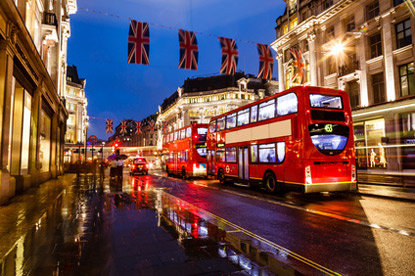
London boasts one of the world's most extensive and integrated public transport networks, serving all 32 boroughs through a comprehensive system of underground trains, buses, and rail services. The iconic London Underground, affectionately known as 'the Tube', operates 11 lines across 272 stations, carrying up to 5 million passengers daily. The city is divided into nine travel zones, with zones 1 and 2 covering central London where most tourist attractions are located. London's famous red double-decker buses provide a convenient and cost-effective way to explore the city, with over 700 routes and 6,800 scheduled services operating throughout the day and night. The network is further complemented by the Docklands Light Railway (DLR), London Overground, river services, and even a cable car system. Passengers can easily pay for their journeys using an Oyster card or contactless payment, making it remarkably simple to navigate across the capital.
| Getting Around London |
|---|
|
Best Time to Visit
Late spring (April to May) and early autumn (September to October) offer the optimal balance of pleasant weather, manageable crowds, and reasonable prices for visiting London. These shoulder seasons provide comfortable temperatures perfect for exploring the city's attractions whilst avoiding the peak summer rush.
Spring: March to May
Spring breathes new life into London as the city awakens from winter's grip. March through May brings longer daylight hours and mild temperatures averaging 11°C to 15°C, making it an excellent time for sightseeing. The city's parks and gardens burst into vibrant bloom, creating enchanting backdrops for leisurely strolls through Hyde Park, Regent's Park, and Kew Gardens.
Advantages: Fewer crowds than summer, moderate prices for accommodation and flights, beautiful flowering gardens, and comfortable walking weather. Key events include the London Marathon and the spectacular Chelsea Flower Show.
Considerations: Spring rainfall is common, so pack an umbrella and waterproof jacket. Easter holidays can bring busier periods, particularly around Good Friday and Easter Monday.
Summer: June to August
Summer represents London's peak season, offering the year's warmest and sunniest weather with temperatures averaging 18°C and occasionally reaching above 30°C. The extended daylight hours make it perfect for enjoying beer gardens, rooftop bars, outdoor festivals, and the city's numerous green spaces.
Advantages: Best weather conditions, longest days, everything fully open with extended hours, outdoor concerts and festivals, and the only season when Buckingham Palace tours are available.
Considerations: Highest prices for accommodation and flights, significant crowds (especially during school holidays in July), and popular events like Wimbledon and Royal Ascot draw additional visitors. Book attractions well in advance to skip queues.
Autumn: September to November
September to October offers one of London's most underappreciated periods, with crisp, comfortable days perfect for sightseeing. Temperatures remain mild at 11°C to 15°C, and the summer crowds begin to thin out after the second week of September.
Advantages: Pleasant weather, fewer tourists, reasonable prices, beautiful autumn foliage, and events like the Totally Thames festival. Christmas lights and decorations begin appearing from November onwards.
Considerations: Weather becomes more unpredictable towards November, and the October half-term brings family visitors taking advantage of school holidays.
Winter: December to February
Winter in London brings the lowest prices and smallest crowds, making it ideal for budget-conscious travellers who don't mind cooler weather. Average temperatures range from 2°C to 6°C, and whilst it's chilly, extreme weather is rare.
Advantages: Cheapest accommodation and flights, magical Christmas atmosphere with festive markets and decorations, fewer crowds at major attractions, and cosy pub culture at its finest.
Considerations: Shorter daylight hours, frequent rainfall, and some attractions may have reduced opening times. January and February are particularly cold and wet, though they offer the best value for money.
Best Times for Different Travellers
Budget travellers should target January and February for the lowest prices, whilst weather-focused visitors will prefer June to August despite higher costs. Museum enthusiasts should consider April and May when many museums participate in special nighttime events.
Families might favour the summer months despite crowds, whilst couples seeking romance often find the shoulder seasons of spring and autumn most appealing with their perfect balance of pleasant weather and intimate atmosphere.
Weather Essentials
London's temperate maritime climate means weather can be unpredictable year-round. Always pack layers and waterproof clothing regardless of season, as rain can occur even during traditionally sunny periods. The city rarely experiences extreme temperatures, making it visitable throughout the year with proper preparation.
Rainfall is heaviest in November and August, whilst January and February are the coldest months. Summer heat waves have become more common in recent years, occasionally pushing temperatures above 30°C.
The key to enjoying London lies in matching your visit to your priorities—whether that's optimal weather, budget considerations, or avoiding crowds. Each season offers its own distinct charm, from spring's blooming parks to winter's festive magic.