


 Ireland Guide
 Scotland Guide
 Wales Guide
| Contents |
|---|

Introduction
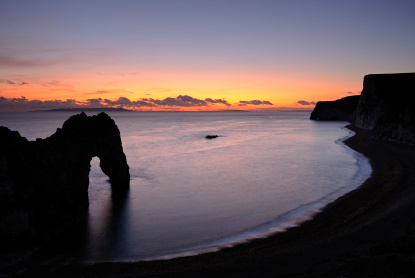
Weymouth (pop. 45,000) is a colourful little seasisde town characterised by its sandy beach and Georgian esplanade. Its historic harbour provides a focal point for the town. A short distance along the coast is Durdle Door, a natural limestone arch located on the Jurassic Coast, a UNESCO World Heritage Site. This landmark is accessible via a coastal path and is a prominent feature of this section of the English Channel coastline.
Interesting Facts about Weymouth
- Weymouth enjoys approximately 364 more hours of sunshine throughout the year compared to the UK average, making it one of the sunniest seaside towns in Britain.
- The town originally began as two separate rival settlements, Weymouth and Melcombe Regis, which were united by Queen Elizabeth I in 1571 after she grew tired of their constant petitioning over harbour disputes.
- The Black Death first entered England through the port of Melcombe Regis in June 1348, likely brought ashore by fleas from rats on ships arriving from continental Europe.
- King George III visited Weymouth 14 times between 1789 and 1805 for his summer holidays, even swimming in the sea using a special bathing machine.
- Weymouth served as a major departure point for the D-Day landings during World War II, playing a crucial role in the Allied invasion of Normandy.
- Sir Christopher Wren, the famous architect of St Paul's Cathedral, was Member of Parliament for Weymouth in 1702 and oversaw the Portland stone quarries.
- The town experiences a unique "double low tide" phenomenon caused by the nearby Isle of Portland, which affects the tidal patterns in Weymouth Bay.
- In 1635, around 100 emigrants from Weymouth sailed across the Atlantic on the ship Charity to help establish Weymouth, Massachusetts.
- During the Spanish Armada conflict in 1588, six English ships sailed from Weymouth to fight the Spanish fleet, and the captured Spanish ship San Salvador was brought into the harbour.
- Durdle Door is carved from Portland limestone that is approximately 140 million years old, the same type of stone used to build London's St Paul's Cathedral.
- The natural arch stands about 200 feet tall and was created when the sea pierced through the limestone around 10,000 years ago.
- The name "Durdle Door" derives from the Old English word "thirl," meaning bore or drill, combined with the Middle English "dure," meaning door or gate.
- This iconic landmark is probably the most famous stone arch anywhere in the world and attracts over 1 million visitors annually.
- Durdle Door is privately owned by the Weld family, who have owned the surrounding Lulworth Estate for generations.
- The arch was rumoured to have been used as a pirate hideout in centuries past, adding to its mystique and romantic appeal.
- Geological experts predict that Durdle Door could collapse within the next 50-100 years due to natural erosion processes.
- The landmark has appeared in numerous films and music videos, including scenes from the 1967 adaptation of Thomas Hardy's "Far From the Madding Crowd" and Cliff Richard's 1990 hit "Saviour's Day".
- The isolated sea stacks visible from Durdle Door show where an older coastline once lay, demonstrating how the coast has changed over thousands of years.
History
Weymouth's history begins with its origins as two separate medieval settlements on opposite sides of the River Wey. The older settlement of Weymouth, on the south side, was referred to as early as the 10th century as part of Wyke Regis parish, and by 1252 had become a chartered borough and established seaport trading in imported wine. Melcombe Regis, on the north side, was first noted in the 11th century and developed separately from the mid-12th century onwards, becoming a licensed wool port in 1310. The two towns were fierce rivals for trade and industry, with constant quarrels over harbour usage that became so bitter that Queen Elizabeth I grew weary of their petitioning and united them by Act of Parliament in 1571 to form the double borough of Weymouth and Melcombe Regis. Tragically, Melcombe Regis is believed to be the first port where the Black Death entered England in June or July 1348, possibly aboard a spice ship or army vessel from Calais.
The town's strategic importance continued through the Tudor period when Henry VIII constructed two Device Forts in the 1530s—Sandsfoot Castle in Wyke Regis and Portland Castle—to protect the south Dorset coast from invasion. During the English Civil War of 1642-1649, Weymouth changed hands numerous times and suffered considerable damage, including the notorious Crabchurch Conspiracy of February 1645 when around 250 people were killed after royalist sympathisers let enemy soldiers into the town. The town's fortunes transformed dramatically during the Georgian era when it became one of Britain's first modern tourist destinations, largely due to King George III's patronage—the monarch visited Weymouth fourteen times between 1789 and 1805 for his health, even venturing into the sea in a bathing machine. This royal endorsement made Weymouth "the most celebrated and visited watering-place in the land", leading to the construction of elegant Georgian terraces between 1770 and 1855.
Weymouth's maritime heritage includes supplying 15 ships and 263 mariners for the siege of Calais in 1347, and six vessels that sailed to fight the Spanish Armada in 1588, capturing the Spanish ship 'San Salvador'. The town played a crucial role in connecting Britain with the New World, with around 100 emigrants crossing the Atlantic aboard the ship Charity in 1635 to settle in Weymouth, Massachusetts, whilst others helped establish communities in Nova Scotia and Salem. The arrival of the railway in 1857 enabled both the resort and harbour to flourish, with growing sea-borne trade to the Channel Islands. During the Second World War, Weymouth served as a major departure point for the D-Day landings, cementing its place in military history. Today, visitors can explore this rich heritage through numerous historic sites, including the Jubilee Clock Tower erected in 1887 to celebrate Queen Victoria's golden jubilee, the renovated King's Statue from 1810, and the impressive chalk figure of the white horse at Osmington carved in 1808.
Main Attractions
Durdle Door & the Jurassic Coast
Whatever the charm of Weymouth as a beach resort, few tourists to England, let alone Dorset, would want to miss one of the country's great natural wonders, the white chalk cliffs of the Jurassic Coast. This stretch of romantic scenery runs for 150 km (95 mi.) from Orcombe Point near Exmouth in East Devon to Old Harry Rocks near Swanage in East Dorset, passing through Lyme Regis and Weymouth. The Jurassic Coast was the second wholly-natural World Heritage Site to be designated in the United Kingdom (in 2001). The highlight of the coast is Durdle Door, an extremely picturesque natural limestone arch battered by the sea. It is situated some 15 km (10 mi.) east of Weymouth, near the village of Lulworth.

Portland Bill
Portland Bill, on southerly part of Isle of Portland, is another scenic points close to Weymouth. The two famous vistas are the lighthouse (now used as a bird observatory) and the Pulpit Rock, a natural stone promontory with a huge rock hanging over the sea.

|

|
Weymouth Beach
Weymouth's main beach is a long stretch of golden sand that has been attracting visitors for centuries. The beach is suitable for swimming and paddling, with lifeguards on duty during peak season. Traditional seaside activities are available including deckchair hire and seasonal Punch and Judy shows. The beach's proximity to the seafront esplanade means visitors have easy access to shops, cafés, and amusement arcades.
Nothe Fort and Nothe Gardens
This Victorian coastal defence fort offers visitors the chance to explore extensive outdoor ramparts and underground tunnels. The fort features a large parade ground and its elevated position provides panoramic views across Weymouth Bay and Portland Harbour. The adjacent Nothe Gardens complement the fort with landscaped gardens, open lawns, and well-maintained footpaths that are perfect for leisurely walks.

Weymouth Harbour
The historic working harbour remains an active port with fishing boats, pleasure craft, and ferries creating a bustling maritime atmosphere. The quayside is lined with traditional pubs, restaurants, and independent shops, making it an ideal spot for dining and shopping. Regular sailing events and local markets add to the harbour's appeal as a cultural hub.
RSPB Radipole Lake and RSPB Lodmoor
These urban nature reserves provide important habitats for wetland birds and wildlife within the town boundaries. Both locations feature walking trails, bird hides, and informational boards that enhance the visitor experience. The reserves are particularly well-suited for birdwatching and offer accessible walks for visitors of all abilities.
Chesil Beach and The Fleet Lagoon
This remarkable 29-kilometre shingle barrier beach forms part of the UNESCO Jurassic Coast World Heritage Site. The Fleet Lagoon, situated behind Chesil Beach, is a unique brackish water habitat that supports diverse wildlife and offers stunning natural scenery. The beach is known for its distinctive pebble composition and impressive size.
Sandworld Sculpture Park
This seasonal outdoor attraction features large-scale sand sculptures created by professional artists, with themes changing throughout the year. The park includes some interactive areas where visitors can participate in sand sculpting activities. The sculptures are impressive works of art that demonstrate the versatility of sand as a medium.
Weymouth SEA LIFE Adventure Park
The marine-based attraction houses various sea creatures including turtles, penguins, and rays in carefully designed exhibits. Visitors can walk through an undersea tunnel and explore themed zones with interactive displays. The park also features play areas for children and actively supports marine conservation and rescue activities.
Sandsfoot Castle and Gardens
The ruins of this Tudor coastal artillery castle overlook Portland Harbour and provide insight into the area's military history. The castle is surrounded by landscaped gardens with seating areas and a small café for refreshments. Informational panels throughout the site explain the castle's historical significance and its role in coastal defence.
Rodwell Trail
This converted former railway line creates a pleasant walking and cycling route between Weymouth and Portland. The trail passes through old tunnels and station platforms, offering unique historical features along the way. It connects various green spaces and viewpoints, making it ideal for outdoor recreation and exploring the local area.
Osmington White Horse
Located on Osmington Hill northeast of Weymouth, this large chalk hill figure depicts King George III on horseback. The figure is visible from the A353 road and can be reached via public footpaths for those wanting a closer look. The site offers excellent views over the surrounding countryside and coastline.
Weymouth Pavilion
This traditional seaside entertainment venue hosts theatre performances, concerts, and community events throughout the year. The Pavilion maintains the classic atmosphere of British seaside entertainment whilst offering modern facilities and programming. It serves as an important cultural venue for both visitors and local residents.
Upwey Wishing Well & Water Gardens
The natural spring at this location is believed to be the source of the River Wey and is set within ornamental gardens. The traditional wishing well attracts visitors who follow the custom of making wishes, and the on-site tearoom provides refreshments. The water gardens create a peaceful environment for relaxation and contemplation.
Fantasy Island Fun Park
Situated in Bowleaze Cove, this small amusement park caters primarily to families with children. The park features various rides and activities designed for younger visitors, making it a popular destination for family outings. Its coastal location adds to the traditional seaside experience.
Additional Outdoor and Family Activities
Weymouth offers several smaller attractions including miniature railway experiences and pirate-themed adventure golf courses scattered throughout the town. Beach sports, sailing lessons, and fishing excursions are available from local providers, giving visitors numerous options for active seaside recreation. These activities complement the town's larger attractions and provide entertainment for all ages.
Top Museums
Nothe Fort
This remarkable Victorian sea fort stands proudly on the Jurassic Coast, overlooking Weymouth Harbour and the English Channel. Visitors can delve into a maze of atmospheric underground tunnels and discover the fort’s various historical roles, from its Victorian Gun Deck to its significant position during World War II. There are fascinating exhibitions on the Cold War, including access to a secret underground nuclear bunker. The ramparts provide spectacular panoramic views, and interactive displays cater for both adults and children. The fort also hosts educational events, open-air theatre, and concerts throughout the year, making it a lively hub for local history and culture.
Weymouth Museum
Devoted to preserving and showcasing the heritage of Weymouth and the surrounding area, Weymouth Museum houses an eclectic array of artefacts and memorabilia. The collection traces the story of the town, from its maritime roots and Georgian popularity to the social and industrial changes of more recent centuries. While the museum’s permanent home is at Brewers Quay, much of its recent history has involved temporary ‘pop-up’ exhibitions, which offer engaging displays covering pre-modern, Tudor, Victorian, Edwardian, and wartime periods. The museum is run by knowledgeable and passionate volunteers who are ready to share insights into Weymouth’s rich and varied past.
Tudor House Museum
Tucked away in the heart of Weymouth, the Tudor House stands as one of Britain’s best-preserved examples of a 17th-century town house. Originally built at the end of the reign of Elizabeth I, it reflects the period’s architecture with its characteristic double gable façade. The house has survived floods, plague, and wars, and was nearly demolished in the 20th century before being saved by local campaigners. Inside, visitors will find period rooms recreated with authentic furnishings and artefacts, painting a vivid picture of domestic life in Tudor and Stuart England. The museum also reveals the house’s connections to the local maritime trade.
Sandworld Sculpture Park
For a more contemporary experience, Sandworld Sculpture Park showcases the extraordinary talents of sand sculptors from around the globe. The themed displays—crafted entirely from sand and water—range from classic life-sized figures to intricate fantasy scenes. The park provides a hands-on creative space where visitors young and old can try their hand at sand sculpting, as well as admire the ever-changing works of professional artists. It’s an inventive, family-friendly attraction celebrating both artistry and seaside culture.
Art Galleries and Creative Spaces
Weymouth also has a number of galleries and creative studios, such as the Art Asylum, Cove Gallery, and Dansel Gallery, which offer opportunities to discover local and regional artists’ work in various media, from painting and sculpture to ceramics and woodcraft. These venues often host exhibitions, workshops, and events, further enriching Weymouth’s cultural landscape.
Local Cuisine
The historic harbour serves as the heart of the local food culture, where fresh crab sandwiches and locally-caught fish are daily staples, with many restaurants changing their menus twice daily based on the fishermen's catch. Visitors can indulge in exceptional fish and chips from award-winning establishments like Fish 'n' Fritz, or sample Portland crab and fresh oysters at waterfront eateries such as Crab House Cafe on Chesil Beach. The town's commitment to sustainability shines through restaurants like Catch at the Old Fish Market, Weymouth's only Michelin Guide-listed establishment, which champions sea-to-plate dining using the freshest local ingredients. Beyond seafood, food enthusiasts can enjoy Dorset cream teas whilst overlooking the picturesque harbour, or explore the town's diverse culinary offerings that blend traditional British cooking with international influences, all whilst maintaining a strong focus on locally-sourced Dorset produce.
Getting There & Around
By train, South Western Railway operates direct services from London Waterloo taking around 2 hours 40 minutes, with trains running hourly throughout the day, whilst Great Western Railway provides connections from Bristol, Bath, and Gloucester via Dorchester, with Weymouth station conveniently located in the town centre just minutes from the beach and shops.
By coach, National Express runs regular services from London Victoria Coach Station and other major cities, taking approximately 4 hours 20 minutes to reach Weymouth's Esplanade area, offering a comfortable and scenic journey through the English countryside.
By car, Weymouth is easily accessible via the M3 motorway from London and the South East, providing a pleasant drive through Dorset's beautiful countryside in under 3 hours, with numerous car parks available throughout the town centre and seafront area upon arrival.