England Guide  |
|---|
|
| | English Regions |
|---|
|
| | Top English Cities |
|---|
|
| | Top National Parks |
|---|
|
| | Europe Guide |
|---|
|
| | Travel Tools |
|---|
|
| | UK & Ireland Guide |
|---|
|
|
|
|
 Stone houses in Yockenthwaite, Wharfdale Valley, Yorkshire Dales. Stone houses in Yockenthwaite, Wharfdale Valley, Yorkshire Dales.
Introduction to Yorkshire
Yorkshire offers a compelling blend of natural beauty, rich history, and cultural heritage that makes it an exceptional destination for visitors.
Natural Landscapes
Yorkshire boasts stunning natural scenery with three national parks: the Yorkshire Dales, North York Moors, and part of the Peak District. These areas feature rolling hills, dramatic coastlines, and picturesque towns and villages. The region is home to remarkable geological features like Brimham Rocks, an extraordinary formation created over 325 million years ago. The Yorkshire coast offers miles of beaches, coves and cliffs where visitors might spot seals and occasionally whales.
Historical Significance
Yorkshire's history spans thousands of years, with evidence of human activity dating from the Palaeolithic period through to modern times. The region features:
- Medieval Treasures: York Minster, one of the largest gothic cathedrals in Northern Europe, houses the largest single expanse of Medieval glass in the world.
- Ancient Ruins: Impressive abbey ruins including Fountains Abbey (a UNESCO World Heritage Site), Whitby Abbey, and Bolton Abbey offer glimpses into monastic life.
- Historic Castles: Norman castles like Richmond Castle, Bolton Castle, and Skipton Castle showcase 900+ years of fascinating history.
- The Shambles: This medieval shopping street in York dates back to at least 1086 and features distinctive timber-framed buildings.
Cultural Attractions
The region offers numerous cultural experiences:
- Museums and Galleries: The National Railway Museum, York Castle Museum, and numerous art galleries showcase Yorkshire's heritage.
- Industrial Heritage: Saltaire, a Victorian model village built by Sir Titus Salt, has been designated a UNESCO World Heritage Site.
- Stately Homes: Castle Howard, an impressive stately home built in 1699, offers art, architecture and beautifully landscaped gardens.
Local Character
Yorkshire has developed a distinctive culture characterised by:
- A tradition of community spirit, self-sufficiency and determination shaped by the physical environment.
- A strong agricultural heritage, particularly in livestock farming with distinct sheep breeds and upland cattle rearing.
- Traditional architecture using local building materials that connect directly to the area's geology.
- A rich food culture featuring excellent seafood from the coast and world-class meats from the Dales and Moors.
With its diverse attractions spanning natural wonders, historical sites, and cultural experiences, Yorkshire offers something for every type of visitor throughout the year.
Attractions
Clickable Tourist Map of Yorkshire
Note that dots, castle icons and national parks are not clickable on the mobile version. Please use the desktop version for optimal navigation.
Across counties
| Yorkshire Dales National Park |
|---|

 The Yorkshire Dales National Park offers visitors a remarkable landscape of rolling hills, traditional stone villages, and centuries-old farming practices that have shaped the distinctive dry stone walls and field patterns visible today. The region's rich heritage includes ancient settlements, medieval castles, and historic market towns that showcase traditional Yorkshire architecture and culture. Outdoor enthusiasts can explore over 2,000 kilometres of footpaths and bridleways, including sections of the famous Pennine Way, whilst the area's network of caves and underground systems provides unique spelunking opportunities. The Dales' working farms continue age-old traditions of sheep farming and cheese-making, offering visitors authentic experiences of rural British life alongside excellent local produce and traditional pubs serving regional specialities. |
Attractions within the Yorkshire Dales
 Malham Tarn and Moor
Upper Wharfedale
| Peak District National Park |
|---|

The Peak District National Park offers visitors a remarkable blend of dramatic landscapes and rich industrial heritage that shaped modern Britain. As the country's first national park, it showcases diverse terrain from rolling moorlands and limestone dales to rugged gritstone edges, providing excellent walking routes and outdoor pursuits for all abilities. The area's fascinating history comes alive through preserved textile mills, former lead mining sites, and traditional stone villages that demonstrate centuries of human habitation. Historic market towns like Bakewell and Buxton offer glimpses into Georgian elegance, whilst the park's literary connections include settings that inspired Jane Austen's Pride and Prejudice. The combination of accessible countryside, well-maintained footpaths, charming pubs, and distinctive dry stone walls creates an authentic English experience that appeals to both history enthusiasts and outdoor adventurers. |
Attractions in the Peak District
Longshaw Estate
East Yorkshire
| Burton Constable Hall |
|---|

 Burton Constable Hall pairs an elegant Elizabethan mansion rich in intact period interiors with 18th-century parkland shaped by Capability Brown, where sweeping lakes, ha-has and tree clumps create the quintessential English landscape. Inside, highlights include a rare surviving Cabinet of Curiosities and a detailed servant’s wing that reveals country-house life across the centuries, while the estate’s unusual 19th-century sperm-whale skeleton—celebrated in Herman Melville’s Moby Dick—adds a singular talking point that blends scientific interest with literary lore. The property also serves as a working estate with traditional farming practices, allowing visitors to experience authentic rural heritage alongside guided tours that reveal fascinating stories of the Constable family and their 500-year residence. Educational programmes and seasonal events, from historical reenactments to craft workshops, make it particularly engaging for families and history enthusiasts alike. |
Other attractions
Flamingo Land Theme Park and Zoo, Malton
| Kingston upon Hull |
|---|

 From its origins as a royal wool port under Edward I to its pivotal role in the Civil War, Hull’s Old Town preserves medieval and Georgian landmarks such as Wilberforce House and Hull Minster. The free Museums Quarter brings together archaeology, transport and social-reform galleries, while The Deep’s ship-bow aquarium showcases marine life at European depths. A stroll across the Humber Bridge offers sweeping estuary views, and the fish-sculpture trail celebrates a centuries-old fishing tradition. Hull’s year as UK City of Culture 2017 has transformed former docks into vibrant arts venues and galleries. The Humber Bridge, one of the world's longest suspension bridges, provides spectacular views. Hull's transformation is perhaps best exemplified by its designation as UK City of Culture 2017, which brought world-class galleries, performance spaces, and public art installations that continue to attract visitors. But the city's star attraction is The Deep, one of the country's largest aquariums and a striking piece of turn-of-the-millennium architecture offering a pioneering “submarium” experience. Its impressive underwater viewing tunnel, 10m deep tank, and interactive displays provide insight into ocean ecosystems, while its role as a leading centre for marine research and education adds depth to the experience. |
|
North Yorkshire
| York |
|---|

 York’s appeal lies in its remarkably preserved layers of the past, from the nearly complete 2.75-mile medieval city walls and the Roman Multangular Tower to the soaring Gothic splendour of York Minster, whose central tower affords panoramic city views. Meandering cobbled lanes like the 14th-century Shambles reveal timber-framed façades and independent shops, while immersive museums—such as the Jorvik Viking Centre and the National Railway Museum—bring to life the city’s roles as a Viking trading hub and a cradle of railway innovation. Cliffton’s Tower, York Castle Museum and the winding snickelways further enrich a compact setting where each turn offers a tangible glimpse into centuries of social and architectural evolution. |
| Castle Howard |
|---|

 Castle Howard stands as one of England's finest examples of Baroque architecture, designed by Sir John Vanbrugh in the early 18th century for the powerful Howard family. This magnificent country house showcases an impressive collection of paintings, furniture, and decorative arts spanning centuries, whilst its grounds feature formal gardens, a stunning mausoleum, and the iconic Atlas Fountain. The estate gained renewed fame as the filming location for both the 1981 television adaptation and 2008 film of "Brideshead Revisited," introducing its grandeur to audiences worldwide. Visitors can explore over 1,000 acres of parkland, including woodland walks and ornamental lakes, making it equally appealing to architecture enthusiasts, garden lovers, and those seeking a quintessential English country estate experience. |
| North York Moors National Park |
|---|

 The North York Moors National Park features expansive heather moorlands that bloom purple in late summer, alongside dramatic coastal cliffs and historic steam railways. Visitors can explore ancient monuments including medieval crosses, stone circles, and Roman road remnants, while traditional Yorkshire villages showcase honey-coloured stone architecture and dry stone walls. The heritage North Yorkshire Moors Railway offers scenic journeys through the countryside, and the park's diverse landscape encompasses both wild moorland and a spectacular coastline with fishing villages and sandy beaches. Literary connections to the Brontë family add cultural interest, and the changing seasons provide varied scenery from green spring valleys to the famous purple heather displays. |
| Fountains Abbey & Studley Royal Park ※ |
|---|

Studley Royal Park & Fountains Abbey combines Britain's largest monastic ruins alongside one of the finest surviving 18th-century water gardens. Founded in 1132 by Cistercian monks, Fountains Abbey became one of England's wealthiest monasteries before its dissolution by Henry VIII in 1539, leaving behind spectacular ruins including towering arches, vaulted cellars, and the impressive Huby's Tower. The Georgian water garden, created by John and William Aislabie, represents a masterpiece of landscape design that influenced garden styles across Europe, featuring ornamental lakes, cascades, and classical follies that frame views of the abbey ruins. This UNESCO World Heritage Site demonstrates over 800 years of human achievement, from medieval monasticism to 18th-century aristocratic taste, whilst the surrounding deer park provides habitat for red, fallow, and sika deer, making it both a significant historical monument and a living landscape of exceptional beauty. |
| Beningbrough Hall and Gardens |
|---|

Beningbrough Hall flaunts a stunning Baroque architecture with meticulously preserved interiors. Built in 1716 by John Bourchier following his grand tour of Italy, the hall showcases exceptional craftsmanship including an extraordinary cantilevered staircase and intricate wood carvings by local artisan William Thornton. The property houses changing exhibitions from the National Portrait Gallery in the newly named Reddihough Galleries, whilst the ground floor reveals fascinating stories of the families who lived here over three centuries. The eight acres of formal gardens feature a Victorian walled kitchen garden, herbaceous borders, and a new Mediterranean garden designed by Andy Sturgeon, providing year-round interest for garden enthusiasts. With over 380 acres of parkland to explore, woodland walks, and a wilderness play area, the estate combines historical significance with diverse outdoor experiences suitable for all ages. |
| Bolton Abbey |
|---|

Bolton Abbey’s appeal lies in the dramatic ruins of a 12th-century Augustinian priory, whose soaring nave and ornate east window stand beside the gentle flow of the River Wharfe. Visitors can thread across the river on a series of historic stepping stones, wander ancient Strid Wood and follow waymarked trails through the “Valley of Desolation” up to Simon’s Seat for sweeping panoramas. The site’s blend of medieval stonework—preserved thanks to the Devonshire family—and its role as an enduring parish church give it both architectural gravitas and living heritage, while surrounding woodland and riverside paths reveal why it has inspired artists and poets for centuries.y |
| Brimham Rocks |
|---|

The Brimham Rocks are a remarkable geological formation featuring bizarre balancing rocks sculpted over 320 million years by ancient rivers, glacial activity, and centuries of weathering. These towering millstone grit sculptures, some weighing hundreds of tonnes yet precariously balanced on tiny pedestals, create an otherworldly landscape that has fascinated tourists since the 1700s. The site's appeal extends beyond its natural wonder - Victorian visitors once believed druids had carved these fantastical shapes, adding an air of mystery that persists today. Families particularly enjoy exploring the imaginatively named formations like the Dancing Bear, Gorilla, and Idol Rock, while the surrounding heather moorland provides excellent walking opportunities and panoramic views across the Yorkshire countryside. The rocks also serve as a natural climbing playground and have featured in popular culture, including as a backdrop for the Bee Gees' music video, cementing their status as both a geological treasure and enduring tourist attraction. |
| Harrogate |
|---|

Harrogate offers visitors a unique blend of Victorian elegance and modern sophistication, built around its famous natural mineral springs that have attracted visitors since the 16th century. The town's grand spa heritage is evident in its beautiful Victorian architecture, including the Royal Pump Room Museum and the elegant Royal Baths, whilst the historic Turkish Baths provide an authentic wellness experience that has remained largely unchanged for over a century. Beyond its spa credentials, Harrogate boasts the stunning RHS Garden Harlow Carr, excellent shopping in the Montpellier Quarter, and serves as the perfect base for exploring the Yorkshire Dales. The town's reputation for hosting prestigious events, from the Great Yorkshire Show to international conferences, combined with its award-winning restaurants and traditional tea rooms, creates a distinctly refined atmosphere that appeals to both relaxation seekers and culture enthusiasts. |
| Rievaulx Terrace and Temples |
|---|

Rievaulx Terrace unfolds as an elegant 18th-century pleasure ground laid out along a gently curving grass promenade above the abbey ruins, punctuated at either end by perfectly proportioned classical follies whose richly decorated interiors – complete with frescoed domes, marble-tiled floors and period furnishings – transport visitors to the age of the Grand Tour, while the surrounding beech woods and carefully framed sightlines reveal ever-changing glimpses of the Cistercian monastery below. By contrast, Temple Newsam’s appeal lies in its grand Tudor-Jacobean house, where opulent state rooms display fine needlework, historic tapestries and an impressive collection of portraits, all set within a vast deer park and meticulously restored walled gardens that showcase formal rose beds, a working medieval-style herb garden and rare breeds, offering a vivid journey through England’s social and horticultural heritage. |
| Roseberry Topping |
|---|

Roseberry Topping's distinctive conical profile, shaped by centuries of mining activity that culminated in a dramatic summit collapse in 1912, offers visitors both geological intrigue and historical significance. The hill holds particular resonance as the childhood playground of Captain James Cook, who scaled its slopes as a young boy before his famous voyages of discovery. Today, the relatively short but rewarding climb to the 1,049-foot summit provides panoramic views across the North York Moors and Teesside, whilst the surrounding area reveals traces of Iron Age settlements and industrial heritage. The combination of accessible hiking, maritime history, and striking landscape makes it a compelling destination for both casual walkers and those interested in England's seafaring past. |
| Scarborough |
|---|

Scarborough offers a compelling blend of dramatic coastal scenery and layered heritage: its sweeping sandy bays are framed by rugged cliffs topped by the ruins of a Norman castle, while the South Cliff Italian Gardens and oriental-themed Peasholm Park recall the town’s 19th-century heyday as Britain’s first seaside spa resort. Visitors can trace 3,000 years of history at the cliff-top fortress, explore prehistoric fossils along the “Dinosaur Coast,” and wander through the Rotunda Museum’s geological exhibits—all punctuated by Victorian promenades, spa bridges and bathing pavilions that speak to its long-standing allure as a health and leisure destination. |
| Whitby |
|---|

Whitby offers a blend of dramatic history and seaside charm: you can climb the 199 steps to explore the cliff-top ruins of a Gothic abbey that hosted the Synod of Whitby in 664, wander the cobbled streets lined with boutiques selling local jet jewellery and maritime artefacts, and step inside the 17th-century house where James Cook trained before charting unknown seas. Along the harbour you’ll find atmospheric museums celebrating both exploration and literary lore—inspiring Bram Stoker’s Dracula—and from clifftop walks to annual Goth and film festivals, Whitby balances a rugged coastal landscape with rich cultural heritage. |
Other attractions
RHS Harlow Carr Gardens
South Yorkshire
| Wentworth Castle & Gardens |
|---|

Wentworth Castle & Gardens combines a centuries-old tapestry of garden styles and architectural whimsy born of a fierce family rivalry, with a Baroque east wing and later Palladian additions framing 60 acres of formal terraces, parterres and woodland walks. Visitors can admire the 18th-century sham ruin known as Stainborough Castle and the delicate Gothic Temple, roam avenues planted to showcase camellias, magnolias and rhododendrons, and pause at hidden viewpoints such as the Serpentine Bridge and Rotunda. The restored Victorian conservatory and the Union Jack Garden, laid out to mark the 1707 union, add further layers of design significance, while herds of deer in the surrounding parkland complete a landscape that blends horticultural richness with telling monuments to power and politics. |
| Wentworth Woodhouse |
|---|

Wentworth Woodhouse offers a unique chance to explore one of England’s largest and most architecturally impressive Georgian houses, featuring the longest façade in the UK and a complex history spanning centuries. The estate combines grand State Rooms with insights into its evolution from a Jacobean mansion to a seat of political power and coal-fueled wealth, offering guided tours that reveal hidden spaces and stories of previous occupants. Visitors can wander 50 acres of gardens filled with wildflower meadows, 18th-century follies, and a natural play area, while seasonal events like the RHS Flower Show or festive light trails provide dynamic experiences. Located near Sheffield and Rotherham, it remains an accessible yet underappreciated destination for history enthusiasts and those seeking a blend of heritage and contemporary regeneration. |
| Sheffield |
|---|

 Sheffield manages to amalgamate industrial legacy and verdant retreats: once the world’s heart of steel and cutlery production, the city preserves working 18th-century sites such as Abbeydale Industrial Hamlet and Kelham Island, where water-powered forges still echo its pioneering metal-making innovations. These historic workshops sit alongside contemporary cultural hubs—the round-theatre Crucible and galleries housed in repurposed factory buildings—while the vast Winter Garden, botanical collections and riverside trails hint at why nearly a third of the city falls within parkland. Together, they offer a journey through the ingenuity of the past and the green, creative spirit of the present. |
Other attractions
 Barnsley
West Yorkshire
| Harewood House |
|---|

Harewood House offers a rare combination of masterful Georgian design and sweeping landscaped parkland conceived by John Carr, Robert Adam and Lancelot “Capability” Brown, with opulent state rooms furnished by Thomas Chippendale and adorned with paintings by Turner, Reynolds and Gainsborough. Visitors can wander formal terraces and the secluded Himalayan Garden, explore below-stairs kitchens and contemporary art exhibitions, and discover a living family home that has evolved over three centuries. Whether seeking architectural splendour, world-class collections or peaceful lakeside walks, Harewood’s blend of craftsmanship, art and landscape creates a singular experience. |
| Leeds |
|---|

Leeds stands out for the sheer variety of landmarks that chart its rise from a medieval wool town to a thriving modern city: you can wander the atmospheric ruins of Kirkstall Abbey, one of Britain’s best-preserved Cistercian monasteries; admire the soaring Victorian grandeur of Leeds Town Hall and the domed Leeds Corn Exchange; and browse Europe’s largest covered market beneath its striking 19th-century iron and glass roof. The city also boasts world-class museums such as the Royal Armouries, home to thousands of arms and armour, and the Henry Moore Institute alongside the Art Gallery, while vast green spaces like Roundhay Park offer lakes, gardens and tropical glasshouses. This blend of historic architecture, cultural institutions and leafy retreats gives Leeds a distinct character for sightseeing. |
| Halifax |
|---|
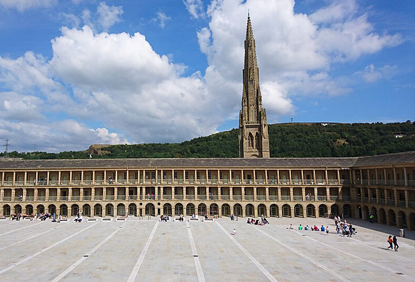
Halifax offers visitors a mix of industrial heritage and natural beauty in the heart of West Yorkshire. The magnificent Piece Hall, an 18th-century cloth hall turned cultural quarter, houses independent shops, galleries, and regular markets, whilst the town's well-preserved Victorian architecture tells the story of its textile manufacturing past. The surrounding Pennine landscape provides excellent walking opportunities, from gentle canal towpaths to challenging moorland hikes, and Halifax serves as an ideal base for exploring nearby attractions like Hebden Bridge and the Brontë country around Haworth. The town centre combines practical amenities with interesting museums, traditional pubs, and a thriving arts scene, all easily accessible by rail from major cities like Manchester and Leeds, making it an authentic Yorkshire destination without the crowds found elsewhere. |
| Bradford |
|---|

Bradford’s appeal lies in the contrast between its industrial-era grandeur and its modern creative spirit: grand Victorian landmarks such as Little Germany and the wool-trade-era City Hall stand alongside the fizzing fountains and light shows of City Park, while the National Science and Media Museum and UNESCO-acclaimed film heritage celebrate both local innovation and entertainment. Saltaire offers a perfectly preserved snapshot of Victorian social reform, with its uniform sandstone terraces, tree-lined streets and vast Salt’s Mill—now a vibrant arts venue housing one of the largest David Hockney collections—reflecting Titus Salt’s vision of community welfare and thoughtful urban planning. |
| East Riddlesden Hall |
|---|

East Riddlesden Hall’s 17th-century Jacobean manor, erected by clothier James Murgatroyd in 1642, survives largely as he left it thanks to centuries of tenant farming. Inside, original oak panelling, two distinctive Yorkshire rose windows and exquisite plasterwork ceilings testify to its builder’s ambition, while a concealed priest’s hiding hole and the adjacent medieval tithe barn reveal the building’s Civil War-era drama. Beyond the halls, intimate walled gardens, a wildflower meadow and family-friendly discovery areas sit alongside volunteer-led tours that illuminate layers of social and agricultural history. |
| Nostell Priory and Parkland |
|---|

Nostell Priory combines an elegant 18th-century Palladian house—complete with fine Robert Adam interiors, original Thomas Chippendale furniture and a rare John Harrison longcase clock—with 300 acres of varied parkland. Visitors can explore formal gardens and a working kitchen garden, wander along winding paths beside linked lakes and through ancient woodland groves, and discover the menagerie garden and wildflower meadows. The historic core of the estate, once a 12th-century Augustinian priory, lends an extra layer of interest, while family-friendly features such as woodland play areas and cycle trails ensure there is something for every sightseer. |
| Hardcastle Crags |
|---|
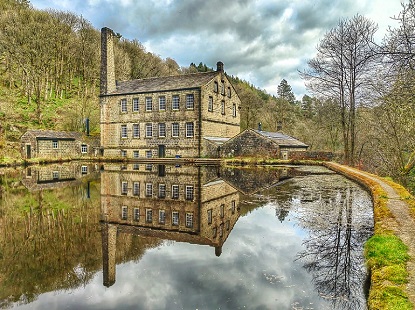
Hardcastle Crags offers visitors a perfect blend of natural beauty and industrial heritage in the heart of West Yorkshire's Pennine landscape. This National Trust woodland stretches along the steep-sided valley of Hebden Water, featuring ancient oak and birch trees, tumbling streams, and the remnants of 19th-century cotton mills that once powered the local economy. The network of well-maintained footpaths caters to all abilities, from gentle riverside strolls to more challenging hill walks that reward hikers with panoramic views across the Yorkshire Dales. Families particularly enjoy the adventure playground and the opportunity to spot red squirrels, whilst history enthusiasts can explore the ruins of Gibson Mill and learn about the area's textile past. Located just a short drive from Hebden Bridge, Hardcastle Crags provides an accessible escape into nature where visitors can experience the wild beauty of the South Pennines without venturing far from civilisation. |
| Marsden Moor |
|---|

Marsden Moor offers a rare combination of ancient heritage and open-air adventure, where you can trace footsteps from Mesolithic flint-working sites and Bronze Age barrows to the formidable Standedge Tunnel and old packhorse bridges of the Industrial Revolution. Its expanses of blanket bog and heather moorland reveal panoramic views from Pule Hill and a network of trails, including sections of the Pennine Way, while rich wildlife—ground-nesting birds such as golden plovers and twite, mountain hares and merlins—thrives in a designated Site of Special Scientific Interest. Managed by the National Trust with ongoing peat restoration and guided walks, the estate invites exploration of both its storied past and its rugged natural beauty. |
|


 Ireland Guide
 Scotland Guide
 Wales Guide


 The Yorkshire Dales National Park offers visitors a remarkable landscape of rolling hills, traditional stone villages, and centuries-old farming practices that have shaped the distinctive dry stone walls and field patterns visible today. The region's rich heritage includes ancient settlements, medieval castles, and historic market towns that showcase traditional Yorkshire architecture and culture. Outdoor enthusiasts can explore over 2,000 kilometres of footpaths and bridleways, including sections of the famous Pennine Way, whilst the area's network of caves and underground systems provides unique spelunking opportunities. The Dales' working farms continue age-old traditions of sheep farming and cheese-making, offering visitors authentic experiences of rural British life alongside excellent local produce and traditional pubs serving regional specialities.
 Malham Tarn and Moor


 The North York Moors National Park features expansive heather moorlands that bloom purple in late summer, alongside dramatic coastal cliffs and historic steam railways. Visitors can explore ancient monuments including medieval crosses, stone circles, and Roman road remnants, while traditional Yorkshire villages showcase honey-coloured stone architecture and dry stone walls. The heritage North Yorkshire Moors Railway offers scenic journeys through the countryside, and the park's diverse landscape encompasses both wild moorland and a spectacular coastline with fishing villages and sandy beaches. Literary connections to the Brontë family add cultural interest, and the changing seasons provide varied scenery from green spring valleys to the famous purple heather displays.


 : Local interest
 : Moderately interesting
 : Outstanding place
 : Must-see in the country
 : Top cities in Europe