


 Ireland Guide
 Scotland Guide
 Wales Guide
| Contents |
|---|
Introduction
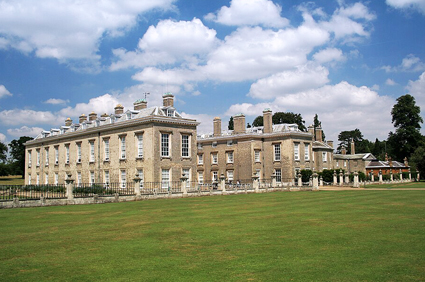
Althorp House has been the ancestral seat of the Spencer family for over 500 years, since Sir John Spencer purchased the estate in 1508 with profits from his successful sheep-rearing business. The house is perhaps best known as the childhood home of Diana, Princess of Wales, and contains an exhibition dedicated to her life, whilst she is buried on a small island in the estate's ornamental lake called the Oval.
The mansion is profusely decorated and contains a stupendous collection of paintings, including works by Rubens, Van Dyck, Reynolds and Gainsborough. The house was much altered since the original early 16th century brick building. The courtyard was roofed and the grand staircase installed in 1660-62 by the widow of the 1st Earl of Sunderland. The façade was subsequently redesigned in the classical style, and the hall was redecorated in Palladian style by the 5th Earl in 1730-32. Renowned architect Henry Holland completely refashioned and extended the house in the latter-half of the 18th century. A beautiful 180-hectare park, with gardens and a lake, encircles the mansion. The present grounds were designed in 1860 by W.N. Teulon, and recently redeveloped by Dan Pearson, one of country's most prominent garden designers.
Interesting Facts about Althorp House
- The house mentioned in the Domesday Book of 1086 as "Olletorp" was originally a small hamlet that had become a village by 1377, but by 1505 had no remaining tenants.
- The current house dates to 1688 and replaced an earlier Tudor building that was once visited by King Charles I.
- Althorp's grand entrance hall, Wootton Hall, was described by architectural historian Sir Nikolaus Pevsner as "the noblest Georgian room in the county".
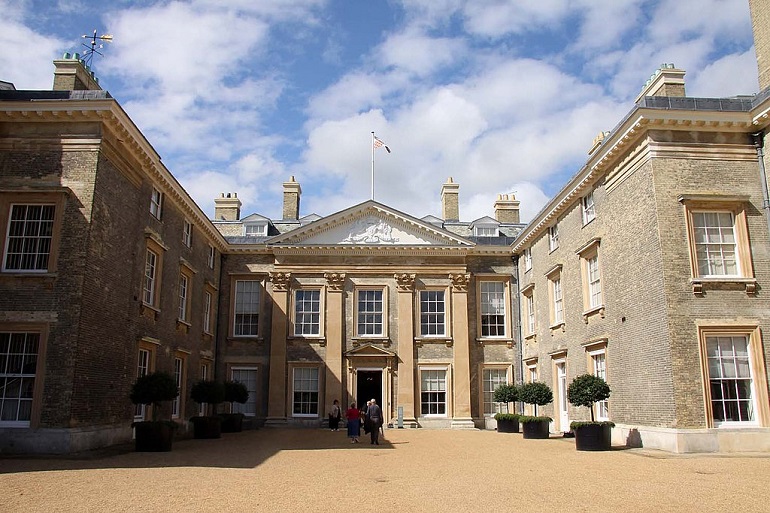
- The house underwent radical transformation in 1788 when architect Henry Holland encased the original red brick Tudor exterior with mathematical tiles brought from Ipswich and added four Corinthian pilasters made from stone originally intended for St Paul's Cathedral.
- The Picture Gallery stretches for 115 feet on the first floor and houses an extensive collection of portraits, including Anthony van Dyck's "War and Peace" and works depicting James I and Charles II.
- During the 18th century, the 2nd Earl Spencer developed one of Europe's largest private libraries at Althorp, containing over 100,000 books by the 1830s, much of which was later sold to help establish the John Rylands Library at the University of Manchester.
- The estate once had its own railway station and was first opened to the public in 1953 by Albert Spencer to help pay estate taxes.
- Princess Diana is buried on an island in the centre of Round Oval lake within the estate grounds, rather than in the local village church due to concerns about visitor impact.
- The house has welcomed royalty throughout its history, from Charles I to Edward VII, and became a major cultural hub during the 18th century with lavish parties attracting Britain's ruling class.
- Numerous fireplaces and furnishings were relocated from Spencer House in London to Althorp during the Blitz for safekeeping and remain there today.
- The estate features rare black fallow deer that visitors might spot whilst exploring the parkland and gardens.

History
Althorp was first mentioned in the Domesday Book of 1086 as "Olletorp," a small hamlet in Northamptonshire. The estate's transformation from a modest settlement to one of England's most distinguished stately homes began in earnest when Sir John Spencer purchased the property in 1508 using wealth amassed from his family's highly successful sheep-rearing business. This acquisition marked the beginning of an extraordinary 500-year association between the Spencer family and Althorp, with the estate passing through 19 generations of one of Britain's most prominent aristocratic dynasties. The original Tudor mansion was built shortly after the purchase, and the estate quickly established itself as a seat of power and influence, with King Charles I documented as visiting the house during his reign, prompting significant expenditure of £1,300 on a banquet—an exorbitant sum equivalent to £280,400 today.
The architectural evolution of Althorp reflects the changing tastes and fortunes of its inhabitants over the centuries. The current building dates primarily to 1688, when it replaced the earlier Tudor structure that had hosted royalty. However, the house's most dramatic transformation occurred during the 18th century under the direction of architect Henry Holland, who was commissioned by George John, 2nd Earl Spencer, beginning in 1788. Holland's extensive renovations fundamentally altered the building's appearance, encasing the original red brick in mathematical tiles brought from Ipswich and adding four striking Corinthian pilasters crafted from Roche Abbey stone in Yorkshire—stone reportedly originally intended by Christopher Wren for St Paul's Cathedral. The result was what architectural historian Sir Nikolaus Pevsner described as housing "the noblest Georgian room in the country" in reference to the grand hall. During this golden period, Althorp became a major cultural hub, hosting lavish parties that attracted prominent members of Britain's ruling class, whilst the 2nd Earl Spencer developed one of Europe's largest private libraries, containing over 100,000 books by the 1830s.
The modern era of Althorp is perhaps best known for its connection to Diana, Princess of Wales, who grew up at the house and is now buried on an island in the estate's Round Oval lake. The house was first opened to the public in 1953 by Albert Spencer, 7th Earl Spencer, as a means of generating revenue to offset taxation. Today, the Grade I listed mansion and its sprawling 13,000-acre estate remain in the hands of Charles Spencer, 9th Earl Spencer, Diana's younger brother, who inherited the property in 1992. Despite financial challenges—the estate was losing £400,000 annually when Charles inherited it—Althorp continues to attract visitors worldwide, drawn by its magnificent interiors, extensive art collection, and its poignant connection to the People's Princess. The house contains 28 listed buildings and offers visitors a glimpse into centuries of British aristocratic life, from its Picture Gallery of 17th-century portraiture to its remarkable library, much of which was sold to help establish the John Rylands Library at the University of Manchester.
Description
The Grand Approach
The first glimpse of Althorp House emerges through a carefully orchestrated sequence that has delighted visitors for centuries. The sweeping carriage drive unfolds like a theatrical curtain, with ancient lime trees forming a natural colonnade that frames your approach. As you round the final bend, the house reveals itself in full splendour—a magnificent Georgian façade of warm honey-coloured stone that seems to glow with inner light, particularly in the golden hours of early morning or late afternoon. The perfectly symmetrical frontage stretches impressively across your field of vision, its classical proportions enhanced by an elegant double-height portico supported by slender columns. Above, a delicate balustraded roofline creates a crisp silhouette against the Northamptonshire sky, whilst the broad stone steps leading to the main entrance invite you forward with understated grandeur.
The building's exterior stonework deserves particular attention, as the local limestone changes character throughout the day. In morning light, it appears almost creamy, whilst afternoon sun brings out warmer amber tones that complement the surrounding parkland beautifully. The façade's rhythm of tall sash windows, each perfectly proportioned and evenly spaced, creates a sense of harmony that epitomises Georgian architectural ideals. Notice how the central bay projects slightly forward, emphasising the main entrance whilst maintaining the overall balance of the composition.
The Principal State Rooms
The Saloon: Heart of the House
Stepping through the main entrance, you enter the Saloon, Althorp's ceremonial heart and perhaps its most breathtaking space. This magnificent room soars to an impressive height, its ceiling adorned with elaborate plasterwork that frames three spectacular crystal chandeliers. Each chandelier catches and refracts the natural light streaming through the room's full-height windows, creating dancing patterns across the polished oak floorboards below. The walls display an impressive collection of Spencer family portraits, their gilded frames catching the light and creating a sense of continuity with the past. Elegant pier-tables positioned between the windows showcase fine porcelain and decorative objects, whilst the room's proportions—neither too grand nor too intimate—create an atmosphere that is both formal and surprisingly welcoming.
The quality of light in the Saloon changes dramatically throughout the day, making multiple visits rewarding. Morning light floods in from the east-facing windows, illuminating the intricate ceiling details, whilst afternoon sun creates a warmer, more golden ambience that enhances the rich tones of the oil paintings. The room's acoustic properties are equally remarkable—conversations carry clearly without echo, whilst the soft tick of antique clocks provides a gentle soundtrack to your exploration.
The Picture Gallery: A Walk Through Art History
Perhaps Althorp's greatest treasure is its Picture Gallery, a magnificent 35-metre corridor that houses one of Britain's finest private art collections. This extraordinary space transforms the simple act of walking from one end to the other into a journey through centuries of artistic achievement. Works by Reynolds, Gainsborough, and Rubens hang in carefully considered arrangements, their placement taking advantage of the natural light from deep-set windows that punctuate the gallery's length. The alternating rhythm of window and canvas creates a visual symphony as you progress, with each painting revealed in optimal lighting conditions.
The gallery's design is as thoughtful as its contents. Leather-topped window seats provide perfect vantage points for studying individual works in detail, whilst the corridor's proportions—neither too narrow nor too wide—ensure that each painting can be appreciated both as part of the collection and as an individual masterpiece. The polished wooden floor reflects subtle light upwards, softly illuminating the lower portions of the paintings and reducing harsh shadows. Take time to notice how the curators have arranged the works—larger pieces anchor the composition whilst smaller, more intimate paintings invite closer inspection.
The State Dining Room: Formal Grandeur
The State Dining Room embodies the formal entertaining traditions of English country house life. Dominated by a magnificent mahogany dining table capable of seating two dozen guests, the room speaks of grand dinner parties and important occasions. The table's rich, dark wood provides a striking contrast to the room's lighter elements—cream-coloured walls, elaborate stucco ceiling work, and gleaming Sèvres porcelain displayed in purpose-built alcoves. Two monumental marble fireplaces anchor opposite ends of the room, their classical detailing echoing the architectural themes found throughout the house.
The ceiling deserves particular attention, with its intricate plasterwork creating patterns of light and shadow that change as daylight moves across the room. Crystal and silver gleam from sideboards and serving tables, whilst carefully positioned mirrors multiply the light and create an sense of even greater spaciousness. The room's windows look out over the formal gardens, providing diners with views that change with the seasons—from spring's fresh greens to autumn's golden palette.
The Library: A Scholar's Paradise
Althorp's Library represents the intellectual heart of the house, containing nearly 10,000 volumes housed behind elegant brass-grilled doors that protect the precious books whilst allowing their leather spines to create a rich tapestry of colour. The room's atmosphere is one of scholarly tranquillity, enhanced by the gentle ticking of a magnificent long-case clock and the soft creak of ancient floorboards beneath your feet. The marquetry inlaid floor is a work of art in itself, its geometric patterns creating visual interest whilst complementing rather than competing with the books above.
Natural light filters through tall windows, providing perfect illumination for reading whilst protecting the valuable volumes from direct sunlight. Comfortable reading chairs are positioned to take advantage of this light, whilst library steps provide access to the highest shelves. The room's acoustic properties create an almost cathedral-like hush, broken only by the turning of pages and the distant sounds of the house. Notice the beautiful bookbinding on display—many volumes are bound in matching sets that create pleasing visual rhythms along the shelves.
The Great Stairs: Architectural Theatre
The Great Stairs represent one of Althorp's most dramatic architectural features—a double-return staircase of English oak that sweeps upward in slow, theatrical curves. The wrought-iron balustrade, punctuated by brass rosettes that catch and reflect light, creates intricate shadow patterns on the walls as sunlight moves through the adjacent windows. Each step has been worn smooth by centuries of use, creating subtle undulations that speak of the countless feet that have climbed these stairs.
From the mid-landing, pause to appreciate the carefully planned vista that unfolds—doorways align in perfect enfilade, creating a view that extends from the staircase through the central hall to the Saloon windows and beyond to the parkland. This architectural device, beloved of Georgian designers, creates a sense of infinite space and demonstrates the sophisticated planning that went into the house's design. The staircase's proportions are perfectly judged—neither too steep nor too gradual—making the ascent feel effortless despite the grandeur of the setting.
The Gardens and Parkland
The Lime Avenue: A Grand Entrance
The famous Lime Avenue creates one of England's most impressive formal approaches to a country house. This straight, tree-lined vista extends for nearly a mile, creating a green tunnel that frames the house perfectly whilst providing a sense of anticipation as you approach. The lime trees, planted in precise formation, create a living architecture that changes dramatically with the seasons. In spring, fresh green leaves create a vibrant canopy overhead, whilst autumn transforms the avenue into a glowing tunnel of gold and amber. Winter reveals the trees' elegant skeletal structure, creating intricate patterns against the sky.
Walking the avenue at different times of day reveals its changing character. Early morning mist often clings to the grass beneath the trees, creating an almost ethereal atmosphere, whilst late afternoon sun slants through the branches, creating dramatic patterns of light and shadow on the ground. The avenue's perfectly straight line creates a powerful visual connection between the surrounding countryside and the house itself, emphasising Althorp's role as the focal point of its landscape.
The Round Oval: Reflective Beauty
The Round Oval represents one of the most poetic elements of Althorp's landscape design. This serpentine lake winds through the parkland, its mirror-still waters creating perfect reflections of the sky and surrounding trees. At the lake's heart lies a small island planted with majestic cedars, whilst a neoclassical temple provides an elegant focal point that can be glimpsed through the trees from various vantage points around the water's edge. On calm days, the temple's reflection in the still water creates a perfect double image that seems to float between reality and illusion.
The lake's design takes full advantage of the natural topography, following gentle contours that make it appear as though it has always been part of the landscape. Carefully positioned viewing points along the banks provide different perspectives on the water and its island temple, whilst a discreet path allows you to circumnavigate the entire lake. The water attracts abundant wildlife—herons stand motionless in the shallows, whilst moorhens and ducks create gentle ripples that catch the light. In summer, water lilies bloom in quiet backwaters, adding splashes of white and pink to the green reflections.
The Walled Garden: Horticultural Excellence
Enclosed within mellow brick walls that provide both shelter and structure, Althorp's Walled Garden represents the pinnacle of English garden design. Here, herbaceous borders burst with carefully orchestrated displays of colour and texture, with peonies, delphiniums, and old roses creating a succession of blooms from late spring through early autumn. The garden's design balances formality with naturalistic planting—straight gravel paths and neatly clipped box hedging provide structure, whilst the planting within the borders appears to flow naturally, creating the impression of controlled abundance.
The garden's microclimate, protected by its enclosing walls, allows for the cultivation of more tender plants that might struggle in the open parkland. Climbing roses scramble up the warm brick walls, their fragrance particularly intense on summer evenings when the walls release the day's stored heat. Carefully positioned benches provide rest points from which to appreciate the garden's design, whilst the sound of bees working among the flowers creates a gentle soundtrack to your visit. The garden's peak season extends from late June through July, though each month brings its own particular pleasures.
The Cedar Lawn: Majestic Specimens
The Cedar Lawn showcases some of Althorp's most magnificent trees—colossal Cedars of Lebanon whose massive trunks and spreading branches create natural pavilions across the grass. These ancient trees, some planted centuries ago, have grown to extraordinary proportions, their lowest branches sweeping so close to the ground that they create intimate outdoor rooms beneath their canopy. The contrast between the trees' dark, evergreen foliage and the bright green grass creates a dramatic visual effect, particularly striking when viewed from the house's upper windows.
Each cedar has developed its own distinctive character over the centuries, with some displaying the classic tiered branching pattern whilst others have grown into more irregular, sculptural forms. The trees provide welcome shade during summer months, making the lawn a popular spot for quiet contemplation or impromptu picnics. In winter, when the surrounding deciduous trees are bare, the cedars' evergreen presence provides structure and colour to the landscape, whilst snow on their branches creates spectacular natural sculptures.
Woodland Walks: Natural Beauty
Beyond the formal gardens, Althorp's woodland walks offer a more intimate experience of the estate's natural beauty. Meandering paths wind beneath ancient beech and oak trees, following routes that have evolved over centuries of use. The woodland floor changes dramatically with the seasons—spring brings carpets of bluebells and wood anemones that transform the forest floor into a sea of blue and white, whilst autumn creates a rustling carpet of fallen leaves in every shade of gold, amber, and russet.
The woodland paths are designed to reveal the landscape gradually, with carefully planned vistas opening up at strategic points to provide glimpses of the house or lake through the trees. Ancient pollarded trees create sculptural focal points, whilst clearings provide sunny spots where wildflowers flourish. The woods are alive with birdsong throughout the year, from the dawn chorus of spring to the gentle cooing of wood pigeons on summer afternoons. These walks offer a perfect counterpoint to the formal grandeur of the house and gardens, providing a sense of peaceful retreat into nature.
Sensory Experiences and Viewing Tips
Optimal Viewing Times
The quality of light at Althorp changes dramatically throughout the day, making timing crucial for the best experience. Early morning light, particularly in the first hour after sunrise, reveals the warm honey tones in the house's stone façade most beautifully, whilst the low angle of the sun creates dramatic shadows that emphasise the building's architectural details. The Picture Gallery benefits from morning light, which illuminates the paintings without creating harsh reflections on their surfaces.
Late afternoon provides equally magical lighting conditions, particularly for viewing the house from the parkland. The western sun warms the stone façade, making it appear to glow from within, whilst creating long shadows across the lawn that emphasise the landscape's gentle undulations. The Round Oval is particularly beautiful in late afternoon light, when the low sun creates golden reflections on the water's surface.
Hidden Perspectives
While most visitors approach Althorp from the famous Lime Avenue, the house reveals different aspects of its character when viewed from other angles. The north front, accessible via a perimeter path, offers a more intimate, almost Palladian perspective that emphasises the building's classical proportions. This view, rarely featured in promotional materials, provides insight into the architect's original intentions and demonstrates how the house was designed to be appreciated from multiple viewpoints.
From the upper floors of the house, particularly the landing of the Great Stairs, carefully planned vistas unfold through aligned doorways. This enfilade effect, a hallmark of Georgian design, creates views that extend from the interior through to the parkland beyond, demonstrating the sophisticated integration of house and landscape that characterises the best English country house design.
Getting There
Althorp House, situated approximately six miles northwest of Northampton in the heart of its own 550-acre estate, is remarkably accessible by various modes of transport. For those travelling by car, the estate is conveniently located just ten minutes from the M1 motorway, with clear signage from Junction 16 when approaching from the south or Junction 18 from the north. Train travellers can take advantage of the regular service from London Euston to Northampton, which takes as little as 51 minutes, followed by a brief 10-15 minute taxi journey to complete the trip. Alternatively, National Express coaches run services to Northampton Bus Station from various locations across the UK, with visitors then able to take a taxi or the local Number 96 bus service, which stops near the estate's East Gate. The main visitor entrance is through the West Gate (postcode NN7 4HQ), where free parking is available, whilst coaches and minibuses should use the East Gate entrance on the A428. Whether arriving from London, Birmingham, or other major cities, Althorp's position makes it an easily reachable destination for a memorable day out in the English countryside.
Best Time to Visit
The best time to visit Althorp House is during its limited opening season from early July through late August, when the estate welcomes visitors for just two months each year. This summer window offers the most favourable weather conditions for exploring both the magnificent house and its extensive 13,000-acre grounds, with longer daylight hours perfect for wandering through the parkland and visiting Princess Diana's final resting place on the tranquil island in the Oval Lake. The estate typically opens its gates from 11am to 4pm, with the house itself accessible until 3pm, allowing ample time to appreciate one of Europe's finest private collections of furniture, paintings, and ceramics whilst enjoying the beautifully maintained gardens at their summer peak. Visitors should note that Althorp remains closed to the public for the remainder of the year, making advance planning essential, and the summer season also coincides with the most pleasant walking conditions for the scenic 10-minute stroll from the car park to the house itself.