


 Ireland Guide
 Scotland Guide
 Wales Guide
| Contents |
|---|
Introduction
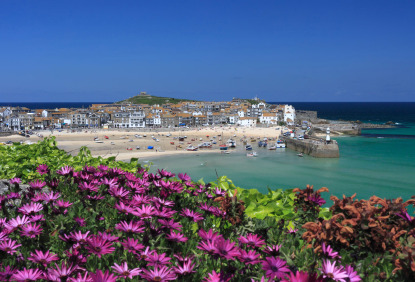
The artistic capital of Cornwall, the little seaside town of St Ives (pop. 10,000) attracts an incredible lot of tourists in summer.
Little more than a fishing village for a long time, the coming of the railway in 1877 changed St Ives into a Victorian coastal resort, and much of the town was built during this period.
In the 1920's and 30's, St Ives's scenic beauty, with its steep alleys running down to the beach, attracted such artists as painters Alfred Wallis, Ben Nicholson and Christopher Wood, sculptors Barbara Hepworth and Naum Gabo or potter Bernard Leach. They were followed by Terry Frost, Peter Lanyon, Patrick Heron and Bryan Wynter in 1960's.
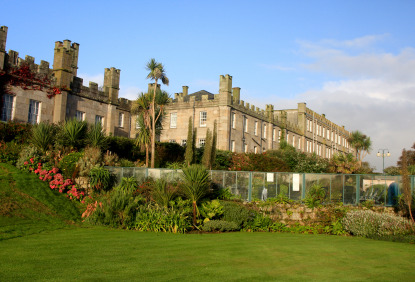
The finest of their works are now displayed in the Tate St Ives (opened in 1993), an offshoot of the world-renowed Tate Gallery of London. The Tate St Ives also manages Barbara Hepworth Museum & Sculpture Garden. Hepworth was one of the greatest abstract sculptor of her time. She came to Cornwall in 1939 and lived in St Ives with her husband Ben Nicholson from 1949 until her death in 1975.
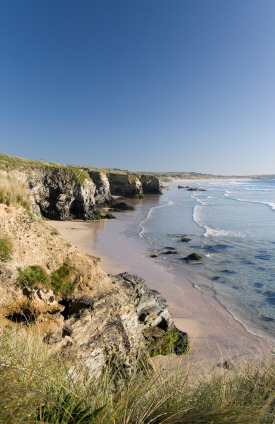
St Ives has two main beaches, both surprisingly clean. Porthmeor to the north is well suited for surfing, while the more family-oriented Porthminster, just south of the harbour, is better suited for swimming and sunbathing.
Interesting Facts about St Ives
- St Ives is named after Saint Ia, an Irish princess who, according to legend, floated across the sea from Ireland on a single leaf in the 5th century.
- The Sloop Inn on the wharf dates to circa 1312, making it one of the oldest inns in Cornwall and a fishermen's pub for many centuries.
- St Ives has been voted "UK's Best Seaside Town" by the British Travel Awards in both 2010 and 2011, and was named best seaside town of 2007 by The Guardian.
- The town is renowned amongst artists for its extraordinary natural light, which has drawn creative minds to the area for over a century.
- During the Spanish Armada in 1597, two Spanish ships seeking shelter from a storm were captured by Sir Walter Raleigh's warship Warspite, and the information from the prisoners proved vital to England's naval strategy.
- The Great Western Railway line opened in 1877, transforming St Ives from a modest fishing port into a must-visit destination for Victorian holidaymakers.
- Marie Curie first isolated radium from pitchblende sourced from the town's Trenwith Mine, which produced over 13,000 tons of copper ore between the 1820s and 1850s.
- The town was originally called "Saynt Iyes" when it became a borough in 1588, with the pronunciation gradually changing over the years to "Saint Ive's".
- A propeller from the Royal Navy warship HMS Wave mysteriously washed ashore on St Ives beach in 2008, 56 years after the vessel had run aground.
- The famous Smeaton's Pier, built between 1767 and 1770, features an ingenious reservoir at its base that fills at high tide to help reduce wave action into the harbour.
- The area surrounding St Ives boasts the highest concentration of ancient Stone and Bronze Age sites in Western Europe.
- The wreck of the coal ship SS Alba from 1938 can still be seen today, with its boilers visible at low tide on Porthmeor Beach.
- St Ives is home to six town beaches—Porthmeor, Porthgwidden, Porthminster, Bamaluz, Lambeth Walk, and Harbour Beach—each offering sweeping views over St Ives Bay.
History
The town takes its name from the legendary Irish missionary St Ia, who according to local folklore sailed across the Irish Sea to Cornwall on a giant leaf in the 5th century, having missed the boat carrying other saints. She established an oratory on what is now the site of St Ives Parish Church, and the town's Cornish name, Porthia, means "Ia's cove". The settlement's origins can be traced to Bronze Age inhabitants, and it developed as a small fishing community around the scenic harbour. The town's first certain historical references appear in the 14th century, with documentation of a church in 1327, the harbour in 1342-43, and the Stennack (meaning "place of tin") in 1334.
During the medieval period, St Ives flourished as a thriving market town and seaport, becoming the most important port on Cornwall's north coast. The town was incorporated as a borough in 1588 and later achieved full borough status, sending members to Parliament from 1558. Its prosperity was built upon two primary industries: fishing and mining. The local fishermen made their living catching mackerel, pilchards, and herring, with pilchard fishing being particularly significant—the town traded fish across Britain and Europe. Simultaneously, St Ives became a key port for shipping mineral ore, especially tin sourced from local streams, and copper from mines such as the famous Trenwith Mine, which produced over 13,000 tons of copper ore between the 1820s and 1850s. The harbour was substantially improved in 1770 when John Smeaton, builder of the Eddystone Lighthouse, erected a pier that helped protect the town from storm-blown sand that had periodically threatened to engulf it.
The arrival of the Great Western Railway branch line in 1877 marked a transformative moment in St Ives' history, connecting the town to St Erth and the main London to Penzance line. This railway connection catalysed the town's evolution from a working fishing and mining community into one of Britain's most celebrated seaside resorts. As traditional industries declined in the early to mid-20th century, tourism rapidly became the main economic driver. The town simultaneously developed into a world-renowned artistic centre, attracting luminaries such as J.M.W. Turner (who first visited in 1811), Barbara Hepworth, Bernard Leach, Henry Moore, and James McNeill Whistler. Turner's masterful capture of St Ives' unique pink light became the catalyst for creating the vibrant and influential art colony that continues today, culminating in the opening of Tate St Ives in 1993. The town now welcomes tens of thousands of visitors weekly during summer, drawn by its stunning blue-green waters, dramatic rocky coastline, and enchanting maze of narrow cobbled streets known as the 'Downalong'.
Main Attractions
Porthmeor Beach
Porthmeor Beach is recognised for its golden sand and Blue Flag status, making it popular for both swimming and surfing. The beach is lifeguarded during the high season and is conveniently located adjacent to the town centre. St Ives Surf School operates here, offering lessons for beginners and experienced surfers alike. The beach provides excellent facilities and direct access to local cafés and shops.
Porthminster Beach
Located near St Ives railway station, Porthminster Beach is particularly family-friendly due to its calm waters and comprehensive facilities. The beach offers a café, various amenities, and stunning views across St Ives Bay. Its accessibility and sheltered position make it ideal for families with young children, whilst the proximity to the railway station provides convenient access for visitors arriving by train.
St Ives Harbour and Smeaton's Pier
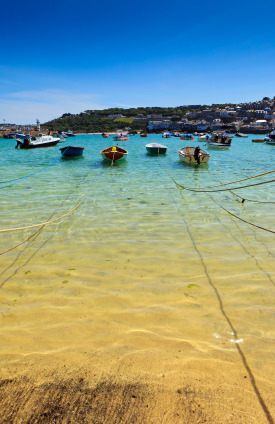
The harbour remains central to St Ives' character, supporting both fishing and leisure boating activities. Smeaton's Pier, which was extended in the 19th century, shelters the harbour and provides access to the beach area. The pier features a working lighthouse and serves as a notable local landmark. The harbour area buzzes with activity and offers excellent vantage points for watching boats and observing local maritime life.
Harbour Beach
Situated in the heart of the town, Harbour Beach is a sandy area that becomes fully accessible at low tide. The beach is well sheltered by the surrounding piers and is located directly in front of local shops and pubs. This central location makes it extremely convenient for visitors who want to combine beach time with exploring the town's amenities. The harbour continues to function as a working area for small boats and local fishing vessels.
The Island
The Island is a distinctive grassy headland positioned between Porthmeor and Porthgwidden beaches. This elevated area offers panoramic views of the coastline and is home to the Chapel of St Nicholas at its summit. The Island serves as a popular destination for walking and coastal observation, providing some of the best viewpoints in St Ives for photography and wildlife watching.
Porthgwidden Beach
This smaller, sheltered beach has gained popularity with families due to its protected position and manageable size. Porthgwidden Beach is bordered by colourful beach huts and sits close to the Island headland. The beach's intimate scale and calm waters make it particularly suitable for families with young children, whilst its proximity to other attractions allows for easy exploration of the area.
South West Coast Path
St Ives provides excellent access to several sections of the renowned South West Coast Path. The path offers routes to destinations such as Zennor and Carbis Bay, featuring scenic coastal views, opportunities for wildlife observation, and access to various historical sites. Walks range from short, accessible stretches suitable for casual walkers to more demanding cliff paths for experienced hikers seeking challenging terrain and spectacular scenery.
The Sloop Inn
Dating from 1312, The Sloop Inn holds the distinction of being one of Cornwall's oldest pubs. Located on the harbourfront, this historic establishment has served locals and visitors for over 700 years. The inn's position provides excellent harbour views and represents a tangible link to St Ives' long maritime heritage, making it both a refreshment stop and a historical attraction.
Trewyn Subtropical Gardens
These small public gardens in the town centre offer a peaceful retreat from the busier streets of St Ives. The gardens feature subtropical planting that thrives in the mild coastal climate and contain a sculpture memorial dedicated to Barbara Hepworth. Despite their modest size, the gardens provide an attractive green space where visitors can rest and enjoy the carefully maintained plantings.
St Erth to St Ives Branch Line
The railway journey from St Erth to St Ives is celebrated for its spectacular views of the coastline and beaches around St Ives Bay. St Ives railway station sits conveniently adjacent to Porthminster Beach, allowing passengers to step directly from the train onto the sand. This scenic route is widely considered an attraction in itself, offering visitors a memorable approach to the town with unparalleled coastal vistas.
Boat Trips and Seal Island
Local operators offer various boat tours departing from St Ives harbour throughout the tourist season. Many trips include visits to nearby bays and Seal Island, where passengers can observe grey seals in their natural habitat. These excursions provide excellent opportunities for wildlife photography and marine observation, whilst offering unique perspectives of the St Ives coastline from the water.
Ayr Field and Play Park
Located above Porthmeor Hill, Ayr Field and Play Park provides recreational facilities including climbing equipment, seating areas, and an adjacent field suitable for ball games and kite flying. The elevated position offers pleasant views over the town and coast, making it popular with families seeking outdoor activities away from the beaches.
Top Museums
Tate St Ives
Overlooking the dramatic Atlantic, Tate St Ives is a landmark of British modern and contemporary art. The gallery presents ever-changing exhibitions celebrating the legacy of St Ives as an artists’ colony, with works by figures such as Barbara Hepworth, Ben Nicholson, Peter Lanyon, Patrick Heron, and international icons like Naum Gabo and Piet Mondrian. The building itself, a sweeping modern construction on Porthmeor Beach, offers panoramic sea views and an immersive artistic experience. Alongside its major shows, Tate St Ives showcases the story of Modernism and the vital role West Cornwall played in shaping twentieth-century art.
Barbara Hepworth Museum and Sculpture Garden
Tucked away in the heart of St Ives sits Trewyn Studio, the former home and workspace of Dame Barbara Hepworth, one of Britain’s most important twentieth-century sculptors. The museum preserves her studios as she left them, providing powerful insight into her creative processes and daily life. The adjoining garden is dotted with monumental bronze, stone and wood sculptures, displayed as Hepworth herself intended. Supplemented by photographs, drawings, and personal artefacts, this museum is both a tribute to Hepworth’s artistic vision and an evocative sanctuary in the midst of bustling St Ives.
St Ives Museum
Set just above one of St Ives’ picturesque beaches, this volunteer-run museum is an Aladdin’s cave of local history and quirky curiosities. Spread across eight rooms on two floors, the collection captures every facet of St Ives’ diverse past, ranging from fishing, mining, and boat-building to home life, policing, shipwrecks and wartime memorabilia. The museum also showcases local crafts, Victorian clothing, toys, and photographs—each room packed with artefacts thoughtfully preserved by the community. It’s a delightful and informative stop for anyone keen to discover how traditional Cornish life unfolded in the town.
Leach Pottery
Founded in 1920 by Bernard Leach and Shoji Hamada, the Leach Pottery is a living monument to the art and philosophy of studio pottery. Visitors can explore the 100-year-old pottery with its clay room, throwing room (housing traditional kick wheels), and the celebrated Japanese climbing kiln. The museum tells the story of Leach’s pioneering role and the global reach of the St Ives pottery movement, featuring both historical works and contemporary exhibitions. Guests often find workshops and can browse a fascinating range of stoneware in the gallery.
Captain Sir Richard Francis Burton Museum
Unique in the world, this small and atmospheric museum is dedicated to the legendary Victorian explorer, linguist, and translator Captain Sir Richard Burton. Modelled after Burton’s smoking room in Trieste, the museum is brimming with memorabilia, maps, books, and Moroccan lanterns, conjuring the spirit of the nineteenth-century adventurer. The museum offers a deeply personal glimpse into Burton’s extraordinary life, with an informal setting that encourages conversation and discovery.
Selected Art Galleries with Museum Appeal
St Ives also boasts a range of renowned art galleries, several of which have museum-like significance:
- Penwith Gallery: Housed in a converted pilchard-packing factory, this gallery—established by Hepworth, Nicholson, and others—hosts sculpture, painting, and printmaking exhibitions from the Penwith Society of Artists and beyond, and includes a sculpture courtyard.
- Porthminster Gallery: A major space for British contemporary art, showcasing over 60 established and emerging artists, and regularly recognised as one of Cornwall’s best.
- New Craftsman Gallery: One of the longest-established in St Ives, known for its role in launching local artistic careers and presenting a mix of painting, ceramics, sculpture, and jewellery.
Local Cuisine
St Ives's restaurants and cafés showcase the finest Cornish pasties - the county's iconic pastry filled with beef, potato, swede and onion - alongside exceptional fresh seafood including Cornish sardines from nearby Newlyn and St Ives Bay lobster served simply with garlic butter. Visitors can indulge in traditional Cornish cream teas featuring warm scones topped with thick clotted cream and strawberry jam, or sample unique local specialities like saffron buns with their distinctive golden colour and aromatic flavour. The town's abundant fishing heritage is reflected in excellent fish and chips establishments, whilst local delis offer regional treasures such as Cornish Yarg cheese and stargazy pie - the famous fish pie with pilchard heads poking through the pastry. From award-winning restaurants to traditional bakeries and ice cream parlours serving Moomaid ice cream made on nearby farms, St Ives provides an authentic taste of Cornwall's culinary traditions against the backdrop of one of England's most beautiful coastal settings.
Getting There & Around
St Ives is located at the far end of Cornwall (445km from London), some 10km north of Penzance. The fastest way to get there is to fly to Newquay first, then catch a train.
By train, visitors can take Great Western Railway services from London Paddington to St Erth, which takes approximately 5-7 hours, then change to the scenic 10-minute branch line that winds along the coast to St Ives station.
By coach, National Express operates services from London Victoria and other major cities to Penzance, taking around 10 hours, with passengers then catching local buses (routes 16 or 17) for the final 25-minute journey into St Ives.
By car, drivers should leave the M5 at Junction 31 after Exeter and join the A30, continuing west past Hayle before following signposts to St Ives—the journey from Exeter takes approximately 2 hours, with the total drive from London being around 6 hours.