


 Ireland Guide
 Scotland Guide
 Wales Guide
| Contents |
|---|
Introduction
Newquay (pop. 18,000) is the surfing capital of England as well as one of its most crowded beach resort (the summer population booms to 100,000, over fivefold that of the rest of the year). It's a good place to party (in summertime the town is full of nightclubs and girls in bikini), sunbathe or catch a wave, but if that is not your idea of fun, don't bother coming here.
Interesting Facts about Newquay
- Newquay was originally called "Towan Blystra" until the mid-1400s when Bishop Edmund Lacey funded the construction of a "new quay," which gave the town its current name.
- The town boasts 11 golden beaches and is recognised as the surf capital of the UK, with Fistral Beach being the home of British surfing.
- Newquay's population has grown dramatically from just 1,300 inhabitants in 1801 to over 20,000 today.
- During summer months, the town's population swells by an additional 100,000 visitors.
- The historic Huer's Hut on Towan Head, where lookouts once spotted pilchard shoals and directed fishermen to them, is believed to be the origin of the phrase "hue and cry".
- Archaeological evidence shows that people have lived in the Newquay area for thousands of years, with Bronze Age and Iron Age remains found on both Barrowfields and Trevelgue Head.
- Newquay serves as a regional centre for aerospace industries and features both an airport and a spaceport.
- The arrival of passenger rail services in 1876 transformed Newquay from a modest fishing village into a popular tourist destination.
- The town's current stone harbour began construction in 1832, replacing the original wooden quay that had served the community for centuries.
- Newquay sits on Cornwall's North Atlantic coast within an Area of Outstanding Natural Beauty, surrounded by stunning coastal landscapes.
- The town was historically renowned for its pilchard fishing industry, which employed many residents during the 18th century.
- Major Victorian hotels, including the Atlantic and the Headland, were built around the turn of the 19th century to accommodate the growing number of tourists.
History
Newquay's origins stretch back thousands of years, with archaeological evidence revealing Bronze Age and Iron Age settlements that took advantage of the area's strategic coastal position. Prehistoric burial grounds can be found on both the Barrowfields and Trevelgue Head, whilst an Iron Age hill fort on Trevelgue Head was occupied continuously from the 3rd century BCE to the 5th or 6th century CE. The medieval settlement began as a small fishing village clustered around two areas: "Towan," located where the Central Inn now stands, and "New Quay," referring to a small harbour within the Manor of Towan Blystra. The town's modern name derives from 1439, when Edmund Lacey, Bishop of Exeter, granted permission to build a "new quay," though this early appeal for funds was unsuccessful and the harbour remained largely undeveloped until the early 17th century.
The transformation of Newquay from a modest fishing village into a thriving port began in earnest during the 19th century. By the first national census in 1801, the settlement recorded around 1,300 inhabitants. In 1832, London entrepreneur Richard Lomax purchased the manor of Towan Blystra and began constructing the modern harbour with north and south quays, though he died in 1837 before completion. The harbour was subsequently bought by industrialist Joseph Treffry, who built an ingenious tunnel system from the harbour to what is now Sainsbury's car park, allowing railway wagons to be hauled up and down to transport goods. The harbour became crucial for exporting china clay, iron ore, and grain, whilst importing coal, manure, salt, and limestone. Newquay was particularly famous for pilchards, with a "Huer's Hut" positioned above the harbour where lookouts would cry "Heva!" to alert the fishing fleet when shoals were spotted—the town's official insignia remains two pilchards to this day.
The arrival of passenger railway service in June 1876 marked Newquay's transformation into one of Cornwall's premier holiday destinations. The population doubled between 1868 and 1890 to reach 2,000 residents as the town became fashionable with wealthy Victorian families. Grand hotels were constructed, including the Great Western (1879), the Atlantic (1892), and the Headland (1900), establishing Newquay as one of two key destinations on the Cornish Riviera. By the 1930s, smaller guest houses had become popular, and the town created its first Tourist Information Centre to accommodate the growing number of visitors. The 1960s brought a new dimension to Newquay's appeal when surfing arrived from America, with the town's ideal beaches, particularly Fistral and Watergate, quickly establishing it on the world surfing circuit. The advent of cheaper commercial air travel in the 1970s not only gave UK holidaymakers overseas options but also brought international visitors to Newquay, cementing its status as a vibrant, globally recognised seaside resort.
The small village of Towan Blystra was first mentioned in the 15th century, and in in 1439 the locals applied to the bishop of Lacey Exeter to build a "New quay" from which the town derives it's current name. The economy was almost exclusively based on pilchard fishing before the arrival of tourism.
Main Attractions
Many people come to Newquay to surf. This isn't Hawaii or Australia, but that's as good as it gets in the British Isles. The best surfing beach is Fistral Beach.
If you prefer to relaxing stroll on the beach, the 3.5 km (2 mi.) long Waterbay Bay is what you are looking for. Hikers will press on to Towan Head, a place commanding great views on the town, beaches and the sea.
When you get bored of the beach or feel like seeing other animals than the party variety, head for the Blue Reef Aquarium, or the Newquay Zoo.
For days of bad weather, Newquay Waterworld has a tropical swimming pool with a 60m slope as well as a fitness centre.
Fistral Beach
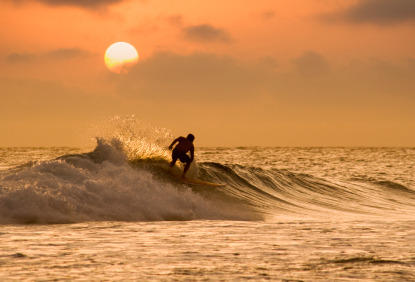
Fistral Beach stands as Newquay's most renowned stretch of sand, celebrated for its consistent surf breaks that attract surfers from across the globe. The beach serves as the focal point for major surf competitions and events throughout the year, cementing its reputation as Britain's premier surfing destination. Facilities at Fistral are comprehensive, featuring multiple surf schools offering lessons for all abilities, equipment hire services, ample car parking, and a selection of beachfront restaurants and cafés. The beach's westerly aspect ensures it captures Atlantic swells effectively, making it suitable for experienced surfers, whilst the southern end provides gentler conditions for beginners.
Towan Beach
Positioned in the heart of Newquay, Towan Beach offers convenient access directly from the town centre, making it particularly popular with families and day visitors. The beach benefits from shelter provided by Towan Head, creating calmer conditions that are ideal for swimming and novice surfers. Its central location means visitors can easily combine beach time with shopping and dining in the town. The distinctive Towan Island, connected to the mainland by a suspension footbridge, provides an iconic backdrop and serves as a notable landmark visible from the beach.
Newquay Harbour
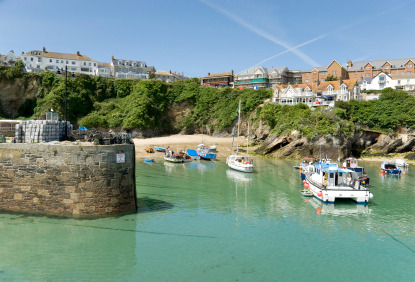
The historic harbour represents the origins of Newquay's development, with its name deriving from the "new quay" built in the medieval period. Today, it continues to function as both a working harbour supporting local fishing operations and a hub for pleasure craft. The harbour serves as the departure point for various marine excursions, including sea safaris that offer opportunities to observe dolphins, seals, and other marine wildlife in their natural habitat. Regular fishing trips cater to both experienced anglers and beginners, whilst the harbour also provides facilities for launching smaller private vessels.


Lusty Glaze Beach
This distinctive horseshoe-shaped cove is enclosed by dramatic high cliffs, creating a sheltered environment that appeals to families and couples seeking a more intimate beach experience. Access to the beach requires a short walk down cliff paths, which adds to its secluded character. The beach features its own restaurant and bar, making it convenient for extended visits. Adventure activities are regularly organised from Lusty Glaze, including coasteering sessions that make use of the surrounding rocky coastline and cliff formations.
Crantock Beach
Located where the River Gannel meets the sea, Crantock Beach offers a different character from Newquay's other beaches, featuring extensive sand dunes and tidal pools. The beach is particularly popular with surfers and provides excellent conditions for various water sports. Its position by the estuary creates interesting walking opportunities along the river, whilst the sand dune system supports local wildlife and provides natural windbreaks. Access requires a short drive from Newquay town centre, making it feel more remote despite its proximity.
Trenance Gardens and Boating Lake
These public gardens provide a peaceful retreat from the coastal bustle, featuring landscaped grounds, a boating lake, and various recreational facilities. The boating lake offers pedalo and rowing boat hire during the warmer months, making it popular with families. The gardens themselves are well-maintained with seasonal displays and provide pleasant walking routes. The adjacent leisure facilities include mini-golf courses and children's play areas, making this a comprehensive family destination.
Huer's Hut
Perched on the cliffs overlooking the harbour, this small historic building dates back to the 14th century and represents an important part of Newquay's fishing heritage. The hut was originally used by lookouts who would watch for incoming shoals of pilchards, alerting the fishing fleet below. Today, it serves as a distinctive landmark and offers visitors insight into the town's maritime history. The surrounding clifftop location provides excellent views across the harbour and out to sea.
Adventure Activities and Water Sports
Newquay's coastal position makes it an ideal base for various adventure activities beyond traditional beach pursuits. Professional coasteering guides lead groups along the rocky coastline, combining swimming, climbing, and cliff jumping in a supervised environment. Kayaking and paddleboarding are popular on calmer days, with equipment hire and instruction readily available. The town's surf schools cater to all levels, from complete beginners taking their first lesson to advanced surfers looking to improve their technique on more challenging waves.
Trevelgue Head
This ancient monument site, also known as Porth Island, contains significant archaeological remains including Bronze Age barrows and later earthworks. The headland provides excellent walking opportunities with panoramic coastal views, whilst the historical significance adds educational value to visits. The site demonstrates continuous human occupation over thousands of years, making it particularly interesting for those with an interest in Cornwall's ancient history. Access involves a scenic walk from Porth Beach, combining natural beauty with historical exploration.
Lappa Valley Steam Railway
Situated a short distance from Newquay town centre, this narrow-gauge heritage railway offers visitors the chance to experience steam train travel through the Cornish countryside. The railway operates vintage locomotives and carriages, providing a nostalgic journey that appeals to railway enthusiasts and families alike. Additional attractions at the site include play areas, woodland walks, and seasonal events, making it a comprehensive day out destination that complements Newquay's coastal attractions.
Around Newquay
Trerice House
5 km (3 miles) southeast of Newquay is the fine Elizabethan manor of Trecice nestled in pastoral countryside. It was built in 1571 and retains much of its original splendour. Managed by the National Trust, the manor is renowned for its elegant Dutch-style gables, gorgeous plasterwork ceilings, and a famous great hall.Inside, visitors can admire a stately table built for the hall, a remarkable display of longcase clocks, and a beautifully preserved 16th-century window comprised of more than 570 small glass panels. The decor shifts from Elizabethan grandeur to mid-20th-century comfort, reflecting the building’s long history and varied owners.
The Great Chamber features an impressive four-poster Tudor bed and intricate period plasterwork. The house also showcases several paintings by local artist John Opie and a variety of historic furniture and textiles. But what distinguishes Terrice from other stately homes is its rare collection of lawn-mowers (about 100 pieces) in the great barn.
Beyond the house, guests can amble in the tranquil gardens, featuring an Elizabethan knot garden and an old orchard, or enjoy games such as Cornish kayling on the lawn. With interactive opportunities like dressing in Tudor costumes and brass rubbing in the hayloft, Trerice offers an engaging window into the region’s heritage for all ages.

Top Museums
Trenance Heritage Cottages
Trenance Heritage Cottages invite visitors to step back in time and immerse themselves in Cornish domestic life from as early as 1870. The cottages, once three separate dwellings, have been sympathetically restored and interconnected to host a heritage museum at the heart of the site. Here, you can experience the authentic interiors featuring preserved original cooking ranges, period furnishings, and a strong sense of the 1920s or earlier. Artefacts and audio stories bring the stories of Trenance’s residents and the emergence of Newquay’s tourism industry to life. The restored pianola is a charming highlight, allowing guests to enjoy music from days gone by, and the knowledgeable volunteers complete the welcoming atmosphere.
Newquay Heritage Archive & Museum
Located in the centre of Newquay, this volunteer-led museum is a treasure trove for anyone interested in Cornish and local heritage. It offers a variety of displays on Newquay’s history, including artefacts, photographs, and documents illuminating the region’s transformation through the ages. The museum partners with Kowethas Ertach Kernow (Association for Cornish Heritage), whose Cornish Gallery presents art, pottery, and heritage objects from across the county. There’s also a dedicated research facility with books and resources for those keen to delve deeper into Cornwall’s rich past. The friendly volunteers are on hand to answer questions and guide your exploration of Newquay’s maritime, mining, and social history.
Local Cuisine
Newquay's most famous dish is undoubtedly the Cornish pasty, with local bakeries like Cornish Bakery still using secret family recipes passed down through generations. Fresh seafood takes centre stage, particularly locally caught crab and lobster from Newquay's own fishing boats, often served simply dressed in traditional style or incorporated into hearty sandwiches and soups. Visitors shouldn't miss the quintessentially Cornish cream tea, featuring homemade scones topped with Cornish clotted cream and jam, whilst saffron buns offer a delightfully spiced sweet treat coloured with the precious spice that has been a Cornish tradition for centuries. The town's beachfront eateries serve up Stargazy Pie, the iconic Cornish dish where fish heads peek through the pastry, and locally made Cornish ice cream provides the perfect seaside indulgence. Modern establishments complement these traditional offerings with innovative dishes using locally sourced Cornish produce, creating a vibrant food scene that ranges from harbourside street food markets to award-winning restaurants overlooking the dramatic coastline.
Getting There & Around
Newquay is the gateway to Cornwall for long-distance travellers, thanks to Newquay Cornwall Airport, the only airport in the region. Journeys by train, bus or car from London take many long hours, especially to the remoter corners of the peninsula, such as St Ives or Penzance. Flying to Newquay can be an appreciable time-saver. The airport has flights from Düsseldorf, London Gatwick, London City, Bristol, Manchester, Leeds Bradford, Newcastle, Glasgow, Edinburgh, Belfast, Dublin, Cork, as well as onward to the Isles of Scilly. The airport is located 10 km (6 mi.) from the centre, which takes about 15 minutes by car (£ 12-15 by taxi).
By train, Newquay enjoys excellent rail connections with direct services operated by Great Western Railway and CrossCountry from major cities including London (journey time approximately 5 hours), Birmingham, and Bristol, though some services may require a connection at Par Station.
By coach, National Express provides regular services to Newquay from destinations across the UK, offering a comfortable alternative to rail travel.
By car, drivers have two main route options from London: either the M3 to A303/A30 route, or the M4 to Bristol, then M5 to Exeter before joining the A30 to Cornwall, with Newquay clearly signposted from the A30. Once in Newquay, Trerice is easily accessible as it's located just 3 miles away—visitors can take the hourly Go Cornwall Bus service (route 93) which runs from Newquay to Trerice Turn in approximately 14 minutes, or make the short journey by car or taxi.