


 Ireland Guide
 Scotland Guide
 Wales Guide
| Contents |
|---|

Introduction
The Cotswold Way is a 102-mile National Trail that stretches from Chipping Campden in Gloucestershire to Bath in Somerset, following the Cotswold escarpment through the Area of Outstanding Natural Beauty. Officially opened in 2007, this long-distance footpath traverses rolling hills, ancient woodlands, and traditional stone villages characteristic of the Cotswolds, offering walkers panoramic views across the Severn Vale and Welsh hills. The route typically takes between seven to ten days to complete, passing through market towns such as Winchcombe, Painswick, and Dursley, whilst incorporating sections of historic significance including Iron Age hill forts, medieval churches, and remnants of the region's wool trade heritage. The trail is well-signposted with the distinctive National Trail acorn symbol and provides access to various accommodation options, from country pubs and bed-and-breakfasts to youth hostels, making it suitable for both experienced hikers and those new to long-distance walking.
Activities and Attractions
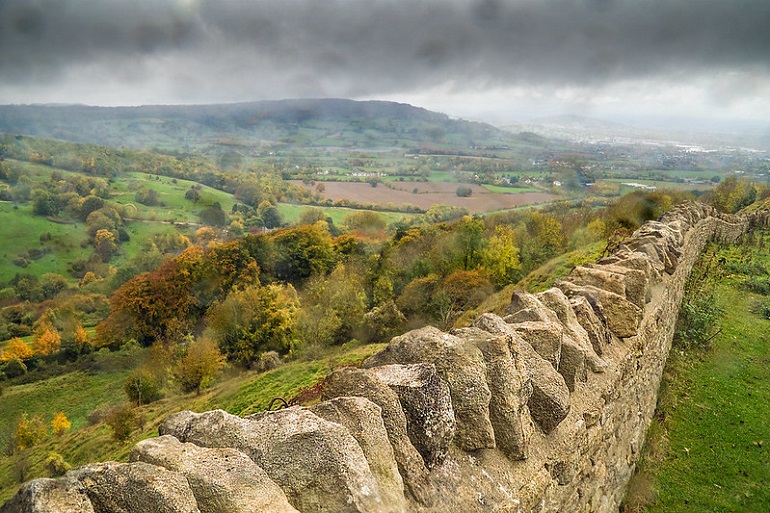
Stretching 102 miles from Chipping Campden to Bath, The Cotswold Way provides a tapestry of experiences across rolling English countryside, charming villages, and sites steeped in history. Whether you're seeking invigorating hikes, peaceful scenery, or a deep dive into local heritage, this National Trail has something for everyone.
Comprehensive Hiking and Walking Guide
The Complete Trail Experience
Full Trail Details: The Cotswold Way offers 102 miles (164km) of diverse hiking terrain, typically completed in 7–12 days. Most walkers tackle 10–15 miles per day, though allowing more time provides opportunities to explore historic sites and enjoy culinary specialities along the route.
Difficulty and Terrain: While rated as moderate, many walkers are surprised by the trail's challenging nature. The route includes over 8,000 feet (2,400 meters) of total ascent with frequent steep climbs and descents throughout. Some sections are relatively flat, whilst others present significant challenges, including the climb up to Broadway Tower, the steep descent into Wotton-under-Edge, and the hilly section between Painswick and King's Stanley.
Path Composition: The trail brilliantly avoids busy roads, with only 8% on roads (predominantly quiet lanes with safe walking refuges). The majority consists of dirt and grass paths through forests, fields, and beside country lanes. About 81% are footpaths, with 19% on tracks and bridleways, making this primarily a walking-only route.

Day-by-Day Hiking Breakdown
Northern Section Highlights:
- Day 1: Chipping Campden to Broadway – Gentle introduction with iconic Cotswold villages and the climb to Broadway Tower
- Day 2: Broadway to Winchcombe – Features the dramatic ascent through Thrift Wood Farm meadows, ending with a perfectly placed bench offering panoramic views back across the day's journey
- Day 3: Winchcombe to Cleeve Hill – Includes England's highest point in the Cotswolds and some of the trail's most spectacular vistas
Central Challenging Sections:
- Cleeve Hill to Birdlip – One of the most demanding days with no towns along the trail, requiring hikers to carry all food and water. Features steep hills but gorgeous views and frequently changing terrain
- Stroud to Painswick – Includes the glorious Standish Wood section, described as smooth underfoot with wide, easy trails through peaceful woodland
Southern Finale:
- Cooper’s Hill Challenge – Features exposed hilltop sections where weather can dramatically impact the experience
- Approach to Bath – The only significant road walking occurs in the final approach to Bath
Terrain and Navigation Details
Path Quality: The trail offers excellent variety with smooth dirt paths, packed earth through forests, and grass tracks across meadows. Woodland sections feature wide, well-maintained trails, whilst open hillside paths can become muddy after rain.
Waymarking Excellence: As one of the newest National Trails, the Cotswold Way features exceptional signposting. Look for circular waymarkers with the acorn symbol and wooden finger posts at junctions showing distances to next towns. However, waymarkers can become hidden amongst summer greenery.
Navigation Tools: While well-marked, carrying backup navigation is recommended. GPX files and hiking apps like OS Maps or AllTrails are helpful for route confirmation.
Seasonal Hiking Considerations
Optimal Timing: Spring (April–June) and autumn (September–October) provide the finest hiking conditions. Spring offers fresh blooms, newborn lambs, and longer daylight hours, whilst autumn brings fiery foliage, crisp air, and cozy pub evenings.
Spring Spectacle: April and May showcase wild bluebells and wild garlic in woodlands and hedgerow edges. Coaley Peak becomes carpeted in bluebells – a truly unique sight. Trees awaken with fresh green foliage, accompanied by displays of white blackthorn and hawthorn blossoms.
Weather Preparedness: Hilltop sections can be very exposed in bad weather, whilst woodland provides natural shelter. Carrying weatherproof clothing is essential, as poor weather can exacerbate otherwise straightforward sections.
Physical Preparation and Fitness
Training Importance: Advance training is crucial. The trail's frequency of steep climbs surprises many walkers, making preparation essential for enjoyment.
Fitness Requirements: Anyone reasonably fit can complete the Cotswold Way, though the hillier terrain requires more time than equivalent flat distances. The combination of challenging climbs with rewarding views makes every ascent worthwhile.
Foot Care: Well-broken-in walking boots are essential. The predominance of soft surfaces (dirt and grass rather than tarmac) significantly reduces blister risk compared to road walking.
Wildlife and Nature Along the Trail
Diverse Habitats: The route traverses internationally important wildflower meadows and shaded beech woodlands within the Area of Outstanding Natural Beauty.
Birdlife: Look out for skylarks, bullfinches, yellowhammers, and birds of prey including red kites.
Butterfly Species: The Cotswolds host numerous butterflies including Marbled White, Small Heath, Adonis Blue, and the Duke of Burgundy.
Mammal Encounters: Red deer, hedgehogs, badgers, and other wildlife can be spotted throughout the journey.
Advanced Hiking Tips and Strategies
Pacing Strategy: Begin slowly, allowing your body to adapt. Consistent pacing proves more important than speed.
Logistics Management: Luggage transfer services are highly recommended, allowing you to carry light and enjoy the scenery.
Hydration and Nutrition: Some long, remote sections require carrying all food and water for the day.
Weather Adaptability: Though walkable in all seasons, clear winter days, spring bloom, and autumn colour offer memorable experiences.
Historic Sites and Cultural Heritage
Magnificent Landmarks
- Broadway Tower – Panoramic views and a Cold War bunker
- Hailes Abbey – Ruins of a 13th-century abbey with seasonal wildflowers
- Sudeley Castle – Home of Katherine Parr and celebrated gardens
- Belas Knap Long Barrow – Neolithic burial site with atmospheric views
- Tyndale Monument – Tower commemorating William Tyndale and remarkable vistas
- Dyrham Park – Grand country mansion and deer park
- Bath’s Roman Baths and Abbey – Iconic architecture and cultural finish to the trail
Local Museums and Galleries
- Winchcombe Folk & Police Museum
- Corinium Museum (Cirencester) – Renowned Roman collection
- Local Artisans – Independent galleries and craft studios throughout the Cotswolds
Villages, Markets, and Local Experiences
- Chipping Campden – Market Hall and Arts and Crafts heritage
- Broadway – Elegant High Street with tea shops and galleries
- Winchcombe – Historic pubs and medieval church architecture
- Painswick – Renowned yew trees and charming streets
- Wotton-under-Edge – Historic market town with inviting cafés and shops
Unmissable Activities
- Cotswold Olimpick Games at Dover’s Hill
- Stroudwater Canal walks – Peaceful stretches with birdlife and historic mills
- Woodchester Valley Vineyard – Wine tasting and tours
- Traditional pubs and tearooms – Cream teas, local cheeses and ales
- Craft shopping – Pottery, art, and handmade goods
- Picnic spots – Including Coaley Peak, Drakestone Point, and Minchinhampton Common
Off-the-Beaten-Track Gems
- Devil’s Chimney – Curious rock formation overlooking Cheltenham
- Stanway House – Home to the world’s tallest gravity-fed fountain
- Painswick Rococo Garden – Best in snowdrop season
- Uley and Dursley – Iron Age forts and sunken lanes
Finishing in Bath: A World Heritage Finale
- The Royal Crescent and The Circus – Stunning Georgian architecture
- Thermae Bath Spa – Natural hot spring baths to relax after the journey
- Jane Austen Centre and Museums – Explore Bath's literary and cultural heritage
Tips for Travellers
- Gear: Waterproof clothing, hiking boots, and detailed maps are essential
- Accommodation: Book in advance and choose from cosy inns, B&Bs, or village pubs with rooms
From historic castles and innovative gastronomy to sweeping landscapes and vibrant village life, The Cotswold Way invites you to experience the heart of rural England at your own pace.
Getting There and Around
The Cotswold Way stretches 102 miles (164 km) between Chipping Campden in the north and the historic city of Bath in the south. Both ends are accessible by public transport, making it convenient to start or finish your walk at either point.
By Train
To Chipping Campden
Chipping Campden does not have its own railway station. The nearest stations are Moreton-in-Marsh and Stratford-upon-Avon.
- From London Paddington, you can take a direct train to Moreton-in-Marsh, then catch the Stagecoach 1/2 bus to Chipping Campden (about 40 minutes).
- Alternatively, travel to Stratford-upon-Avon from London Marylebone or Birmingham Moor Street, then take a local bus to Chipping Campden. Be aware that bus services can be infrequent, especially on Sundays.
To Bath
Bath is better connected and features its own station, Bath Spa. Direct rail services run from London Paddington (journey time approximately 1 hour 20 minutes). Frequent trains also run from major cities such as Bristol, with a connecting train from Bristol Temple Meads to Bath taking around 12 minutes.
By Bus or Coach
- Chipping Campden can be reached by local buses from both Moreton-in-Marsh and Stratford-upon-Avon. The Stagecoach 1/2 bus serves both routes, but it is best to check current schedules as services may be limited.
- Bath is accessible by numerous local buses from Bristol and National Express coaches from London and other parts of the UK.
Alternative Transport
The Cotswolds’ “Robin” bookable bus service covers Chipping Campden and nearby areas. Rides to and from Moreton-in-Marsh and other locations can be pre-booked online, offering extra flexibility, particularly where standard bus services are sparse.
Airports
The nearest airports are Bristol Airport (for Bath) and Birmingham Airport (for Chipping Campden or the northern end of the route). Both offer various onward transport options by train or coach to connect with the start or end points.
Travel Tip:
It is advisable to use public transport to avoid leaving your car for extended periods, especially if you wish to walk the entire Cotswold Way in one go.
With good planning, getting to the Cotswold Way is straightforward and allows you to focus on enjoying the English countryside’s picturesque scenery and attractions.
Best Time to Visit
The Cotswold Way offers something special in every season, but the ideal time to visit depends on what you seek from your walk—whether it's lively countryside in bloom, tranquil trails, or dramatic autumn colours.
Spring (March to May)
- Highlights: Wildflowers carpet the woodlands and meadows. Bluebells and wild garlic create a vibrant, fragrant atmosphere.
- Weather: Mild, with average temperatures between 11–15°C. Occasional rain means paths may be muddy, so come prepared.
- Experience: Fewer crowds than summer, renewed landscapes, and the countryside awakening with colour and birdsong.
Summer (June to August)
- Highlights: Long daylight hours offer plenty of time to enjoy the full stretch of the trail. The gentle warmth and lush greenery create classic walking conditions.
- Weather: Pleasant, average highs around 18–20°C. Pack sun protection as parts of the trail are open and exposed.
- Experience: This is peak season, and the villages can be busy. Accommodation needs booking well in advance.
Autumn (September to October)
- Highlights: The trail is transformed by vibrant foliage, with gold and crimson leaves providing a striking backdrop. Hedgerows brim with berries, and sunsets are often rich and colourful.
- Weather: Temperatures gradually cool, but conditions usually remain comfortable for walking.
- Experience: Trails are quieter after the summer holidays, offering a more peaceful experience. Early autumn is a favourite for many walkers.
Winter (November to February)
- Highlights: Crisp, frosty mornings and clear winter skies can offer beautiful views. The trail is generally quiet.
- Weather: Cold and damp, with shorter days and the possibility of snow or muddy sections. Daylight is limited, so plan walks accordingly.
- Experience: Only the hardiest walkers venture out during this period. While tranquil and serene, conditions can be challenging, and some sections may be slippery or impassable.
Summary Table: Cotswold Way by Season
| Season | Wildlife & Scenery | Weather | Crowds | Daylight |
|---|---|---|---|---|
| Spring | Flowers in bloom | Mild, variable | Low–Medium | Lengthening |
| Summer | Lush greenery | Warm, sunny | High | Long |
| Autumn | Vibrant foliage | Cool, changeable | Low | Shortening |
| Winter | Frost & quietude | Cold, wet/snow | Very low | Short |
Recommendations
- March to October is generally the most popular period, offering the best mix of weather, daylight, and scenery.
- For blooming landscapes and fewer crowds, spring is excellent.
- For colour, mild temperatures, and a quieter trail, early autumn is ideal.
- Summer offers warmth and light but can be busy.
Whenever you choose to visit, pack for changing weather—light layers and waterproofs are essential, as the British climate remains famously unpredictable all year round.