


 Ireland Guide
 Scotland Guide
 Wales Guide
| Contents |
|---|
Introduction
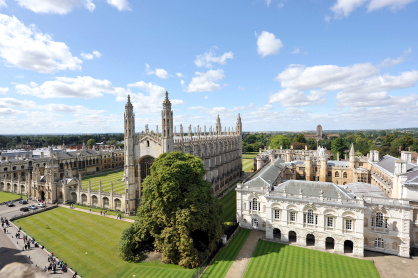
Cambridge (pop. 110,000) is the relaxed and beautiful county town of Cambridgeshire, and is England's most famous university town together with Oxford.
The University of Cambridge was founded in 1209, just a few decades after Oxford University, making it the second oldest university in the English-speaking world. Like "the other place" (as the people refer to Oxford here), the university is divided in independent colleges - 31 in total (see below).
Cambridge University is more renowed than its rival for mathematics and natural sciences, and has produced 80 Nobel-prize winners (33 more than Oxford and the highest number of any university worldwide), 13 British Prime Ministers (12 less than the other place) and 8 Archbishops of Canterbury, among others.
The list of illustrious alumni is endless. Among the most famous are (in chronological order) Desiderius Erasmus, Francis Bacon, Christopher Marlowe, Oliver Cromwell, John Harvard (founder of Harvard University), John Milton, Isaac Newton, William Pitt the Younger, Lord Byron, Charles Darwin, John Maynard Keynes, Ludwig Wittgenstein, Jawaharlal Nehru, Vladimir Nabokov, Lee Kuan Yew (PM of Singapore from 1959 to 1990), Hans Blix, John Cleese (of Monty Python fame) and Rajiv Gandhi.
The region surrounding the city is known as Silicon Fen, one of the most important high-technology centres in Europe. One of the most successful local company is ARM (Acorn RISC Machine), which designs (although does not manufacture) microprocessors for PDAs and handhelds, including those of the Nintendo Game Boy Advance and the Gamepark GP32.
Interesting Facts about Cambridge
- Cambridge has been a settlement since the Bronze Age, making it a place of continuous human habitation for thousands of years.
- The University of Cambridge, founded in 1209, is one of the world's oldest and most prestigious academic institutions.
- Cambridge is home to Europe's largest and most successful technology cluster, known as Silicon Fen, with over 5,000 science and tech companies.
- The city is famous for its role in the discovery of DNA by James Watson and Francis Crick, who announced their findings at The Eagle pub in 1953.
- Cambridge is the birthplace of the modern game of football, with the first formal rules being developed on Parker's Piece in the mid-19th century.
- The city hosts the renowned Footlights theatre troupe, which has produced many famous comedians and actors.
- Cambridge is known for its unique college system, comprising 31 semi-autonomous colleges that provide a close-knit community for students.
- The Mathematical Bridge at Queens' College is an architectural marvel, appearing to be held together by gravity alone.
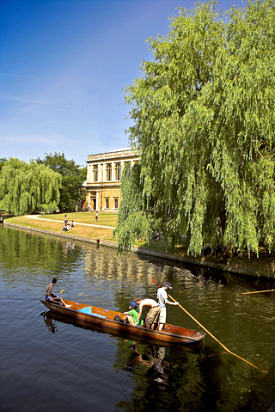
- Punting along the River Cam is a quintessential Cambridge experience, offering scenic views of the city's historic colleges and gardens.
- Cambridge has produced over 120 Nobel Prize winners, including notable figures like Isaac Newton and Stephen Hawking.
History
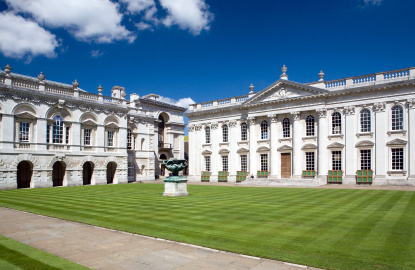
The region of Cambridge was settled since the Bronze Age. There is archeological evidence of a Belgic tribe having settled on Castle Hill in the 1st century BCE.
The Romans built a settlement on the River Cam to protect the crossing point of the Via Devana, linking the towns of (present-day) Colchester and Lincoln. Cambridge remained a backwater until the late 9th century, when it started to grow as a trading town under the Danelaw. The Normans built a castle on Castle Hill, as well as the Round Church. The town was then known as Grentabrige or Cantebrigge.
In 1209, students escaping Oxford due to violence between scholars and townspeople fled to Cambridge and formed a University here. The records of the early years of the university were burnt in another riot in 1261, but we know that the oldest college still existing is Peterhouse, founded in 1284 by Hugh Balsham, Bishop of Ely.
Five new colleges were founded in the 14th century (Clare, Pembroke, Tinity Hall, Gonville & Caius and Corpus Christi), then five in the 15th century (Magdalene, King's, Queens', Jesus, St Catharine's), and five more in the 16th century (Christ's, St John's, Trinity, Emmanuel, Sidney Sussex). After that, no new colleges were established until 1800 (Downing).
Women were not allowed to study at Cambridge until the establishment of the first women-only colleges, Girton in 1869, and Newnham in 1871 (the first examination for women were held in 1882). Although Cambridge preceded Oxford by 9 years in admitting women, they were not awarded degrees until 1947, 27 years later than in Oxford. Lucy Cavendish College was the thitrd and last women's college to open in 1965.
Nine new colleges were created after the Second World War, between 1954 and 1979. Two of Cambridge's colleges only accept graduate students (Clare Hall and Darwin).
Colleges of Cambridge University
The 31 colleges are (founding date in brackets):
- Christ College (1505)
- Churchill College (1960)
- Clare College (1326)
- Clare Hall (1965)
- Corpus Christi College (1352)
- Darwin College (1964)
- Downing College (1800)
- Emmanuel College (1584)
- Fitzwilliam College (1966)
- Girton College (1869)
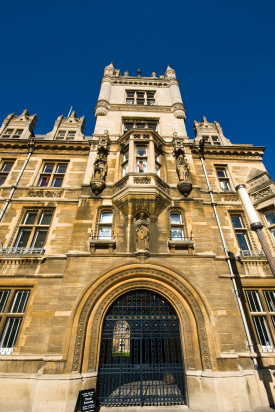
- Gonville & Caius College (1348)
- Homerton College (1976)
- Hughes Hall (1889)
- Jesus College (1496)
- King's College (1441)
- Lucy Cavendish College (1965)
- Magdalene College (1428)
- New Hall (1954)
- Newnham College (1871)
- Pembroke College (1347)
- Peterhouse (1284)
- Queens' College (1448)
- Robinson College (1979)
- St Catharine's College (1473)
- St Edmund's College (1896)
- St John's College (1511)
- Selwyn College (1882)
- Sidney Sussex College (1596)
- Trinity College (1546)
- Trinity Hall (1350)
- Westminster College (1844)
- Wolfson College (1965)
Main Attractions

University of Cambridge Colleges
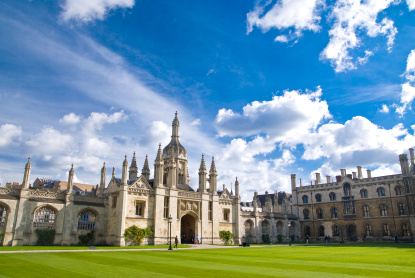
King's College
Famous for its Gothic chapel and choir, King's College Chapel is one of the most iconic landmarks in Cambridge. The chapel hosts regular services and concerts, which are open to the public. Visitors can also explore the college grounds and admire the beautiful architecture.
Trinity College
Home to the Wren Library, which houses a vast collection of rare books and manuscripts, including works by Sir Isaac Newton. The college is also famous for Newton's apple tree, which is said to have inspired his theory of gravity. Visitors can explore the library and see the tree, although access may be restricted during certain times.
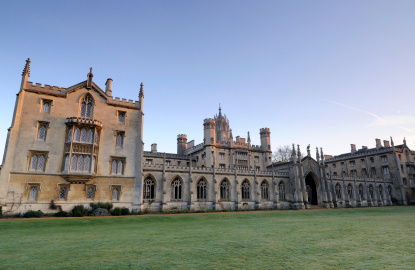
St John's College
Features the Bridge of Sighs, a covered bridge over the River Cam. While visitors cannot walk across the bridge, it is visible from the river during punting tours. The college also has beautiful gardens and a chapel worth visiting.
Queens' College
Houses the Mathematical Bridge, an elegant wooden structure that spans the River Cam. The bridge is a popular spot for photographs and offers a unique perspective on the college's architecture.
Christ's College
Where Charles Darwin studied, Christ's College is open to visitors on Tuesdays and Thursdays. It features a beautiful chapel and gardens, providing a peaceful retreat from the bustling city.
Pembroke College
Features a chapel designed by Sir Christopher Wren, showcasing his architectural genius. The college also has a picturesque garden and a historic dining hall.
Most colleges charge an entrance fee, with prices varying seasonally. It's advisable to check individual college websites for current opening times and admission fees.
Punting on the River Cam
A quintessential Cambridge experience, punting allows visitors to see the city from a unique perspective. Chauffeured tours are available, providing historical commentary as you glide past the college backs. These tours typically last about 45 minutes and offer insights into the history and architecture of the colleges.
For those who prefer a more active experience, self-punting options are also available. Visitors can hire punts and explore the river independently, although this requires some skill and practice to navigate effectively.
Cambridge University Botanic Garden
Spanning over 40 acres, the garden showcases a diverse collection of plants in various themed areas and glasshouses. It's an excellent spot for a peaceful stroll and to appreciate horticultural diversity. The garden features a range of plant species from around the world, including tropical plants in the glasshouses and native British flora in the rock garden.
Visitors can also attend workshops and events hosted by the garden, which focus on topics such as gardening techniques, plant conservation, and botanical art. These events provide a deeper understanding of the garden's role in botanical research and education.
Great St Mary's Church
Climb the tower of this historic church for panoramic views over Cambridge. A small fee is required for tower access, but the views are well worth it. On a clear day, you can see many of the city's landmarks, including the colleges and the River Cam.
Great St Mary's also hosts regular services and concerts, which are open to the public. The church's interior is adorned with beautiful stained-glass windows and intricate stone carvings, making it a must-visit for those interested in ecclesiastical architecture.
Market Square
Open daily, this bustling market offers a variety of stalls selling local produce, street food, crafts, and vintage items. It's an ideal place to experience local culture and pick up unique souvenirs. Visitors can sample local delicacies, browse handmade crafts, or simply enjoy the lively atmosphere.
The market is particularly vibrant on weekends, with additional stalls and live music adding to the festive atmosphere. It's a great spot to mingle with locals and tourists alike.
The Bridge of Sighs
Located within St John's College, this covered bridge was reportedly Queen Victoria's favourite spot in Cambridge. While you can't walk across it, it's visible from the river during punting tours. The bridge's picturesque setting and historical significance make it a popular subject for photographs.
Cambridge Distillery
For those interested in spirits, the Cambridge Distillery offers gin masterclasses and tastings. Located in the countryside, it provides a unique experience away from the city centre. Visitors can learn about the gin-making process and sample various flavours crafted by the distillery.
The distillery also offers tours of its facilities, providing insights into the art of gin production. This is a great opportunity for gin enthusiasts to explore the world of craft spirits.
Outdoor Activities
- Grafham Water Centre: Offers various water sports and outdoor activities, including sailing, kayaking, and paddleboarding. Located about 20 miles west of Cambridge, it's a popular spot for those seeking adventure and scenic views.
- Stand-up paddleboarding: An alternative way to explore the River Cam for more adventurous visitors. Several rental services in Cambridge offer paddleboards, allowing you to navigate the river independently and enjoy the city from a different perspective.
- Walking Tours: Guided walking tours are available, which cover various aspects of Cambridge's history, architecture, and cultural significance. These tours provide a comprehensive overview of the city and its landmarks.
- Cycling: Cambridge is known for its bike-friendly environment, making cycling a great way to explore the city and its surroundings. Several bike rental shops offer a range of bicycles suitable for different terrains and preferences.
Additional Attractions
- The Eagle Pub: Famous for being the place where the discovery of DNA's structure was first announced by James Watson and Francis Crick. The pub is a popular spot for both locals and visitors, offering a glimpse into scientific history.
- Midsummer Common: A large open space used for various events throughout the year, including the Cambridge Folk Festival. It's a great place to relax and enjoy the outdoors.
- Cambridge American Cemetery and Memorial: Located just outside the city, this cemetery honours American servicemen who died during World War II. It offers a poignant reminder of the city's role in international history.
Remember to check opening times and booking requirements before visiting these attractions, as they may change seasonally or due to special events.
Top Museums
The Fitzwilliam Museum
Located on Trumpington Street, the Fitzwilliam Museum is one of Cambridge's most iconic institutions. It houses over half a million artworks and artefacts from around the world, including ancient Egyptian coffins, Renaissance sculptures, and Impressionist paintings. The museum regularly hosts special exhibitions, making each visit unique. Its grand architecture and beautifully landscaped gardens add to its allure.
Museum of Archaeology and Anthropology
Situated on Downing Street, this museum offers a journey through two million years of human history. It features an extensive collection of archaeological and anthropological artefacts from across the globe, including Samurai armour and a totem pole. Visitors can explore the evolution of human societies and cultures.
Museum of Classical Archaeology
Found on Sidgwick Avenue, this museum showcases one of the largest collections of plaster casts of Greek and Roman statues in the world. Visitors can walk among iconic sculptures from classical antiquity, gaining insight into the art and culture of ancient civilizations.
Sedgwick Museum of Earth Sciences
Located on Downing Street, the Sedgwick Museum takes visitors on a 4.4 billion-year journey through the history of Earth, featuring fossils, meteorites, and other geological specimens. It provides a fascinating look at the evolution of our planet.
Museum of Zoology
Located on Downing Place, the Museum of Zoology highlights the diversity of animal life, with specimens ranging from moths to mammoths. It is home to one of the most complete dodo skeletons, offering a glimpse into extinct species.
The Polar Museum
Situated on Lensfield Road, this museum is dedicated to the history and science of Arctic and Antarctic exploration. It showcases clothing and equipment used by explorers, providing a glimpse into the challenges faced by those who ventured into the polar regions.
Whipple Museum of the History of Science
Located on Free School Lane, the Whipple Museum offers a fascinating look at scientific instruments from medieval times to the present day, highlighting how they have contributed to our understanding of the world. Visitors can explore the evolution of scientific thought and discovery.
Kettle's Yard
This modern and contemporary art gallery is housed in the former home of curator Jim Ede on Castle Street. It features a unique collection of art alongside natural objects, creating a harmonious blend of art and everyday life. The house itself is a work of art, with its carefully curated spaces and beautiful gardens.
Other Notable Museums
Museum of Cambridge
Located on Castle Street, this museum focuses on the social history of Cambridge, offering insights into the lives of everyday people who have called the city home. It features exhibits on local industries, traditions, and daily life, providing a glimpse into the city's past.
IWM Duxford
Although located about 25 minutes outside Cambridge, IWM Duxford is an aviation enthusiast's paradise, featuring hundreds of aircraft and military vehicles, along with regular flying displays. It offers a unique perspective on military history and aviation technology.
Cambridge Museum of Technology
Housed in a former sewage pumping station, this museum showcases local industries and equipment, providing a glimpse into Cambridge's industrial past. Visitors can explore the machinery and tools that once powered the city's infrastructure.
Centre for Computing History
This museum tells the story of the Information Age, offering a unique perspective on the evolution of computing technology. With interactive exhibits and vintage computers, it's a must-visit for anyone interested in technology and innovation.
Heong Gallery
Located at Downing College, the Heong Gallery is a vibrant space for modern and contemporary art, hosting a variety of exhibitions throughout the year. It provides a platform for artists to showcase their work in a beautiful setting.
New Hall Art Collection
Situated at Murray Edwards College, this collection is notable for its impressive array of art by leading female artists. It highlights the contributions women have made to the art world and offers a unique perspective on contemporary art.
The Women's Art Collection at Murray Edwards College
Similar to the New Hall Art Collection, this gallery also focuses on modern and contemporary art by female artists. It provides a space to celebrate women's artistic achievements and explore their diverse styles and themes.
Ruskin Gallery
Part of Anglia Ruskin University, this gallery features a diverse range of art exhibitions. It showcases local and international artists, offering a dynamic and ever-changing art scene.
David Parr House
A unique residential home turned museum on Gwydir Street, showcasing Arts & Crafts era design with intricately painted walls. Visitors can explore the beautifully decorated interior and learn about the life of its former occupant, David Parr.
The Farmland Museum and Denny Abbey
Located just outside Cambridge, this museum offers insights into rural life and farming practices. It features exhibits on traditional farming techniques and the history of the surrounding countryside.
Wimpole Estate
Managed by the National Trust, Wimpole Estate includes a historic mansion, gardens, and a working farm. It provides a glimpse into the lives of the aristocracy and the evolution of farming practices over the centuries.
The Cambridge American Cemetery and Memorial
Located near Coton, this cemetery is a poignant reminder of the sacrifices made during World War II. It honors American servicemen who died in the war and offers a peaceful space for reflection.
Local Cuisine
Local specialties include Cambridge sausages, seasoned with herbs and spices like ginger and nutmeg, and Cambridge burnt cream, the English version of crème brûlée. For a sweet treat, don't miss the famous Chelsea buns from Fitzbillies, a syrup-drenched pastry that's been perfected over a century. The city boasts eight Michelin-starred restaurants, showcasing the finest in contemporary British cooking. Traditional pubs serve hearty dishes like Huntingdon fidget pie, a savoury pastry filled with bacon or ham and apples. Seafood enthusiasts can enjoy fresh eels from the Fens, while those with a penchant for cheese should visit the local delis for a taste of Cambridge cheese. With its mix of time-honoured recipes and modern gastronomy, Cambridge offers a truly satisfying culinary experience for food lovers.
Shopping
The city centre features pedestrian alleyways, bustling markets, and elegant shopping streets, hosting a mix of independent boutiques and high-street brands. Shoppers can find fashion, jewellery, vintage clothing, handcrafted gifts, and unique souvenirs. The centuries-old Cambridge Market Square offers fresh local produce and artisanal crafts, whilst modern shopping centres like Grand Arcade, The Grafton, and Lion Yard provide a wide range of retail options under one roof. Notable shopping areas include Rose Crescent, Trinity Street, and Mill Road, known for their eclectic mix of speciality shops and eateries. Most shops in Cambridge are open Monday to Saturday from 9am to 5:30pm, with late-night shopping on Wednesdays until 8pm, and Sunday trading hours from 11am to 4pm.
Nature in and around Cambridge
The River Cam flows through the heart of Cambridge, providing scenic views and opportunities for punting. The city boasts several green spaces, including Jesus Green and Midsummer Common, which offer areas for relaxation and recreation. The Cambridge University Botanic Garden showcases over 8,000 plant species across 40 acres of diverse landscapes. Just outside the city, Wandlebury Country Park provides picturesque walking trails and wildlife viewing opportunities. The Backs, an area where several Cambridge University colleges back onto the River Cam, offers stunning views and seasonal displays of flowering bulbs. For those interested in wetland ecosystems, Wicken Fen nature reserve is home to numerous species of plants and animals. The Cambridge Nature Network aims to create and connect large-scale natural greenspaces in and around the city, further enhancing the area's biodiversity.
Getting There & Around
By train, Cambridge enjoys excellent rail connections with frequent services from London, including the fast Cambridge Cruiser trains that reach King's Cross in just 45 minutes, whilst trains also operate from Liverpool Street station.
By coach, National Express provides regular services from London Victoria Coach Station and London Stratford, with journey times as quick as 1 hour 15 minutes, and coaches arrive at Cambridge's Parkside station in the city centre.
By car, Cambridge is easily accessible via the M11 motorway, located just 62 miles northeast of London, with the journey typically taking around 1 hour 45 minutes in good driving conditions, and visitors can take advantage of the convenient Park & Ride facilities on the city's outskirts to avoid navigating the one-way roads in the centre.
Best Time to Visit
The best time to visit Cambridge largely depends on your preferences and what you hope to experience during your trip. Generally, the summer months of June to August offer the warmest weather, with temperatures reaching around 21°C, making it ideal for outdoor activities and punting on the River Cam. However, this is also the busiest tourist season, so expect larger crowds and higher prices. For a more peaceful visit with pleasant weather and fewer tourists, consider planning your trip in September or October. These autumn months provide mild temperatures, beautiful foliage, and a chance to explore the city's historic sites without the summer rush. Spring, particularly April and May, is another lovely time to visit, as you'll witness the city in bloom, especially along The Backs. Winter can be cold and wet, but it offers a unique charm with festive markets and the possibility of seeing the city dusted in snow, making it particularly picturesque.