


 Ireland Guide
 Scotland Guide
 Wales Guide
| Contents |
|---|
Introduction
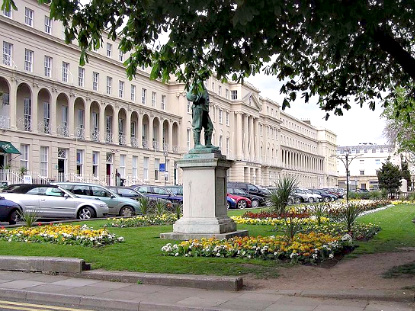
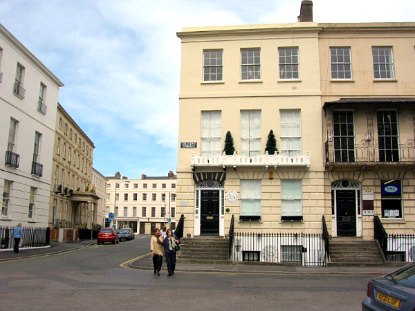
A mere 10 km away from Gloucester, Cheltenham (pop. 116,000) has been a spa town since 1716. The spring water is no longer consummed, but the town has retained its elegant Regency terraces, crescents, and squares that characterise much of the town centre today. Conveniently located on the road from Bristol to Oxford, Cheltenham can be visited in a day trip from either city, or on the way from one to the another, perhaps combined with Gloucester.
Cheltenham may not have the grandeur of Bath, but it is a better place for shopping. The town is renowned for horse races, and also hosts numerous festivals, such as the Hunt Festival in March or the Music & Cricket Festival in July (see Cheltenham's Festivals).
The main attractions are the tree-lined Promenade, the Imperial Gardens, Montpellier Gardens, and the free Art Gallery & Museum. Cheltenham is the birthplace of composer Gustav Holst (1874-1934), whose house can be visited.
Interesting Facts about Cheltenham
- Cheltenham's transformation into a spa town began in 1716 when a resident named Mr Mason spotted an exceptionally healthy flock of pigeons drinking from a mineral spring in Bayshill Meadows, leading to the discovery of the water's healing properties.
- The town's official crest features three pigeons to commemorate the birds that helped discover the mineral springs that made Cheltenham famous.
- Cheltenham is home to the Government Communications Headquarters (GCHQ), which is nicknamed "The Doughnut" due to its distinctive circular shape and employs around 6,000 people.
- With over 2,500 listed buildings including five Grade I, 387 Grade II, and 2,210 Grade III structures, Cheltenham claims to be England's most complete Regency town.
- The town began as an Anglo-Saxon settlement over 1,200 years ago and was first recorded in 803 as "Celtan hom," receiving its market charter in 1226.
- King George III's five-week visit in 1788 to drink the medicinal waters "set the seal" on Cheltenham's popularity as a fashionable spa destination.
- By 1850, Cheltenham had become the largest town in Gloucestershire with a population exceeding 35,000, growing from just 1,500 residents in 1700.
- The town hosts over 35 significant festivals annually, including the world's longest-running literature festival and the prestigious Cheltenham Festival horse racing event.
- Alice Liddell, the inspiration for Lewis Carroll's "Alice in Wonderland," frequently visited her grandparents' house in Charlton Kings, and it's believed that a mirror there inspired Carroll's "Through the Looking-Glass".
- In 1935, the Cheltenham Spa Express, also known as "The Cheltenham Flyer," became the fastest train in the world by achieving a speed of 92.3 mph on its route from Cheltenham to London's Paddington Station.
- The first British jet aircraft, the Gloster E.28/39, was partly built in Cheltenham during the Second World War when manufacturing was moved to Regent Motors on High Street for safety from bombing.
- Cheltenham's Pittville Pump Room, completed in 1830, houses the only source of natural alkaline water in England and still serves spa waters to visitors today.
- The town's racecourse has a dramatic history, with the original grandstand being burned to the ground in 1829 after a local priest preached against the evils of horse racing.
- Cheltenham Ladies' College, which opened in 1854, has educated notable figures including actress Dame Kristin Scott Thomas and artist Bridget Riley.
- During the Second World War, the United States Army Services of Supply established its main European base in Cheltenham, with the racecourse serving as a massive storage depot for military vehicles destined for the D-Day invasion.
History
Cheltenham’s story begins over 1,200 years ago as a modest Anglo-Saxon settlement. First recorded in 803 as Celtan hom, it was a small agricultural village at the time of the Domesday Book in 1086, with fewer than 200 residents. In 1226, King Henry III granted Cheltenham a market charter, establishing it as a local hub for surrounding villages with a weekly market and an annual fair. For centuries, its economy relied on farming, with industries like malting for brewing, and leatherworking, including tanners and shoemakers. By the 17th century, the population had grown to about 1,500. The town's destiny changed forever in 1716 with the discovery of mineral springs south of the town, when locals observed pigeons pecking at salt deposits by a spring and began to drink the water, believing it had healing properties.
The town's transformation into a fashionable health resort began in earnest between 1738 and 1742 when Captain Henry Skillicorne, who had inherited the land, developed the original spring. He established a proper well, installed a pump, and built an elegant well-house with a ballroom and billiard room to entertain visitors. He also created tree-lined promenades for fashionable society to stroll along. The spa’s reputation was cemented in 1788 when King George III spent five weeks in Cheltenham, drinking the waters for his health. This royal endorsement made the town one of England’s leading spas, attracting nobility and famous figures, including the Duke of Wellington, Jane Austen, and a young Princess Victoria. The influx of visitors led to the creation of rival spas, such as Montpellier and Pittville, which offered gardens, live music, and grand entertainments like galas and firework displays. This popularity caused a dramatic population increase, soaring from 3,000 in 1801 to 35,000 by 1850, making it the largest town in Gloucestershire at the time.
The boom in tourism shaped the town's architecture, leaving a legacy of elegant buildings that make Cheltenham what many consider to be the most complete Regency town in England. Visitors attended balls and concerts in the Assembly Rooms, saw plays at the Theatre Royal, and enjoyed horse racing at the racecourse. Fashionable shopping areas, such as the Promenade and Montpellier, were developed from the 1820s to cater to the wealthy crowds. Development continued into the Victorian era, marked by the arrival of the railway in 1840, which brought even more visitors. Significant institutions were founded during this period, including hospitals and the prestigious Cheltenham Ladies' College, which now stands on the site of the original spa. Although the spa's popularity declined from the 1830s, the town's cultural and architectural foundations had been firmly established, ensuring its lasting appeal.
Main Attractions
The Promenade
The Promenade forms Cheltenham's main thoroughfare, characterised by its wide, tree-lined avenue flanked by elegant Regency terraces. This area serves as the town's primary shopping district, featuring a mix of high-street retailers, independent boutiques, cafes, and restaurants. The Neptune Fountain at the northern end provides a focal point for visitors, whilst the Long Gardens offer decorative planted areas. The Promenade's architecture and layout exemplify Cheltenham's Regency planning, making it both a commercial hub and an attraction in its own right.
Imperial Gardens
Located adjacent to the Town Hall and The Promenade, these formal gardens showcase approximately 25,000 bedding plants annually in carefully maintained displays. The gardens feature geometric flower beds, well-kept lawns, and mature trees that provide seasonal interest throughout the year. Imperial Gardens serves as a central venue during Cheltenham's various festivals, hosting outdoor events, performances, and exhibitions. The gardens' proximity to other town centre attractions makes them a natural gathering point for visitors.
Everyman Theatre
The Grade II listed Everyman Theatre, designed by renowned theatre architect Frank Matcham and opened in 1891, represents one of Cheltenham's most important cultural venues. The theatre hosts a varied programme including drama, musicals, pantomimes, and touring productions throughout the year. Its Victorian architecture features ornate interior decoration and a traditional auditorium layout. The theatre's central location and historical significance make it both a performance venue and an architectural attraction for visitors interested in theatrical heritage.
Cheltenham Town Hall
This Edwardian building serves as a significant venue for classical concerts, theatre performances, dances, and festivals. The Town Hall's architecture reflects the civic pride of early 20th-century Cheltenham, and its location next to Imperial Gardens places it at the heart of the town's cultural activities. The building hosts events ranging from formal concerts to community gatherings, and its interior features period details that complement its external architectural significance. During festival periods, the Town Hall becomes a focal point for cultural programming.
Montpellier District
This historic area showcases some of Cheltenham's finest Regency architecture alongside a distinctive shopping and dining quarter. The district features boutique shops, independent retailers, restaurants, and pavement cafes housed within converted Regency buildings. Notable architectural features include the distinctive ironwork and the Montpellier Gardens, which provide green space within the commercial area. The district's character combines historical preservation with contemporary use, creating an atmospheric area for both shopping and sightseeing.
Montpellier Gardens
These gardens form part of the historic Montpellier District and provide a green space surrounded by significant Regency architecture. The gardens feature formal lawns, established flower beds, tennis courts, and a cafe facility. During Cheltenham's festival seasons, particularly the Literature Festival, the gardens host outdoor events, talks, and performances. The combination of horticultural displays and cultural programming makes the gardens serve dual functions as both recreational space and event venue.
Pittville Pump Room
This Grade I listed Regency building stands as the centrepiece of Cheltenham's spa heritage, constructed in the early 19th century during the town's development as a fashionable spa destination. The building now serves as a venue for concerts, weddings, and special events whilst maintaining its historical function as a source of mineral spring water. Visitors can still sample the original spa water from the pump, experiencing a direct connection to Cheltenham's Regency past. The Pump Room's neoclassical architecture and ornate interior make it one of the town's most significant historical buildings.
Pittville Park
Cheltenham's largest park opened in 1825 and encompasses the Pittville Pump Room within its grounds. The park features ornamental lakes where visitors can hire rowing boats and pedalos during the warmer months, alongside extensive walking paths, playgrounds, and aviaries. The formal gardens and open spaces provide a peaceful retreat from the town centre, whilst the park regularly hosts outdoor events and festivals. The combination of landscaped areas and recreational facilities makes it popular with both locals and tourists seeking outdoor activities.
Cheltenham Racecourse
This nationally significant horse racing venue serves as the home of the prestigious Cheltenham Festival, including the famous Gold Cup held annually in March. The racecourse hosts multiple racing events throughout the year, attracting visitors from across the UK and beyond. Beyond racing, the venue is also used for festivals, exhibitions, and other large-scale events. The racecourse's location offers views across the surrounding countryside, and its facilities include restaurants, bars, and hospitality suites alongside the racing amenities.
Sandford Parks Lido
This outdoor swimming facility offers heated pools and operates seasonally, typically from May through September. The lido hosts special events including open-air cinema screenings and swimming galas, combining recreational swimming with entertainment programming. The facility maintains the character of a traditional English lido whilst providing modern amenities. Its location within Sandford Park allows visitors to combine swimming with park-based activities and relaxation.
The Brewery Quarter
This leisure and entertainment complex occupies a converted brewery site and houses restaurants, bars, shops, a multiplex cinema, and spaces for live events. The development combines modern retail and dining facilities with elements of the site's industrial heritage. The Quarter provides evening entertainment options and serves as a social hub for both residents and visitors. Its varied offerings make it suitable for different types of visits, from casual dining to cinema trips and shopping.
Top Museums
The Wilson: Cheltenham Art Gallery & Museum
Overview: The Wilson stands as Cheltenham’s premier destination for art and heritage. It showcases a wide spectrum of both permanent collections and innovative temporary exhibitions, filling four floors of thoughtfully designed spaces.
Highlights:
- The story of Edward Wilson, the Cheltenham-born explorer who joined Captain Scott on his Antarctic expeditions, is told with artefacts and personal effects.
- The Arts & Crafts Movement Collection features pieces inspired by William Morris and contemporaries, celebrating design and craftsmanship.
- A vibrant calendar of national and international touring exhibitions, making each visit unique.
Atmosphere: A modern and welcoming environment, ideal for art lovers, history enthusiasts, and families alike, with relaxed spaces like the Arts Café for contemplation or conversation.
Holst Victorian House
Overview: Step back in time at the birthplace of composer Gustav Holst, famed for The Planets. This lovingly restored Victorian residence offers a glimpse into Cheltenham’s past and the early life of one of England’s greatest composers.
Highlights:
- Experience the working Victorian kitchen and immerse yourself in authentic period interiors.
- Explore artefacts relating to Holst and his family, including the piano on which he composed his most famous work.
- The museum also hosts engaging workshops, concerts, and interactive activities, making it an appealing stop for all ages.
Atmosphere: A cosy gem that brings local history and musical heritage to life.
Winchcombe Museum
Overview: Located a short drive from Cheltenham in the historic town of Winchcombe, this museum is renowned for its warm welcome and fascinating displays spanning local history and science.
Highlights:
- Exhibits detailing Winchcombe’s past from Neolithic times through the Romans, its Abbey, and into the present.
- Home to fragments of the celebrated Winchcombe Meteorite, the most significant meteorite to have landed in the UK.
- Special features include interactive exhibits and family-friendly displays.
Atmosphere: An inviting, community-focused museum offering insight into the area’s evolution through millennia.
Park Gallery and Castle Fine Art
Both spaces feature rotating exhibitions, presenting contemporary works and bespoke creations from local and national artists.
Montpellier Art Galleries
Nestled in the Regency district, these six galleries together offer an impressive choice for art buyers and casual visitors alike, all within walking distance.
Local Cuisine
Cheltenham boasts an impressive collection of Michelin-starred establishments, including Le Champignon Sauvage and Lumière Restaurant, which showcase refined French-inspired cuisine using locally sourced ingredients. Food enthusiasts can savour Gloucester Old Spot pork and Single Gloucester cheese, both holding Protected Designation of Origin status, whilst exploring the town's vibrant dining landscape. The international cuisine scene is equally impressive, with award-winning Indian restaurants like Prithvi serving elegant dishes, The Coconut Tree offering authentic Sri Lankan street food with their signature hoppers, and KIBOU delivering contemporary Japanese fare. For those seeking traditional British comfort food, local favourites include hearty Sunday roasts at gastropubs like The Tavern, whilst the town's proximity to the Cotswolds ensures access to regional specialities such as Tewkesbury mustard and Bibury trout. Whether you're after fine dining or casual fare, Cheltenham's diverse culinary offerings reflect both its elegant spa town heritage and its position as a gateway to the renowned food culture of the Cotswolds.
Getting There & Around
By train, Cheltenham Spa station offers direct services from major cities including London (approximately 2 hours), Birmingham (38 minutes), Manchester (2 hours 19 minutes), and Bristol (38 minutes), with operators including Great Western Railway, CrossCountry, and Transport for Wales providing frequent services throughout the day. The station is conveniently located just one mile from the town centre with good onward connections.
By coach, National Express operates regular services to Cheltenham's Royal Well Bus Station, which is situated right in the town centre near the Promenade, with up to 16 direct journeys daily from London Victoria taking approximately 2.5 hours, plus connections from other major cities across Britain.
By car, Cheltenham enjoys excellent motorway access via Junction 11 of the M5 motorway, with the town also accessible via the A40, A417, and easy links to the M4 and M6, making it less than a two-hour drive from London, Bristol, and Birmingham.