


 Ireland Guide
 Scotland Guide
 Wales Guide
Belgravia: Regency Splendour and Refined Living
Belgravia, situated south-west of Buckingham Palace and extending towards Victoria, represents one of Europe's most exclusive residential areas. The neighbourhood is renowned for its immaculate Regency-style architecture, grand garden squares, and atmosphere of discreet luxury.
The Creation of Belgravia
Belgravia was named after Belgrave Square, a large garden square designed in the 1820s. The area was developed by the Grosvenor family, one of the wealthiest and most powerful families in England, who owned vast tracts of land in London and sought to create a prestigious new neighbourhood that would attract wealthy residents.
The development was overseen by the renowned architect and master builder Thomas Cubitt, who designed many of the area's stately homes and garden squares. Cubitt transformed the architectural inheritance of the London square on a larger scale than previously seen in central London, building upon the formal grid layout that dated back to Inigo Jones's work for the Earls of Bedford at Covent Garden in the 1630s.
Architectural Heritage and Style
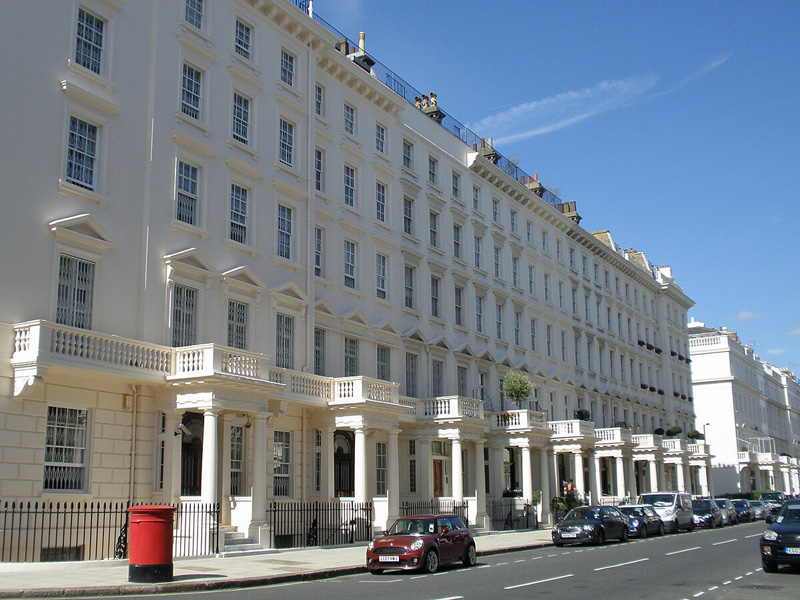
Belgravia's architecture is characterised by its distinctive white stucco facades, which are a hallmark of the Regency era. The neighbourhood represents a handsome blend of Regency style and late Georgian terraces, crescents, and squares that comprise the Grosvenor Estate. The elegant Georgian and Regency-style townhouses feature grand porticos and symmetrical proportions that create a harmonious streetscape throughout the neighbourhood.
Chesterfield Street in nearby Mayfair shares this architectural excellence, being one of the few streets with 18th-century properties on both sides and representing the least altered road in the area. This attention to preserving historic character extends throughout Belgravia, where strict planning controls maintain the area's architectural integrity.
Belgravia's Grand Garden Squares
Belgravia's garden squares represent the pinnacle of London's tradition of communal green spaces, each with its own distinct character and historical significance.
Belgrave Square Garden serves as the centrepiece of Belgravia, covering 4.5 acres. Designed by George Basevi and created by Thomas Cubitt in 1826, it was completed in 1840 to act as a landscape setting for the square's grand new houses. Influenced by a design by John Claudius Loudon, the square's layout remains faithful to its original network of paths and retains some of the original planting in the form of mature plane trees. A central path curves through pergolas adorned with wisteria and roses, creating a romantic atmosphere. The square is now flanked by numerous embassies, reflecting its continued prestige.
Chester Square Garden lies in the centre of Belgravia and was laid out between 1828 and 1840 by the 1st Duke of Westminster and his surveyor and architect Thomas Cundy II. Cundy also designed St Michael's Church on the west side, which provides an elegant backdrop to the 1.5-acre garden. The garden is surrounded by herbaceous borders and conceals a tranquil central rose garden, with rope-edged tiles and some original trees surviving from the Victorian era. Past residents include poet Matthew Arnold at No. 2, Frankenstein author Mary Shelley at No. 24, and former Prime Minister Margaret Thatcher.
Eaton Square Garden, named after the Duke of Westminster's principal Cheshire home, Eaton Hall, comprises six gardens that Thomas Cubitt began laying out in 1826. Today, these gardens provide a peaceful retreat featuring formal lawns, mixed borders, formal raised beds, and shady pathways. Sundials and water features by sculptor David Harber add contemporary artistic elements to the historic setting. Famous residents have included former Prime Minister Neville Chamberlain and actress Vivien Leigh.
Shopping Streets and Boutique Districts
Belgravia's shopping areas offer a more intimate and curated experience than the grand thoroughfares of Mayfair, with independent boutiques and specialist shops defining the neighbourhood's retail character.
Elizabeth Street provides a delightful mix of independent shops, including the renowned Moyses Stevens florist, Bayley & Sage grocery, and Jo Loves for luxury candles. The street is famous for its pretty cafés and flower-adorned facades that create a picturesque setting perfect for leisurely exploration. Cafés such as Peggy Porschen and Chestnut Bakery offer Instagram-worthy settings for afternoon tea and sweet treats.
Motcomb Street is a pedestrian-friendly thoroughfare home to high-end boutiques, artisanal shops, and speciality food stores including The Fine Cheese Co. and Rococo chocolate shop. The abundance of cheesemongers and chocolatiers makes it a haven for food enthusiasts. Halkin Mews, accessible from Motcomb Street, ranks amongst the prettiest mews in the neighbourhood, showcasing the charming cobblestone lanes that were once home to horses and carriages.
Eccleston Street offers another pedestrian-friendly shopping experience with its mix of independent retailers. The hidden Eccleston Yards, accessible down a small alley from Ebury Street, opens into a colourful courtyard full of shops and creative spaces, blending wellness with lifestyle offerings.
Pimlico Road Design District, near Sloane Square, serves as a hub for interior designers and shoppers seeking luxury furnishings and antiques, with prestigious stores such as Robert Kime and Linley. This area, also known as Orange Square, is surrounded by flower shops and high-end furniture stores, with twin red telephone boxes providing a quintessentially British photo opportunity.
Walking Through Belgravia's Mews and Terraces
Belgravia's network of mews—originally built to house horses and carriages—now represent some of London's most charming residential streets. These cobblestone lanes, with their pastel-painted cottages and flower boxes, create an enchanting contrast to the grand terraces and squares.
Kinnerton Street showcases pretty houses and numerous side streets worth exploring at a leisurely pace. Groom Place ranks amongst the most picturesque cobblestone streets in London, featuring an excellent mix of houses and a traditional pub tucked into one corner. Eaton Terrace Mews and Grosvenor Cottages provide similarly delightful examples of this distinctively London architectural form.
Wilton Row, discovered via a warren of lanes off Wilton Place and Old Barrack Yard, stands as one of Belgravia's hidden gems, offering a peaceful retreat from the main thoroughfares. These mews represent the essence of Belgravia's charm—exclusive yet intimate, grand yet personal.
Blue Plaques and Historical Connections
Belgravia's streets are marked with blue plaques commemorating notable residents. A plaque on Ebury Street honours Ian Fleming, creator of James Bond, whilst another celebrates composer Wolfgang Amadeus Mozart. These markers provide tangible connections to the area's rich cultural and literary heritage.
Cultural Events and Seasonal Highlights
Belgravia hosts the annual "Belgravia in Bloom" flower festival, which enlivens the area with spectacular floral displays and celebrates the neighbourhood's commitment to horticultural excellence. The Osborne Studio Gallery and other cultural venues provide opportunities to appreciate art and attend elegant events throughout the year.
Access and Connections
Belgravia is conveniently accessible via Victoria and Knightsbridge underground stations, making it easy to combine visits with neighbouring areas such as Chelsea, Knightsbridge, or Hyde Park. The neighbourhood's proximity to Buckingham Palace and St James's Park also makes it an ideal starting point for exploring royal London.
Walking Tour Recommendations
A comprehensive walking tour of Belgravia typically covers 2.9 miles and takes approximately 90 minutes to two hours at a leisurely pace, not including stops. The most rewarding route begins at Victoria Station or Hyde Park Corner and winds through the neighbourhood's streets, mews, squares, and crescents, allowing visitors to appreciate the architectural details, discover hidden corners, and experience the area's exclusive atmosphere.
The circular route showcases the full diversity of Belgravia's character, from grand embassy-lined squares to intimate mews, from elegant shopping streets to tranquil garden squares, creating a comprehensive portrait of this exceptional neighbourhood.
Practical Considerations for Visiting
Both Mayfair and Belgravia reward slow, observant exploration. These are neighbourhoods best appreciated on foot, where architectural details, hidden mews, secluded gardens, and the interplay of grand and intimate spaces reveal themselves to patient visitors. The areas are easily combined in a single day's exploration or can each provide a full day's worth of discovery for those who wish to delve deeper into their respective characters.
Whether admiring centuries-old plane trees in Berkeley Square, discovering the craft traditions of Savile Row, exploring Thomas Cubitt's architectural masterpieces in Belgravia's garden squares, or simply wandering through flower-adorned streets and historic mews, Mayfair and Belgravia offer an unparalleled experience of London's elegance, history, and enduring sophistication.