England Guide  |
|---|
|
| | English Regions |
|---|
|
| | Top English Cities |
|---|
|
| | Top National Parks |
|---|
|
| | Europe Guide |
|---|
|
| | Travel Tools |
|---|
|
| | UK & Ireland Guide |
|---|
|
|
|
|
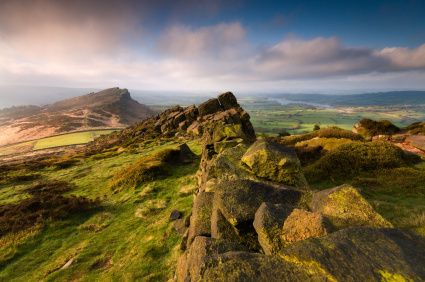 Peak District National Park Peak District National Park
Introduction to the East Midlands
The East Midlands offers a compelling blend of rich history, diverse landscapes, and cultural attractions that make it an excellent destination for visitors seeking authentic British experiences.
Historical Significance
The East Midlands boasts a fascinating historical tapestry spanning millennia. The region houses one of only four original copies of the Magna Carta at Lincoln Castle. It was the site of key battles during the English Civil War and where the Battle of Bosworth in 1485 deposed Richard III, putting the Tudors on the throne. The territory roughly corresponds with the Five Boroughs of the Danelaw from the 10th century, which significantly influenced the distinct East Midlands accents heard today.
Natural Beauty
The region features stunning countryside including the Peak District National Park, the Lincolnshire Wolds, and rolling landscapes that were traditionally England's hunting counties. The varied terrain offers excellent opportunities for walking, cycling, and horse riding across hills, wolds, ancient forests, and alongside sparkling reservoirs. Protected by the Pennines in the west, the East Midlands is one of the driest regions of England.
Notable Attractions
Visitors can explore impressive stately homes with remarkable art collections at Chatsworth, Burghley and Althorp. Other architectural treasures include Lincoln Cathedral, a majestic Gothic structure with striking stained glass windows and intricate carvings, and Rockingham Castle, one of Britain's best preserved inhabited castles.
The region is home to the legend of Robin Hood, which attracts visitors to the ancient Sherwood Forest. Nottingham offers fascinating underground cave systems to explore, while the Hope Valley stretches between Mam Tor in Castleton and Hathersage, encompassing some of the Peak District's prettiest villages and famous sites such as Peveril Castle and Peak Cavern.
The East Midlands provides a glimpse of England off the typical tourist trail, combining friendly locals, diverse offerings from wild woodlands to cosmopolitan urban centres, and a chance to experience authentic British culture at often more affordable prices than other UK destinations.
Attractions
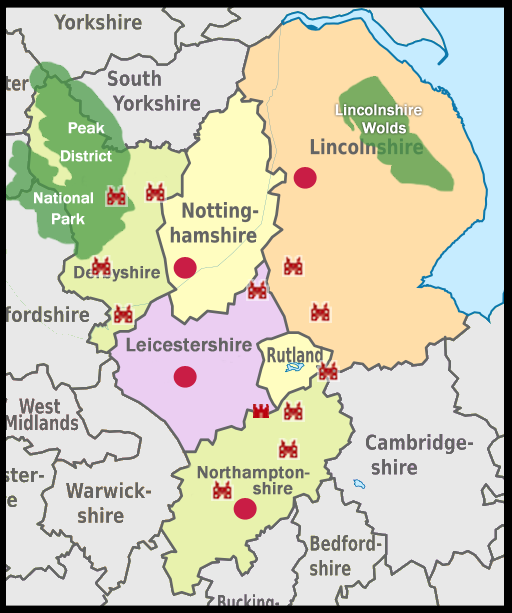
Clickable Tourist Map of the East Midlands
Note that dots, castle icons and national parks are not clickable on the mobile version. Please use the desktop version for optimal navigation.
|
Derbyshire
| Chatsworth House |
|---|
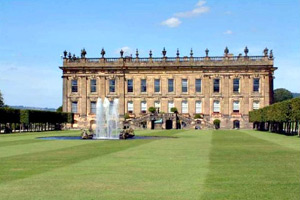
 Chatsworth House combines grand Baroque architecture and richly furnished interiors with one of Europe’s foremost private art collections, ranging from Roman and Egyptian sculptures to masterpieces by Rembrandt, Canaletto and Lucian Freud. Visitors wander through over twenty rooms—including the Painted Hall and Sculpture Gallery—that reflect centuries of Cavendish family patronage, from Bess of Hardwick’s 16th-century foundations to modern exhibitions. Beyond the house, Capability Brown’s 105-acre gardens unfold with dramatic water features, terraces, the famed Cascade fountain and contemporary sculptures, offering varied vistas framed by wooded parkland and historic waterways. |
| Calke Abbey & Garden |
|---|

 Calke Abbey is a historic house that has remained largely untouched for over a century. Unlike many restored stately homes, this baroque mansion presents itself as it was discovered by the National Trust - complete with original collections, furnishings, and even natural history specimens gathered by generations of the Harpur Crewe family. The house serves as a genuine time capsule, where peeling wallpaper, faded fabrics, and accumulated treasures tell the story of a family's daily life across centuries. Beyond the house, the estate's 600 acres of parkland feature ancient oak trees, deer herds, and diverse wildlife habitats that have been managed using traditional methods, creating an important sanctuary for native species and offering visitors peaceful walks through landscapes that have remained largely unchanged since the 18th century. |
| Kedleston Hall & Garden |
|---|

Kedleston Hall represents one of Britain's finest examples of 18th-century neo-classical architecture, designed by the renowned Robert Adam for the Curzon family. The mansion showcases exquisite Georgian craftsmanship with its imposing marble hall, ornate state rooms filled with period furniture, and remarkable collection of paintings and sculptures. The surrounding parkland, designed by Capability Brown, features picturesque walking trails, specimen trees, and serene lakes that complement the architectural grandeur. Visitors can explore the fascinating below-stairs areas to discover how the household operated, whilst the pleasure grounds offer peaceful retreats with historic outbuildings including an 18th-century fishing room and medieval church ruins that provide glimpses into centuries of English heritage. |
| Hardwick Hall |
|---|

 Hardwick Hall stands out for its bold Elizabethan design, its façades punctuated by vast, multi-paned windows framing the countryside and giving rise to the local rhyme ‘Hardwick Hall, more glass than wall’. Designed by Robert Smythson for Bess of Hardwick, it was among the first English houses conceived by an architect and its symmetrical block, turreted towers bearing her initials, and soaring three-storey interiors showcase Renaissance ideas of proportion and light. Inside, one of the finest surviving collections of Elizabethan plasterwork, tapestries and original furnishings brings Tudor craftsmanship to life, while the surrounding terraces and gardens offer glimpses of the hall’s historic layout and its blend of art, architecture and landscape. |
| Derwent Valley Mills ※ |
|---|

 Derwent Valley Mills offers a rare glimpse into the origins of the factory system, where water-powered cotton mills and the workers’ settlements that grew around them remain largely intact. Visitors can explore Cromford’s pioneering mill complex and Belper’s elegant North Mill, wander through purpose-built mill villages with original cottages, schools and chapels, and follow riverside and canal-side paths linking historic bridges, weirs and industrial workshops. Living museums, guided tours and narrow-boat cruises bring the 18th-century landscape to life, while the surrounding countryside retains much of its original character, making the valley a compelling blend of early industrial architecture and rural scenery. |
| Sudbury Hall |
|---|

Sudbury Hall & Museum of Childhood offers visitors a unique combination of 17th-century baroque architecture and fascinating social history through its extensive collection of childhood artefacts. The hall itself showcases exceptional craftsmanship with its elaborate plasterwork, painted ceilings, and grand staircase, representing one of the finest examples of Restoration-era country house design. The Museum of Childhood housed within provides an engaging journey through 300 years of childhood experiences, featuring toys, games, clothing, and nursery items that reveal how children's lives have evolved over time. This dual attraction allows visitors to appreciate both architectural heritage and social history in one visit, making it particularly appealing to families and history enthusiasts who can explore how domestic life and childhood have changed whilst admiring the stunning period rooms and decorative arts of this National Trust property. |
Other attractions
 Blue John Cavern
 Derby
Leicestershire
| Belvoir Castle |
|---|

Belvoir Castle’s appeal lies in its rich tapestry of centuries-old architecture and living heritage: as the ancestral seat of the Dukes of Rutland for almost a thousand years, it reveals four successive fortifications, each echoing a different era from Norman motte-and-bailey to Regency Gothic revival. Visitors can wander through lavish state rooms adorned with Old Master paintings, stroll Capability Brown-inspired terraces and themed gardens, and explore a restored priory site and verdant parkland that inspired afternoon tea. Modern attractions—an immersive adventure playground, a working animal park and a converted engine yard of artisan shops—sit harmoniously alongside the castle’s historic fabric, offering a blend of heritage, horticulture and hands-on discovery. |
| Leicester |
|---|

Leicester's appeal lies in its exceptional blend of eras: you can follow the story of King Richard III from excavation to re-interment at the dedicated Visitor Centre and adjacent cathedral, explore one of Britain’s largest surviving Roman structures at the Jewry Wall and its immersive museum, wander the medieval Guildhall and Castle Gardens atop the Norman motte, then contrast these with the modern National Space Centre’s striking galleries. A network of heritage trails and over 300 interpretation panels threads together Georgian crescent, Tudor gateway and industrial-age pumping station, while annual festivals and Europe’s tallest street art reflect a city that celebrates its past and present in equal measure. |
| Stanford Hall |
|---|

Stanford Hall houses one of the country's most comprehensive motorcycle museums, featuring rare vintage machines alongside exhibits celebrating the evolution of two-wheeled transport. Beyond its automotive treasures, the estate holds particular significance as the final home of aviation pioneer Percy Pilcher, whose pioneering gliding experiments took place in the grounds during the 1890s. The hall's elegant Georgian façade conceals richly appointed interiors filled with period furniture, family portraits, and decorative arts that reflect the refined tastes of its former residents. Visitors can explore both the grand reception rooms and more intimate family quarters, gaining insight into country house life across different eras, whilst the surrounding parkland provides a peaceful setting for walks and reflection. |
Lincolnshire
| Burghley House, Gardens & Deer Park |
|---|

 Burghley House stands as England's finest example of an Elizabethan 'prodigy' house, built by William Cecil, Lord High Treasurer to Queen Elizabeth I, between 1555 and 1587. This magnificent Tudor mansion houses one of Britain's most important private art collections, featuring over 700 paintings alongside exceptional Italian masterpieces, Chinese and Japanese porcelain, and superb 18th-century furniture displayed throughout its 18 opulent State Rooms. Visitors can explore the original Tudor kitchens, marvel at Antonio Verrio's dramatic Hell Staircase paintings, and wander through the spectacular parkland designed by Capability Brown, complete with roaming deer and contemporary sculpture gardens that seamlessly blend historical grandeur with modern artistic expression. |
| Belton House & Gardens |
|---|

Belton House & Gardens offers a captivating blend of 17th-century Carolean architecture and meticulously restored formal gardens, from the sunken Italian Garden with its ornate fountain and cast-iron conservatory to the late-Victorian Dutch parterres edged by topiary. Visitors can wander through a wooded park once home to a wild herd of fallow deer, discover ornamental temples and ponds along winding pleasure-ground walks, and explore the house’s grand state rooms—such as the Marble Hall, Chinese Bedroom and world-renowned library—each reflecting over three centuries of evolving taste and craftsmanship. Its combination of refined design, historic collections and varied landscape features makes Belton a uniquely immersive destination for those interested in country-house splendour and garden artistry. |
| Grimsthorpe Castle Park & Gardens |
|---|
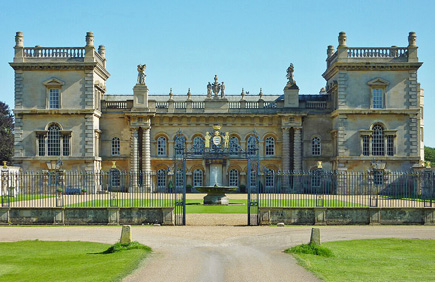
Grimsthorpe Castle Park & Gardens combines a striking blend of Tudor and Baroque architecture with sweeping Capability Brown landscapes, where avenues of ancient oaks and roaming deer roam across 3,000 acres. Visitors can wander through 17th-century formal lawns framed by clipped yew topiary and vibrant herbaceous borders, explore the ornamental walled kitchen garden with espaliered fruit trees, and admire intricate parterres close to the castle’s golden limestone façades. Inside, the state rooms display one of the largest collections of royal thrones and fine furnishings outside the palaces, while woodland walks and lakeside vistas offer tranquil contrasts to the castle’s monumental grandeur. |
| Lincoln |
|---|

Lincoln presents a remarkable journey through English history, centred around its magnificent cathedral and the Norman castle built by William the Conqueror. The city's crown jewel, Lincoln Cathedral, stands as one of Britain's finest examples of Gothic architecture, whilst Lincoln Castle houses one of the original copies of Magna Carta and features a fascinating Victorian prison within its walls. Newport Arch is the only Roman gateway in Britain still used by traffic. Visitors can explore the famous cobbled Steep Hill, lined with independent shops and historic buildings including the Jews' House, recognised as the oldest domestic building in the country. The Medieval Bishop's Palace adds another layer to the city's rich tapestry, whilst the compact city centre makes it easy to discover Tudor buildings, Norman architecture, and remnants of Lincoln's powerful medieval past on foot. |
| Doddington Hall |
|---|

Doddington Hall stands out for its remarkably intact Elizabethan design by Robert Smythson, with a mellow brick façade and courtyards that have changed little since their completion in 1600. Inside, Georgian-era refinements sit alongside original oak panelling and family heirlooms, offering a genuine glimpse into four centuries of unbroken occupancy. The six acres of walled and wild gardens—featuring formal parterres, scented spring bulbs, a turf maze and the quaint Temple of the Winds—provide seasonal colour and varied vistas, while the adjacent farm shop and kitchen garden showcase estate-grown produce, blending heritage architecture with contemporary rural enterprise. |
| Tattershall Castle |
|---|

Tattershall Castle’s appeal lies in its striking 15th-century red-brick Great Tower—a rare example of medieval brickwork that reflects the wealth and ambition of its builder, Ralph Cromwell, Lord Treasurer of England. Rising through six floors, each once warmed by vast Gothic fireplaces and lit by ornate windows, the tower offers a glimpse into the opulent domestic side of a “fortress” more concerned with display than defence. Today, visitors can ascend the winding stair to enjoy 360-degree views across the fens and rolling countryside, discover richly coloured tapestries and 17th-century furniture gathered by Lord Curzon, and spot intriguing historic graffiti in the echoing chambers, all set amid tranquil grounds dotted with wildflower meadows. |
| Gunby Hall & Gardens |
|---|

Gunby Hall is a distinctive red-brick country house built in 1700, which for over 250 years was the home of the Massingberd family. The hall contains notable collections of art, furniture, and porcelain, including original pieces by Sir Joshua Reynolds and William Morris. A key feature is the eight acres of Victorian walled gardens, which are arranged into different 'rooms' and include traditional flower borders and a kitchen garden. The grounds also feature a 'Ghost Walk', linked to a tale of a 17th-century murder on the estate, and the surrounding 1,500-acre parkland offers further space for scenic walks. |
Other attractions
Skegness
Northamptonshire
| Boughton House |
|---|
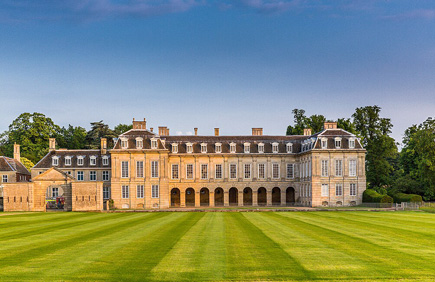
Boughton House is often called 'The English Versailles' for its French architectural style, a vision brought to life by the 1st Duke of Montagu in the late 17th century after his time as an ambassador in France. What makes the residence particularly notable is that it lay dormant for two centuries, bypassing Victorian alterations and thus preserving its baroque state rooms in exceptional condition. This period of neglect meant its significant collections of fine art, including works by Van Dyck, Gainsborough and El Greco, alongside exquisite French furniture by André-Charles Boulle and delicate Sévres porcelain. The surrounding 18th-century formal gardens feature restored water features, tree-lined avenues and the recently recreated Grand Étang with its impressive 75-foot fountain, creating a complete historical experience that has attracted filmmakers for productions including Napoleon and Les Misérables. |
| Althorp House |
|---|

Althorp House serves as the ancestral seat of the Spencer family for over 500 years, offering visitors insight into British aristocratic life through its remarkable collection of portraits, including works by Van Dyck, and its extensive library that once ranked among Europe's finest private collections. The house holds particular significance as the childhood home of Diana, Princess of Wales, whose final resting place on an island within the estate's Round Oval lake draws visitors from around the world. The Georgian architecture and opulent State Rooms showcase centuries of refinement, whilst the 13,000-acre estate provides tranquil parkland, woodlands, and gardens for exploration. Beyond its royal connections, Althorp maintains its role as a cultural venue, hosting exhibitions and events that celebrate both its heritage and ongoing contribution to British arts and society. |
| Rockingham Castle |
|---|

Rockingham Castle stands out for its remarkable blend of architectural styles, reflecting its evolution from a Norman stronghold to a Tudor and Victorian residence. The interiors feature period furnishings and artwork from various centuries, while the grounds include formal terraced gardens, a unique 400-year-old yew hedge, and expansive wild gardens. The castle’s long history includes royal connections, significant historical events, and continuous family ownership for centuries, offering visitors a rare opportunity to experience the layered heritage and changing lifestyles across generations. Special events, guided tours, and panoramic views over the surrounding countryside further enhance its appeal for those interested in both history and scenic beauty. |
| Kirby Hall |
|---|

Kirby Hall represents one of England's finest examples of Elizabethan and 17th-century architecture, showcasing the transition from medieval to Renaissance design through its distinctive stonework and classical features. The house demonstrates remarkable craftsmanship in its ornate facades, carved details, and the innovative use of classical orders that influenced English country house design for generations. Visitors can explore the atmospheric ruins whilst appreciating the restored Great Hall with its impressive hammerbeam roof, and wander through the recreated period gardens that complement the architectural grandeur. The site offers insight into the lives of wealthy Tudor and Stuart families, with its grand scale and sophisticated design reflecting the ambitions and tastes of the era's social elite. |
| Cottesbrooke Hall & Gardens |
|---|
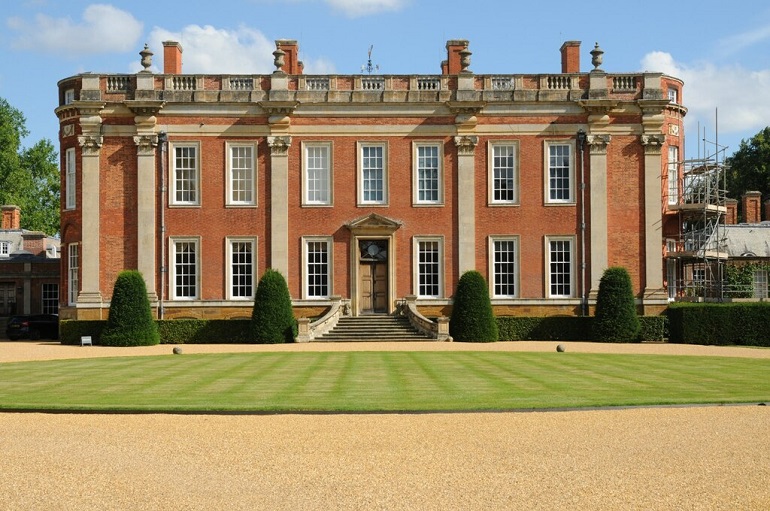
Cottesbrooke Hall & Gardens offers visitors a compelling combination of architectural beauty and horticultural excellence in the Northamptonshire countryside. The Queen Anne house, built in 1702 with its distinctive rose-coloured brickwork, houses the internationally renowned Woolavington Collection of sporting art, featuring works by Stubbs, Ben Marshall, and Alfred Munnings, alongside exceptional English and French furniture and fine porcelain collections. The 13 acres of award-winning gardens provide a diverse experience, from formal garden rooms with pergolas, statues, and herbaceous borders surrounding the hall, to the tranquil Wild Garden with its meandering stream, specimen acers, and spring bulbs. Visitors can explore various themed areas including the Pool Garden, Dutch Garden, and formal parterre, all set within 18th-century landscaped parkland with lakes and vistas. The estate operates as a working agricultural property with a strong commitment to environmental stewardship, maintaining 120 kilometres of hedgerows and wildlife habitats, while The Old Laundry Tearoom provides refreshments in this lived-in family home of the Macdonald-Buchanan family. |
| Northampton |
|---|
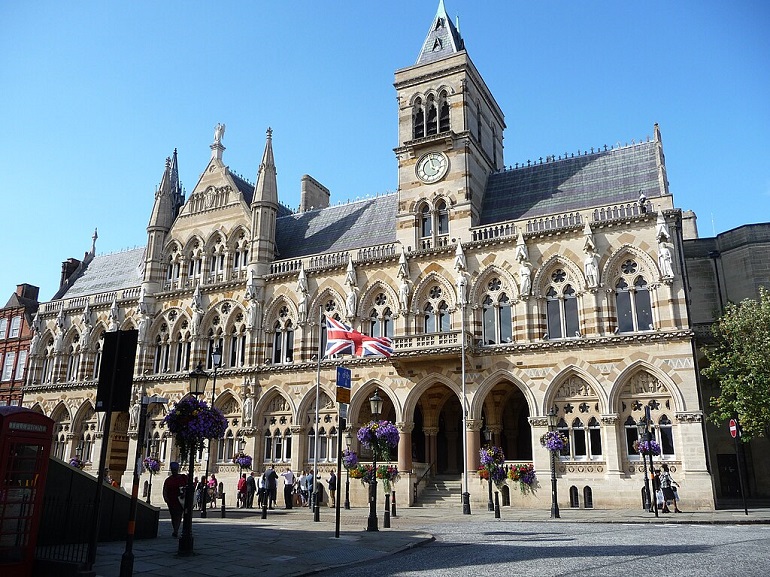
 Northampton is home to the Church of the Holy Sepulchre, one of England's four remaining Norman round churches dating to 1100, and the neo-Gothic Guildhall designed by Edward William Godwin in 1861. The Northampton Museum and Art Gallery houses the world's largest collection of footwear, reflecting the town's significant role in the boot and shoe industry that drove its Victorian expansion. Notable attractions include 78 Derngate, the only house in England designed by Charles Rennie Mackintosh, and the remains of Northampton Castle, where medieval parliaments once convened and Thomas Becket faced trial. The town serves as a gateway to nearby historic estates such as Althorp, whilst Delapre Abbey offers insights into 900 years of history including its connection to the 1460 Battle of Northampton during the Wars of the Roses. |
Other attractions
Canons Ashby House
Lyveden New Bield Gardens
Nottinghamshire
| Nottingham |
|---|
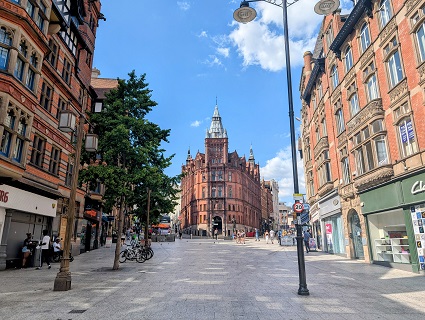
Nottingham offers visitors a unique blend of legendary folklore and tangible history, most famously as the backdrop for the Robin Hood tales that have captivated audiences for centuries. The city's medieval heritage comes alive through Nottingham Castle, which houses fascinating exhibits and provides panoramic views across the surrounding countryside, whilst the nearby Sherwood Forest continues to draw those seeking connections to the legendary outlaw. Beyond its mythical associations, Nottingham boasts an extensive network of man-made caves carved into the sandstone beneath the city streets, offering guided tours through centuries of hidden history. The city's industrial past as a centre for lace-making and textiles adds another layer to its character, with preserved Victorian architecture and museums showcasing this rich manufacturing heritage alongside a thriving contemporary arts scene and excellent shopping districts. |
Other attractions
The Workhouse, Southwell
Across counties
| Peak District National Park |
|---|

 The Peak District National Park offers visitors a remarkable blend of dramatic landscapes and rich industrial heritage that shaped modern Britain. As the country's first national park, it showcases diverse terrain from rolling moorlands and limestone dales to rugged gritstone edges, providing excellent walking routes and outdoor pursuits for all abilities. The area's fascinating history comes alive through preserved textile mills, former lead mining sites, and traditional stone villages that demonstrate centuries of human habitation. Historic market towns like Bakewell and Buxton offer glimpses into Georgian elegance, whilst the park's literary connections include settings that inspired Jane Austen's Pride and Prejudice. The combination of accessible countryside, well-maintained footpaths, charming pubs, and distinctive dry stone walls creates an authentic English experience that appeals to both history enthusiasts and outdoor adventurers. |
Attractions in the Peak District National Park
 Dovedale
High Peak Estate
|


 Ireland Guide
 Scotland Guide
 Wales Guide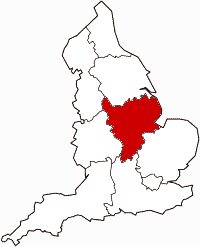


 Blue John Cavern


 The Peak District National Park offers visitors a remarkable blend of dramatic landscapes and rich industrial heritage that shaped modern Britain. As the country's first national park, it showcases diverse terrain from rolling moorlands and limestone dales to rugged gritstone edges, providing excellent walking routes and outdoor pursuits for all abilities. The area's fascinating history comes alive through preserved textile mills, former lead mining sites, and traditional stone villages that demonstrate centuries of human habitation. Historic market towns like Bakewell and Buxton offer glimpses into Georgian elegance, whilst the park's literary connections include settings that inspired Jane Austen's Pride and Prejudice. The combination of accessible countryside, well-maintained footpaths, charming pubs, and distinctive dry stone walls creates an authentic English experience that appeals to both history enthusiasts and outdoor adventurers.
 Dovedale
 : Local interest
 : Moderately interesting
 : Outstanding place
 : Must-see in the country
 : Top cities in Europe