England Guide  |
|---|
|
| | English Regions |
|---|
|
| | Top English Cities |
|---|
|
| | Top National Parks |
|---|
|
| | Europe Guide |
|---|
|
| | Travel Tools |
|---|
|
| | UK & Ireland Guide |
|---|
|
|
|
|
 Thurne Wind Pump at sunrise, Norfolk. Thurne Wind Pump at sunrise, Norfolk.
Introduction to the East of England
The East of England offers a compelling blend of historical richness and natural beauty that makes it a remarkable destination. Recently named by Lonely Planet as one of the best regions in the world to visit in 2025, this area is celebrated for its "beautiful coastlines, timeless villages and lively cities".
Historical Significance
The region is a microcosm of English history, with evidence of human habitation dating back nearly a million years. It boasts an impressive Norman architectural legacy, including magnificent cathedrals like Ely (known as the "Ship of the Fens") and Norwich. The area is home to Sutton Hoo, a significant Anglo-Saxon royal burial site featured in the Netflix film "The Dig".
East Anglia was the birthplace of the agricultural revolution but was largely untouched by the industrial revolution, thus preserving much of its medieval heritage. The region also has strong connections to WWII history, particularly through the presence of American forces of the Eighth Air Force.
Natural Attractions
The East of England features diverse landscapes, from the unique Norfolk Broads National Park (the UK's only man-made National Park) to extensive nature reserves and vast sandy beaches. The 500-mile coastline offers everything from tranquil sand dunes with spectacular sunsets to bustling beaches with amusement rides.
Cultural and Architectural Highlights
Visitors can explore:
The region is particularly noted for having Britain's largest collection of cathedrals and is developing a reputation as an environmentally friendly, sustainable travel destination.
Whether seeking historical immersion, coastal relaxation, wildlife encounters, or cultural experiences, the East of England offers a genuine taste of old England with attractions suitable for visitors of all interests throughout the year.
Attractions
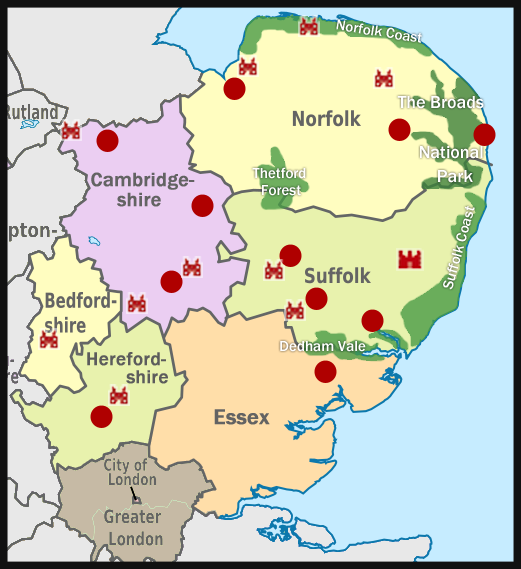
Clickable Tourist Map of East England
Note that dots, castle icons and national parks are not clickable on the mobile version. Please use the desktop version for optimal navigation.
|
Cambridgeshire
| Cambridge |
|---|
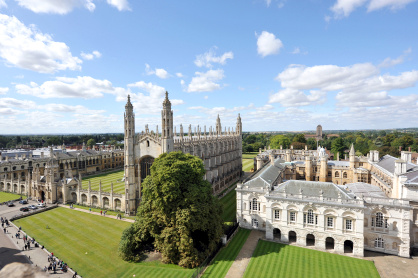
 Cambridge draws visitors with its world-renowned university, home to 31 historic colleges dating back to the 13th century, each showcasing remarkable architecture from medieval courtyards to Gothic chapels. The iconic King's College Chapel, with its soaring fan vaulting and stunning stained glass windows, stands as one of England's finest examples of Perpendicular Gothic architecture. Visitors can punt along the River Cam to view the Backs, the picturesque stretch where college gardens meet the water, or explore the cobbled streets lined with ancient buildings that have educated luminaries from Newton to Hawking. The city offers excellent museums including the Fitzwilliam Museum with its world-class collections, whilst the bustling market square provides a glimpse into daily life that has continued for over 800 years. |
| Peterborough |
|---|
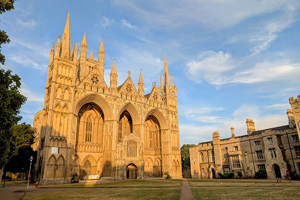
 Peterborough offers visitors a remarkable journey through nearly 900 years of English history, centred around its magnificent Norman cathedral, one of the finest examples of Romanesque architecture in Europe. The cathedral serves as the final resting place of Catherine of Aragon, Henry VIII's first wife, and once housed the tomb of Mary Queen of Scots before her remains were moved to Westminster Abbey. Beyond its ecclesiastical treasures, the city provides access to Flag Fen, an extraordinary Bronze Age archaeological site featuring a 3,000-year-old timber causeway that offers rare insights into prehistoric Britain. The nearby Nene Park creates one of England's largest urban parks, whilst the historic Longthorpe Tower showcases some of the country's best-preserved medieval wall paintings, making Peterborough a compelling destination for those seeking authentic historical experiences away from the typical tourist trail. |
| Ely |
|---|

Ely offers visitors a remarkable combination of architectural grandeur and quintessential English charm in a compact, walkable setting. The magnificent Norman cathedral, visible for miles across the flat Cambridgeshire countryside, serves as the city's centrepiece and houses some of the finest medieval stonework in Britain, including the famous octagonal lantern tower. Beyond the cathedral, Ely's medieval streets are lined with independent shops, traditional pubs, and tea rooms, whilst the nearby River Great Ouse provides pleasant riverside walks and boat trips. With its manageable size, rich heritage, and authentic English atmosphere, Ely provides a perfect escape from busier tourist destinations whilst offering genuine historical significance and natural beauty. |
| Wimpole Hall |
|---|

 Wimpole Hall represents one of England's finest examples of architectural evolution, showcasing the work of renowned designers including Sir John Soane, James Gibbs, and Capability Brown across three centuries. The 17th-century mansion houses remarkable interiors such as Soane's spectacular Yellow Drawing Room, created by removing seven rooms to form a soaring central space, and an exceptional library containing over 10,000 books collected by successive families. The estate's 3,000 acres feature Brown's naturalistic parkland, formal parterre gardens, and the distinctive Gothic folly tower of 1768, whilst the working Home Farm demonstrates traditional Georgian agricultural practices with historic livestock breeds. Visitors can explore both the grand state rooms and the servants' quarters, offering insights into different aspects of country house life, complemented by extensive walking trails through woodlands, lakes, and restored formal gardens that reflect centuries of landscape design innovation. |
| Anglesey Abbey & Gardens |
|---|

Anglesey Abbey traces its origins as a 12th-century Augustinian priory to its transformation into an elegant Jacobean country house. The property showcases surviving medieval elements including the original chapter house and monks' parlour, whilst the house itself displays Lord Fairhaven's exceptional collections of antique furnishings, sculpture, and historic clocks. The 114 acres of landscaped gardens represent one of the grandest 20th-century garden creations in England, featuring majestic tree-lined avenues, formal seasonal gardens including renowned dahlia and rose displays, and a sensory Winter Garden designed for year-round colour. The working 18th-century Lode Mill adds another dimension to the visit, demonstrating traditional corn-milling techniques and representing centuries of industrial heritage along the historic waterway system that once connected the area to Cambridge. |
| Wicken Fen Nature Reserve |
|---|

 Wicken Fen National Nature Reserve features one of Britain's few remaining ancient fenland landscape, representing one of the last surviving fragments of the vast wetlands that once covered much of East Anglia. The reserve's 19th-century wind pump, a restored example of traditional fen drainage technology, serves as both a working monument to the area's agricultural heritage and a distinctive landmark visible across the flat terrain. Wildlife enthusiasts are drawn to the diverse habitats that support over 8,000 species, including rare butterflies, dragonflies, and birds such as the bittern and marsh harrier. The network of boardwalks and paths allows visitors to explore reed beds, wet grasslands, and open water whilst learning about traditional fen management practices that have shaped this landscape for centuries. The reserve's role as Britain's oldest nature reserve, established in 1899, adds historical significance to its appeal as a destination for those interested in both natural history and conservation heritage. |
Essex
| Audley End House & Gardens |
|---|

 Audley End House & Gardens represents one of England's finest examples of Jacobean architecture, originally built as one of the grandest houses in the country during the early 17th century. The magnificent palace showcases ornate state rooms, intricate period furnishings, and an impressive collection of artwork that reflects centuries of English aristocratic life. The grounds feature landscaped gardens designed by Capability Brown, alongside restored Victorian kitchen gardens, providing visitors with a comprehensive experience of English garden design through the ages. The property's rich history spans from its origins as a palatial residence fit for royalty to its wartime role during the Second World War, offering fascinating insights into how grand estates adapted through different historical periods. The combination of exceptional architecture, period interiors, and beautifully maintained gardens creates an authentic glimpse into English heritage and the evolution of country house living. |
| Colchester |
|---|

Colchester boasts Britain's oldest recorded town status, with Roman origins dating back nearly 2,000 years when it served as the first capital of Roman Britain. The town's remarkable Norman castle, built on Roman foundations, houses one of Europe's largest castle keeps and provides insight into medieval life through its museum collections. Visitors can explore substantial Roman walls that still encircle much of the town centre, along with Roman theatre ruins and mosaics that offer tangible connections to ancient history. The historic high street combines medieval architecture with modern amenities, whilst the town's role in Boudicca's rebellion adds dramatic historical significance. Colchester's museums, including the Castle Museum and Hollytrees Museum, showcase everything from Roman artefacts to Victorian life, making it particularly appealing to history enthusiasts and families seeking educational experiences. |
| RHS Hyde Hall Gardens |
|---|
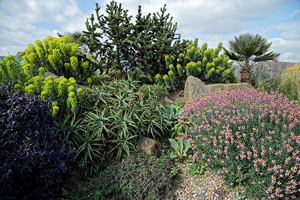
RHS Hyde Hall Gardens showcases an innovative approach to horticulture through its celebrated dry garden, which demonstrates how Mediterranean and drought-tolerant plants can thrive in the English climate. The garden's distinctive gravel-based plantings feature an exceptional collection of rare perennials, ornamental grasses, and architectural plants that provide year-round interest whilst requiring minimal water. Originally developed as an experimental garden, it has become a valuable resource for both amateur and professional gardeners seeking sustainable planting solutions, offering practical inspiration for climate-conscious gardening. The site's transformation from farmland into a pioneering example of ecological garden design represents a significant contribution to modern British horticulture, making it particularly appealing to those interested in contemporary garden trends and environmental stewardship. |
Hertfordshire
| St Albans |
|---|

St Albans offers visitors a remarkable journey through nearly two millennia of British history, from its origins as the Roman city of Verulamium to its medieval prominence as a pilgrimage destination. The town features exceptional Roman remains, including a well-preserved theatre, extensive city walls, and intricate mosaics that provide insight into ancient British life. The magnificent Norman cathedral, built partially from Roman bricks, houses the shrine of Britain's first Christian martyr, Saint Alban, whilst the surrounding medieval streets contain charming pubs, independent shops, and regular markets that have operated for centuries. The combination of significant archaeological sites, outstanding architecture, and living history creates an authentic experience that appeals to both history enthusiasts and casual visitors seeking a quintessentially English market town atmosphere. |
Hertfordshire
| Hatfield House |
|---|

Hatfield House offers visitors an exceptional example of Jacobean architecture from 1611, featuring magnificent carved oak staircases and the grand Marble Hall, whilst serving as the childhood home of Elizabeth I who famously received news of her accession to the throne beneath an oak tree in the grounds. The house displays an impressive collection of historical treasures accumulated by the Cecil family over four centuries, including the iconic Rainbow Portrait of Elizabeth I, along with tapestries, furniture, and armour that tell the story of one of England's most influential political dynasties. The 40-acre gardens, originally designed by renowned 17th-century botanist John Tradescant, complement the house with their historic plantings and tranquil woodland walks, whilst the surviving portions of the Tudor Old Palace provide additional insight into royal life during the 16th century. |
Bedfordshire
| Woburn Abbey & Safari Park |
|---|

Woburn Abbey & Safari Park offers a unique combination of aristocratic heritage and wildlife conservation that spans nearly 900 years. Built on the site of a 12th-century Cistercian abbey dissolved by Henry VIII, the estate has served as the ancestral home of the Dukes of Bedford since 1547, housing an exceptional collection of masterpieces by Rembrandt, Gainsborough, van Dyck, and 24 Canaletto paintings of Venice. The Palladian architecture, redesigned in the 18th century by Henry Flitcroft, sits within 3,000 acres of parkland landscaped by Humphry Repton, featuring formal gardens, a hornbeam maze, and ornamental follies including a Chinese dairy. The safari park, established in 1970, has become internationally recognised for its conservation work with endangered species, particularly the successful rescue of Père David's deer, whilst offering visitors the chance to drive through reserves housing over 1,000 animals including lions, tigers, elephants, and rhinos, followed by walk-through enclosures and keeper talks that provide educational insights into wildlife preservation efforts. |
Other attractions
Bodyflight Wind Tunnel, Bedford
 Luton
Norfolk
| Holkham Hall |
|---|

Holkham Hall showcases exceptional 18th-century Palladian architecture designed by William Kent, featuring a magnificent marble hall with soaring columns and classical proportions that exemplify Georgian grandeur. The estate houses an impressive collection of paintings, sculptures, and decorative arts, including works by Rubens, Van Dyck, and Gainsborough, whilst the meticulously designed landscape gardens and parkland demonstrate the period's approach to estate planning. Built by Thomas Coke, 1st Earl of Leicester, the hall represents a significant example of English country house culture and the Agricultural Revolution, with its model farm and pioneering agricultural practices that influenced farming methods across Britain. The house's state rooms, with their original furnishings and architectural details, offer visitors insight into aristocratic life during the Georgian era. |
| Sandringham House |
|---|
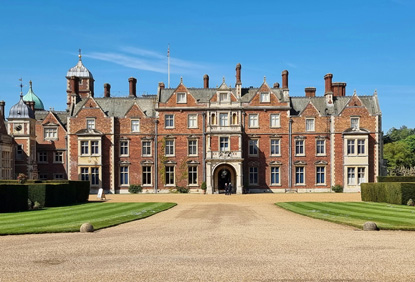
Sandringham is the private country home of the British Royal Family, which has served as their retreat since 1862 when it was purchased for the future King Edward VII. The estate provides access to eight ground-floor rooms still used by the Royal Family, filled with their personal treasures, furniture, and portraits, whilst the surrounding 60-acre gardens showcase both formal and informal landscaping that has evolved since the Edwardian era. The historic property features a fascinating museum housed in the original stables, displaying everything from the first car owned by a British monarch to gifts presented to Queen Elizabeth II from around the world, alongside the poignant story of the Sandringham Company who perished at Gallipoli. Visitors can also explore St Mary Magdalene Church, which holds royal memorials and continues to serve the Royal Family for worship, making Sandringham a unique glimpse into both the public and private aspects of royal life across four generations of monarchs. |
| Blickling Hall & Gardens |
|---|

Blickling Hall presents an outstanding example of Jacobean architecture with its distinctive red-brick façade and ornate gables, whilst the interior houses an impressive collection of furniture, tapestries, and one of England's finest long galleries. The property holds particular significance as the childhood home of Anne Boleyn, offering visitors insight into Tudor family life and the dramatic events that shaped English history. The surrounding gardens feature formal parterres, a secret garden, and magnificent specimen trees, whilst the expansive parkland provides scenic walks through ancient woodlands and past the temple and mausoleum. The hall's library contains rare books and manuscripts, and the estate regularly hosts exhibitions that bring its rich heritage to life for contemporary audiences. |
| Norwich |
|---|
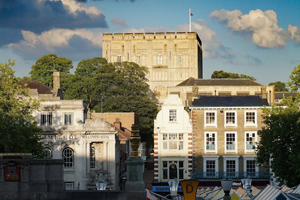
Norwich boasts an extraordinary concentration of medieval architecture with its Norman cathedral featuring England's second tallest spire, an imposing Norman castle housing extensive collections, and over 1,500 historic buildings within ancient city walls. The city's 33 medieval churches, perfectly preserved Tudor streetscape of Elm Hill, and status as England's first UNESCO City of Literature reflect its former importance as the country's second city after London, while its 950-year-old market, specialist museums, and medieval merchants' halls continue to draw visitors seeking authentic English heritage. |
| Great Yarmouth |
|---|

Great Yarmouth offers visitors a quintessentially British seaside experience rooted in centuries of maritime heritage. The town's origins as a major herring fishing port have left a lasting legacy, with historic quays and traditional smokehouse buildings telling the story of its industrial past. Today's visitors can enjoy classic seaside pleasures along the expansive sandy beach, explore the Victorian-era Golden Mile with its traditional amusement arcades and fish and chip shops, or discover remnants of medieval town walls that once protected this important trading hub. The combination of working fishing heritage, well-preserved Victorian seaside infrastructure, and traditional British coastal attractions creates an authentic slice of English seaside culture that appeals to families seeking both entertainment and a genuine connection to the country's maritime history. |
| King's Lynn |
|---|

King's Lynn offers visitors a well-preserved medieval market town with distinctive red brick and flint architecture dating back to the 12th century. The town's prosperity as a major Hanseatic League port is evident in its grand merchants' houses, guildhalls, and the iconic Custom House overlooking the Great Ouse. Notable attractions include the twin market squares that have hosted trading for over 800 years, St Nicholas' Chapel with its striking tower, and the atmospheric cobbled streets of the historic quarter. The town's maritime heritage comes alive through its quayside warehouses and the Tales of the Old Gaol House museum, while architectural highlights span from Norman to Georgian periods, creating a compact area rich in authentic period buildings and traditional English market town character. |
| Blakeney Nature Reserve |
|---|

Blakeney National Nature Reserve offers visitors the chance to observe one of Britain's largest grey seal colonies, with boat trips from the historic harbour providing close encounters with hundreds of seals that gather on the sandbanks at Blakeney Point. The reserve combines rich maritime heritage with exceptional wildlife viewing opportunities, as the area once served as a major medieval port before silting transformed it into today's diverse coastal habitat of salt marshes, shingle ridges, and mudflats. Birdwatchers flock here year-round to spot over 300 recorded species, including terns, avocets, and migrant waders, while the traditional crab boats and weathered quayside buildings reflect centuries of fishing tradition that continues to shape the local character and economy. |
Other attractions
 The Broads National Park
| Seal watching in Blakeney |
|---|

Blakeney offers exceptional seal watching opportunities with boat trips departing from its historic harbour to Blakeney Point, where hundreds of grey and common seals gather year-round on the sandbanks and beaches. This traditional Norfolk fishing village combines natural wildlife spectacle with maritime heritage, featuring a 13th-century guildhall and medieval harbour that once served as a major wool port. The experience provides close encounters with seals in their natural habitat whilst exploring one of England's most important nature reserves, where the dramatic landscape of salt marshes, dunes, and tidal creeks creates an unspoilt coastal environment that has remained largely unchanged for centuries. |
| Welney Wetland Centre |
|---|

Welney Wetland Centre serves as one of Britain's premier wildlife reserves, renowned for its spectacular winter gatherings of thousands of Bewick's and whooper swans alongside other waterfowl. The centre offers exceptional wildlife viewing opportunities through purpose-built heated hides and observation facilities, allowing visitors to witness one of Europe's most impressive natural phenomena when these Arctic migrants arrive each autumn. Beyond the seasonal swan spectacle, the reserve provides year-round birdwatching experiences with diverse wetland species, educational programmes, and well-maintained walking trails through carefully managed habitats. The site's significance stems from its role as a crucial stopover point along ancient migration routes, while its modern conservation efforts and visitor facilities make it accessible to both serious ornithologists and casual nature enthusiasts seeking to observe British wetland wildlife in a comfortable, well-organised setting. |
Suffolk
| Lavenham |
|---|
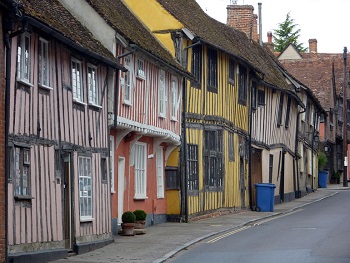
Lavenham offers visitors the chance to step into Britain's best preserved medieval village, where over 300 listed timber-framed buildings line winding streets that have remained largely unchanged since the 15th century. The Suffolk village owes its remarkable preservation to its wool trading prosperity in Tudor times, which ended abruptly due to changing trade routes, leaving residents unable to afford rebuilding their homes. Today, this fortunate economic decline means visitors can explore authentic medieval architecture, including the impressive Guildhall, the towering Church of St Peter and St Paul, and the famously wonky Crooked House that inspired a nursery rhyme. Beyond the historical buildings, Lavenham provides a thriving community atmosphere with independent boutiques, traditional pubs, quality restaurants, and monthly farmers markets. |
| Ipswich |
|---|
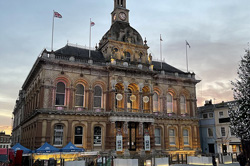
Ipswich blends a revitalised Waterfront lined with cafés, galleries and an award-winning marina, the leafy calm of Christchurch Park and its free-to-enter Tudor mansion, and a compact town centre where timber-framed landmarks such as the 15th-century Ancient House sit minutes from contemporary venues like the New Wolsey Theatre. Excellent rail links mean the town is little more than an hour from London, while the Suffolk Coast and Areas of Outstanding Natural Beauty are on the doorstep, making Ipswich a practical base for day trips to seaside spots and heritage sites. A lively programme of festivals, football at Portman Road and a growing independent food scene further ensure that a short stay offers varied, good-value experiences year-round. |
| Framlingham Castle |
|---|

Framlingham Castle stands as one of England's finest 12th-century baronial fortresses, built by the powerful Bigod family and serving as home to the Earls and Dukes of Norfolk for over 400 years. The castle holds particular historical significance as the place where Mary Tudor was proclaimed Queen of England in 1553, making it a pivotal site in English royal history. Visitors can walk along the magnificent curtain wall, which rises 10.5 metres high and has stood for more than 800 years, offering spectacular views across the Suffolk countryside. The site features 13 imposing mural towers and houses the country's oldest surviving collection of 12th-century and Tudor chimneys, each uniquely designed. Inside the castle walls, the preserved workhouse provides insight into centuries of social history, from medieval great hall to Georgian poorhouse, whilst interactive exhibitions bring to life the stories of ambitious barons, royal drama, and everyday life across the ages. |
| Melford Hall & Garden |
|---|

Melford Hall offers visitors a rare glimpse into five centuries of English country house life, with its Tudor red-brick architecture and meticulously preserved interiors showcasing the continuous habitation by the Hyde Parker family since 1786. The hall houses fascinating collections ranging from naval memorabilia reflecting the family's maritime heritage to an unexpected treasure trove of Beatrix Potter illustrations and first editions, as Potter was a frequent guest and cousin to the family. The surrounding gardens and parkland provide a peaceful setting for exploring the formal parterre, kitchen garden, and ancient woodlands, whilst the house itself reveals stories of notable historical figures including connections to Elizabeth I, who once stayed here, making it a compelling destination for those interested in both English domestic history and literary heritage. |
| Ickworth House and Gardens |
|---|

Ickworth House is a distinctive Georgian Italianate palace featuring a striking central rotunda and an exceptional collection of 18th-century art and silver, including works by Gainsborough, Hogarth, and Reynolds. The estate encompasses over 1,800 acres of Suffolk parkland with waymarked trails for walking and cycling, alongside the earliest Italianate gardens in England and a Tudor-era walled garden. Beyond the house's grand rooms and restored 1930s servants' quarters, families can enjoy outdoor activities across ancient woodlands and rolling countryside, whilst practical amenities include cycle hire, cafes, and gift shops. The combination of architectural significance, fine art collections, extensive grounds for recreation, and well-maintained facilities makes Ickworth an appealing destination for those interested in heritage, art, or simply seeking a pleasant day out in the Suffolk countryside. |
| Bury St Edmunds |
|---|
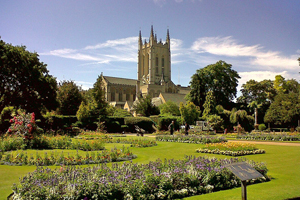
 Bury St Edmunds offers visitors a pleasant blend of natural settings within Suffolk's countryside landscape. The town features the Abbey Gardens, where medieval ruins sit amongst well-maintained lawns and mature trees, providing a peaceful green space for walking and relaxation. The River Lark meanders through the town, creating riverside paths and water meadows that support local wildlife. Nearby Nowton Country Park spans 200 acres of mixed woodland, grassland, and lakes, offering nature trails and opportunities for birdwatching. The surrounding Suffolk countryside provides easy access to agricultural landscapes, hedgerows, and traditional English farmland, whilst West Stow Country Park combines heathland and forest habitats with archaeological interest. These natural features make Bury St Edmunds an appealing destination for those seeking outdoor recreation, wildlife observation, and a connection with England's rural environment without venturing far from market town amenities. |
Other attractions
Orford Ness National Nature Reserve
Sutton Hoo
|


 Ireland Guide
 Scotland Guide
 Wales Guide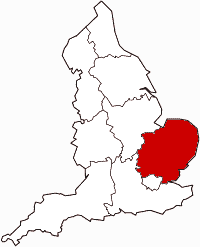


 Wicken Fen National Nature Reserve features one of Britain's few remaining ancient fenland landscape, representing one of the last surviving fragments of the vast wetlands that once covered much of East Anglia. The reserve's 19th-century wind pump, a restored example of traditional fen drainage technology, serves as both a working monument to the area's agricultural heritage and a distinctive landmark visible across the flat terrain. Wildlife enthusiasts are drawn to the diverse habitats that support over 8,000 species, including rare butterflies, dragonflies, and birds such as the bittern and marsh harrier. The network of boardwalks and paths allows visitors to explore reed beds, wet grasslands, and open water whilst learning about traditional fen management practices that have shaped this landscape for centuries. The reserve's role as Britain's oldest nature reserve, established in 1899, adds historical significance to its appeal as a destination for those interested in both natural history and conservation heritage.


 The Broads National Park


 : Local interest
 : Moderately interesting
 : Outstanding place
 : Must-see in the country
 : Top cities in Europe