


 Ireland Guide
 Scotland Guide
 Wales Guide
| Contents |
|---|
Introduction
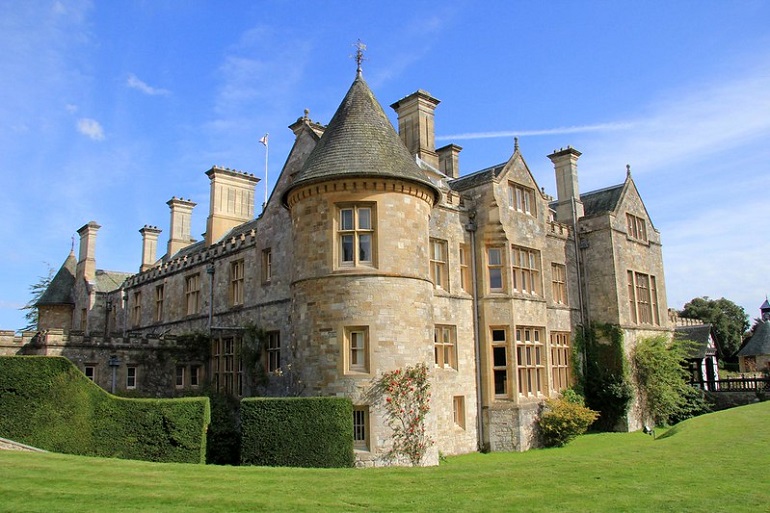
Beaulieu Palace House is a historic country house situated in the village of Beaulieu in Hampshire, within the New Forest National Park. Originally built in the 13th century as the great gatehouse of Beaulieu Abbey, the building was transformed into a private residence following the Dissolution of the Monasteries when Thomas Wriothesley, 1st Earl of Southampton, purchased the estate from Henry VIII in 1538. The house has remained in continuous ownership by the Montagu family, Wriothesley's descendants, for over four centuries. Extensively remodelled and extended during the 19th century in Victorian Gothic Revival style, particularly under Lord Henry Scott (later 1st Baron Montagu of Beaulieu) in the 1860s, Palace House today exemplifies a fine English country house that successfully blends its medieval monastic origins with Victorian grandeur. The house overlooks the picturesque Beaulieu River mill pond and remains both a family home and one of England's Treasure Houses, welcoming visitors daily as part of the wider Beaulieu attraction that includes the renowned National Motor Museum and the ruins of the medieval abbey.
Interesting Facts about Beaulieu Palace House
- Beaulieu Palace House began life as the 13th-century gatehouse to Beaulieu Abbey before being transformed into a stately home following the Dissolution of the Monasteries.
- The house has remained in the same family for nearly 500 years, having been owned by the Montagu family since Thomas Wriothesley purchased the estate in 1538.
- King James I stayed at Beaulieu Palace House in August 1613 and granted an audience to the Venetian ambassador Antonio Foscarini during his visit.
- The house underwent its most significant transformation during the 1800s when it evolved from what was described as "little more than an elaborate hunting lodge" into a substantial Victorian Gothic Revival family home.
- Palace House was one of the first stately homes in Britain to open regularly to the public when Edward, Lord Montagu began welcoming visitors in 1952.
- The house features a secret library accessible only through a false bookshelf door, which formed part of the late Lord Montagu's private apartments where he would play his favourite records.
- Beaulieu Palace House is recognised as one of the prestigious "Treasure Houses of England," a collection of just ten of the most impressive stately homes, palaces, and castles open to the public.
- The Dining Hall retains its original function as the monastic inner hall and still displays preserved menus from entertaining events held during the 18th and 19th centuries.
- The house overlooks the picturesque Beaulieu River mill pond and is situated within the tranquil surrounds of the New Forest National Park.
- Palace House features a restored Victorian kitchen where visitors can sometimes observe Lord Montagu's cook preparing traditional dishes for the family during school holidays.
- The house maintains its ecclesiastical heritage with grand Gothic features, including the north chapel of the monk's gatehouse which has been converted into a Private Dining Room lined with linenfold oak panelling.
- Costumed guides dressed in authentic Victorian attire bring the house's history to life by sharing fascinating stories about the Montagu family and what life was like for the servants who worked there.
- The Music Room contains a historic organ and is still occasionally used for musical performances, with excellent acoustics that made it a cultural highlight of the house.
- Unlike many stately homes that serve as museums, Beaulieu Palace House remains very much a lived-in family residence, with the current Lord and Lady Montagu still calling it home.
History
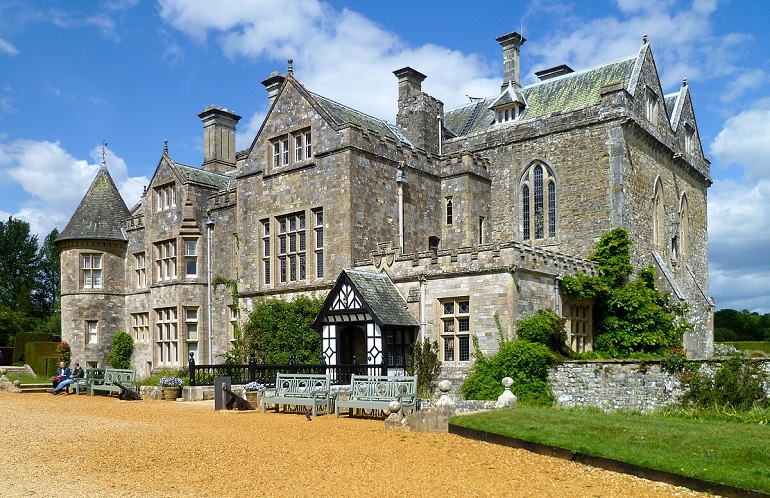
Beaulieu Palace House boasts a remarkable medieval heritage, having originally served as the Great Gatehouse of Beaulieu Abbey in the 13th century. The abbey itself was founded in 1204 on land granted by King John to Cistercian monks, and construction of the magnificent abbey complex took nearly four decades to complete. Following Henry VIII's Dissolution of the Monasteries, the estate was purchased in 1538 by Sir Thomas Wriothesley, later 1st Earl of Southampton, who successfully outbid numerous competitors for the right to acquire the abbey, its estates, and the surrounding 3,441 hectares of Beaulieu lands. Wriothesley converted the medieval gatehouse into a modest 16th-century manor house, utilising the existing porch, hall, and two first-floor chapels whilst demolishing much of the original abbey church. Stones and lead from the demolished abbey were subsequently reused in the construction of Cowes, Calshot, and Hurst Castles.
The estate has remained in the Wriothesley family lineage through marriage into the Montagu family since 1538, creating an unbroken chain of ownership spanning nearly five centuries. During the early 17th century, the house served primarily as a hunting lodge, hosting royal visitors including King James I, who stayed at Beaulieu in August 1613 and granted an audience to Venetian ambassador Antonio Foscarini. Between 1714 and 1721, John Montagu, 2nd Duke of Montagu, invested over £2,000—a substantial sum for the period—on significant improvements to both the house and grounds, and in 1724, piped water was installed throughout the property. The most transformative changes occurred when Henry, later 1st Baron Montagu of Beaulieu, received the estate as a wedding present in 1865 and made Palace House his permanent family residence.
The Victorian era brought dramatic architectural transformation under the guidance of Sir Arthur Blomfield in the 1870s, who extensively remodelled and enlarged the building in the Gothic Revival style that defines its current appearance. What had been described as 'little more than an elaborate hunting lodge' was transformed into a substantial Victorian country house, though medieval elements such as the 14th-century inner hall with its stone ribbed vault were carefully preserved. Palace House achieved pioneering status in 1952 when Edward, Lord Montagu opened it to the public, making it one of the first great houses in England to admit paying visitors and creating the blueprint for the modern stately home tourism industry. Today, the house remains both the family home of the current Lord and Lady Montagu and a member of the prestigious Treasure Houses of England consortium, welcoming visitors from around the world to explore its Victorian splendour, family portraits, and period furnishings that chronicle centuries of British aristocratic life.
Description
Beaulieu Palace House stands as one of England's most enchanting historic houses, nestled in the idyllic surroundings of the New Forest National Park in Hampshire. This magnificent Victorian country house, originally built as the 13th-century gatehouse of Beaulieu Abbey, has evolved over the centuries into one of the nation's most celebrated Treasure Houses.
Architectural Marvel
Palace House presents a stunning example of Victorian Gothic Revival architecture, the result of extensive remodelling and extension during the 1870s. The building successfully marries its medieval foundations with 19th-century grandeur, creating a home that is both historically significant and visually spectacular. The gothic styling features characteristic pointed arches, ornate stonework, and large mullioned windows that offer panoramic views across the surrounding estate.
The house overlooks the picturesque Beaulieu River millpond, with its commanding position providing breathtaking vistas of the New Forest landscape. The circular tower gives the building a distinctive chateau-like appearance, whilst the Victorian Gothic elements throughout create an impressive facade that captivates visitors from their first glimpse.
Interior Splendour
Inside, Palace House reveals a wealth of magnificent rooms that showcase both its ecclesiastical heritage and Victorian elegance. The ecclesiastical origins are immediately apparent, setting a grand gothic tone throughout the house. The medieval architecture has been carefully preserved alongside Victorian additions, creating unique spaces that tell the story of centuries of evolution.
The Dining Hall stands as one of the house's most impressive features, retaining its original 13th-century fan-vaulted ceiling from the abbey gatehouse. This magnificent space houses a spectacular 16-foot dining table crafted from a single elm tree, surrounded by beautiful elm and yew armchairs. The hall continues to be used by the Montagu family for special occasions, including traditional Christmas dinners.
The Drawing Rooms, both upper and lower, showcase exquisite Victorian Gothic fireplaces and period furnishings. The upper drawing room, once possibly used as a chapel during the abbey period, contains remarkable pieces including an ivory cabinet decorated with Old Testament scenes and a Broadwood Forte piano dating from 1825.
The Portrait Room displays family portraits spanning generations, including ancestors dating back to Thomas, 1st Earl of Southampton, who acquired the estate from Henry VIII. This room was created during the 1870s remodelling and originally served as both library and sitting room.
Unique Features and Collections
Palace House offers visitors an intimate glimpse into aristocratic life through its extensive collection of family heirlooms, portraits, and memorabilia. The house contains artefacts representing the last three generations of the Montagu family, creating a personal narrative that brings the building's history to life.
The recently opened Victorian Kitchen has been meticulously restored to working order, complete with an impressive bell board system containing 35 unique bells linked to each of the main rooms. Each bell produces a different tone, allowing servants to distinguish which room was calling for service. During school holidays, visitors can witness living history demonstrations with the house cook preparing traditional Victorian dishes in period costume.
The Music Room features a historic organ used for concerts and events, whilst Edward, Lord Montagu's Library contains a secret entrance through a false bookshelf door. The library remains as it was during his lifetime, complete with his collection of motoring books and personal effects.
New additions include themed guest rooms such as the Heraldry Room, adorned with chronologically arranged heraldic shields, and the Meadow Room, featuring hand-painted rose trees and birds in an enchanting decorative scheme.
Gardens and Grounds
The extensive grounds surrounding Palace House offer a diverse landscape of formal gardens, woodland walks, and natural beauty. The gardens evolved from the original abbey grounds and have been carefully maintained to reflect different historical periods.
The Victorian Flower Garden, created in 1995, bursts with colour during spring and summer months. This formal garden features herbaceous borders filled with perennials and old roses, whilst the central lawn displays remarkable topiary including a full-scale representation of the Mad Hatter's Tea Party from Alice in Wonderland. The real Alice, who inspired Lewis Carroll's famous books, visited Beaulieu Palace House in 1889 and signed the visitors' book.
The Victorian Kitchen Garden, restored to its 1872 layout, continues to supply Palace House with seasonal vegetables, fruit, and flowers. Originally intended to be fully walled, only the north wall was completed, with yew hedging protecting the other three sides.
The Mill Pond Walk provides a peaceful riverside stroll with views across the tidal Beaulieu River. This meandering route passes ancient oak trees and reed beds, offering excellent opportunities for spotting New Forest wildlife including birds and occasionally deer. The mill pond itself was created by Cistercian monks who built a dam across the river to power their corn mills.
The Wilderness Garden, dating from the 1770s, was established by John, 2nd Duke of Montagu. During March and April, this area becomes carpeted with masses of snowdrops, crocuses, daffodils, and fritillarias.
Sculptures and Artistic Features
Throughout the gardens and house, visitors encounter an impressive collection of over 200 sculptures as part of the annual "Sculpture at Beaulieu" exhibition. These pieces, created by more than 57 international and national sculptors, are thoughtfully integrated into the historic setting, ranging from traditional stone works to contemporary mixed-media pieces.
The grounds also feature unique artistic installations including tree carvings along the Mill Pond Walk, such as a giant Green Man and a many-headed Hydra stretching into the river.
Living History Experience
What distinguishes Palace House from many other historic houses is its role as a living, breathing family home. The Montagu family continues to reside in private apartments whilst sharing their ancestral home with the public. This ongoing occupation creates an authentic atmosphere that visitors immediately sense upon entering.
Costumed guides, dressed as Victorian servants, are stationed throughout the house to provide historical insights and personal anecdotes. These knowledgeable interpreters, including characters such as Victorian kitchen maids and housekeepers, bring the house's history to life through engaging storytelling and demonstrations.
Facilities and Visitor Experience
Palace House is fully accessible to visitors with mobility requirements, featuring ramps and lifts throughout most areas. The house caters excellently to families, with interactive displays designed to engage younger visitors in learning about Victorian life.
The estate offers comprehensive visitor facilities including cafés serving locally sourced seasonal produce, gift shops featuring items related to the house's history, and ample free parking. Visitors can also enjoy unlimited rides on the monorail system, which provides aerial views of the entire estate.
Palace House forms part of the broader Beaulieu attraction, which includes the world-famous National Motor Museum, Beaulieu Abbey ruins, and various other exhibitions. A single ticket provides access to all attractions, making it exceptional value for a full day's exploration.
The house hosts seasonal events throughout the year, including spectacular Christmas celebrations where the building is decorated in Victorian festive splendour, complete with traditional Christmas experiences that transport visitors back to the 19th century.
Getting There
By train, the nearest main line station is Brockenhurst, approximately five miles from Beaulieu Palace House, which is served regularly by the London to Weymouth service. From Brockenhurst, visitors can take a taxi from the station rank or catch the New Forest Tour's Green Route bus during summer months.
By coach, several operators provide services to Beaulieu, including the seasonal New Forest Tour's Green Route that connects with Hythe Ferry, Lyndhurst, Brockenhurst, and Lymington, whilst limited services run on Tuesdays and Thursdays between Hythe and Lymington.
By car, Beaulieu Palace House is easily accessible via Junction 2 of the M27 motorway - simply follow the brown and white tourist signs to Beaulieu, with the postcode SO42 7ZN for satellite navigation, and enjoy complimentary parking in the on-site car parks.
Best Time to Visit
The ideal time to visit Beaulieu Palace House largely depends on your interests, though the estate welcomes visitors year-round, closing only on Christmas Day. For those keen to experience the magnificent gardens in their full splendour, the spring and summer months are undoubtedly the best choice. May, in particular, is a delightful time to visit, with pleasant, albeit cool, weather and the Victorian Flower Garden bursting with colour. While the historic house and the famous National Motor Museum can be enjoyed whatever the season, visiting during one of the estate's special events, such as the festive Christmas celebrations, can offer a particularly memorable experience. It is worth noting that opening times can vary seasonally, so it is always wise to check the official Beaulieu website before your trip.