


| Contents |
|---|

Introduction
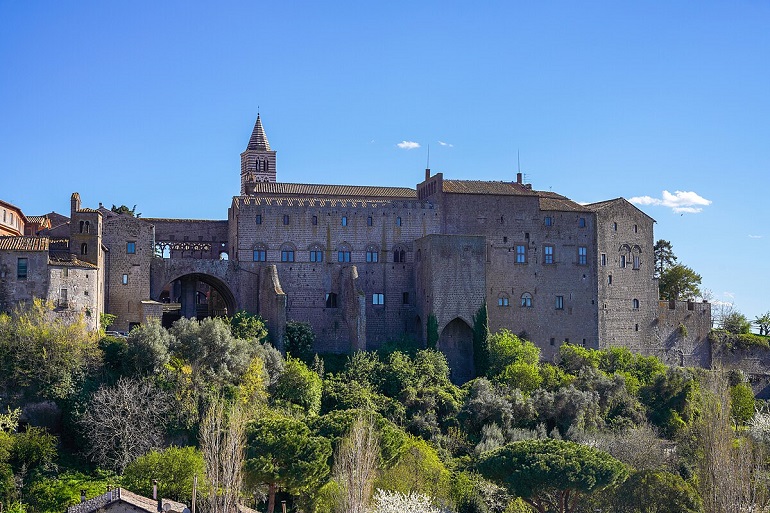
Viterbo, situated at the foot of the Cimini Mountains northwest of Rome, is a medieval city with a remarkably preserved historic centre enclosed by 11th to 13th-century walls and towers. The city served as the papal seat from 1257 to 1281, featuring the magnificent Palazzo dei Papi and the 12th-century Romanesque Cathedral of San Lorenzo. Known for its thermal springs, which have been in use since Roman times, Viterbo offers visitors a blend of historical architecture, cultural heritage, and therapeutic waters with temperatures ranging from 30 to 63 degrees Celsius. The city's San Pellegrino quarter showcases authentic medieval atmosphere with its labyrinthine streets and preserved buildings, whilst fourteen historic gates punctuate the ancient city walls. Despite suffering significant damage during World War II, Viterbo was among the first Italian towns to complete its post-war reconstruction, maintaining its medieval character.
Interesting Facts about Viterbo
- Viterbo served as the papal seat from 1257 to 1281 and hosted the longest conclave in Catholic history, lasting nearly three years.
- The city’s thermal springs, celebrated since Roman times, are mentioned seven times in Dante’s Divine Comedy.
- Viterbo’s medieval quarter, with its intact 11th- to 13th-century walls, survived significant WWII destruction and remains remarkably preserved.
- It is nicknamed "La Città dei Papi" (City of Popes) due to its historical role as a refuge for exiled pontiffs.
- The Palazzo dei Papi, a Gothic masterpiece, hosted the first-ever papal conclave and features a famous loggia symbolising medieval governance.
- St Rose of Viterbo’s perfectly preserved body is displayed in the Chiesa di Santa Rosa, a major pilgrimage site.
- Viterbo’s ancient Bullicame thermal spring, referenced by Dante, has waters reaching 63°C and was used by popes for private baths.
- The city safeguards Italy’s gold reserves in a high-security vault beneath its historic centre.
- Its San Pellegrino district retains an untouched medieval street plan with winding alleys and crumbling Renaissance-era buildings.
- Viterbo’s 13th-century Duomo stands on the site of an Etruscan temple dedicated to Hercules, blending pagan and Christian heritage.
History
Viterbo's origins stretch back to ancient Etruscan times, though the first recorded mention of the new city, known as Castrum Viterbii, dates to the 8th century CE. The settlement was fortified in 773 CE by the Lombard King Desiderius during his unsuccessful attempt to conquer Rome. By 1095, Viterbo had established itself as a free commune, marking the beginning of its rise to prominence as one of Central Italy's most significant cities.
The 12th and 13th centuries marked Viterbo's golden age, during which it became known as the "City of the Popes." The city served as a papal residence when the pontiffs sought refuge from the political turbulence in Rome, beginning with Pope Eugene III (1145-1146) and continuing until Pope Martin IV (1281-1285). At its height, Viterbo controlled 50 castles and boasted a population of nearly 60,000 inhabitants. The city's prominence was further enhanced when Frederick Barbarossa made it the seat of his antipope Paschal III in 1164, leading to its recognition as a significant urban centre.
However, Viterbo's influence began to wane following the departure of the papacy to Orvieto and later Avignon. The city faced devastating challenges, including the Black Death, which claimed two-thirds of its population, and a major earthquake in 1349. After the final defeat of the Di Vico family in 1431, who had previously controlled the city, Viterbo's importance diminished significantly. During World War II, the city endured bombing in 1944, particularly affecting the Porta Romana Train Station. Today, Viterbo maintains its medieval character and serves as a significant historical and cultural centre in the Lazio region.
Main Attractions
Piazza San Lorenzo
Standing proudly as the spiritual and historical heart of Viterbo, Piazza San Lorenzo captivates visitors with its magnificent medieval architecture and profound historical significance. This expansive square, perched atop the San Lorenzo hill, offers breathtaking panoramic views of the surrounding Lazio countryside. The piazza's strategic position marks the site of the original Etruscan settlement, lending an additional layer of historical importance to this already remarkable location. The square is particularly stunning at sunset when the warm Italian sun bathes the medieval buildings in golden light, creating an almost ethereal atmosphere that transports visitors back through centuries of history.
Papal Palace
The magnificent Palazzo dei Papi, situated in the heart of medieval Viterbo alongside the Cathedral of San Lorenzo, stands as one of Italy's most remarkable papal residences. Originally a bishop's palace, it was transformed in 1257 when Pope Alexander IV moved the papal seat from Rome to Viterbo, making the city a powerful religious centre for over two decades. The palace's most striking features include its Gothic architecture, the elegant Loggia of Blessings where popes would address the faithful, and the historic Conclave Hall, which hosted the longest papal election in history—lasting an astounding 1,006 days. Today, visitors can explore this architectural masterpiece, admiring its Guelph battlements, double lancet windows, and 15th-century fountain, whilst touring the beautifully frescoed Gualtiero Hall and climbing the document-filled tower. The palace is open daily except Fridays, with tickets priced at €6 for adults, whilst children under 18 and seniors over 65 enjoy free admission.

Cathedral of San Lorenzo
The Cathedral of San Lorenzo, a masterpiece of Romanesque architecture, stands as a testament to Viterbo's religious and historical importance. Built in the 12th century atop what historians believe was an ancient Etruscan temple, the cathedral showcases a fascinating blend of architectural styles, including Romanesque, Gothic, and Renaissance elements. The interior houses precious artworks, including frescoes dating back to the 13th century and an ornate marble altar. Most notably, it serves as the final resting place for two 13th-century Popes: Alexander IV and John XXI. The cathedral's bell tower, visible from various points in the city, provides a striking example of Romanesque architecture with its distinctive multi-tiered design.
San Pellegrino Quarter
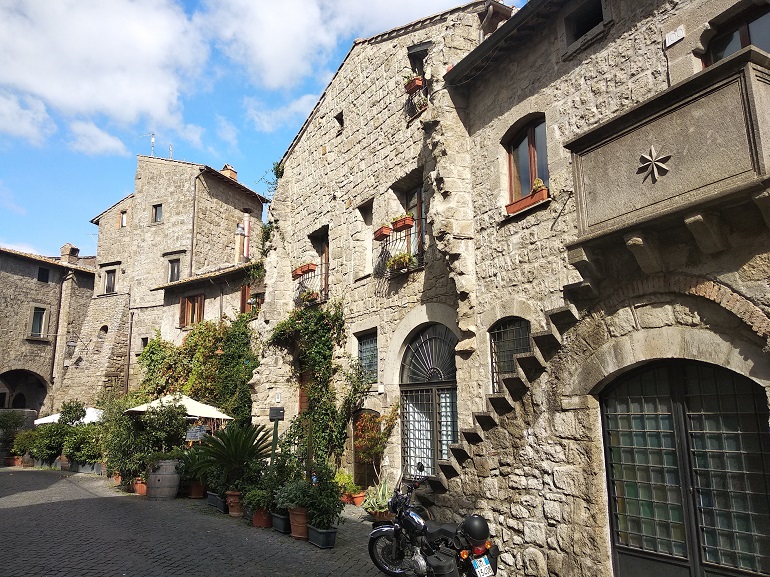
The San Pellegrino Quarter stands as Italy's best-preserved medieval quarter, offering visitors an authentic journey back to the Middle Ages. Walking through its narrow, winding streets feels like stepping into a living museum, where every corner tells a story of medieval life. The quarter is characterised by its distinctive architecture, featuring buildings constructed from dark 'peperino' stone, atmospheric barrel vaults connecting buildings across alleyways, and charming external staircases known as 'profferli'. The ground floors, which once housed artisan workshops, maintain their original character, with many now serving as traditional restaurants and craft shops. The quarter comes alive during summer evenings when local festivals and events illuminate the medieval streets with torches and fill the air with traditional music.
City Fortifications
Medieval Walls and Gates
Viterbo's impressive medieval walls stretch for over 3 kilometres and originally featured 14 gates, many of which remain remarkably intact today. The Porta San Pietro, one of the oldest gates, features distinctive crenellations and a robust defensive structure that speaks to its historical importance. The 12th-century Porta della Verità showcases excellent medieval military architecture and offers insights into the city's defensive capabilities. Porta del Carmine, complete with its original moat and drawbridge mechanism, provides visitors with a vivid picture of medieval defensive systems. The Porta Fiorentina, marking the entrance to the city from Florence, features impressive towers and maintains much of its original stonework.

Thermal Attractions
Terme dei Papi
The Terme dei Papi (Papal Thermal Baths) represents one of Viterbo's most luxurious attractions, combining historical significance with modern wellness facilities. These thermal waters, known since Etruscan times, gained particular fame when they became the preferred bathing spot for medieval Popes seeking relief and relaxation. The main pool, fed by the Bullicame spring, maintains a natural temperature of 40°C (104°F) year-round. The complex includes both indoor and outdoor pools, steam caves, and mud bath facilities. The historical building housing the baths features remarkable Renaissance architecture, while the surrounding park provides a peaceful setting for post-treatment relaxation. Modern spa treatments complement the traditional thermal bathing experience, making it a perfect destination for those seeking both historical interest and wellness benefits.
Other attractions
Santa Maria Nuova
Santa Maria Nuova holds the distinction of being Viterbo's oldest church, with its foundations dating back to the 11th century. This architectural gem showcases the evolution of religious architecture through the ages, with elements from various periods harmoniously blending together. The church's most celebrated feature is its historic stone pulpit, from which the renowned theologian Saint Thomas Aquinas delivered sermons in 1266. The façade, with its intricate stone carvings and rose window, exemplifies the Romanesque style, while the interior houses valuable frescoes and religious artifacts that span several centuries. The church's peaceful cloister provides a serene escape from the bustling city streets.
Santa Rosa Church
The Santa Rosa Church, though built in the 19th century, stands on foundations dating back to 1235 and holds profound significance in Viterbo's religious and cultural life. This church houses the incorrupt body of Santa Rosa, Viterbo's beloved patron saint, in a glass case above the main altar. The current structure, while relatively modern, incorporates elements from earlier churches and maintains a strong connection to the city's medieval heritage. The church's interior features beautiful stained glass windows depicting scenes from Santa Rosa's life, and the adjacent monastery contains a museum dedicated to the saint's life and the famous Macchina di Santa Rosa festival.
Piazza del Gesù
Piazza del Gesù, also known as Piazza San Silvestro, represents one of Viterbo's most picturesque squares. This charming space is dominated by the impressive 14th-century Tower of Borgognone, which rises majestically above the surrounding buildings. The square's focal point is its intricately carved stone fountain, whose gentle splashing provides a soothing soundtrack to daily life. Medieval palaces surround the square, their facades telling stories of the city's noble families and rich history. Local cafes and restaurants with outdoor seating make this piazza a perfect spot for people-watching while enjoying traditional local cuisine.
Fontana Grande
The Fontana Grande stands as one of Viterbo's most impressive medieval fountains and a prime example of 13th-century hydraulic engineering. This masterpiece features a unique stepped design crafted from local grey peperino stone, with a distinctive cross-shaped water basin. The fountain's elaborate decorative elements include carved lion heads and intricate geometric patterns. Originally serving as a crucial water source for the medieval city, it now acts as a central meeting point and popular photography spot. The fountain is particularly magical in the evening when subtle lighting highlights its architectural details and the sound of flowing water creates a peaceful atmosphere in the heart of the city.
Annual Traditions
Macchina di Santa Rosa
The Macchina di Santa Rosa procession, recognised by UNESCO as an Intangible Cultural Heritage, represents the pinnacle of Viterbo's cultural traditions. Each year on September 3rd, this spectacular event features the transportation of a towering illuminated structure (the Macchina) through the city's medieval streets. Standing approximately 30 metres tall and weighing several tons, the Macchina is carried on the shoulders of 100 specially trained porters known as 'Facchini'. The current Macchina, redesigned every few years, combines artistic beauty with engineering precision, featuring thousands of lights that create a moving display of light and shadow. The procession, which takes place at night, draws thousands of spectators from around the world, who line the ancient streets to witness this breathtaking display of faith, strength, and community spirit.
Top Museums
Museo Civico di Viterbo
The Museo Civico di Viterbo, or Civic Museum, is located within a former 12th-century convent adjacent to the Church of Santa Maria della Verità. Established in 1955, this museum is dedicated to Luigi Rossi Danielli, an influential figure in Viterbo's archaeological history. The museum's collection spans several eras, providing a chronological journey from the Iron Age through to the 19th century.
The museum is divided into three floors, each showcasing different aspects of Viterbo's history. The ground floor features a remarkable collection of Etruscan sarcophagi dating from the 4th to 3rd centuries BCE, sourced from notable archaeological sites such as Musarna and Castel d'Asso. Visitors can admire terracotta sarcophagi from the ancient city of Surina and the famous Sarcophagus of Bella Galiana.
On the first floor, the Pinacoteca or art gallery presents a diverse array of artworks that were expropriated from local churches during the late 19th century. Highlights include masterpieces by Sebastiano del Piombo, such as his poignant Pietà and Flagellation, alongside works by other renowned artists like Antonio del Massaro and Cesare Nebbia. The gallery not only showcases religious art but also reflects the evolution of artistic styles in Viterbo over several centuries.
The upper floor is dedicated to applied arts and historical collections, including a fascinating array of coins minted in Rome and Ancona. Additionally, visitors can explore sketches related to the traditional Macchina di Santa Rosa, a significant cultural symbol for Viterbo.
National Etruscan Museum
Housed within the impressive Rocca Albornoz, a fortress built in the 14th century, the National Etruscan Museum is dedicated to preserving and displaying Etruscan artefacts from the region. The museum was established in 1981 after extensive renovations transformed the fortress into an artistic space.
The exhibition begins with an overview of local Etruscan architecture and includes materials excavated from ancient sites like Acquarossa. Visitors will find reconstructions of ancient dwellings that provide insight into Etruscan life, along with beautifully preserved tiles adorned with intricate animal motifs. The museum's collection also features significant artefacts from nearby archaeological sites, making it an essential stop for those interested in Etruscan history.
Museo del Colle del Duomo
The Museo del Colle del Duomo, part of the Monumental Complex of Colle del Duomo, offers an extensive exploration of Viterbo's ecclesiastical heritage. This museum features an impressive array of artefacts spanning various periods, including archaeological finds from prehistory through to contemporary times.
Among its treasures are exquisite examples of sacred art, including garments worn by clergy and valuable religious objects used during ceremonies. The museum also showcases paintings from the Viterbese School, highlighting local artists' contributions to Italian art. Notable works include The Nativity with Saints John the Baptist and Bartholomew by Antonio del Massaro and sculptures by Andrea della Robbia.
Templar Knights Museum
A relatively recent addition to Viterbo's cultural landscape is the Templar Knights Museum, which opened in 2019. This museum is dedicated to educating visitors about the history of the Knights Templar over approximately two centuries. Located in the historic centre of Viterbo, it offers insights into their remarkable feats during the Crusades and their eventual dissolution under King Philip IV of France.
Designed by architect Augusto Fenili, this educational museum employs modern technology, including QR codes for interactive learning experiences. Visitors can engage with exhibits that detail not only military exploits but also the Templars' role in shaping medieval society.
Museo della Ceramica della Tuscia
Ceramics have long been a hallmark of Viterbo's artistic expression, and the Museo della Ceramica della Tuscia celebrates this tradition. Situated within Palazzo Brugiotti, this museum focuses on ceramic art from various periods but places significant emphasis on medieval works.
The collection includes both functional pottery and decorative pieces that illustrate the evolution of ceramic techniques over time. Visitors will appreciate how these artefacts reflect daily life in historical Viterbo while also showcasing artistic innovation.
Local Cuisine
Viterbo's cuisine is a delightful blend of traditional flavours and local ingredients, with dishes that reflect both its inland heritage and proximity to the sea. The city is particularly renowned for its signature dish, pignattaccia, a hearty stew made with various cuts of meat including shank, tripe and oxtail, slow-cooked in a terracotta pot. The local pasta specialities include lombrichelli and pappardelle, often served with hare or mushroom sauce, whilst the area's fertile land provides excellent truffles and the prized violet carrots of Viterbo. The region's connection to both land and sea is evident in its diverse menu offerings, from freshwater fish from Lake Bolsena to traditional meat dishes such as porchetta enhanced with truffle and pecorino. Local delicacies also include acquacotta, a rustic dish made with wild greens and bread that originates from the pastoral traditions of the region. The meal typically concludes with tozzetti, traditional biscuits made with local hazelnuts from Monti Cimini, often served with the area's famous Est! Est! Est! wine.
Shopping
The main shopping thoroughfare runs from Piazza del Plebiscito along Via Roma, which becomes Corso Italia, featuring clothing stores and boutiques. For a more authentic experience, explore the streets radiating from Piazza Della Morte, where you'll discover creative designer seamstresses, ceramic artisans, and jewellery makers. The Saturday morning open-air market in Piazza San Faustino is particularly worth visiting, offering everything from local produce to clothing and second-hand treasures at bargain prices. Do note the traditional Italian shopping schedule—most shops close between 13:00 and 16:00 for the afternoon pause, and many remain shuttered on Sundays, adding to the city's charming, unhurried atmosphere.
Nature in and around Viterbo
Viterbo, nestled at the foot of the Cimini Mountains northwest of Rome, offers a remarkable array of natural wonders. The region boasts volcanic lakes, including the protected Lake Vico Nature Reserve with its abundant beech and turkey oak forests, perfect for hiking enthusiasts. The surrounding landscape features pristine woodlands where visitors can trek through groves of chestnuts, beeches and oaks in the San Martino al Cimino area. A highlight of the region is the Renaissance Villa Lante, which blends nature with architecture through its terraced gardens, ancient fountains and meticulously maintained hedges. The volcanic heritage of the area is evident in its thermal springs, which have drawn visitors since Roman times, with water temperatures ranging from 30 to 63 degrees Celsius.
Getting There & Around
Viterbo, a historic city in central Italy, is accessible from Rome through several transport options. The most straightforward method is taking a train from Roma Termini to Viterbo P.Fiorentina, which takes 1 hour 43 minutes and costs €8-23. Alternatively, COTRAL buses depart from Roma Saxa Rubra to Viterbo's Porta Romana, with tickets costing €4 for a journey of approximately 1.5 hours. For those driving, take the Cassia bis from Rome's GRA ring road, though it's advisable to park outside the town walls as the historical centre has narrow, one-way streets. Once in Viterbo, the historical centre is compact enough to explore on foot, whilst the local Francigena bus network serves longer distances within the city, with tickets available at tobacconists for a modest €0.70 for a 90-minute journey.
Best Time to Visit
The ideal time to visit Viterbo is during spring and early autumn, particularly from mid-April to mid-June or September to early October, when the weather is pleasantly mild and tourist crowds are manageable. Spring brings comfortable temperatures ranging from 15°C to 21°C, whilst autumn sees similar pleasant conditions with daytime temperatures around 25°C. September is particularly special as the city hosts the remarkable Macchina di Santa Rosa festival on the 3rd, featuring an illuminated tower carried through medieval streets. Whilst summer months of July and August offer perfect weather with temperatures between 23°C and 32°C, these months can become quite hot and crowded, especially as August marks the peak tourist season. It's worth noting that during the upcoming Rome 2025 Jubilee, visitors should plan early morning visits to avoid the busiest times.