


| Contents |
|---|

Introduction
Nestled in the heart of Calabria, at the very tip of Italy's boot, Aspromonte National Park stands as a testament to the raw beauty of Mediterranean wilderness. Established in 1989 and recognised as a UNESCO Geopark since 2021, this remarkable protected area boasts over 1,500 plant species amidst its rugged terrain of harsh mountains, dense forests, and dramatic waterfalls. The park's crown jewel, Mount Montalto, rises to an impressive 1,956 metres, offering breathtaking views across both the Tyrrhenian and Ionian seas. From its ancient beech woodlands and silver fir forests to its mysterious abandoned villages and Grecian cultural heritage, Aspromonte presents visitors with a captivating blend of natural wonders and human history. Whether skiing at Gambarie whilst gazing at the Strait of Messina, trekking to the spectacular Amendolea Falls, or exploring the ghost town of Pentedattilo, this wild and enchanting park offers an authentic glimpse into Italy's most untamed landscapes.
Geography and Landscape
The Aspromonte National Park, situated in the southernmost tip of mainland Italy's Calabria region, presents a dramatic and varied landscape that rises from the Mediterranean coast to nearly 2,000 metres in elevation.
Geographical Features
Mountain Massif
The park's centrepiece is the Aspromonte massif, a pyramid-shaped mountain complex dominated by the Montalto peak at 1,956 metres above sea level. This rugged terrain represents an Alpine fragment that was separated from the main Alps chain by the formation of the Tyrrhenian Sea.
Geological Composition
The park's backbone consists of crystalline metamorphic rocks dating back over 300 million years, making it geologically unique within the Apennines. This exceptional geological heritage has earned the park recognition as a UNESCO Global Geopark in 2021.
Distinctive Landforms
The park features remarkable monoliths known as "Stones," with the Valle delle Grandi Pietre (Valley of Big Stones) near San Luca being particularly noteworthy. These large rocky boulders, shaped by weathering, include impressive formations such as Pietra Cappa, Pietra Castello, and Pietra Lunga.
Water Features
Rivers and Waterfalls
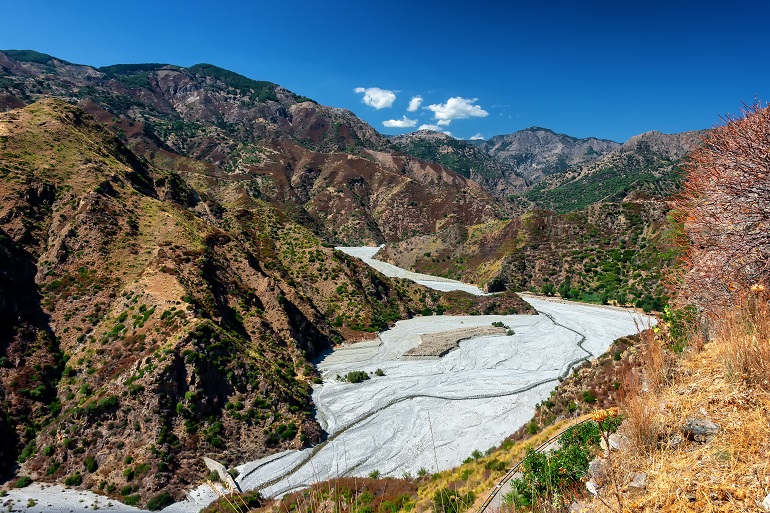
The park is characterised by torrential watercourses called 'fiumare,' which demonstrate significant seasonal variations. These rivers create impressive waterfalls in their upper reaches during winter, while their flow reduces substantially during summer and autumn.
Coastal Connection
The park's territory stretches between the Ionian and Tyrrhenian Seas, with contrasting coastal characteristics. The Ionian side features gentle slopes towards the coast, while the Tyrrhenian side is marked by four distinct terraced levels. A narrow stretch of land connects the mountains to the sea, occasionally interrupted by dramatic promontories like Mount Sant'Elia.
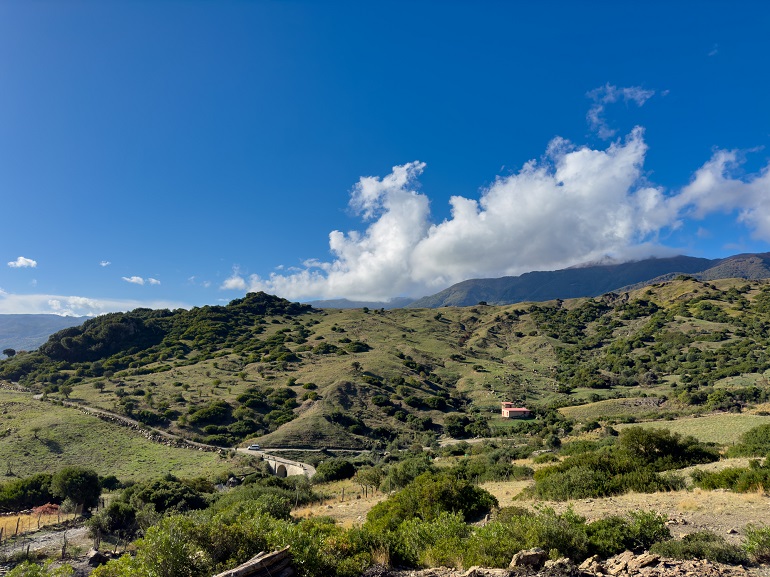
The park's diverse terrain and dramatic elevation changes create a spectacular landscape that offers visitors breathtaking panoramic views, including vistas of Mount Etna and the Aeolian Islands on clear days.
Flora and Fauna
The Aspromonte National Park boasts an extraordinary biodiversity with approximately 1,500 species of fauna and flora, making it a remarkable destination for nature enthusiasts.
Wildlife
Mammals
The park hosts fascinating creatures including the Italian wolf, which has successfully returned after a two-decade absence. Visitors might spot wild cats prowling through the undergrowth, dormice scampering about at night, and the distinctive Calabrian black squirrel darting between trees. Other residents include foxes, European pine martens, badgers, and both Corsican and European hares. Since 2011, the park has welcomed the return of roe deer, which had been absent for nearly a century.
Birds
With around 80 breeding species, the park is a birdwatcher's paradise. The rocky areas harbour majestic golden eagles, eagle owls, and peregrine falcons. Forest-dwelling species include sparrowhawks, goshawks, honey buzzards, and the rare black woodpecker. The park serves as a crucial migration point for birds crossing the Mediterranean, particularly in autumn when hundreds gather before their journey.
Reptiles and Amphibians
The park's diverse habitats support various reptiles, including the Hermann's tortoise with its distinctive yellow and black-spotted shell, Hugyi vipers, and western green lizards. In the wetter areas, particularly on the Tyrrhenian slope, one might encounter fire salamanders and the endemic Apennine yellow-bellied toad.
Plant Life
Forest Zones
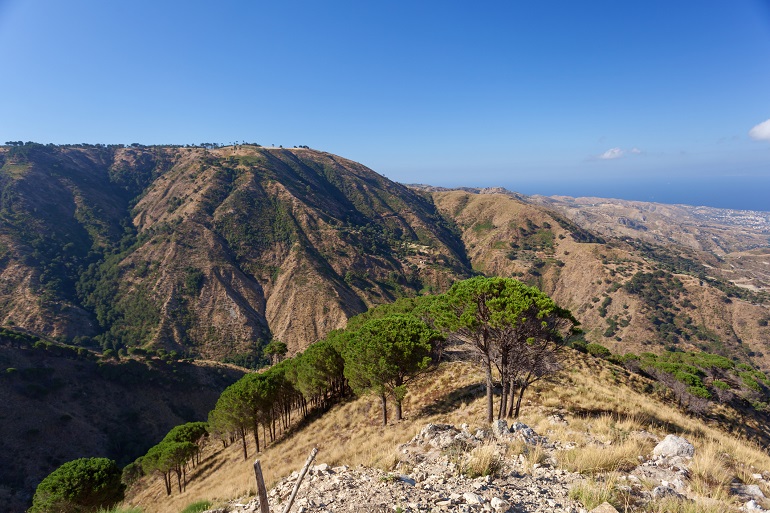
The park's vegetation varies dramatically with altitude. At lower levels, typical Mediterranean maquis flourishes with broom, cistus, holm oak, myrtle, and strawberry tree. Moving upward, visitors encounter impressive oak woodlands and majestic pine forests. The higher elevations feature Europe's southernmost beech forests, sometimes intermingled with silver fir.
Unique Flora
One of the park's most remarkable botanical treasures is the Woodwardia radicans, a giant subtropical fern that's a living remnant from the Tertiary period. Along the watercourses, visitors can admire poplars, willows, and alders, while the park's varied terrain supports an impressive array of rare plant species, making it a sanctuary of Mediterranean biodiversity.
Activities and Attractions
The Aspromonte National Park, located in the province of Reggio Calabria, offers a remarkable blend of natural wonders, cultural heritage, and outdoor activities that make it a captivating destination for travellers.
Natural Attractions
The park boasts incredible biodiversity with more than 1,500 plant species and diverse fauna, including golden eagles, wolves, black squirrels, and wild cats. The UNESCO-recognised Valley of the Great Stones features spectacular monoliths, including the iconic Pietra Cappa, which rises 830 metres above sea level.
Outdoor Activities
Winter Sports
- Skiing and snowboarding at Gambarie d'Aspromonte, offering the unique experience of skiing whilst enjoying views of the Strait of Messina
Hiking and Cycling
- 11 marked trails of varying difficulty levels
- The notable Samo to Montalto path (26.11 km, 7.5 hours)
- The scenic Amendolea Falls trail (1.977 km, 35 minutes)
- Three stages of the Ciclovia dei Parchi della Calabria, spanning 545 km
Adventure Sports
- Canyoning
- Canoeing
- Kayaking
- Horse riding
- Mountain biking on three dedicated routes: Nino Martino, Terreni Rossi, and Acqua della Face - Montalto

Cultural Heritage
Historic Villages
- Bova: One of Italy's Most Beautiful Villages and a stronghold of Calabrian Greek culture
- Pentedattilo: An iconic ghost town with mysterious Mount Calvario
- Gallicianò: One of the last repositories of ancient Greek dialect
- Staiti: Home to the ruins of Santa Maria di Tridetti church
Natural Landmarks
- Amendolea Falls (also known as Maesano Falls)
- Mundu and Galasia waterfalls
- Lake Rumia
- Lake Costantino
- Mount S. Elia
The park is particularly special for its ability to combine Mediterranean landscapes with mountain environments, offering visitors the rare opportunity to experience both alpine and coastal ecosystems in one location.
Accommodation
Accommodation in Aspromonte National Park offers visitors a range of well-organised lodging options to suit different budgets and preferences. Hotel rates in the area start from as little as €31 per night, making it an accessible destination for most travellers.
Types of Accommodation
Hotels and Lodges
The park features numerous hotels scattered throughout the region, with most properties offering fully refundable booking options. Many establishments provide modern amenities and are strategically located near key attractions and transport links.
Bed & Breakfasts
Small, intimate B&Bs are available throughout the park, offering a more personal accommodation experience with attention to detail in their service.
Agritourism Properties
Farm stays and rural accommodations are available for those seeking an authentic experience closer to nature, complete with traditional hospitality.
Amenities and Services
The accommodation facilities across the park are well-organised with quality services for visitors. Most properties offer standard amenities such as:
- Air conditioning
- Private parking
- Wi-Fi connectivity
- On-site dining options
Visitor Support
Visitor Centres are conveniently located throughout the territory, providing guests with comprehensive information about local attractions, cultural sites, and outdoor activities. These centres can assist travellers in finding suitable accommodation and planning their stay in the park.
Gastronomy
The Aspromonte National Park offers a remarkable culinary journey that showcases the finest of Calabrian gastronomy, where traditional recipes meet modern interpretations.
Fine Dining
At the heart of Aspromonte's culinary renaissance stands Quafiz, a Michelin-starred restaurant in Santa Cristina d'Aspromonte. Housed in an 18th-century farmhouse, Chef Nino Rossi presents innovative Aspromonte-to-table cooking, elevating local ingredients to new heights. The restaurant complex now includes the ASPRO cocktail bar and Casa Quafiz, offering luxury accommodation with panoramic views.
Traditional Specialities
The region's signature pasta dish, Musulupa, consists of handmade macaroni served with hearty meat sauces made from beef, pork or goat. Local charcuterie is particularly noteworthy, featuring specialities such as soppressate, nduja, capoccoli and spiced sausages. The confectionery tradition thrives with delectable almond nougats, available in both white and dark chocolate varieties.
Where to Dine
- Sapori Antichi d'Aspromonte in Canolo excels in local meats and charcuterie, offering an authentic steakhouse experience
- Scutellà in Delianuova is renowned for its artisanal pastries, particularly the almond-based sweets
- Bar del Tocco in Gerace serves exceptional gelato and granita
- La Taverna del Borgo in Mammola specialises in traditional Calabrian dishes, notably stockfish
Local Produce
The park's diverse terrain yields an impressive variety of wild ingredients, including 25 types of wild chicory, fennel, and white fir, which local chefs incorporate into their dishes. The region's mountain huts, farms and small restaurants offer visitors the chance to sample authentic local cuisine in rustic settings.
The gastronomy of Aspromonte represents a perfect blend of tradition and innovation, where age-old recipes are preserved whilst embracing modern culinary techniques, making it a must-visit destination for food enthusiasts.
Best Time to Visit
The optimal timing for your visit to Aspromonte National Park varies depending on your preferred activities and interests. Here's a comprehensive guide to help you plan your trip:
Spring and Early Summer (April to June)
The park bursts into life with blooming wildflowers, offering perfect conditions for hiking and nature walks. Temperatures are mild and pleasant, making it ideal for exploring the extensive network of trails and historic sites without the intense summer heat.
Peak Summer (July to August)
Whilst these months bring the warmest temperatures, they're excellent for enjoying the Costa Viola's beautiful beaches and swimming in the crystal-clear Mediterranean waters. However, be prepared for larger crowds and higher accommodation prices during this peak tourist season.
Autumn (September to October)
This period presents a sweet spot for visitors, with comfortable temperatures and fewer tourists. The weather remains suitable for outdoor activities, and you'll have better access to attractions without the summer crowds.
Winter (November to February)
The park experiences mild winters with increased rainfall, particularly in the mountainous areas. The Tyrrhenian side receives the most precipitation, whilst the Ionian side remains warmer and drier.
The park features two distinct climate zones:
- Sub-Mediterranean-temperate climate in mountainous regions
- Mediterranean climate in hilly areas
Hiking and Trekking: Spring and autumn offer the most comfortable conditions
Beach Activities: June to September
Wildlife Watching: Spring for bird watching and flora
Cultural Exploration: Spring and autumn for visiting villages and historic sites
Mountain Sports: Winter for skiing and snowboarding in designated areas
For the most rewarding visit, consider planning your trip during the shoulder seasons of spring or early autumn, when you can enjoy pleasant weather, reasonable prices, and a peaceful atmosphere whilst exploring this remarkable Italian national park.
Getting There and Around
Getting to and Around the Aspromonte National Park
The Aspromonte National Park, situated in the southernmost part of Italy's peninsula in the province of Reggio Calabria, offers several transport options for visitors.
Getting There
By Car The most flexible way to reach the park is by car. From the north, take the A3 motorway (Salerno-Reggio Calabria). If coming from Reggio Calabria, take the Gallico exit and follow the SS184 to Gambarie. Visitors from the south should exit at Bagnara Calabra and continue along the SS112 towards Sant'Eufemia d'Aspromonte and Gambarie.
By Public Transport
- Train services run to Reggio Calabria Central Station and Villa San Giovanni
- From Reggio Calabria Airport or Lamezia Terme International Airport
- Regular ATAM bus services connect Reggio Calabria Central Station to various park entrances
Getting Around
Bus Services ATAM operates several bus routes within the park region:
- Line 319: Runs from Reggio Calabria to Gambarie every 4 hours
- Line 320: Provides service from San Sperato to Cardeto
- Journey times typically range from 1 to 2 hours
Taxi Services Taxis are available from Reggio Calabria to various park locations, with journey times of approximately 30 minutes. While more expensive than buses, they offer greater flexibility and comfort.
Travel Tips
- Book public transport tickets in advance during peak season
- Bus services may be limited on weekends and holidays
- Consider combining different transport methods for the best experience
- Carry cash for transport tickets, as not all services accept cards
- Allow extra time for journeys, as mountain roads can be winding
The park's extensive network of hiking trails and natural attractions are best explored on foot once you've arrived at your destination within the park.
Conservation and Responsible Tourism
The Aspromonte National Park stands as a remarkable testament to Italy's natural heritage, requiring thoughtful conservation efforts and responsible tourism practices to preserve its unique ecosystems.
Natural Heritage
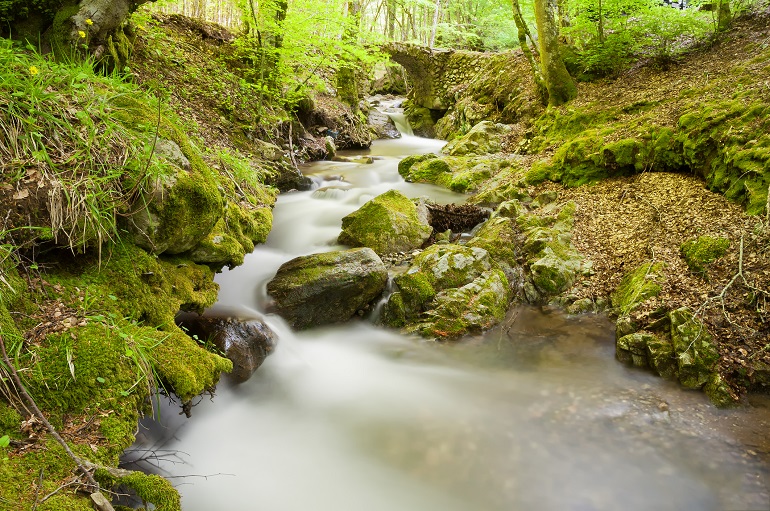
The park boasts extraordinary biodiversity with over 1,500 plant species and diverse wildlife, including the recently reintroduced Italian roe deer, which has returned after a century-long absence. The UNESCO-recognised old-growth beech forests in Valle Infernale, with trees over 200 years old, serve as crucial carbon stores and provide essential habitat for species like Italian wolves, peregrine falcons, and goshawks.
Conservation Efforts
The park's environmental significance has gained international recognition, with its inclusion in the UNESCO Global Geoparks Network in 2021. The old-growth forests play a vital role in:
- Carbon storage and climate change mitigation
- Clean water and air provision
- Biodiversity preservation
- Ecosystem stability maintenance
Responsible Tourism Guidelines
Guided Experiences
Professional hiking guides serve as crucial intermediaries between visitors and park management, offering expert knowledge about conservation and sustainability. These guides help ensure minimal environmental impact whilst providing enriching educational experiences about the park's ecological significance.
Sustainable Activities
The park offers numerous low-impact activities:
- Marked hiking trails of varying difficulties
- Designated mountain biking routes
- Nature photography opportunities
- Guided wildlife observation
Environmental Protection
Visitors should follow these principles:
- Stay on marked trails
- Carry out all waste
- Avoid disturbing wildlife
- Respect protected plant species
- Follow local guidelines during fire-risk seasons
Economic Impact
Ecotourism represents a vital opportunity for sustainable development in the region, supporting local communities whilst preserving natural resources. The park's approach to tourism aims to balance conservation needs with visitor enjoyment, ensuring that tourism benefits both the environment and local economy.
Visitor Centres and Educational Facilities
The Aspromonte National Park offers excellent visitor facilities and educational opportunities throughout its territory. Seven dedicated Visitor Centres are strategically placed across the park, each focusing on different thematic areas to showcase the region's environmental features, history, and cultural traditions.
Zomaro Botanical Museum
Located in Cittanova at 1,000 metres above sea level, this specialised facility houses an impressive herbarium containing approximately 200 local flora specimens. The museum features educational displays about Aspromonte's unique landscapes, along with interactive exhibits including plant models and an innovative multimedia whiteboard.
Biodiversity Observatory
Situated in Cucullaro near Gambarie, this facility provides comprehensive information about the park's diverse flora, fauna, and ecosystems. The observatory serves as an essential resource for understanding the park's rich biodiversity.
The park authority offers several educational programmes:
- Guided school tours led by Official Tour Guides
- Environmental education activities
- Bird migration monitoring programmes with volunteer opportunities
- Interactive workshops about local wildlife and ecosystems
The Visitor Centres provide comprehensive services including:
- Detailed information about nature trails and hiking routes
- Cultural and traditional insights about the region
- Activity planning assistance
- Educational resources about local ecosystems
- Guidance for exploring the park's archaeological and historical sites
The centres are staffed by knowledgeable personnel who can help visitors plan their experience in the park, whether they're interested in nature walks, cultural exploration, or educational activities. The facilities serve as essential gateways for visitors to discover and appreciate the extraordinary natural and cultural heritage of Aspromonte.