


| Contents |
|---|

Introduction
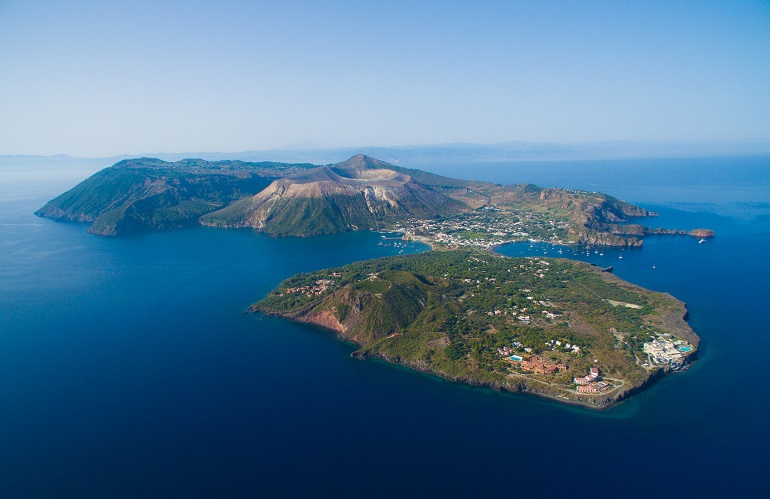
The Aeolian Islands are a volcanic archipelago of seven UNESCO-protected islands located in the Tyrrhenian Sea off the northeastern coast of Sicily, Italy. Named after Aeolus, the mythical ruler of the winds, these islands were formed by volcanic activity over 260,000 years and feature two active volcanoes - Stromboli and Vulcano. The archipelago consists of Lipari, Panarea, Filicudi, Alicudi, Salina, Vulcano, and Stromboli, each offering distinct landscapes shaped by volcanic activity. The islands are characterised by their fertile volcanic soil, which supports abundant agriculture, including capers, figs, olives and lemons, while also featuring black sand beaches, thermal mud baths, and extensive hiking trails.
Geography and Landscape
The Aeolian Islands form a stunning volcanic archipelago in the Tyrrhenian Sea, situated 30 to 80 kilometres off Sicily's northern coast. This UNESCO World Heritage Site comprises seven main inhabited islands and several smaller uninhabited islets and rocky outcrops.
Island Sizes (from largest to smallest)
- Lipari: 37.5 square kilometres
- Salina: 26.8 square kilometres
- Vulcano: 21.2 square kilometres
- Stromboli: 12.6 square kilometres
- Filicudi: 9.5 square kilometres
- Alicudi: 5.2 square kilometres
- Panarea: 3.4 square kilometres
The archipelago's dramatic landscape was shaped by volcanic activity over 260,000 years, creating a mesmerising mix of natural features. Two active volcanoes remain: Stromboli and Vulcano, both offering spectacular displays of volcanic activity. The islands feature steaming fumaroles and thermal waters, whilst the highest point in the archipelago is Monte Fossa delle Felci on Salina, reaching 962 metres above sea level.
Each island presents unique geographical characteristics:
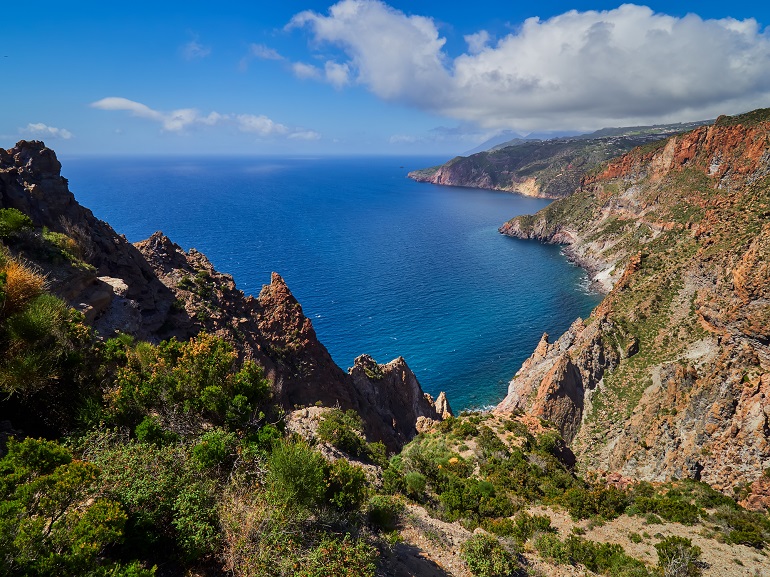
- Salina: Distinguished by twin volcanic peaks and dramatic coastal cliffs
- Vulcano: Known for its black sand beaches and thermal mud baths
- Panarea: Features excellent swimming and diving spots
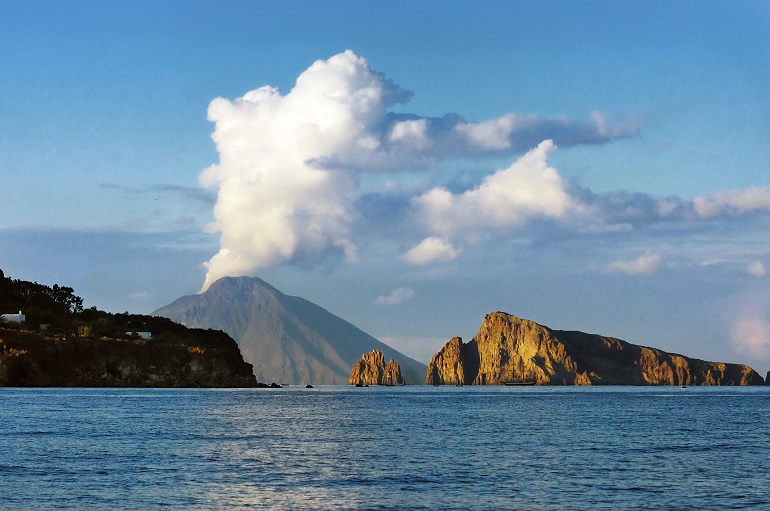
- Stromboli: Dominated by its active volcano
- Filicudi and Alicudi: The most remote islands, characterised by their pristine, untouched landscapes
The archipelago stretches across more than 140 kilometres, forming part of a larger zone of geological activity in the Mediterranean region. The islands' volcanic origins have created extraordinary landscapes featuring caves, dramatic cliffs, and distinctive beaches, making each island a unique destination for visitors.
Flora and Fauna
The Aeolian Islands boast a remarkable biodiversity that has evolved over 7,000 years of isolation, creating a unique ecosystem of plants and wildlife.
Flora
The archipelago features approximately 900 species of Mediterranean vascular plants. The landscape varies significantly across the islands, with several notable highlights:
Native Vegetation
- Vast stretches of holm oaks, heathers, honeysuckles, and strawberry trees can be found in pristine condition, particularly in the less accessible areas of Stromboli's Fico Grande village, Vulcano's Gelso area, and Lipari's Pirrera zone.
- The islands showcase beautiful wild orchids in spring, including the yellow Ophrys lutea and the wasp flower orchid (Ophrys tenthredinifera).
- The endemic Tyrrhenian broom creates stunning yellow displays between May and June, particularly on Stromboli's summit.
Agricultural Plants
The islands support important agricultural species, particularly grape vines and olive trees. Salina is especially known for producing Malvasia, a celebrated dessert wine, while capers represent another significant export.
Fauna
Land Animals
- The Liparian garden dormouse, a unique subspecies found only on Lipari, is notably larger than its mainland counterparts.
- The Aeolian wall lizard, a rare endemic species with distinctively dark colouring, survives on smaller islets.
- The archipelago hosts the non-venomous dark green snake, which helps control the local mouse and insect populations.
Marine Life
The waters around the islands teem with diverse marine species, including:
- Various fish species such as anchovies, sardines, and mackerels
- Impressive colonies of black corals and gorgonians
- One of the Mediterranean's largest and densest bamboo coral forests
Bird Life
The islands serve as an important stopover for numerous migratory birds, including:
- Pelicans, herons, and flamingos during spring and autumn migrations
- Resident shearwaters, known locally as "araghiune"
The archipelago's remarkable biodiversity has led to calls for increased marine protection, with recent surveys identifying over 900 different taxa and 57 types of marine habitats.

Activities and Attractions
The Aeolian Islands, a UNESCO World Heritage Site comprising seven stunning islands off Sicily's coast, offer a remarkable array of activities and attractions for visitors.
Volcanic Experiences
- Stromboli Volcano: Europe's most active volcano provides spectacular nightly displays of lava fountains. Join guided hikes to the summit for breathtaking views.
- Vulcano's Great Crater: Climb the smoking crater at your own pace for panoramic views of all seven islands. The trek is moderately challenging but rewarding.
- Natural Thermal Features: Experience Vulcano's natural mud baths at Laghetto dei Fanghi and the thermal springs at Spiaggia delle Fumarole.

Water Activities
- Boat Excursions: Take boat tours to explore hidden coves, dramatic rock formations, and marine caves like Grotta degli Angeli.
- Water Sports: Enjoy snorkelling in crystal-clear waters, kayaking around the islands, or stand-up paddleboarding along the coastline.
- Beach Hopping: Visit distinctive beaches including the black sand shores of Stromboli and the pumice-white beaches of Acquacalda in Lipari.
Cultural Sites
- Lipari Castle: Explore this 15th-century Spanish fortress housing the Luigi Bernabò Brea Archaeological Museum.
- Prehistoric Village: Visit Bronze Age ruins of Mycenaean origin on Panarea, offering spectacular coastal views.
- Marina Corta: Stroll through this charming harbour area, perfect for people-watching and enjoying local cuisine.
Island Adventures
- Scooter Exploration: Rent a scooter to discover hidden viewpoints and local villages, particularly on larger islands like Lipari and Salina.
- Evening Entertainment: Experience the traditional Italian 'passeggiata' on Corso Vittorio Emanuele II in Lipari.
- Quattrocchi Viewpoint: Visit this famous lookout point on Lipari for the archipelago's most stunning panoramic views.
Practical Tips
- Inter-island ferries run regularly
- Guided tours recommended for volcanic hikes
- Early morning starts advised for crater climbs to avoid midday heat
- Booking ahead essential for popular activities, especially in peak season
Accommodation
The Aeolian Islands offer diverse accommodation options, from charming boutique hotels to family-run establishments and private villas. Here's what you should know:
Types of Accommodation
- Hotels
- Boutique hotels are prevalent, often featuring traditional Aeolian architecture
- Most properties are locally owned and family-operated
- Many hotels boast infinity pools, sea views, and Mediterranean gardens
- Accommodation ranges from basic to luxury, with limited high-end options
- Private Villas
- Sprawling properties available for larger groups and families
- Many feature panoramic terraces and private pools
- Perfect for those seeking more privacy and space
- Often come with bespoke amenities and services
- Holiday Homes
- Self-catering options available across the islands
- Range from simple apartments to luxurious houses
- Particularly abundant on the larger islands
Location Considerations
- Salina
- Considered the best island for accommodation
- Offers excellent boutique hotels and upscale options
- Features the perfect level of development
- Convenient for island-hopping
- Panarea
- Known for premium-priced accommodation
- Car-free island with golf-cart taxis
- Limited options but exclusive atmosphere
- Stromboli
- Worth considering for at least one night to experience volcanic activity
- More basic accommodation options
- Booking essential during peak seasons
Practical Information
- Prices tend to be medium to high, especially in peak season
- Early booking is essential, particularly for summer months
- Many properties close during winter
- Some islands have very limited accommodation options
- Most establishments offer free Wi-Fi and breakfast
- Air conditioning is standard in most properties
Best Time to Book
- Book well in advance for July and August
- Better rates available in spring and autumn
- Many properties offer free cancellation
- Weekend rates typically higher than midweek
Gastronomy
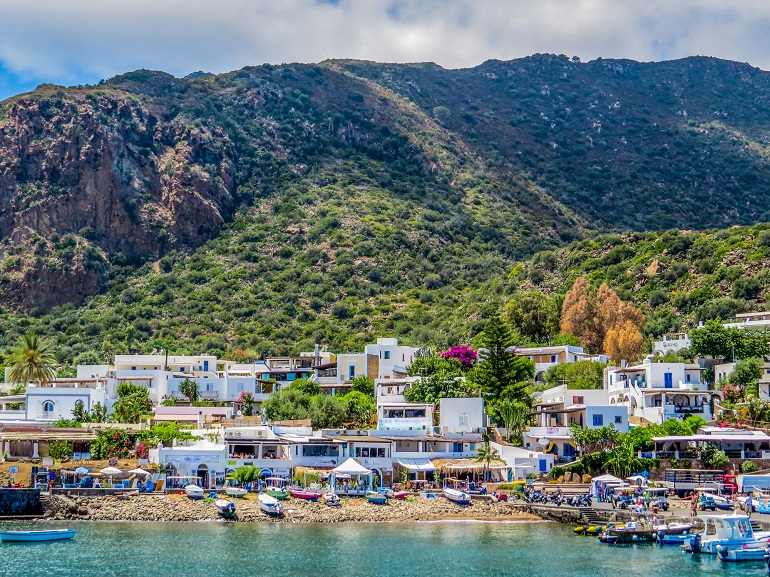
The Aeolian Islands offer a remarkable culinary heritage that combines seafaring traditions with local ingredients to create unique and flavourful dishes.
Signature Ingredients
Local Capers stand as an emblem of Aeolian cuisine, particularly on Salina where two varieties - nocellaro and nocella - are cultivated. These buds are manually harvested and preserved in sea salt, featuring prominently in antipasti, salads, and fish dishes.
Tomatoes "a Pennula" are distinguished by their elongated shape and exceptionally sweet flavour, thanks to the archipelago's unique microclimate. These tomatoes are traditionally hung on wicker wheels during summer for winter consumption.
Seafood Specialities
Fish takes pride of place in Aeolian gastronomy, with signature dishes including:
- Aeolian redfish soup, a traditional starter passed down through generations
- Swordfish roulade with local herbs
- Fresh seafood prepared with "salmoriglio" sauce (olive oil, lemon juice, oregano, and chilli pepper)
Traditional Sweets
The islands boast distinctive seasonal confections:
- Christmas specialities: "Nacatuli" (almond biscuits)
- Carnival treats: "Gigi" (fried pastries with cooked wine and cinnamon)
- Easter delicacies: "Cuddura"
- Saint Giuseppe celebration: "Vastidduzzi" (raisin and almond sweets)
Wine and Spirits
Malvasia, known as "the wine of the volcanoes," is the archipelago's celebrated dessert wine, perfectly complementing local sweets.
Notable Restaurants
Several establishments have earned particular recognition:
- Hycesia on Panarea - specialising in Mediterranean cuisine
- Da Pina - world-renowned for its seafood
- Mamma Santina - offering exceptional spaghetti and fish dishes
The Aeolian cuisine embodies the Mediterranean diet, with dishes characterised by the abundant use of aromatic herbs like oregano, rosemary, basil, and wild fennel, creating a unique fusion of land and sea flavours.
Best Time to Visit
The optimal time to visit the Aeolian Islands falls within two distinct periods: spring (April to mid-June) and early autumn (September to mid-October), when the archipelago reveals its most authentic character.
Spring Season (April-June)
Spring offers blazing light and mild temperatures, perfect for both swimming and trekking activities. The islands are refreshingly uncrowded, and everything appears newly polished after the winter break. Late April to June provides balmy temperatures and more reasonable prices compared to peak season.
Summer Season (June-September)
While summer brings guaranteed sunshine, it comes with notable drawbacks:
- July and August are extremely crowded and expensive
- Accommodation and ferries often sell out months in advance
- Temperatures can be uncomfortably hot, though sea breezes provide some relief
Autumn Season (September-October)
September and October offer particular charm with:
- Warm seas still suitable for swimming
- Quieter atmosphere with fewer tourists
- Cultural events, including film festivals and exhibitions
- Perfect weather for hiking volcanic trails
Winter Considerations
Winter (November-March) is generally not recommended as:
- Most businesses shut down
- Only Lipari maintains significant activity
- Smaller islands become virtually deserted
- Ferry services are reduced and weather can disrupt schedules
Prime Months
June and September stand out as the absolute best months, offering the perfect balance of comfortable weather, moderate crowds, and full services. These months provide longer-lasting daylight and the ideal environment to appreciate the islands' natural beauty, with mild days and cool evenings.
Remember that October can bring storms and suspended boat services, so it's wise to build flexibility into travel plans during this period.
Getting There and Around
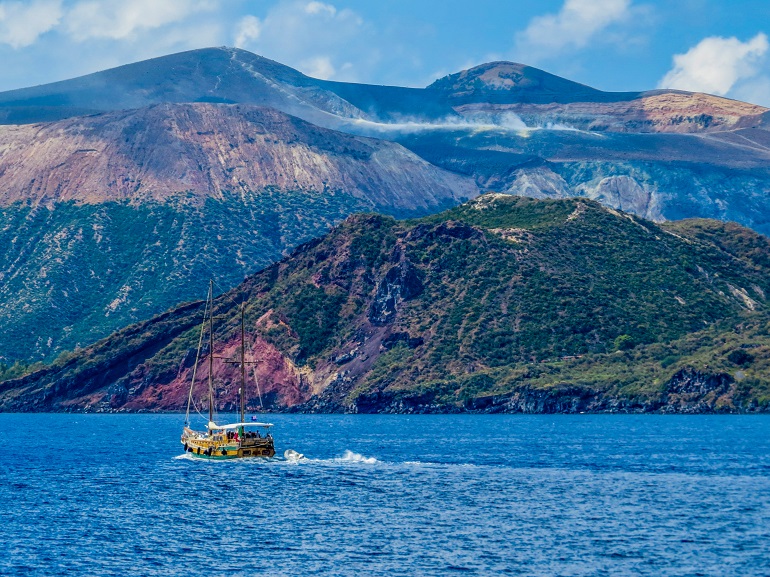
The Aeolian Islands, a stunning archipelago off Sicily's coast, are exclusively accessible by sea, with no airports serving the islands directly. Here's everything you need to know about reaching and exploring these volcanic gems.
Main Access Points The most convenient way to reach the islands is via Sicily, with Milazzo being the primary gateway. The port offers year-round daily connections to all seven islands. Alternative departure points include Messina, Palermo, Naples, and ports in Calabria (Reggio Calabria and Vibo Valentia).
From Major Airports Your journey typically begins at one of these airports:
- Catania Airport: Connect to Milazzo via bus or train (approximately 2 hours)
- Palermo Airport: Seasonal direct hydrofoils to the islands in summer
- Naples Airport: Connect to the port for overnight ferry services
Ferry Services Two main types of sea transport are available:
- Hydrofoils: Faster but more expensive, journey times vary from 45 minutes to 3 hours depending on the island
- Traditional ferries: Slower but more economical, particularly useful for transporting vehicles
Transport Between Islands Regular hydrofoil services connect all seven islands, with Lipari and Salina serving as main transport hubs. Journey times vary significantly:
- Lipari to Salina: 25 minutes to 2 hours
- Salina to Panarea: 30-90 minutes
- Salina to Stromboli: 1-2 hours
Getting Around Individual Islands Each island offers different transport options:
- Smaller islands (Stromboli, Alicudi, Panarea): Entirely pedestrian with no cars allowed
- Larger islands (Lipari, Vulcano, Salina, Filicudi): Local buses, scooter rentals, and taxis available
Travel Tips
- Book hydrofoil tickets in advance during peak summer season (July to mid-September)
- Morning hydrofoils typically offer faster journey times
- Consider leaving your car behind as most islands are easily navigable without one
- Services are more limited during winter months but maintain essential connections
- Expect varying journey times depending on weather conditions and seasonal schedules
Conservation and Responsible Tourism
The Aeolian Islands, a UNESCO World Heritage Site off Sicily's northeastern coast, faces significant conservation challenges while striving to balance tourism with environmental protection.
Conservation Challenges
The archipelago's natural resources face several pressing threats:
- Overgrazing by livestock and poor forestry practices are degrading habitats and threatening endemic plant species
- Invasive species are displacing native flora and fauna
- Marine environments suffer from unsustainable fishing, pollution, and heavy maritime traffic
- Mass tourism creates pressure on freshwater resources and causes vegetation degradation
Sustainable Tourism Initiatives
Marine Protection
The Italian government has committed to establishing marine reserves throughout the archipelago, with local fishermen adopting sustainable practices. Over 22,000 pounds of ghost nets have been removed from the waters, and 30 local fishermen have signed up to a code of responsible fishing conduct.
Waste Management
Innovative solutions are being implemented across the islands:
- 50,000 plastic bottles have been recycled in Lipari through eco-compactor machines
- 10,000 reusable shopping bags have been distributed to reduce single-use plastic
- The ReBoat project is developing mobile waste processing facilities to manage tourist-season waste peaks
Responsible Boating
A comprehensive code of conduct has been established for boaters to:
- Reduce pollution and habitat damage
- Protect endangered species like loggerhead turtles and sperm whales
- Preserve vital Posidonia seagrass meadows
Tips for Responsible Visitors
- Base yourself in Salina for a more sustainable experience, as it offers the perfect balance of development and preservation
- Consider eco-friendly sailing tours that support local conservation efforts
- Visit during shoulder seasons to reduce pressure on local resources
- Support local businesses that have adopted sustainable practices
- Follow established hiking trails and respect protected areas
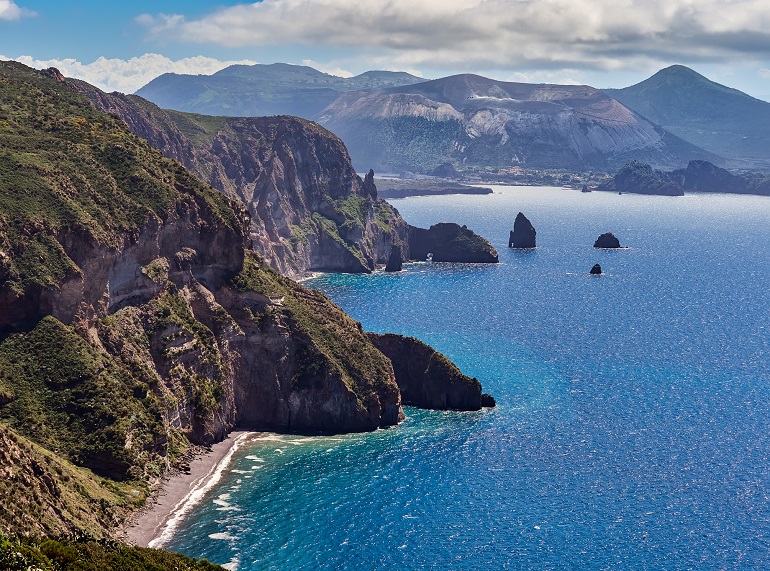
The islands' future depends on maintaining a delicate balance between tourism and conservation. Through collaborative efforts between local authorities, conservation groups, and responsible tourists, the Aeolian Islands are working to preserve their natural heritage for future generations.
Visitor Centres and Educational Facilities
The Aeolian Islands offer excellent educational facilities and visitor centres that provide fascinating insights into the archipelago's volcanic activity and natural heritage.
The INGV (National Institute of Geophysics and Volcanology) operates two primary visitor centres on the islands of Stromboli and Vulcano. These centres serve as vital hubs for scientific information and volcanic monitoring.
Stromboli Information Centre
- Features exhibition rooms with bilingual panels explaining Aeolian volcanism
- Displays real-time monitoring data of volcanic activity
- Shows live thermal camera footage of crater explosions
- Houses a rock library showcasing volcanic products
- Includes a multimedia room for educational videos
Vulcano Information Centre
- Named the "Marcello Carapezza" Volcano Information Centre
- Offers comprehensive displays about the island's volcanic history
- Shows real-time data of fumarole temperatures
- Provides information about carbon dioxide concentrations
- Features educational panels in both Italian and English
The islands serve as a natural laboratory for geological and volcanic studies. The archipelago regularly hosts:
- International summer schools in volcanology
- Field-based research programmes
- Scientific workshops and conferences
- Educational tours for university students
- Training courses for researchers
Both information centres welcome over 15,000 visitors annually during the peak tourist season (July to October) and are particularly popular with families and school groups. They provide valuable resources for understanding the unique geological features that earned the Aeolian Islands their UNESCO World Heritage status.
Visitors can obtain informative brochures with detailed maps of hiking trails and essential safety information. The centres are staffed by knowledgeable researchers who can explain the fascinating volcanic phenomena in accessible terms.